Teleost Fish Skull Fossil Eocene Isle of Wight Bembridge Authentic Specimen Certified Rare Vertebrate Fragment
£ 60.00
Teleost Fish Skull Fragment Fossil – Genuine Eocene Specimen from BembridgeThis authentic teleost fish skull fragment fossil originates from the Bembridge
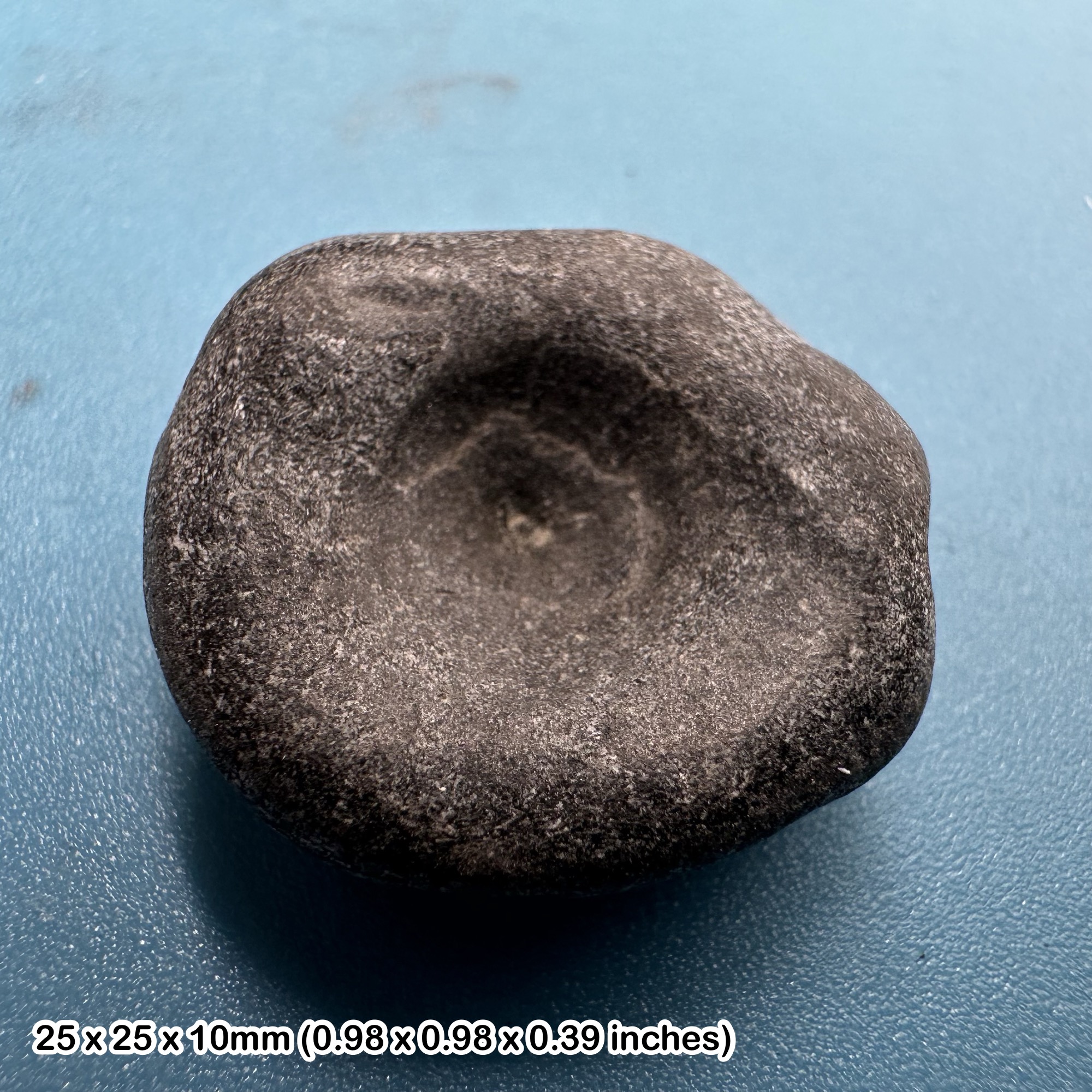
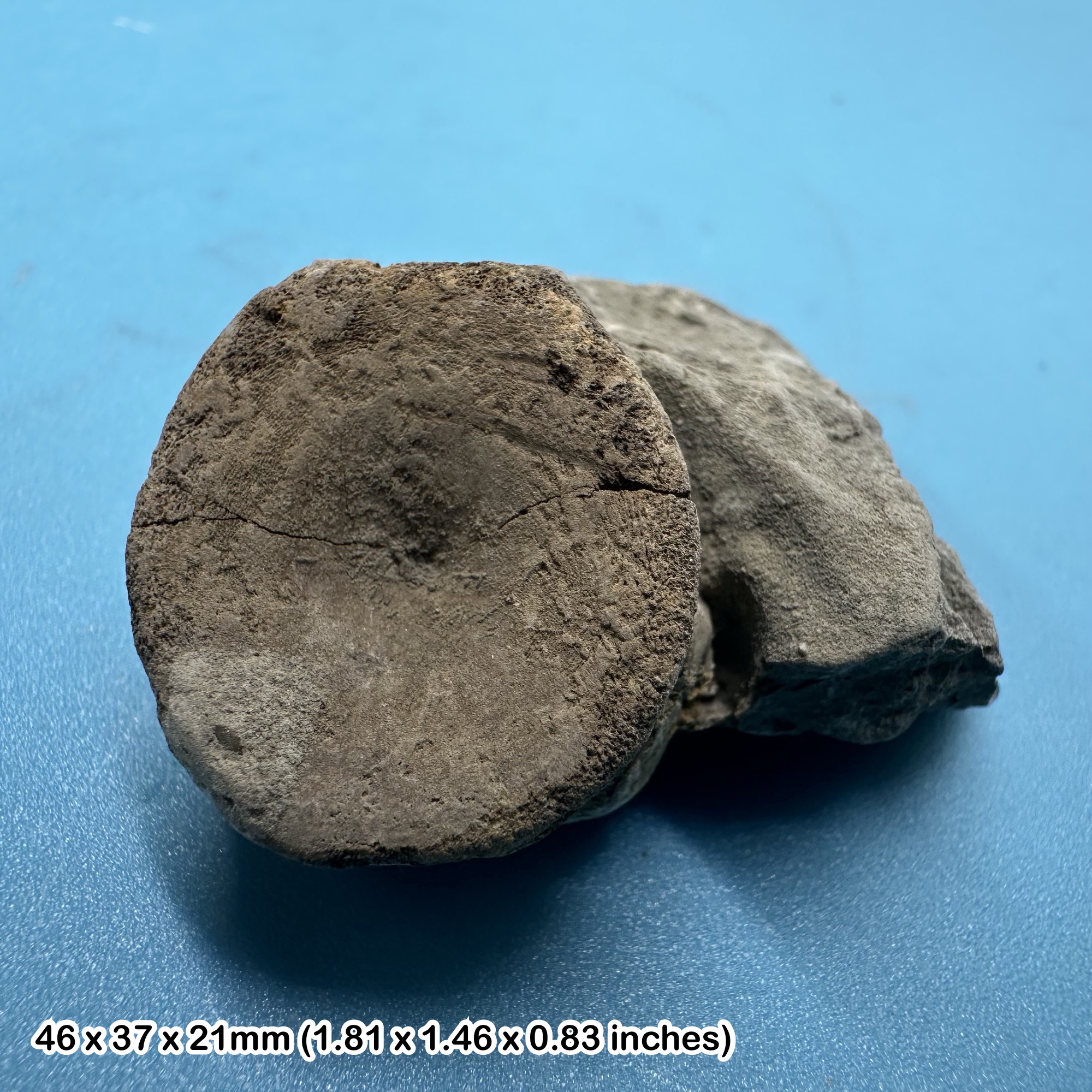
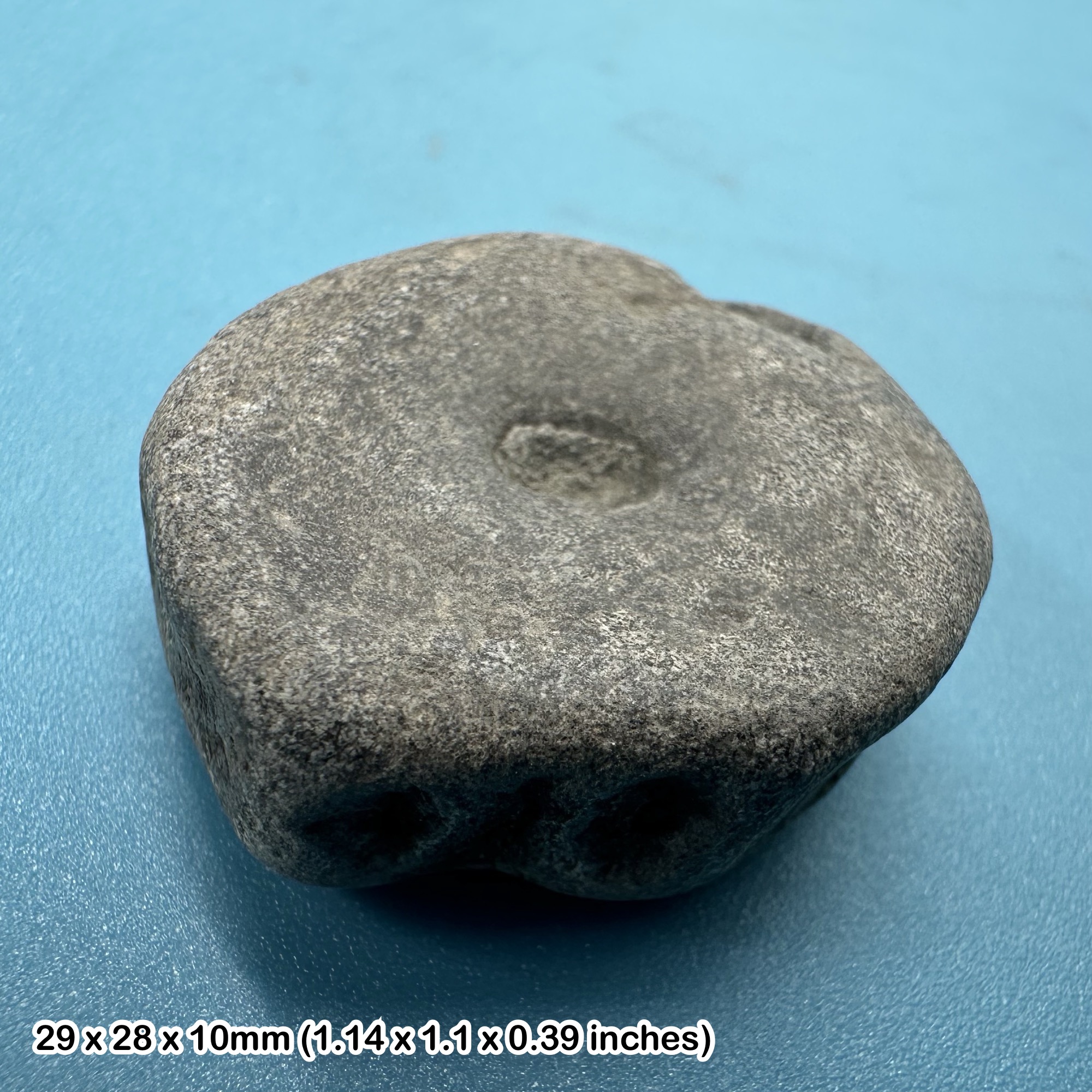
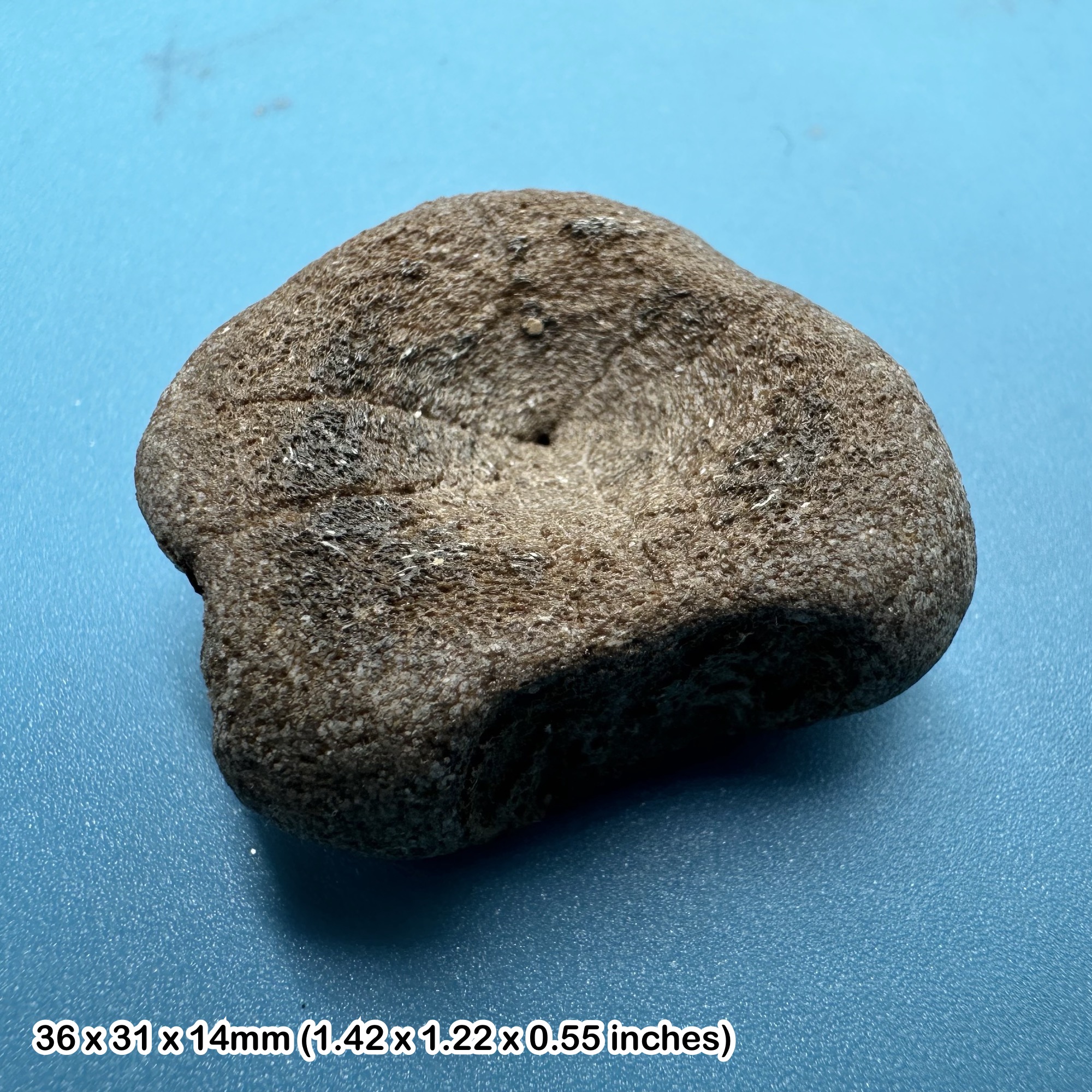
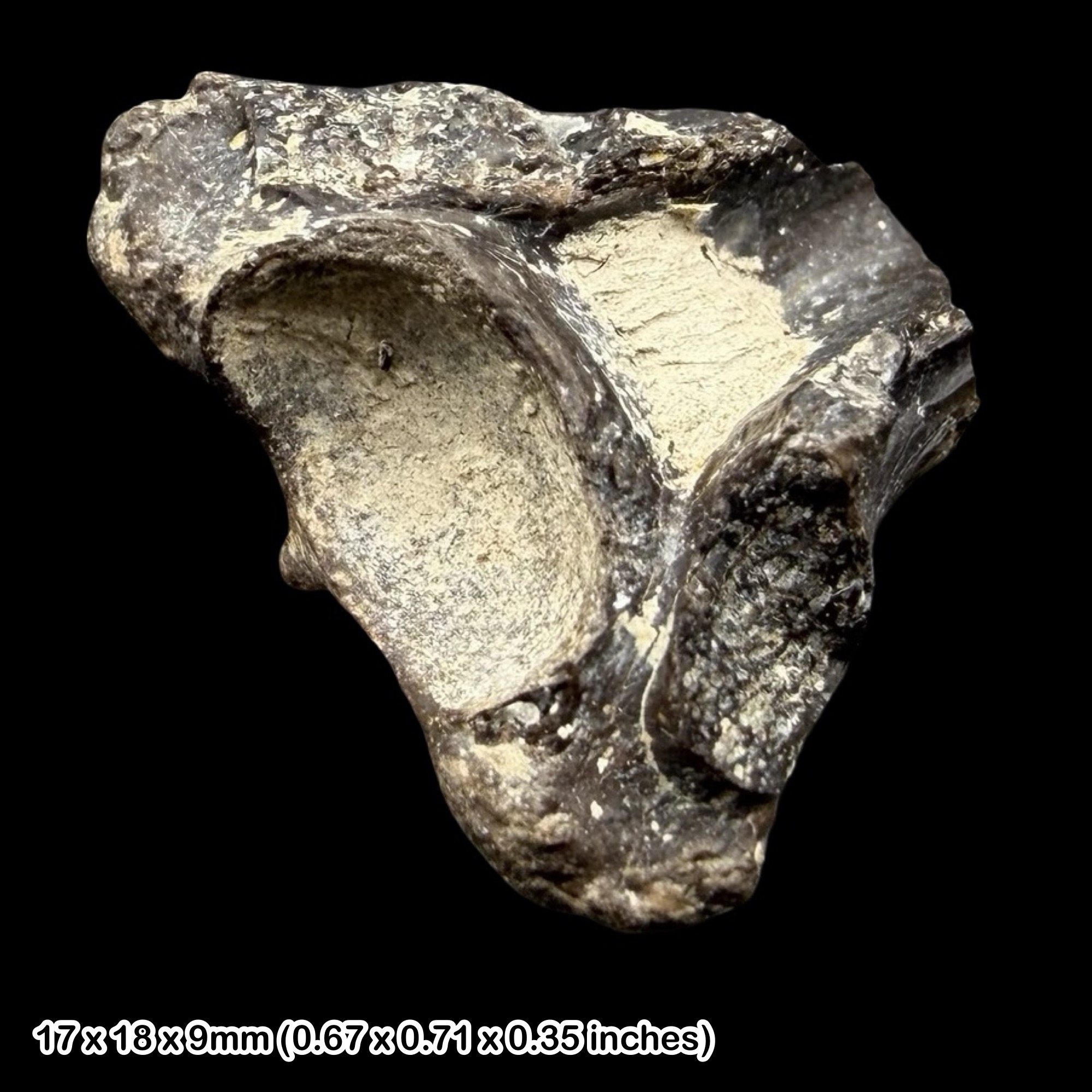
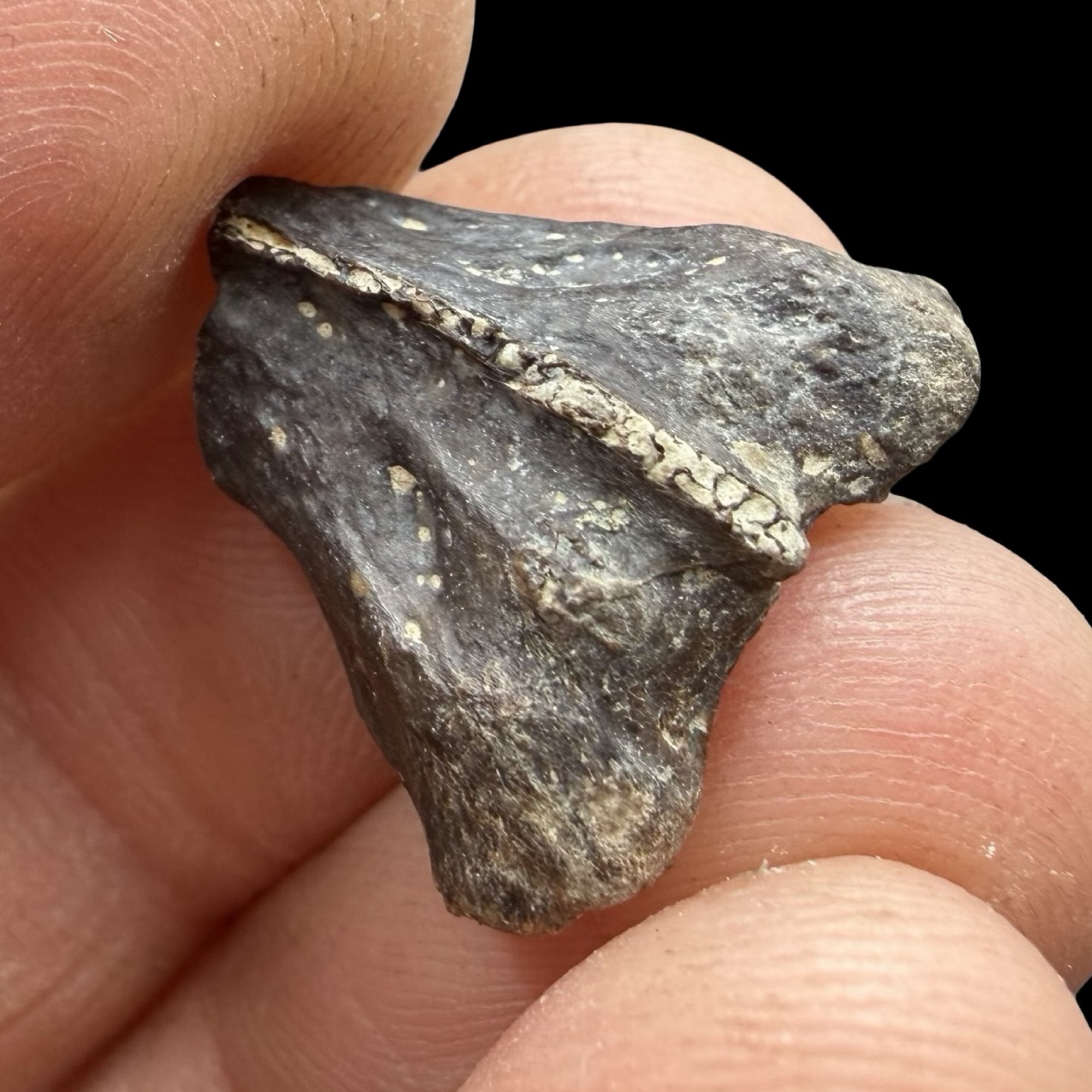
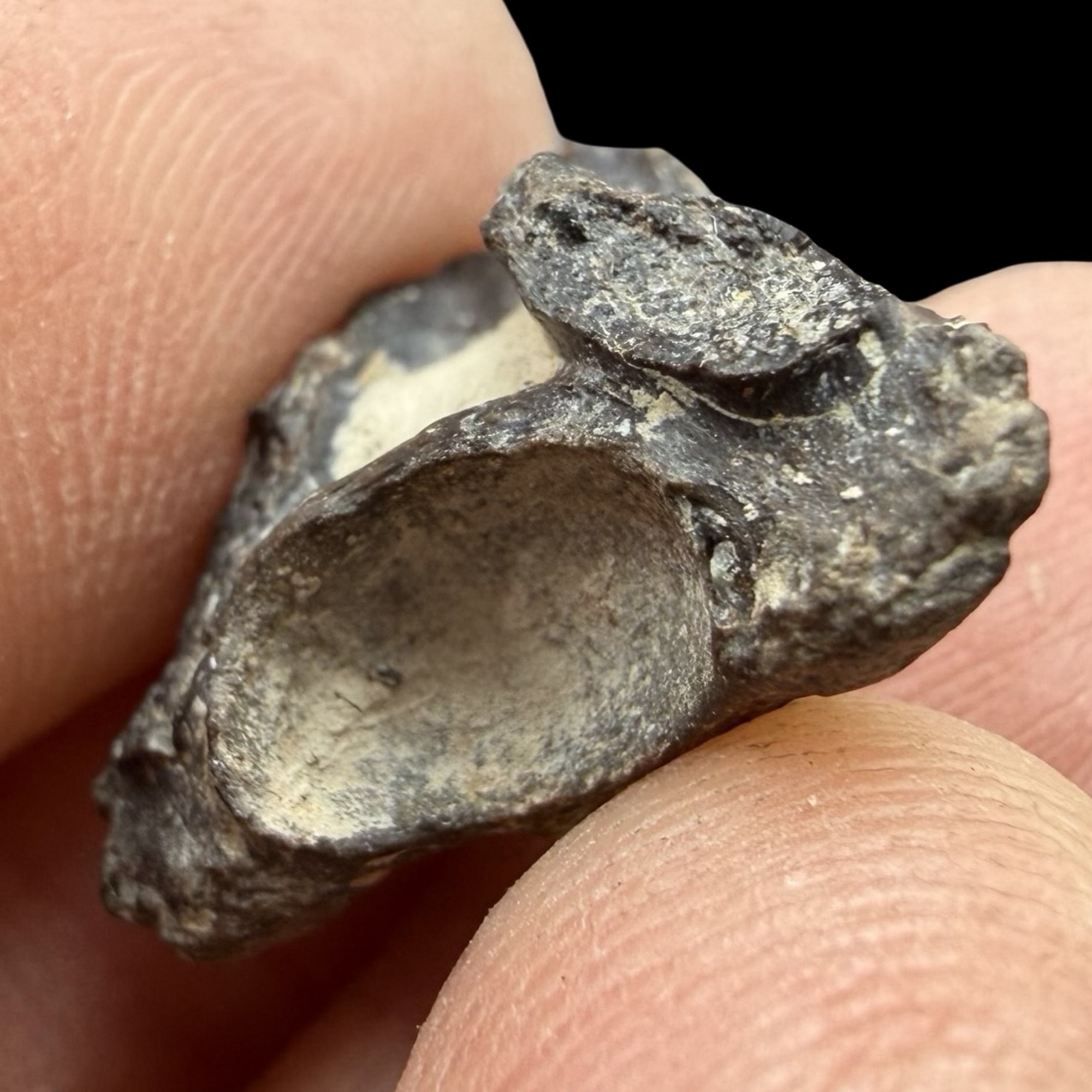
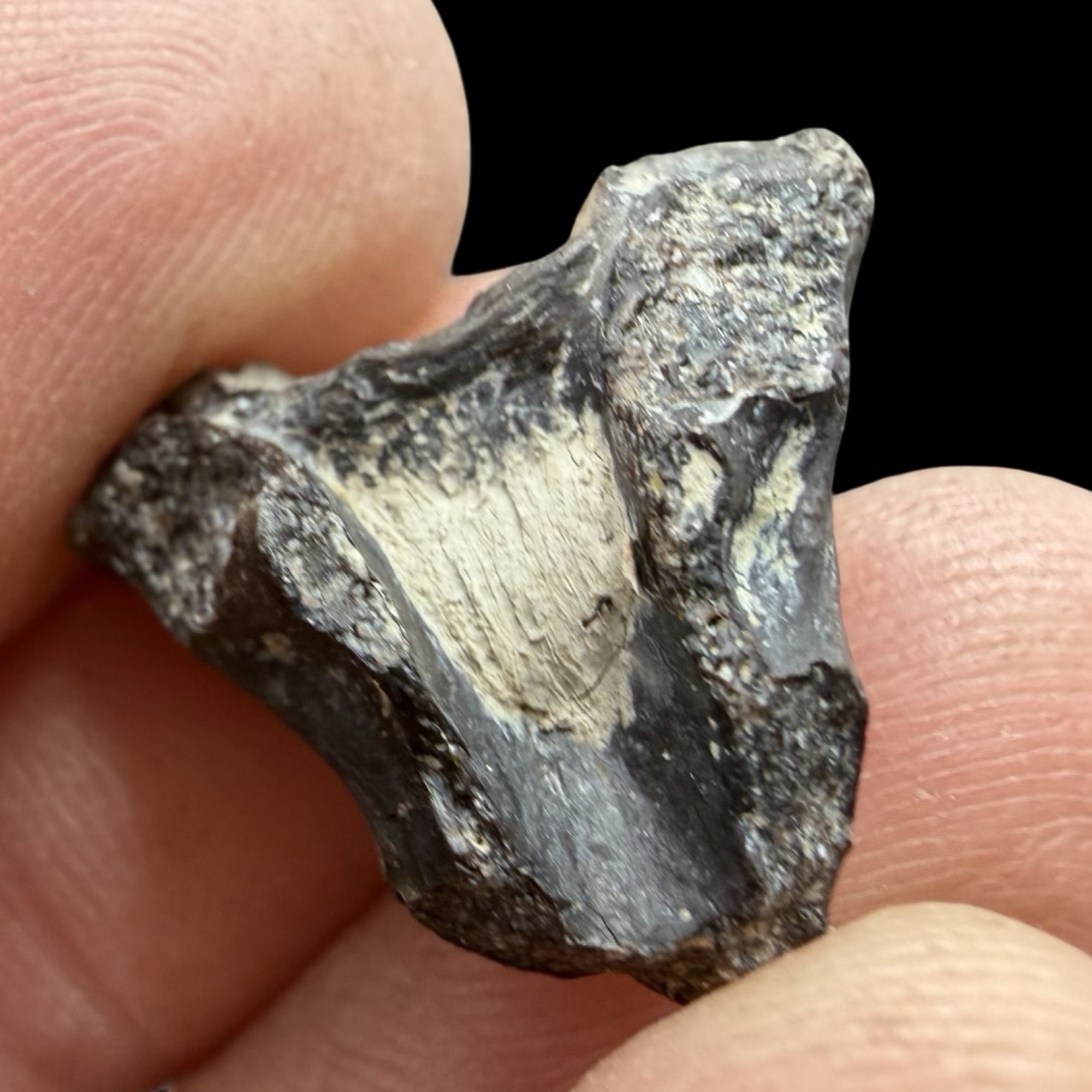
Oyster Bed within the Bembridge Marls Member of the Bouldnor Formation at Bembridge on the Isle of Wight. This renowned Eocene locality is celebrated for its exceptionally preserved freshwater and lagoonal fauna. The specimen shown in the photographs is the exact fossil you will receive, carefully selected for its preservation, structure, and scientific interest. It is a genuine fossil and includes a Certificate of Authenticity with a lifetime guarantee.Discovery and Professional PreparationYour specimen was discovered by our experienced team members, Alister and Alison, ensuring full traceability from field collection through to final presentation. After careful excavation, the fossil was expertly cleaned, stabilised, and prepared by Alison. This meticulous process preserves delicate cranial structures while enhancing their visibility, allowing the intricate features of the skull fragment to be clearly appreciated.Geological Context – Bembridge Marls Member, Eocene EpochThe Bembridge Marls Member forms part of the Bouldnor Formation and dates to the late Eocene epoch, approximately 34 to 38 million years ago. The Bembridge Oyster Bed represents a calm, low-energy depositional environment consisting of freshwater to brackish lagoonal sediments. These conditions were ideal for preserving delicate vertebrate remains such as fish skull elements. During this time, the Isle of Wight was a warm, subtropical region dominated by wetlands, lagoons, and slow-moving waterways.About Teleost Fish – Advanced Ray-Finned VertebratesTeleosts belong to the infraclass Teleostei within the class Actinopterygii, representing the largest and most diverse group of fishes. These advanced ray-finned fish possess highly specialised skulls with mobile jaw structures, allowing for a wide range of feeding strategies. During the Eocene, teleost fish occupied a variety of ecological niches within freshwater and brackish environments, playing a central role in aquatic ecosystems.Skull Morphology and Notable FeaturesThis fossil fragment preserves elements of the cranial structure, potentially including portions of the jaw, orbital region, or opercular bones depending on the original anatomy. Teleost skulls are composed of multiple articulated bones, often delicate and rarely preserved in detail. The specimen displays natural surface textures and structural features that reflect the complexity of the fish skull. Subtle mineralisation has enhanced these features, providing contrast and visual clarity while maintaining authenticity.Palaeoenvironment and Ecological InsightDuring the Eocene, the Isle of Wight supported rich freshwater and lagoonal ecosystems teeming with fish, reptiles, turtles, and early mammals. Teleost fish formed a vital component of these ecosystems, serving as both predators and prey within complex food webs. This fossil offers a direct connection to those ancient environments, preserving a fragment of life from a time when Britain was covered in warm, biodiverse wetlands.Collector Appeal and Scientific ValueFish skull fragments from the Bembridge Marls are relatively uncommon due to the fragile nature of cranial bones. This makes the specimen particularly desirable for collectors and enthusiasts of vertebrate palaeontology. Its identifiable structure, combined with professional preparation and clear provenance, enhances both its scientific importance and display value.Authenticity, Provenance and PresentationThis fossil has been carefully chosen for its authenticity, quality, and aesthetic appeal. It is a genuine piece of prehistoric history, professionally prepared and ready for display. Full sizing can be confirmed via the provided photographs, ensuring transparency before purchase. Each specimen is unique, preserving a fragment of an ancient teleost fish that once inhabited the Eocene waterways of the Isle of Wight.
Oyster Bed within the Bembridge Marls Member of the Bouldnor Formation at Bembridge on the Isle of Wight. This renowned Eocene locality is celebrated for its exceptionally preserved freshwater and lagoonal fauna. The specimen shown in the photographs is the exact fossil you will receive, carefully selected for its preservation, structure, and scientific interest. It is a genuine fossil and includes a Certificate of Authenticity with a lifetime guarantee.Discovery and Professional PreparationYour specimen was discovered by our experienced team members, Alister and Alison, ensuring full traceability from field collection through to final presentation. After careful excavation, the fossil was expertly cleaned, stabilised, and prepared by Alison. This meticulous process preserves delicate cranial structures while enhancing their visibility, allowing the intricate features of the skull fragment to be clearly appreciated.Geological Context – Bembridge Marls Member, Eocene EpochThe Bembridge Marls Member forms part of the Bouldnor Formation and dates to the late Eocene epoch, approximately 34 to 38 million years ago. The Bembridge Oyster Bed represents a calm, low-energy depositional environment consisting of freshwater to brackish lagoonal sediments. These conditions were ideal for preserving delicate vertebrate remains such as fish skull elements. During this time, the Isle of Wight was a warm, subtropical region dominated by wetlands, lagoons, and slow-moving waterways.About Teleost Fish – Advanced Ray-Finned VertebratesTeleosts belong to the infraclass Teleostei within the class Actinopterygii, representing the largest and most diverse group of fishes. These advanced ray-finned fish possess highly specialised skulls with mobile jaw structures, allowing for a wide range of feeding strategies. During the Eocene, teleost fish occupied a variety of ecological niches within freshwater and brackish environments, playing a central role in aquatic ecosystems.Skull Morphology and Notable FeaturesThis fossil fragment preserves elements of the cranial structure, potentially including portions of the jaw, orbital region, or opercular bones depending on the original anatomy. Teleost skulls are composed of multiple articulated bones, often delicate and rarely preserved in detail. The specimen displays natural surface textures and structural features that reflect the complexity of the fish skull. Subtle mineralisation has enhanced these features, providing contrast and visual clarity while maintaining authenticity.Palaeoenvironment and Ecological InsightDuring the Eocene, the Isle of Wight supported rich freshwater and lagoonal ecosystems teeming with fish, reptiles, turtles, and early mammals. Teleost fish formed a vital component of these ecosystems, serving as both predators and prey within complex food webs. This fossil offers a direct connection to those ancient environments, preserving a fragment of life from a time when Britain was covered in warm, biodiverse wetlands.Collector Appeal and Scientific ValueFish skull fragments from the Bembridge Marls are relatively uncommon due to the fragile nature of cranial bones. This makes the specimen particularly desirable for collectors and enthusiasts of vertebrate palaeontology. Its identifiable structure, combined with professional preparation and clear provenance, enhances both its scientific importance and display value.Authenticity, Provenance and PresentationThis fossil has been carefully chosen for its authenticity, quality, and aesthetic appeal. It is a genuine piece of prehistoric history, professionally prepared and ready for display. Full sizing can be confirmed via the provided photographs, ensuring transparency before purchase. Each specimen is unique, preserving a fragment of an ancient teleost fish that once inhabited the Eocene waterways of the Isle of Wight.
Other Products