British Chalk Fossil Echinoid – Echinocorys scutata | Santonian Upper Chalk Foreness Point Margate Kent UK | Genuine Specimen with COA
£ 48.00
Offered here is a classic example of Echinocorys scutata, an extinct fossil
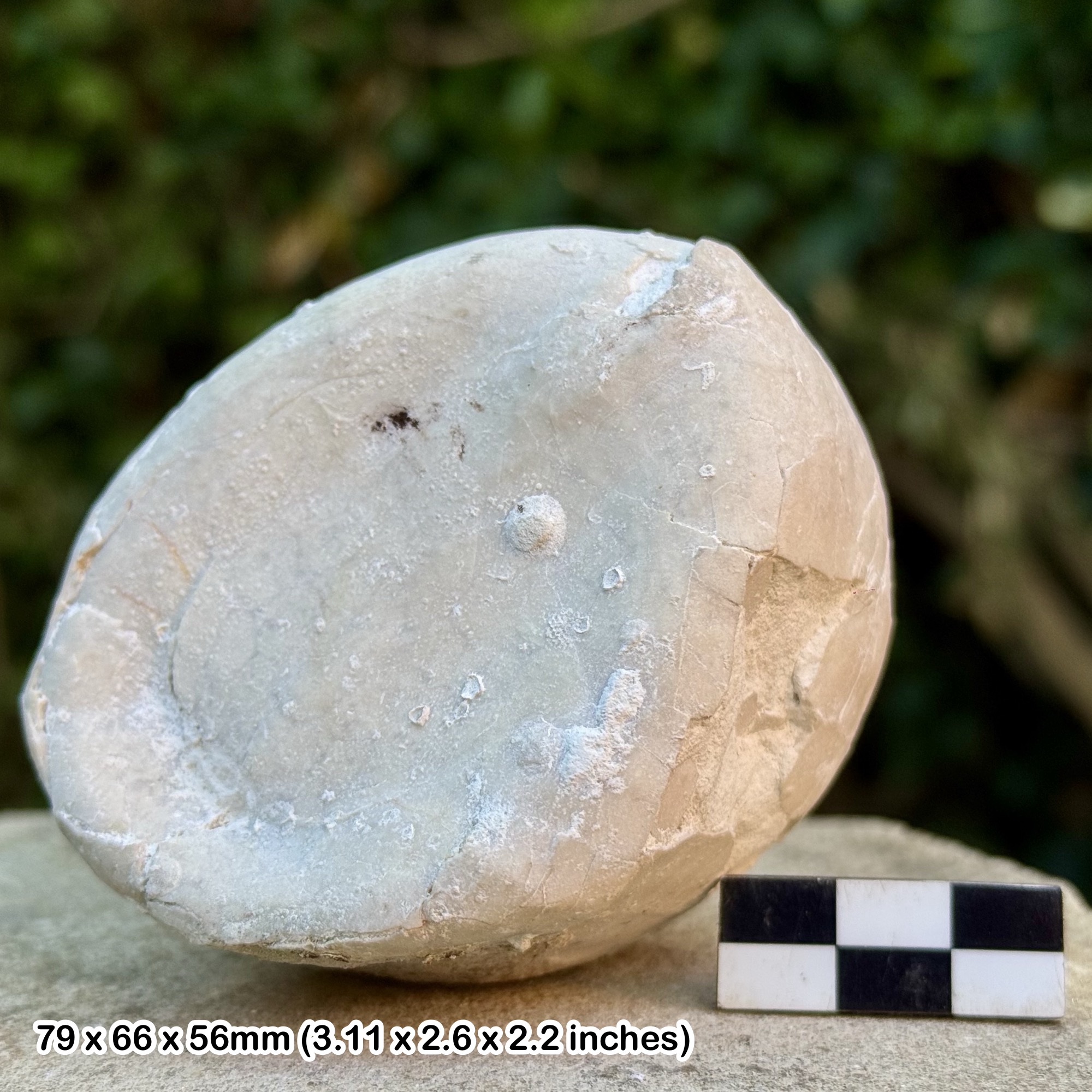
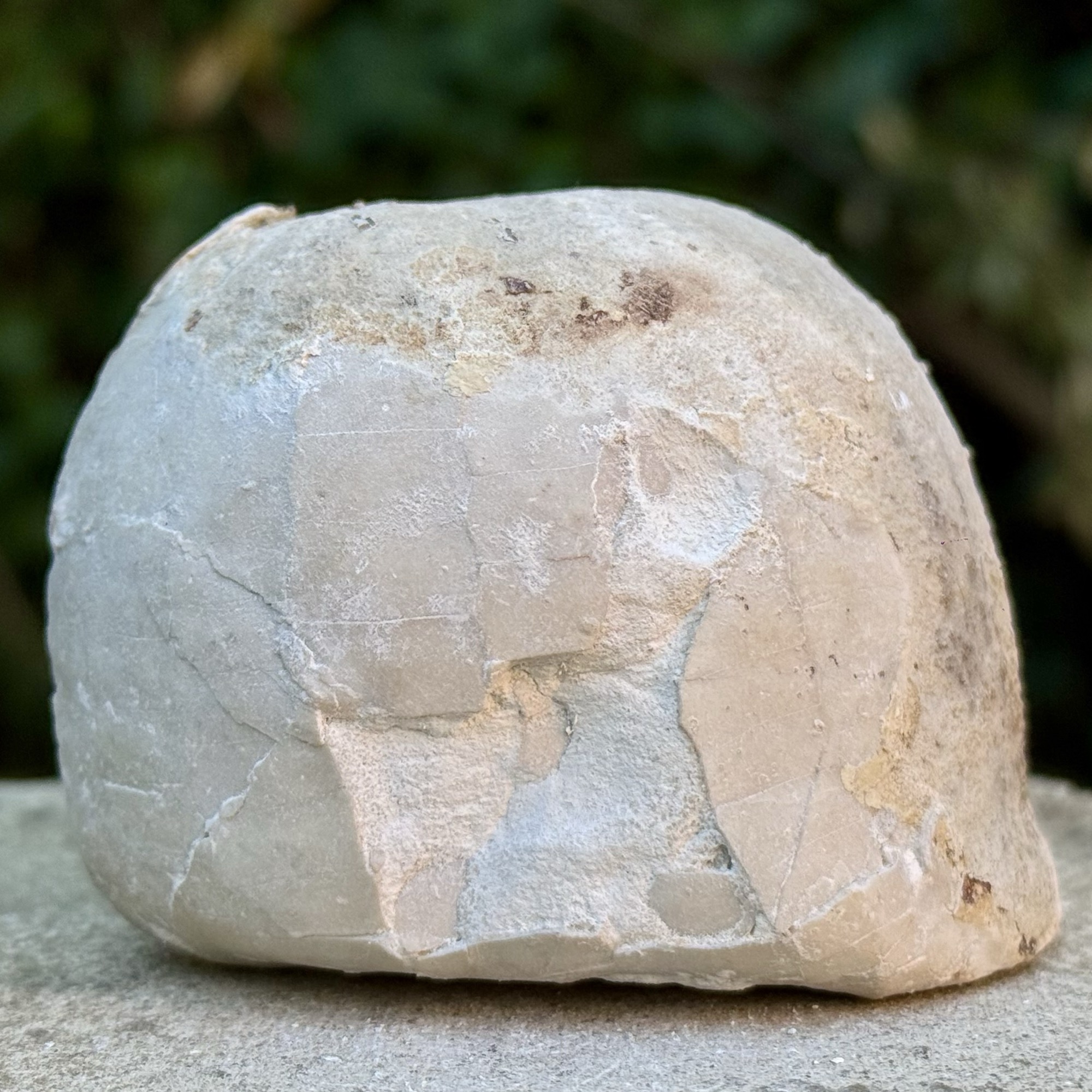
echinoid (sea urchin) from the Upper Chalk Formation, deposited during the Santonian stage of the Late Cretaceous period, and collected from the well-known coastal site of Foreness Point, Margate, Kent, UK. This iconic species is one of the most recognisable and important fossils from the British chalk.Fossil Type: Echinoid (Sea Urchin)Species: Echinocorys scutataGeological Period: Late Cretaceous (~86.3 to 83.6 million years ago)Geological Stage: SantonianFormation: Upper Chalk (Chalk Group)Location: Foreness Point, Margate, Kent, United KingdomScale Rule: Squares/Cube = 1cm (See photo for full sizing details)Specimen: The fossil in the photo is the exact one you will receiveAuthenticity: All of our fossils are 100% genuine specimens and come with a Certificate of Authenticity GEOLOGICAL AND PALEONTOLOGICAL CONTEXTEchinocorys scutata is a widespread and well-documented species of irregular echinoid, commonly found throughout the Upper Cretaceous chalk of Europe. It lived as a deposit feeder, burrowing within soft seafloor sediments beneath the ancient Cretaceous seas.
• Phylum: Echinodermata
• Class: Echinoidea
• Order: Holasteroida
• Family: Holasteridae
• Genus: Echinocorys
• Species: scutata
• Depositional Environment: Quiet, shallow marine shelf with fine carbonate sedimentation from coccoliths; conditions ideal for fossilisation of echinoids and other marine invertebrates
• Morphological Features: Oval to subglobular test (shell), well-developed ambulacral petals on the aboral surface, with a central periproct and flattened oral surface; radial symmetry with slight elongation along the oral-aboral axis
• Biozone: Frequently found in mid-to-late Santonian stratigraphic levels; associated with key foraminiferal and inoceramid zones
• Notable: Echinocorys scutata is an important biostratigraphic indicator for Upper Cretaceous chalk sequences and is widely used in geological studies of the British chalk WHY THIS FOSSIL IS SPECIALThis specimen is a true classic of British fossil collecting. Well-preserved, naturally shaped, and collected from a site of national geological importance, this Echinocorys scutata fossil makes an excellent teaching tool or collector’s piece. Its simple symmetry and subtle surface features also make it a beautiful display fossil. WHY BUY FROM US?
• 100% genuine fossil with Certificate of Authenticity
• You receive the exact item pictured
• Carefully sourced from reputable British chalk fossil sites
• Perfect for collectors, educators, or display in natural history settingsAdd a timeless fossil to your collection with this Echinocorys scutata chalk echinoid from the Santonian stage of the Upper Cretaceous, Foreness Point, Kent—an elegant remnant of ancient marine life from over 85 million years ago.
echinoid (sea urchin) from the Upper Chalk Formation, deposited during the Santonian stage of the Late Cretaceous period, and collected from the well-known coastal site of Foreness Point, Margate, Kent, UK. This iconic species is one of the most recognisable and important fossils from the British chalk.Fossil Type: Echinoid (Sea Urchin)Species: Echinocorys scutataGeological Period: Late Cretaceous (~86.3 to 83.6 million years ago)Geological Stage: SantonianFormation: Upper Chalk (Chalk Group)Location: Foreness Point, Margate, Kent, United KingdomScale Rule: Squares/Cube = 1cm (See photo for full sizing details)Specimen: The fossil in the photo is the exact one you will receiveAuthenticity: All of our fossils are 100% genuine specimens and come with a Certificate of Authenticity GEOLOGICAL AND PALEONTOLOGICAL CONTEXTEchinocorys scutata is a widespread and well-documented species of irregular echinoid, commonly found throughout the Upper Cretaceous chalk of Europe. It lived as a deposit feeder, burrowing within soft seafloor sediments beneath the ancient Cretaceous seas.
• Phylum: Echinodermata
• Class: Echinoidea
• Order: Holasteroida
• Family: Holasteridae
• Genus: Echinocorys
• Species: scutata
• Depositional Environment: Quiet, shallow marine shelf with fine carbonate sedimentation from coccoliths; conditions ideal for fossilisation of echinoids and other marine invertebrates
• Morphological Features: Oval to subglobular test (shell), well-developed ambulacral petals on the aboral surface, with a central periproct and flattened oral surface; radial symmetry with slight elongation along the oral-aboral axis
• Biozone: Frequently found in mid-to-late Santonian stratigraphic levels; associated with key foraminiferal and inoceramid zones
• Notable: Echinocorys scutata is an important biostratigraphic indicator for Upper Cretaceous chalk sequences and is widely used in geological studies of the British chalk WHY THIS FOSSIL IS SPECIALThis specimen is a true classic of British fossil collecting. Well-preserved, naturally shaped, and collected from a site of national geological importance, this Echinocorys scutata fossil makes an excellent teaching tool or collector’s piece. Its simple symmetry and subtle surface features also make it a beautiful display fossil. WHY BUY FROM US?
• 100% genuine fossil with Certificate of Authenticity
• You receive the exact item pictured
• Carefully sourced from reputable British chalk fossil sites
• Perfect for collectors, educators, or display in natural history settingsAdd a timeless fossil to your collection with this Echinocorys scutata chalk echinoid from the Santonian stage of the Upper Cretaceous, Foreness Point, Kent—an elegant remnant of ancient marine life from over 85 million years ago.
Other Products