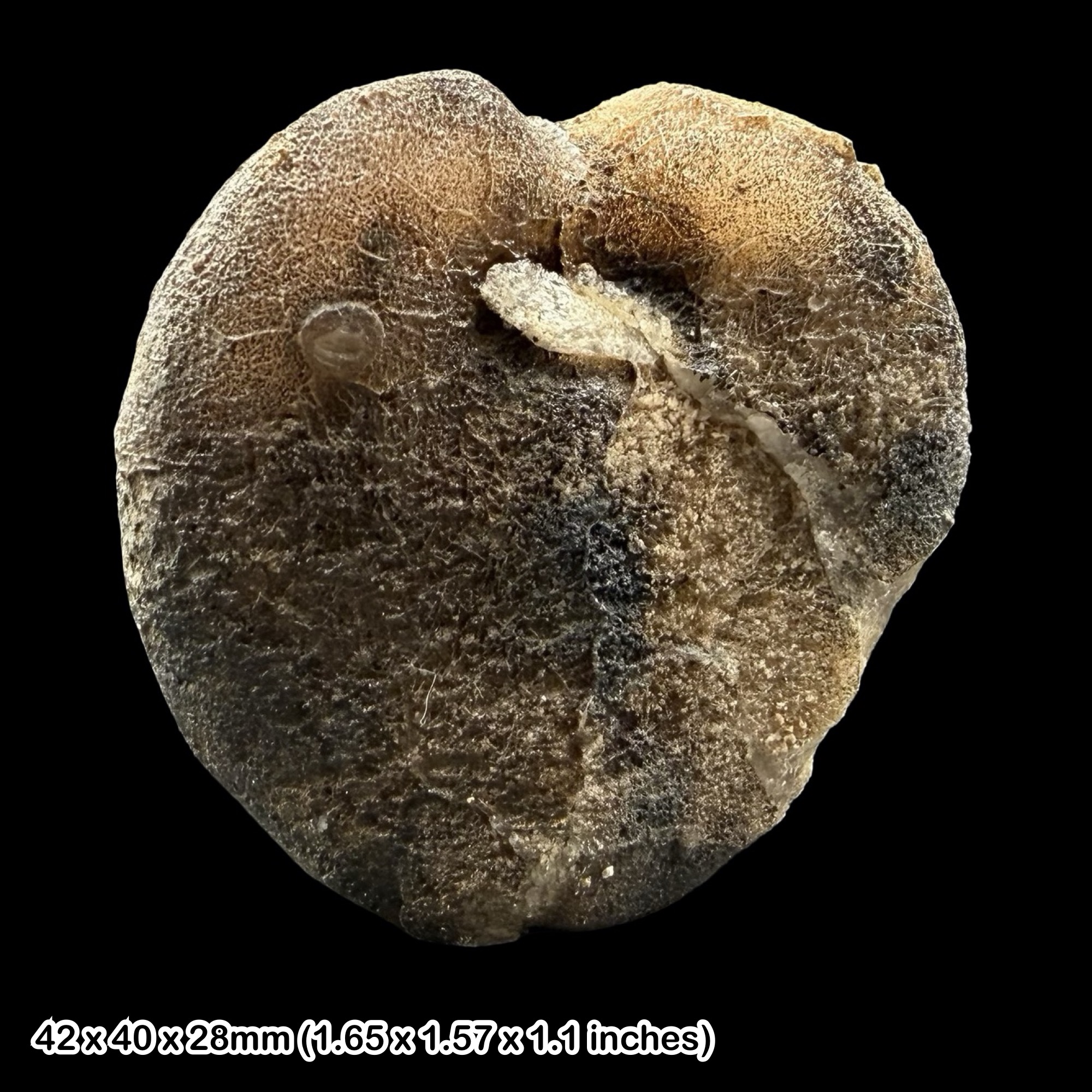
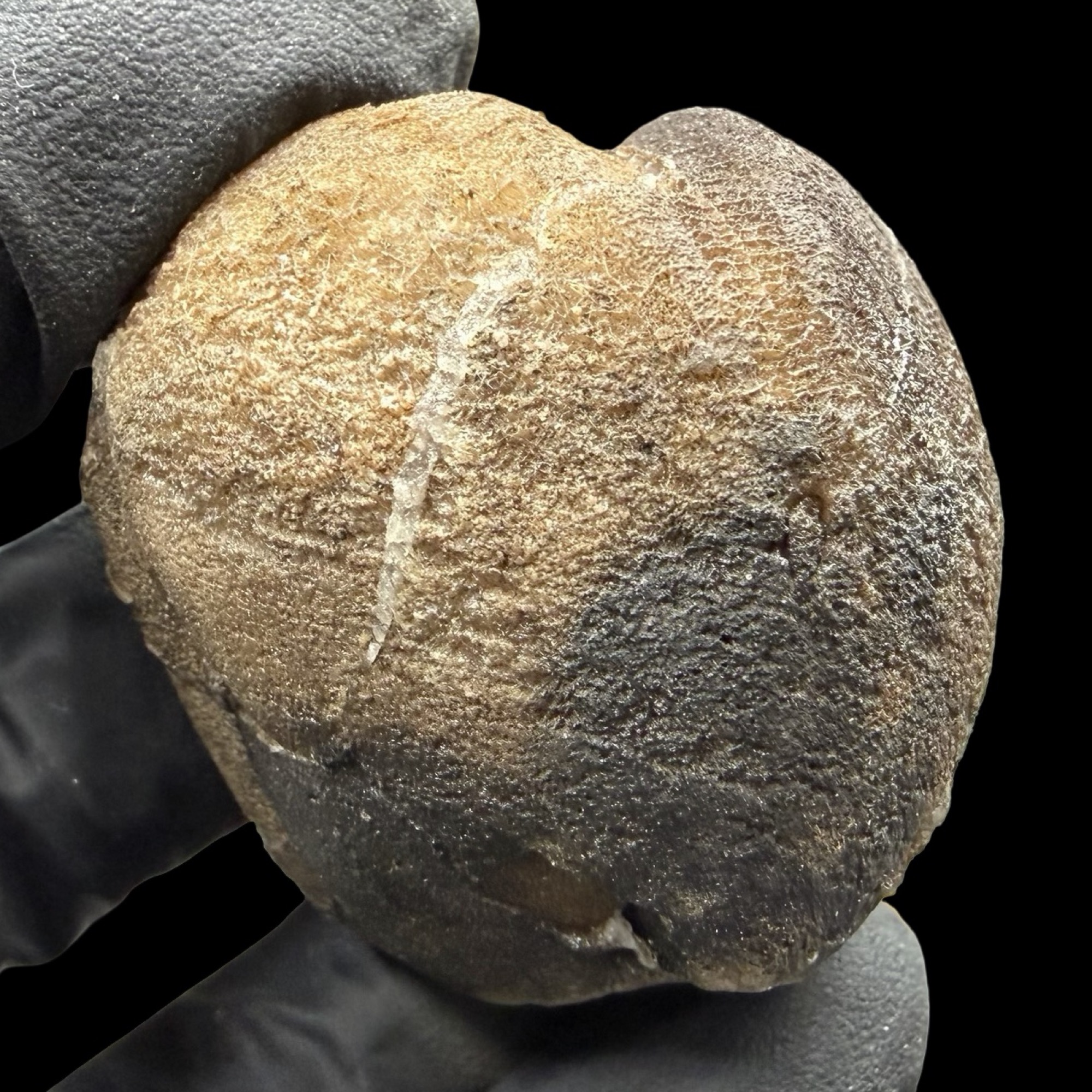
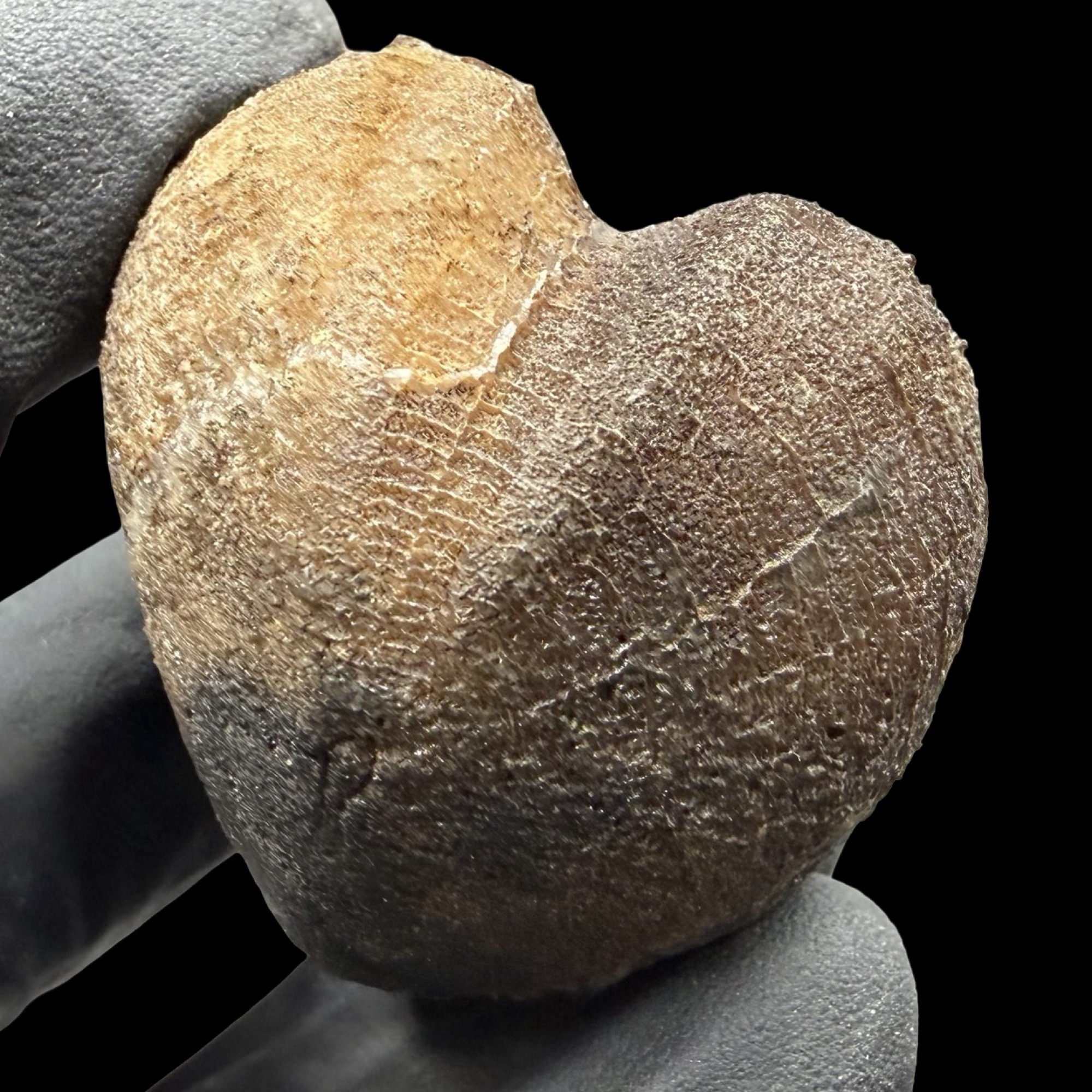
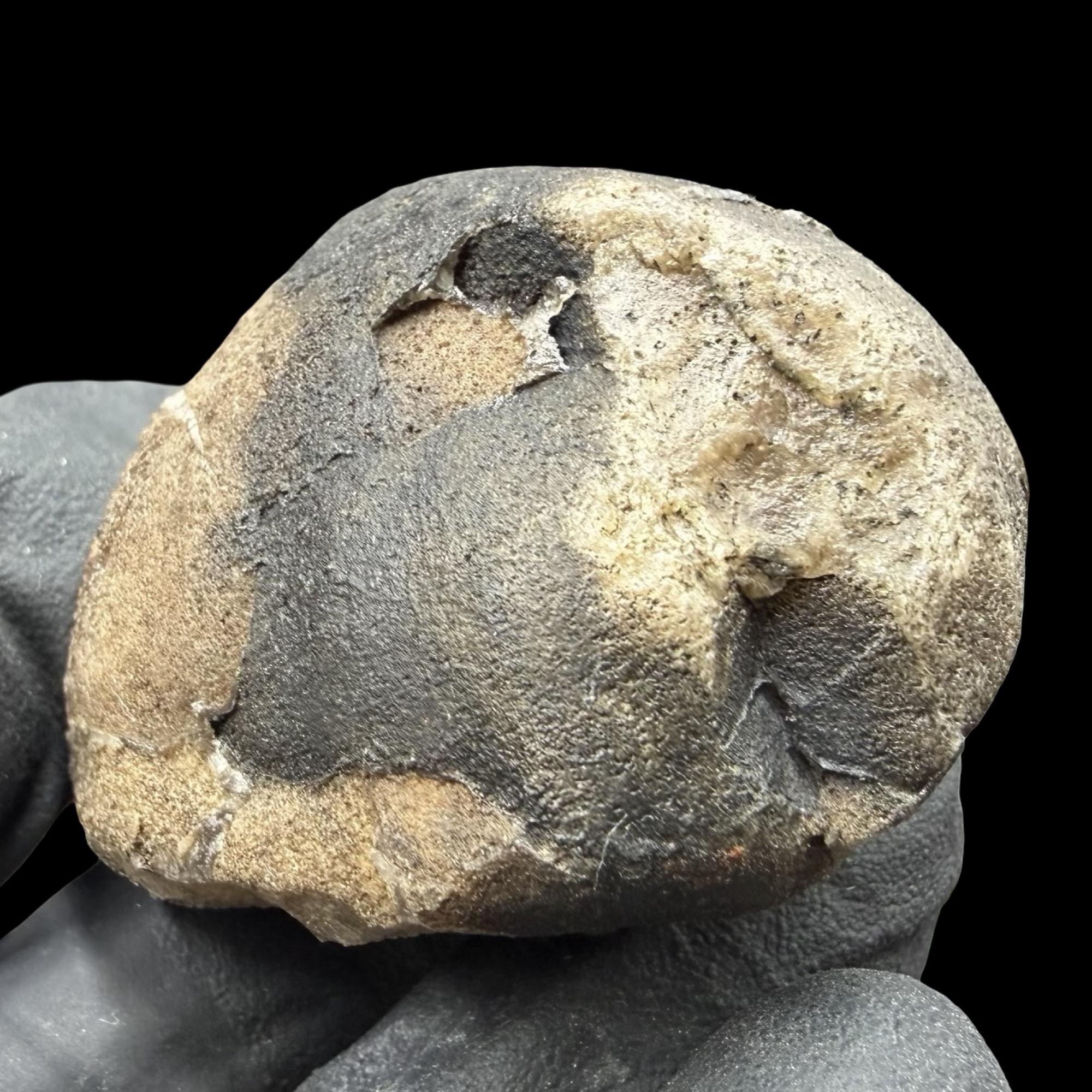
Echinoid Fossil Cretaceous Isle of Wight Shanklin UK Ferruginous Sands Authentic Specimen Certified Rare Sea Urchin
£ 18.00
Echinoid Fossil – Genuine Cretaceous Specimen from the Isle of WightThis authentic echinoid fossil, commonly known as a fossil sea urchin,
originates from the Ferruginous Sands Formation within the Lower Greensand Group at Shanklin on the Isle of Wight. This well-known Cretaceous locality is celebrated for its rich and varied fossil record. The specimen shown in the photographs is the exact piece you will receive, carefully selected for its preservation and natural detail. This is a genuine fossil and includes a Certificate of Authenticity with a lifetime guarantee, ensuring full confidence in its provenance.Discovery and Professional PreparationYour specimen was discovered by our experienced team members, Alister and Alison, ensuring complete traceability from field collection through to final presentation. After careful recovery, the fossil was expertly cleaned, stabilised, and prepared by Alison. This meticulous preparation preserves the delicate surface features of the echinoid while enhancing its natural appearance, making it ideal for both study and display.Geological Context – Ferruginous Sands Formation, Lower GreensandThe Ferruginous Sands Formation is part of the Lower Greensand Group and dates to the Early Cretaceous period, approximately 100 to 125 million years ago. These iron-rich sandstones were deposited in shallow marine environments influenced by coastal and nearshore conditions. The presence of iron minerals gives the formation its distinctive coloration, often imparting warm reddish and brown tones to fossils preserved within it. These conditions were particularly favourable for preserving echinoids and other marine invertebrates.About Echinoids – Fossil Sea UrchinsEchinoids belong to the class Echinoidea within the phylum Echinodermata, making them relatives of modern sea urchins and sand dollars. These marine invertebrates possessed a rigid skeleton known as a test, composed of interlocking calcite plates. During the Cretaceous, echinoids were abundant in shallow marine environments, where they lived on or within the seabed, feeding on organic material and detritus.Morphology and Notable FeaturesThis fossil displays the characteristic shape of an echinoid test, which may be rounded or slightly flattened depending on the species. The surface often shows a pattern of plates arranged in a symmetrical structure, sometimes with visible ambulacral areas where tube feet were located. Fine textural detail may be preserved, including subtle ridges and pore patterns. The ferruginous mineralisation has enhanced the fossil’s appearance, giving it rich earthy tones and adding to its visual appeal.Palaeoenvironment and Depositional InsightDuring the Early Cretaceous, the Isle of Wight was submerged beneath warm, shallow seas teeming with life. Echinoids were a key component of these marine ecosystems, playing an important role in sediment turnover and nutrient cycling. Their fossils provide valuable insight into ancient seabed environments and the biodiversity of Cretaceous marine life.Collector Appeal and Display ValueEchinoid fossils from the Lower Greensand are highly sought after due to their recognisable form and geological significance. This specimen offers both scientific interest and strong aesthetic appeal, making it an excellent addition to any fossil collection. Its natural symmetry and preserved detail make it particularly attractive as a display piece in a home, office, or educational setting.Authenticity, Provenance and PresentationThis fossil has been carefully chosen for its authenticity, quality, and visual presentation. It is a genuine piece of natural history, professionally prepared and ready for display. Full sizing can be confirmed via the provided photographs, ensuring transparency before purchase. Each specimen is unique, preserving a fragment of an ancient marine ecosystem from the Cretaceous of the Isle of Wight.
originates from the Ferruginous Sands Formation within the Lower Greensand Group at Shanklin on the Isle of Wight. This well-known Cretaceous locality is celebrated for its rich and varied fossil record. The specimen shown in the photographs is the exact piece you will receive, carefully selected for its preservation and natural detail. This is a genuine fossil and includes a Certificate of Authenticity with a lifetime guarantee, ensuring full confidence in its provenance.Discovery and Professional PreparationYour specimen was discovered by our experienced team members, Alister and Alison, ensuring complete traceability from field collection through to final presentation. After careful recovery, the fossil was expertly cleaned, stabilised, and prepared by Alison. This meticulous preparation preserves the delicate surface features of the echinoid while enhancing its natural appearance, making it ideal for both study and display.Geological Context – Ferruginous Sands Formation, Lower GreensandThe Ferruginous Sands Formation is part of the Lower Greensand Group and dates to the Early Cretaceous period, approximately 100 to 125 million years ago. These iron-rich sandstones were deposited in shallow marine environments influenced by coastal and nearshore conditions. The presence of iron minerals gives the formation its distinctive coloration, often imparting warm reddish and brown tones to fossils preserved within it. These conditions were particularly favourable for preserving echinoids and other marine invertebrates.About Echinoids – Fossil Sea UrchinsEchinoids belong to the class Echinoidea within the phylum Echinodermata, making them relatives of modern sea urchins and sand dollars. These marine invertebrates possessed a rigid skeleton known as a test, composed of interlocking calcite plates. During the Cretaceous, echinoids were abundant in shallow marine environments, where they lived on or within the seabed, feeding on organic material and detritus.Morphology and Notable FeaturesThis fossil displays the characteristic shape of an echinoid test, which may be rounded or slightly flattened depending on the species. The surface often shows a pattern of plates arranged in a symmetrical structure, sometimes with visible ambulacral areas where tube feet were located. Fine textural detail may be preserved, including subtle ridges and pore patterns. The ferruginous mineralisation has enhanced the fossil’s appearance, giving it rich earthy tones and adding to its visual appeal.Palaeoenvironment and Depositional InsightDuring the Early Cretaceous, the Isle of Wight was submerged beneath warm, shallow seas teeming with life. Echinoids were a key component of these marine ecosystems, playing an important role in sediment turnover and nutrient cycling. Their fossils provide valuable insight into ancient seabed environments and the biodiversity of Cretaceous marine life.Collector Appeal and Display ValueEchinoid fossils from the Lower Greensand are highly sought after due to their recognisable form and geological significance. This specimen offers both scientific interest and strong aesthetic appeal, making it an excellent addition to any fossil collection. Its natural symmetry and preserved detail make it particularly attractive as a display piece in a home, office, or educational setting.Authenticity, Provenance and PresentationThis fossil has been carefully chosen for its authenticity, quality, and visual presentation. It is a genuine piece of natural history, professionally prepared and ready for display. Full sizing can be confirmed via the provided photographs, ensuring transparency before purchase. Each specimen is unique, preserving a fragment of an ancient marine ecosystem from the Cretaceous of the Isle of Wight.