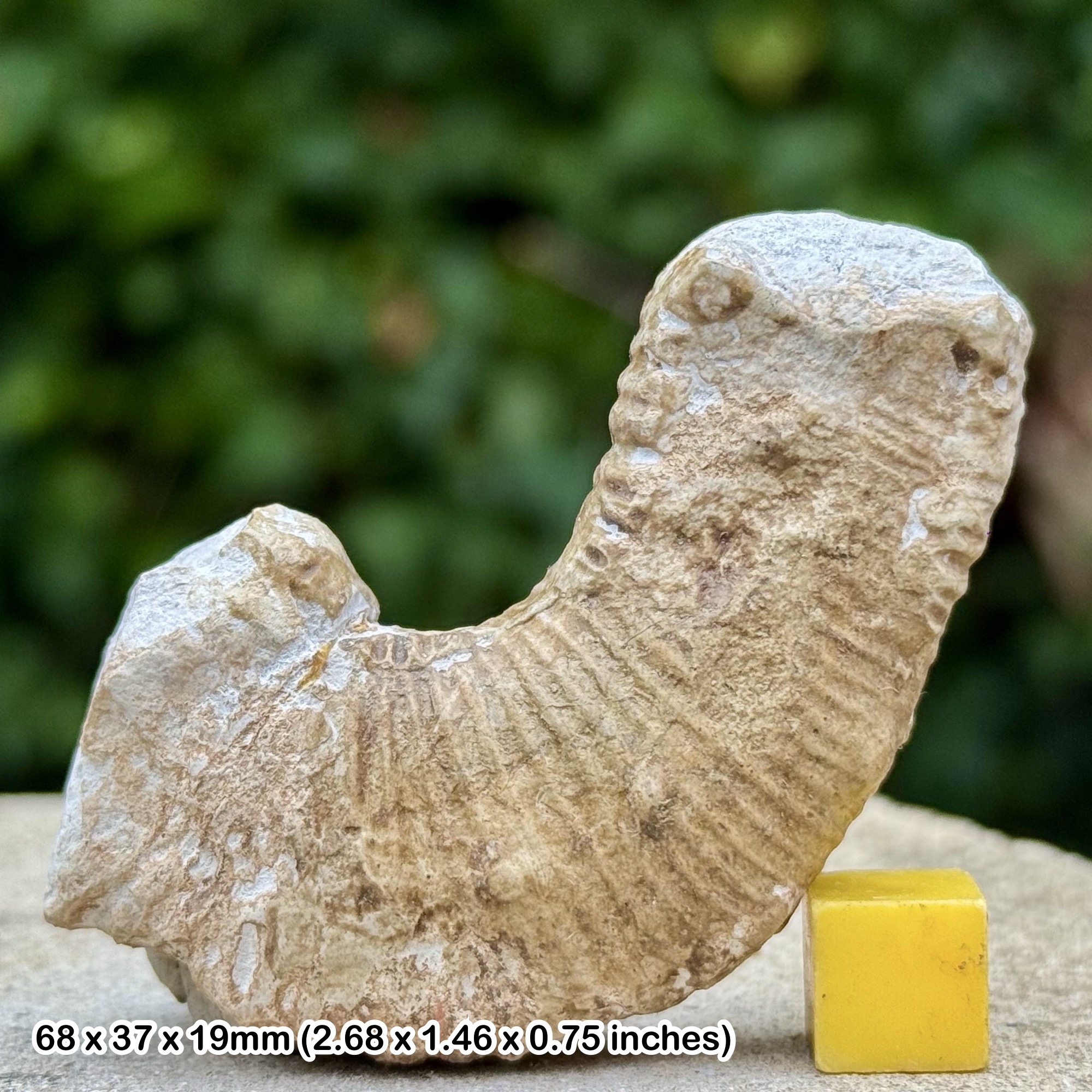
Rare Anisoceras plicatale Heteromorph Ammonite Fossil Lower Cenomanian Cretaceous Snowdon Hill Chard UK
£ 36.00
GEOLOGICAL CONTEXT AND PROVENANCEThis rare specimen is a genuine Anisoceras plicatale heteromorph ammonite fossil
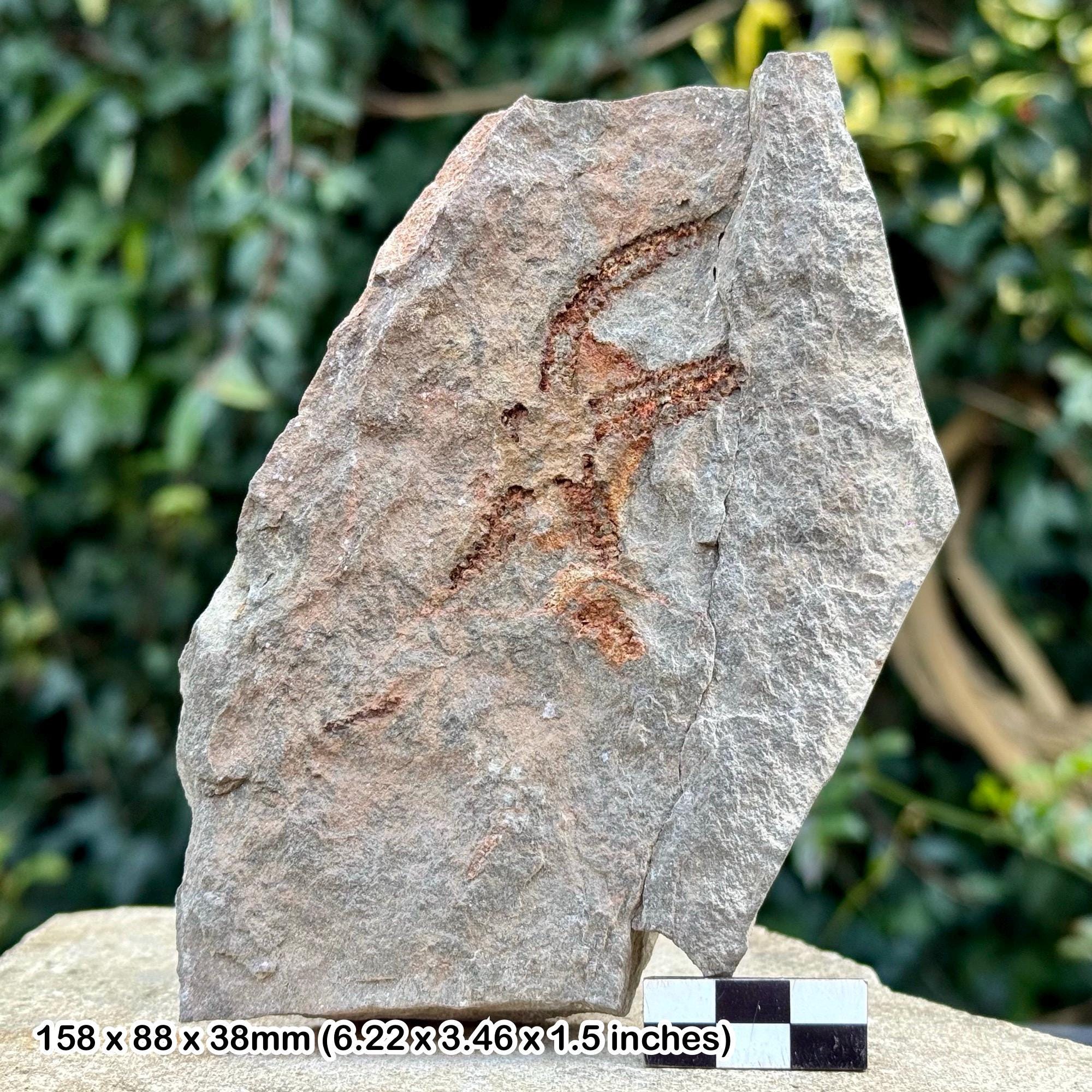
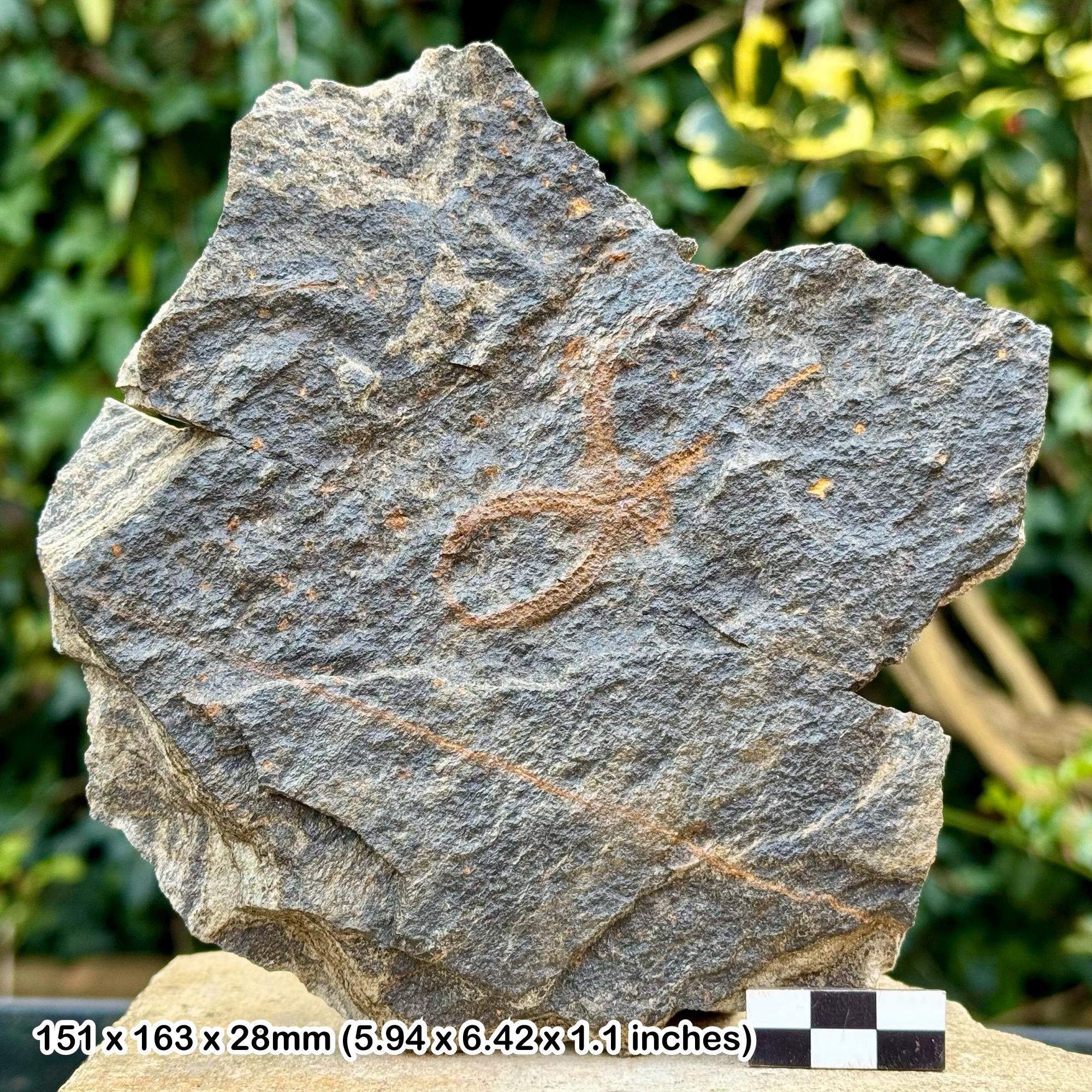
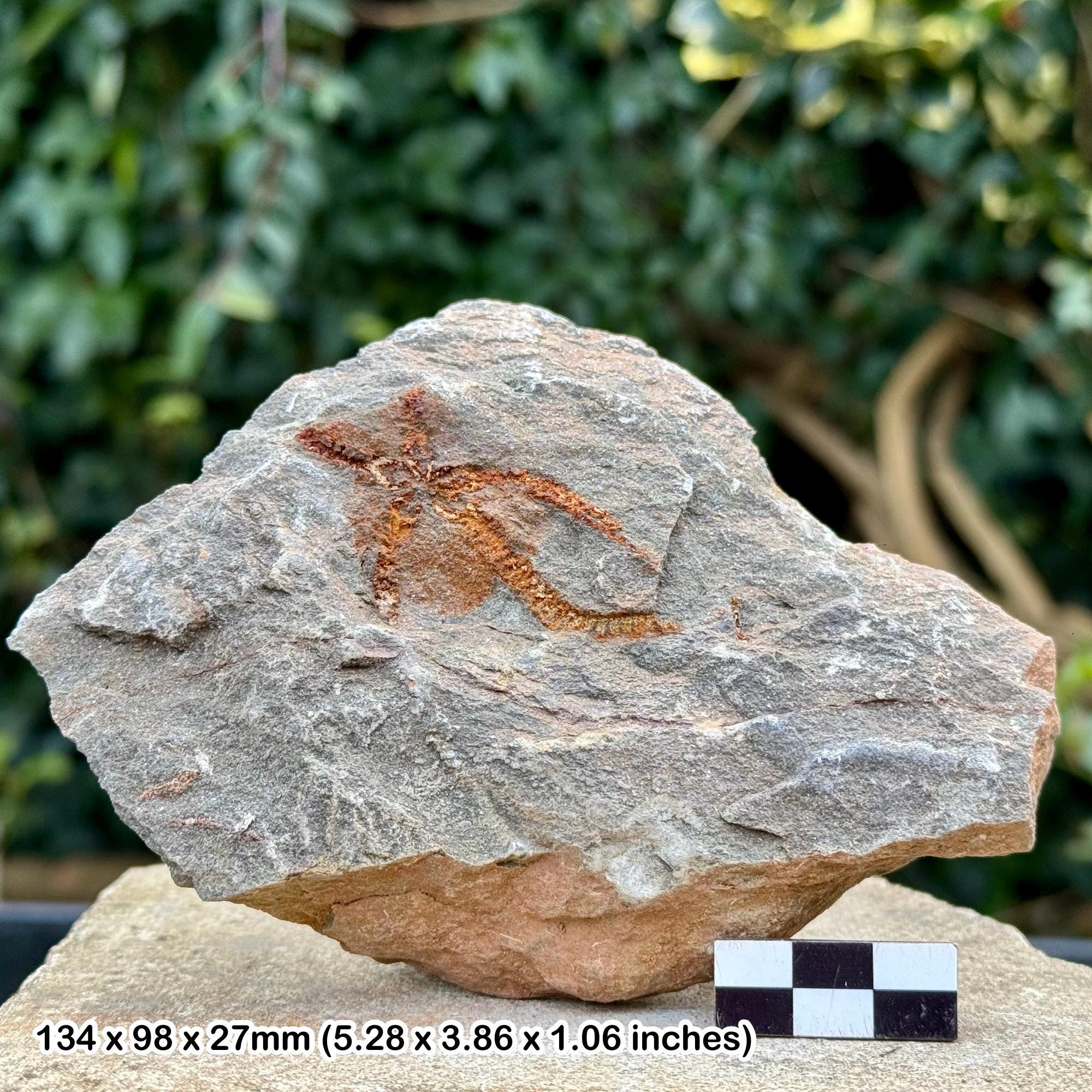
from the Lower Cenomanian Stage of the Late Cretaceous Period, approximately 100 – 94 million years old. It originates from Snowdon Hill, near Chard, United Kingdom, a locality renowned for its fossiliferous chalk and marl deposits that preserve a diverse array of marine life. These deposits represent shallow marine environments along the northwestern margins of the Tethys Ocean, making them particularly significant for understanding ammonite evolution during the Cenomanian.The Cenomanian is an important stage in Earth’s history, associated with global sea-level rise and diversification of ammonites. Fossils from this time are essential in refining the geological timescale and provide valuable insights into the ecosystems of the early Late Cretaceous seas. FOSSIL TYPE AND SPECIES INFORMATIONAnisoceras plicatale belongs to the Order Ammonitida, Superfamily Turrilitoidea, and Family Anisoceratidae. Unlike typical planispiral ammonites, Anisoceras species are heteromorph ammonites, with shells that grew in irregularly coiled or uncoiled forms rather than perfect spirals.The species plicatale is recognised by its distinctive ribbed ornamentation and uncoiled shell morphology, which distinguishes it from more symmetrical ammonites. This unusual growth pattern reflects evolutionary experimentation within the group, making heteromorph ammonites like Anisoceras especially intriguing to collectors and researchers. MORPHOLOGICAL FEATURES AND IDENTIFICATIONThis specimen displays the defining characteristics of Anisoceras plicatale. Its heteromorph shell deviates from the tightly coiled planispiral form, instead showing irregularly curved or partially uncoiled whorls. Strong ribs run along the shell, creating a decorative and diagnostic pattern.These ribs provided structural reinforcement, protecting the ammonite against marine pressures and predation. The chambered shell allowed buoyancy control, enabling the ammonite to drift or hover in the water column. It is thought that heteromorph ammonites like Anisoceras were less active swimmers than their coiled relatives, instead adopting a more planktonic lifestyle, feeding on small invertebrates and floating organisms. DEPOSITIONAL ENVIRONMENTDuring the Cenomanian, the area around Snowdon Hill in Chard was part of a shallow subtropical sea. The warm, nutrient-rich waters supported a thriving ecosystem that included ammonites, belemnites, bivalves, echinoids, gastropods, and large marine reptiles. Fine sediments of chalk and marl encapsulated shells, ensuring their preservation for millions of years.Ammonites such as Anisoceras plicatale played a vital role in this ecosystem, forming both predators and prey. Their abundance and wide geographic distribution also make them essential for stratigraphic studies, allowing geologists to correlate rock layers across Europe and beyond. COLLECTOR APPEAL AND AUTHENTICITYThis Anisoceras plicatale heteromorph ammonite is a scientifically significant and visually fascinating specimen. Its ribbed ornamentation, unusual uncoiled morphology, and provenance from the classic Cenomanian beds of Snowdon Hill, UK, make it an exceptional choice for fossil collectors, educators, and enthusiasts of natural history.
• 100% Genuine Specimen – Every fossil comes with a Certificate of Authenticity.
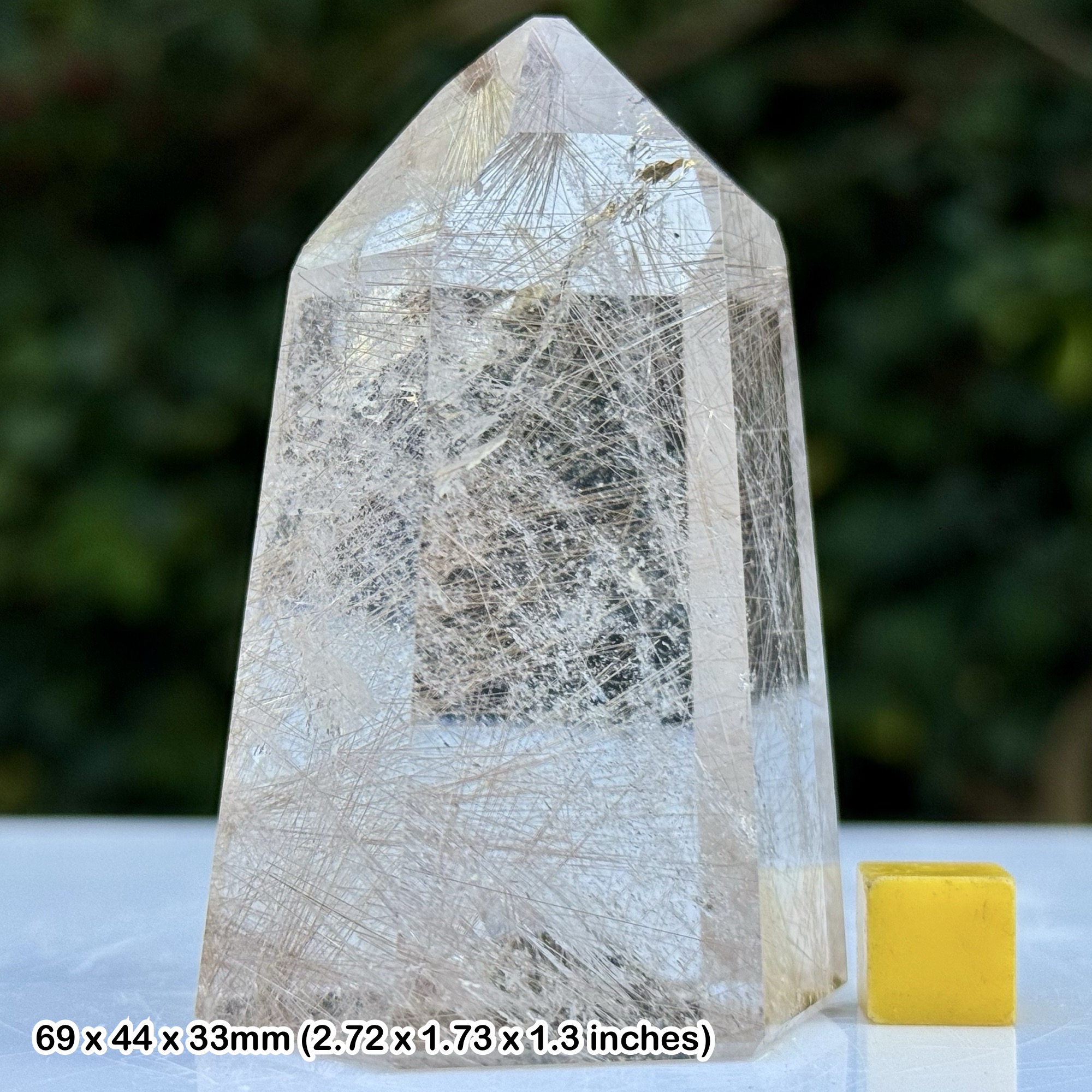
• Exact Fossil Shown – The photographs depict the actual specimen you will receive.
• Scale Reference – Scale rule squares / cube = 1 cm. Please consult the images for accurate sizing.This carefully selected Anisoceras plicatale ammonite fossil captures a unique chapter of ammonite evolution. With its rarity, heteromorph form, and excellent preservation, it represents an outstanding addition to any fossil collection or natural history display.
from the Lower Cenomanian Stage of the Late Cretaceous Period, approximately 100 – 94 million years old. It originates from Snowdon Hill, near Chard, United Kingdom, a locality renowned for its fossiliferous chalk and marl deposits that preserve a diverse array of marine life. These deposits represent shallow marine environments along the northwestern margins of the Tethys Ocean, making them particularly significant for understanding ammonite evolution during the Cenomanian.The Cenomanian is an important stage in Earth’s history, associated with global sea-level rise and diversification of ammonites. Fossils from this time are essential in refining the geological timescale and provide valuable insights into the ecosystems of the early Late Cretaceous seas. FOSSIL TYPE AND SPECIES INFORMATIONAnisoceras plicatale belongs to the Order Ammonitida, Superfamily Turrilitoidea, and Family Anisoceratidae. Unlike typical planispiral ammonites, Anisoceras species are heteromorph ammonites, with shells that grew in irregularly coiled or uncoiled forms rather than perfect spirals.The species plicatale is recognised by its distinctive ribbed ornamentation and uncoiled shell morphology, which distinguishes it from more symmetrical ammonites. This unusual growth pattern reflects evolutionary experimentation within the group, making heteromorph ammonites like Anisoceras especially intriguing to collectors and researchers. MORPHOLOGICAL FEATURES AND IDENTIFICATIONThis specimen displays the defining characteristics of Anisoceras plicatale. Its heteromorph shell deviates from the tightly coiled planispiral form, instead showing irregularly curved or partially uncoiled whorls. Strong ribs run along the shell, creating a decorative and diagnostic pattern.These ribs provided structural reinforcement, protecting the ammonite against marine pressures and predation. The chambered shell allowed buoyancy control, enabling the ammonite to drift or hover in the water column. It is thought that heteromorph ammonites like Anisoceras were less active swimmers than their coiled relatives, instead adopting a more planktonic lifestyle, feeding on small invertebrates and floating organisms. DEPOSITIONAL ENVIRONMENTDuring the Cenomanian, the area around Snowdon Hill in Chard was part of a shallow subtropical sea. The warm, nutrient-rich waters supported a thriving ecosystem that included ammonites, belemnites, bivalves, echinoids, gastropods, and large marine reptiles. Fine sediments of chalk and marl encapsulated shells, ensuring their preservation for millions of years.Ammonites such as Anisoceras plicatale played a vital role in this ecosystem, forming both predators and prey. Their abundance and wide geographic distribution also make them essential for stratigraphic studies, allowing geologists to correlate rock layers across Europe and beyond. COLLECTOR APPEAL AND AUTHENTICITYThis Anisoceras plicatale heteromorph ammonite is a scientifically significant and visually fascinating specimen. Its ribbed ornamentation, unusual uncoiled morphology, and provenance from the classic Cenomanian beds of Snowdon Hill, UK, make it an exceptional choice for fossil collectors, educators, and enthusiasts of natural history.
• 100% Genuine Specimen – Every fossil comes with a Certificate of Authenticity.
• Exact Fossil Shown – The photographs depict the actual specimen you will receive.
• Scale Reference – Scale rule squares / cube = 1 cm. Please consult the images for accurate sizing.This carefully selected Anisoceras plicatale ammonite fossil captures a unique chapter of ammonite evolution. With its rarity, heteromorph form, and excellent preservation, it represents an outstanding addition to any fossil collection or natural history display.