Desert Rose Crystal Mexico Gypsum Selenite Rosette Mineral Specimen Collector Display Stone Genuine Crystal
£ 14.40
DESERT ROSE CRYSTAL – MEXICO GENUINE GYPSUM ROSETTE MINERAL SPECIMENThis Desert Rose crystal specimen from Mexico is a genuine natural mineral
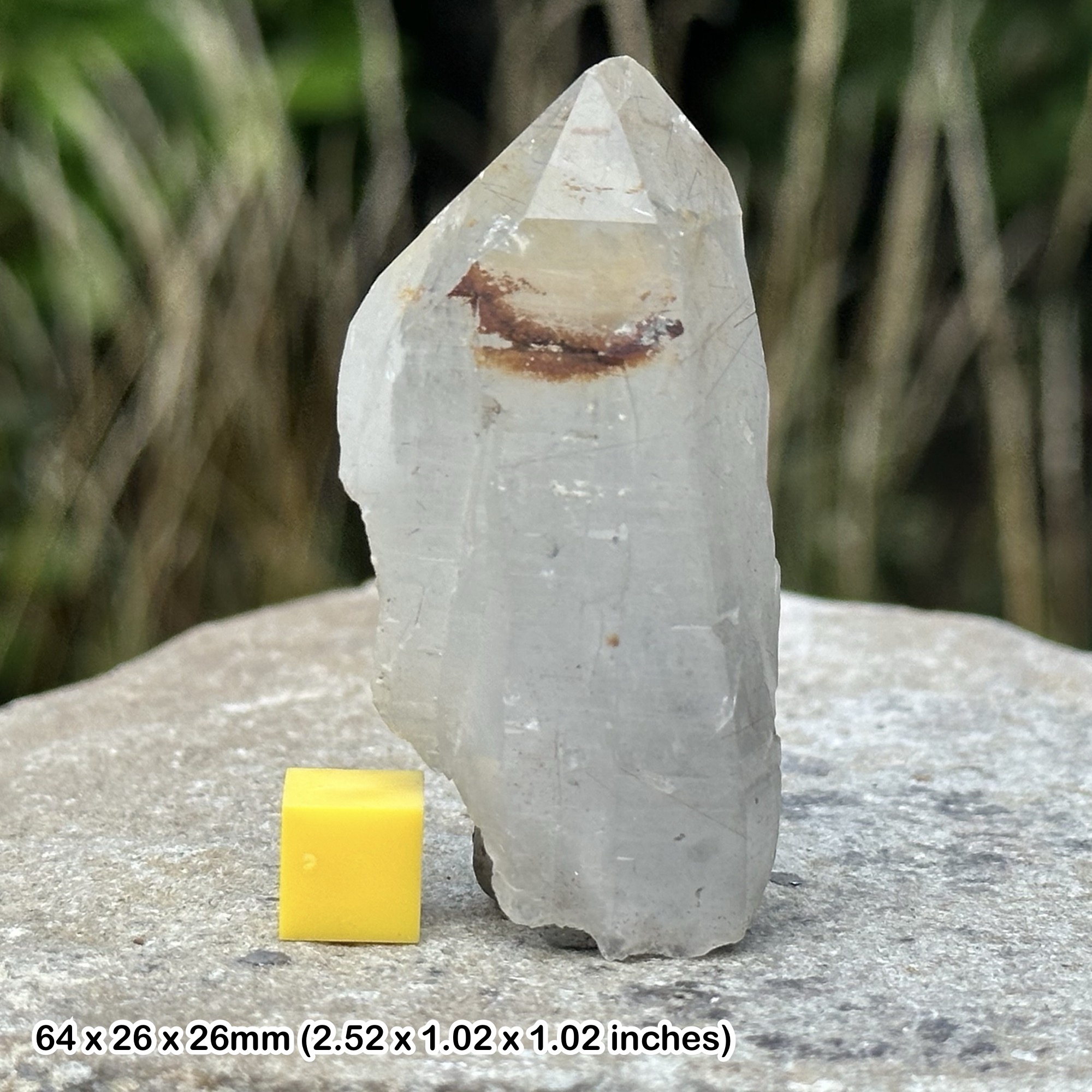
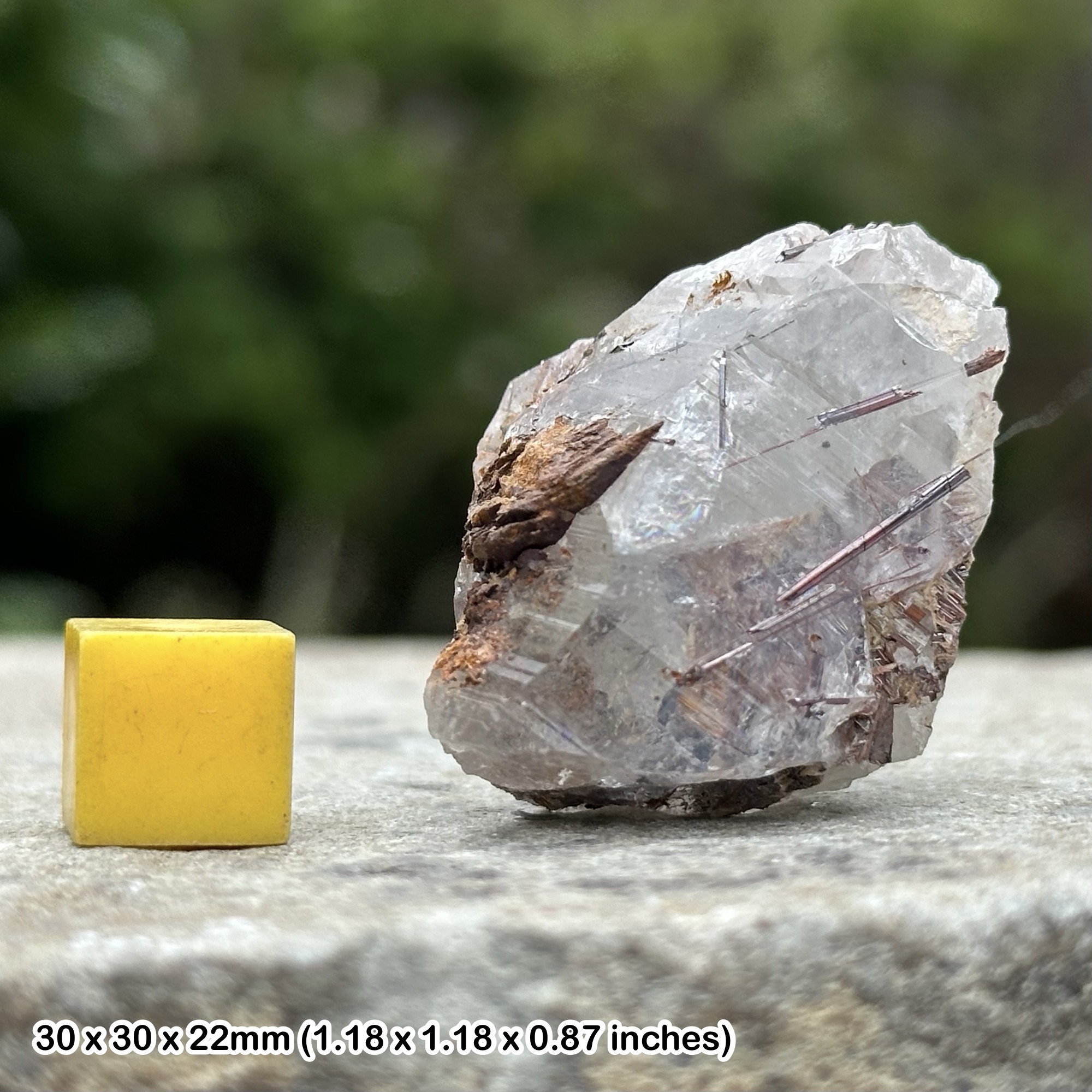
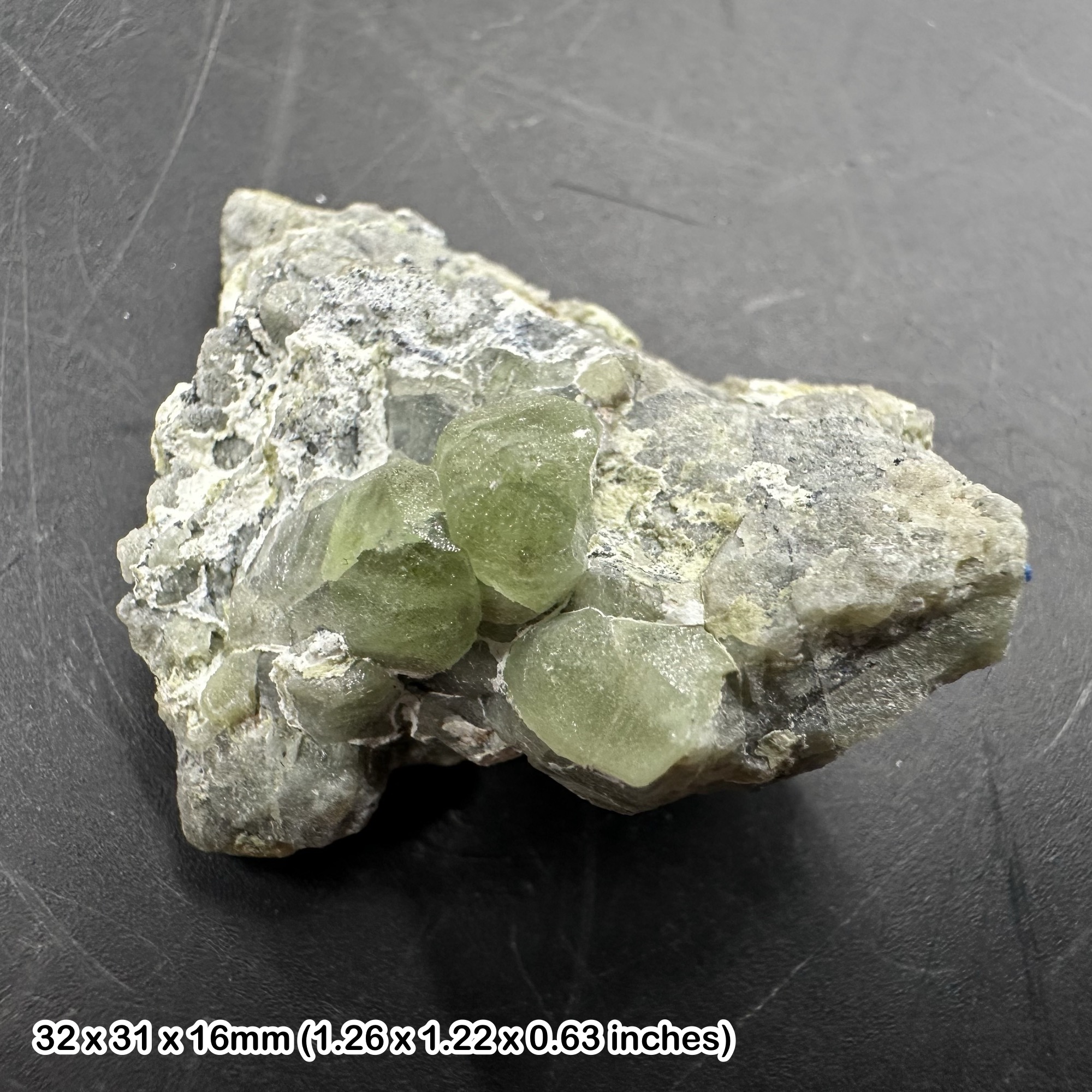
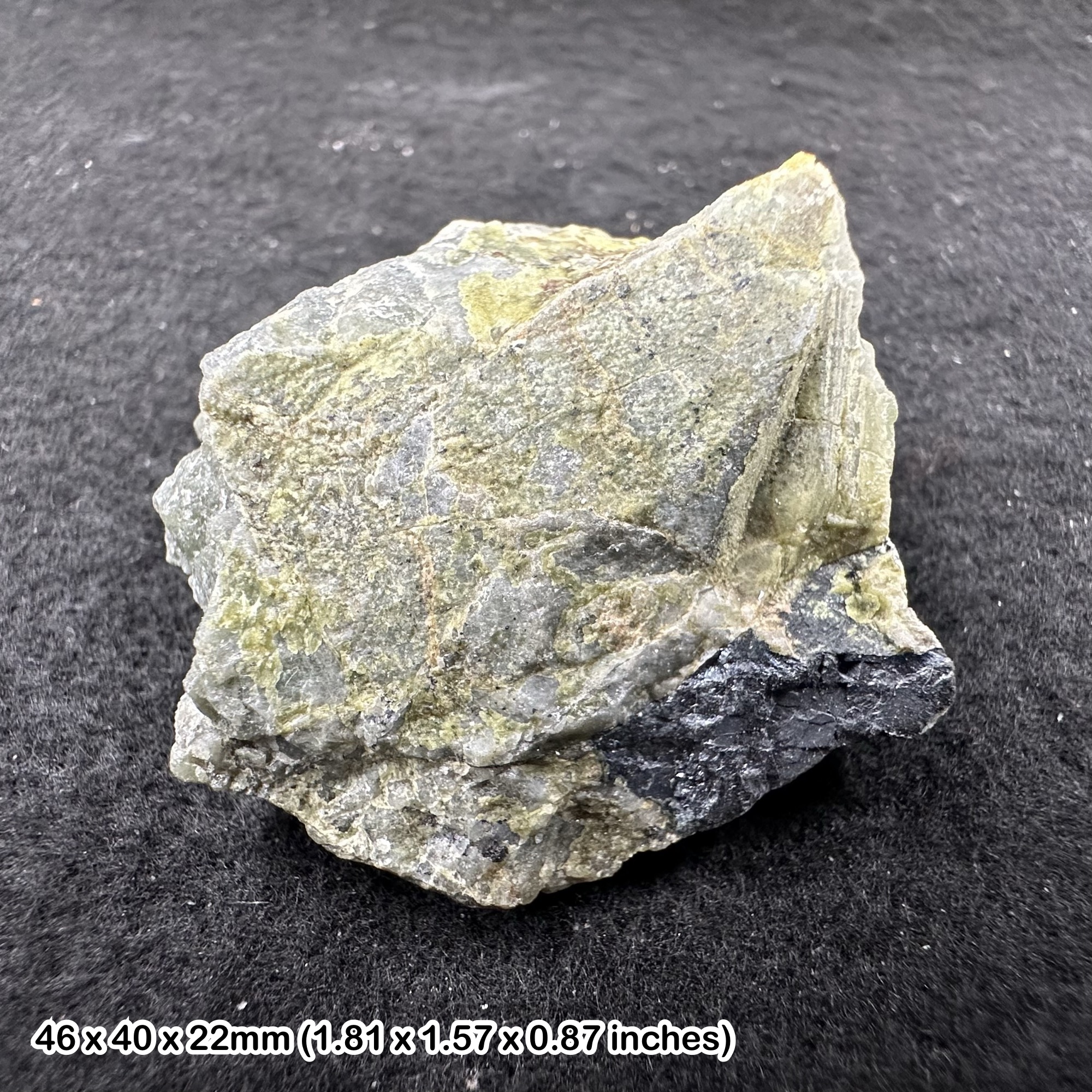
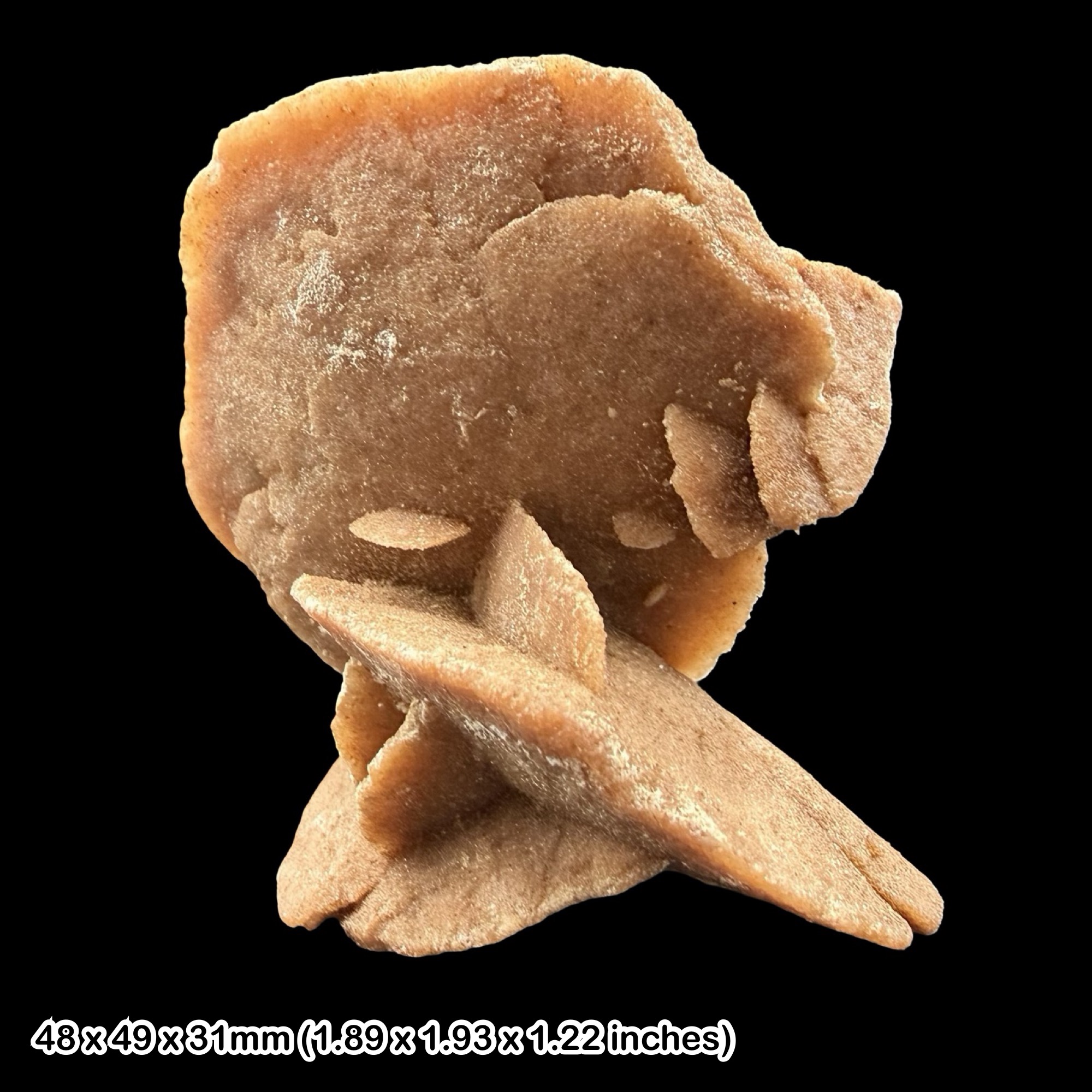
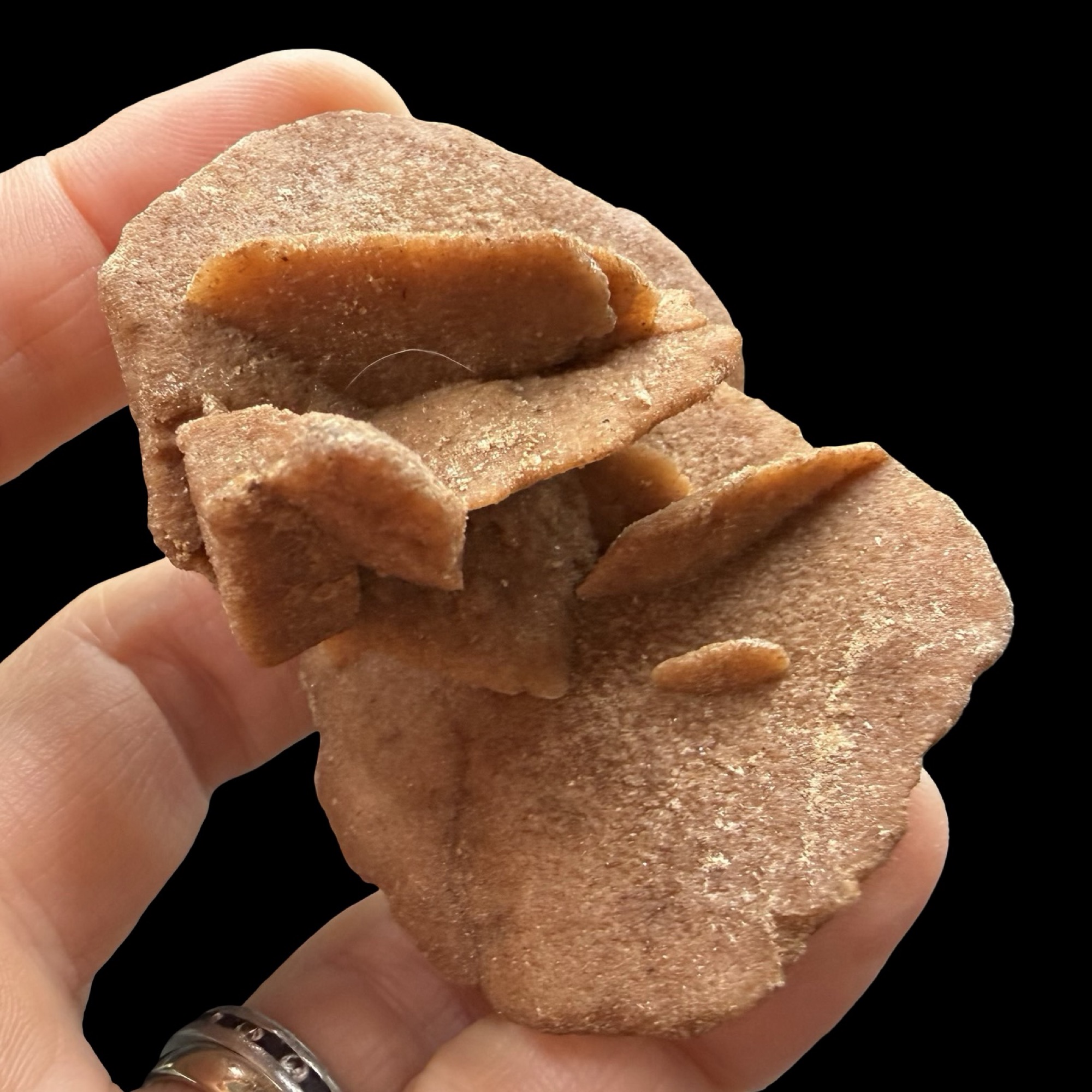
formation, carefully selected for its intricate rosette structure, layered crystal growth, and distinctive desert-formed appearance. Featuring naturally occurring petal-like crystal formations created through the interaction of gypsum and sand in arid environments, this specimen is an exceptional addition to mineral collections, geological displays, and natural décor arrangements.The exact specimen shown in the photographs is the one you will receive, ensuring every crystal rosette, sand inclusion, and natural structural pattern remains completely unique. Full sizing information is available within the listing photographs for accurate scale reference.This crystal includes a Certificate of Authenticity lifetime guarantee generic card confirming the authenticity of the specimen. WHAT IS DESERT ROSE? – MINERAL SPECIES AND COMPOSITIONDesert Rose is a naturally occurring rosette formation most commonly composed of gypsum, specifically the crystalline variety known as selenite, though some specimens may also form from baryte under suitable geological conditions. The mineral structure consists primarily of calcium sulfate dihydrate with the chemical formula CaSO₄·2H₂O.The name “Desert Rose” refers to the flower-like arrangement of flat crystal blades radiating outward in layered clusters resembling rose petals. These remarkable formations develop naturally in arid desert environments where evaporating mineral-rich groundwater leaves behind crystalline deposits over long geological timescales.The incorporation of fine sand grains during crystal growth gives Desert Rose specimens their characteristic earthy colouration and textured appearance while preserving the delicate layered geometry that makes them so visually distinctive. MEXICAN DESERT ROSE FORMATION AND GEOLOGICAL ENVIRONMENTMexico is known for producing high-quality Desert Rose specimens from desert and evaporite-rich regions where the geological conditions favour gypsum crystal development. These formations occur in dry sedimentary basins where mineral-rich groundwater evaporates under arid climatic conditions.As underground water carrying dissolved calcium sulfate rises toward the surface and evaporates, gypsum crystals begin to form around grains of sand and sediment. Over time, repeated mineral deposition creates layered rosette structures with naturally radiating crystal blades.The desert conditions responsible for these formations may persist for thousands or even millions of years, gradually producing the intricate flower-like mineral structures associated with classic Desert Rose specimens. CRYSTAL HABIT AND NATURAL ROSETTE STRUCTUREThis specimen displays the classic rosette crystal habit associated with Desert Rose gypsum formations. Thin bladed crystals radiate outward from central growth points, forming layered petal-like structures with strong natural symmetry and texture.The crystal surfaces may exhibit silky, satin, or slightly pearly lustre depending on lighting conditions and the density of sand inclusions within the gypsum structure. Natural colouration commonly ranges through shades of sandy beige, tan, cream, light brown, or pale peach due to trapped desert sediments during formation.Each Desert Rose is entirely unique, with natural variations in crystal layering, rosette size, symmetry, and matrix structure contributing to the individuality of the specimen.Natural inclusions, minor edge wear, compacted sand grains, internal fractures, and irregular growth patterns are all characteristic features of authentic Desert Rose formations and reflect the natural geological conditions under which they formed. GEOLOGICAL FORMATION AND EVAPORITE MINERALISATIONDesert Rose specimens form within evaporite environments where mineral-rich groundwater repeatedly evaporates and re-crystallises beneath or near the surface of arid desert regions. The process is closely linked to sedimentary geology and the deposition of sulfate minerals within dry basins and ancient inland sea environments.As gypsum crystals grow, surrounding sand particles become trapped within the developing crystal blades, producing the distinctive textured appearance associated with Desert Rose material. Changes in moisture levels, evaporation rates, and mineral concentration influence the final shape and complexity of the rosette structures.These formations are considered both scientifically interesting and aesthetically attractive due to the unusual interaction between crystal growth and sediment incorporation. COLLECTOR APPEAL AND DECORATIVE DISPLAYDesert Rose specimens are highly sought after for their naturally sculptural appearance and unusual geological origin. Their flower-like formations make them popular among mineral collectors, geology enthusiasts, and decorative natural history displays.Ideal for:
• Mineral and crystal collections
• Desert mineral displays
• Geological specimen cabinets
• Natural history collections
• Decorative interior arrangements
• Collector showcase displays
• Photography and display styling
• Unique natural mineral giftsThe layered rosette structures create excellent visual depth and texture, especially under directional lighting where the crystal blades and sandy inclusions become more pronounced. GENUINE DESERT ROSE GUARANTEEThis Desert Rose specimen from Mexico is a genuine natural gypsum mineral formation. The listing photographs show the exact specimen you will receive, carefully selected for quality, crystal structure, and presentation.Includes a Certificate of Authenticity lifetime guarantee generic card.
formation, carefully selected for its intricate rosette structure, layered crystal growth, and distinctive desert-formed appearance. Featuring naturally occurring petal-like crystal formations created through the interaction of gypsum and sand in arid environments, this specimen is an exceptional addition to mineral collections, geological displays, and natural décor arrangements.The exact specimen shown in the photographs is the one you will receive, ensuring every crystal rosette, sand inclusion, and natural structural pattern remains completely unique. Full sizing information is available within the listing photographs for accurate scale reference.This crystal includes a Certificate of Authenticity lifetime guarantee generic card confirming the authenticity of the specimen. WHAT IS DESERT ROSE? – MINERAL SPECIES AND COMPOSITIONDesert Rose is a naturally occurring rosette formation most commonly composed of gypsum, specifically the crystalline variety known as selenite, though some specimens may also form from baryte under suitable geological conditions. The mineral structure consists primarily of calcium sulfate dihydrate with the chemical formula CaSO₄·2H₂O.The name “Desert Rose” refers to the flower-like arrangement of flat crystal blades radiating outward in layered clusters resembling rose petals. These remarkable formations develop naturally in arid desert environments where evaporating mineral-rich groundwater leaves behind crystalline deposits over long geological timescales.The incorporation of fine sand grains during crystal growth gives Desert Rose specimens their characteristic earthy colouration and textured appearance while preserving the delicate layered geometry that makes them so visually distinctive. MEXICAN DESERT ROSE FORMATION AND GEOLOGICAL ENVIRONMENTMexico is known for producing high-quality Desert Rose specimens from desert and evaporite-rich regions where the geological conditions favour gypsum crystal development. These formations occur in dry sedimentary basins where mineral-rich groundwater evaporates under arid climatic conditions.As underground water carrying dissolved calcium sulfate rises toward the surface and evaporates, gypsum crystals begin to form around grains of sand and sediment. Over time, repeated mineral deposition creates layered rosette structures with naturally radiating crystal blades.The desert conditions responsible for these formations may persist for thousands or even millions of years, gradually producing the intricate flower-like mineral structures associated with classic Desert Rose specimens. CRYSTAL HABIT AND NATURAL ROSETTE STRUCTUREThis specimen displays the classic rosette crystal habit associated with Desert Rose gypsum formations. Thin bladed crystals radiate outward from central growth points, forming layered petal-like structures with strong natural symmetry and texture.The crystal surfaces may exhibit silky, satin, or slightly pearly lustre depending on lighting conditions and the density of sand inclusions within the gypsum structure. Natural colouration commonly ranges through shades of sandy beige, tan, cream, light brown, or pale peach due to trapped desert sediments during formation.Each Desert Rose is entirely unique, with natural variations in crystal layering, rosette size, symmetry, and matrix structure contributing to the individuality of the specimen.Natural inclusions, minor edge wear, compacted sand grains, internal fractures, and irregular growth patterns are all characteristic features of authentic Desert Rose formations and reflect the natural geological conditions under which they formed. GEOLOGICAL FORMATION AND EVAPORITE MINERALISATIONDesert Rose specimens form within evaporite environments where mineral-rich groundwater repeatedly evaporates and re-crystallises beneath or near the surface of arid desert regions. The process is closely linked to sedimentary geology and the deposition of sulfate minerals within dry basins and ancient inland sea environments.As gypsum crystals grow, surrounding sand particles become trapped within the developing crystal blades, producing the distinctive textured appearance associated with Desert Rose material. Changes in moisture levels, evaporation rates, and mineral concentration influence the final shape and complexity of the rosette structures.These formations are considered both scientifically interesting and aesthetically attractive due to the unusual interaction between crystal growth and sediment incorporation. COLLECTOR APPEAL AND DECORATIVE DISPLAYDesert Rose specimens are highly sought after for their naturally sculptural appearance and unusual geological origin. Their flower-like formations make them popular among mineral collectors, geology enthusiasts, and decorative natural history displays.Ideal for:
• Mineral and crystal collections
• Desert mineral displays
• Geological specimen cabinets
• Natural history collections
• Decorative interior arrangements
• Collector showcase displays
• Photography and display styling
• Unique natural mineral giftsThe layered rosette structures create excellent visual depth and texture, especially under directional lighting where the crystal blades and sandy inclusions become more pronounced. GENUINE DESERT ROSE GUARANTEEThis Desert Rose specimen from Mexico is a genuine natural gypsum mineral formation. The listing photographs show the exact specimen you will receive, carefully selected for quality, crystal structure, and presentation.Includes a Certificate of Authenticity lifetime guarantee generic card.
Other Products