Stoliczkaia Fossil Ammonite | Rare Upper Albian Cretaceous | Pénzesgyőr, Hungary | Genuine Certified Specimen
£ 48.00
A rare and scientifically valuable specimen of Stoliczkaia, an extinct genus of
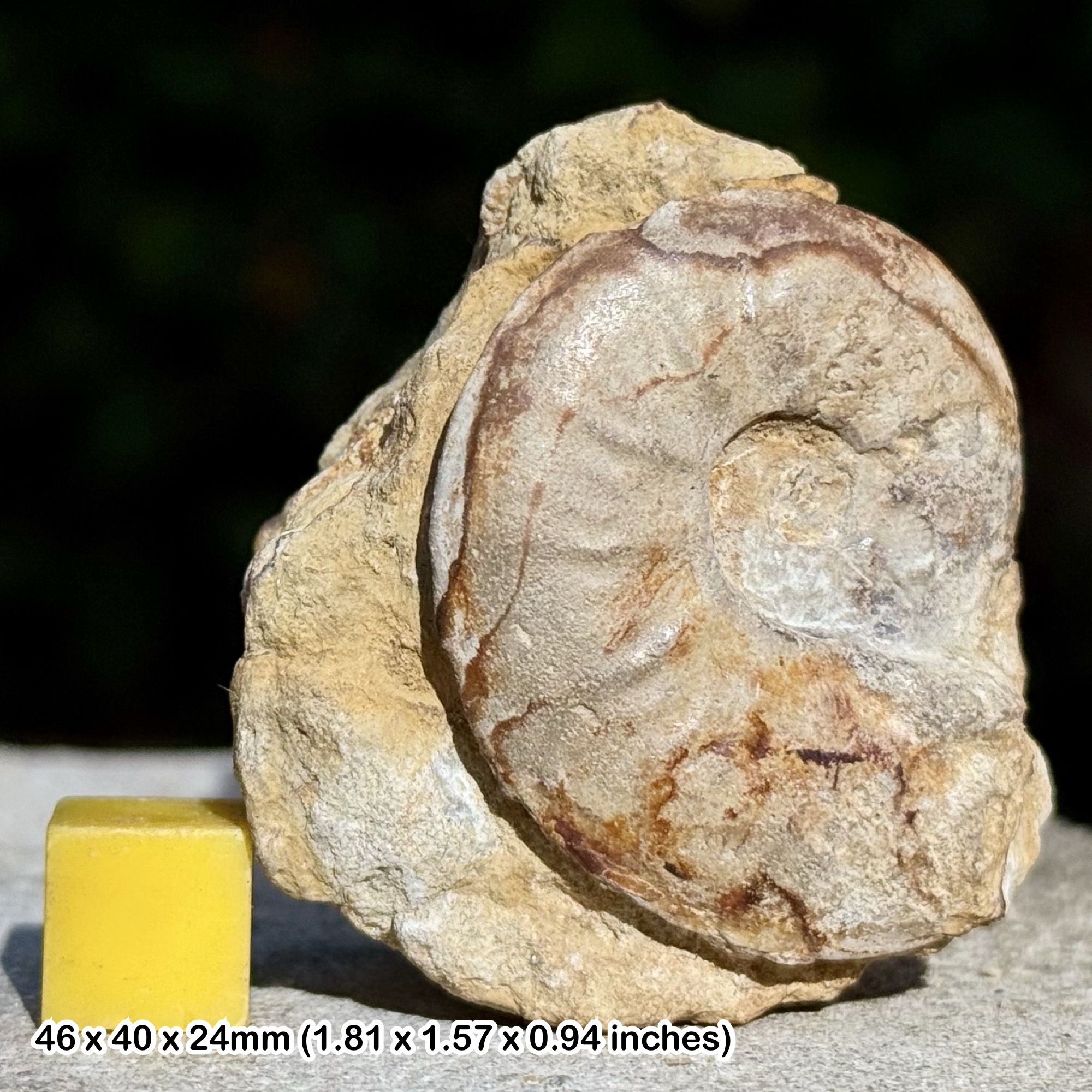
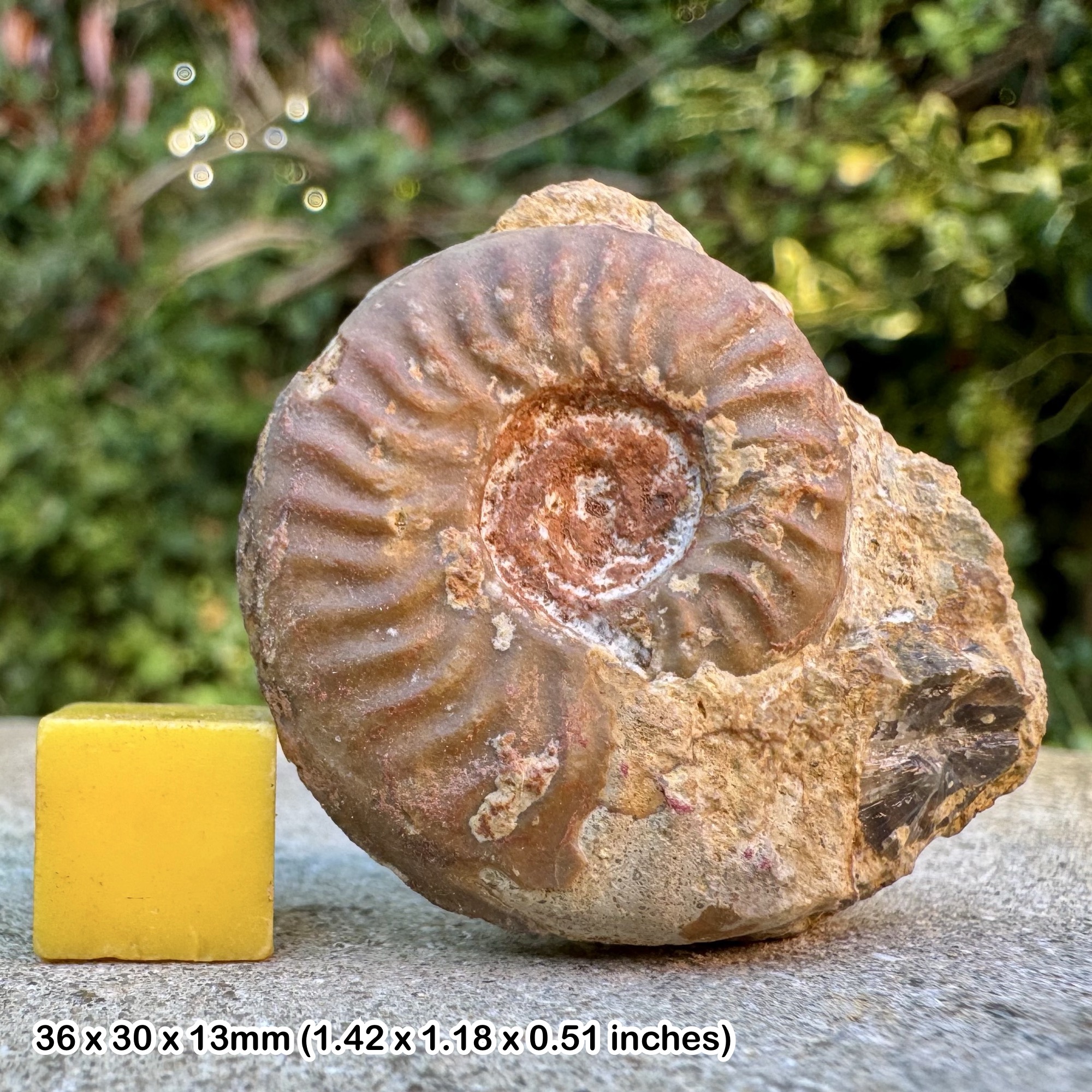
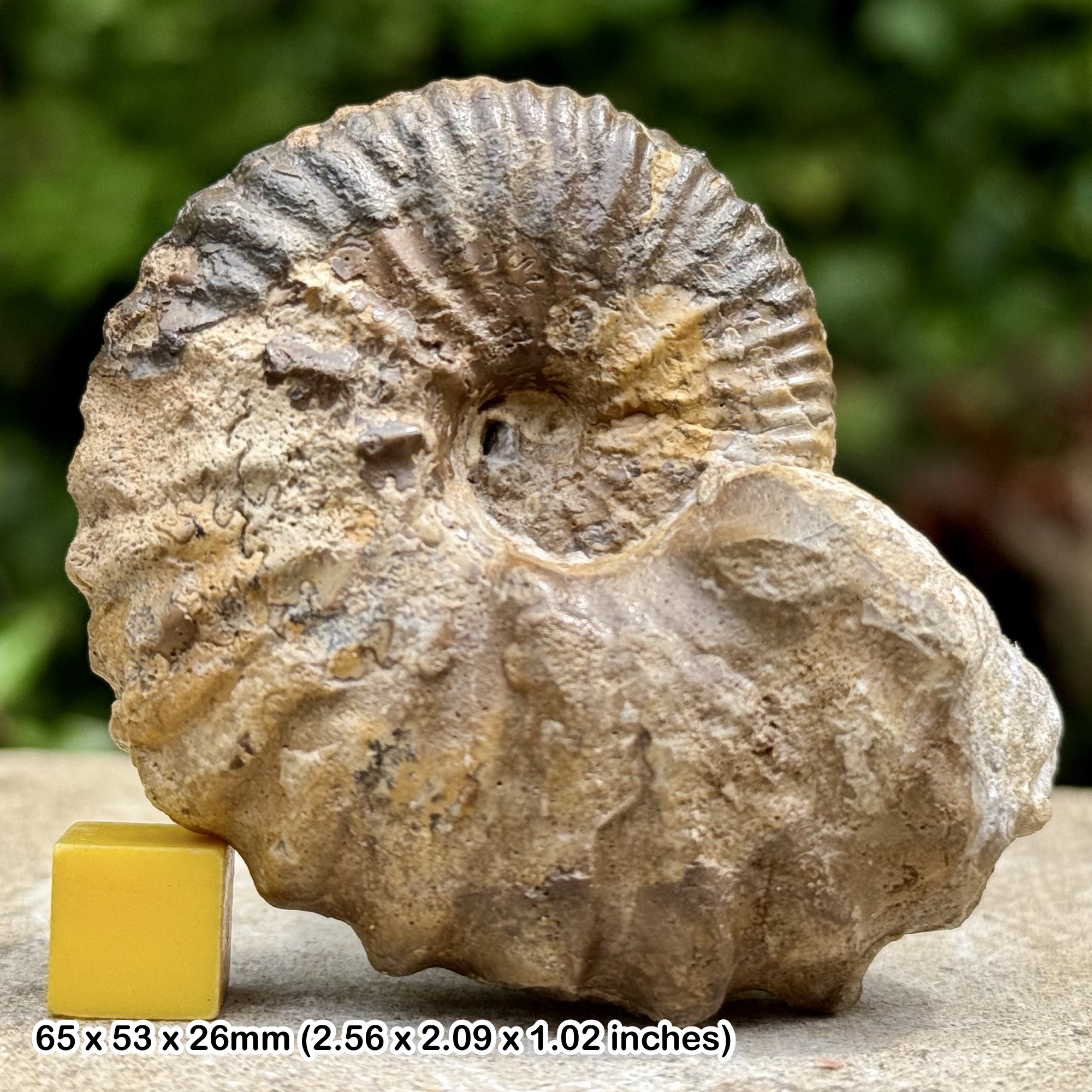
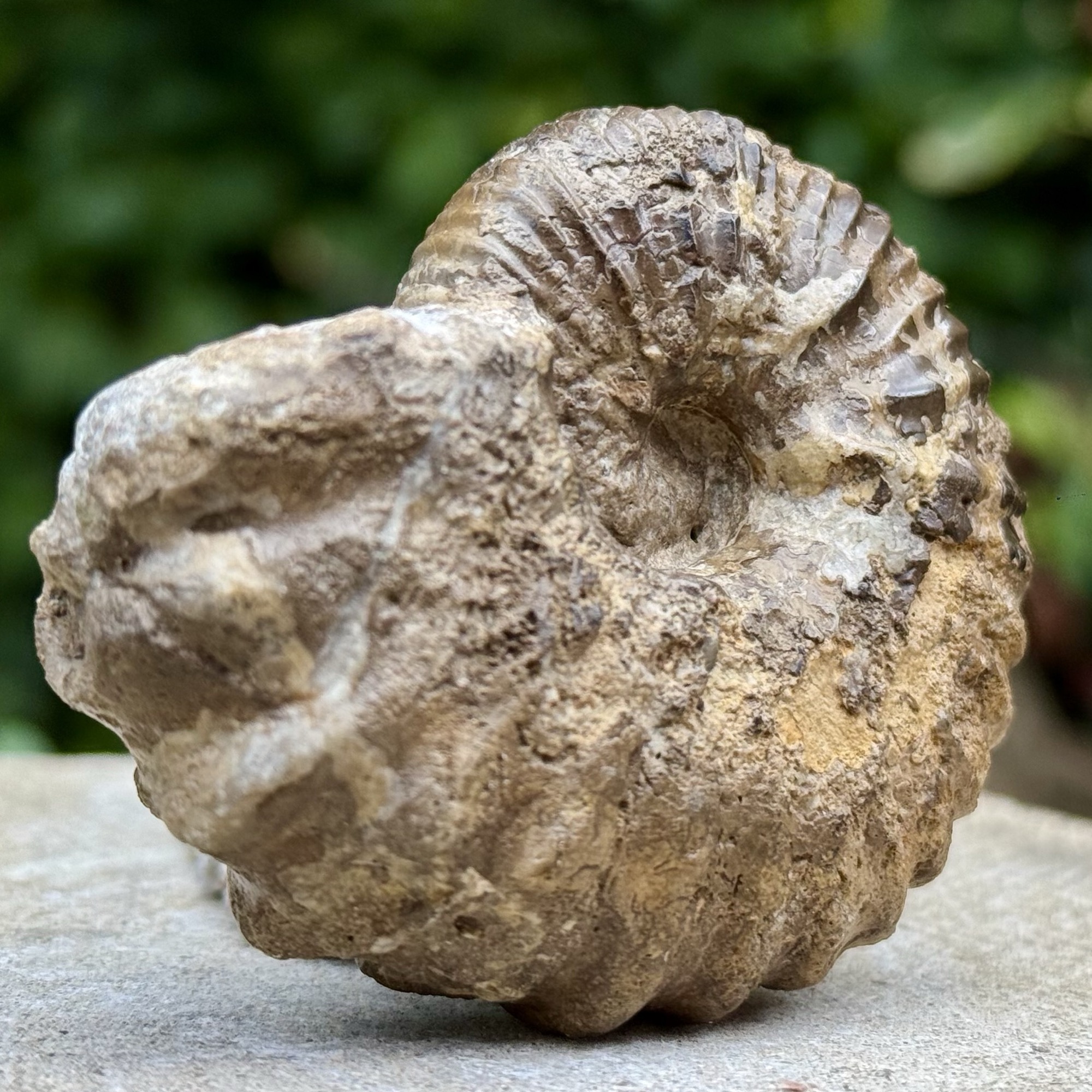
ammonite from the Upper Albian Stage of the Cretaceous Period, collected from the fossiliferous outcrops of Pénzesgyőr, Hungary.Stoliczkaia is known for its slender, compressed shell and complex ribbing pattern, traits which make it a prized fossil among collectors and researchers alike. This particular specimen is a wonderful representation from the Hungarian region, where Upper Albian marine sediments have preserved an important range of ammonite fauna.All of our Fossils are 100% Genuine Specimens & come with a Certificate of Authenticity.The photo shows the actual specimen you will receive, alongside a 1cm scale cube for precise sizing. Please refer to the image for full measurement details. Geological and Taxonomic Information:
• Genus: Stoliczkaia
• Fossil Type: Ammonite (extinct marine cephalopod)
• Age: Late Early Cretaceous, Upper Albian (~105 to 100.5 million years ago)
• Location: Pénzesgyőr, Hungary
• Formation: Marine Albian marl and limestone sequences of the Bakony Mountains
• Depositional Environment: Deeper marine shelf settings with calcareous muds and marl
• Geological Stage: Upper Albian Taxonomic Classification:
• Order: Ammonitida
• Superfamily: Acanthoceratoidea
• Family: Stoliczkaiidae
• Genus: Stoliczkaia Morphology & Notable Features:
• Slender, compressed whorls with sharply ribbed ornamentation
• Angular cross-section and distinct keel
• Excellent preservation with detailed ribbing patterns intact
• Displays important features for evolutionary and biostratigraphic study Scientific & Collector Significance:Stoliczkaia species serve as important biostratigraphic markers for the Upper Albian. This specimen from Hungary adds diversity and geographical range to fossil collections, while offering a striking example of ammonite adaptation during mid-Cretaceous oceanic conditions. Specimen Details:
• Approximate Size: Refer to image with 1cm scale cube
• Condition: Expertly cleaned and preserved
• Origin: Pénzesgyőr, Hungary
• Includes: Certificate of Authenticity Ideal For:
• Collectors of rare European ammonites
• Educational displays and geology teaching collections
• Fossil art and natural décor
• Museum and palaeontology exhibitions
ammonite from the Upper Albian Stage of the Cretaceous Period, collected from the fossiliferous outcrops of Pénzesgyőr, Hungary.Stoliczkaia is known for its slender, compressed shell and complex ribbing pattern, traits which make it a prized fossil among collectors and researchers alike. This particular specimen is a wonderful representation from the Hungarian region, where Upper Albian marine sediments have preserved an important range of ammonite fauna.All of our Fossils are 100% Genuine Specimens & come with a Certificate of Authenticity.The photo shows the actual specimen you will receive, alongside a 1cm scale cube for precise sizing. Please refer to the image for full measurement details. Geological and Taxonomic Information:
• Genus: Stoliczkaia
• Fossil Type: Ammonite (extinct marine cephalopod)
• Age: Late Early Cretaceous, Upper Albian (~105 to 100.5 million years ago)
• Location: Pénzesgyőr, Hungary
• Formation: Marine Albian marl and limestone sequences of the Bakony Mountains
• Depositional Environment: Deeper marine shelf settings with calcareous muds and marl
• Geological Stage: Upper Albian Taxonomic Classification:
• Order: Ammonitida
• Superfamily: Acanthoceratoidea
• Family: Stoliczkaiidae
• Genus: Stoliczkaia Morphology & Notable Features:
• Slender, compressed whorls with sharply ribbed ornamentation
• Angular cross-section and distinct keel
• Excellent preservation with detailed ribbing patterns intact
• Displays important features for evolutionary and biostratigraphic study Scientific & Collector Significance:Stoliczkaia species serve as important biostratigraphic markers for the Upper Albian. This specimen from Hungary adds diversity and geographical range to fossil collections, while offering a striking example of ammonite adaptation during mid-Cretaceous oceanic conditions. Specimen Details:
• Approximate Size: Refer to image with 1cm scale cube
• Condition: Expertly cleaned and preserved
• Origin: Pénzesgyőr, Hungary
• Includes: Certificate of Authenticity Ideal For:
• Collectors of rare European ammonites
• Educational displays and geology teaching collections
• Fossil art and natural décor
• Museum and palaeontology exhibitions