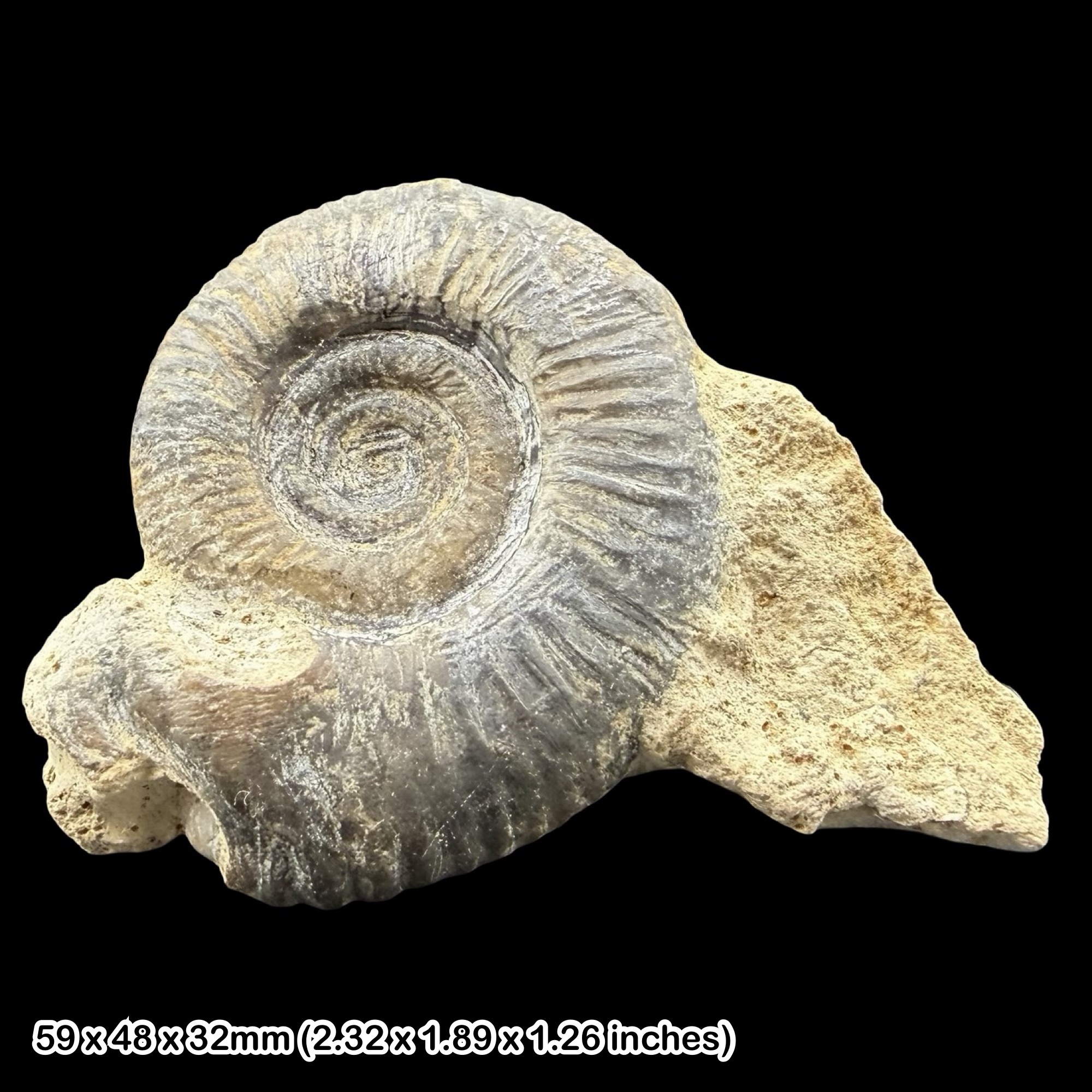
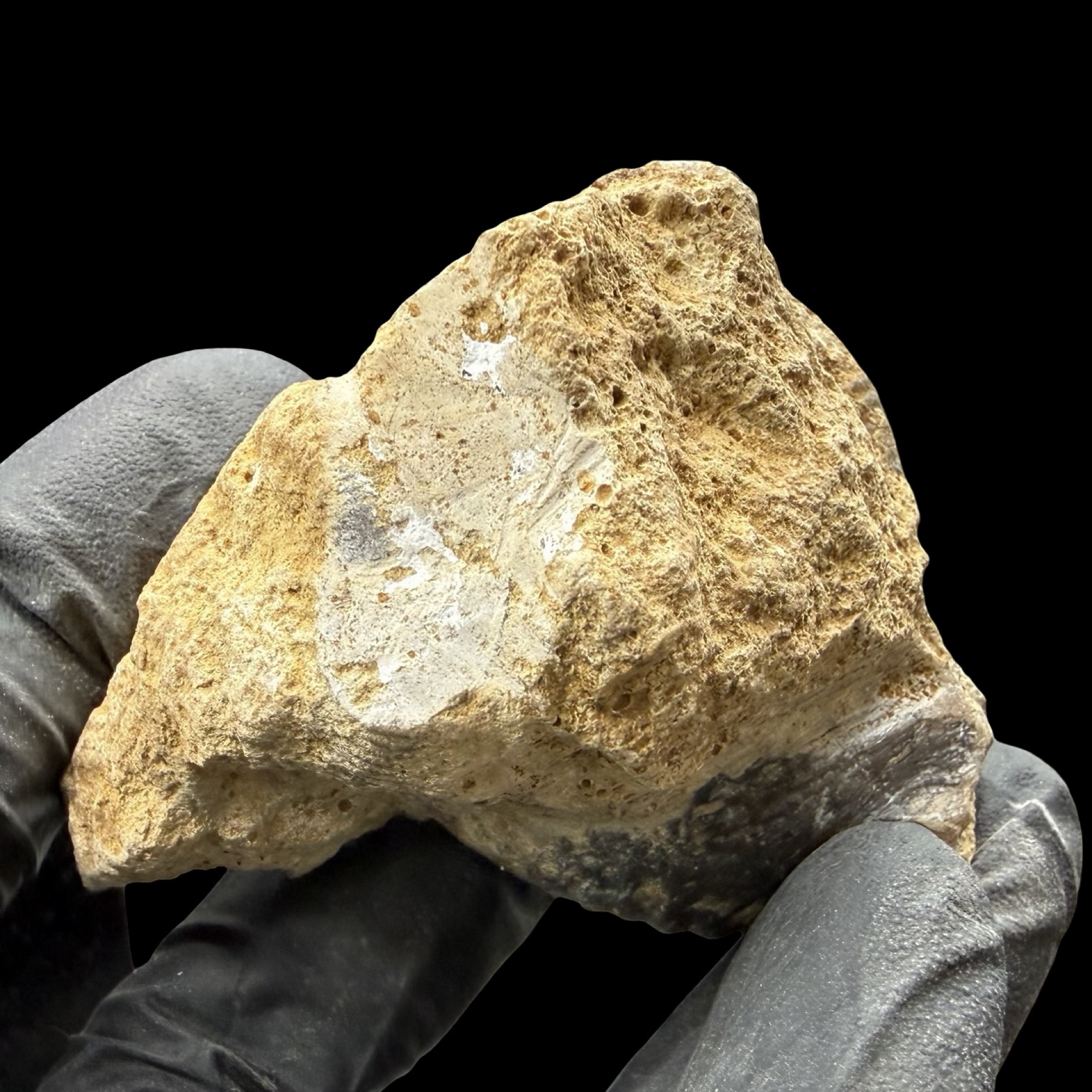
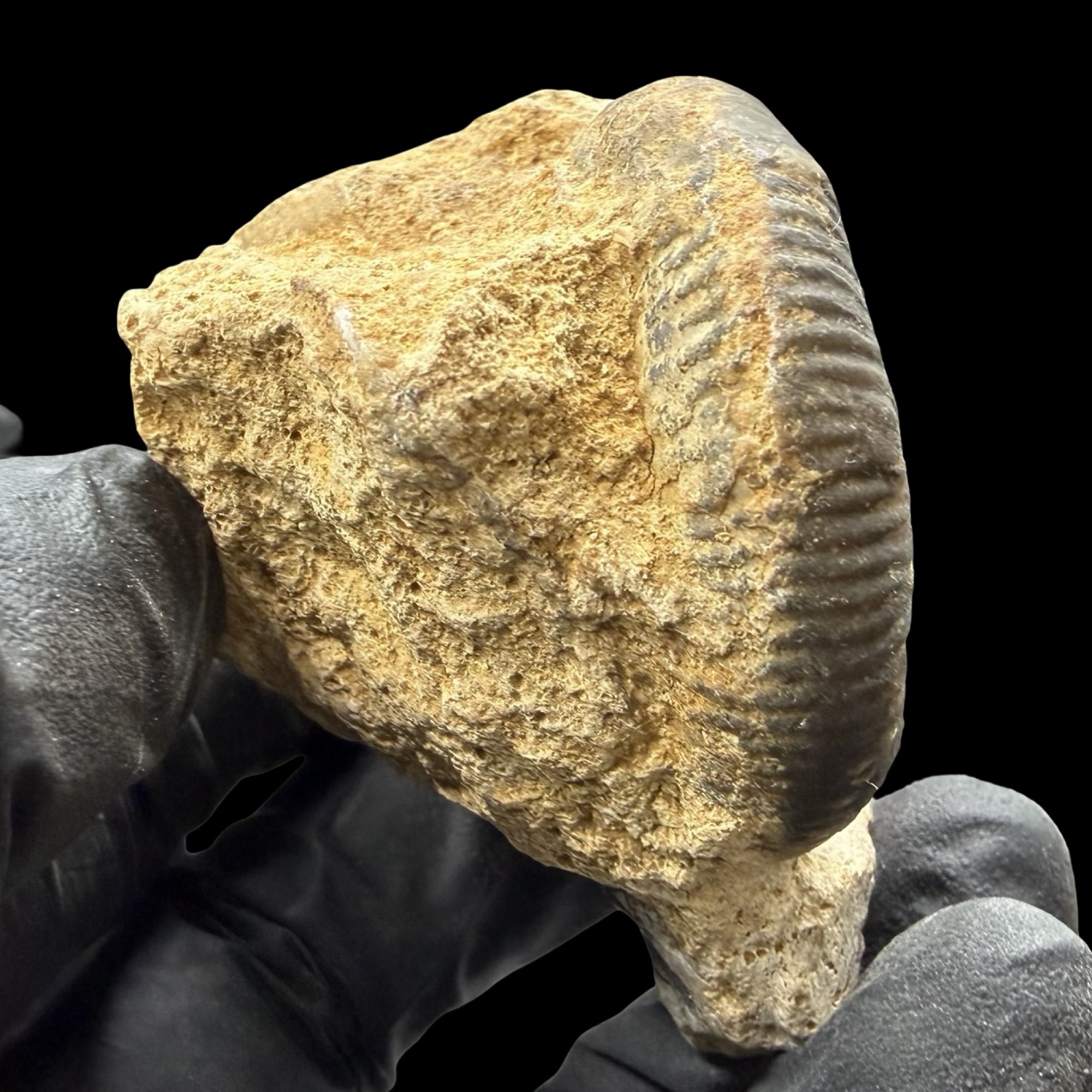
Siemiradzkia aurigera Echinoid Fossil Cretaceous France COA Genuine Sea Urchin Saint Beat Coniacian Haute Garonne
£ 12.60
Genuine Siemiradzkia aurigera Echinoid Fossil from Saint-Béat, FranceThis Siemiradzkia aurigera echinoid fossil is a genuine Upper Cretaceous
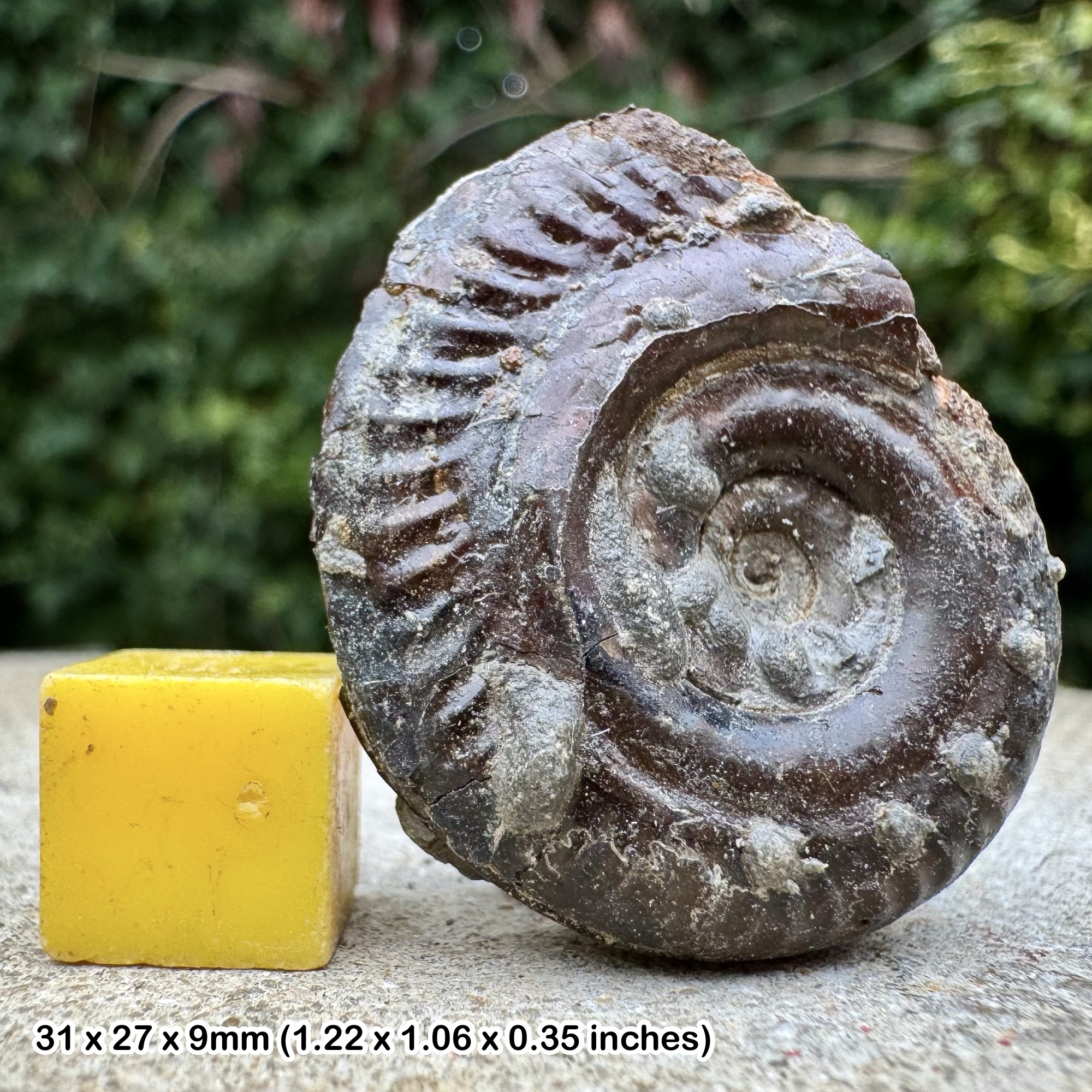
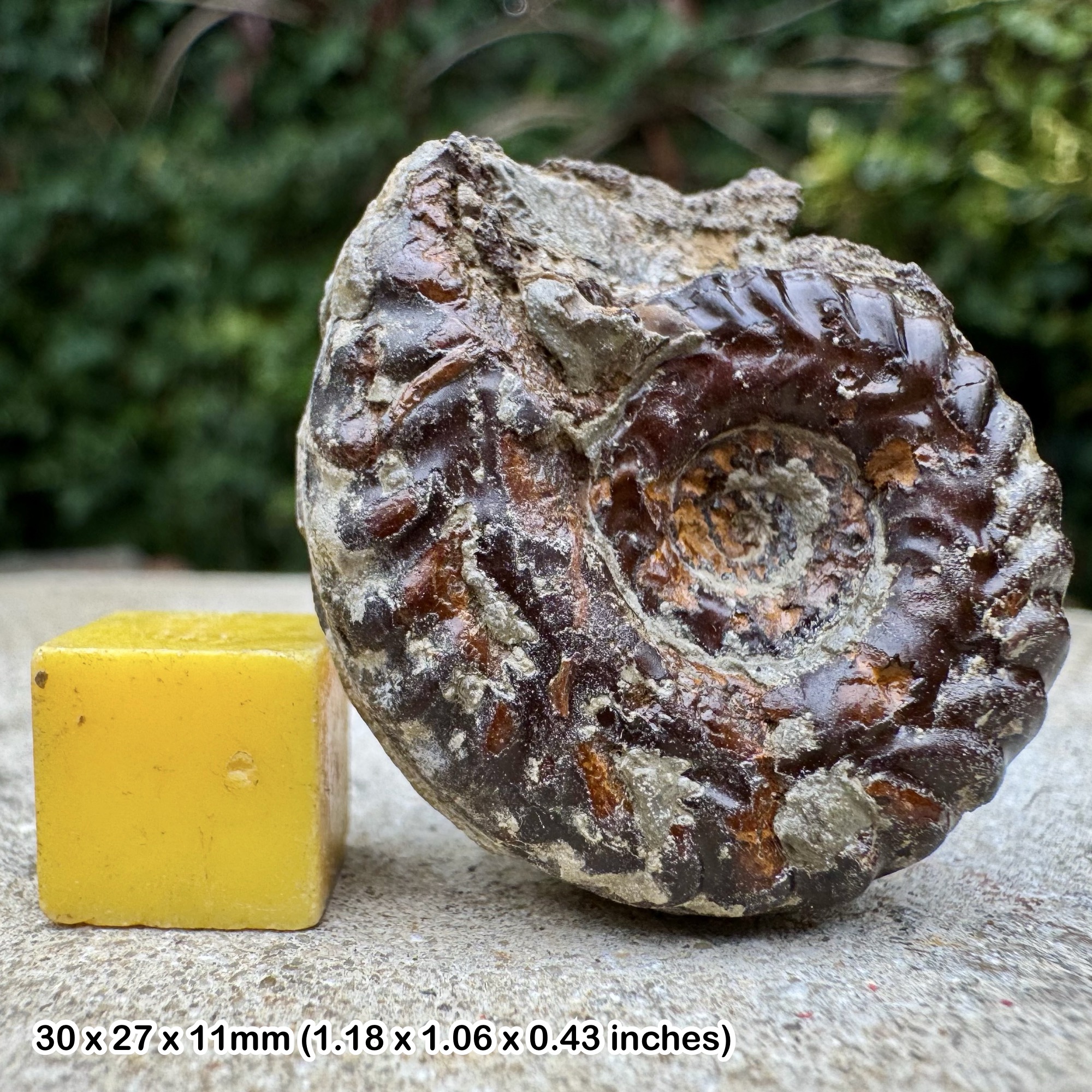
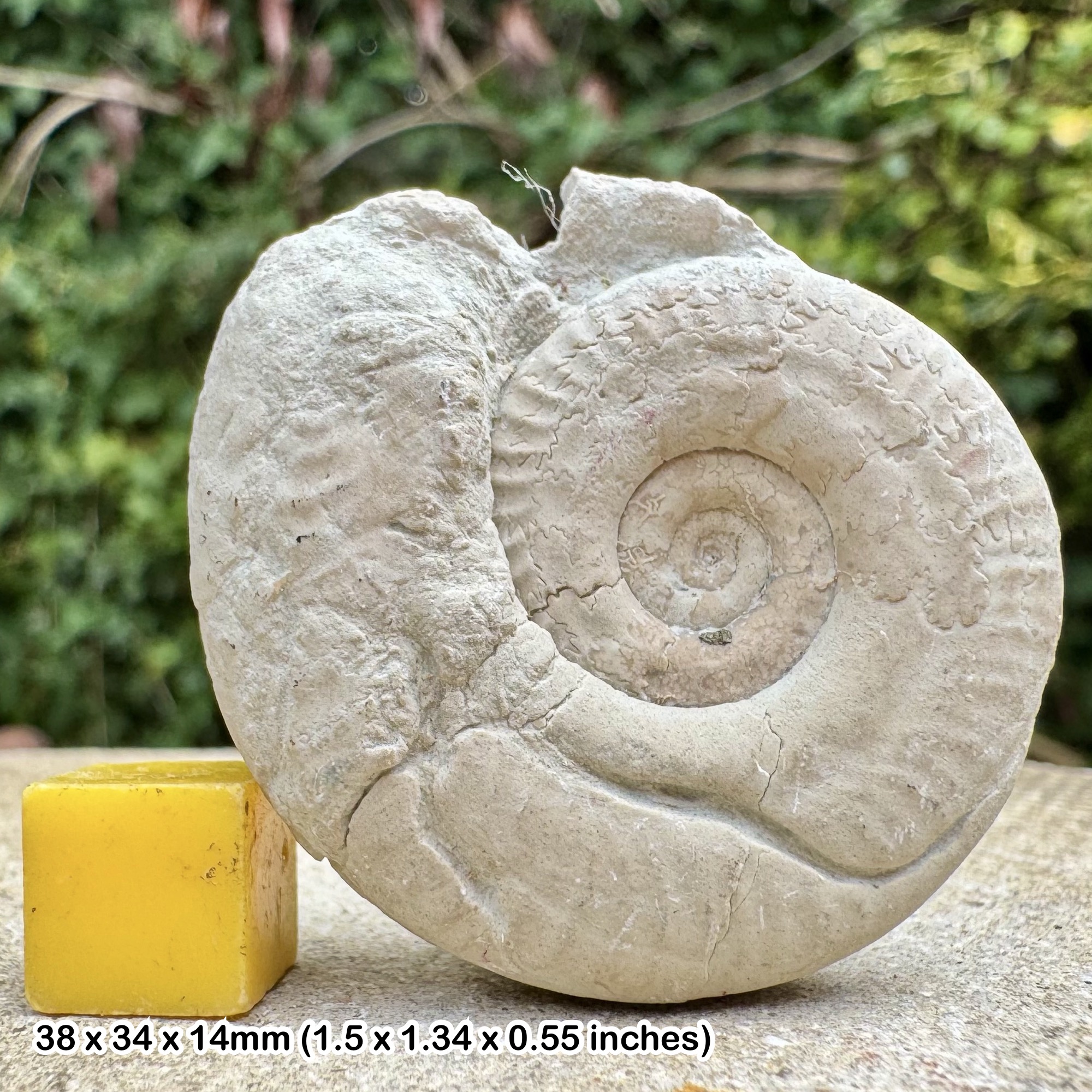
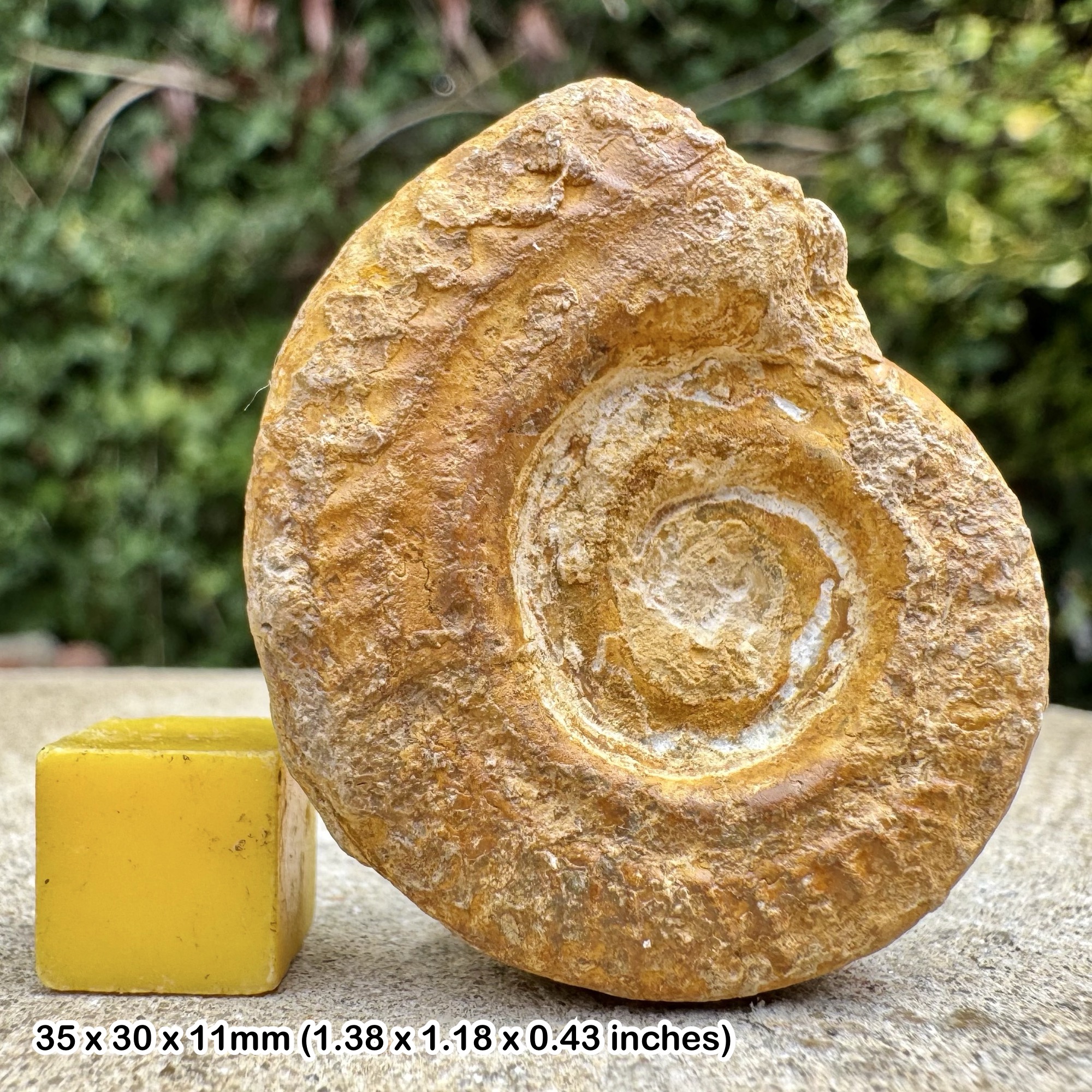
specimen from Saint-Béat, Haute-Garonne, France. Dating from the Coniacian Stage, this carefully chosen fossil represents a fossil sea urchin from the ancient marine environments that once covered parts of southern France during the Late Cretaceous. It is an attractive natural history specimen with strong geological interest, collector appeal and a desirable French locality.The photograph shows the actual fossil you will receive, making this an individual specimen rather than a stock image or representative example. For full sizing and visible condition, please see the listing photo. This fossil includes a Certificate of Authenticity lifetime guarantee generic card.Fossil Type and Species InterestSiemiradzkia aurigera is a fossil echinoid, commonly known as a fossil sea urchin. Echinoids are marine animals belonging to the phylum Echinodermata, the same wider group as modern sea urchins, sand dollars, starfish and crinoids. The part most commonly preserved as a fossil is the test, a rigid shell-like structure made from interlocking calcium carbonate plates.As an echinoid, Siemiradzkia would have lived on or partly within the ancient sea floor, using tube feet and spines for movement, feeding and interaction with the surrounding sediment. Fossil echinoids are especially valued because their tests can preserve natural symmetry, plate patterns, ambulacral areas and overall body shape, all of which give insight into how the animal lived in its marine environment.Siemiradzkia aurigera is an appealing species for collectors because it represents a less commonly seen Cretaceous echinoid compared with the more familiar British chalk sea urchins. Its fossil form reflects the diversity of echinoids living in Late Cretaceous seas, where different species evolved body shapes suited to life on soft carbonate sediment, reef-adjacent sea floors or shallow marine environments.Geology, Age and Coniacian SettingThis specimen comes from the Upper Cretaceous, specifically the Coniacian Stage. The Coniacian was a time of high global sea levels, when warm marine waters covered many areas of Europe and supported rich communities of echinoids, bivalves, brachiopods, sponges, ammonites, gastropods, fish and other marine life.During the Late Cretaceous, parts of what is now southern France were influenced by shallow to moderately deep marine conditions connected to wider European and Tethyan seas. Carbonate-rich sediments accumulated on the sea floor, gradually burying the remains of marine organisms. Over millions of years, these remains were mineralised and preserved as fossils within limestone and related sedimentary deposits.Echinoids such as Siemiradzkia aurigera formed part of this ancient seabed ecosystem. Their tests provide a direct record of the marine life that thrived long before the modern landscape of Haute-Garonne was formed.Saint-Béat, Haute-Garonne LocalitySaint-Béat in Haute-Garonne, France, is part of a region known for fossil-bearing Cretaceous rocks and classic European geology. Fossils from this area are appreciated by collectors for their locality, age and connection to the marine environments of southern France during the Late Cretaceous.A Siemiradzkia aurigera echinoid from Saint-Béat combines a named species, a defined Coniacian age and an attractive French provenance. This makes it a strong addition to collections focused on echinoids, sea urchins, French fossils, Cretaceous palaeontology or natural history specimens.Authenticity and PresentationThis Siemiradzkia aurigera echinoid fossil is a genuine specimen selected for its natural character, geological interest and display quality. It is supplied exactly as shown in the listing photograph, so the fossil pictured is the actual piece you will receive.The included Certificate of Authenticity lifetime guarantee generic card provides reassurance for collectors, educators, gift buyers and natural history enthusiasts. This makes the fossil suitable for a serious fossil collection, educational use or display in a cabinet, study, classroom, office or geology-themed room.Display, Collecting and Educational ValueThis Siemiradzkia aurigera fossil echinoid is ideal for collectors of French fossils, Cretaceous fossils, fossil sea urchins and natural history specimens. Its Upper Cretaceous age, Coniacian geological setting, Saint-Béat locality and distinctive echinoid form give it excellent appeal as both a display fossil and an educational specimen.As a genuine echinoid from Haute-Garonne, France, this fossil offers a direct connection to the ancient Cretaceous seas that once covered the region. It would make an excellent fossil gift, collector’s item, teaching specimen or display piece for anyone interested in echinoids, sea urchins, palaeontology, French geology and the fossil-rich marine deposits of the Late Cretaceous.
specimen from Saint-Béat, Haute-Garonne, France. Dating from the Coniacian Stage, this carefully chosen fossil represents a fossil sea urchin from the ancient marine environments that once covered parts of southern France during the Late Cretaceous. It is an attractive natural history specimen with strong geological interest, collector appeal and a desirable French locality.The photograph shows the actual fossil you will receive, making this an individual specimen rather than a stock image or representative example. For full sizing and visible condition, please see the listing photo. This fossil includes a Certificate of Authenticity lifetime guarantee generic card.Fossil Type and Species InterestSiemiradzkia aurigera is a fossil echinoid, commonly known as a fossil sea urchin. Echinoids are marine animals belonging to the phylum Echinodermata, the same wider group as modern sea urchins, sand dollars, starfish and crinoids. The part most commonly preserved as a fossil is the test, a rigid shell-like structure made from interlocking calcium carbonate plates.As an echinoid, Siemiradzkia would have lived on or partly within the ancient sea floor, using tube feet and spines for movement, feeding and interaction with the surrounding sediment. Fossil echinoids are especially valued because their tests can preserve natural symmetry, plate patterns, ambulacral areas and overall body shape, all of which give insight into how the animal lived in its marine environment.Siemiradzkia aurigera is an appealing species for collectors because it represents a less commonly seen Cretaceous echinoid compared with the more familiar British chalk sea urchins. Its fossil form reflects the diversity of echinoids living in Late Cretaceous seas, where different species evolved body shapes suited to life on soft carbonate sediment, reef-adjacent sea floors or shallow marine environments.Geology, Age and Coniacian SettingThis specimen comes from the Upper Cretaceous, specifically the Coniacian Stage. The Coniacian was a time of high global sea levels, when warm marine waters covered many areas of Europe and supported rich communities of echinoids, bivalves, brachiopods, sponges, ammonites, gastropods, fish and other marine life.During the Late Cretaceous, parts of what is now southern France were influenced by shallow to moderately deep marine conditions connected to wider European and Tethyan seas. Carbonate-rich sediments accumulated on the sea floor, gradually burying the remains of marine organisms. Over millions of years, these remains were mineralised and preserved as fossils within limestone and related sedimentary deposits.Echinoids such as Siemiradzkia aurigera formed part of this ancient seabed ecosystem. Their tests provide a direct record of the marine life that thrived long before the modern landscape of Haute-Garonne was formed.Saint-Béat, Haute-Garonne LocalitySaint-Béat in Haute-Garonne, France, is part of a region known for fossil-bearing Cretaceous rocks and classic European geology. Fossils from this area are appreciated by collectors for their locality, age and connection to the marine environments of southern France during the Late Cretaceous.A Siemiradzkia aurigera echinoid from Saint-Béat combines a named species, a defined Coniacian age and an attractive French provenance. This makes it a strong addition to collections focused on echinoids, sea urchins, French fossils, Cretaceous palaeontology or natural history specimens.Authenticity and PresentationThis Siemiradzkia aurigera echinoid fossil is a genuine specimen selected for its natural character, geological interest and display quality. It is supplied exactly as shown in the listing photograph, so the fossil pictured is the actual piece you will receive.The included Certificate of Authenticity lifetime guarantee generic card provides reassurance for collectors, educators, gift buyers and natural history enthusiasts. This makes the fossil suitable for a serious fossil collection, educational use or display in a cabinet, study, classroom, office or geology-themed room.Display, Collecting and Educational ValueThis Siemiradzkia aurigera fossil echinoid is ideal for collectors of French fossils, Cretaceous fossils, fossil sea urchins and natural history specimens. Its Upper Cretaceous age, Coniacian geological setting, Saint-Béat locality and distinctive echinoid form give it excellent appeal as both a display fossil and an educational specimen.As a genuine echinoid from Haute-Garonne, France, this fossil offers a direct connection to the ancient Cretaceous seas that once covered the region. It would make an excellent fossil gift, collector’s item, teaching specimen or display piece for anyone interested in echinoids, sea urchins, palaeontology, French geology and the fossil-rich marine deposits of the Late Cretaceous.