5” Spinosaurus Dinosaur Tooth Fossil Kem Kem Beds Morocco Cretaceous Genuine Specimen Authentic
£ 720.00
SPECIMEN OVERVIEWThis impressive 5-inch genuine Spinosaurus dinosaur tooth fossil originates from
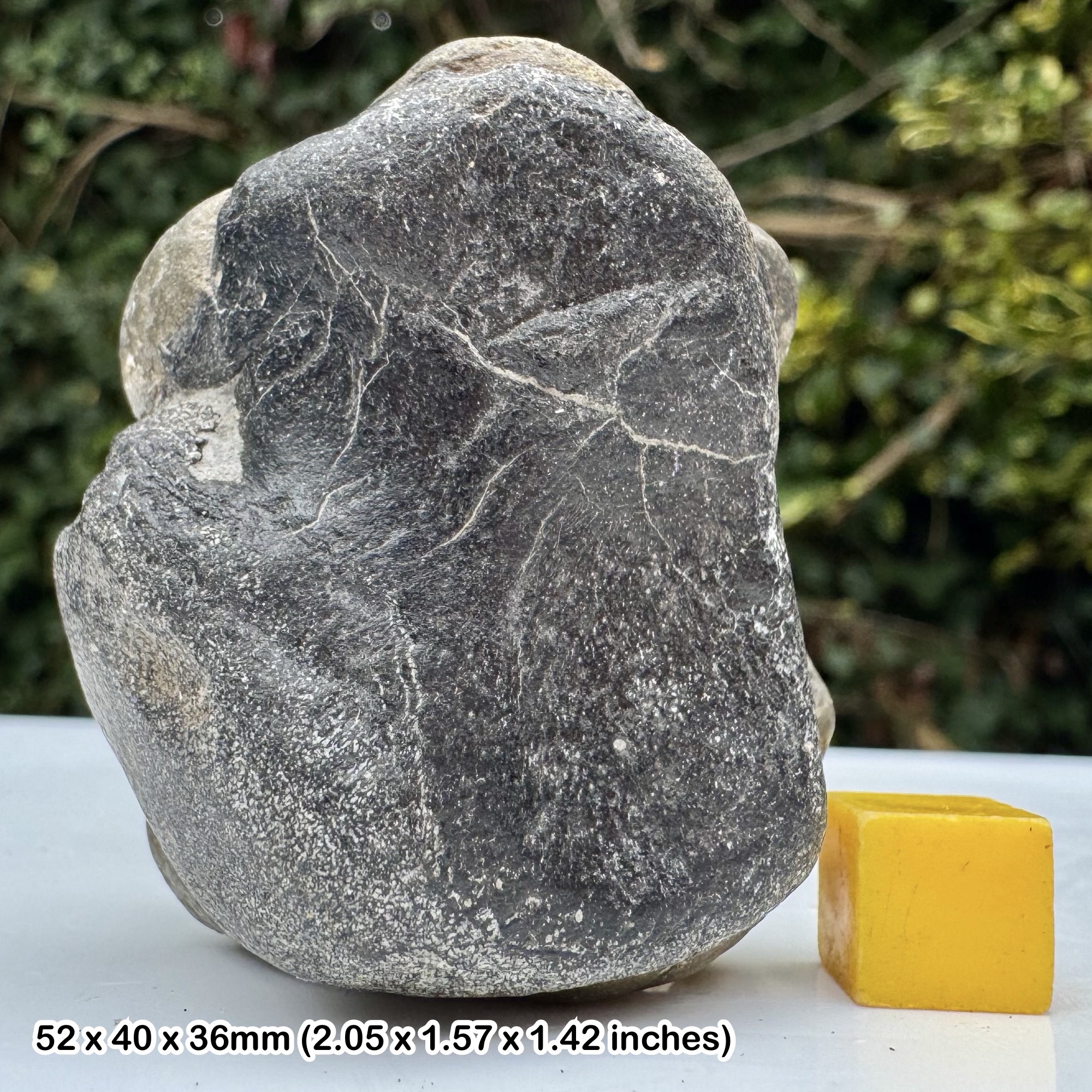
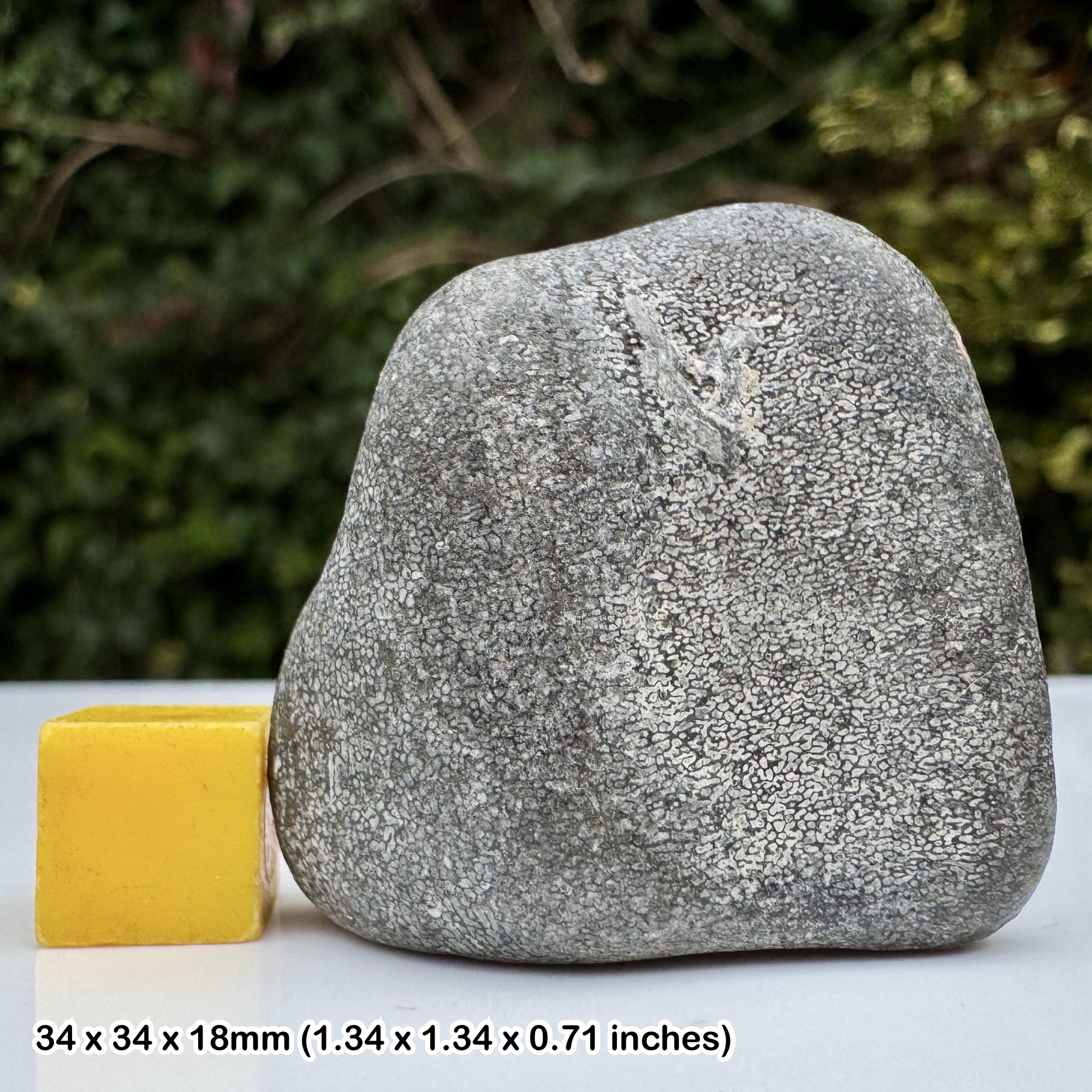
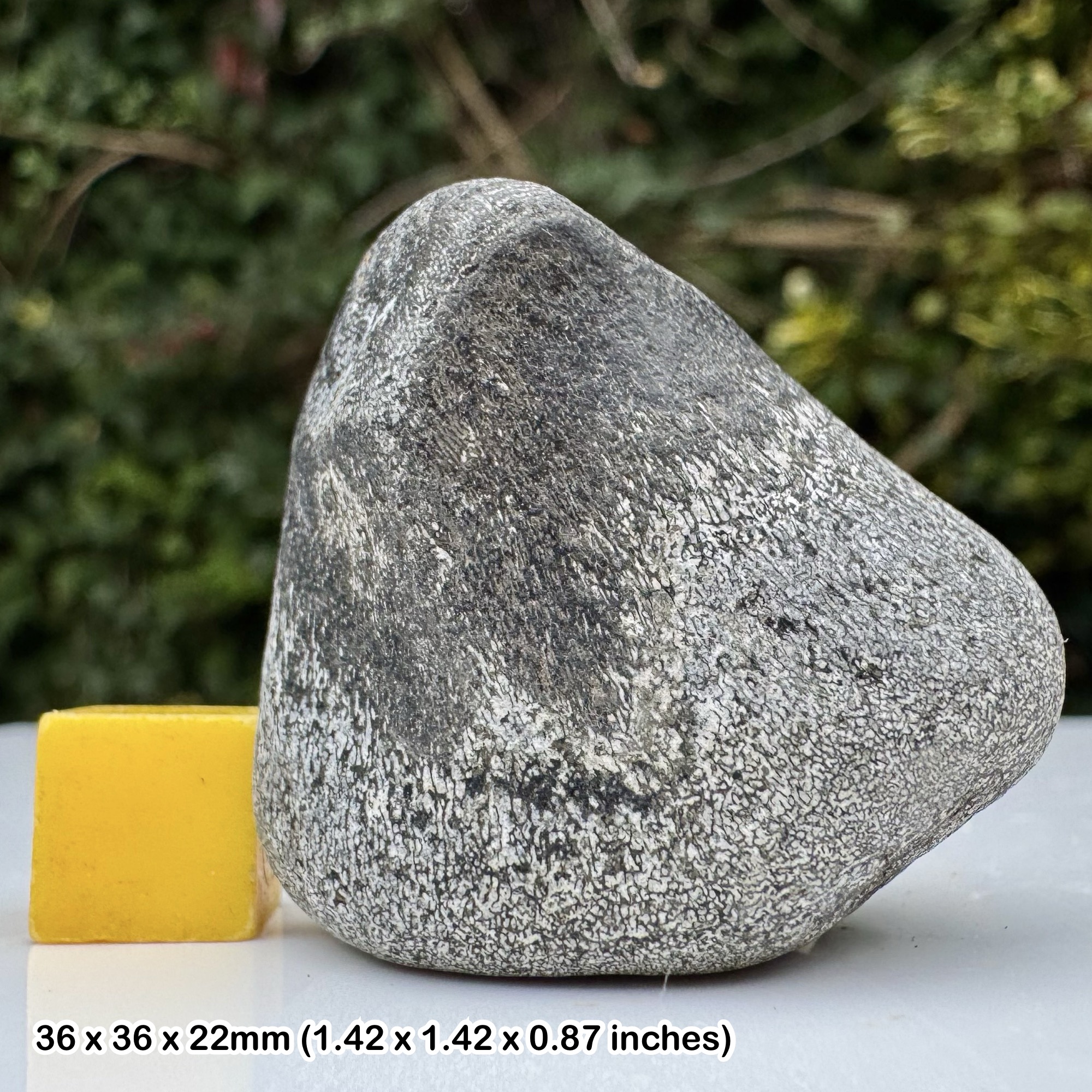
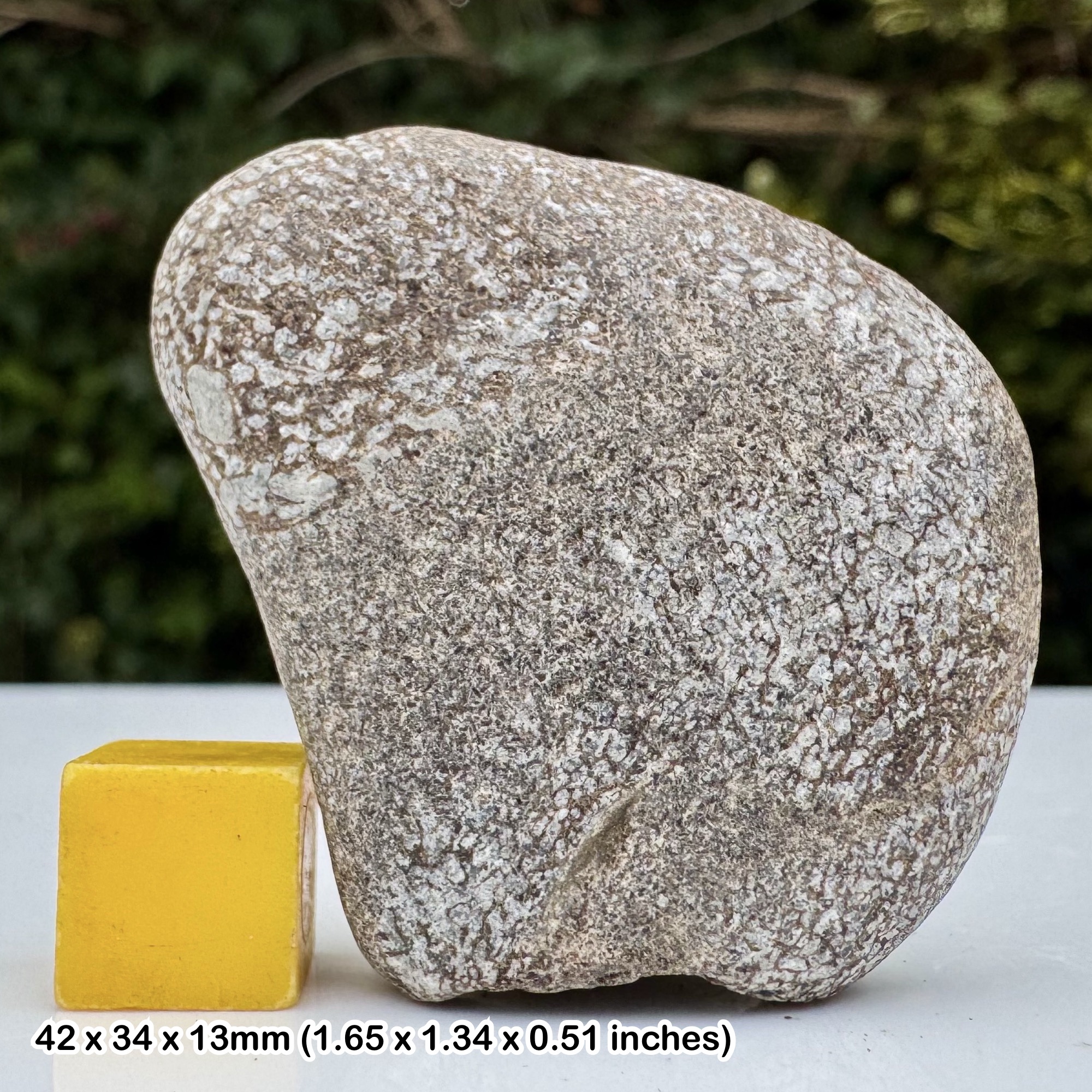
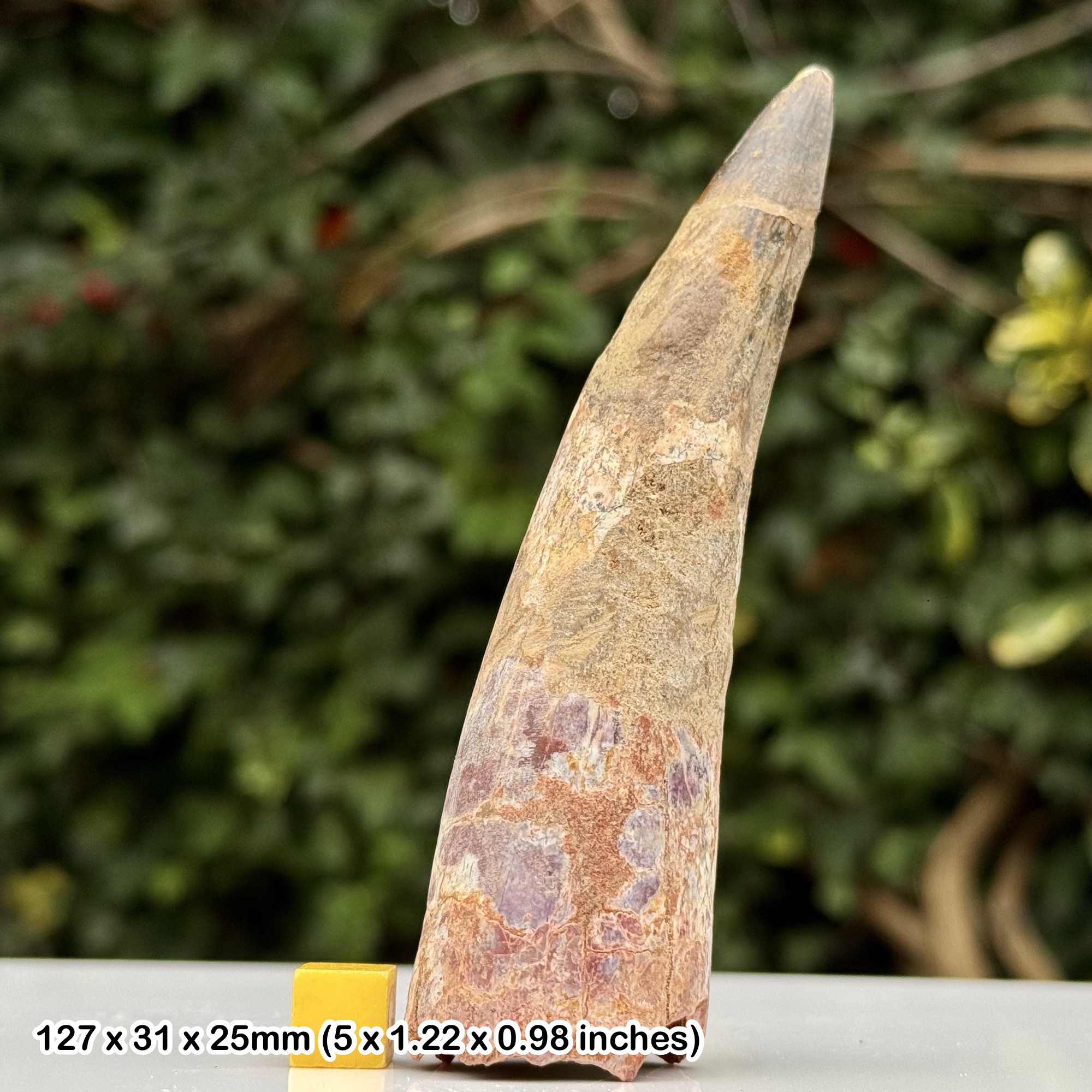
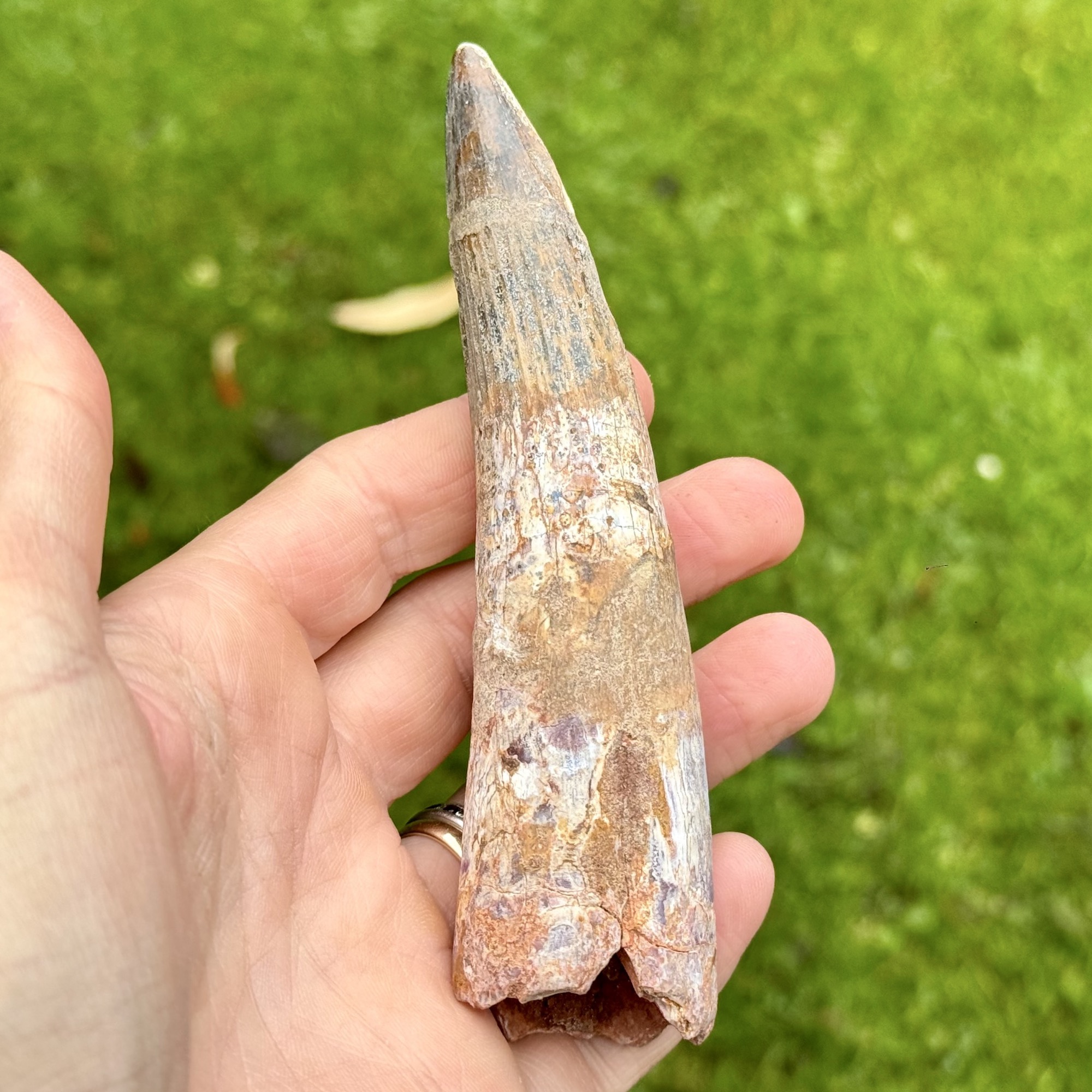
the renowned Kem Kem Beds of southeastern Morocco. Carefully selected for its size, shape, and preservation, this specimen represents a classic example of one of the most iconic predatory dinosaurs of the Upper Cretaceous. The tooth displayed in the photographs is the exact fossil you will receive, offering complete transparency and confidence in your purchase.Each specimen includes a fully hand-signed Premium Certificate of Authenticity, confirming its genuine nature and making it a valuable addition for collectors, educators, and enthusiasts alike. GEOLOGICAL ORIGIN – TEGANA FORMATION, KEM KEM BASINThis fossil was recovered from the Tegana Formation within the Kem Kem Beds, a world-famous fossil-bearing sequence in the Kem Kem Basin of southeastern Morocco. These deposits date to the Upper Cretaceous period, specifically the Cenomanian stage, approximately 100 to 94 million years ago.The Kem Kem Beds are composed predominantly of fluvial sandstones and siltstones, representing ancient river systems, floodplains, and deltaic environments. These dynamic conditions allowed for the transport and burial of organic remains, leading to the preservation of robust fossils such as dinosaur teeth. The region is internationally recognised for its diverse assemblage of vertebrate fossils, including large theropods, crocodilians, and fish. FOSSIL IDENTIFICATION – SPINOSAURUS AEGYPTIACUSThis tooth is attributed to Spinosaurus aegyptiacus, a member of the family Spinosauridae within the order Theropoda. First described by Ernst Stromer in 1915, Spinosaurus is one of the largest carnivorous dinosaurs ever discovered and is notable for its semi-aquatic adaptations.Spinosaurid teeth are highly distinctive and can be identified by:
• Elongated, conical shape with a slight curvature
• Smooth enamel surface lacking serrations
• Prominent vertical fluting along the crown
• Thick, robust structure adapted for gripping preyThese features reflect a specialised feeding strategy, suited to capturing fish and other aquatic prey rather than slicing flesh like typical theropods. MORPHOLOGY AND PRESERVATIONThis 5-inch specimen displays classic Spinosaurid morphology, with a well-formed crown and clearly visible longitudinal fluting. The enamel surface is naturally preserved, showing fine textural details and mineralisation typical of Kem Kem fossils.The tooth’s size places it within a desirable category for collectors, offering both aesthetic appeal and scientific interest. Natural wear and subtle variations in colour enhance its authenticity, reflecting millions of years of geological processes.The structure remains robust, making it ideal for both display and study. PALEOENVIRONMENT AND ECOLOGYDuring the Cenomanian stage, the Kem Kem region was a lush and active environment dominated by extensive river systems and floodplains. This habitat supported a wide variety of life, including large fish, crocodilians, and multiple theropod dinosaurs.Spinosaurus occupied a unique ecological niche as a semi-aquatic predator. Its elongated jaws and conical teeth were perfectly adapted for catching slippery prey such as coelacanths and sawfish. This specialised feeding strategy distinguishes it from other large carnivorous dinosaurs of the time. AUTHENTICITY AND PRESENTATIONThis fossil is a genuine natural specimen and not a cast or reproduction. It has been carefully cleaned and prepared to highlight its natural features while maintaining structural integrity. The included Premium Certificate of Authenticity is fully hand-signed, providing assurance of provenance and quality.All photographs show the exact specimen, allowing you to assess its detail and condition before purchase with complete confidence. COLLECTABILITY AND INVESTMENT VALUESpinosaurus teeth from the Kem Kem Beds are among the most recognisable and sought-after dinosaur fossils in the world. Their unique morphology, combined with their association with one of the largest known predators, makes them highly desirable for collectors.A well-preserved 5-inch example such as this offers excellent display presence while remaining accessible to a wide range of collectors. As interest in prehistoric life continues to grow, authentic fossils like this provide a tangible and lasting connection to Earth’s ancient past.
the renowned Kem Kem Beds of southeastern Morocco. Carefully selected for its size, shape, and preservation, this specimen represents a classic example of one of the most iconic predatory dinosaurs of the Upper Cretaceous. The tooth displayed in the photographs is the exact fossil you will receive, offering complete transparency and confidence in your purchase.Each specimen includes a fully hand-signed Premium Certificate of Authenticity, confirming its genuine nature and making it a valuable addition for collectors, educators, and enthusiasts alike. GEOLOGICAL ORIGIN – TEGANA FORMATION, KEM KEM BASINThis fossil was recovered from the Tegana Formation within the Kem Kem Beds, a world-famous fossil-bearing sequence in the Kem Kem Basin of southeastern Morocco. These deposits date to the Upper Cretaceous period, specifically the Cenomanian stage, approximately 100 to 94 million years ago.The Kem Kem Beds are composed predominantly of fluvial sandstones and siltstones, representing ancient river systems, floodplains, and deltaic environments. These dynamic conditions allowed for the transport and burial of organic remains, leading to the preservation of robust fossils such as dinosaur teeth. The region is internationally recognised for its diverse assemblage of vertebrate fossils, including large theropods, crocodilians, and fish. FOSSIL IDENTIFICATION – SPINOSAURUS AEGYPTIACUSThis tooth is attributed to Spinosaurus aegyptiacus, a member of the family Spinosauridae within the order Theropoda. First described by Ernst Stromer in 1915, Spinosaurus is one of the largest carnivorous dinosaurs ever discovered and is notable for its semi-aquatic adaptations.Spinosaurid teeth are highly distinctive and can be identified by:
• Elongated, conical shape with a slight curvature
• Smooth enamel surface lacking serrations
• Prominent vertical fluting along the crown
• Thick, robust structure adapted for gripping preyThese features reflect a specialised feeding strategy, suited to capturing fish and other aquatic prey rather than slicing flesh like typical theropods. MORPHOLOGY AND PRESERVATIONThis 5-inch specimen displays classic Spinosaurid morphology, with a well-formed crown and clearly visible longitudinal fluting. The enamel surface is naturally preserved, showing fine textural details and mineralisation typical of Kem Kem fossils.The tooth’s size places it within a desirable category for collectors, offering both aesthetic appeal and scientific interest. Natural wear and subtle variations in colour enhance its authenticity, reflecting millions of years of geological processes.The structure remains robust, making it ideal for both display and study. PALEOENVIRONMENT AND ECOLOGYDuring the Cenomanian stage, the Kem Kem region was a lush and active environment dominated by extensive river systems and floodplains. This habitat supported a wide variety of life, including large fish, crocodilians, and multiple theropod dinosaurs.Spinosaurus occupied a unique ecological niche as a semi-aquatic predator. Its elongated jaws and conical teeth were perfectly adapted for catching slippery prey such as coelacanths and sawfish. This specialised feeding strategy distinguishes it from other large carnivorous dinosaurs of the time. AUTHENTICITY AND PRESENTATIONThis fossil is a genuine natural specimen and not a cast or reproduction. It has been carefully cleaned and prepared to highlight its natural features while maintaining structural integrity. The included Premium Certificate of Authenticity is fully hand-signed, providing assurance of provenance and quality.All photographs show the exact specimen, allowing you to assess its detail and condition before purchase with complete confidence. COLLECTABILITY AND INVESTMENT VALUESpinosaurus teeth from the Kem Kem Beds are among the most recognisable and sought-after dinosaur fossils in the world. Their unique morphology, combined with their association with one of the largest known predators, makes them highly desirable for collectors.A well-preserved 5-inch example such as this offers excellent display presence while remaining accessible to a wide range of collectors. As interest in prehistoric life continues to grow, authentic fossils like this provide a tangible and lasting connection to Earth’s ancient past.
Other Products