Nucleolites scutatus Echinoid Fossil Pirates Cove Dorset UK Jurassic COA Genuine Osmington Oolite Sea Urchin Specimen
£ 12.00
GENUINE NUCLEOLITES SCUTATUS ECHINOID FOSSILThis listing is for a genuine Nucleolites scutatus fossil echinoid from the
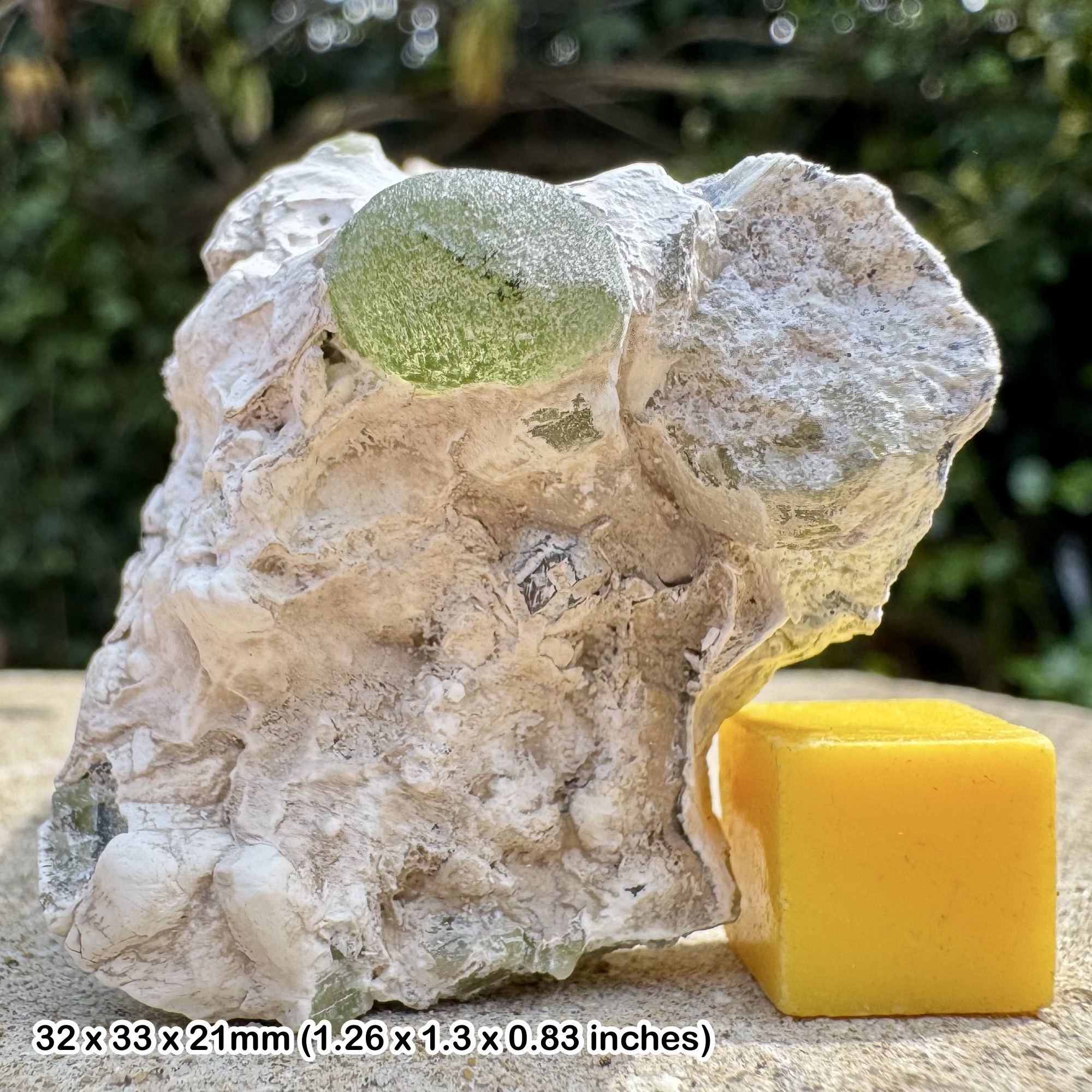
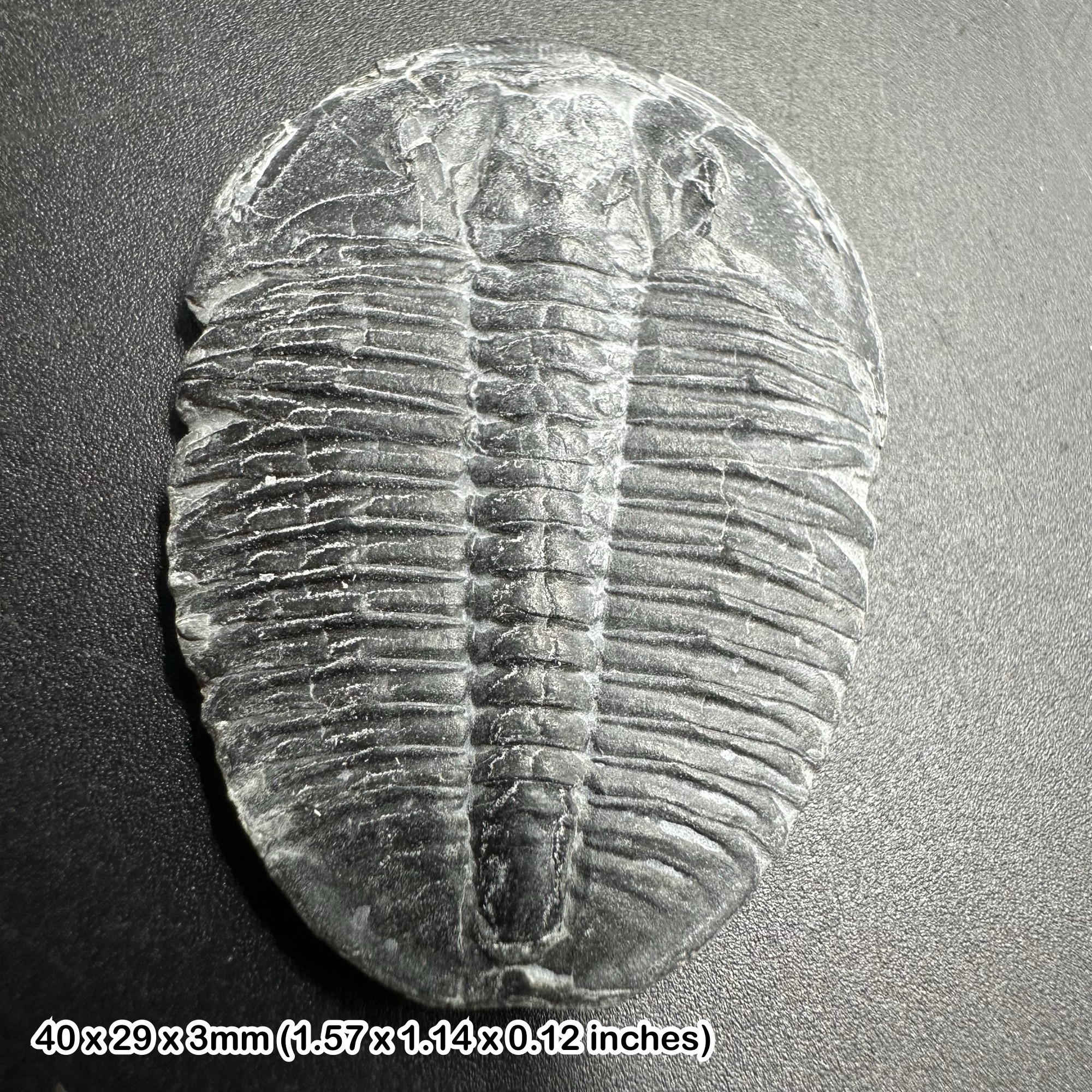
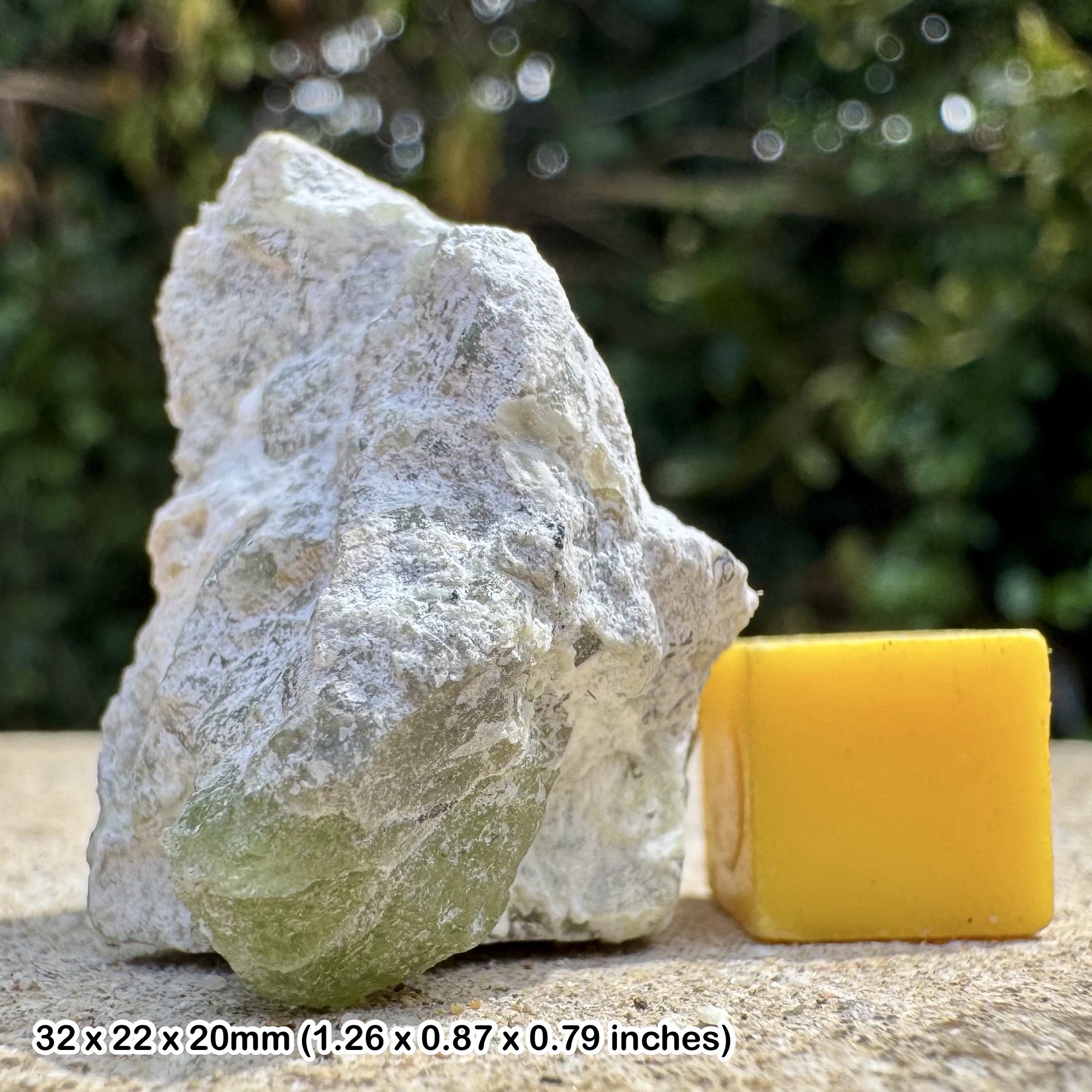
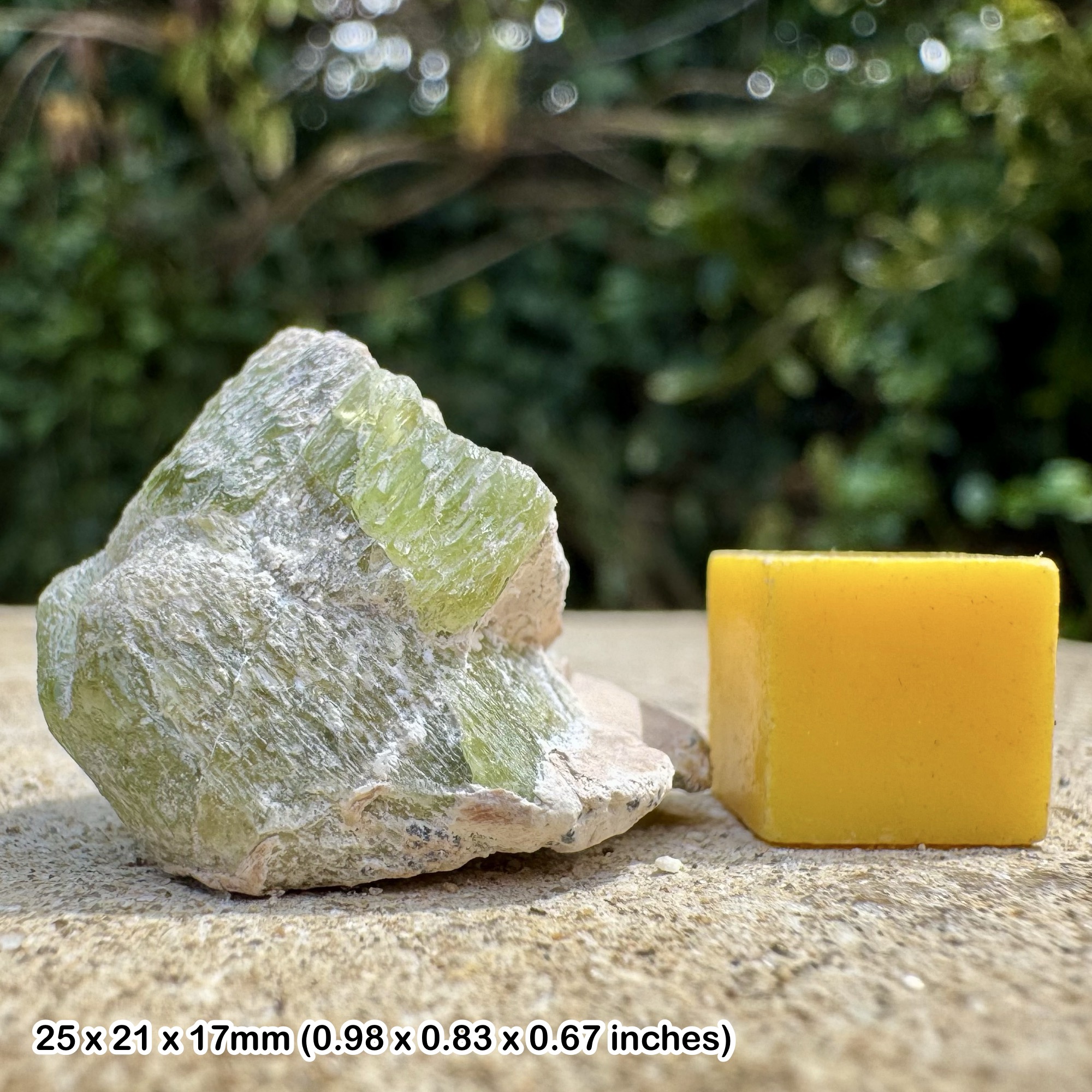
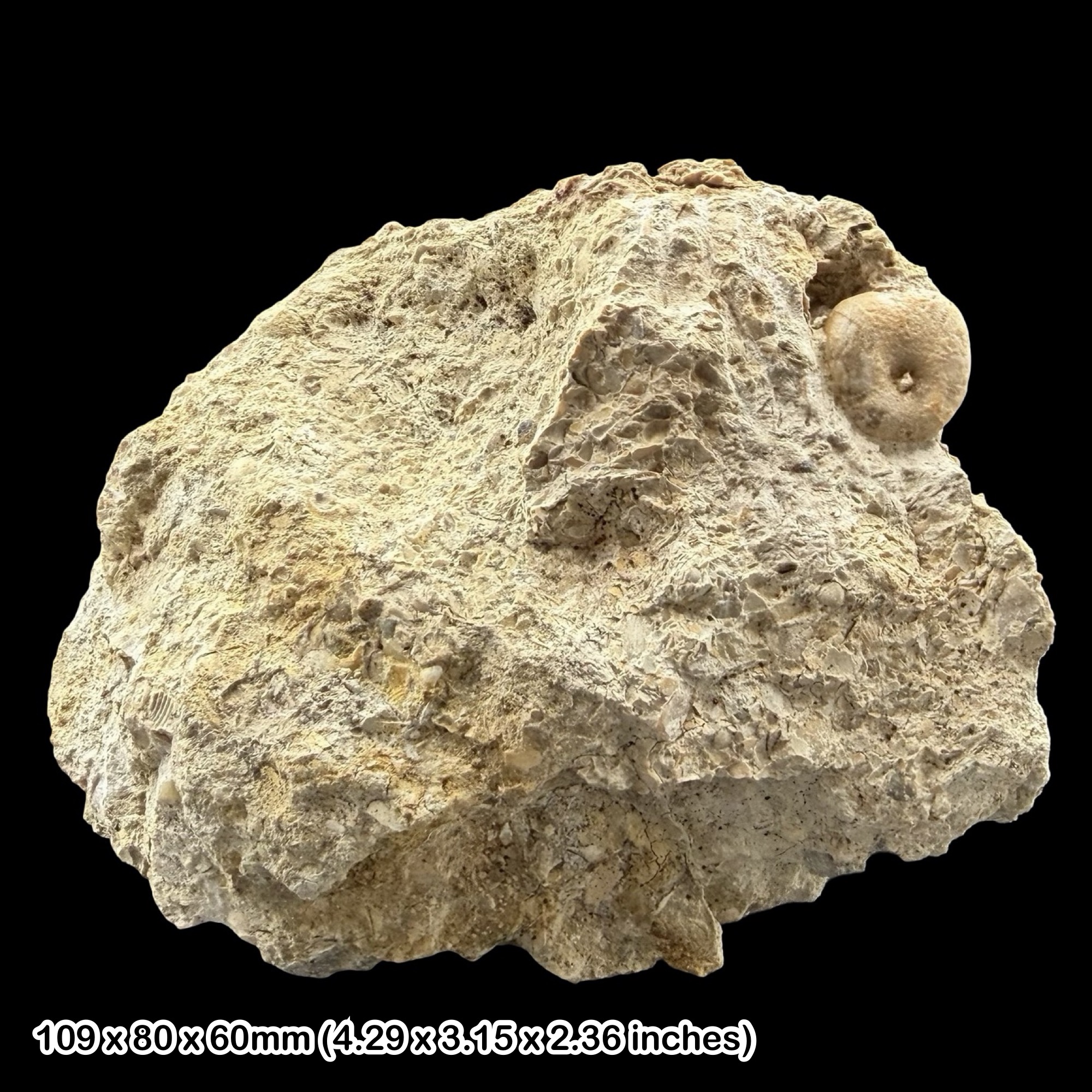
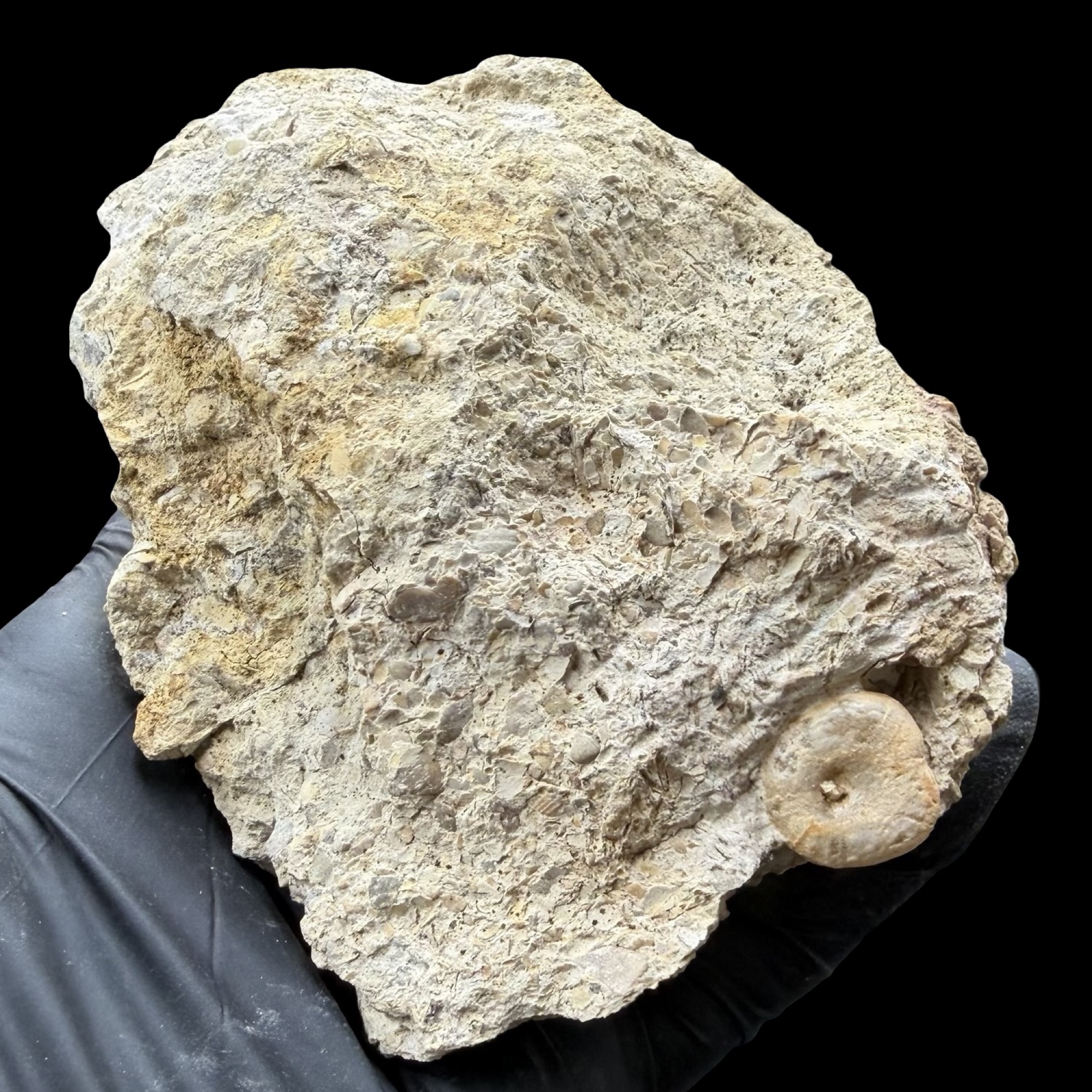
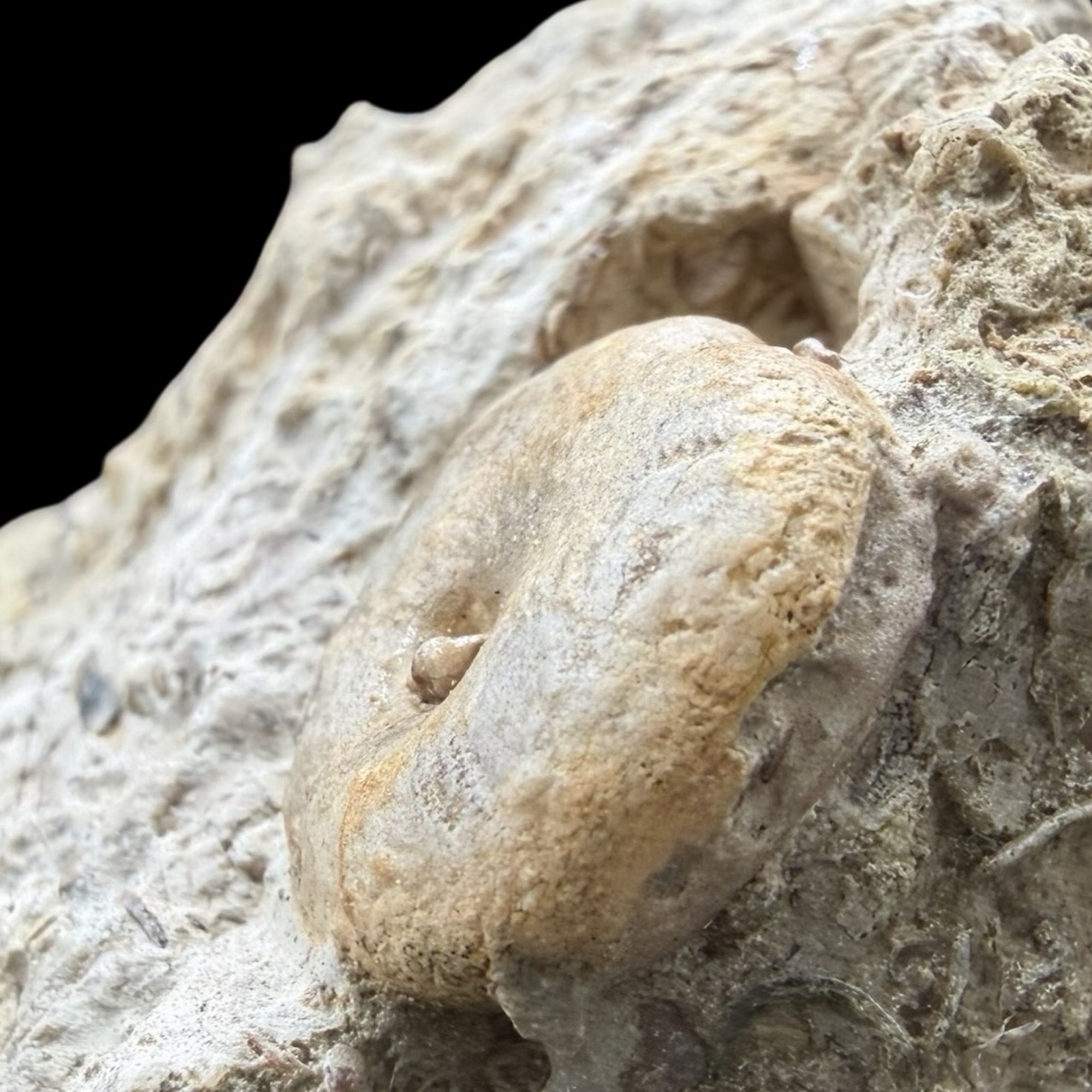
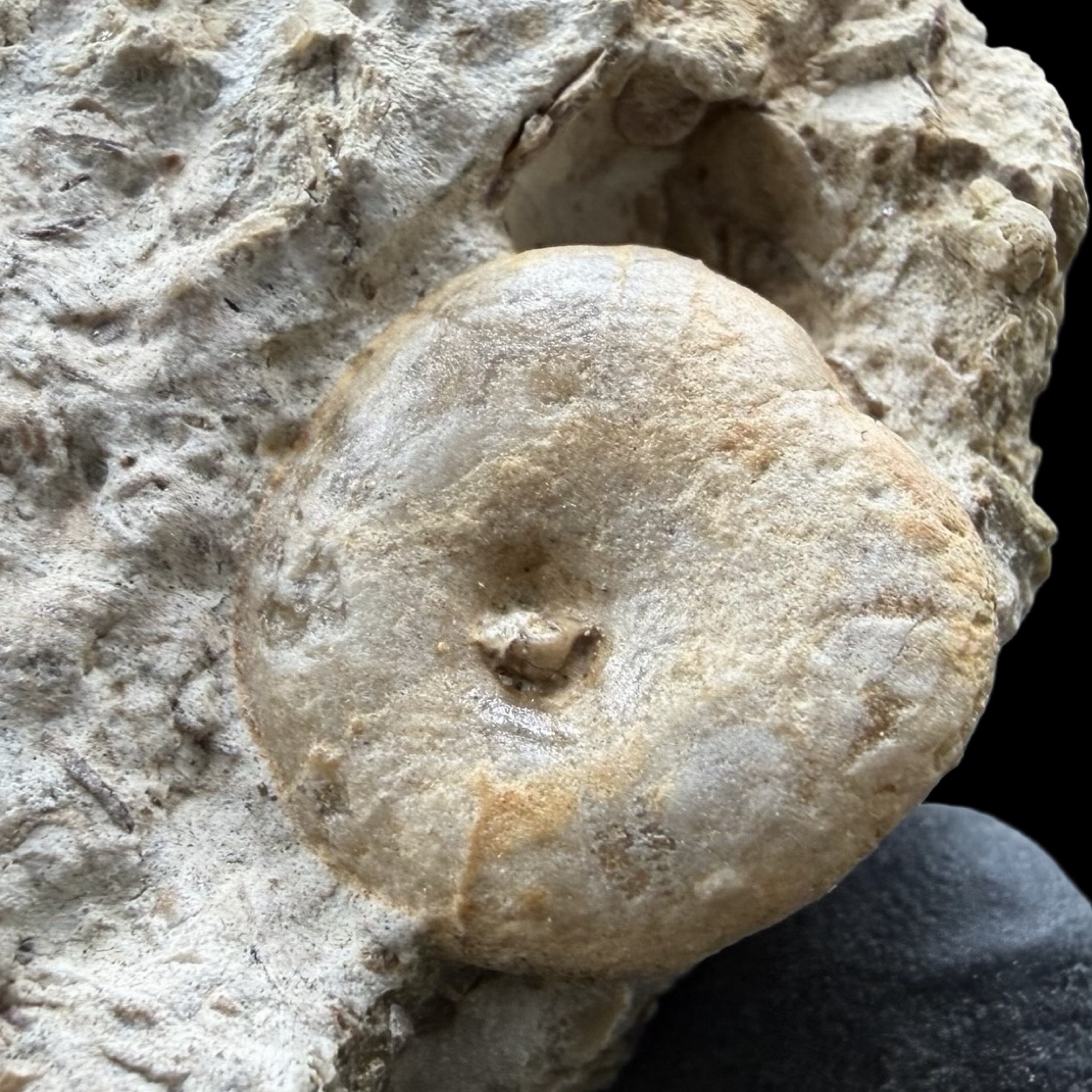
Osmington Oolite, Jurassic: Pirates Cove, Dorset, UK. This carefully chosen fossil specimen includes a Certificate of Authenticity lifetime guarantee generic card. The photo shows the actual fossil you will receive, allowing you to view the natural echinoid form, preservation, surface detail, matrix, colour and overall display character of this individual specimen before purchase. Full sizing details can be seen in the photo.Your specimen was discovered by our own team members, Alister and Alison, and has been cleaned, prepped and treated by Alison. This gives the fossil a clear collecting history, from discovery through to careful preparation and presentation, making it an appealing specimen for collectors who value genuine provenance and authentic British Jurassic fossils. NUCLEOLITES SCUTATUS SPECIES INFORMATIONNucleolites scutatus is a fossil echinoid, an extinct sea urchin belonging to the wider group Echinodermata. Echinoids are related to modern sea urchins, sand dollars and heart urchins, and their fossil remains usually preserve the hard external test made from interlocking calcite plates. These tests can retain important features such as overall body shape, ambulacral areas, pore rows, tubercle patterns and natural surface ornament.Nucleolites is an irregular echinoid rather than a perfectly rounded regular sea urchin. Irregular echinoids often have a more oval, shield-like or heart-influenced outline, adapted for life on or within soft seabed sediment. The species name scutatus means shield-like, a fitting reference to the broad, protective form associated with this type of echinoid. Depending on preservation, specimens may show a gently domed profile, flattened underside, petal-like ambulacral markings, subtle plate structure and the distinctive outline that makes Jurassic echinoids so collectable.Fossil echinoids are especially valued because they offer a clear and recognisable record of ancient marine life. Their shape, symmetry and surface detail make them suitable for both display and study, while their connection to seabed environments helps illustrate the ecology of Jurassic seas. OSMINGTON OOLITE GEOLOGICAL SETTINGThis specimen comes from the Osmington Oolite, a Jurassic limestone unit associated with shallow marine conditions. Oolite is a rock made largely from small rounded grains called ooids, which form in warm, agitated, carbonate-rich seawater. These conditions are often linked with shallow sea floors, shoals and coastal marine settings where currents and wave action rolled tiny grains as layers of calcium carbonate built up around them.The Osmington Oolite provides an ideal geological context for marine fossils such as echinoids. Nucleolites scutatus would have lived in an ancient seabed environment alongside other Jurassic marine organisms, including bivalves, brachiopods, gastropods, crinoids and other echinoderms. The fossil records not only the animal itself, but also the marine setting in which it lived, died, was buried and preserved over millions of years. JURASSIC PIRATES COVE, DORSET LOCALITYPirates Cove in Dorset is part of a region with outstanding Jurassic geology and strong fossil collecting interest. Dorset is internationally known for its fossil heritage, with coastal exposures preserving a wide variety of marine life from different Jurassic environments. While ammonites are often the most familiar Dorset fossils, echinoids such as Nucleolites scutatus offer a different and equally fascinating view of ancient sea-floor communities.A fossil from Pirates Cove carries excellent locality appeal for collectors of British fossils, Dorset fossils, Jurassic echinoids and classic marine invertebrate specimens. Its Osmington Oolite origin gives it added geological interest, linking the specimen to a shallow marine limestone environment rather than the clay and shale settings more commonly associated with Lower Jurassic ammonites. PREPARATION, AUTHENTICITY AND DISPLAY APPEALThis Nucleolites scutatus echinoid has been cleaned, prepped and treated by Alison to help present the specimen clearly while retaining its natural geological character. Careful preparation is important with echinoid fossils, as it helps reveal the test shape, surface texture and diagnostic form while preserving the authentic appearance of the piece.The specimen is suitable for fossil collectors, echinoid enthusiasts, geology students, natural history displays, educational collections, cabinet displays or as a distinctive gift for someone interested in British palaeontology. It is supplied with a Certificate of Authenticity lifetime guarantee generic card, confirming that it is a genuine fossil specimen. The fossil shown in the photo is the exact piece you will receive.
Osmington Oolite, Jurassic: Pirates Cove, Dorset, UK. This carefully chosen fossil specimen includes a Certificate of Authenticity lifetime guarantee generic card. The photo shows the actual fossil you will receive, allowing you to view the natural echinoid form, preservation, surface detail, matrix, colour and overall display character of this individual specimen before purchase. Full sizing details can be seen in the photo.Your specimen was discovered by our own team members, Alister and Alison, and has been cleaned, prepped and treated by Alison. This gives the fossil a clear collecting history, from discovery through to careful preparation and presentation, making it an appealing specimen for collectors who value genuine provenance and authentic British Jurassic fossils. NUCLEOLITES SCUTATUS SPECIES INFORMATIONNucleolites scutatus is a fossil echinoid, an extinct sea urchin belonging to the wider group Echinodermata. Echinoids are related to modern sea urchins, sand dollars and heart urchins, and their fossil remains usually preserve the hard external test made from interlocking calcite plates. These tests can retain important features such as overall body shape, ambulacral areas, pore rows, tubercle patterns and natural surface ornament.Nucleolites is an irregular echinoid rather than a perfectly rounded regular sea urchin. Irregular echinoids often have a more oval, shield-like or heart-influenced outline, adapted for life on or within soft seabed sediment. The species name scutatus means shield-like, a fitting reference to the broad, protective form associated with this type of echinoid. Depending on preservation, specimens may show a gently domed profile, flattened underside, petal-like ambulacral markings, subtle plate structure and the distinctive outline that makes Jurassic echinoids so collectable.Fossil echinoids are especially valued because they offer a clear and recognisable record of ancient marine life. Their shape, symmetry and surface detail make them suitable for both display and study, while their connection to seabed environments helps illustrate the ecology of Jurassic seas. OSMINGTON OOLITE GEOLOGICAL SETTINGThis specimen comes from the Osmington Oolite, a Jurassic limestone unit associated with shallow marine conditions. Oolite is a rock made largely from small rounded grains called ooids, which form in warm, agitated, carbonate-rich seawater. These conditions are often linked with shallow sea floors, shoals and coastal marine settings where currents and wave action rolled tiny grains as layers of calcium carbonate built up around them.The Osmington Oolite provides an ideal geological context for marine fossils such as echinoids. Nucleolites scutatus would have lived in an ancient seabed environment alongside other Jurassic marine organisms, including bivalves, brachiopods, gastropods, crinoids and other echinoderms. The fossil records not only the animal itself, but also the marine setting in which it lived, died, was buried and preserved over millions of years. JURASSIC PIRATES COVE, DORSET LOCALITYPirates Cove in Dorset is part of a region with outstanding Jurassic geology and strong fossil collecting interest. Dorset is internationally known for its fossil heritage, with coastal exposures preserving a wide variety of marine life from different Jurassic environments. While ammonites are often the most familiar Dorset fossils, echinoids such as Nucleolites scutatus offer a different and equally fascinating view of ancient sea-floor communities.A fossil from Pirates Cove carries excellent locality appeal for collectors of British fossils, Dorset fossils, Jurassic echinoids and classic marine invertebrate specimens. Its Osmington Oolite origin gives it added geological interest, linking the specimen to a shallow marine limestone environment rather than the clay and shale settings more commonly associated with Lower Jurassic ammonites. PREPARATION, AUTHENTICITY AND DISPLAY APPEALThis Nucleolites scutatus echinoid has been cleaned, prepped and treated by Alison to help present the specimen clearly while retaining its natural geological character. Careful preparation is important with echinoid fossils, as it helps reveal the test shape, surface texture and diagnostic form while preserving the authentic appearance of the piece.The specimen is suitable for fossil collectors, echinoid enthusiasts, geology students, natural history displays, educational collections, cabinet displays or as a distinctive gift for someone interested in British palaeontology. It is supplied with a Certificate of Authenticity lifetime guarantee generic card, confirming that it is a genuine fossil specimen. The fossil shown in the photo is the exact piece you will receive.
Other Products