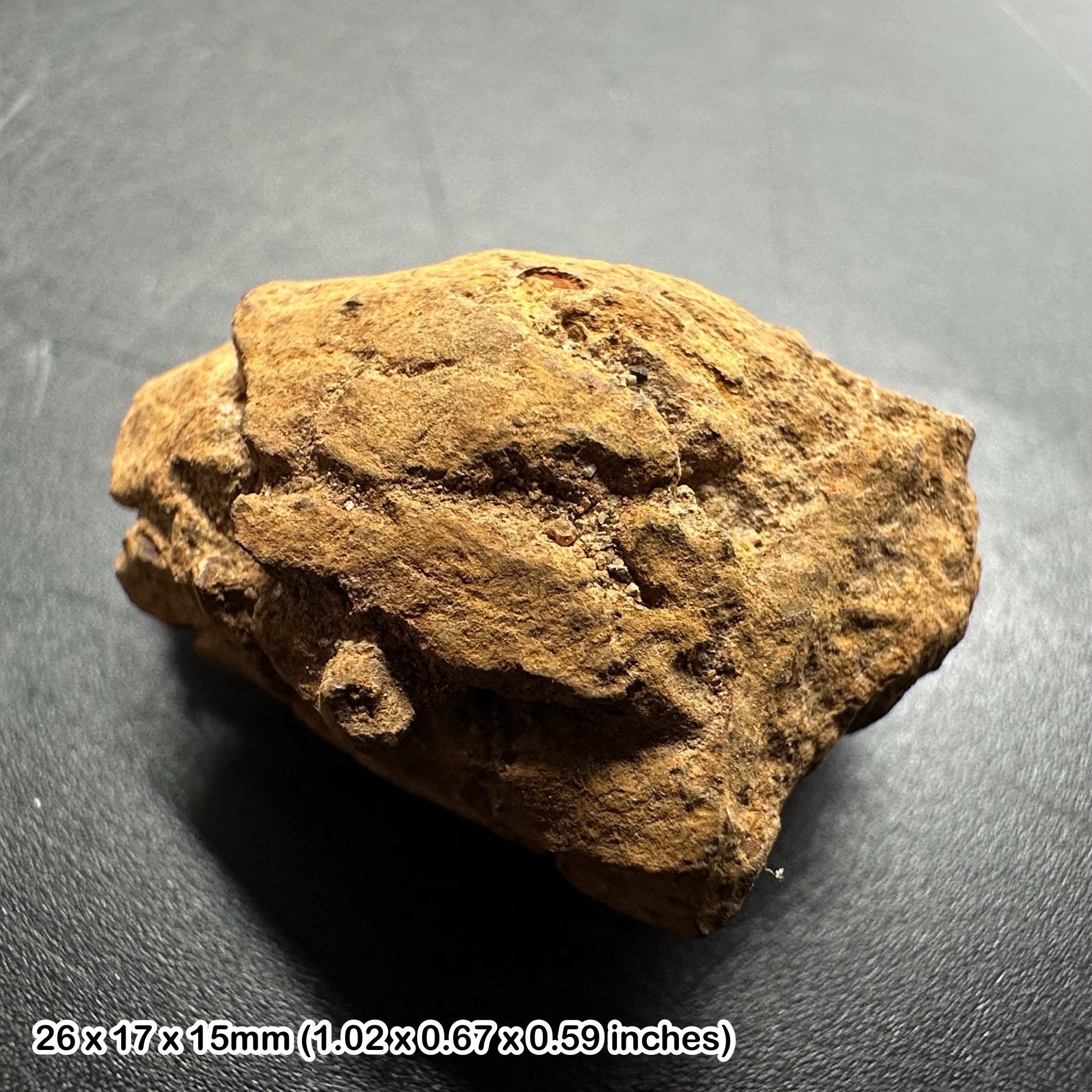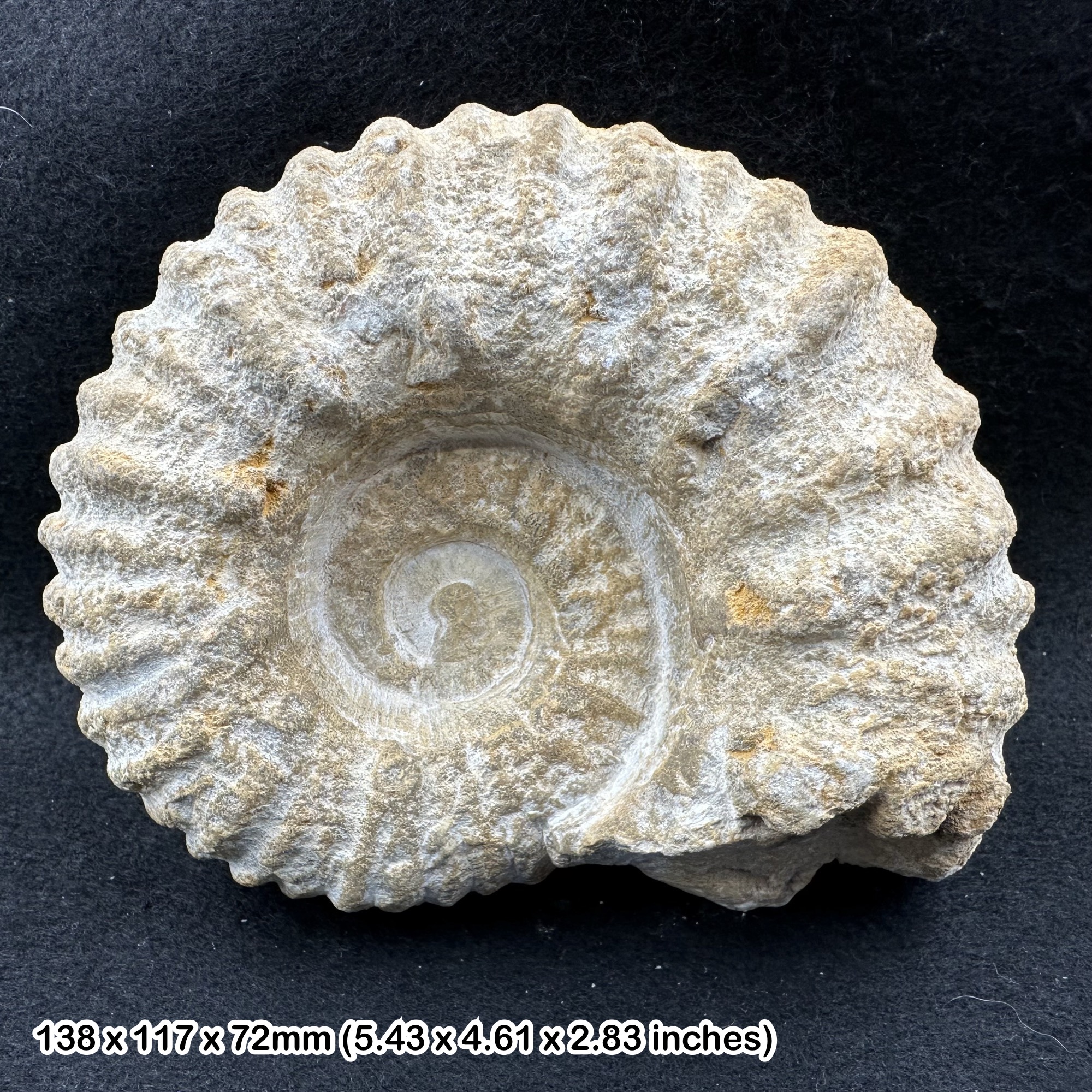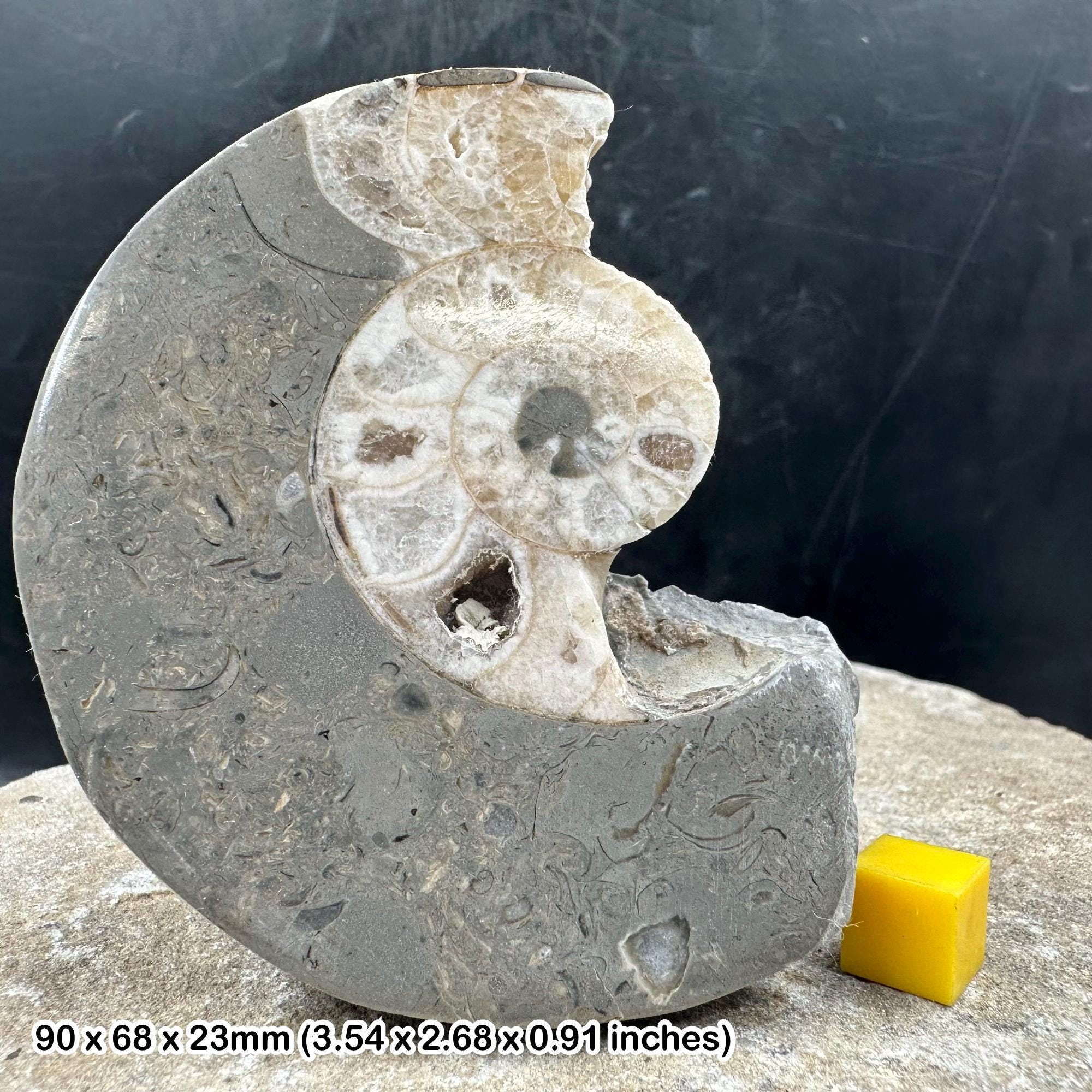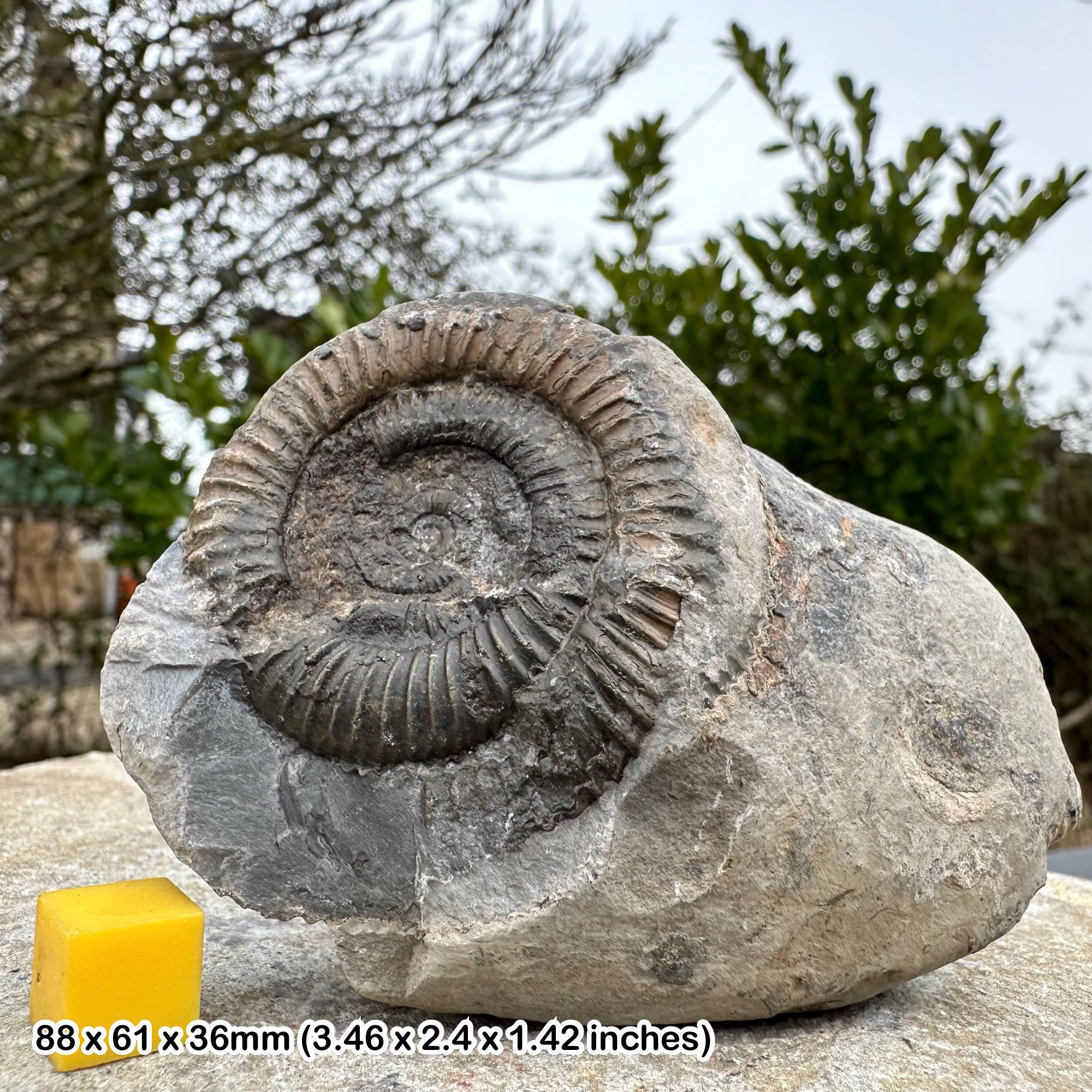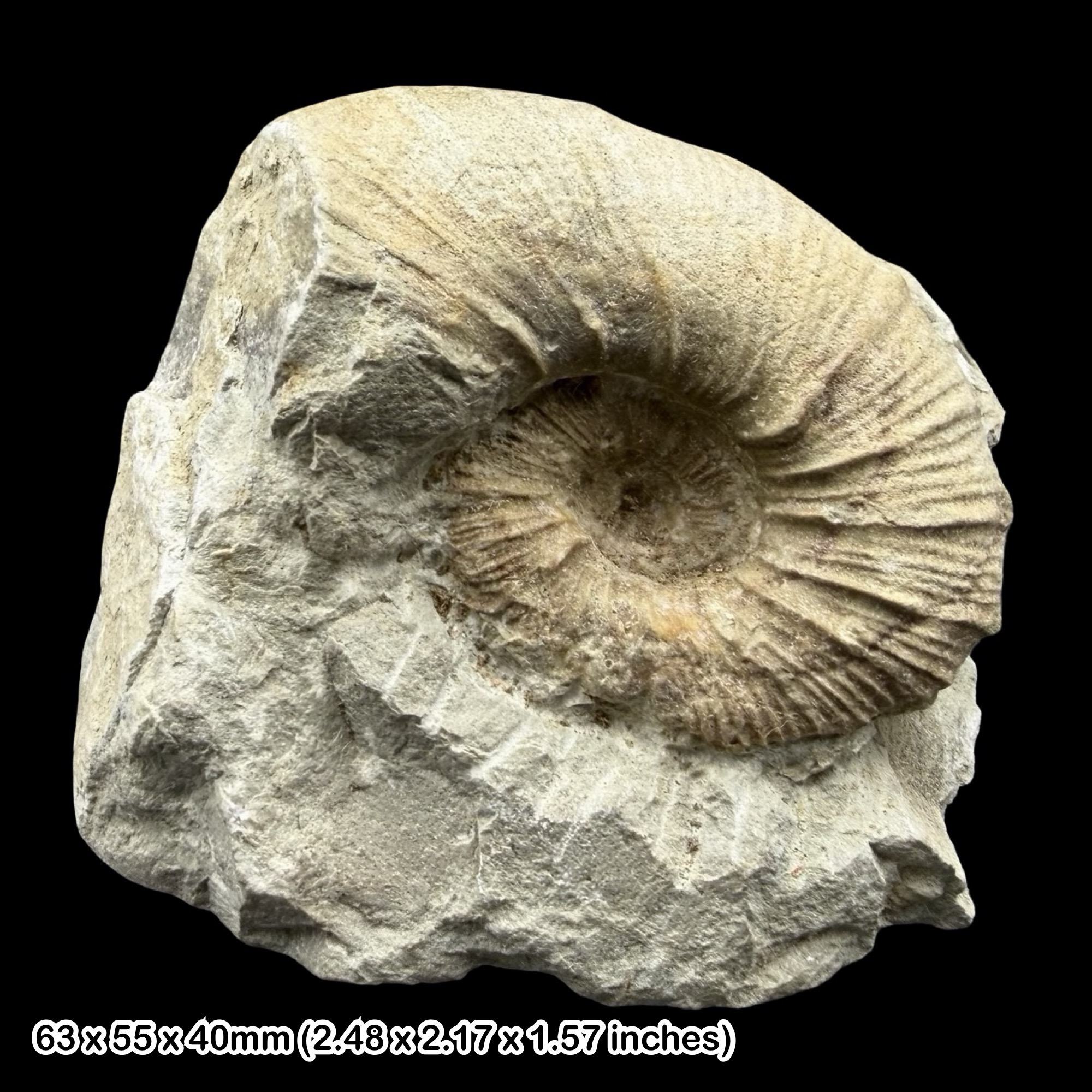
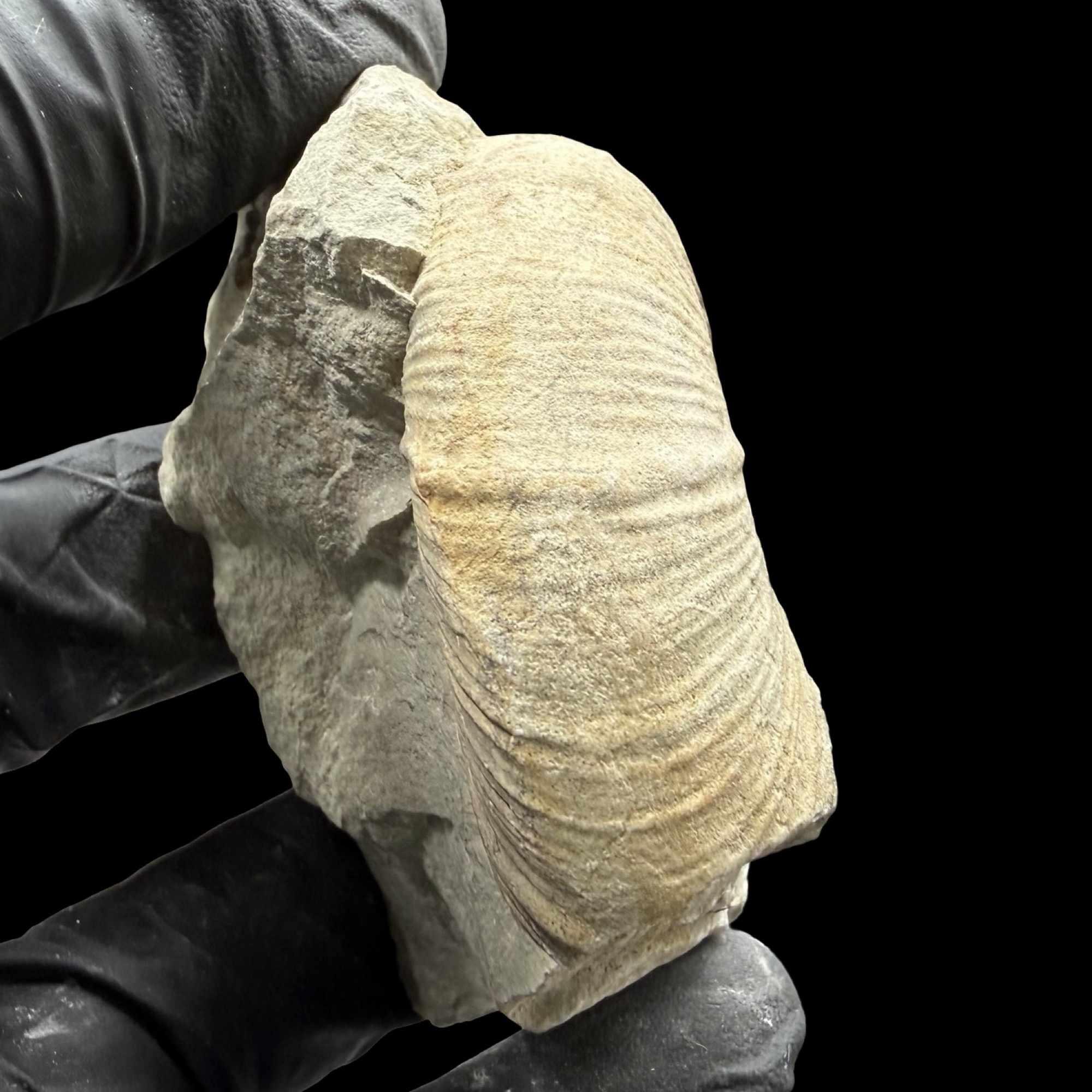
Holcodiscus Fallax Ammonite Fossil France Cretaceous Barremian COA Genuine Lime Mountains Lower Cretaceous Collector Specimen
£ 60.00
Genuine Holcodiscus fallax Ammonite FossilThis listing is for a genuine Holcodiscus fallax ammonite fossil from the Lime
Mountains, France, dating to the Lower Cretaceous Period, Barremian stage. This carefully chosen specimen is an attractive and scientifically interesting marine fossil, ideal for collectors of ammonites, French fossils, Cretaceous fossils, Barremian ammonites, natural history specimens, and display-ready prehistoric marine life.The fossil shown in the photographs is the actual specimen you will receive. Full sizing and scale can be seen in the listing photos. This fossil is supplied with a Certificate of Authenticity lifetime guarantee generic card, giving reassurance that the specimen is genuine and carefully selected for collecting, gifting, display, and educational interest.Fossil Type, Species and ClassificationHolcodiscus fallax is an extinct ammonite, a marine cephalopod related to modern squid, cuttlefish, octopus, and nautilus. Ammonites lived in ancient seas and possessed chambered shells that helped control buoyancy in the water column. They are among the most popular and important fossils for collectors because of their beautiful spiral shells, varied ornamentation, and value in dating sedimentary rocks.Holcodiscus is associated with the Lower Cretaceous ammonite faunas of Europe and is generally placed within the order Ammonitida. Species of Holcodiscus are recognised for their coiled shell form and ornamental features, which may include ribbing, whorl curvature, tubercles, and changing rib strength across the shell depending on growth stage and preservation. Holcodiscus fallax is a desirable species for collectors looking for a named Barremian ammonite with classic Cretaceous character.As an ammonite, the shell would originally have been divided internally into chambers by walls called septa. The living animal occupied the final body chamber, while older chambers helped regulate buoyancy. In well-preserved ammonites, the shell form, ribbing, and chamber structure can provide important information about growth, hydrodynamics, and species identification.Lower Cretaceous Barremian AgeThis specimen dates to the Barremian stage of the Lower Cretaceous, a geological interval approximately 121 to 129 million years old. During this time, ammonites were abundant and diverse in marine environments across Europe. Their rapid evolution and wide distribution make them especially useful index fossils, helping palaeontologists correlate rock layers and understand changes in ancient marine ecosystems.The Barremian was part of a dynamic period in Earth history, with shifting sea levels, warm climates, and diverse marine faunas. Ammonites such as Holcodiscus lived alongside belemnites, bivalves, gastropods, echinoids, brachiopods, fish, and marine reptiles within ancient Cretaceous seas.Lime Mountains, France Geological SettingThis Holcodiscus fallax ammonite comes from the Lime Mountains in France, a locality associated with fossil-bearing Lower Cretaceous marine deposits. The region is known for sedimentary rocks formed in ancient sea conditions, where limestone, marl, and clay-rich sediments accumulated over time. These deposits helped preserve the remains of ammonites and other marine organisms after death.During the Lower Cretaceous, parts of France were covered by warm shallow to moderately deep seas. Fine carbonate and muddy sediments settled on the sea floor, gradually enclosing shells and skeletal remains. Over millions of years, burial, compaction, and mineral replacement transformed these remains into fossils while the surrounding sediment hardened into rock.Morphology and Display FeaturesHolcodiscus fallax ammonites are valued for their classic coiled ammonite form and attractive shell ornamentation. Depending on preservation, the fossil may show curved whorls, ribbing, whorl expansion, natural shell texture, sediment infill, mineral staining, and the outline of the original shell. These features give the specimen strong display appeal and make it suitable for both specialist ammonite collectors and general fossil enthusiasts.As a genuine fossil specimen, it may display natural cracks, repairs, matrix traces, weathered edges, compression, colour variation, or surface wear consistent with geological preservation. These details are part of the fossil’s natural character and help show its long history within the Lower Cretaceous sediments of France.Certificate of AuthenticityThis fossil is a genuine specimen and includes a Certificate of Authenticity lifetime guarantee generic card. The certificate provides reassurance that the item supplied is an authentic fossil specimen and not a modern replica or cast.Collectable French Cretaceous AmmoniteA genuine Holcodiscus fallax ammonite from the Lower Cretaceous Barremian of France is a desirable addition to any fossil collection. It combines a named ammonite species, a classic European Cretaceous age, an attractive marine fossil form, and strong geological interest. This specimen is well suited for collectors of ammonites, French fossils, Cretaceous marine fossils, educational geology displays, natural history collections, and authentic prehistoric shell fossils.
Mountains, France, dating to the Lower Cretaceous Period, Barremian stage. This carefully chosen specimen is an attractive and scientifically interesting marine fossil, ideal for collectors of ammonites, French fossils, Cretaceous fossils, Barremian ammonites, natural history specimens, and display-ready prehistoric marine life.The fossil shown in the photographs is the actual specimen you will receive. Full sizing and scale can be seen in the listing photos. This fossil is supplied with a Certificate of Authenticity lifetime guarantee generic card, giving reassurance that the specimen is genuine and carefully selected for collecting, gifting, display, and educational interest.Fossil Type, Species and ClassificationHolcodiscus fallax is an extinct ammonite, a marine cephalopod related to modern squid, cuttlefish, octopus, and nautilus. Ammonites lived in ancient seas and possessed chambered shells that helped control buoyancy in the water column. They are among the most popular and important fossils for collectors because of their beautiful spiral shells, varied ornamentation, and value in dating sedimentary rocks.Holcodiscus is associated with the Lower Cretaceous ammonite faunas of Europe and is generally placed within the order Ammonitida. Species of Holcodiscus are recognised for their coiled shell form and ornamental features, which may include ribbing, whorl curvature, tubercles, and changing rib strength across the shell depending on growth stage and preservation. Holcodiscus fallax is a desirable species for collectors looking for a named Barremian ammonite with classic Cretaceous character.As an ammonite, the shell would originally have been divided internally into chambers by walls called septa. The living animal occupied the final body chamber, while older chambers helped regulate buoyancy. In well-preserved ammonites, the shell form, ribbing, and chamber structure can provide important information about growth, hydrodynamics, and species identification.Lower Cretaceous Barremian AgeThis specimen dates to the Barremian stage of the Lower Cretaceous, a geological interval approximately 121 to 129 million years old. During this time, ammonites were abundant and diverse in marine environments across Europe. Their rapid evolution and wide distribution make them especially useful index fossils, helping palaeontologists correlate rock layers and understand changes in ancient marine ecosystems.The Barremian was part of a dynamic period in Earth history, with shifting sea levels, warm climates, and diverse marine faunas. Ammonites such as Holcodiscus lived alongside belemnites, bivalves, gastropods, echinoids, brachiopods, fish, and marine reptiles within ancient Cretaceous seas.Lime Mountains, France Geological SettingThis Holcodiscus fallax ammonite comes from the Lime Mountains in France, a locality associated with fossil-bearing Lower Cretaceous marine deposits. The region is known for sedimentary rocks formed in ancient sea conditions, where limestone, marl, and clay-rich sediments accumulated over time. These deposits helped preserve the remains of ammonites and other marine organisms after death.During the Lower Cretaceous, parts of France were covered by warm shallow to moderately deep seas. Fine carbonate and muddy sediments settled on the sea floor, gradually enclosing shells and skeletal remains. Over millions of years, burial, compaction, and mineral replacement transformed these remains into fossils while the surrounding sediment hardened into rock.Morphology and Display FeaturesHolcodiscus fallax ammonites are valued for their classic coiled ammonite form and attractive shell ornamentation. Depending on preservation, the fossil may show curved whorls, ribbing, whorl expansion, natural shell texture, sediment infill, mineral staining, and the outline of the original shell. These features give the specimen strong display appeal and make it suitable for both specialist ammonite collectors and general fossil enthusiasts.As a genuine fossil specimen, it may display natural cracks, repairs, matrix traces, weathered edges, compression, colour variation, or surface wear consistent with geological preservation. These details are part of the fossil’s natural character and help show its long history within the Lower Cretaceous sediments of France.Certificate of AuthenticityThis fossil is a genuine specimen and includes a Certificate of Authenticity lifetime guarantee generic card. The certificate provides reassurance that the item supplied is an authentic fossil specimen and not a modern replica or cast.Collectable French Cretaceous AmmoniteA genuine Holcodiscus fallax ammonite from the Lower Cretaceous Barremian of France is a desirable addition to any fossil collection. It combines a named ammonite species, a classic European Cretaceous age, an attractive marine fossil form, and strong geological interest. This specimen is well suited for collectors of ammonites, French fossils, Cretaceous marine fossils, educational geology displays, natural history collections, and authentic prehistoric shell fossils.
Other Products