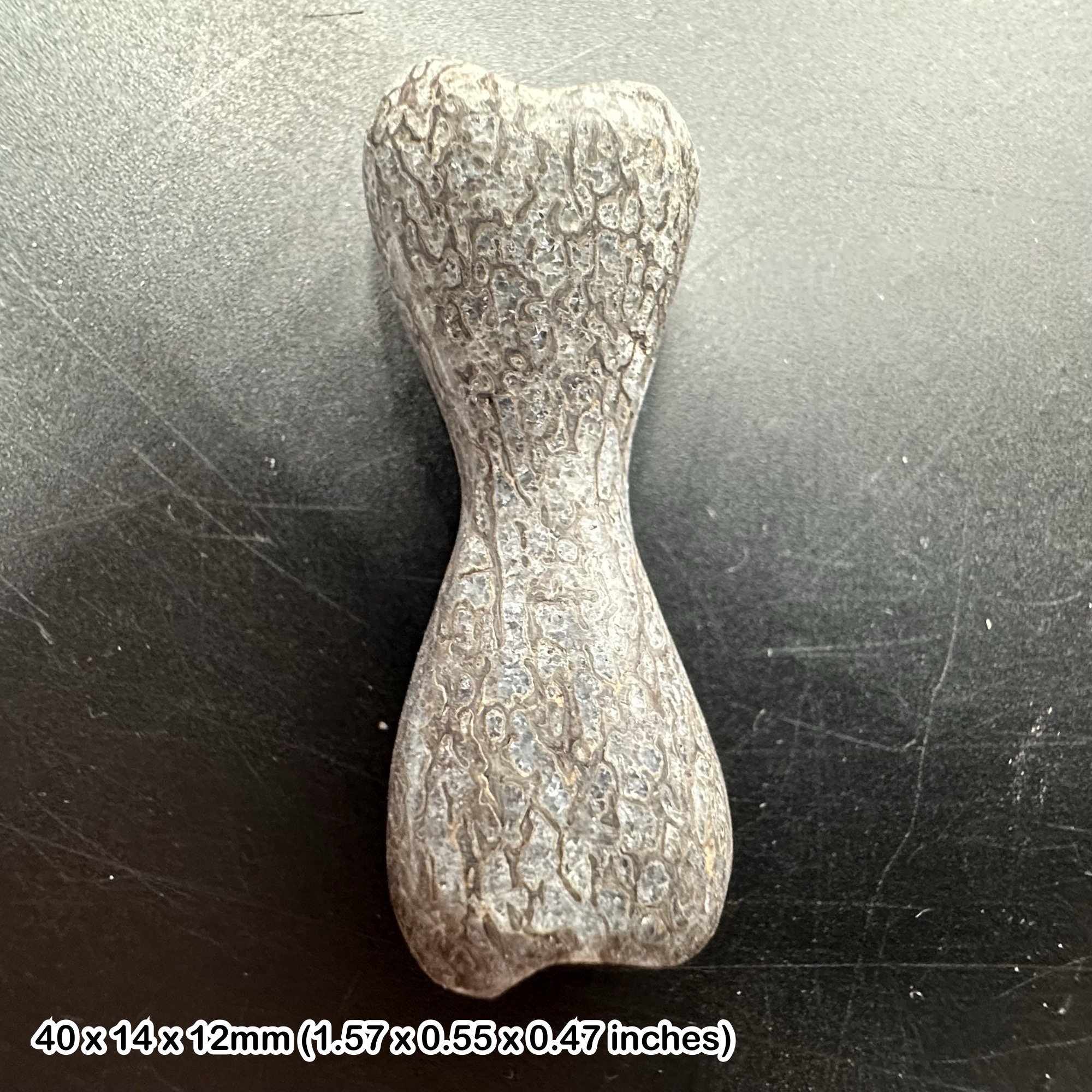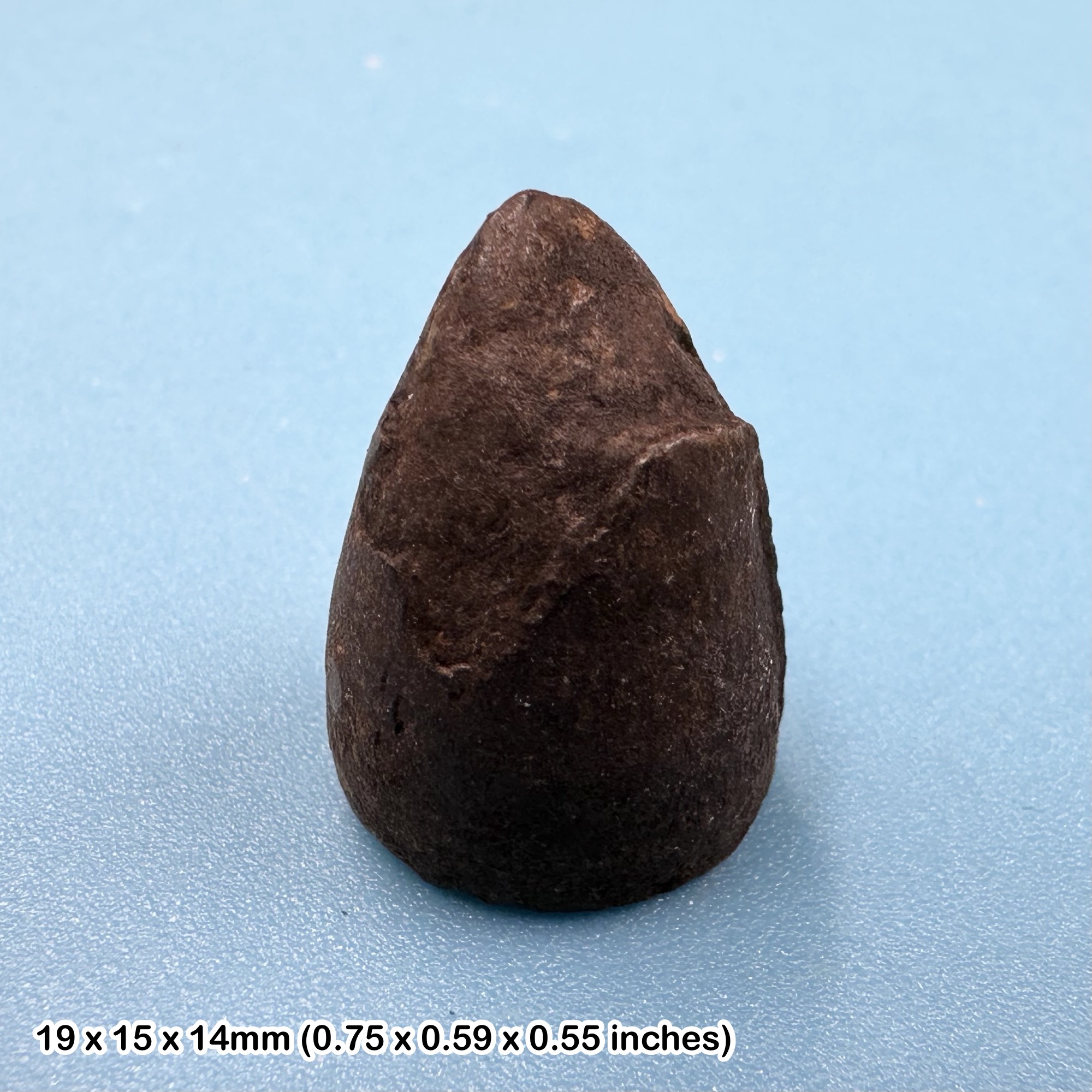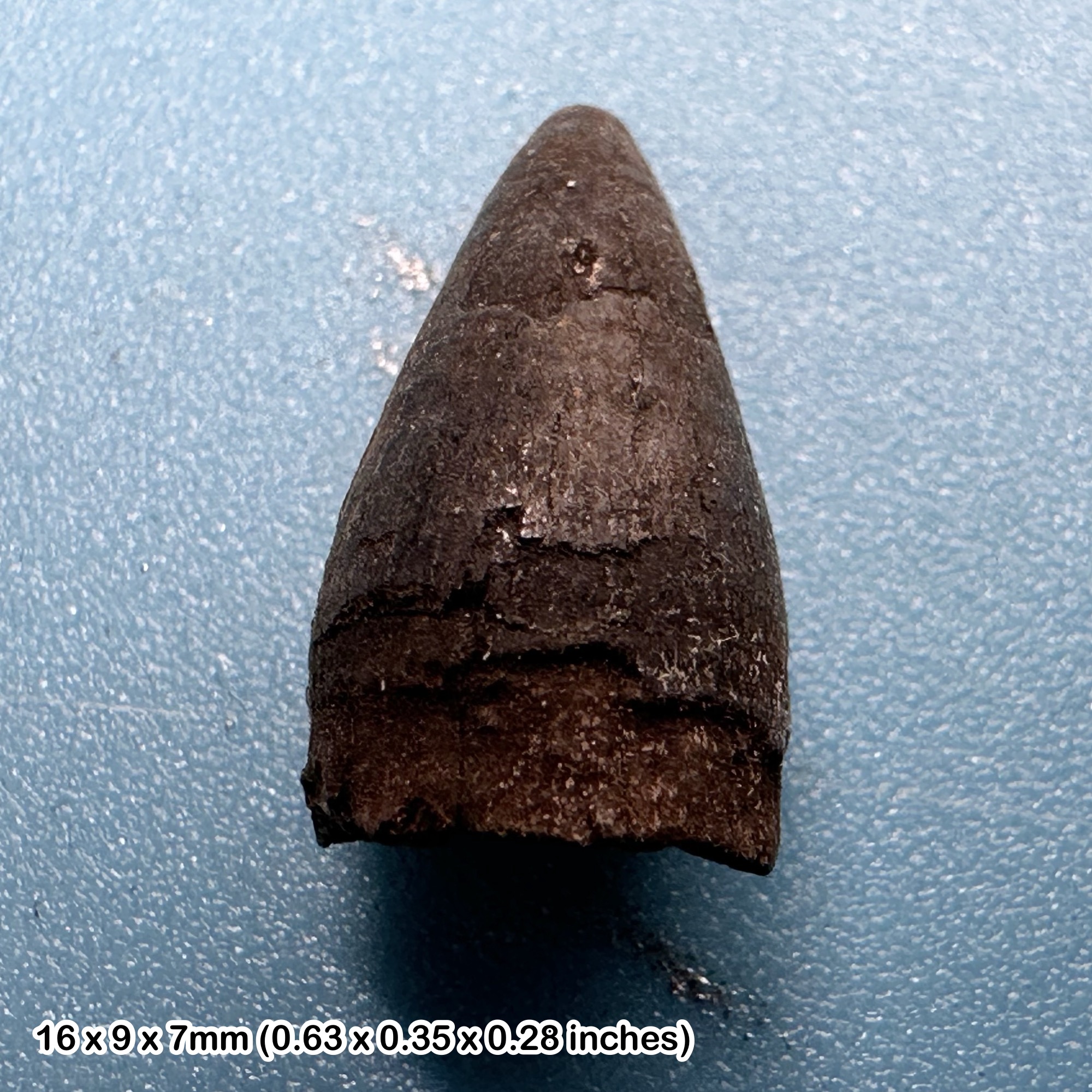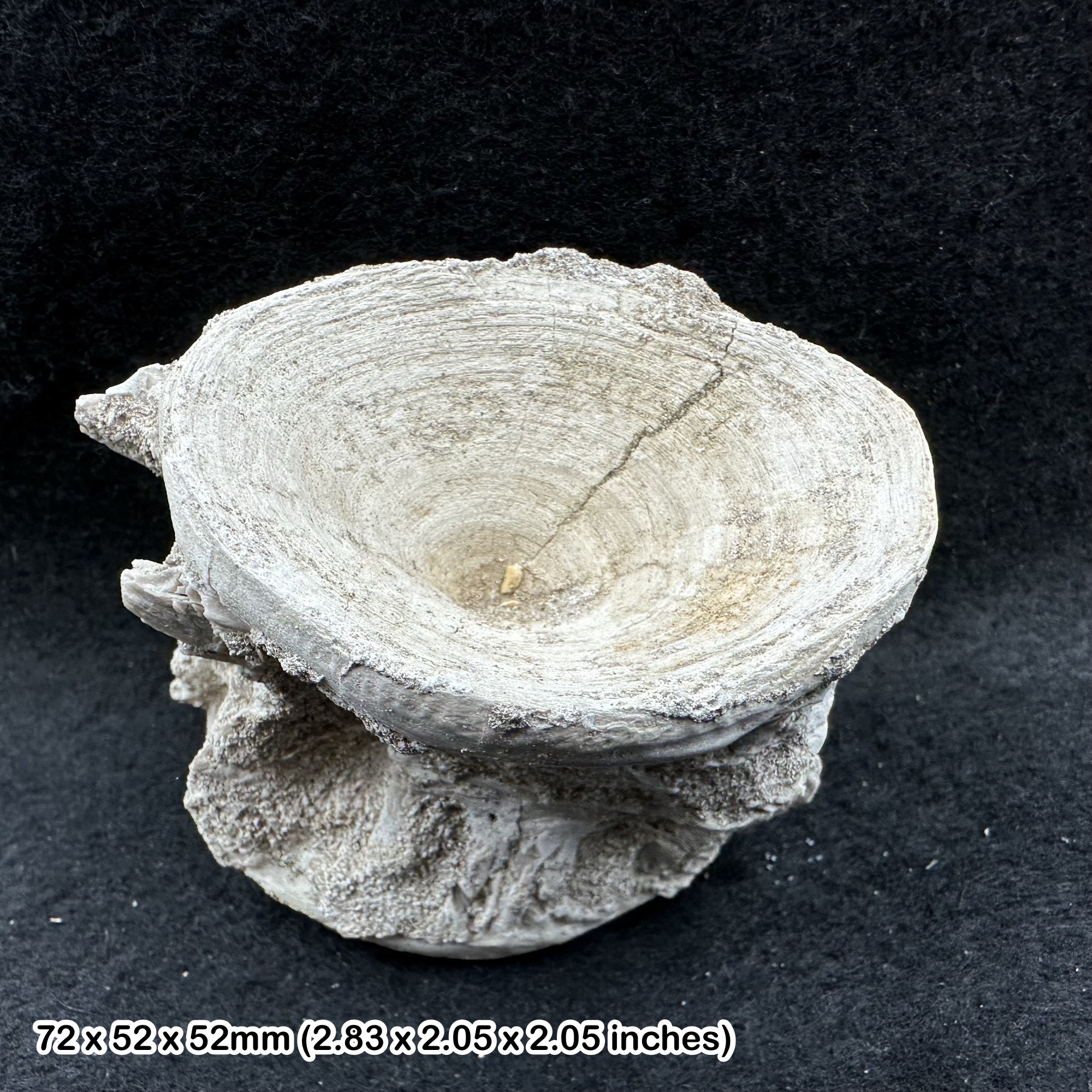
Very rare cenoceras inornatum fossil nautilus – oxfordian, jurassic, france – coa
£ 48.00
This is a very rare and well-preserved Cenoceras inornatum fossil nautilus,
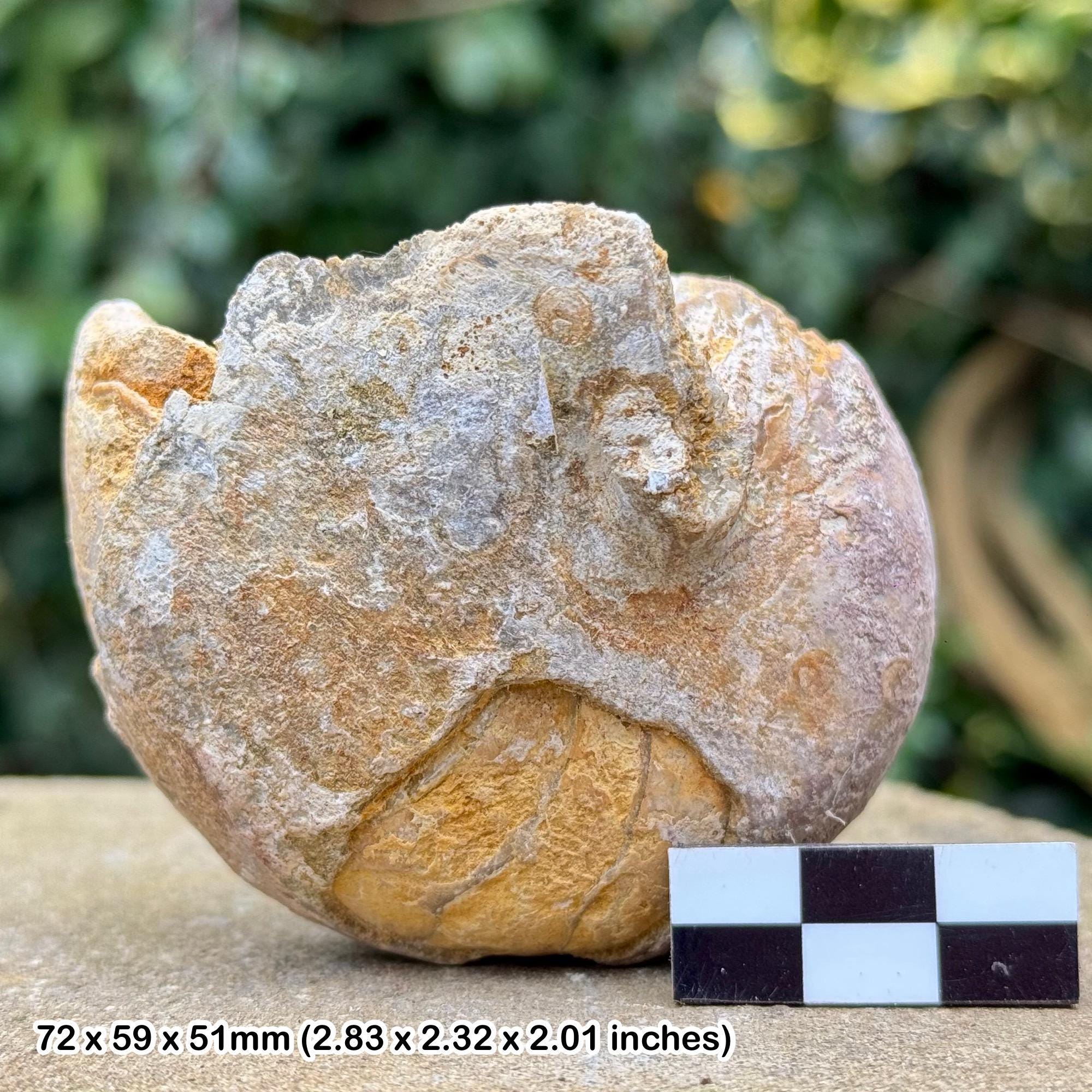
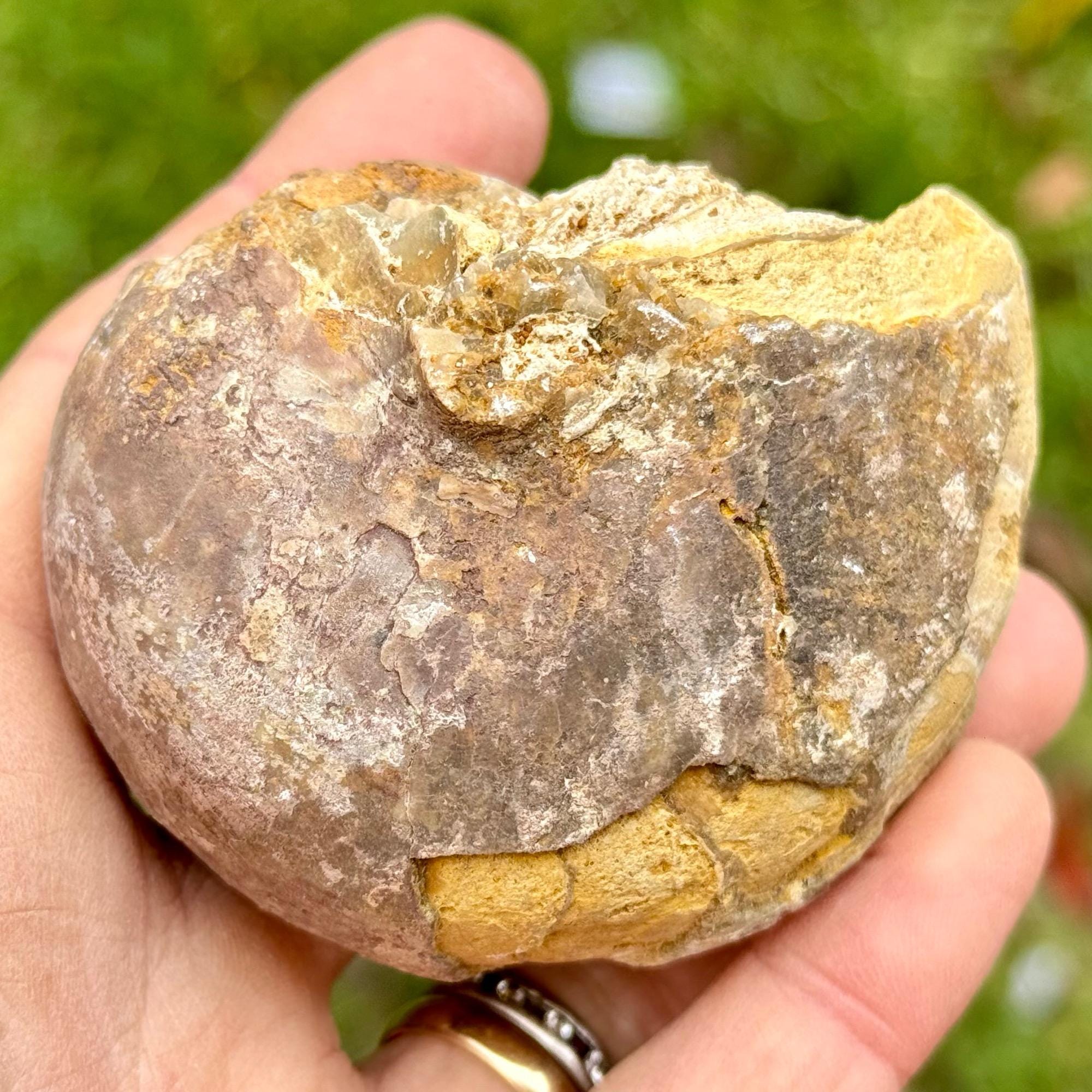
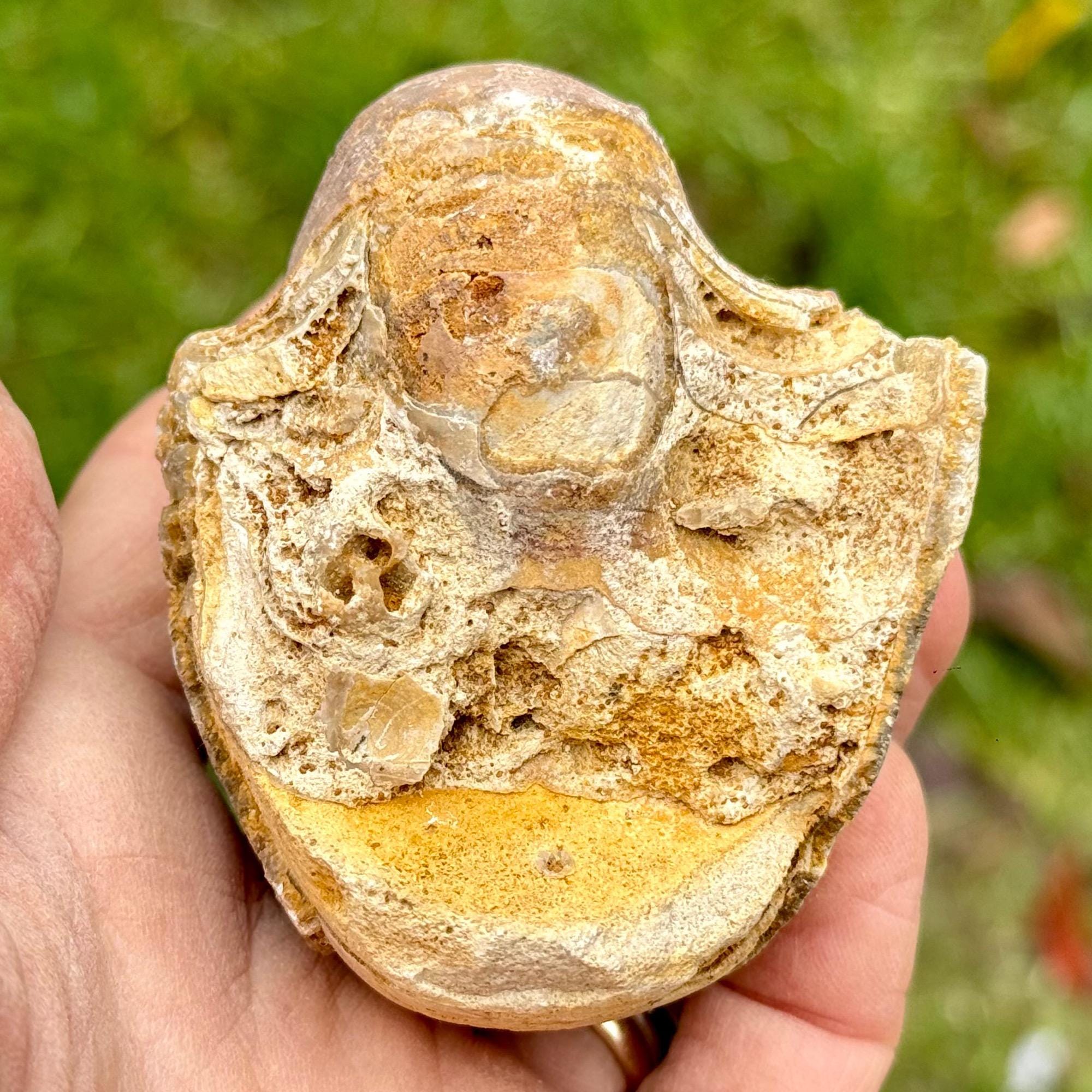
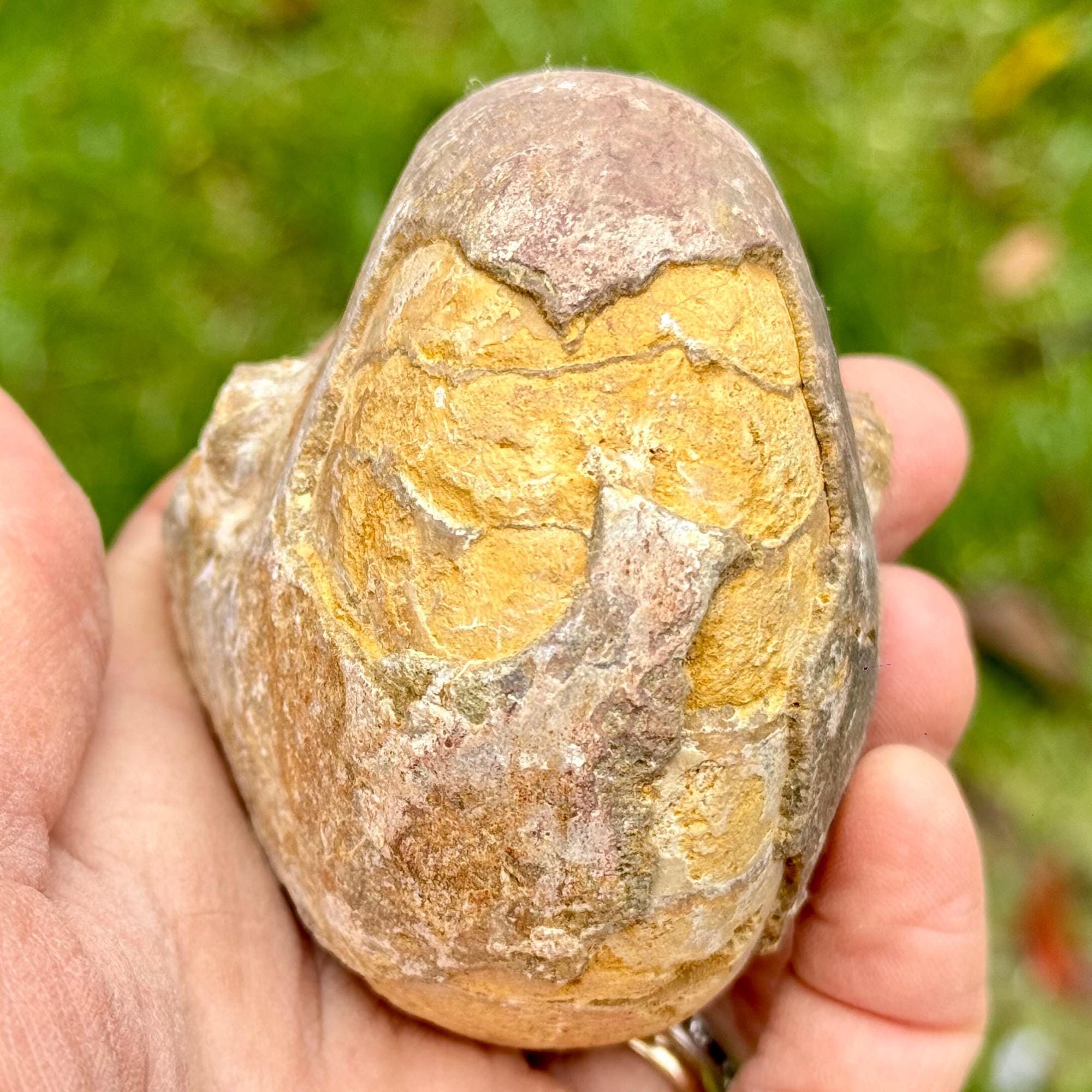
dating back to the Oxfordian stage of the Late Jurassic (~160 million years ago), discovered in France.Cenoceras inornatum is an extinct species of nautiloid cephalopod, closely related to modern nautiluses. Unlike ammonites, nautiloids have a smooth, coiled shell with distinct internal chambers used for buoyancy control. This species thrived in warm Jurassic seas, preying on smaller marine organisms and playing a crucial role in the ancient marine ecosystem.This fossil is a remarkable example of Jurassic nautiloids, offering insight into early cephalopod evolution. Nautiloids are far less common than ammonites, making this a highly desirable specimen for collectors, museums, and research purposes. GEOLOGICAL INFORMATION:
• Species: Cenoceras inornatum
• Formation: Oxfordian marine deposits
• Stage: Oxfordian, Late Jurassic (~160 million years old)
• Location: France
• Depositional Environment: Warm, shallow marine seas with high cephalopod diversity FOSSIL CHARACTERISTICS:
• Rare Cenoceras inornatum fossil from the Jurassic period
• Distinct chambered shell structure with excellent preservation
• A scientifically significant specimen representing early cephalopod evolution
• Highly sought after by fossil collectors and researchers KEY FEATURES:
• Authentic fossil from France, Oxfordian Jurassic
• Exceptional preservation with visible internal chamber structures
• From the Alice Purnell Collection
• 100% genuine specimen with Certificate of AuthenticityScale Rule / Cube = 1cm – Please refer to the photos for accurate sizing.All fossils are securely packaged for worldwide shipping.
dating back to the Oxfordian stage of the Late Jurassic (~160 million years ago), discovered in France.Cenoceras inornatum is an extinct species of nautiloid cephalopod, closely related to modern nautiluses. Unlike ammonites, nautiloids have a smooth, coiled shell with distinct internal chambers used for buoyancy control. This species thrived in warm Jurassic seas, preying on smaller marine organisms and playing a crucial role in the ancient marine ecosystem.This fossil is a remarkable example of Jurassic nautiloids, offering insight into early cephalopod evolution. Nautiloids are far less common than ammonites, making this a highly desirable specimen for collectors, museums, and research purposes. GEOLOGICAL INFORMATION:
• Species: Cenoceras inornatum
• Formation: Oxfordian marine deposits
• Stage: Oxfordian, Late Jurassic (~160 million years old)
• Location: France
• Depositional Environment: Warm, shallow marine seas with high cephalopod diversity FOSSIL CHARACTERISTICS:
• Rare Cenoceras inornatum fossil from the Jurassic period
• Distinct chambered shell structure with excellent preservation
• A scientifically significant specimen representing early cephalopod evolution
• Highly sought after by fossil collectors and researchers KEY FEATURES:
• Authentic fossil from France, Oxfordian Jurassic
• Exceptional preservation with visible internal chamber structures
• From the Alice Purnell Collection
• 100% genuine specimen with Certificate of AuthenticityScale Rule / Cube = 1cm – Please refer to the photos for accurate sizing.All fossils are securely packaged for worldwide shipping.
Other Products