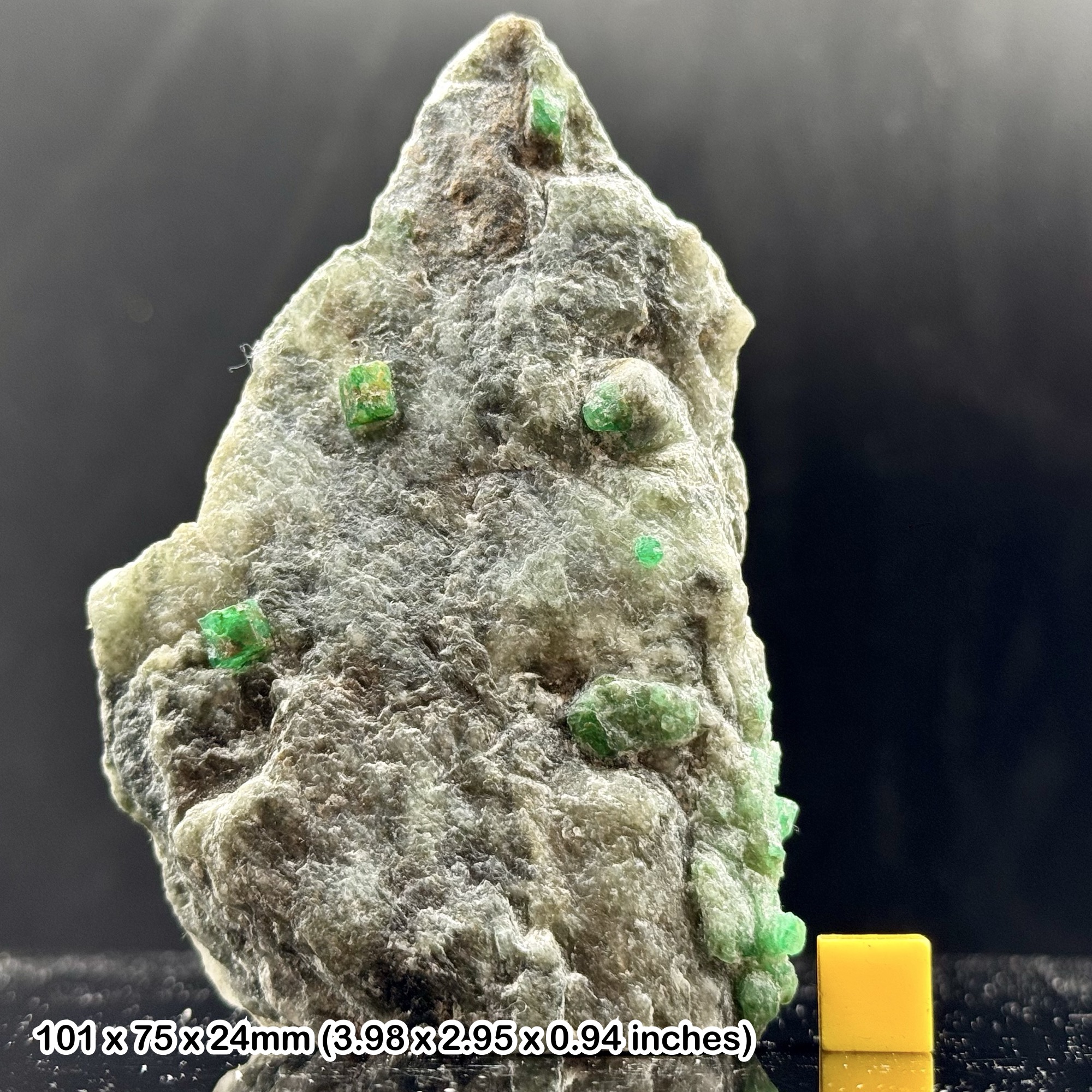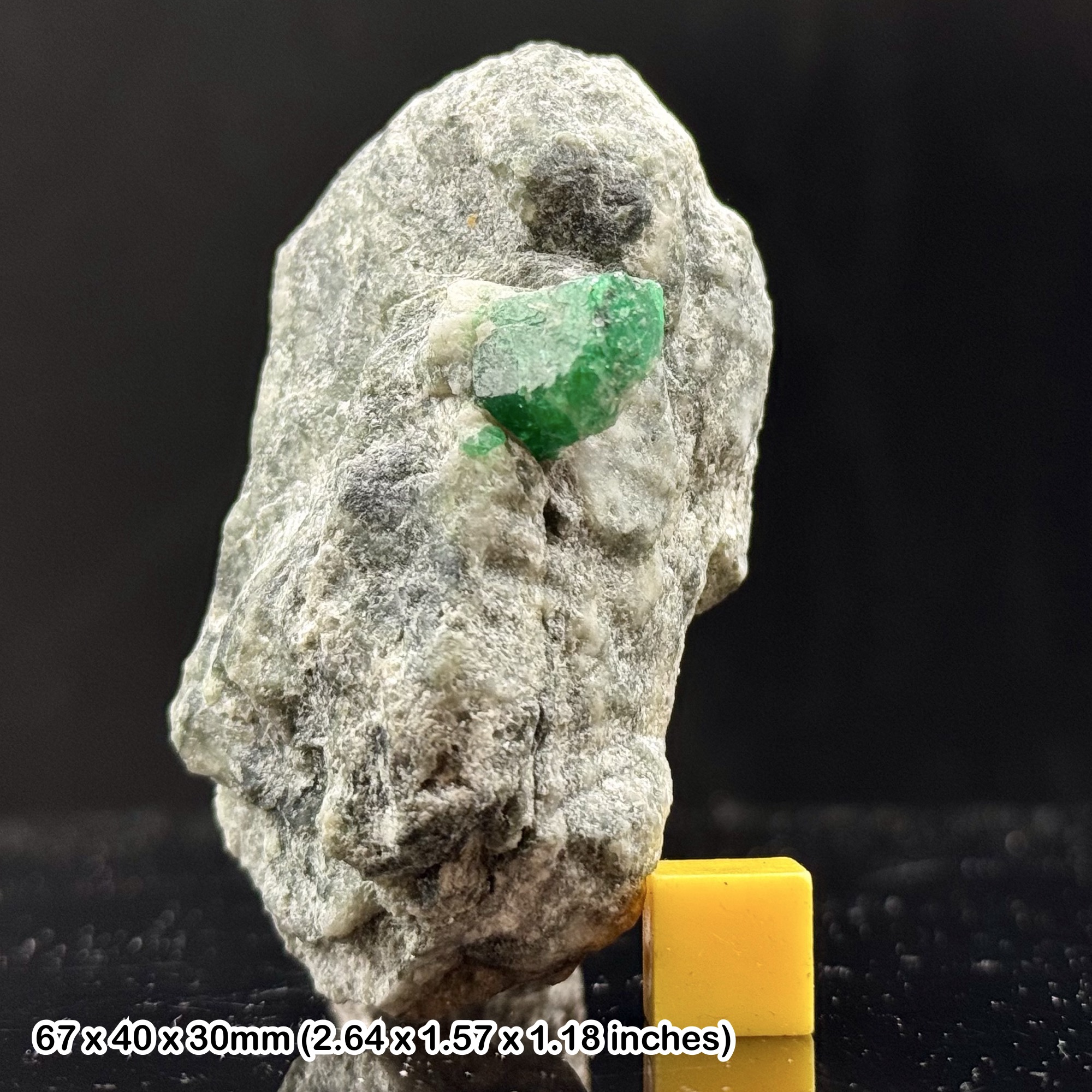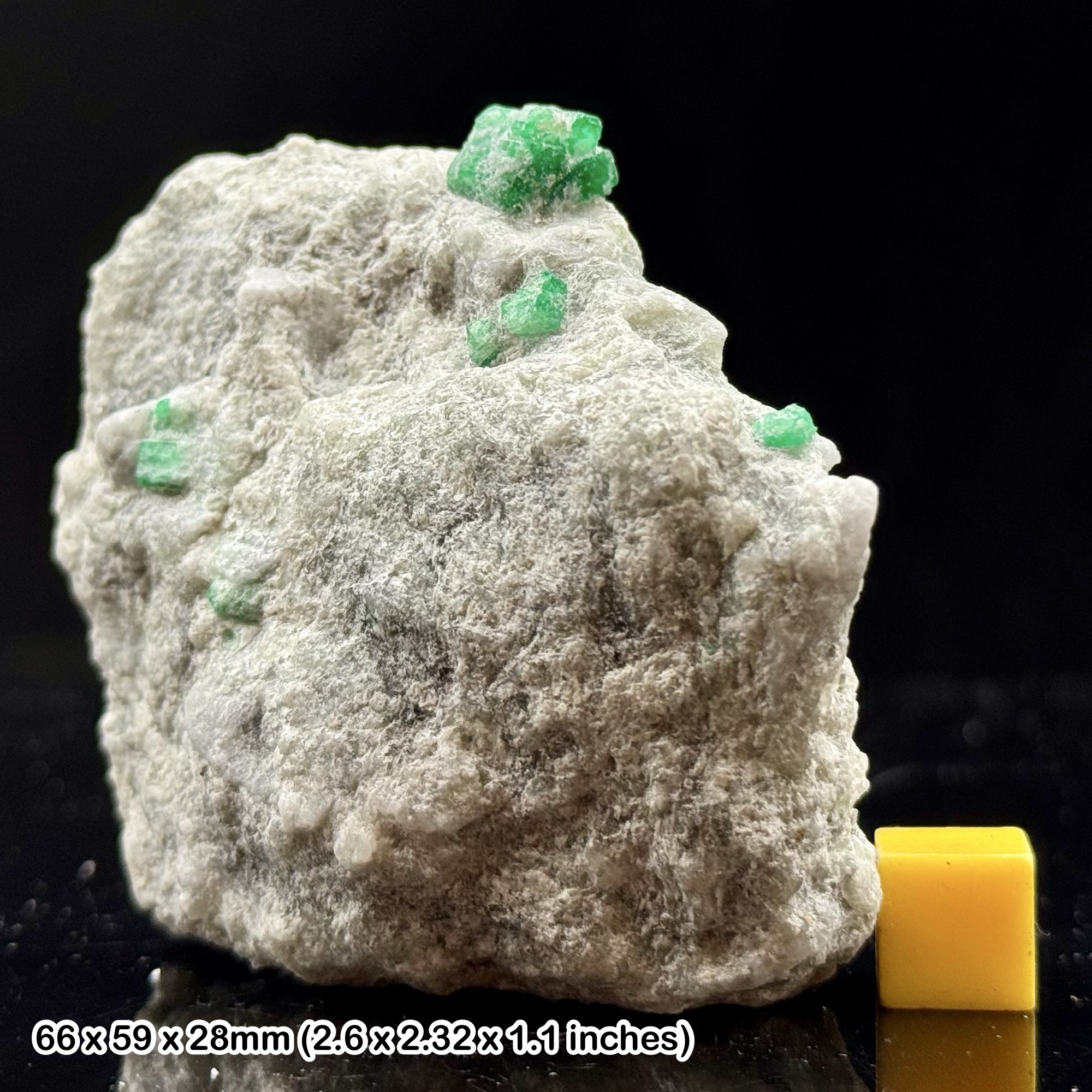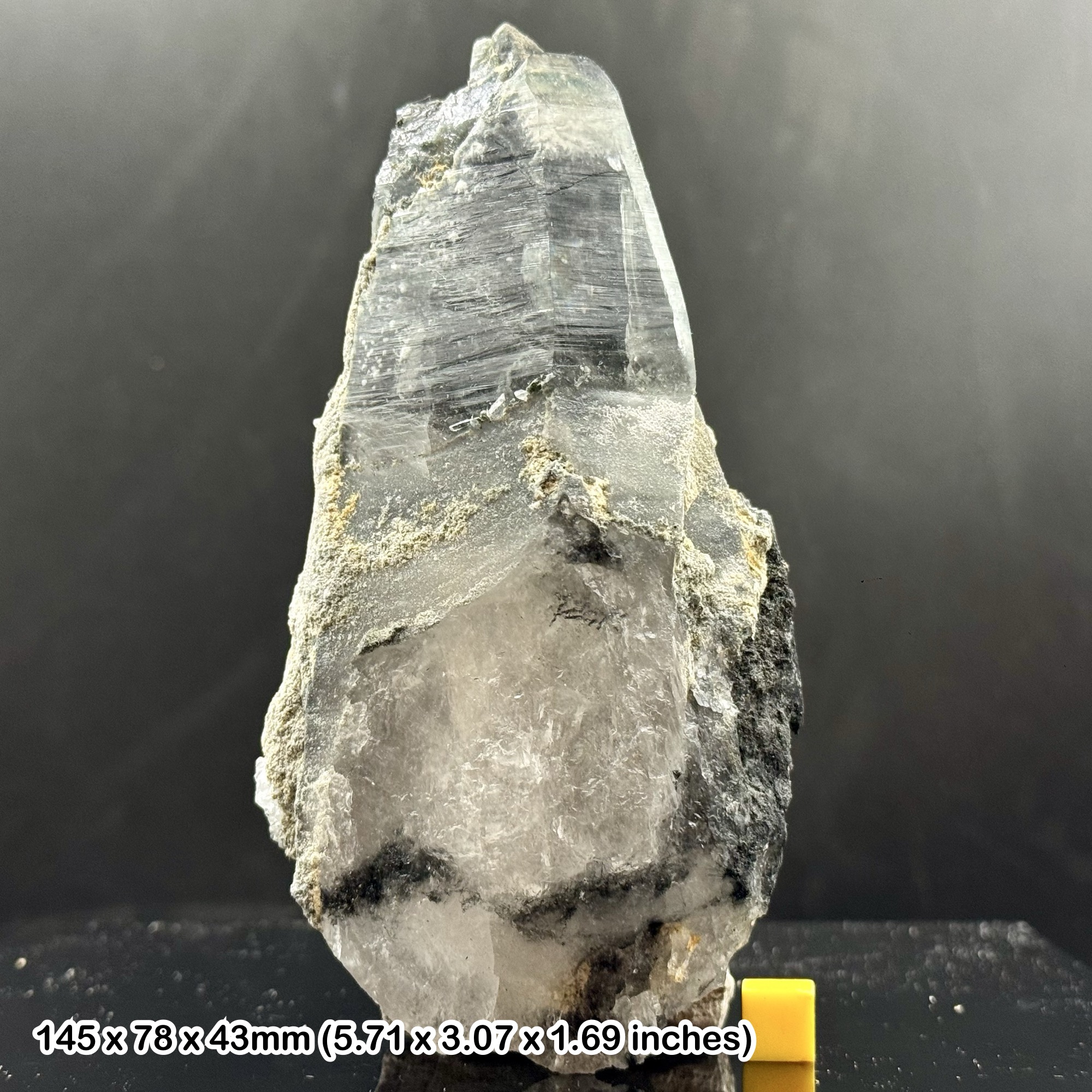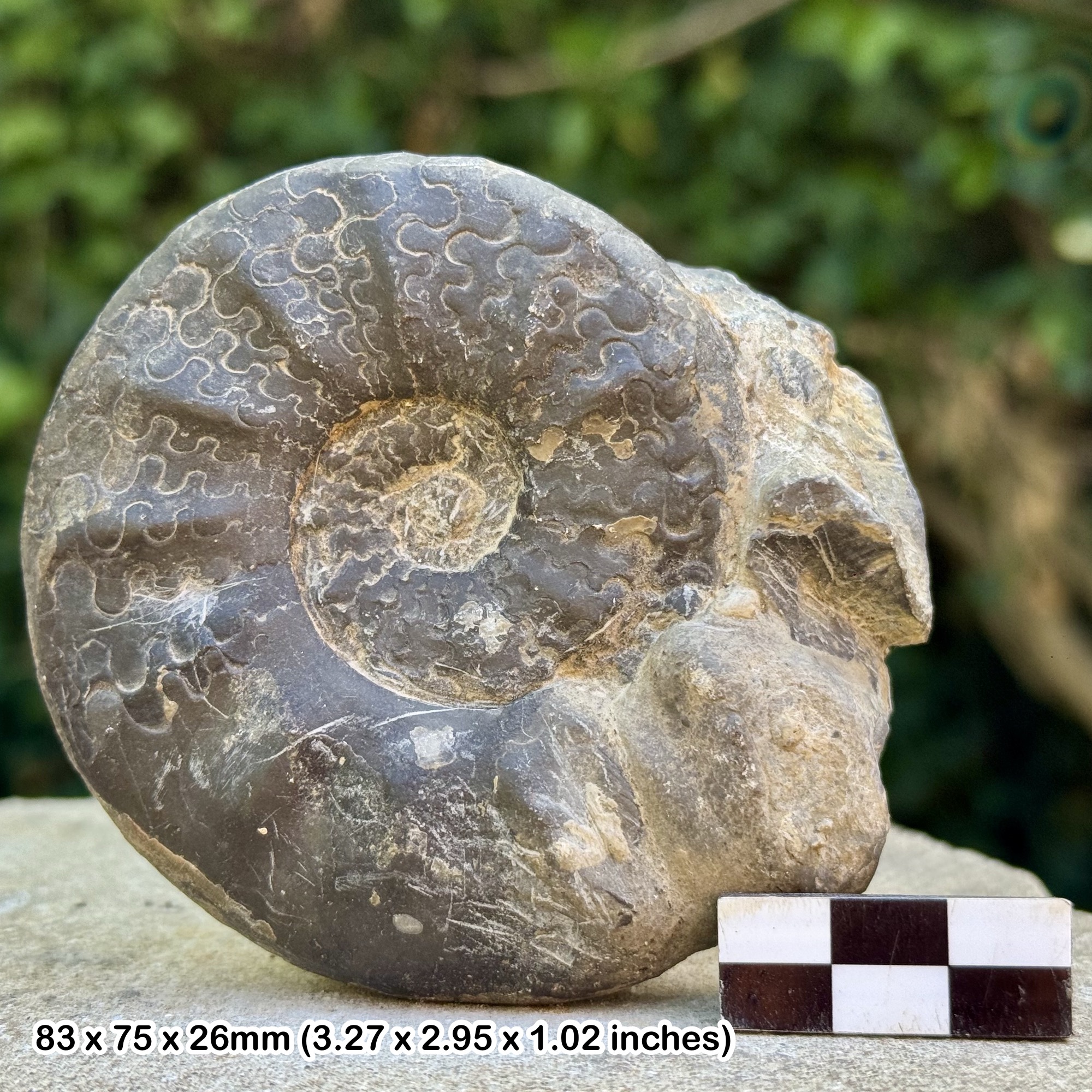
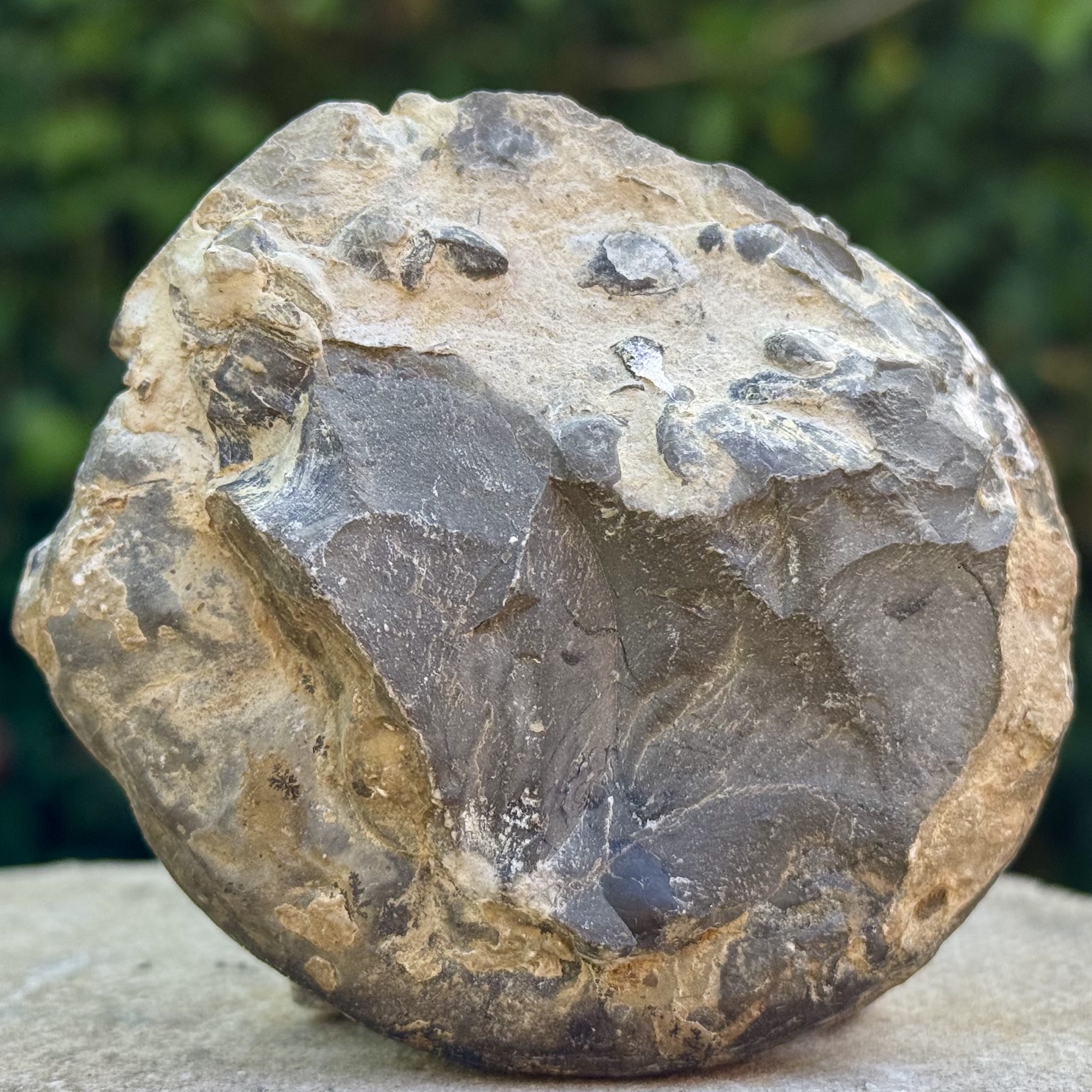
RARE Fossil Ammonite Discoceratites intermedius – Muschelkalk Formation, Ladinian, Middle Triassic – Germany – Alice Purnell Collection
£ 120.00
RARE TRIASSIC AMMONITE – DISCOCERATITES INTERMEDIUS – MIDDLE TRIASSIC, LADINIAN
STAGE – MUSCHELKALK FORMATION, GERMANYThis listing features an authentic and rarely offered fossil ammonite specimen: Discoceratites intermedius, a representative of the ceratitid ammonoids from the Middle Triassic Ladinian Stage, approximately 242 to 237 million years ago. This well-preserved fossil was recovered from the iconic Muschelkalk Formation of Germany, a stratigraphic unit famous for its rich and varied marine fauna.This specimen is part of the Alice Purnell Collection, a highly respected source known for its careful curation of certified and scientifically significant fossil material.You will receive the exact specimen shown in the listing photo. A scale cube (1 cm) is included for size reference. Please consult the image for full dimensions.All of our Fossils are 100% Genuine Specimens and come with a Certificate of Authenticity.FOSSIL DETAILS
• Species: Discoceratites intermedius
• Type: Ceratitid ammonite
• Family: Ceratitidae
• Superfamily: Ceratitaceae
• Order: Ceratitida
• Class: Cephalopoda
• Phylum: Mollusca
• Geological Stage: Ladinian
• Period: Middle Triassic (~242–237 million years ago)
• Formation: Muschelkalk
• Location: Germany (specific locality not disclosed)GEOLOGICAL & PALEONTOLOGICAL CONTEXTThe Muschelkalk Formation is a Middle Triassic marine unit found widely across Central Europe, particularly in Germany. It is composed mainly of limestones, dolomites, and marls deposited in a warm, epicontinental sea during a time of faunal recovery following the Permian-Triassic mass extinction.
• Depositional Environment: Shallow marine platform with carbonate-rich waters that allowed for the preservation of abundant marine life.
• Biozone: While no narrow ammonite zones are attributed to Discoceratites intermedius, its presence correlates with upper Muschelkalk faunal assemblages commonly attributed to the Ladinian stage.
• Palaeogeography: The species reflects the diversification of ceratitid ammonites in the western Tethyan realm, contributing to our understanding of ammonoid evolution during Triassic recovery phases.MORPHOLOGY & FEATURES
• Discoceratites intermedius exhibits a discoidal, involute shell with flattened flanks and relatively low whorls.
• The suture pattern is ceratitic, with lobes and saddles that are moderately indented—typical of mid-Triassic ammonoids.
• Ornamentation is minimal, suggesting a nektonic lifestyle in relatively undisturbed marine conditions.
• These ammonites are known for their aesthetic symmetry and are rarely encountered in public or private collections.COLLECTOR'S VALUE
• This is a rare specimen of a Triassic ammonite from the classic Muschelkalk Formation, ideal for collectors focusing on early Mesozoic marine life or ammonoid evolution.
• Being from the Alice Purnell Collection, its provenance adds credibility and desirability for academic or museum-quality curation.
• It comes with a Certificate of Authenticity, and the photo displays the exact fossil you will receive, not a representative sample.SUMMARY:
• Species: Discoceratites intermedius
• Period: Middle Triassic
• Stage: Ladinian (~242–237 Ma)
• Formation: Muschelkalk, Germany
• Group: Ceratitid ammonites
• Collection: Alice Purnell
• 100% genuine specimen
• Certificate of Authenticity included
• 1 cm scale shown for exact sizing
• Excellent preservation and scientific valueThis ammonite fossil is both a stunning piece for display and a valuable addition to any serious palaeontological or natural history collection. Don't miss this opportunity to own a genuine and rarely available Triassic ammonite from a world-renowned geological formation.
STAGE – MUSCHELKALK FORMATION, GERMANYThis listing features an authentic and rarely offered fossil ammonite specimen: Discoceratites intermedius, a representative of the ceratitid ammonoids from the Middle Triassic Ladinian Stage, approximately 242 to 237 million years ago. This well-preserved fossil was recovered from the iconic Muschelkalk Formation of Germany, a stratigraphic unit famous for its rich and varied marine fauna.This specimen is part of the Alice Purnell Collection, a highly respected source known for its careful curation of certified and scientifically significant fossil material.You will receive the exact specimen shown in the listing photo. A scale cube (1 cm) is included for size reference. Please consult the image for full dimensions.All of our Fossils are 100% Genuine Specimens and come with a Certificate of Authenticity.FOSSIL DETAILS
• Species: Discoceratites intermedius
• Type: Ceratitid ammonite
• Family: Ceratitidae
• Superfamily: Ceratitaceae
• Order: Ceratitida
• Class: Cephalopoda
• Phylum: Mollusca
• Geological Stage: Ladinian
• Period: Middle Triassic (~242–237 million years ago)
• Formation: Muschelkalk
• Location: Germany (specific locality not disclosed)GEOLOGICAL & PALEONTOLOGICAL CONTEXTThe Muschelkalk Formation is a Middle Triassic marine unit found widely across Central Europe, particularly in Germany. It is composed mainly of limestones, dolomites, and marls deposited in a warm, epicontinental sea during a time of faunal recovery following the Permian-Triassic mass extinction.
• Depositional Environment: Shallow marine platform with carbonate-rich waters that allowed for the preservation of abundant marine life.
• Biozone: While no narrow ammonite zones are attributed to Discoceratites intermedius, its presence correlates with upper Muschelkalk faunal assemblages commonly attributed to the Ladinian stage.
• Palaeogeography: The species reflects the diversification of ceratitid ammonites in the western Tethyan realm, contributing to our understanding of ammonoid evolution during Triassic recovery phases.MORPHOLOGY & FEATURES
• Discoceratites intermedius exhibits a discoidal, involute shell with flattened flanks and relatively low whorls.
• The suture pattern is ceratitic, with lobes and saddles that are moderately indented—typical of mid-Triassic ammonoids.
• Ornamentation is minimal, suggesting a nektonic lifestyle in relatively undisturbed marine conditions.
• These ammonites are known for their aesthetic symmetry and are rarely encountered in public or private collections.COLLECTOR'S VALUE
• This is a rare specimen of a Triassic ammonite from the classic Muschelkalk Formation, ideal for collectors focusing on early Mesozoic marine life or ammonoid evolution.
• Being from the Alice Purnell Collection, its provenance adds credibility and desirability for academic or museum-quality curation.
• It comes with a Certificate of Authenticity, and the photo displays the exact fossil you will receive, not a representative sample.SUMMARY:
• Species: Discoceratites intermedius
• Period: Middle Triassic
• Stage: Ladinian (~242–237 Ma)
• Formation: Muschelkalk, Germany
• Group: Ceratitid ammonites
• Collection: Alice Purnell
• 100% genuine specimen
• Certificate of Authenticity included
• 1 cm scale shown for exact sizing
• Excellent preservation and scientific valueThis ammonite fossil is both a stunning piece for display and a valuable addition to any serious palaeontological or natural history collection. Don't miss this opportunity to own a genuine and rarely available Triassic ammonite from a world-renowned geological formation.
Other Products