Rare Fossil Seed Isle of Wight Eocene Genuine Specimen Certificate Authenticity Bembridge Marls Insect Bed Collector Display UK
£ 60.00
Rare Fossil Seed – Bembridge Marls Insect Bed, Isle of WightThis rare fossil seed specimen originates from the famous Bembridge Marls Insect
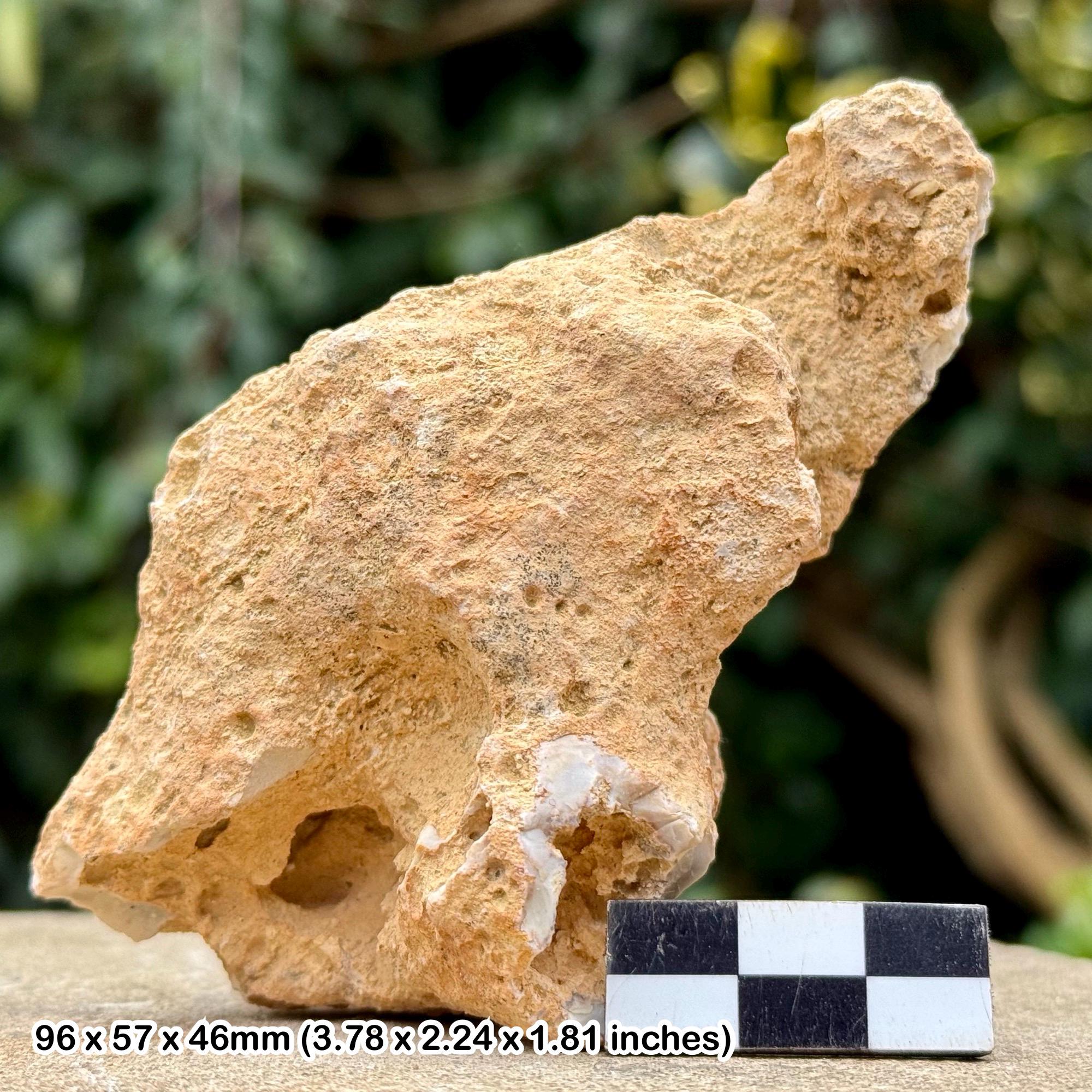
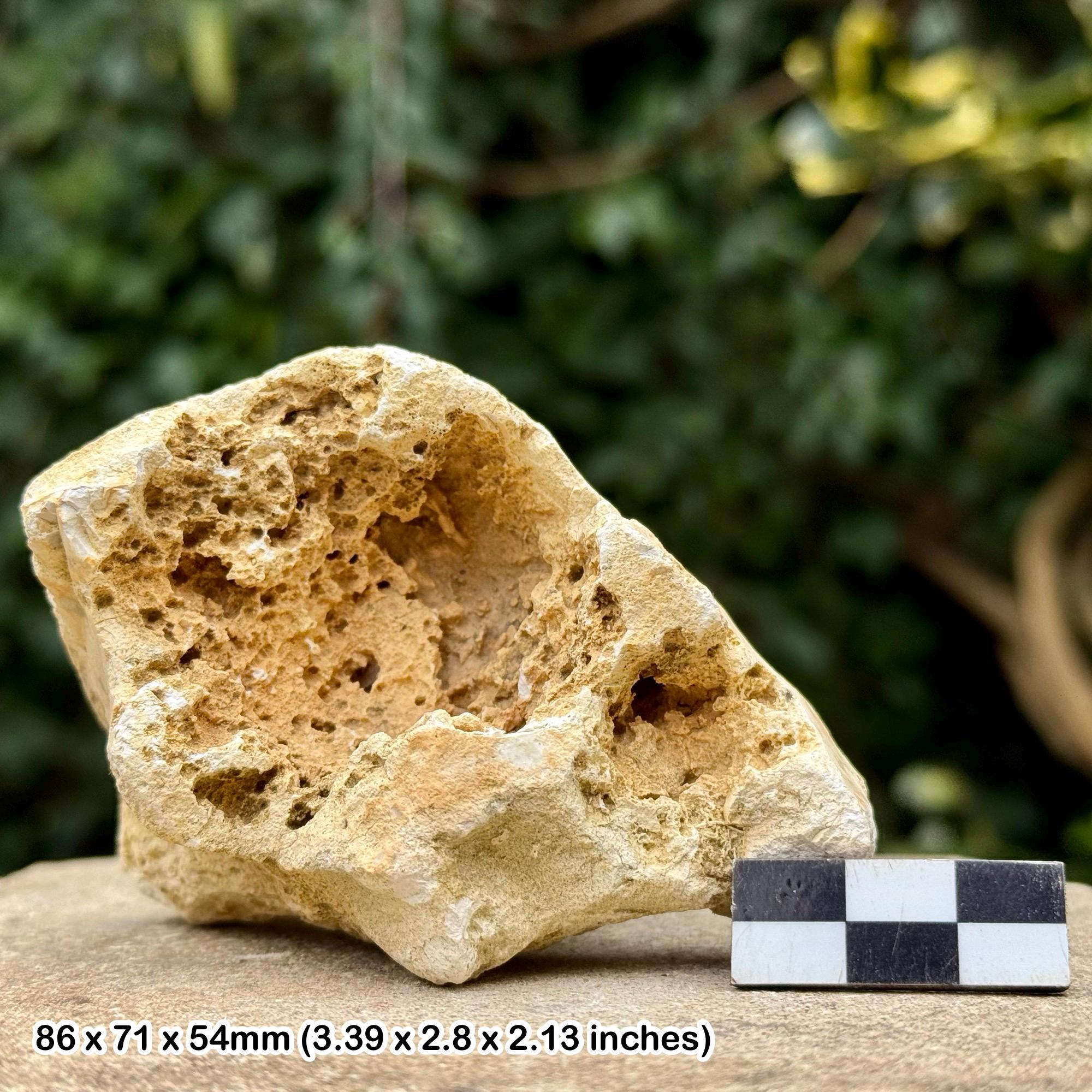
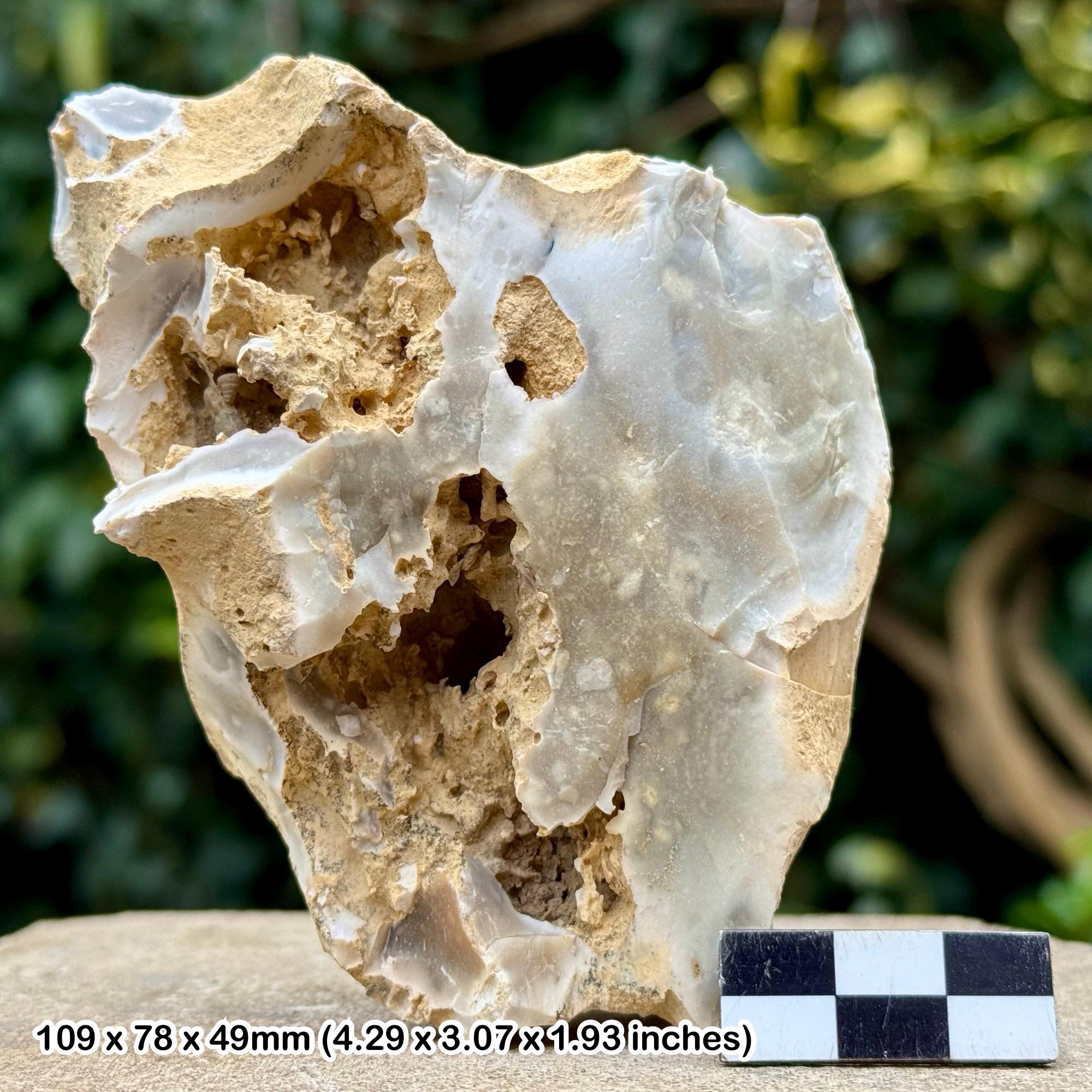
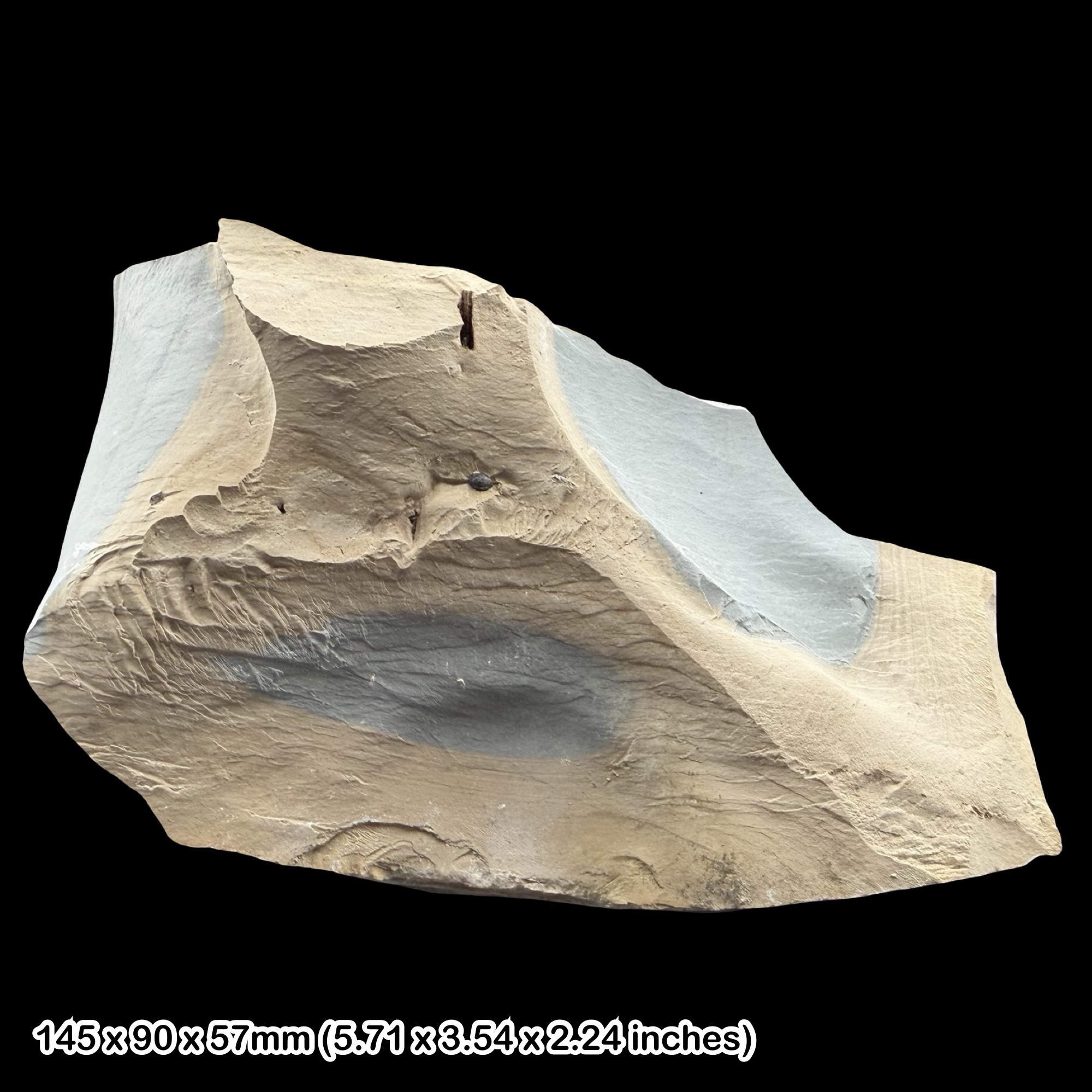
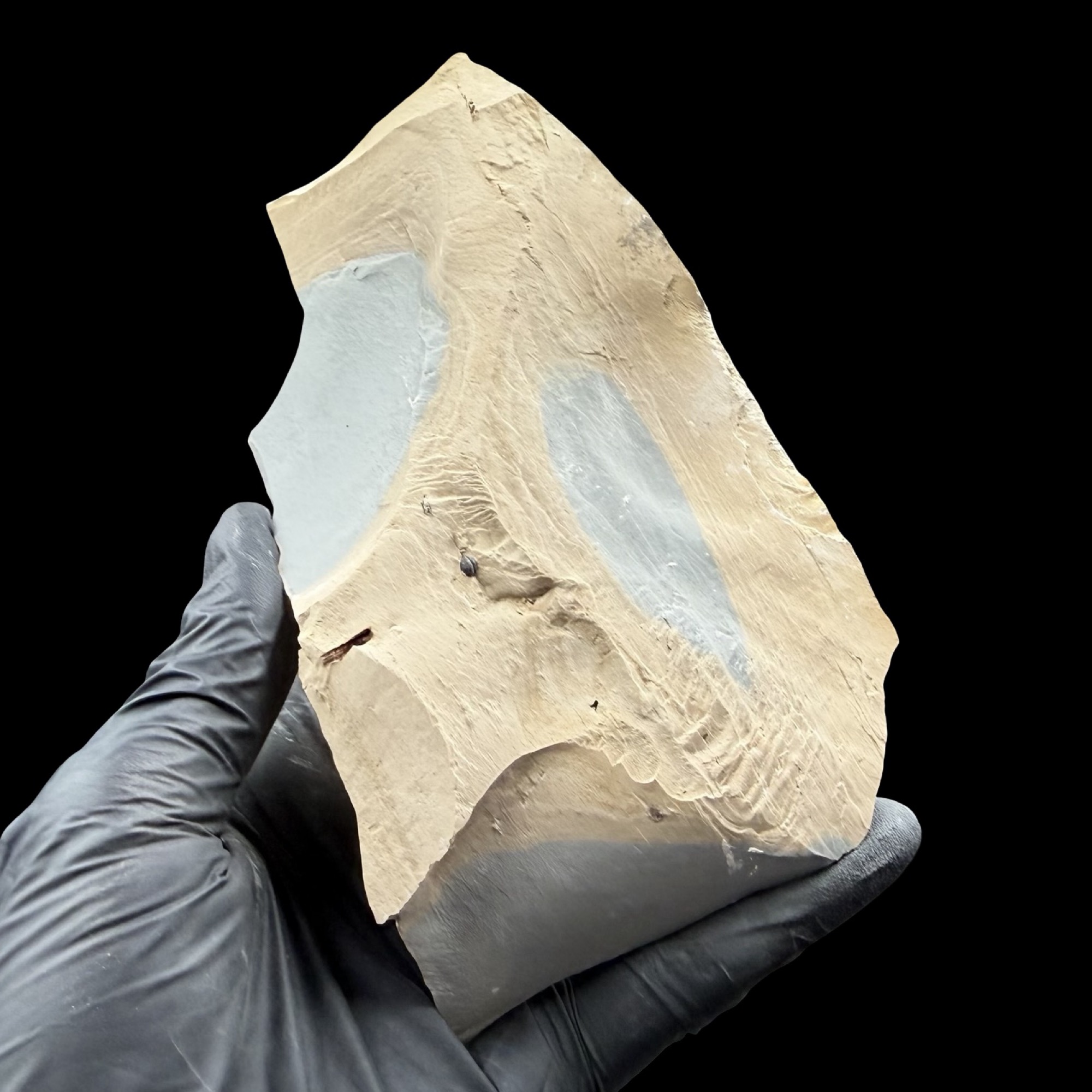
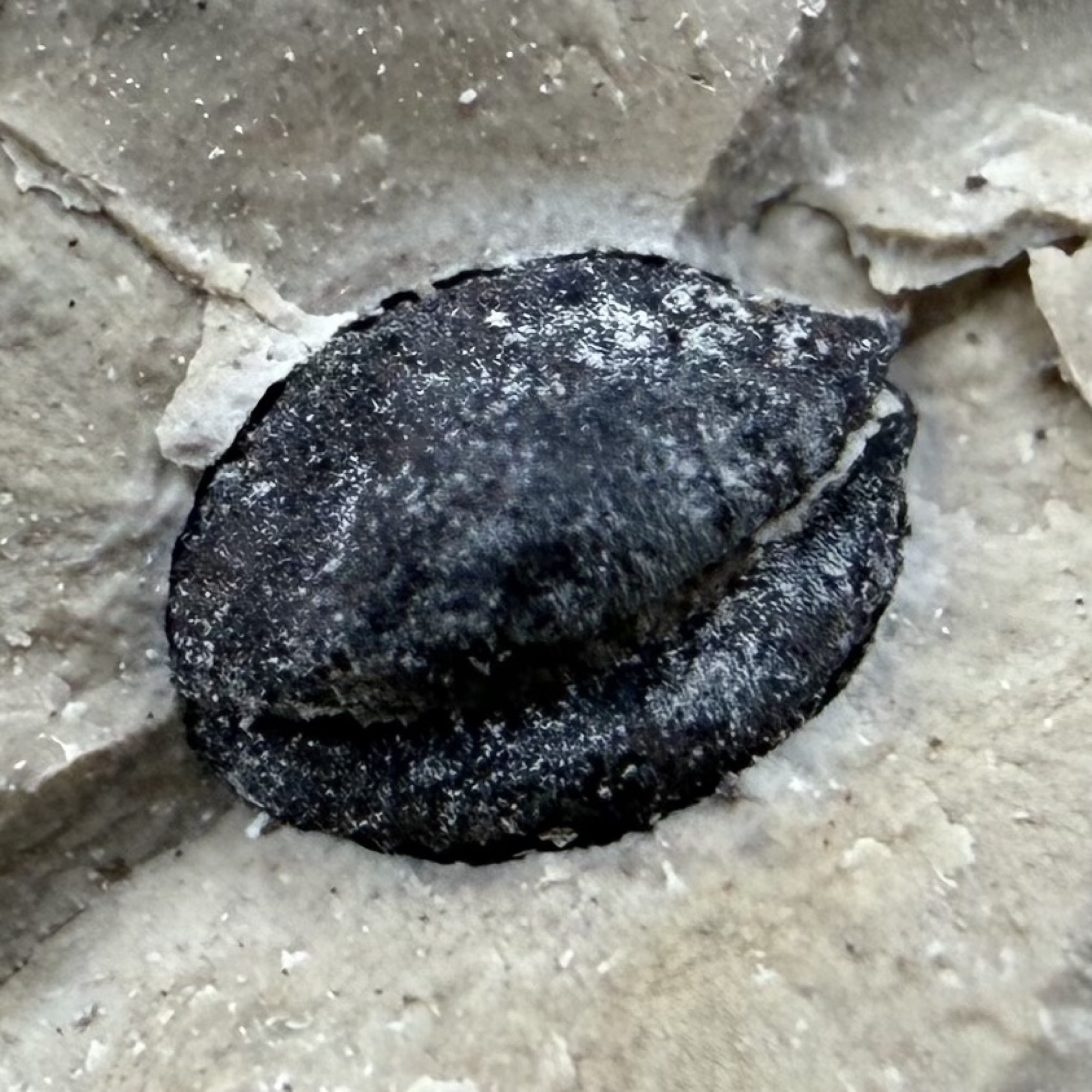
Bed within the Bouldnor Formation at Porchfield, Isle of Wight, United Kingdom. Dating to the Eocene epoch, approximately 33–34 million years ago, this fossil represents a beautifully preserved example of ancient plant life from one of Britain’s most important palaeobotanical and insect-bearing deposits.Discovered by our experienced team members, Alister and Alison, this fossil has been carefully cleaned, expertly prepared, and stabilised by Alison to reveal its natural form while preserving its delicate structure. The exact specimen shown in the photographs is the one you will receive, ensuring a unique and highly collectible piece.Geological Context and Depositional EnvironmentThe Bembridge Marls Formation is part of the Bouldnor Formation, representing a sequence of freshwater to brackish lagoonal deposits laid down during the late Eocene. The Insect Bed is particularly renowned for its exceptional preservation of fine organic material, including insects, plant remains, and seeds.These sediments were deposited in calm, low-energy environments such as lakes and lagoons, where fine silts and clays settled gently. Rapid burial under these conditions allowed delicate biological structures, including seeds, to be preserved in remarkable detail. The presence of such fossils provides valuable insight into the vegetation and climate of southern England during the Eocene.Palaeobotanical SignificanceFossil seeds are an important component of the plant fossil record, offering direct evidence of ancient flora and reproductive structures. Specimens from the Bembridge Marls are particularly valuable due to the fine level of preservation, often retaining detailed external morphology.This fossil seed provides a rare glimpse into the plant life that thrived in Eocene ecosystems, which were characterised by warm, temperate to subtropical climates. Such fossils contribute to our understanding of plant evolution, dispersal mechanisms, and environmental conditions during this period.Morphology and Preservation FeaturesThis specimen displays the characteristic shape and structure of a fossilised seed, with preserved external form and subtle surface textures. The natural mineralisation highlights its contours and allows key features such as symmetry and outer surface detail to be observed.The fossil is embedded within a fine-grained matrix typical of the Insect Bed, providing both contrast and geological context. The preservation quality reflects the exceptional conditions under which it was fossilised, capturing a delicate biological structure that would otherwise rarely survive.Preparation and PresentationAlison’s careful preparation has exposed the fossil seed while maintaining the integrity of the surrounding matrix. This approach ensures that the specimen retains its natural appearance and scientific value, with minimal alteration to its original state.The fossil has been stabilised for long-term preservation, making it suitable for both display and study. Full sizing details are available in the accompanying photographs.Authenticity and ProvenanceThis fossil is a genuine specimen and includes a Certificate of Authenticity lifetime guarantee card, ensuring complete confidence in its origin and identification. Every specimen is responsibly sourced and handled directly by our team, providing full traceability from discovery through to preparation.Collector Appeal and Display ValueFossil plant material from the Isle of Wight is highly sought after, particularly from the Bembridge Marls Insect Bed due to its rarity and exceptional preservation. Fossil seeds are especially desirable as they represent a direct link to ancient plant reproduction and ecosystem structure.This specimen is ideal for collectors of plant fossils, Eocene material, or British geological specimens. Its rarity, provenance, and fine preservation make it a standout addition to any collection, offering both scientific interest and a unique display piece that connects directly to the ancient landscapes of prehistoric Britain.
Bed within the Bouldnor Formation at Porchfield, Isle of Wight, United Kingdom. Dating to the Eocene epoch, approximately 33–34 million years ago, this fossil represents a beautifully preserved example of ancient plant life from one of Britain’s most important palaeobotanical and insect-bearing deposits.Discovered by our experienced team members, Alister and Alison, this fossil has been carefully cleaned, expertly prepared, and stabilised by Alison to reveal its natural form while preserving its delicate structure. The exact specimen shown in the photographs is the one you will receive, ensuring a unique and highly collectible piece.Geological Context and Depositional EnvironmentThe Bembridge Marls Formation is part of the Bouldnor Formation, representing a sequence of freshwater to brackish lagoonal deposits laid down during the late Eocene. The Insect Bed is particularly renowned for its exceptional preservation of fine organic material, including insects, plant remains, and seeds.These sediments were deposited in calm, low-energy environments such as lakes and lagoons, where fine silts and clays settled gently. Rapid burial under these conditions allowed delicate biological structures, including seeds, to be preserved in remarkable detail. The presence of such fossils provides valuable insight into the vegetation and climate of southern England during the Eocene.Palaeobotanical SignificanceFossil seeds are an important component of the plant fossil record, offering direct evidence of ancient flora and reproductive structures. Specimens from the Bembridge Marls are particularly valuable due to the fine level of preservation, often retaining detailed external morphology.This fossil seed provides a rare glimpse into the plant life that thrived in Eocene ecosystems, which were characterised by warm, temperate to subtropical climates. Such fossils contribute to our understanding of plant evolution, dispersal mechanisms, and environmental conditions during this period.Morphology and Preservation FeaturesThis specimen displays the characteristic shape and structure of a fossilised seed, with preserved external form and subtle surface textures. The natural mineralisation highlights its contours and allows key features such as symmetry and outer surface detail to be observed.The fossil is embedded within a fine-grained matrix typical of the Insect Bed, providing both contrast and geological context. The preservation quality reflects the exceptional conditions under which it was fossilised, capturing a delicate biological structure that would otherwise rarely survive.Preparation and PresentationAlison’s careful preparation has exposed the fossil seed while maintaining the integrity of the surrounding matrix. This approach ensures that the specimen retains its natural appearance and scientific value, with minimal alteration to its original state.The fossil has been stabilised for long-term preservation, making it suitable for both display and study. Full sizing details are available in the accompanying photographs.Authenticity and ProvenanceThis fossil is a genuine specimen and includes a Certificate of Authenticity lifetime guarantee card, ensuring complete confidence in its origin and identification. Every specimen is responsibly sourced and handled directly by our team, providing full traceability from discovery through to preparation.Collector Appeal and Display ValueFossil plant material from the Isle of Wight is highly sought after, particularly from the Bembridge Marls Insect Bed due to its rarity and exceptional preservation. Fossil seeds are especially desirable as they represent a direct link to ancient plant reproduction and ecosystem structure.This specimen is ideal for collectors of plant fossils, Eocene material, or British geological specimens. Its rarity, provenance, and fine preservation make it a standout addition to any collection, offering both scientific interest and a unique display piece that connects directly to the ancient landscapes of prehistoric Britain.