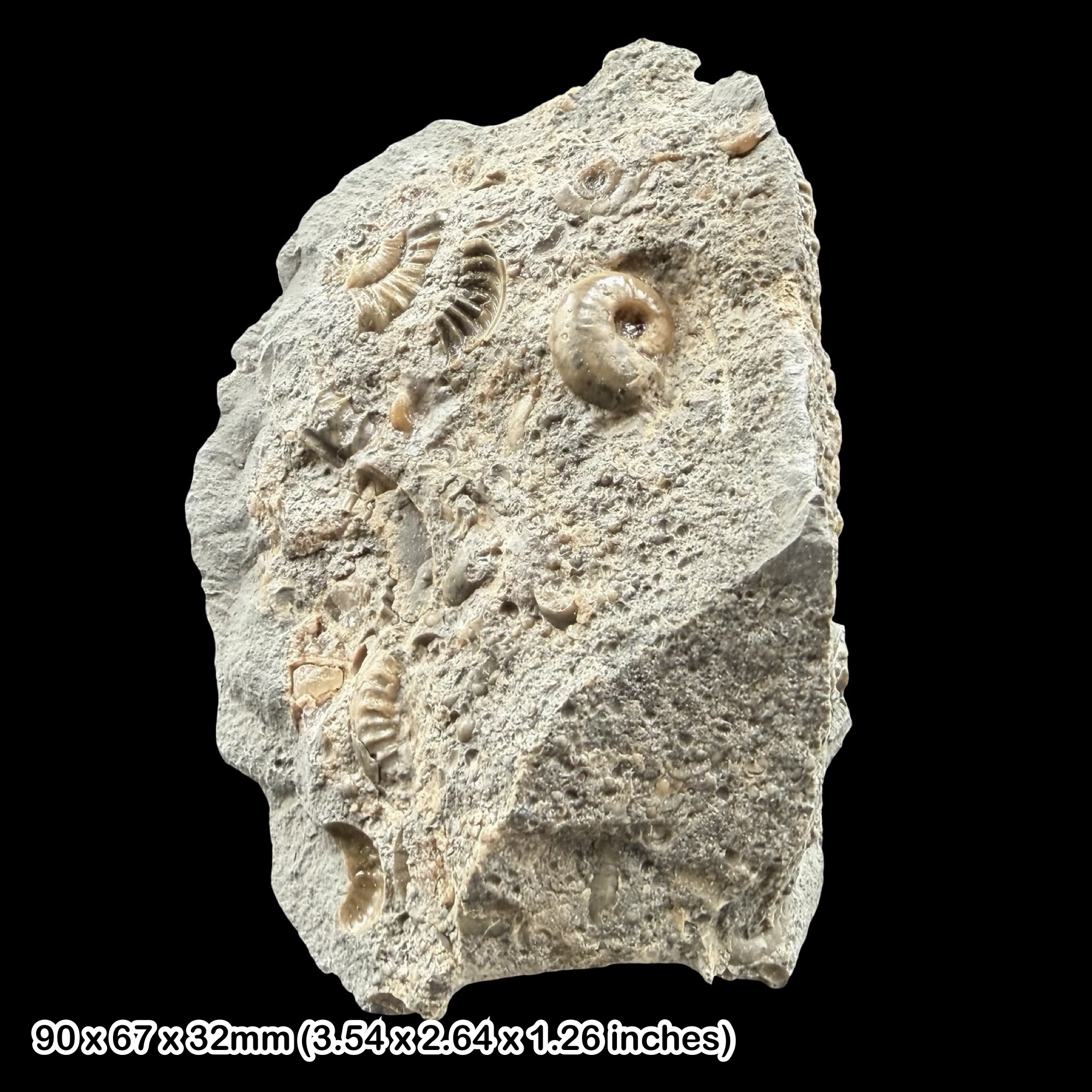
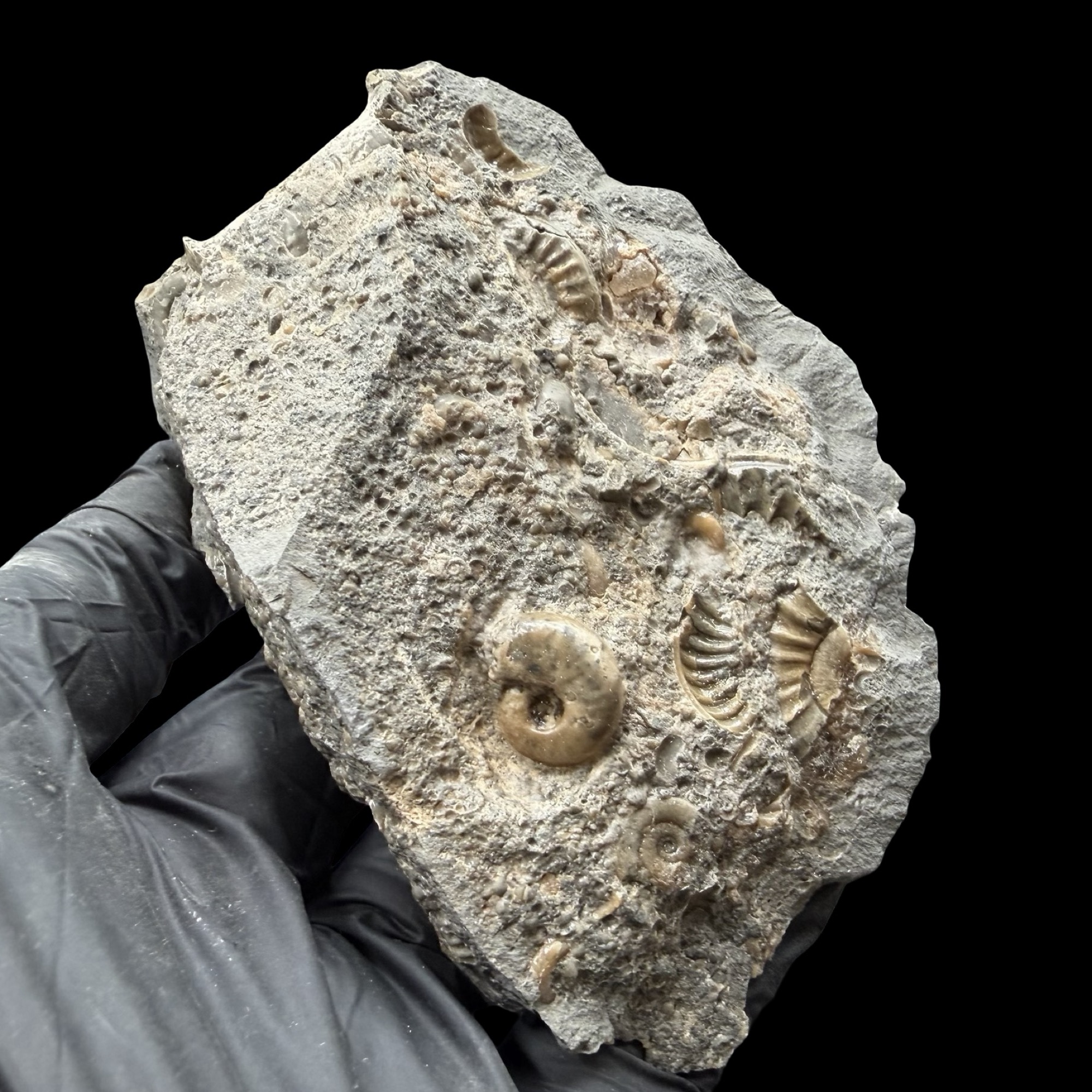
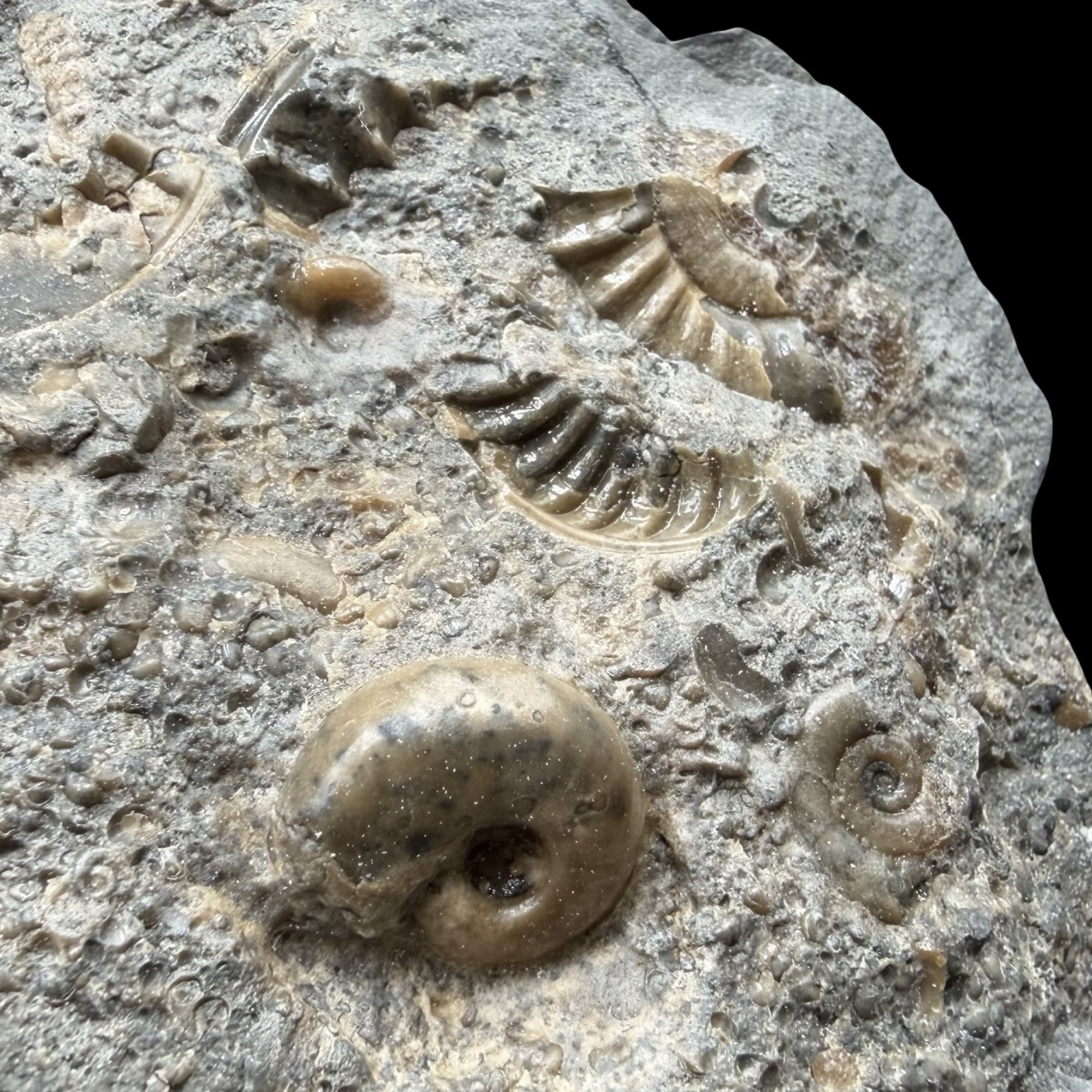
Arnioceras Ammonite Fossil Multi Block with Cymbites Lyme Regis Jurassic Coast Dorset UK Lower Lias Black Ven Marls COA
£ 36.00
GENUINE ARNIOCERAS FOSSIL AMMONITE MULTI BLOCK WITH CYMBITESThis listing is for a genuine Arnioceras fossil ammonite multi block with
Cymbites, collected from the Black Ven Marls, Lower Lias, Jurassic Coast: Monmouth Beach, Lyme Regis, Dorset, UK. This is a carefully chosen fossil specimen and includes a Certificate of Authenticity lifetime guarantee generic card. The photo shows the actual specimen you will receive, allowing you to view the natural fossil arrangement, preservation, matrix, surface detail and display quality of this individual piece before purchase. Full sizing details can be seen in the photo.Your specimen was discovered by our own team members, Alister and Alison, and has been cleaned, prepped and treated by Alison. This gives the fossil a clear and traceable collecting history, from discovery on the Jurassic Coast through to careful preparation and presentation. ARNIOCERAS AMMONITE SPECIES AND IDENTIFICATIONArnioceras is an Early Jurassic ammonite genus known from the Lower Lias of Britain and Europe. Ammonites were extinct marine cephalopods related to modern squid, cuttlefish and nautilus, living in chambered, coiled shells that are now among the most iconic fossils of the Jurassic Period. Arnioceras is especially recognised for its planispiral shell form, generally evolute coiling, strong ribbing and distinctive Jurassic character.Specimens of Arnioceras commonly show narrow, regularly spaced ribs that run across the whorls, giving the shell a sharply textured appearance. The coiling is often open enough for the inner whorls to remain visible, making the fossil attractive for both study and display. These features make Arnioceras a desirable ammonite for collectors interested in classic Lower Jurassic fossil species and named British ammonite material.This specimen is a multi block, meaning it contains more than one fossil element within the same natural matrix. The presence of Cymbites adds extra collecting interest, as it represents another ammonite form within the same geological setting. Cymbites is a small Lower Jurassic ammonite genus, often appreciated for its compact, neat shell form and association with classic Lyme Regis ammonite-bearing beds. BLACK VEN MARLS AND LOWER LIAS GEOLOGICAL SETTINGThe Black Ven Marls are part of the Lower Lias sequence exposed around Lyme Regis and the surrounding Dorset coast. These Early Jurassic sediments were deposited in ancient marine conditions, when fine muds and silts settled on the seabed and preserved the remains of ammonites, belemnites, bivalves, marine reptiles and other sea life. Over millions of years, these sediments hardened into the fossil-bearing rocks now exposed along the Jurassic Coast.Arnioceras is associated with the Sinemurian stage of the Early Jurassic, a time when ammonites were rapidly evolving and diversifying in marine environments. Lower Lias ammonites are especially important to palaeontology because they are widely used for dating and correlating rock layers. Their rapid evolutionary changes and broad distribution make them valuable index fossils, helping geologists identify specific intervals within Jurassic strata. MONMOUTH BEACH, LYME REGIS AND THE JURASSIC COASTMonmouth Beach at Lyme Regis is one of the most famous fossil locations on the Jurassic Coast. The area is internationally known for its fossil-rich Lower Jurassic rocks and has a long history of fossil collecting, scientific discovery and natural history interest. Fossils from this coastline are highly sought after because they come from a classic British locality with strong geological and historical significance.The Jurassic Coast is a UNESCO World Heritage Site, recognised for its outstanding record of Earth history. The cliffs and foreshore around Lyme Regis expose rocks from the Early Jurassic and have yielded ammonites, ichthyosaurs, plesiosaurs, belemnites, bivalves and many other fossils. A specimen from Monmouth Beach therefore carries excellent locality appeal for collectors of British fossils, Jurassic ammonites and classic Dorset coastal material. FOSSIL PREPARATION, DISPLAY AND COLLECTABLE APPEALThis Arnioceras ammonite multi block with Cymbites has been cleaned, prepped and treated by Alison to help present the fossil clearly while retaining its natural character. Preparation is an important part of fossil collecting, especially with Lower Lias material where ammonites may be preserved within clay, shale, limestone or marl matrix. Careful preparation helps reveal the fossil form while keeping the surrounding geological context intact.The multi block format gives this specimen strong display value. Rather than being a single isolated fossil, it presents a natural association of ammonite material within the original matrix, offering a more complete impression of the fossil-bearing seabed environment. It is suitable for fossil collectors, ammonite enthusiasts, natural history displays, educational collections, geology cabinets, Jurassic Coast collections or as a distinctive gift for someone interested in British palaeontology. CERTIFICATE OF AUTHENTICITY INCLUDEDThis fossil is supplied with a Certificate of Authenticity lifetime guarantee generic card, confirming that it is a genuine specimen. The specimen shown in the photo is the exact fossil you will receive. Its named ammonite content, Lower Lias age, Black Ven Marls origin, Monmouth Beach locality and team-discovered provenance make it a strong addition to any carefully documented fossil collection.
Cymbites, collected from the Black Ven Marls, Lower Lias, Jurassic Coast: Monmouth Beach, Lyme Regis, Dorset, UK. This is a carefully chosen fossil specimen and includes a Certificate of Authenticity lifetime guarantee generic card. The photo shows the actual specimen you will receive, allowing you to view the natural fossil arrangement, preservation, matrix, surface detail and display quality of this individual piece before purchase. Full sizing details can be seen in the photo.Your specimen was discovered by our own team members, Alister and Alison, and has been cleaned, prepped and treated by Alison. This gives the fossil a clear and traceable collecting history, from discovery on the Jurassic Coast through to careful preparation and presentation. ARNIOCERAS AMMONITE SPECIES AND IDENTIFICATIONArnioceras is an Early Jurassic ammonite genus known from the Lower Lias of Britain and Europe. Ammonites were extinct marine cephalopods related to modern squid, cuttlefish and nautilus, living in chambered, coiled shells that are now among the most iconic fossils of the Jurassic Period. Arnioceras is especially recognised for its planispiral shell form, generally evolute coiling, strong ribbing and distinctive Jurassic character.Specimens of Arnioceras commonly show narrow, regularly spaced ribs that run across the whorls, giving the shell a sharply textured appearance. The coiling is often open enough for the inner whorls to remain visible, making the fossil attractive for both study and display. These features make Arnioceras a desirable ammonite for collectors interested in classic Lower Jurassic fossil species and named British ammonite material.This specimen is a multi block, meaning it contains more than one fossil element within the same natural matrix. The presence of Cymbites adds extra collecting interest, as it represents another ammonite form within the same geological setting. Cymbites is a small Lower Jurassic ammonite genus, often appreciated for its compact, neat shell form and association with classic Lyme Regis ammonite-bearing beds. BLACK VEN MARLS AND LOWER LIAS GEOLOGICAL SETTINGThe Black Ven Marls are part of the Lower Lias sequence exposed around Lyme Regis and the surrounding Dorset coast. These Early Jurassic sediments were deposited in ancient marine conditions, when fine muds and silts settled on the seabed and preserved the remains of ammonites, belemnites, bivalves, marine reptiles and other sea life. Over millions of years, these sediments hardened into the fossil-bearing rocks now exposed along the Jurassic Coast.Arnioceras is associated with the Sinemurian stage of the Early Jurassic, a time when ammonites were rapidly evolving and diversifying in marine environments. Lower Lias ammonites are especially important to palaeontology because they are widely used for dating and correlating rock layers. Their rapid evolutionary changes and broad distribution make them valuable index fossils, helping geologists identify specific intervals within Jurassic strata. MONMOUTH BEACH, LYME REGIS AND THE JURASSIC COASTMonmouth Beach at Lyme Regis is one of the most famous fossil locations on the Jurassic Coast. The area is internationally known for its fossil-rich Lower Jurassic rocks and has a long history of fossil collecting, scientific discovery and natural history interest. Fossils from this coastline are highly sought after because they come from a classic British locality with strong geological and historical significance.The Jurassic Coast is a UNESCO World Heritage Site, recognised for its outstanding record of Earth history. The cliffs and foreshore around Lyme Regis expose rocks from the Early Jurassic and have yielded ammonites, ichthyosaurs, plesiosaurs, belemnites, bivalves and many other fossils. A specimen from Monmouth Beach therefore carries excellent locality appeal for collectors of British fossils, Jurassic ammonites and classic Dorset coastal material. FOSSIL PREPARATION, DISPLAY AND COLLECTABLE APPEALThis Arnioceras ammonite multi block with Cymbites has been cleaned, prepped and treated by Alison to help present the fossil clearly while retaining its natural character. Preparation is an important part of fossil collecting, especially with Lower Lias material where ammonites may be preserved within clay, shale, limestone or marl matrix. Careful preparation helps reveal the fossil form while keeping the surrounding geological context intact.The multi block format gives this specimen strong display value. Rather than being a single isolated fossil, it presents a natural association of ammonite material within the original matrix, offering a more complete impression of the fossil-bearing seabed environment. It is suitable for fossil collectors, ammonite enthusiasts, natural history displays, educational collections, geology cabinets, Jurassic Coast collections or as a distinctive gift for someone interested in British palaeontology. CERTIFICATE OF AUTHENTICITY INCLUDEDThis fossil is supplied with a Certificate of Authenticity lifetime guarantee generic card, confirming that it is a genuine specimen. The specimen shown in the photo is the exact fossil you will receive. Its named ammonite content, Lower Lias age, Black Ven Marls origin, Monmouth Beach locality and team-discovered provenance make it a strong addition to any carefully documented fossil collection.