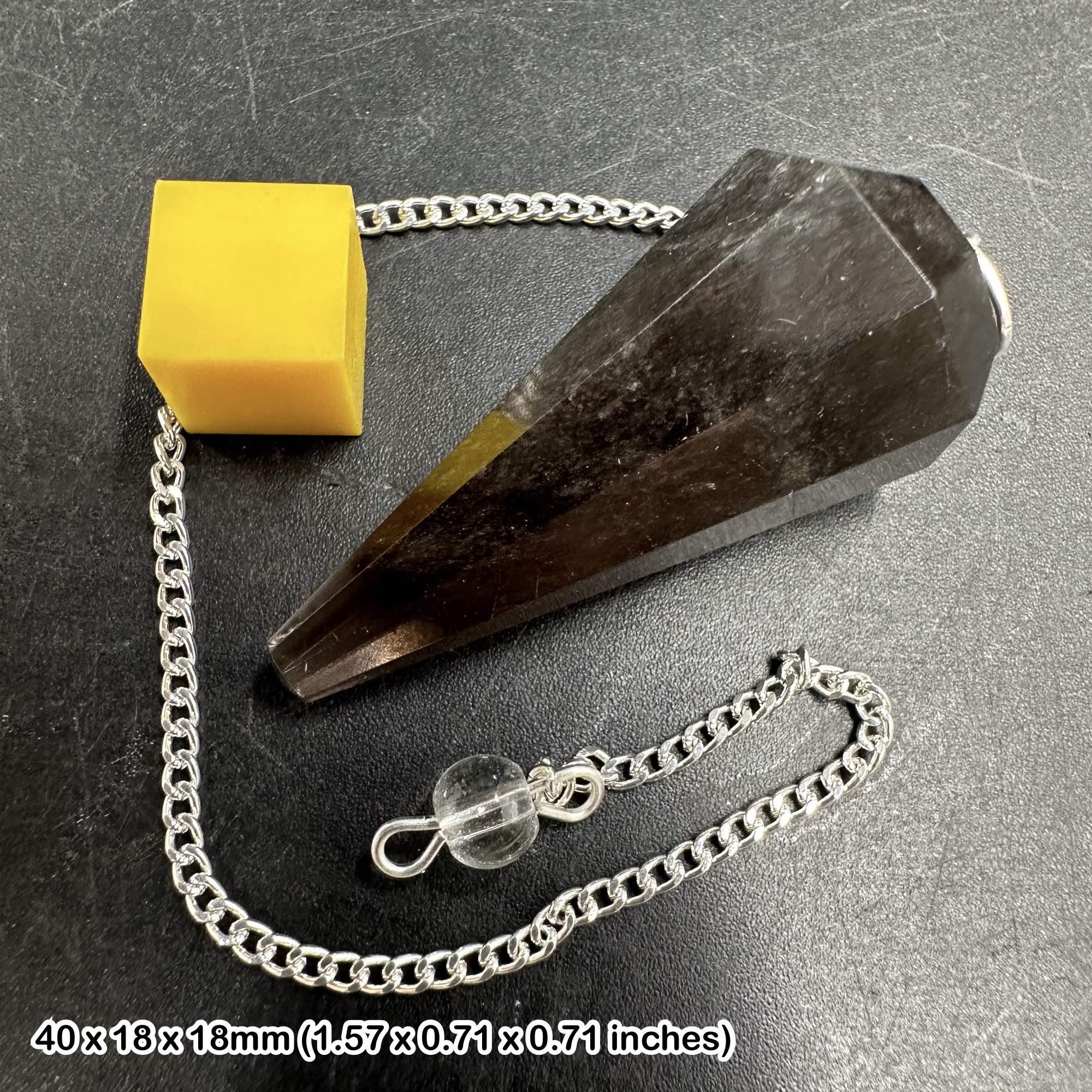
Black Obsidian Faceted Pendulum Natural Volcanic Glass Crystal Divination
£ 13.80
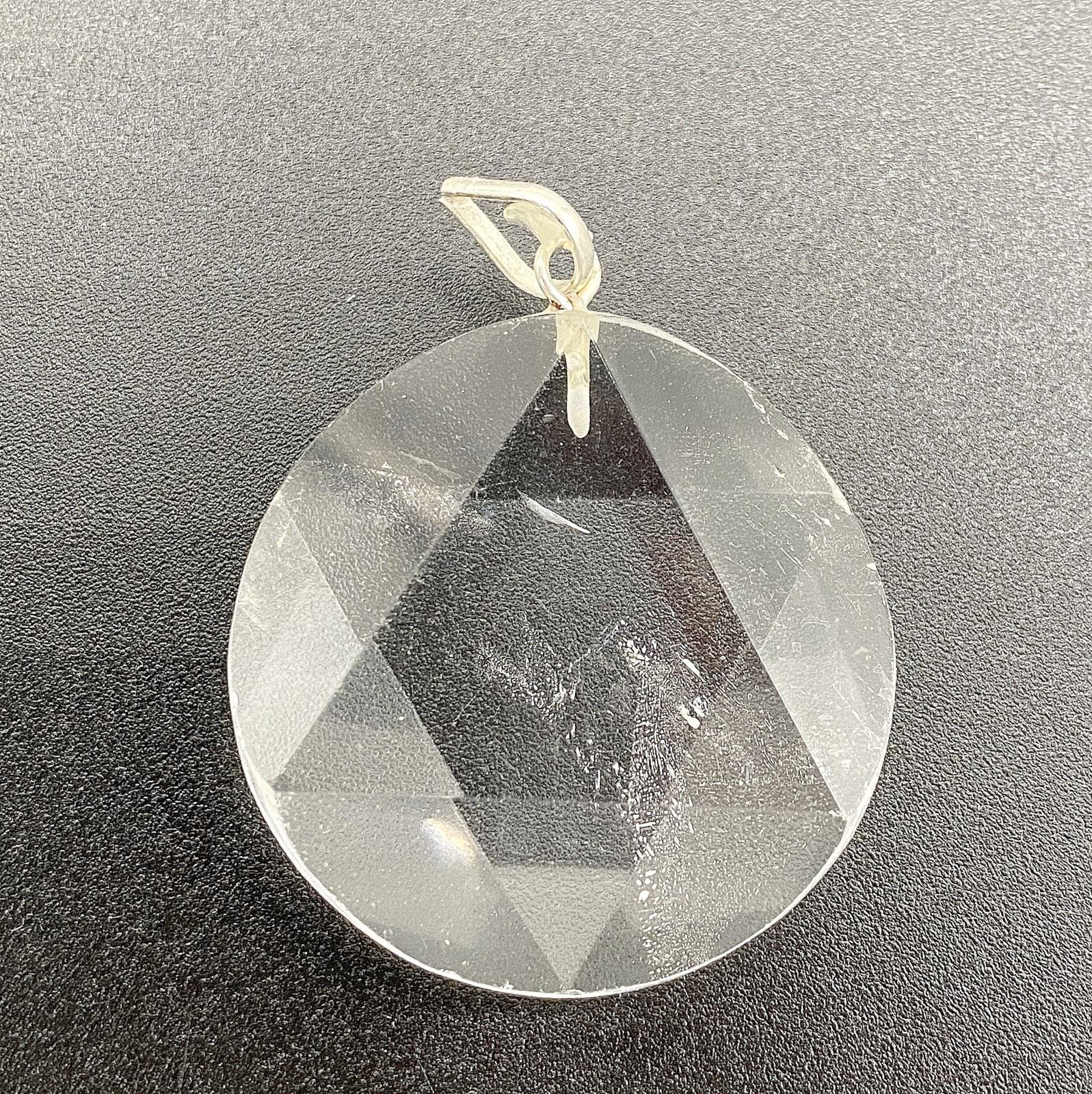
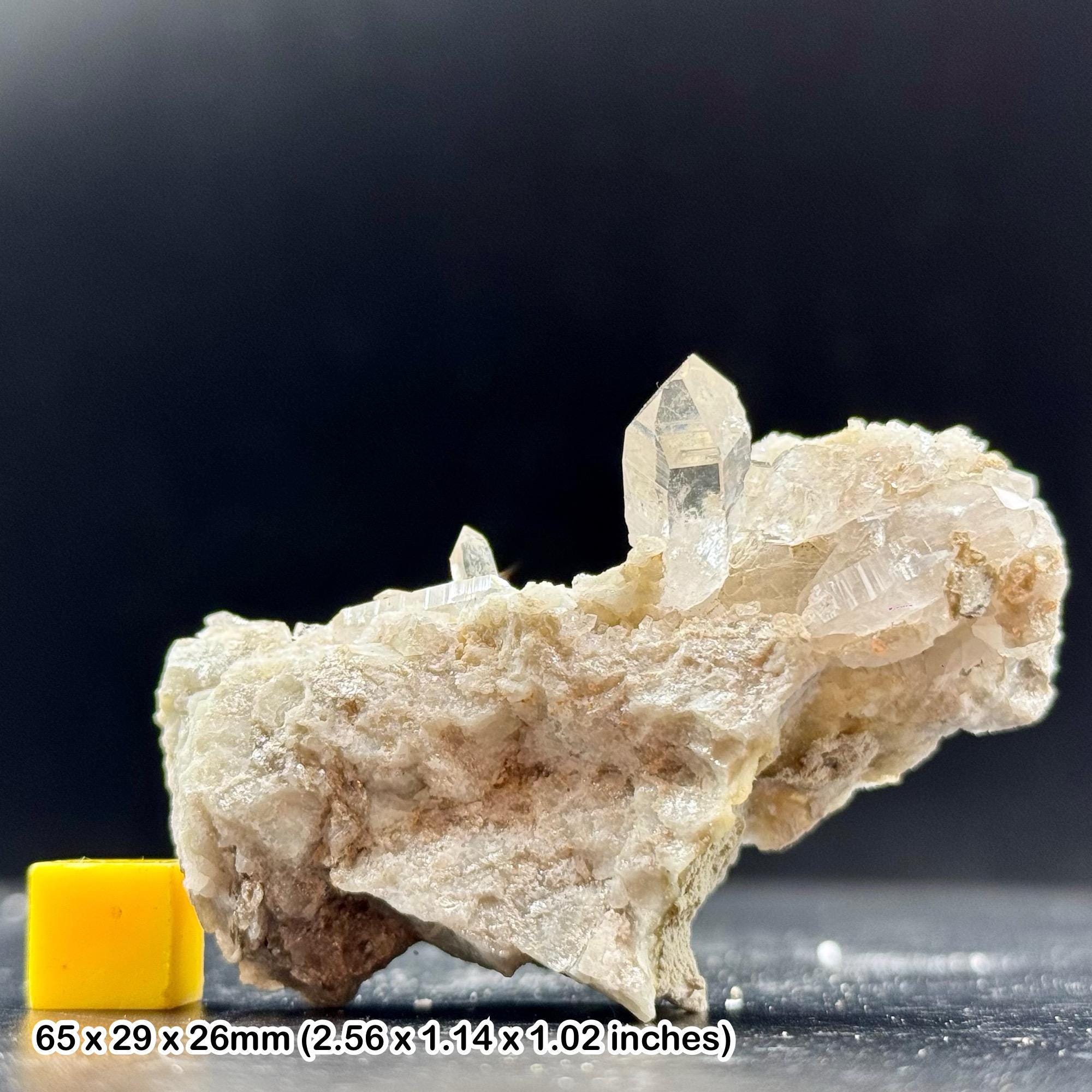
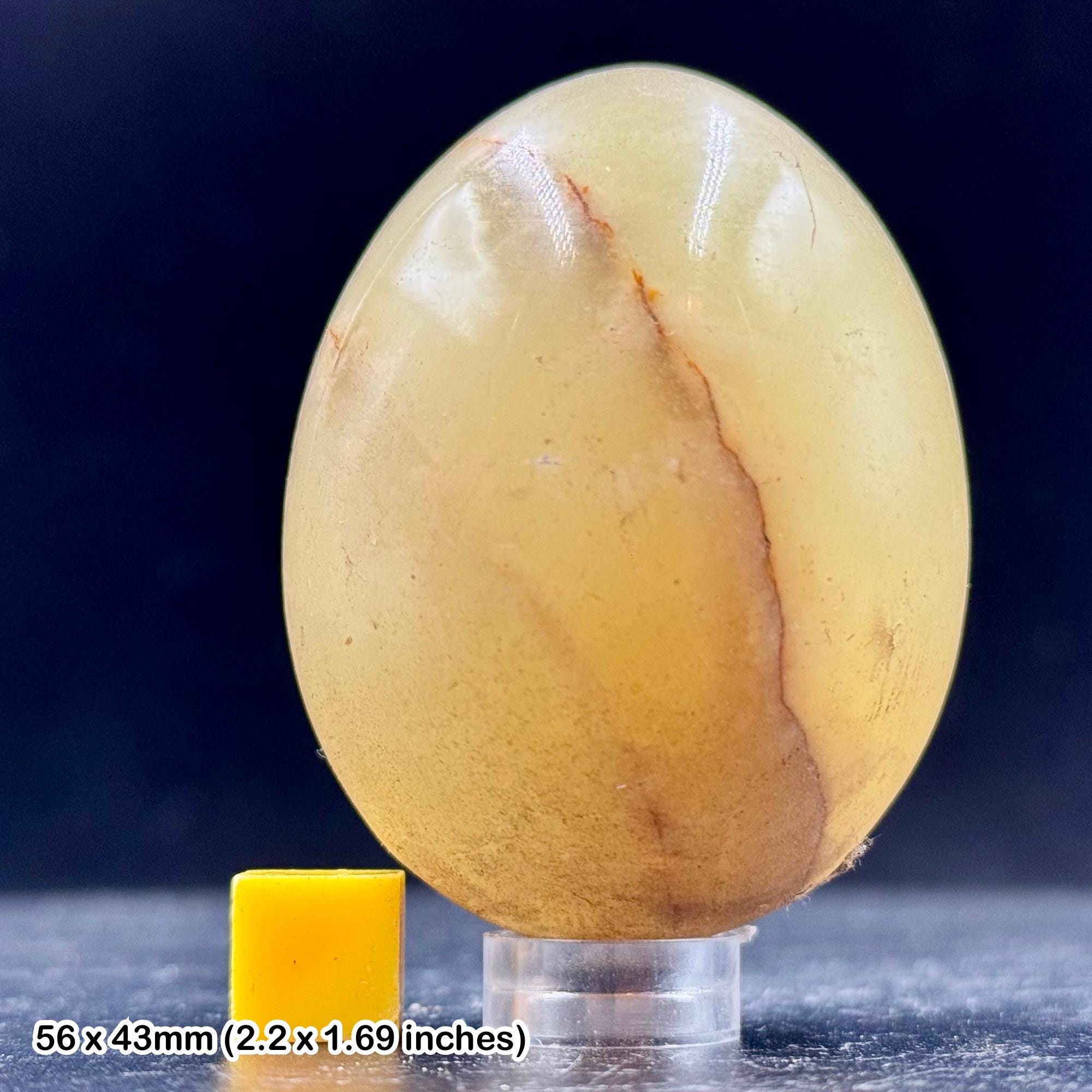
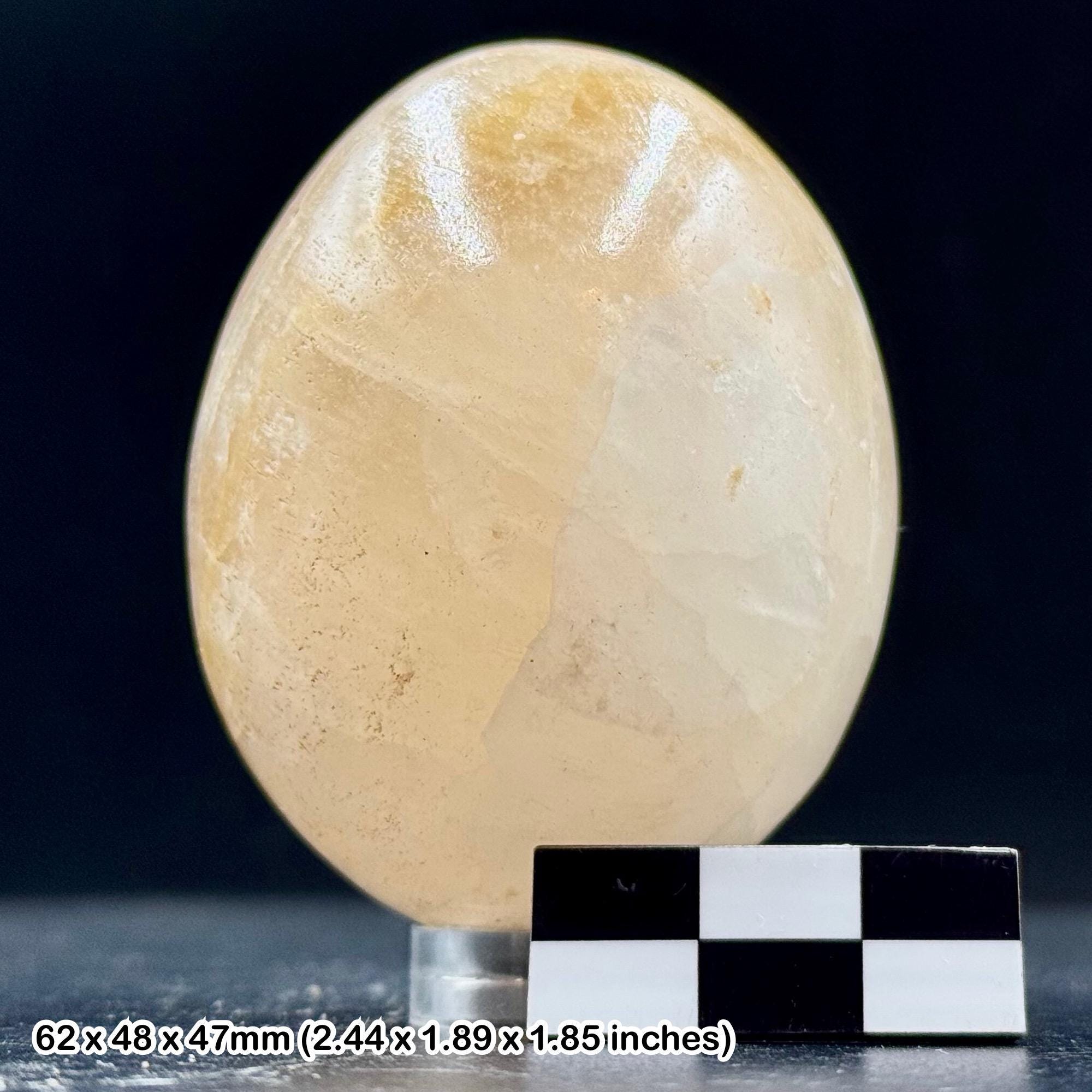
GENUINE BLACK OBSIDIAN FACETED PENDULUMThis Black Obsidian Faceted Pendulum is a carefully selected natural volcanic
glass specimen shaped and polished into a faceted pendulum form. The item displayed in the photographs is the exact specimen you will receive, allowing you to view the natural colour, reflective polish, and overall finish before purchase. Full sizing and scale are clearly shown in the listing photos.Each pendulum includes a Certificate of Authenticity lifetime guarantee generic card, confirming that the stone is a genuine natural obsidian specimen. Faceted obsidian pendulums are popular among mineral collectors, gemstone enthusiasts, and those interested in decorative stone tools and traditional spiritual practices. GEOLOGICAL CLASSIFICATION AND MINERAL TYPEObsidian is a naturally occurring volcanic glass formed when molten lava cools rapidly with minimal crystal growth. Unlike most minerals, obsidian does not have a crystalline structure because the lava solidifies too quickly for atoms to organise into a regular crystal lattice.The composition of obsidian is typically silica-rich volcanic glass, containing high concentrations of silicon dioxide along with trace elements such as iron, magnesium, and other minerals depending on the volcanic environment in which it formed.Because obsidian lacks a crystalline structure, it is classified as a mineraloid rather than a true mineral. Despite this, it is widely collected and studied in geology due to its distinctive formation process and natural glassy texture. APPEARANCE AND PHYSICAL CHARACTERISTICSBlack obsidian is recognised for its deep black colour and glass-like lustre, which results from its volcanic glass composition. When polished, the surface becomes highly reflective and smooth, making it suitable for carving and shaping into decorative or functional objects.Typical characteristics of black obsidian include:• Colour: Deep black to dark grey• Lustre: Vitreous (glass-like)• Transparency: Opaque to slightly translucent on thin edges• Structure: Amorphous volcanic glass• Fracture: Conchoidal fracture producing curved, shell-like surfacesThe faceted pendulum shape highlights the stone’s reflective surface while also showcasing the natural uniform colour typical of black obsidian. FORMATION AND VOLCANIC ORIGINSObsidian forms when felsic lava cools extremely rapidly after volcanic eruptions, preventing the formation of mineral crystals. This rapid cooling traps the silica-rich material in a glass-like state.The lava must have a high silica content and cool quickly enough that crystallisation cannot occur. As a result, obsidian often forms along the edges of lava flows or in volcanic domes where molten material is exposed to cooler temperatures.Obsidian deposits are found in volcanic regions around the world, including areas of the United States, Mexico, Iceland, Japan, Turkey, and parts of Central and South America. The exact chemical composition may vary depending on the original magma source. FACETED PENDULUM SHAPE AND CRAFTSMANSHIPThis specimen has been shaped into a faceted pendulum form, where multiple polished surfaces are cut into the stone to enhance its reflective qualities. The pointed end helps create a balanced pendulum design, while the faceted sides highlight the glassy sheen of the obsidian.Pendulums are commonly suspended from a chain or cord and are used in a variety of traditional spiritual and symbolic practices. In these contexts, pendulums are traditionally associated with dowsing and spiritual exploration, though these practices are based on cultural traditions rather than scientific claims.The faceted design also makes the piece visually striking as a display item or collectible gemstone carving. HISTORICAL AND CULTURAL CONTEXTObsidian has been used by humans for thousands of years due to its sharp fracture edges and attractive appearance. Ancient civilisations used obsidian to create tools, ceremonial objects, mirrors, and decorative carvings.Archaeological discoveries show obsidian tools dating back to prehistoric times, where its sharp edges made it useful for cutting implements. Today, obsidian remains popular in jewellery, carvings, and mineral collections due to its smooth texture and striking appearance. AUTHENTIC SPECIMEN AND ITEM DETAILS• Genuine natural Black Obsidian volcanic glass specimen• Polished faceted pendulum shape• Deep black colour with glass-like lustre• Volcanic glass formed from rapidly cooled silica-rich lava• Carefully selected individual specimen• The exact item shown in the photographs is the one you will receive• Includes Certificate of Authenticity lifetime guarantee generic card• Full size and scale visible in the listing photographsThis Black Obsidian Faceted Pendulum is a distinctive volcanic glass specimen combining natural geological formation with a polished faceted design, making it an appealing addition to mineral collections or decorative gemstone displays.
glass specimen shaped and polished into a faceted pendulum form. The item displayed in the photographs is the exact specimen you will receive, allowing you to view the natural colour, reflective polish, and overall finish before purchase. Full sizing and scale are clearly shown in the listing photos.Each pendulum includes a Certificate of Authenticity lifetime guarantee generic card, confirming that the stone is a genuine natural obsidian specimen. Faceted obsidian pendulums are popular among mineral collectors, gemstone enthusiasts, and those interested in decorative stone tools and traditional spiritual practices. GEOLOGICAL CLASSIFICATION AND MINERAL TYPEObsidian is a naturally occurring volcanic glass formed when molten lava cools rapidly with minimal crystal growth. Unlike most minerals, obsidian does not have a crystalline structure because the lava solidifies too quickly for atoms to organise into a regular crystal lattice.The composition of obsidian is typically silica-rich volcanic glass, containing high concentrations of silicon dioxide along with trace elements such as iron, magnesium, and other minerals depending on the volcanic environment in which it formed.Because obsidian lacks a crystalline structure, it is classified as a mineraloid rather than a true mineral. Despite this, it is widely collected and studied in geology due to its distinctive formation process and natural glassy texture. APPEARANCE AND PHYSICAL CHARACTERISTICSBlack obsidian is recognised for its deep black colour and glass-like lustre, which results from its volcanic glass composition. When polished, the surface becomes highly reflective and smooth, making it suitable for carving and shaping into decorative or functional objects.Typical characteristics of black obsidian include:• Colour: Deep black to dark grey• Lustre: Vitreous (glass-like)• Transparency: Opaque to slightly translucent on thin edges• Structure: Amorphous volcanic glass• Fracture: Conchoidal fracture producing curved, shell-like surfacesThe faceted pendulum shape highlights the stone’s reflective surface while also showcasing the natural uniform colour typical of black obsidian. FORMATION AND VOLCANIC ORIGINSObsidian forms when felsic lava cools extremely rapidly after volcanic eruptions, preventing the formation of mineral crystals. This rapid cooling traps the silica-rich material in a glass-like state.The lava must have a high silica content and cool quickly enough that crystallisation cannot occur. As a result, obsidian often forms along the edges of lava flows or in volcanic domes where molten material is exposed to cooler temperatures.Obsidian deposits are found in volcanic regions around the world, including areas of the United States, Mexico, Iceland, Japan, Turkey, and parts of Central and South America. The exact chemical composition may vary depending on the original magma source. FACETED PENDULUM SHAPE AND CRAFTSMANSHIPThis specimen has been shaped into a faceted pendulum form, where multiple polished surfaces are cut into the stone to enhance its reflective qualities. The pointed end helps create a balanced pendulum design, while the faceted sides highlight the glassy sheen of the obsidian.Pendulums are commonly suspended from a chain or cord and are used in a variety of traditional spiritual and symbolic practices. In these contexts, pendulums are traditionally associated with dowsing and spiritual exploration, though these practices are based on cultural traditions rather than scientific claims.The faceted design also makes the piece visually striking as a display item or collectible gemstone carving. HISTORICAL AND CULTURAL CONTEXTObsidian has been used by humans for thousands of years due to its sharp fracture edges and attractive appearance. Ancient civilisations used obsidian to create tools, ceremonial objects, mirrors, and decorative carvings.Archaeological discoveries show obsidian tools dating back to prehistoric times, where its sharp edges made it useful for cutting implements. Today, obsidian remains popular in jewellery, carvings, and mineral collections due to its smooth texture and striking appearance. AUTHENTIC SPECIMEN AND ITEM DETAILS• Genuine natural Black Obsidian volcanic glass specimen• Polished faceted pendulum shape• Deep black colour with glass-like lustre• Volcanic glass formed from rapidly cooled silica-rich lava• Carefully selected individual specimen• The exact item shown in the photographs is the one you will receive• Includes Certificate of Authenticity lifetime guarantee generic card• Full size and scale visible in the listing photographsThis Black Obsidian Faceted Pendulum is a distinctive volcanic glass specimen combining natural geological formation with a polished faceted design, making it an appealing addition to mineral collections or decorative gemstone displays.
Other Products