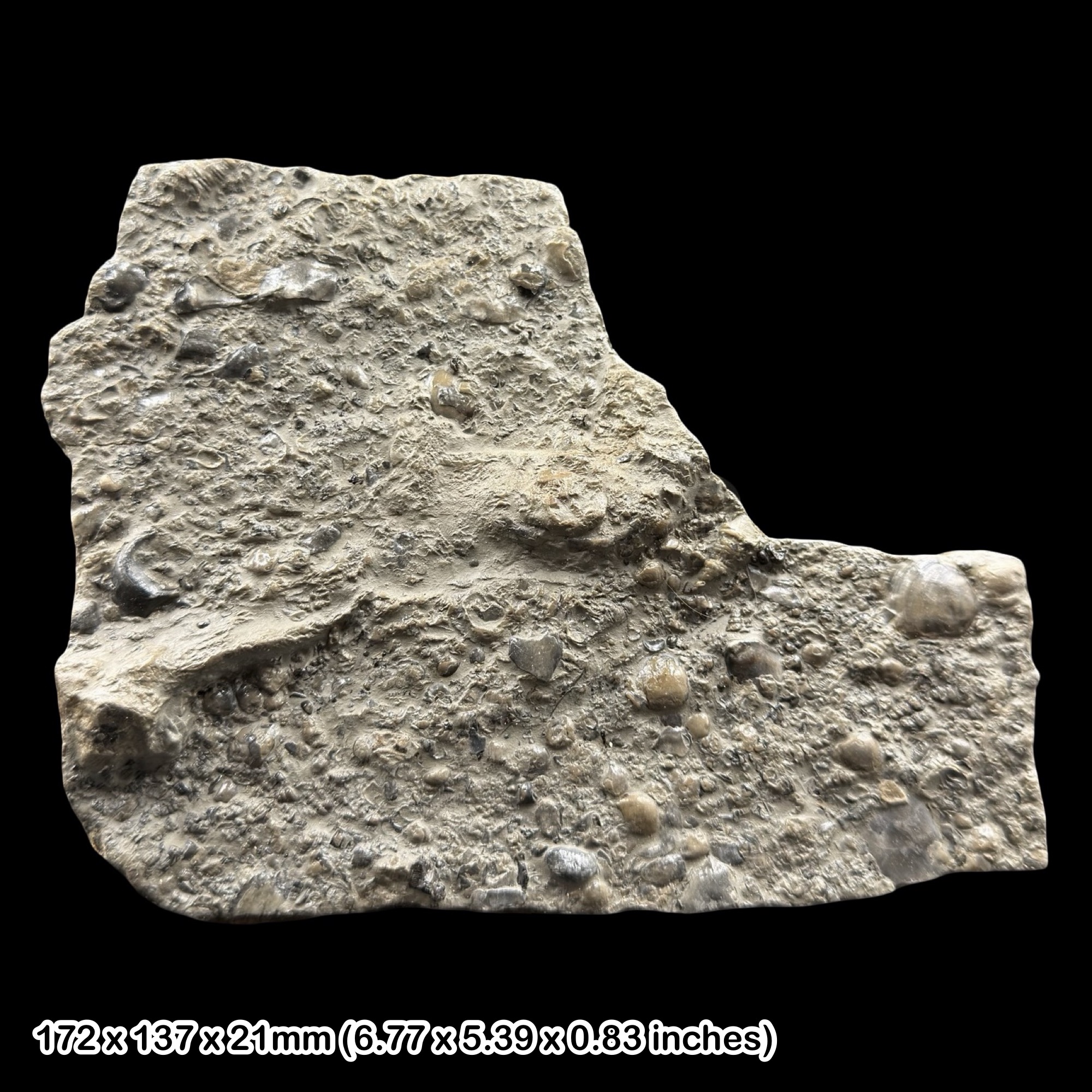
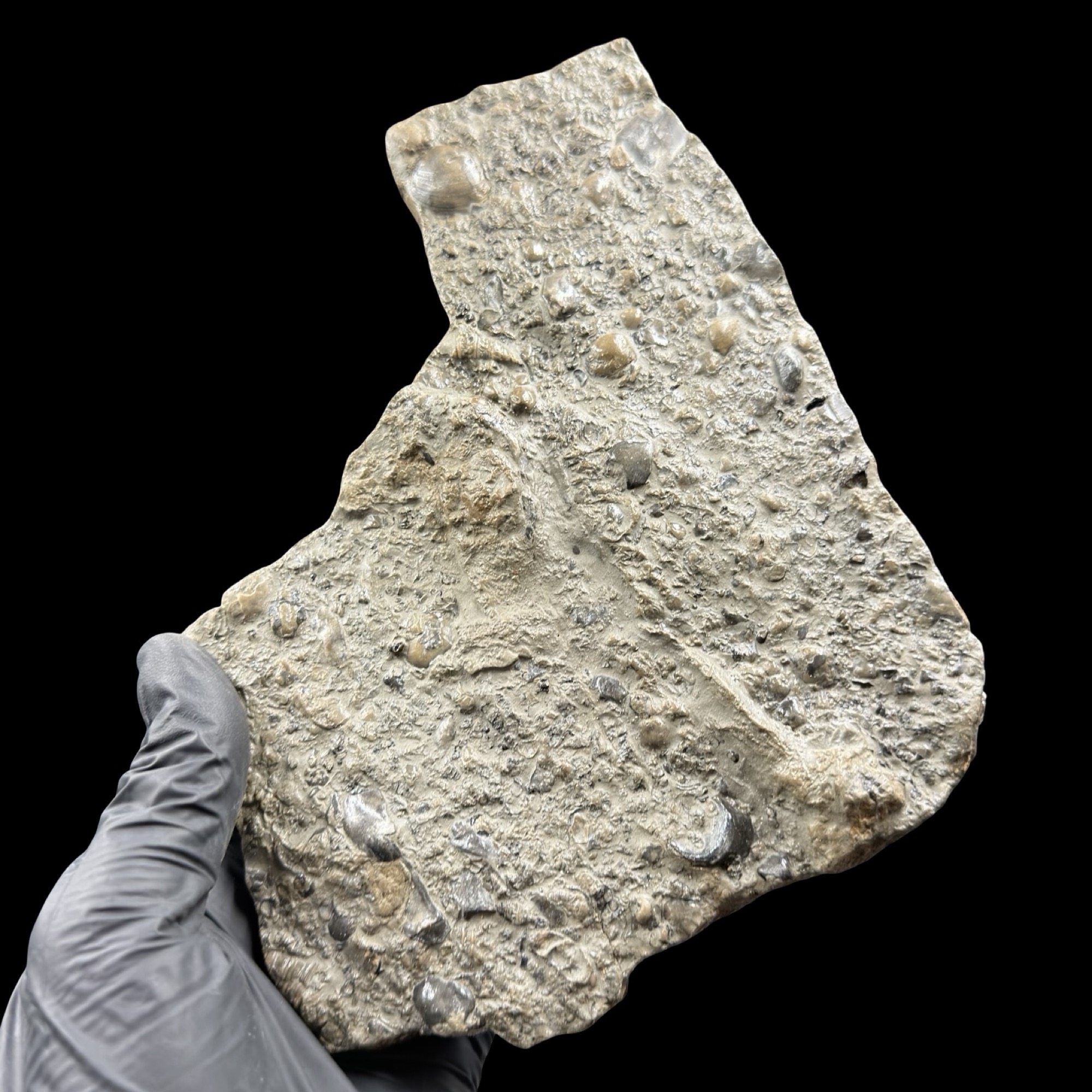
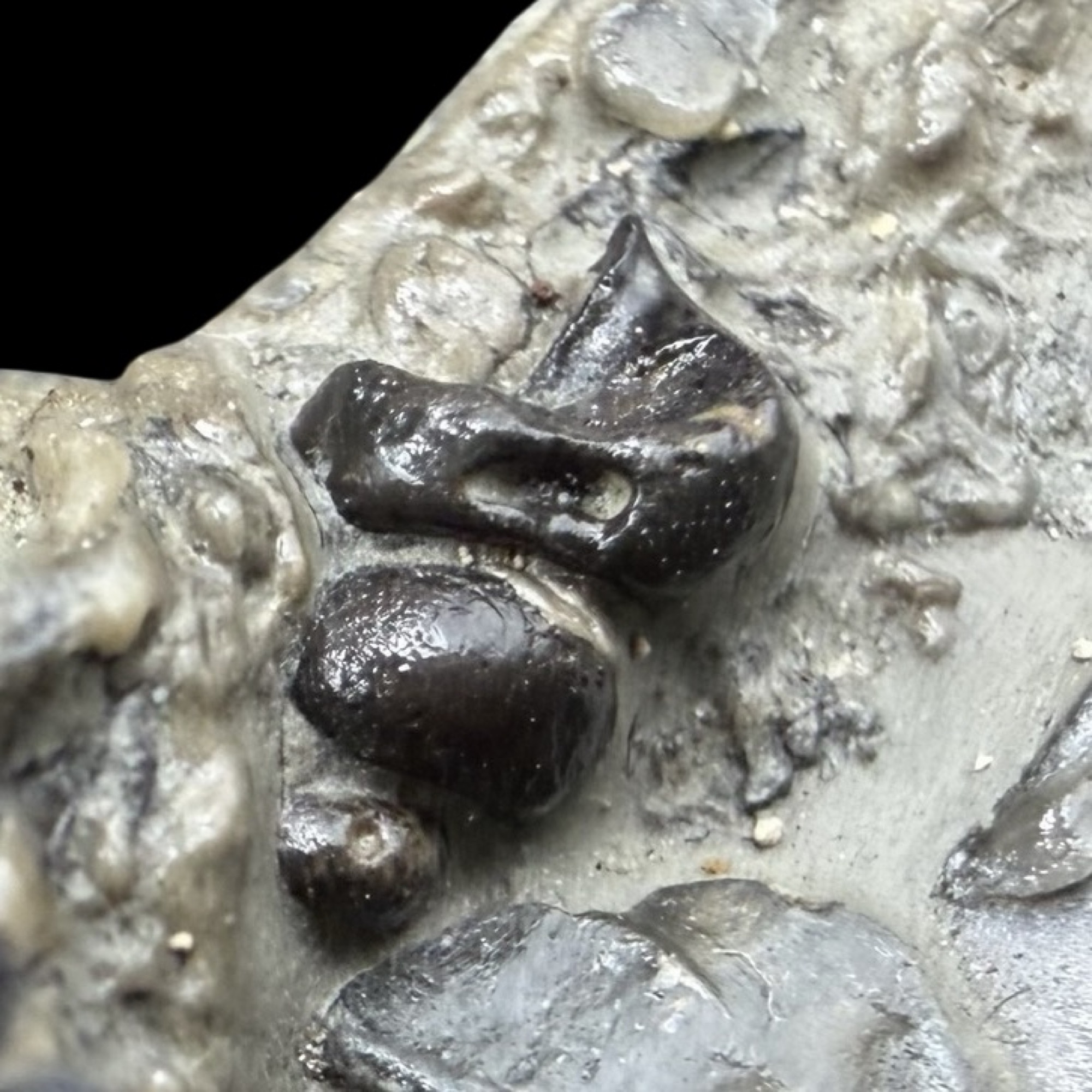
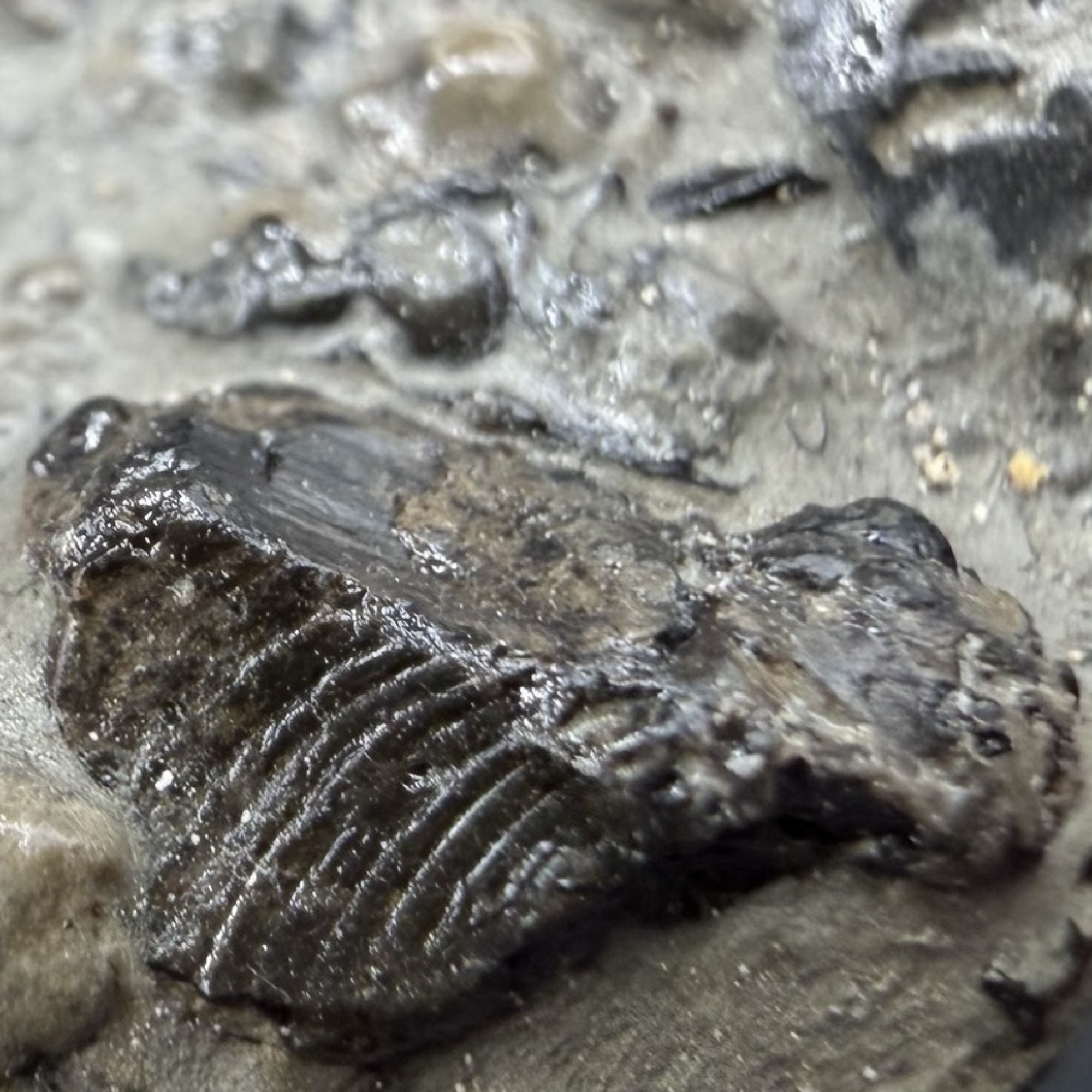
Fossil Bivalve with Fish Bones Vectis Formation Isle of Wight Cretaceous Block Genuine Specimen Certificate Authenticity UK Rare Display
£ 24.00
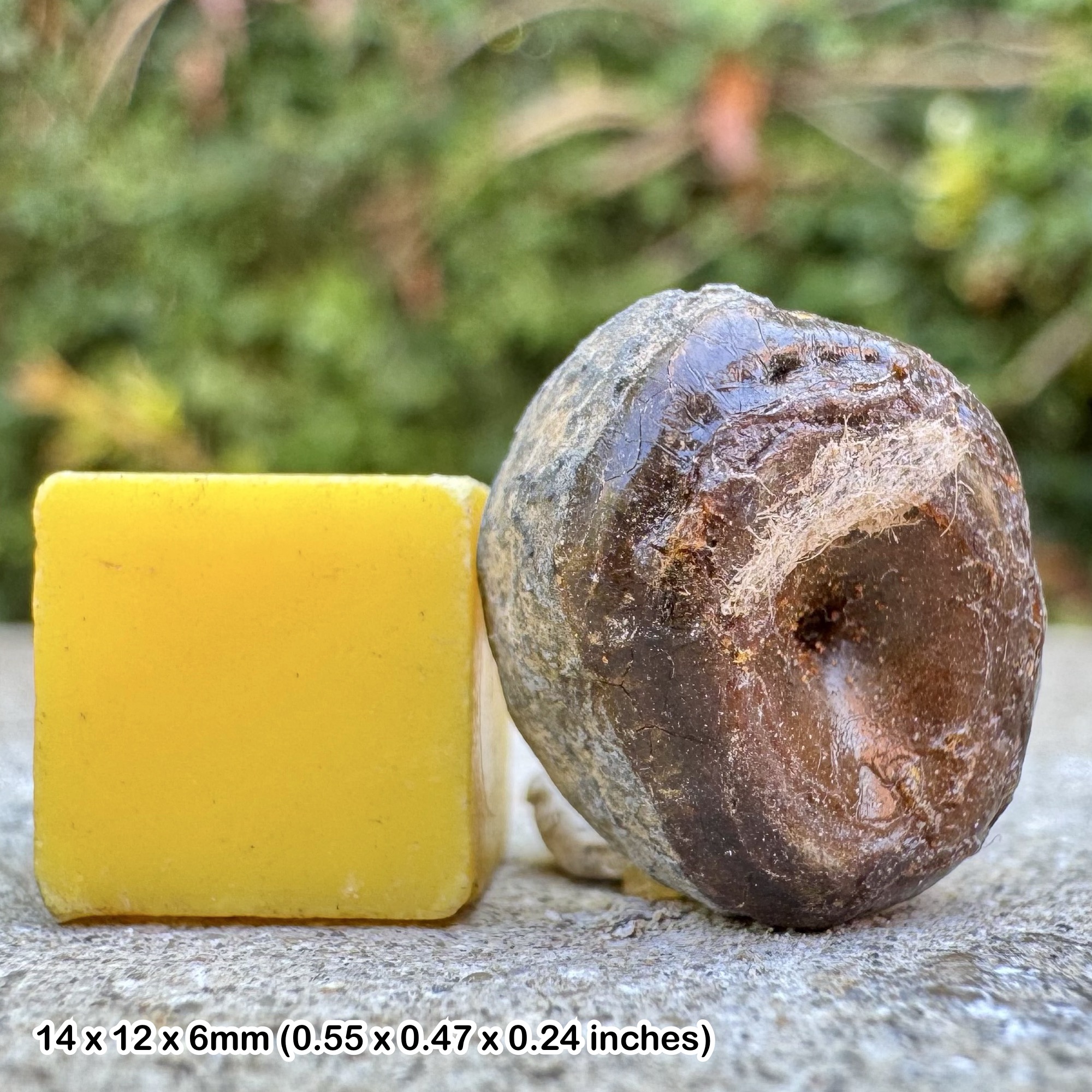
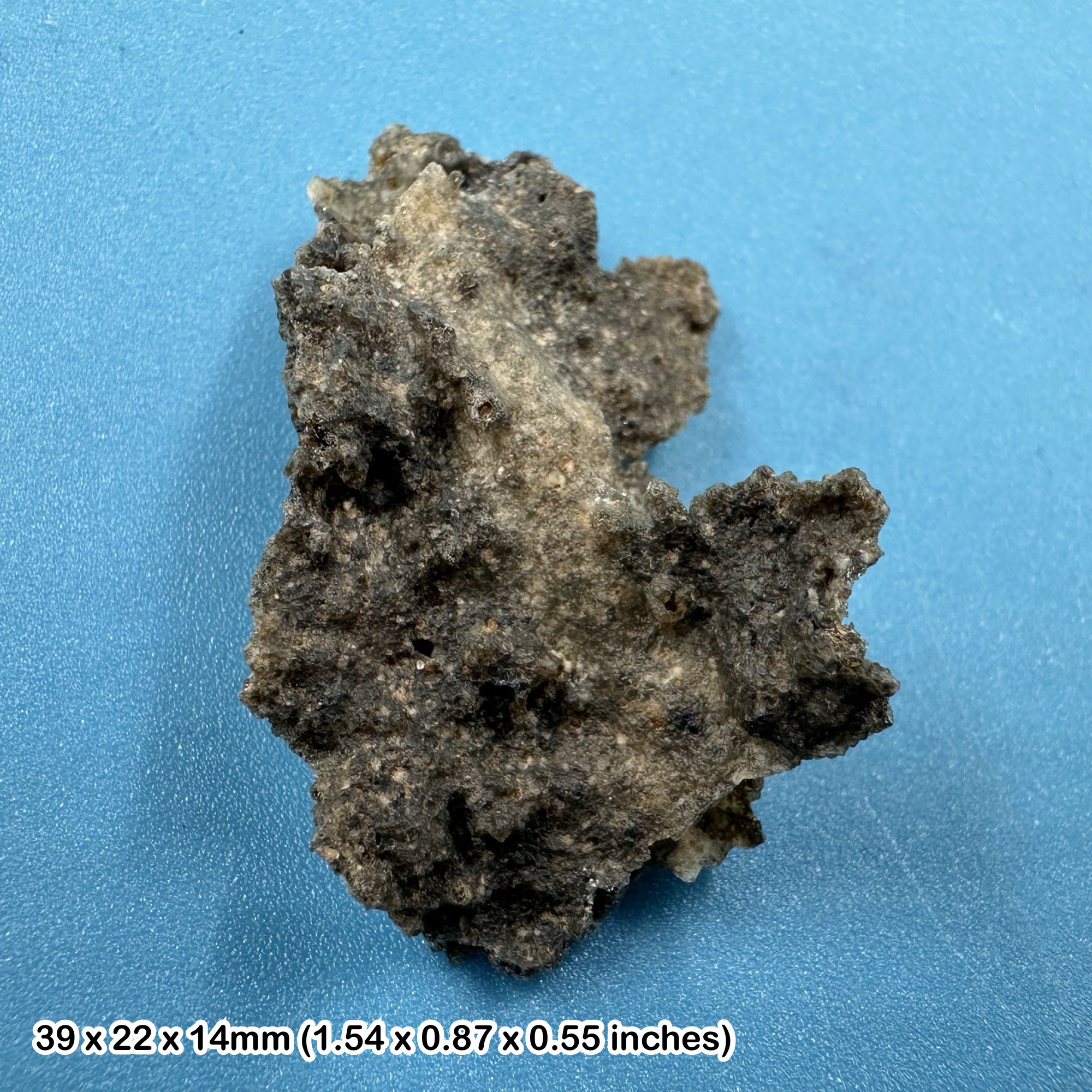
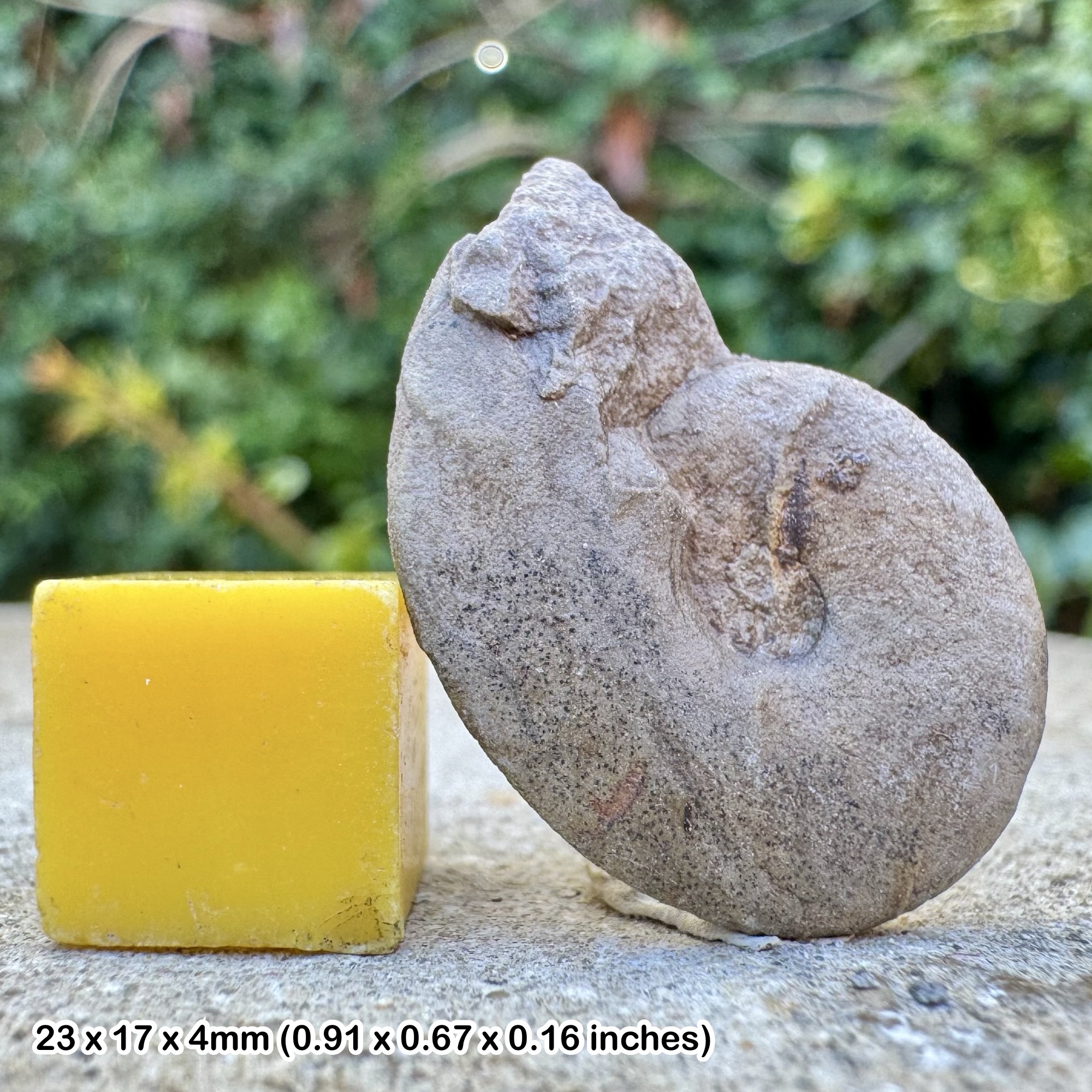
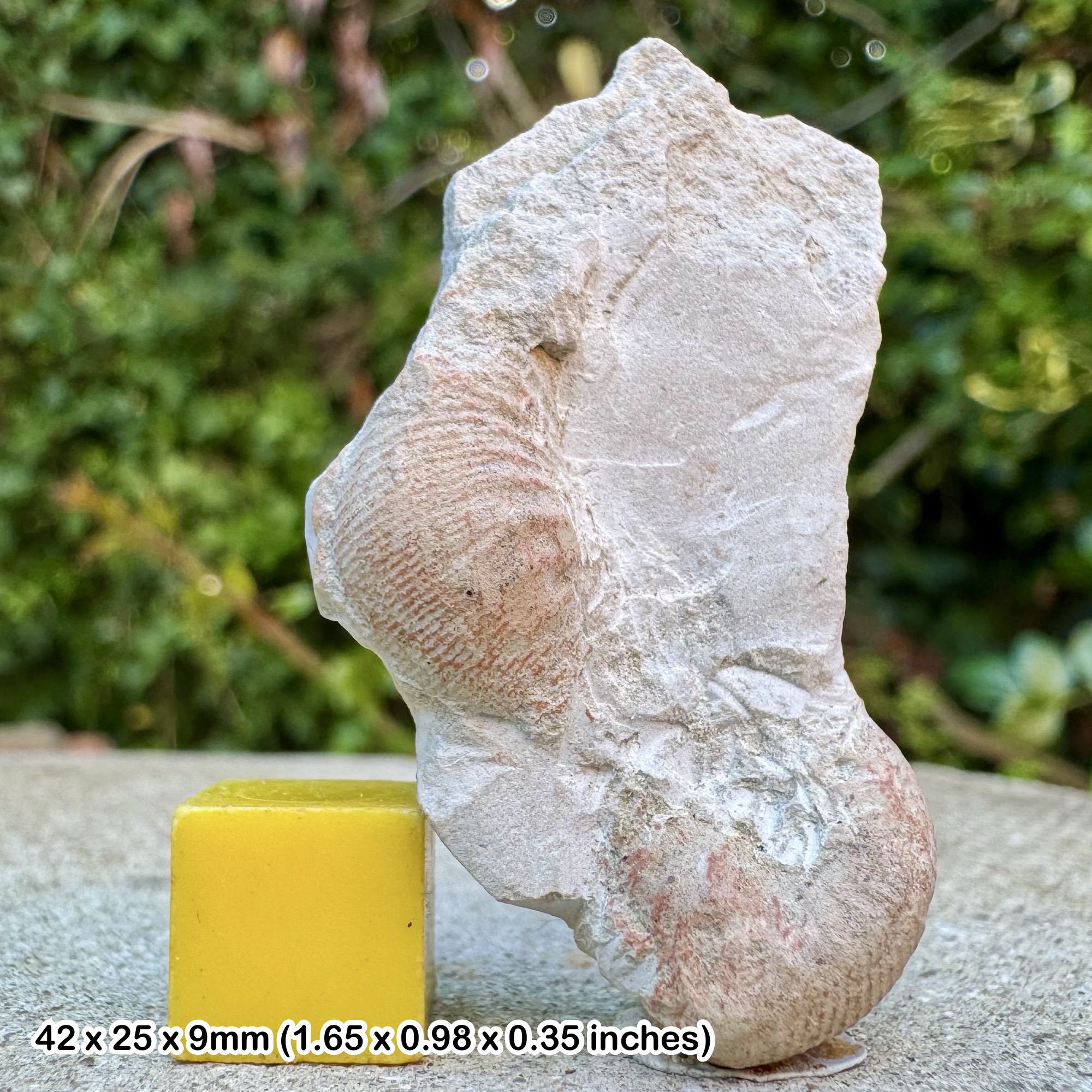
Atherfield Fossil Bivalve with Fish Bones – Vectis Formation, Isle of WightThis fascinating fossil specimen features a preserved Atherfield bivalve
embedded within a natural Vectis Formation block, accompanied by small fossilised fish bones. Recovered from Atherfield on the Isle of Wight, this piece dates to the Barremian stage of the Lower Cretaceous period, approximately 125 million years ago. It offers a rare and visually striking combination of invertebrate and vertebrate remains within a single matrix, capturing a moment of ancient ecosystem interaction.Discovered by our trusted team members, Alister and Alison, this fossil has been carefully cleaned, prepared, and treated by Alison to reveal its natural features while maintaining structural integrity. The specimen shown in the images is the exact piece you will receive, making it a unique and highly collectible example.Geological Setting and Depositional EnvironmentThe Vectis Formation is part of the Wealden Group and represents a complex lagoonal and coastal plain environment. During the Barremian, this region experienced fluctuating conditions between freshwater, brackish, and occasional marine influence. These shifting environments supported a wide variety of life, from molluscs and fish to reptiles and plant material.The presence of both a bivalve and fish bones within the same block reflects these dynamic depositional conditions. Fine-grained sediments allowed rapid burial, preserving delicate structures and enabling the formation of multi-species fossil assemblages. Shell-rich horizons indicate intervals of increased salinity and marine incursion, creating ideal conditions for bivalve colonisation.Bivalve Fossil CharacteristicsThe bivalve within this specimen displays the typical features of fossil molluscs, including a preserved shell form with subtle curvature and growth lines. Bivalves from the Lower Cretaceous are known for their adaptability to varying salinity levels, often thriving in transitional environments such as lagoons and estuaries.The shell structure is composed of calcium carbonate, and fossilisation has preserved its external morphology, allowing clear observation of its natural form. The positioning within the matrix adds depth and visual interest, highlighting the fossil’s original orientation within the sediment.Fish Bone Inclusion and Scientific InterestThe inclusion of small fish bones adds a significant layer of interest to this specimen. Fish remains from the Vectis Formation are typically preserved as mineralised bone fragments, often retaining fine structural detail despite their age.These bones provide insight into the vertebrate life that coexisted alongside bivalves in this environment. Their presence within the same block suggests either post-mortem accumulation or shared depositional conditions, offering a snapshot of the ancient ecosystem.The combination of invertebrate shell material and vertebrate remains makes this fossil particularly desirable for collectors and those interested in palaeoecology.Preservation and PreparationThis specimen has been expertly prepared by Alison to enhance visibility while preserving the natural matrix. The contrast between the fossil elements and the surrounding rock allows both the bivalve and fish bones to stand out clearly.Natural mineralisation and subtle colour variations add to the specimen’s authenticity and aesthetic appeal. Full sizing details can be confirmed through the accompanying photographs.Authenticity and ProvenanceThis fossil is 100% genuine and includes a Certificate of Authenticity lifetime guarantee card, providing assurance of its origin and identification. Each specimen is responsibly sourced and handled directly by our team, ensuring full traceability from discovery through to preparation.Collector Appeal and Display ValueFossils from the Isle of Wight are highly regarded for their diversity and quality of preservation. This specimen stands out due to its mixed fossil content, combining a well-preserved bivalve with associated fish remains in a natural block.Ideal for collectors of Cretaceous fossils, marine life, or British geological specimens, this piece offers both scientific value and strong visual appeal. Whether displayed in a cabinet, study, or educational setting, it provides a compelling glimpse into the complex ecosystems of the Early Cretaceous period.
embedded within a natural Vectis Formation block, accompanied by small fossilised fish bones. Recovered from Atherfield on the Isle of Wight, this piece dates to the Barremian stage of the Lower Cretaceous period, approximately 125 million years ago. It offers a rare and visually striking combination of invertebrate and vertebrate remains within a single matrix, capturing a moment of ancient ecosystem interaction.Discovered by our trusted team members, Alister and Alison, this fossil has been carefully cleaned, prepared, and treated by Alison to reveal its natural features while maintaining structural integrity. The specimen shown in the images is the exact piece you will receive, making it a unique and highly collectible example.Geological Setting and Depositional EnvironmentThe Vectis Formation is part of the Wealden Group and represents a complex lagoonal and coastal plain environment. During the Barremian, this region experienced fluctuating conditions between freshwater, brackish, and occasional marine influence. These shifting environments supported a wide variety of life, from molluscs and fish to reptiles and plant material.The presence of both a bivalve and fish bones within the same block reflects these dynamic depositional conditions. Fine-grained sediments allowed rapid burial, preserving delicate structures and enabling the formation of multi-species fossil assemblages. Shell-rich horizons indicate intervals of increased salinity and marine incursion, creating ideal conditions for bivalve colonisation.Bivalve Fossil CharacteristicsThe bivalve within this specimen displays the typical features of fossil molluscs, including a preserved shell form with subtle curvature and growth lines. Bivalves from the Lower Cretaceous are known for their adaptability to varying salinity levels, often thriving in transitional environments such as lagoons and estuaries.The shell structure is composed of calcium carbonate, and fossilisation has preserved its external morphology, allowing clear observation of its natural form. The positioning within the matrix adds depth and visual interest, highlighting the fossil’s original orientation within the sediment.Fish Bone Inclusion and Scientific InterestThe inclusion of small fish bones adds a significant layer of interest to this specimen. Fish remains from the Vectis Formation are typically preserved as mineralised bone fragments, often retaining fine structural detail despite their age.These bones provide insight into the vertebrate life that coexisted alongside bivalves in this environment. Their presence within the same block suggests either post-mortem accumulation or shared depositional conditions, offering a snapshot of the ancient ecosystem.The combination of invertebrate shell material and vertebrate remains makes this fossil particularly desirable for collectors and those interested in palaeoecology.Preservation and PreparationThis specimen has been expertly prepared by Alison to enhance visibility while preserving the natural matrix. The contrast between the fossil elements and the surrounding rock allows both the bivalve and fish bones to stand out clearly.Natural mineralisation and subtle colour variations add to the specimen’s authenticity and aesthetic appeal. Full sizing details can be confirmed through the accompanying photographs.Authenticity and ProvenanceThis fossil is 100% genuine and includes a Certificate of Authenticity lifetime guarantee card, providing assurance of its origin and identification. Each specimen is responsibly sourced and handled directly by our team, ensuring full traceability from discovery through to preparation.Collector Appeal and Display ValueFossils from the Isle of Wight are highly regarded for their diversity and quality of preservation. This specimen stands out due to its mixed fossil content, combining a well-preserved bivalve with associated fish remains in a natural block.Ideal for collectors of Cretaceous fossils, marine life, or British geological specimens, this piece offers both scientific value and strong visual appeal. Whether displayed in a cabinet, study, or educational setting, it provides a compelling glimpse into the complex ecosystems of the Early Cretaceous period.
Other Products