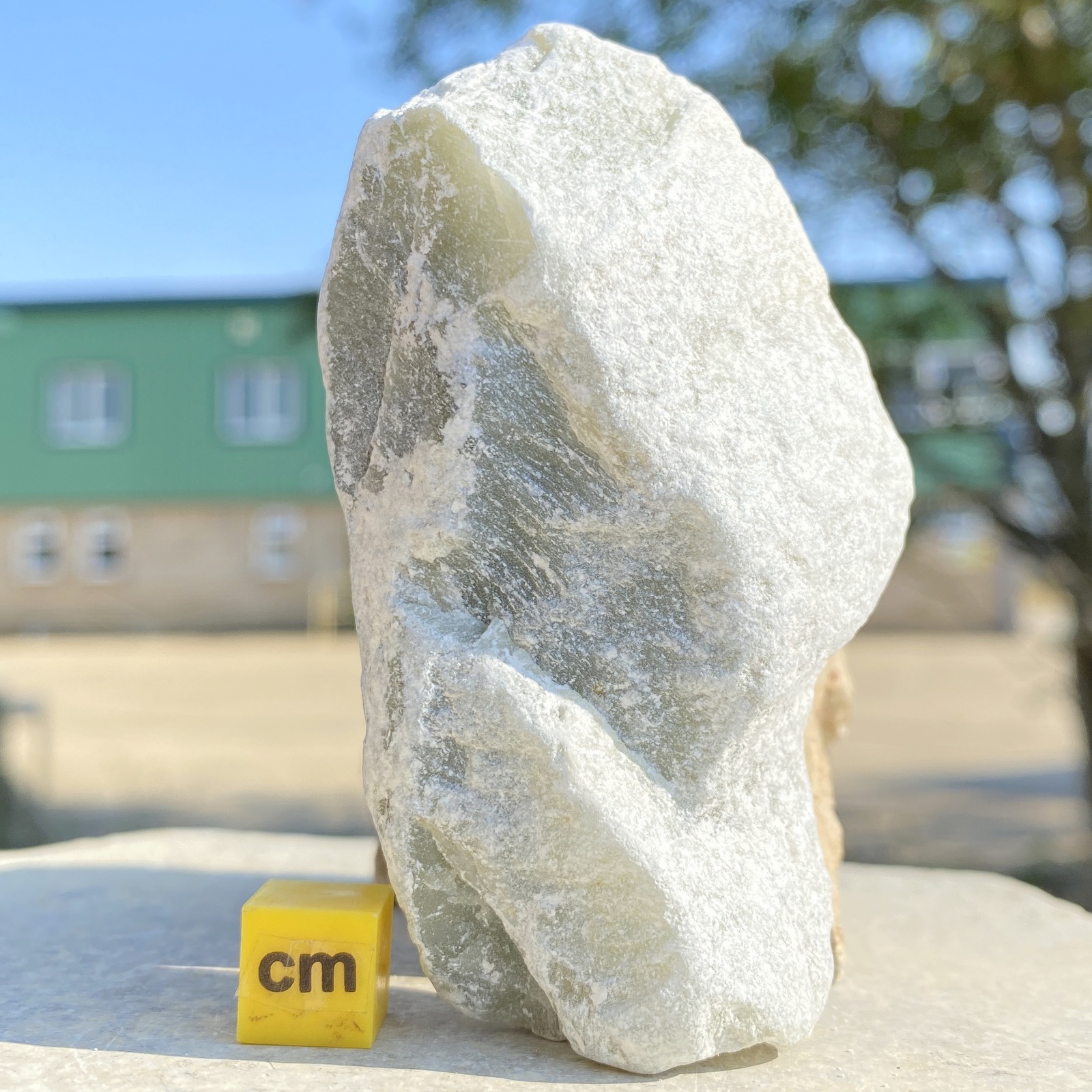
Talc Mineral Egypt Natural Soft Magnesium Silicate Crystal Specimen 60-80mm Genuine Collector Display Stone with Certificate
£ 9.00
NATURAL TALC MINERAL SPECIMEN – EGYPTThis genuine Talc mineral specimen from Egypt is a carefully selected natural
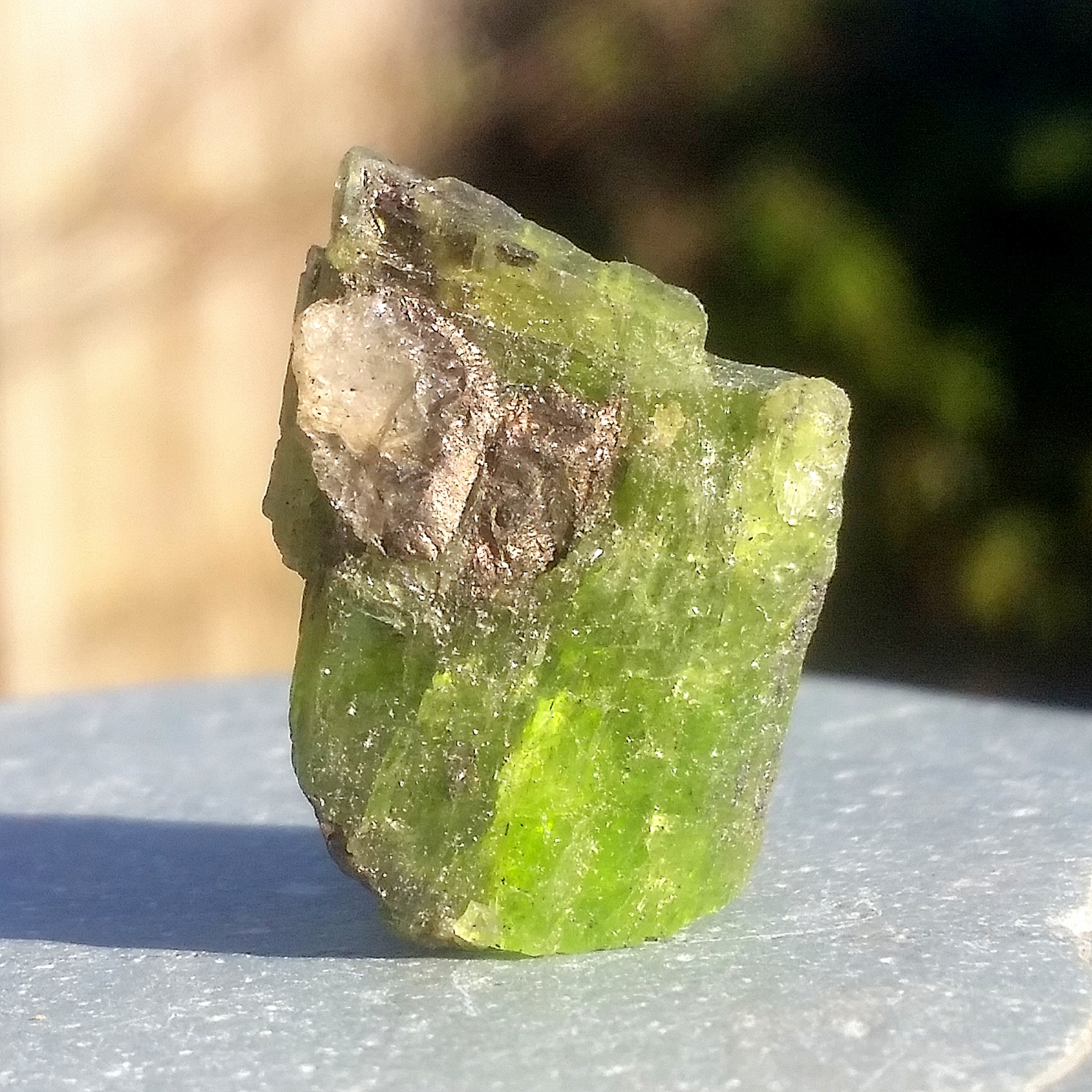
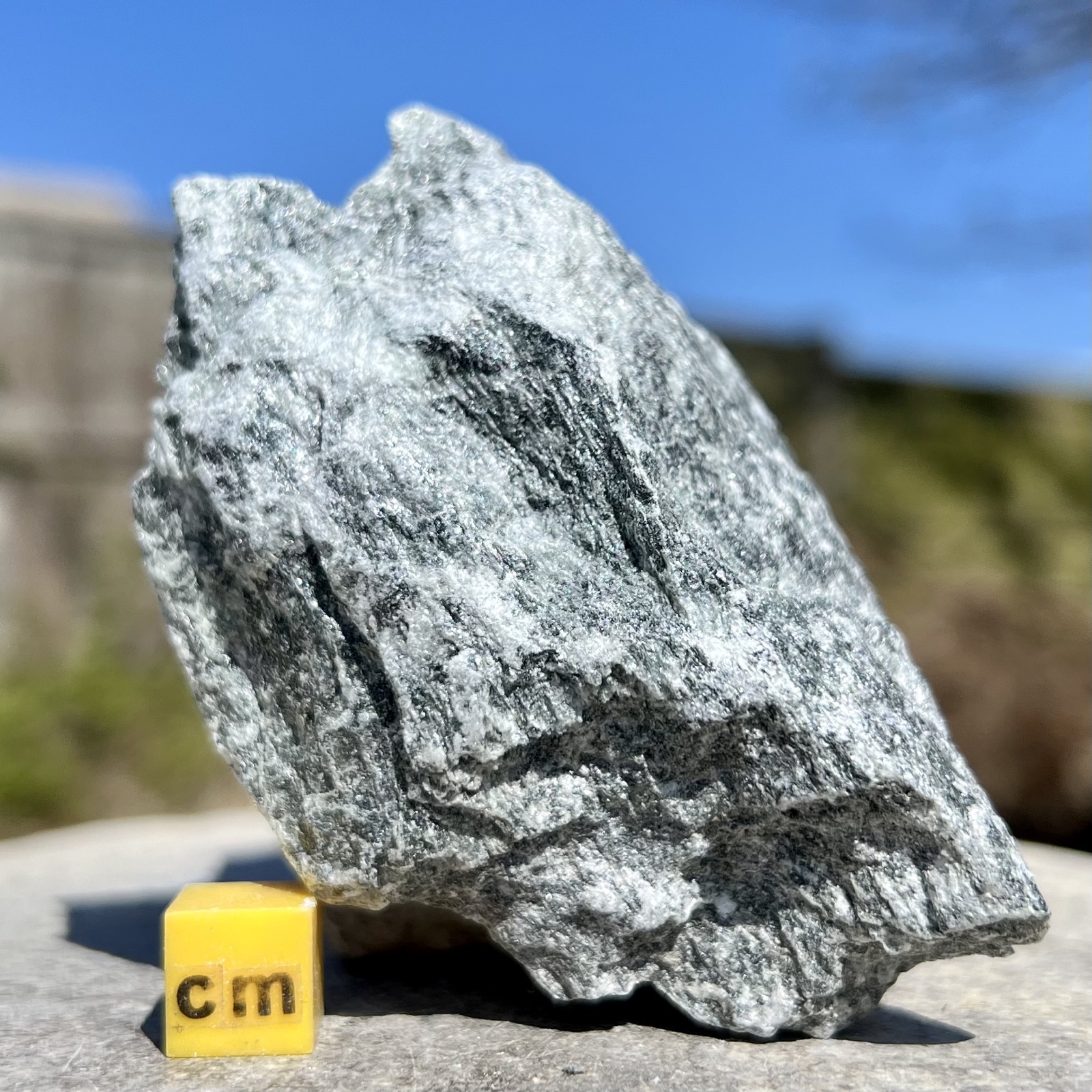
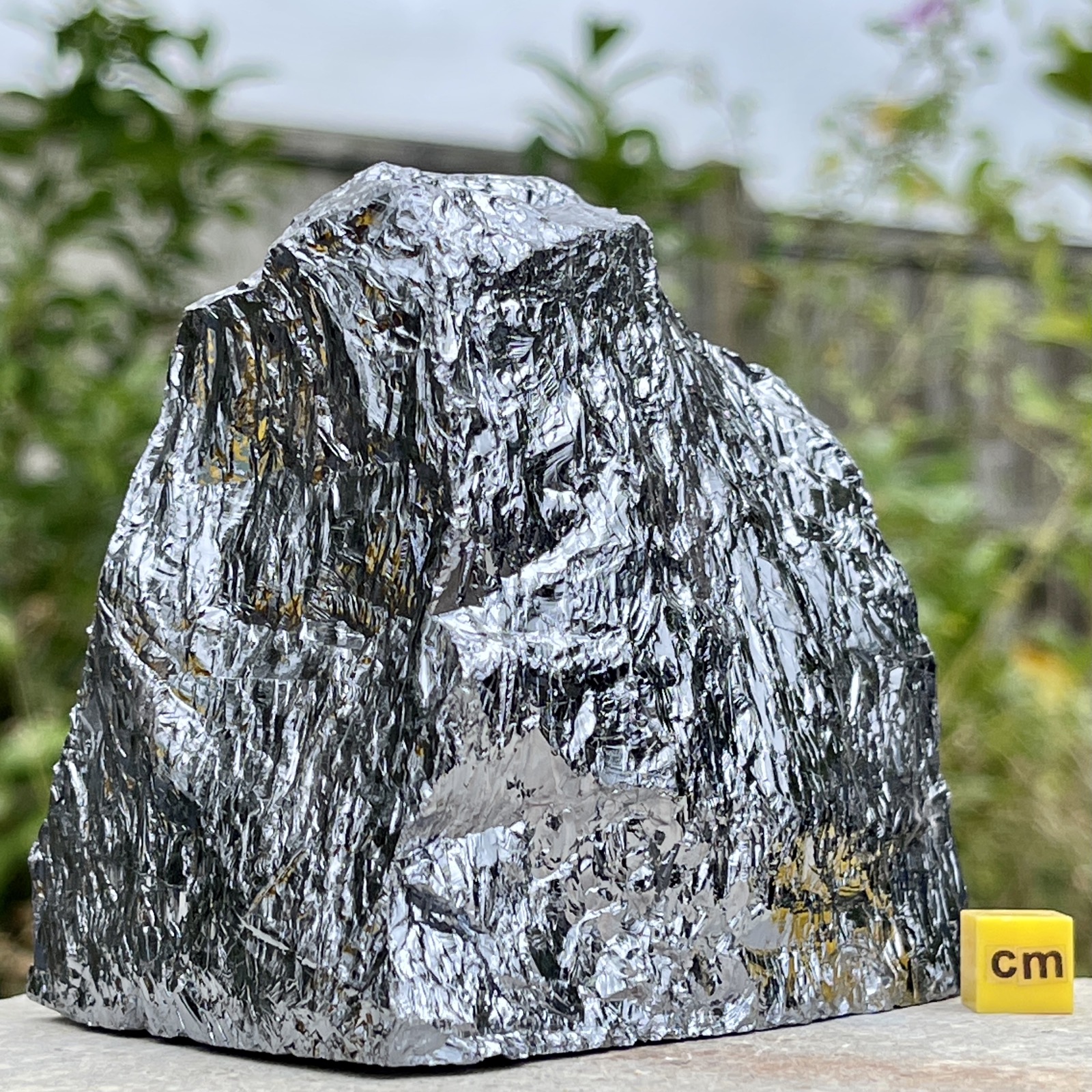
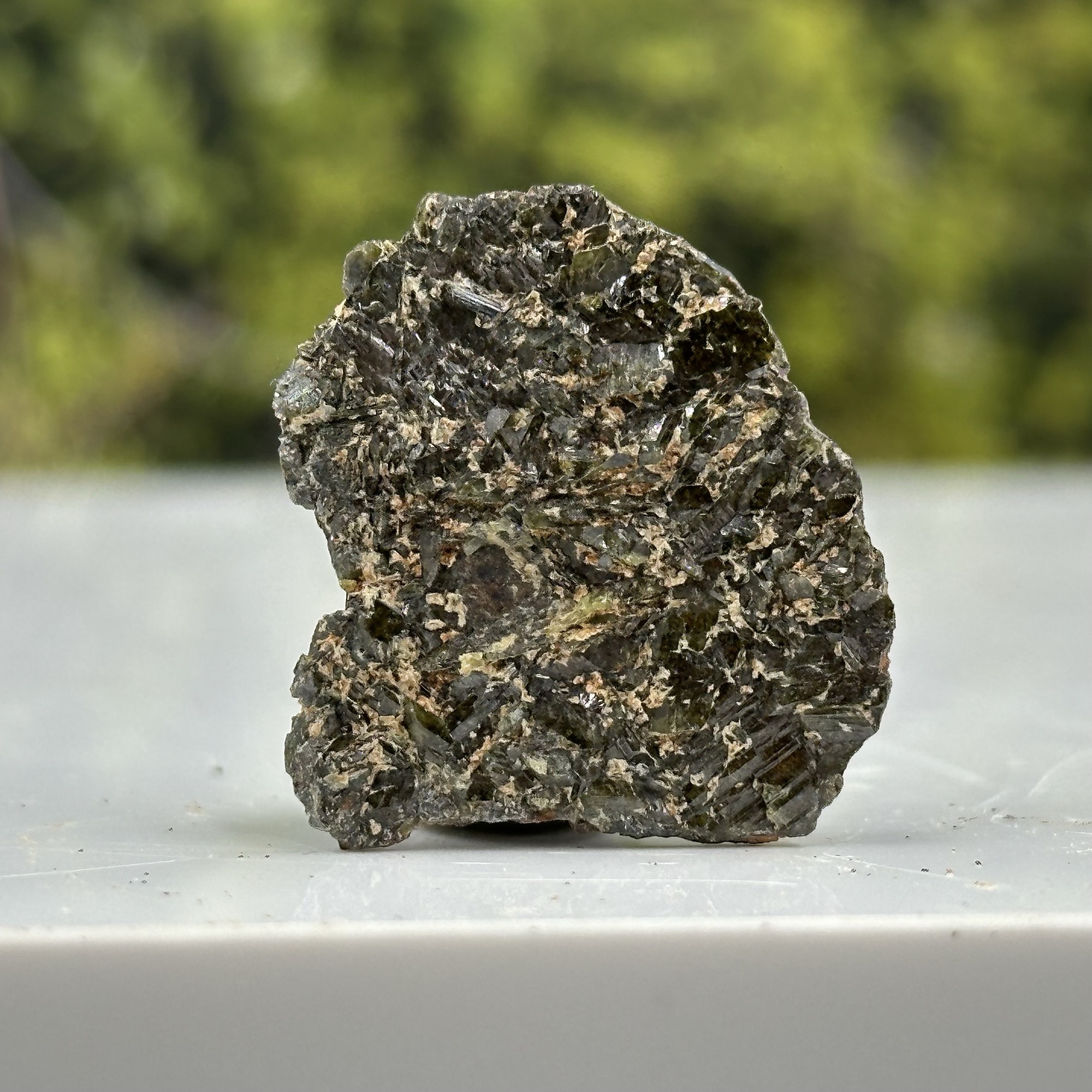
crystal piece, chosen for its texture, structure, and collector appeal. Each specimen measures approximately 60–80mm, offering a substantial display size suitable for mineral collections, educational study, or decorative presentation. The photograph shows an example of the actual specimen you will receive. Please refer to the listing images for full sizing and natural variation within this range.Your Talc specimen includes a Certificate of Authenticity lifetime guarantee generic card, confirming it is a 100% genuine natural mineral from Egypt. MINERAL SPECIES & CHEMICAL COMPOSITIONTalc is a hydrous magnesium silicate mineral with the chemical formula:Mg₃Si₄O₁₀(OH)₂It belongs to the phyllosilicate mineral group, characterised by sheet-like crystal structures. Talc crystallises in the monoclinic crystal system, though well-formed crystals are relatively rare; it more commonly occurs in massive, foliated, or compact forms.Key mineralogical properties include:
• Mineral Group: Phyllosilicate
• Crystal System: Monoclinic
• Hardness: 1 on the Mohs scale (the softest known mineral)
• Lustre: Pearly to greasy
• Colour: White, pale green, grey, or off-white
• Streak: WhiteTalc’s sheet silicate structure gives it a characteristic smooth, soapy feel, which is one of its most recognisable physical properties. GEOLOGICAL FORMATION – EGYPTIAN DEPOSITSTalc typically forms through the metamorphism of magnesium-rich rocks such as serpentinite, dolostone, or other ultramafic rocks. In Egypt, talc deposits are often associated with ancient metamorphic terrains and ophiolitic complexes where tectonic activity facilitated mineral transformation under heat and pressure.During metamorphism, silica-bearing fluids interact with magnesium-rich rocks, leading to the formation of talc along with associated minerals such as magnesite, chlorite, serpentine, or dolomite. These geological processes create compact, fine-grained talc masses suitable for specimen collection.Egyptian talc is valued for its clean structure and natural pale tones, reflecting its metamorphic origin. APPEARANCE & PHYSICAL CHARACTERISTICSThis 60–80mm talc specimen may display a soft, matte to slightly pearly surface with subtle variations in colour depending on associated mineral content. Some pieces may show foliated or layered textures typical of phyllosilicate minerals.Natural features can include:
• Slight surface sheen
• Fine-grained or compact structure
• Minor matrix attachment
• Subtle tonal variationNo artificial treatments or enhancements have been applied beyond careful cleaning. Natural surface marks or inclusions are part of its geological authenticity. COLLECTING & EDUCATIONAL VALUEAs the softest mineral on the Mohs hardness scale, Talc holds particular importance in mineralogy education and comparative hardness studies. It serves as the reference mineral for hardness value 1.This specimen is suitable for:
• Mineral hardness study sets
• Metamorphic rock collections
• Educational geology displays
• Collector cabinets
• Natural stone decor arrangementsTalc has been traditionally associated in some spiritual contexts with calm and balance; these associations are belief-based rather than scientific. AUTHENTICITY & INDIVIDUAL SELECTIONEach Talc specimen is a carefully chosen genuine mineral from Egypt. The listing photograph shows an example of the actual specimen you will receive within the stated 60–80mm size range. Please review all images for scale and expected natural variation.Every piece is supplied with a Certificate of Authenticity lifetime guarantee generic card, confirming its genuine natural origin.A classic example of phyllosilicate mineral formation, this Egyptian Talc specimen offers geological significance, distinctive texture, and strong educational value, making it a noteworthy addition to any serious mineral collection.
crystal piece, chosen for its texture, structure, and collector appeal. Each specimen measures approximately 60–80mm, offering a substantial display size suitable for mineral collections, educational study, or decorative presentation. The photograph shows an example of the actual specimen you will receive. Please refer to the listing images for full sizing and natural variation within this range.Your Talc specimen includes a Certificate of Authenticity lifetime guarantee generic card, confirming it is a 100% genuine natural mineral from Egypt. MINERAL SPECIES & CHEMICAL COMPOSITIONTalc is a hydrous magnesium silicate mineral with the chemical formula:Mg₃Si₄O₁₀(OH)₂It belongs to the phyllosilicate mineral group, characterised by sheet-like crystal structures. Talc crystallises in the monoclinic crystal system, though well-formed crystals are relatively rare; it more commonly occurs in massive, foliated, or compact forms.Key mineralogical properties include:
• Mineral Group: Phyllosilicate
• Crystal System: Monoclinic
• Hardness: 1 on the Mohs scale (the softest known mineral)
• Lustre: Pearly to greasy
• Colour: White, pale green, grey, or off-white
• Streak: WhiteTalc’s sheet silicate structure gives it a characteristic smooth, soapy feel, which is one of its most recognisable physical properties. GEOLOGICAL FORMATION – EGYPTIAN DEPOSITSTalc typically forms through the metamorphism of magnesium-rich rocks such as serpentinite, dolostone, or other ultramafic rocks. In Egypt, talc deposits are often associated with ancient metamorphic terrains and ophiolitic complexes where tectonic activity facilitated mineral transformation under heat and pressure.During metamorphism, silica-bearing fluids interact with magnesium-rich rocks, leading to the formation of talc along with associated minerals such as magnesite, chlorite, serpentine, or dolomite. These geological processes create compact, fine-grained talc masses suitable for specimen collection.Egyptian talc is valued for its clean structure and natural pale tones, reflecting its metamorphic origin. APPEARANCE & PHYSICAL CHARACTERISTICSThis 60–80mm talc specimen may display a soft, matte to slightly pearly surface with subtle variations in colour depending on associated mineral content. Some pieces may show foliated or layered textures typical of phyllosilicate minerals.Natural features can include:
• Slight surface sheen
• Fine-grained or compact structure
• Minor matrix attachment
• Subtle tonal variationNo artificial treatments or enhancements have been applied beyond careful cleaning. Natural surface marks or inclusions are part of its geological authenticity. COLLECTING & EDUCATIONAL VALUEAs the softest mineral on the Mohs hardness scale, Talc holds particular importance in mineralogy education and comparative hardness studies. It serves as the reference mineral for hardness value 1.This specimen is suitable for:
• Mineral hardness study sets
• Metamorphic rock collections
• Educational geology displays
• Collector cabinets
• Natural stone decor arrangementsTalc has been traditionally associated in some spiritual contexts with calm and balance; these associations are belief-based rather than scientific. AUTHENTICITY & INDIVIDUAL SELECTIONEach Talc specimen is a carefully chosen genuine mineral from Egypt. The listing photograph shows an example of the actual specimen you will receive within the stated 60–80mm size range. Please review all images for scale and expected natural variation.Every piece is supplied with a Certificate of Authenticity lifetime guarantee generic card, confirming its genuine natural origin.A classic example of phyllosilicate mineral formation, this Egyptian Talc specimen offers geological significance, distinctive texture, and strong educational value, making it a noteworthy addition to any serious mineral collection.
Other Products