Aegasteroceras Ammonite Fossil Scunthorpe Mudstone Jurassic Lincolnshire UK Lower Jurassic Sinemurian Marine Cephalopod
£ 84.00
Genuine Aegasteroceras Ammonite Fossil from the Lower Jurassic of EnglandThis authentic fossil ammonite from the genus Aegasteroceras originates from the
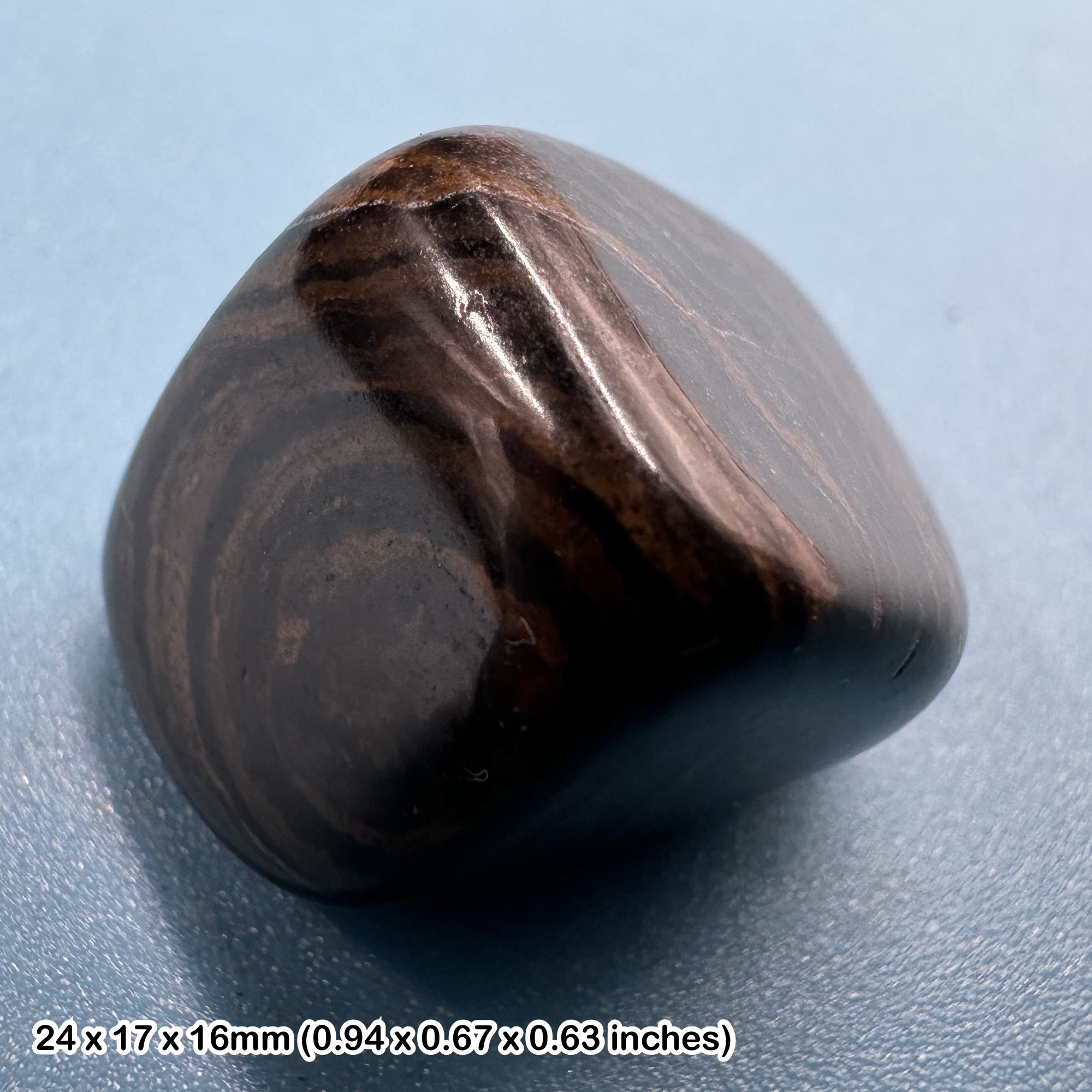
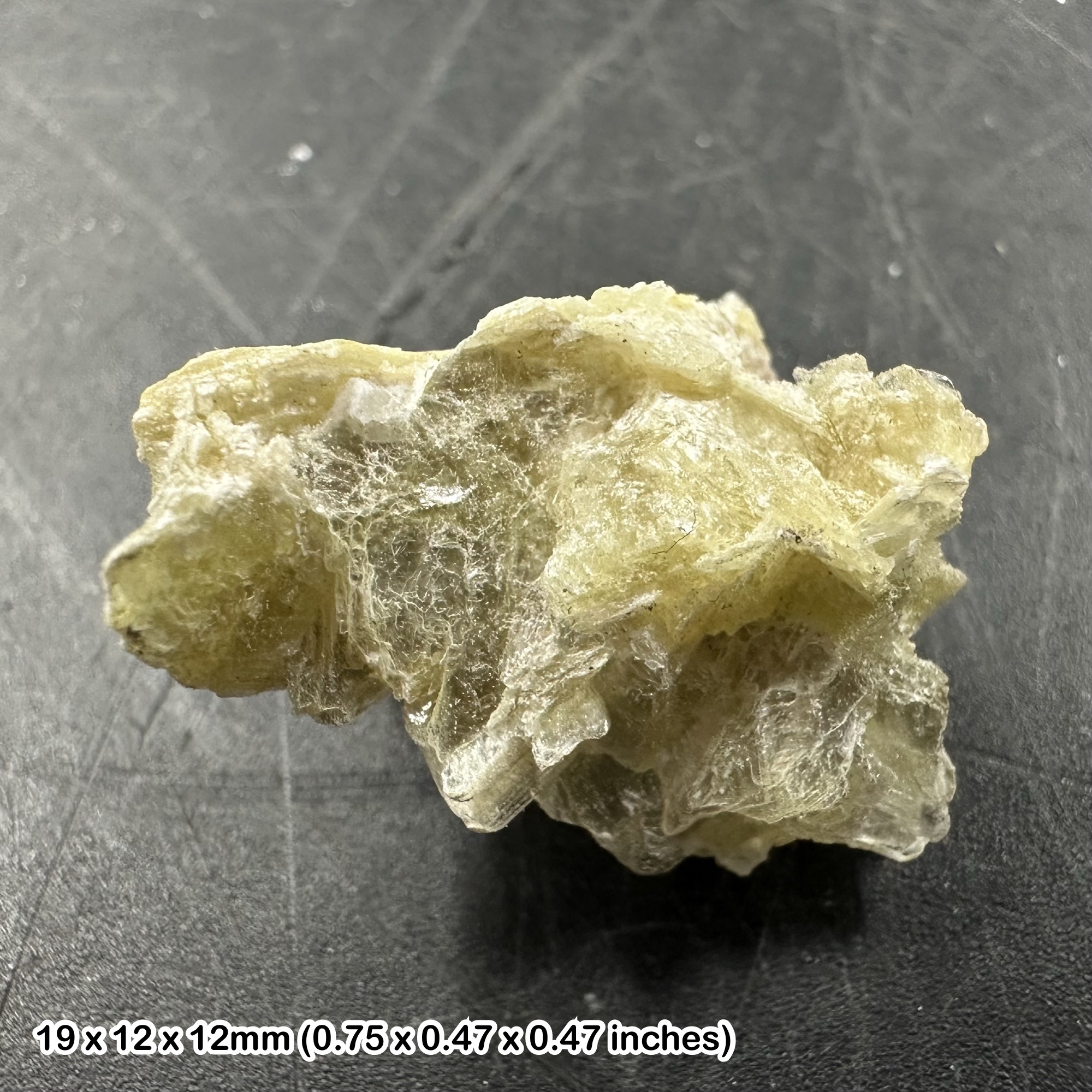
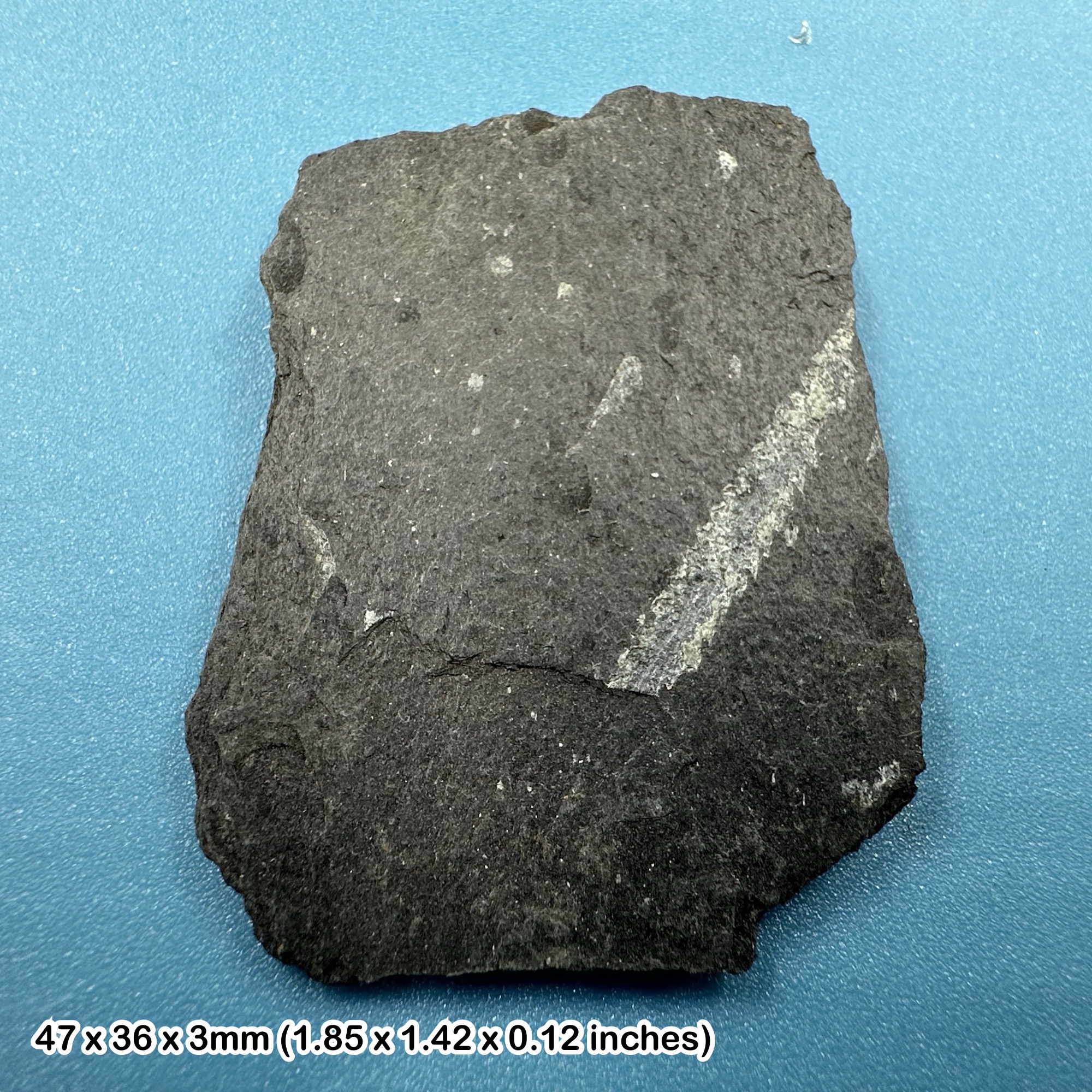
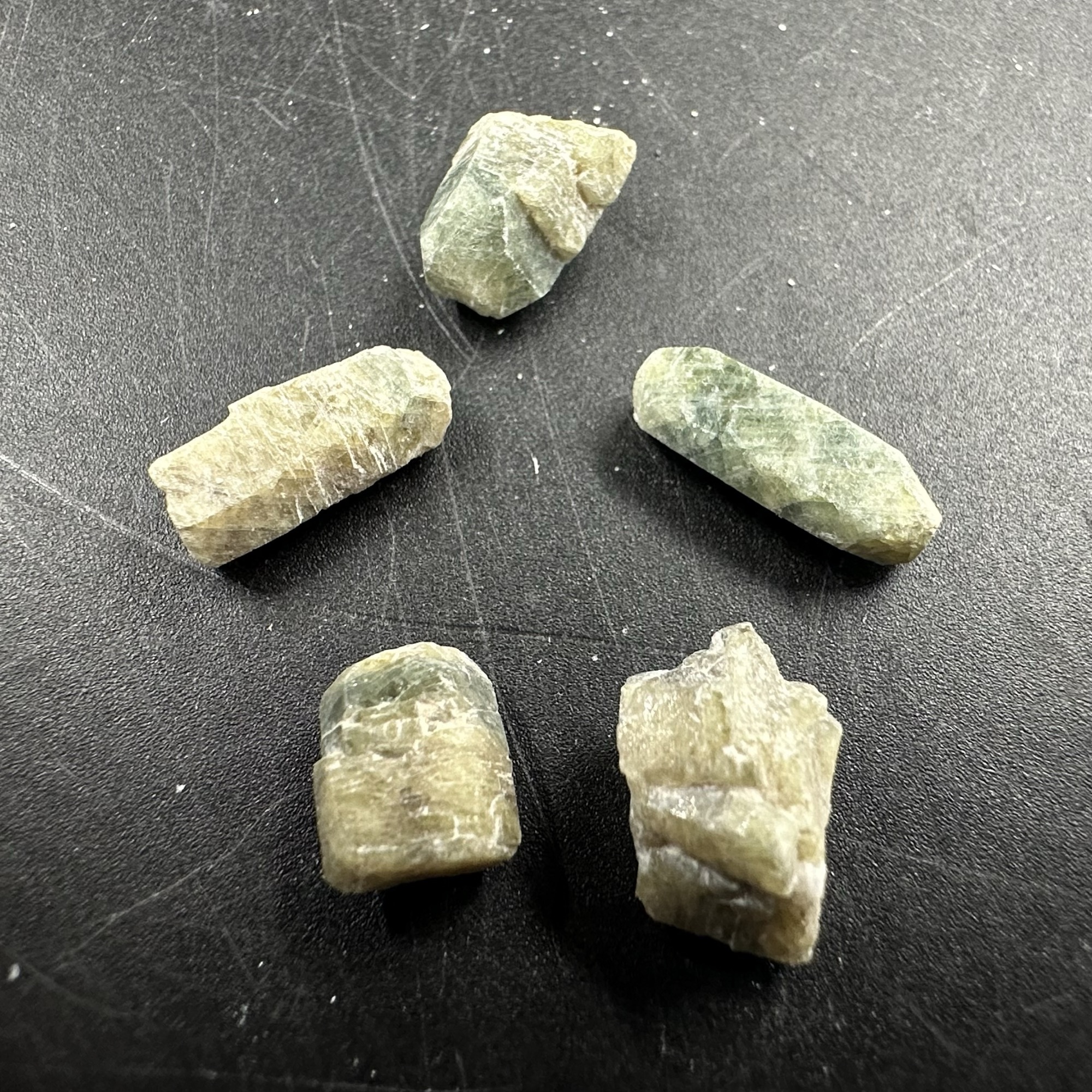
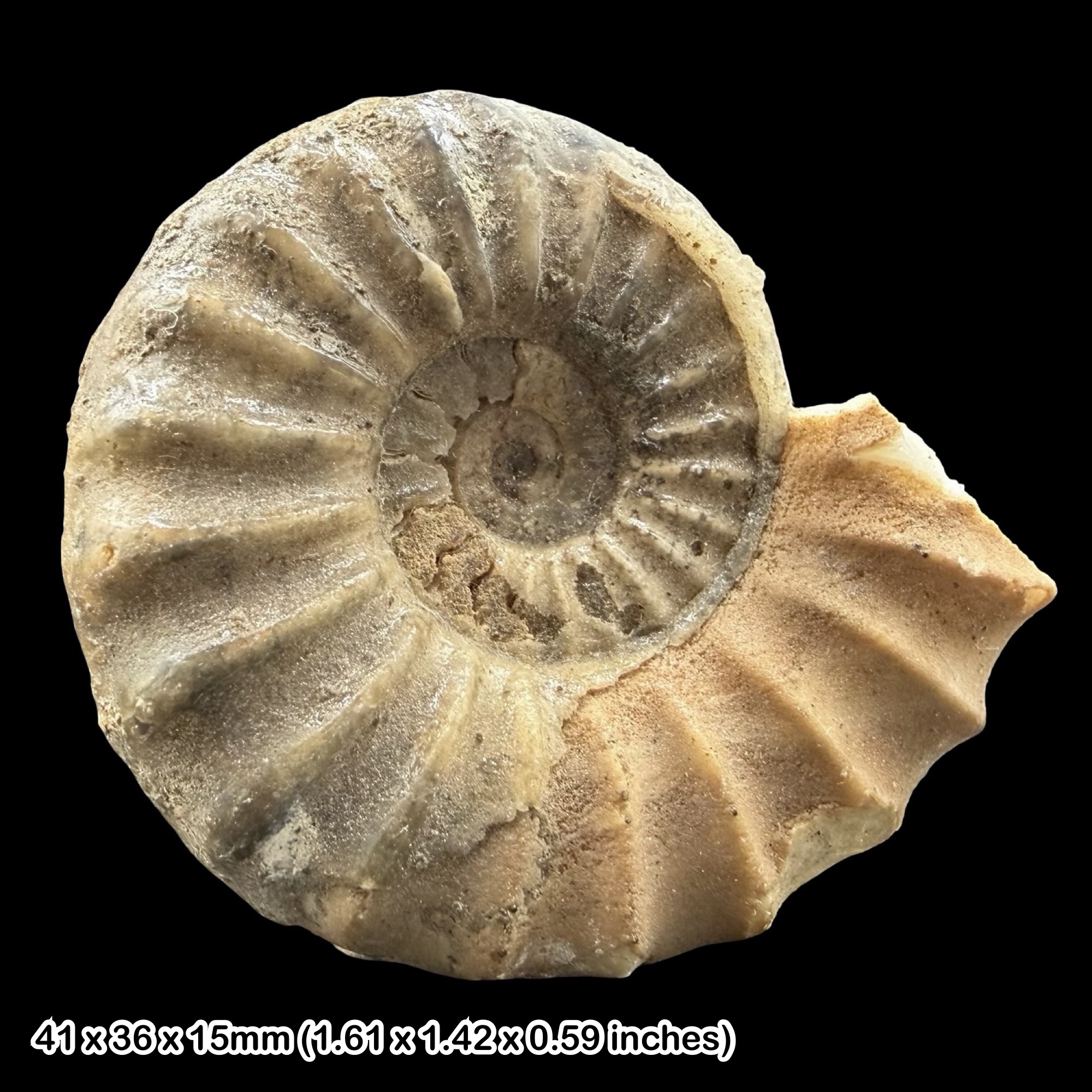
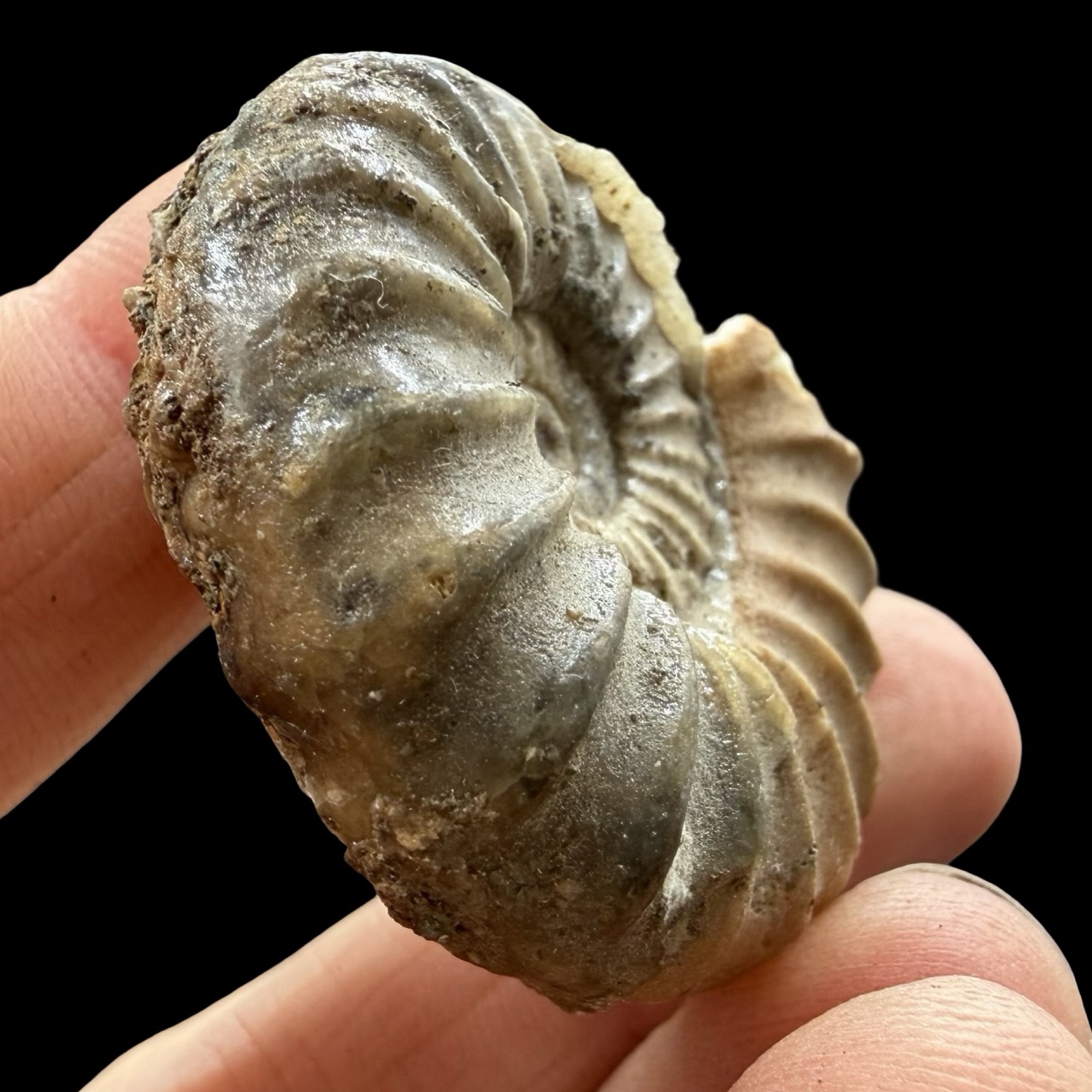
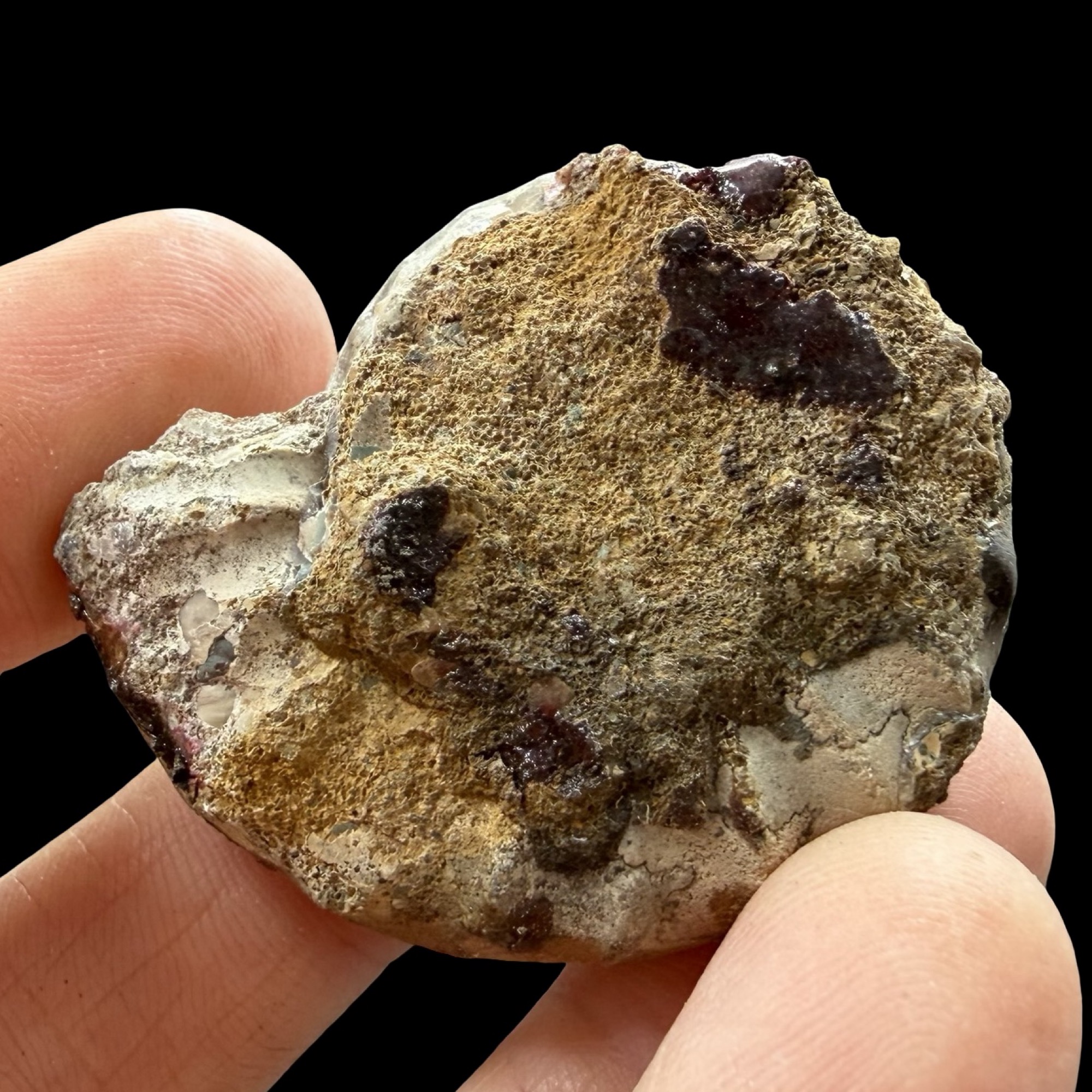
Scunthorpe Mudstone Formation of Scunthorpe, Lincolnshire, United Kingdom. Preserved within Lower Jurassic marine sediments from the Sinemurian stage, approximately 199–190 million years ago, this fossil represents a classic Early Jurassic cephalopod from the ancient seas that once covered much of Britain.The fossil has been carefully selected as an attractive example of this distinctive ammonite genus. The photographs show the exact specimen you will receive, allowing collectors and enthusiasts to view the natural preservation and morphology of the fossil in detail. Please refer to the images for the full sizing and proportions of the specimen. This fossil includes a Certificate of Authenticity lifetime guarantee generic card confirming it is a genuine natural fossil.About Aegasteroceras – An Iconic Sinemurian AmmoniteAegasteroceras is a genus of extinct ammonoid cephalopods belonging to the order Ammonitida, a highly successful group of marine molluscs that flourished during the Mesozoic Era. These animals are closely related to modern cephalopods such as squid, octopus, and cuttlefish but possessed external coiled shells divided into chambers.The genus Aegasteroceras is characteristic of the Lower Jurassic Sinemurian stage and belongs to the family Arietitidae within the superfamily Psiloceratoidea. Ammonites from this family are recognised for their strong ribbing and robust shell construction, features that are clearly displayed in well-preserved specimens.Species of Aegasteroceras are important index fossils used in biostratigraphy to identify specific layers within Lower Jurassic marine sequences. Their relatively rapid evolutionary turnover and wide geographic distribution make them valuable markers for correlating Sinemurian strata across Europe and other parts of the world.Morphology and Shell CharacteristicsAmmonites such as Aegasteroceras possessed a tightly coiled planispiral shell composed of multiple chambers separated by curved internal walls known as septa. The living animal occupied the outermost chamber while earlier chambers were sealed and filled with gas to regulate buoyancy.The shell typically displays pronounced radial ribbing that radiates across the whorls, often extending from the inner shell toward the outer rim. These ribs provided both structural strength and hydrodynamic advantages as the ammonite moved through the water.The outer rim, known as the venter, may show varying degrees of keel development depending on the species. Internally, the septa created intricate suture patterns where they met the shell wall, forming one of the defining anatomical features of ammonite fossils.Geological Setting – Scunthorpe Mudstone FormationThe Scunthorpe Mudstone Formation is a major Lower Jurassic geological unit in northern England and forms part of the Lias Group. These sediments were deposited in a shallow epicontinental sea that covered much of the region during the Early Jurassic.The formation consists primarily of grey marine mudstones and shales that accumulated on the seabed under relatively calm conditions. Fine sediments settled gradually, burying the remains of marine organisms and allowing them to fossilise over millions of years.Fossils commonly found within this formation include ammonites, bivalves, marine reptiles, and other marine invertebrates. Ammonites are particularly abundant and provide detailed information about the age and environmental conditions of the deposits.Jurassic Marine Environment of LincolnshireDuring the Sinemurian stage, the area now known as Lincolnshire lay beneath a warm shallow sea connected to the broader Tethyan Ocean system. This marine environment supported a rich and diverse ecosystem populated by ammonites, belemnites, fish, crustaceans, and marine reptiles.Ammonites such as Aegasteroceras played a central role in this ecosystem. They likely fed on small crustaceans, plankton, and other marine organisms while serving as prey for larger predators including fish and marine reptiles.Their abundance and rapid evolution make ammonites one of the most important fossil groups for understanding the geological history of the Jurassic seas.Authenticity and Collectability• Genuine fossil ammonite from the genus Aegasteroceras• Scunthorpe Mudstone Formation, Lower Jurassic• Sinemurian stage, approximately 199–190 million years old• Collected from Scunthorpe, Lincolnshire, United Kingdom• The exact fossil shown in the photographs is the specimen you will receive• Includes a Certificate of Authenticity lifetime guarantee generic cardLower Jurassic ammonites from Britain are highly desirable among fossil collectors due to their scientific significance and classic preservation. This Aegasteroceras ammonite represents a beautiful and historically important fossil from the Early Jurassic seas of England, making it a superb addition to any fossil collection, natural history display, or geological study.
Scunthorpe Mudstone Formation of Scunthorpe, Lincolnshire, United Kingdom. Preserved within Lower Jurassic marine sediments from the Sinemurian stage, approximately 199–190 million years ago, this fossil represents a classic Early Jurassic cephalopod from the ancient seas that once covered much of Britain.The fossil has been carefully selected as an attractive example of this distinctive ammonite genus. The photographs show the exact specimen you will receive, allowing collectors and enthusiasts to view the natural preservation and morphology of the fossil in detail. Please refer to the images for the full sizing and proportions of the specimen. This fossil includes a Certificate of Authenticity lifetime guarantee generic card confirming it is a genuine natural fossil.About Aegasteroceras – An Iconic Sinemurian AmmoniteAegasteroceras is a genus of extinct ammonoid cephalopods belonging to the order Ammonitida, a highly successful group of marine molluscs that flourished during the Mesozoic Era. These animals are closely related to modern cephalopods such as squid, octopus, and cuttlefish but possessed external coiled shells divided into chambers.The genus Aegasteroceras is characteristic of the Lower Jurassic Sinemurian stage and belongs to the family Arietitidae within the superfamily Psiloceratoidea. Ammonites from this family are recognised for their strong ribbing and robust shell construction, features that are clearly displayed in well-preserved specimens.Species of Aegasteroceras are important index fossils used in biostratigraphy to identify specific layers within Lower Jurassic marine sequences. Their relatively rapid evolutionary turnover and wide geographic distribution make them valuable markers for correlating Sinemurian strata across Europe and other parts of the world.Morphology and Shell CharacteristicsAmmonites such as Aegasteroceras possessed a tightly coiled planispiral shell composed of multiple chambers separated by curved internal walls known as septa. The living animal occupied the outermost chamber while earlier chambers were sealed and filled with gas to regulate buoyancy.The shell typically displays pronounced radial ribbing that radiates across the whorls, often extending from the inner shell toward the outer rim. These ribs provided both structural strength and hydrodynamic advantages as the ammonite moved through the water.The outer rim, known as the venter, may show varying degrees of keel development depending on the species. Internally, the septa created intricate suture patterns where they met the shell wall, forming one of the defining anatomical features of ammonite fossils.Geological Setting – Scunthorpe Mudstone FormationThe Scunthorpe Mudstone Formation is a major Lower Jurassic geological unit in northern England and forms part of the Lias Group. These sediments were deposited in a shallow epicontinental sea that covered much of the region during the Early Jurassic.The formation consists primarily of grey marine mudstones and shales that accumulated on the seabed under relatively calm conditions. Fine sediments settled gradually, burying the remains of marine organisms and allowing them to fossilise over millions of years.Fossils commonly found within this formation include ammonites, bivalves, marine reptiles, and other marine invertebrates. Ammonites are particularly abundant and provide detailed information about the age and environmental conditions of the deposits.Jurassic Marine Environment of LincolnshireDuring the Sinemurian stage, the area now known as Lincolnshire lay beneath a warm shallow sea connected to the broader Tethyan Ocean system. This marine environment supported a rich and diverse ecosystem populated by ammonites, belemnites, fish, crustaceans, and marine reptiles.Ammonites such as Aegasteroceras played a central role in this ecosystem. They likely fed on small crustaceans, plankton, and other marine organisms while serving as prey for larger predators including fish and marine reptiles.Their abundance and rapid evolution make ammonites one of the most important fossil groups for understanding the geological history of the Jurassic seas.Authenticity and Collectability• Genuine fossil ammonite from the genus Aegasteroceras• Scunthorpe Mudstone Formation, Lower Jurassic• Sinemurian stage, approximately 199–190 million years old• Collected from Scunthorpe, Lincolnshire, United Kingdom• The exact fossil shown in the photographs is the specimen you will receive• Includes a Certificate of Authenticity lifetime guarantee generic cardLower Jurassic ammonites from Britain are highly desirable among fossil collectors due to their scientific significance and classic preservation. This Aegasteroceras ammonite represents a beautiful and historically important fossil from the Early Jurassic seas of England, making it a superb addition to any fossil collection, natural history display, or geological study.