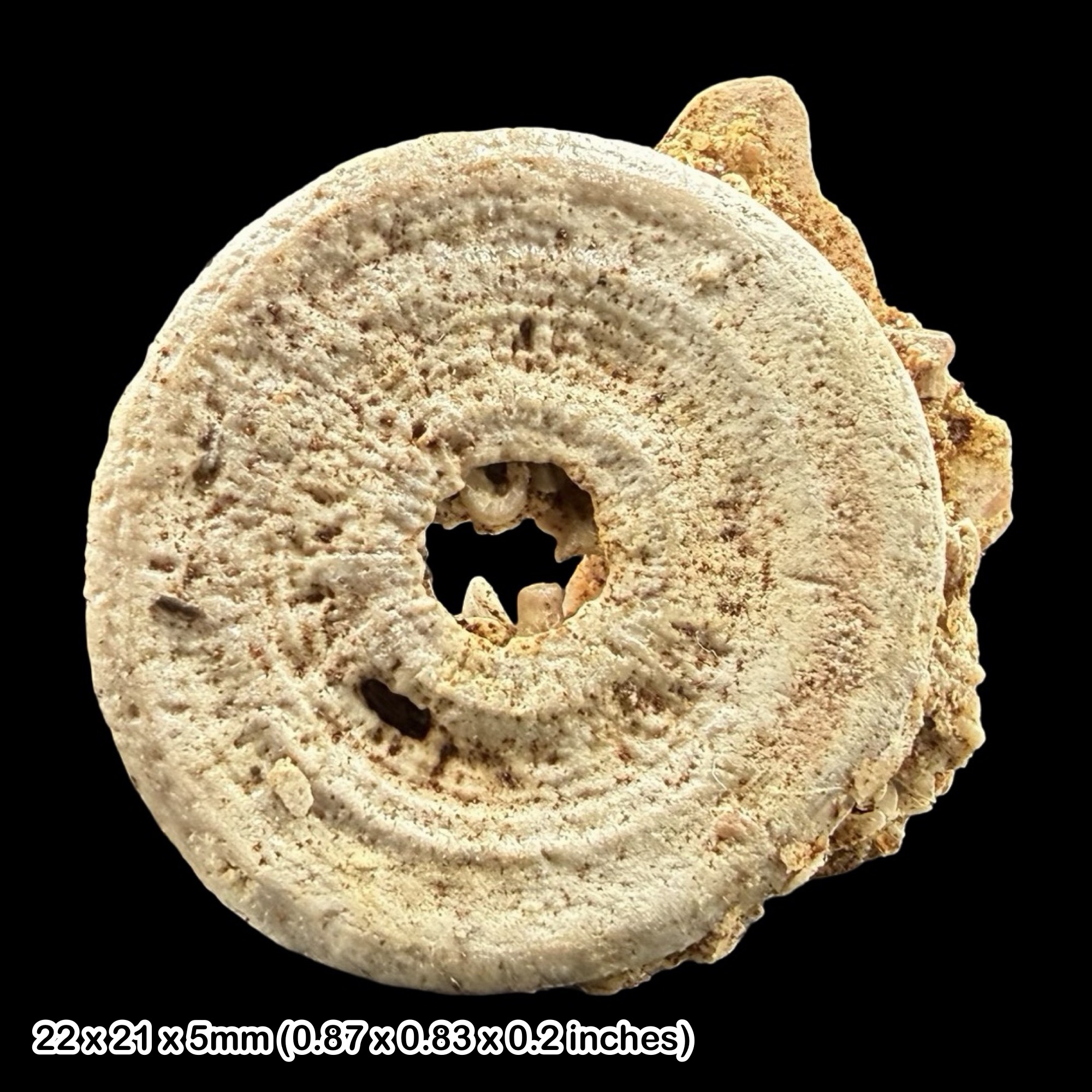
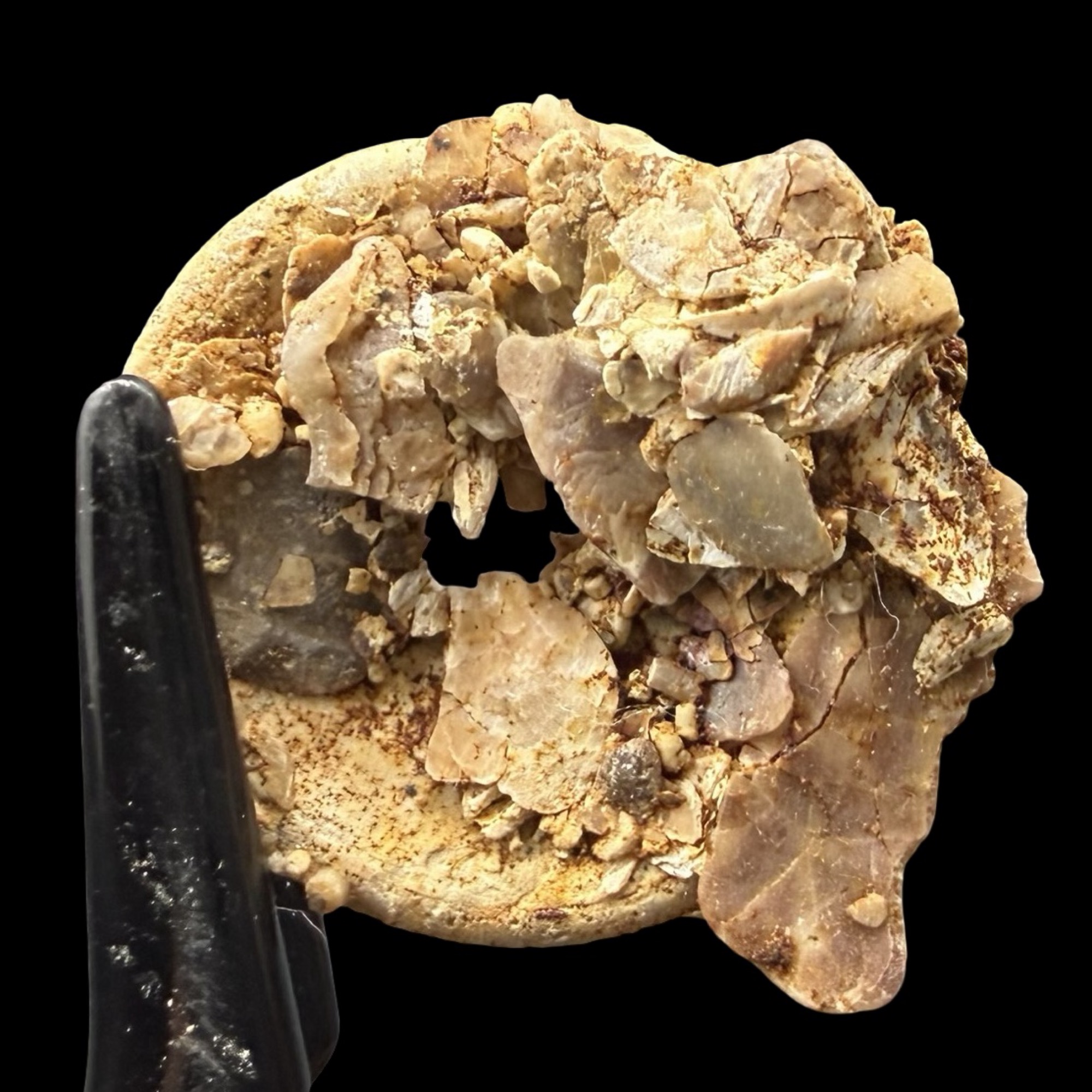
Apiocrinites elegans Crinoid Fossil Watton Cliff Dorset Jurassic COA Genuine Forest Marble Formation Bathonian UK Display Specimen
£ 14.40
GENUINE APIOCRINITES ELEGANS CRINOID FOSSILThis listing is for a genuine Apiocrinites elegans crinoid fossil from the
Forest Marble Formation, Bathonian stage of the Jurassic, collected from Watton Cliff, Dorset, UK. This carefully chosen fossil specimen includes a Certificate of Authenticity lifetime guarantee generic card. The photo shows the actual fossil you will receive, allowing you to view the natural crinoid detail, surface texture, preservation, matrix and overall display character of this individual piece before purchase. Full sizing details can be seen in the photo.Your specimen was discovered by our own team members, Alister and Alison, and has been cleaned, prepped and treated by Alison. This gives the fossil a clear collecting history, from discovery through to careful preparation and presentation, making it an excellent choice for collectors who value genuine provenance and authentic British Jurassic fossils. APIOCRINITES ELEGANS SPECIES INFORMATIONApiocrinites elegans is a Middle Jurassic crinoid species, part of an ancient group of marine echinoderms related to sea lilies, feather stars, starfish and sea urchins. Crinoids are often described as “sea lilies” because many forms had a stem, a cup-like body and branching arms, giving them a flower-like appearance while they lived attached to the sea floor.Apiocrinites is one of the classic Jurassic crinoid genera and is especially valued for its robust, elegant structure. Fossil material may include stem columnals, ossicles, cup plates, arm fragments or associated skeletal elements preserved within the rock. These parts were originally made of calcite, which helped them fossilise after burial in marine sediment. The species name elegans reflects the refined and attractive form associated with this crinoid.Unlike ammonites, which were active swimming cephalopods, crinoids were seabed-dwelling filter feeders. They used branching arms to capture small food particles from the water while attached to the sea floor. This makes Apiocrinites elegans an important fossil for understanding the benthic, or bottom-living, communities of Jurassic seas. FOREST MARBLE FORMATION GEOLOGYThis specimen comes from the Forest Marble Formation, a well-known Middle Jurassic rock unit in southern England. The formation is associated with shelly limestones, mudstones and sedimentary layers deposited in shallow marine, coastal and lagoonal settings. These environments supported a wide range of marine life, including crinoids, bivalves, brachiopods, gastropods, echinoids and other invertebrates.The Forest Marble Formation is particularly interesting because its fossils often preserve evidence of dynamic seabed conditions. Shells and skeletal fragments could be accumulated, moved by currents, buried and preserved within limestone-rich sediments. A crinoid from this formation therefore represents both the animal itself and the ancient marine environment in which it lived. BATHONIAN JURASSIC AGEThis fossil dates from the Bathonian stage of the Middle Jurassic, approximately 168 to 166 million years ago. During this time, Dorset and surrounding areas were influenced by shallow seas and coastal marine environments. These habitats created excellent conditions for the preservation of hard-shelled and calcite-skeletoned organisms such as crinoids.Bathonian fossils are highly collectable because they represent an important interval in the Middle Jurassic, distinct from the more commonly encountered Lower Jurassic ammonites of Lyme Regis and Charmouth. Apiocrinites elegans offers a different view of Jurassic life, focusing on sea-floor ecology and echinoderm anatomy rather than coiled cephalopods. WATTON CLIFF, DORSET FOSSIL LOCALITYWatton Cliff in Dorset is a recognised fossil locality associated with the Forest Marble Formation and the broader Jurassic geology of southern England. Fossils from this area are valued by collectors for their clear British provenance and their connection to a classic Middle Jurassic sedimentary unit.A specimen from Watton Cliff carries strong locality appeal for collectors of Dorset fossils, British Jurassic fossils, crinoid fossils, echinoderms and Forest Marble Formation material. Its combination of named species, Bathonian age and carefully documented discovery history makes it a desirable addition to a fossil cabinet, educational collection or natural history display. PREPARATION, AUTHENTICITY AND DISPLAY APPEALThis Apiocrinites elegans crinoid fossil has been cleaned, prepped and treated by Alison to help present the specimen clearly while retaining its natural geological character. Careful preparation is important with crinoid fossils, as the individual plates, stems and skeletal features can be detailed and are best appreciated when presented with care.The specimen is suitable for fossil collectors, crinoid enthusiasts, geology students, natural history displays, educational collections, cabinet displays or as a distinctive gift for someone interested in British palaeontology. It is supplied with a Certificate of Authenticity lifetime guarantee generic card, confirming that it is a genuine fossil specimen. The fossil shown in the photo is the exact piece you will receive
Forest Marble Formation, Bathonian stage of the Jurassic, collected from Watton Cliff, Dorset, UK. This carefully chosen fossil specimen includes a Certificate of Authenticity lifetime guarantee generic card. The photo shows the actual fossil you will receive, allowing you to view the natural crinoid detail, surface texture, preservation, matrix and overall display character of this individual piece before purchase. Full sizing details can be seen in the photo.Your specimen was discovered by our own team members, Alister and Alison, and has been cleaned, prepped and treated by Alison. This gives the fossil a clear collecting history, from discovery through to careful preparation and presentation, making it an excellent choice for collectors who value genuine provenance and authentic British Jurassic fossils. APIOCRINITES ELEGANS SPECIES INFORMATIONApiocrinites elegans is a Middle Jurassic crinoid species, part of an ancient group of marine echinoderms related to sea lilies, feather stars, starfish and sea urchins. Crinoids are often described as “sea lilies” because many forms had a stem, a cup-like body and branching arms, giving them a flower-like appearance while they lived attached to the sea floor.Apiocrinites is one of the classic Jurassic crinoid genera and is especially valued for its robust, elegant structure. Fossil material may include stem columnals, ossicles, cup plates, arm fragments or associated skeletal elements preserved within the rock. These parts were originally made of calcite, which helped them fossilise after burial in marine sediment. The species name elegans reflects the refined and attractive form associated with this crinoid.Unlike ammonites, which were active swimming cephalopods, crinoids were seabed-dwelling filter feeders. They used branching arms to capture small food particles from the water while attached to the sea floor. This makes Apiocrinites elegans an important fossil for understanding the benthic, or bottom-living, communities of Jurassic seas. FOREST MARBLE FORMATION GEOLOGYThis specimen comes from the Forest Marble Formation, a well-known Middle Jurassic rock unit in southern England. The formation is associated with shelly limestones, mudstones and sedimentary layers deposited in shallow marine, coastal and lagoonal settings. These environments supported a wide range of marine life, including crinoids, bivalves, brachiopods, gastropods, echinoids and other invertebrates.The Forest Marble Formation is particularly interesting because its fossils often preserve evidence of dynamic seabed conditions. Shells and skeletal fragments could be accumulated, moved by currents, buried and preserved within limestone-rich sediments. A crinoid from this formation therefore represents both the animal itself and the ancient marine environment in which it lived. BATHONIAN JURASSIC AGEThis fossil dates from the Bathonian stage of the Middle Jurassic, approximately 168 to 166 million years ago. During this time, Dorset and surrounding areas were influenced by shallow seas and coastal marine environments. These habitats created excellent conditions for the preservation of hard-shelled and calcite-skeletoned organisms such as crinoids.Bathonian fossils are highly collectable because they represent an important interval in the Middle Jurassic, distinct from the more commonly encountered Lower Jurassic ammonites of Lyme Regis and Charmouth. Apiocrinites elegans offers a different view of Jurassic life, focusing on sea-floor ecology and echinoderm anatomy rather than coiled cephalopods. WATTON CLIFF, DORSET FOSSIL LOCALITYWatton Cliff in Dorset is a recognised fossil locality associated with the Forest Marble Formation and the broader Jurassic geology of southern England. Fossils from this area are valued by collectors for their clear British provenance and their connection to a classic Middle Jurassic sedimentary unit.A specimen from Watton Cliff carries strong locality appeal for collectors of Dorset fossils, British Jurassic fossils, crinoid fossils, echinoderms and Forest Marble Formation material. Its combination of named species, Bathonian age and carefully documented discovery history makes it a desirable addition to a fossil cabinet, educational collection or natural history display. PREPARATION, AUTHENTICITY AND DISPLAY APPEALThis Apiocrinites elegans crinoid fossil has been cleaned, prepped and treated by Alison to help present the specimen clearly while retaining its natural geological character. Careful preparation is important with crinoid fossils, as the individual plates, stems and skeletal features can be detailed and are best appreciated when presented with care.The specimen is suitable for fossil collectors, crinoid enthusiasts, geology students, natural history displays, educational collections, cabinet displays or as a distinctive gift for someone interested in British palaeontology. It is supplied with a Certificate of Authenticity lifetime guarantee generic card, confirming that it is a genuine fossil specimen. The fossil shown in the photo is the exact piece you will receive