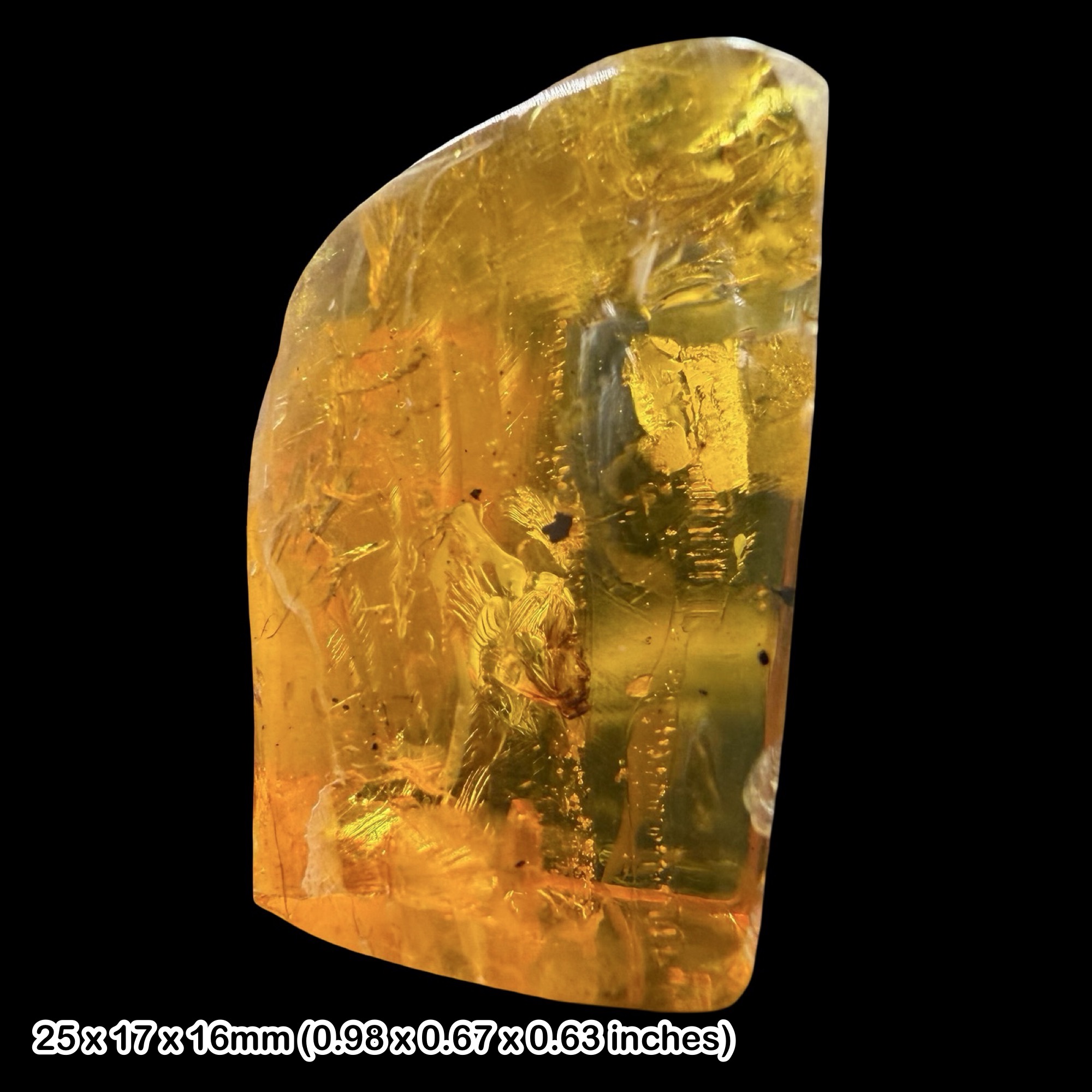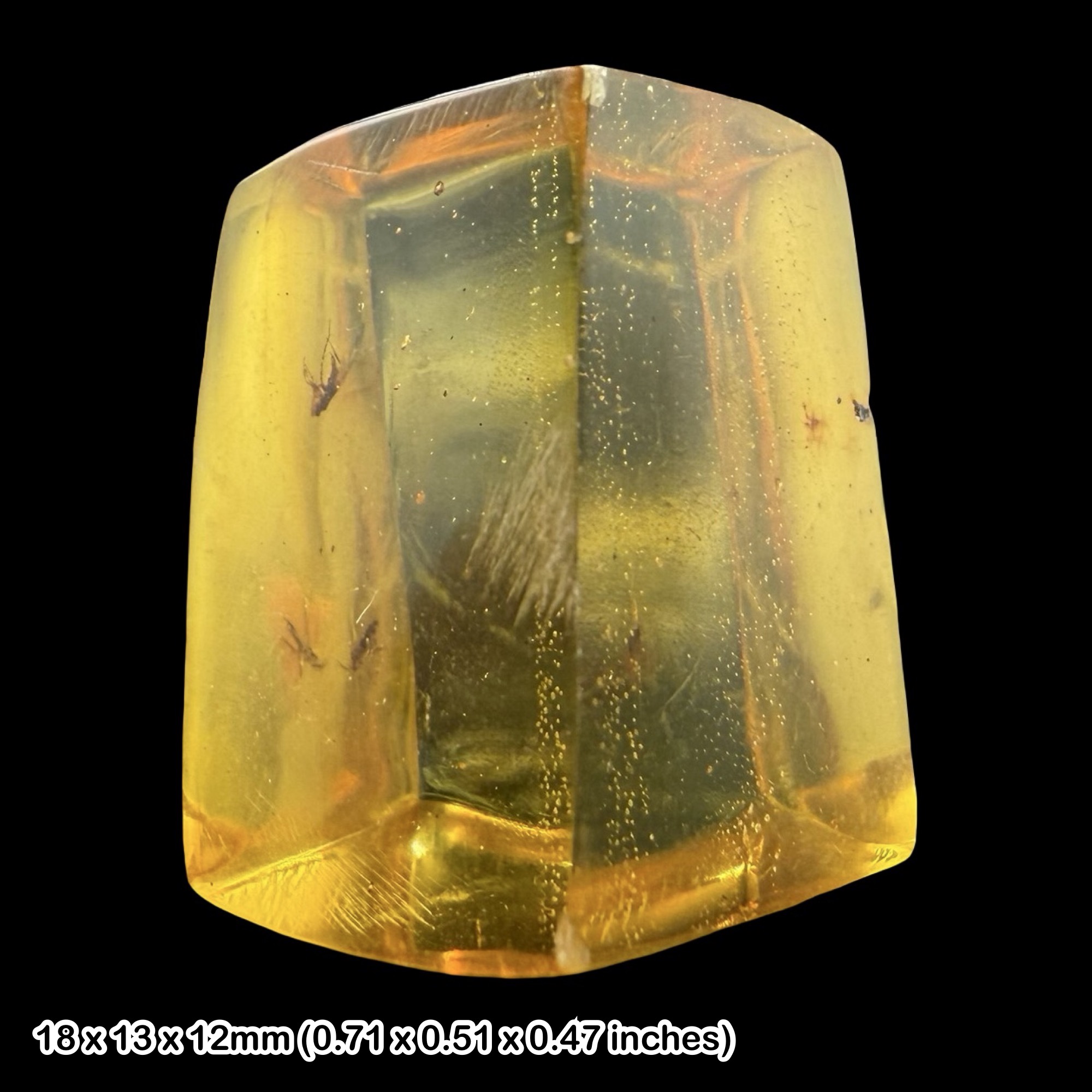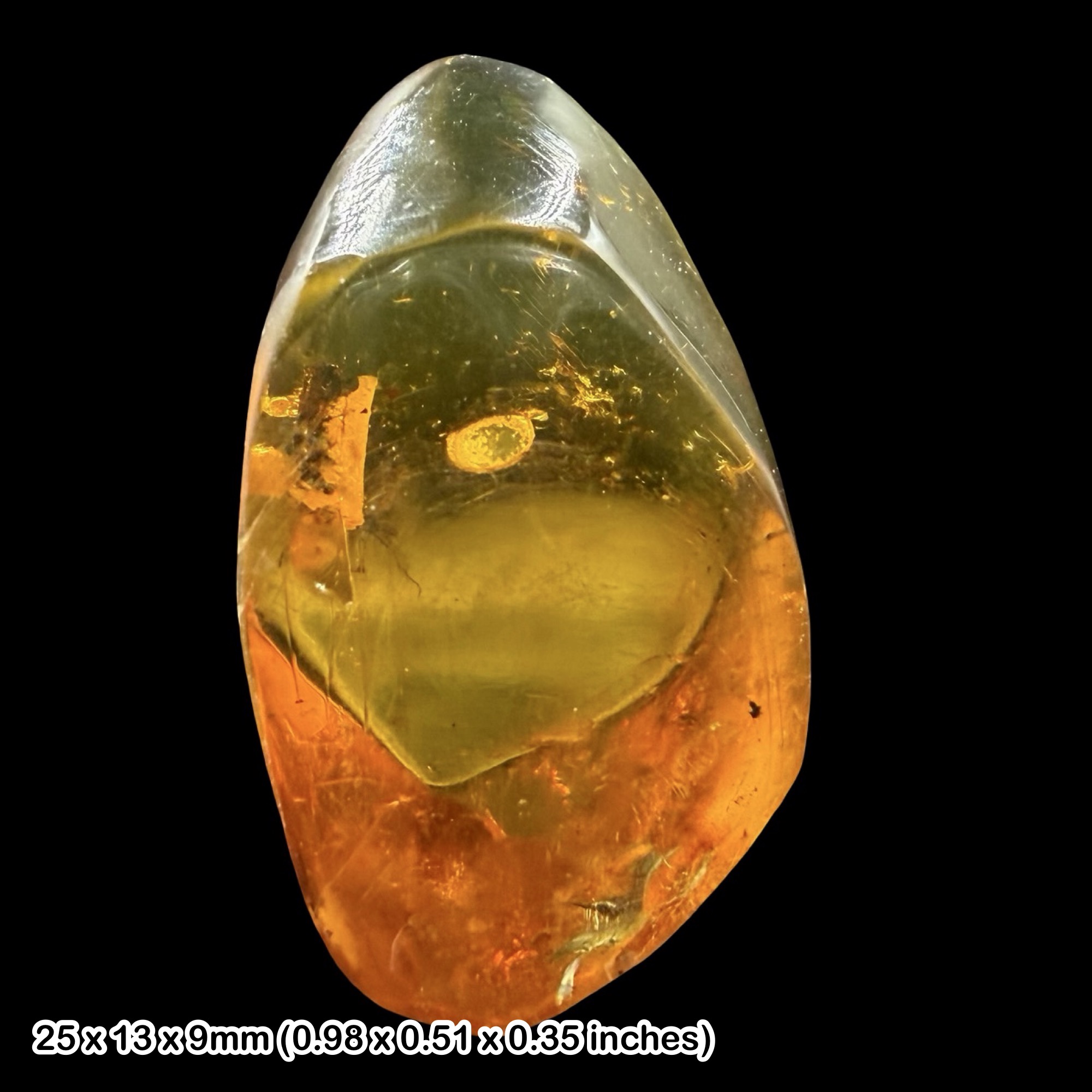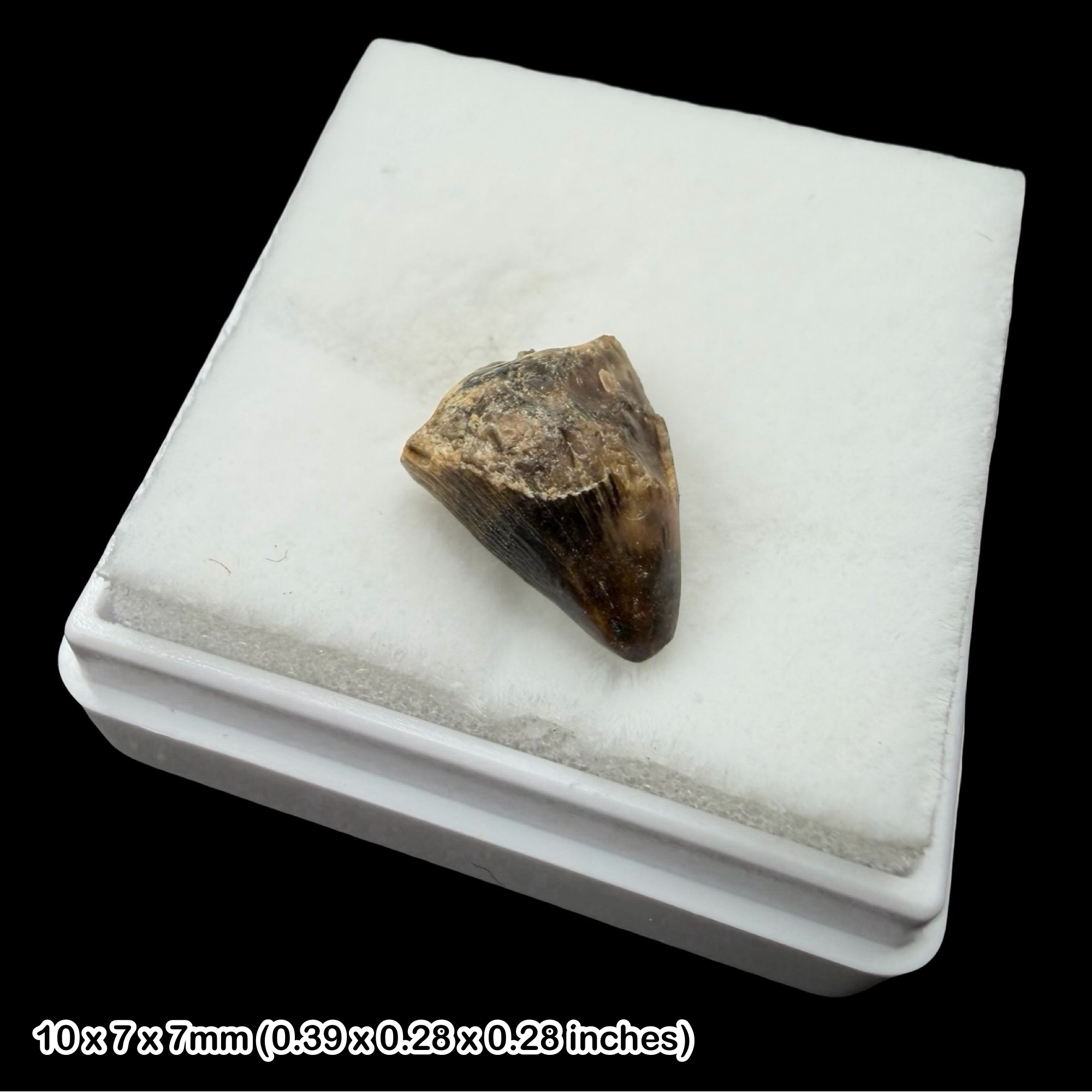
Rare Mazon Creek Split Fossil Fern Nodule Annularia Whirl Carboniferous Illinois USA with Certificate of Authenticity
£ 288.00
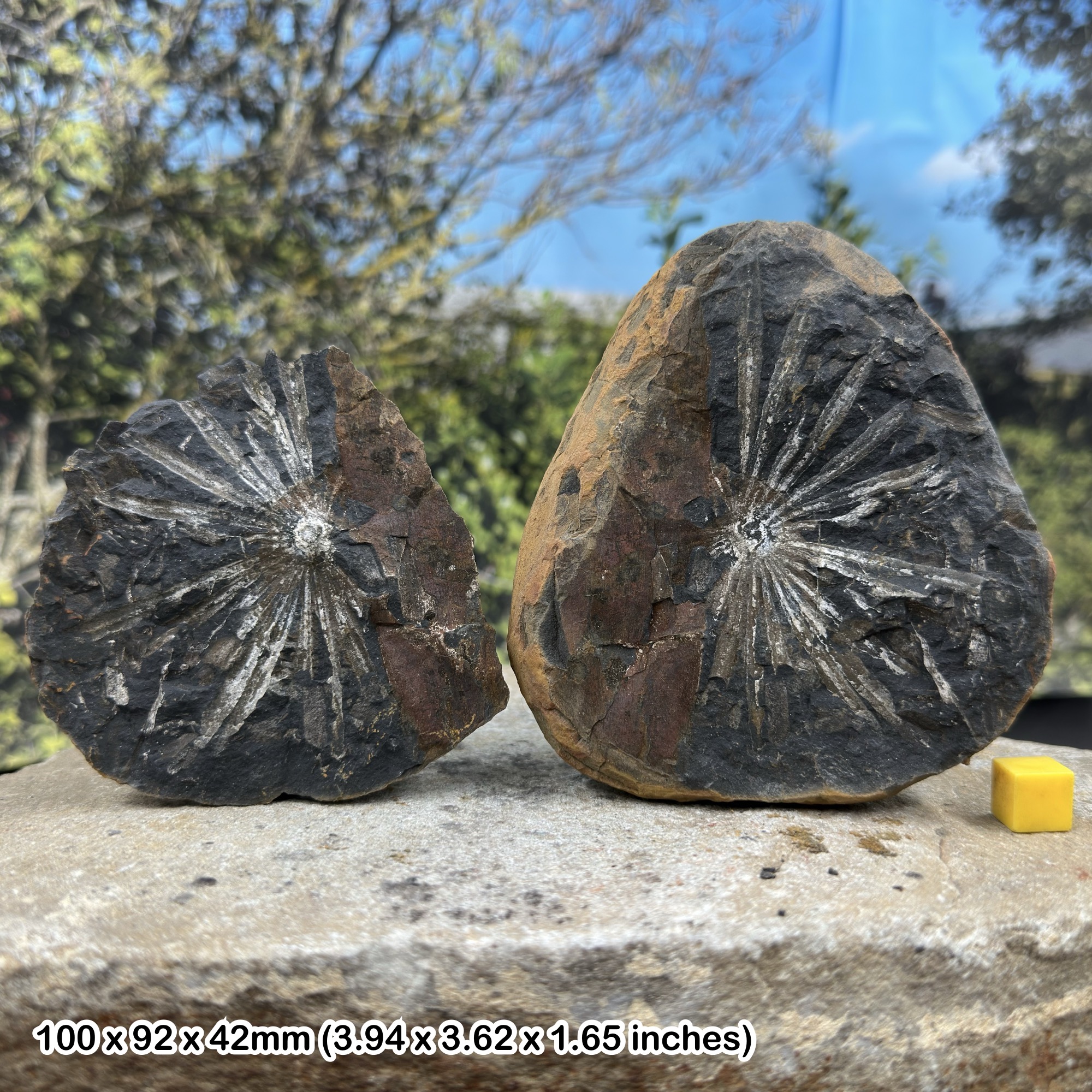
AUTHENTIC MAZON CREEK FOSSIL FERN – ANNULARIA WHIRLThis is a rare Mazon Creek split fossil fern nodule showcasing the distinct
whorled foliage of Annularia. Found in the world-famous Mazon Creek fossil beds in Illinois, USA, this specimen dates back to the Carboniferous Period (~307 million years ago). The fossil has been carefully chosen for quality and preservation, and the photos show the exact specimen you will receive. Each purchase comes complete with a Certificate of Authenticity, guaranteeing that this is a genuine and scientifically significant fossil. GEOLOGICAL CONTEXT
• Geological Period: Carboniferous (Pennsylvanian Subperiod)
• Age: ~307 million years ago
• Formation: Francis Creek Shale, Carbondale Formation
• Provenance: Mazon Creek, Illinois, USAThe Mazon Creek deposits are among the most famous fossil Lagerstätten in the world, renowned for preserving both plants and animals in siderite (ironstone) nodules. These nodules split naturally to reveal incredibly detailed fossils, many showing structures rarely preserved elsewhere. The site provides an exceptional window into the swampy coal forests that dominated much of the Carboniferous world. SCIENTIFIC CLASSIFICATION
• Kingdom: Plantae
• Division: Sphenophyta (Horsetail relatives)
• Order: Equisetales
• Genus: AnnulariaAnnularia represents the foliage of the extinct genus Calamites, tree-like horsetails that grew abundantly in the Carboniferous swamp forests. These plants were closely related to modern horsetails (Equisetum) but reached impressive sizes, forming towering stands along rivers and wetlands. MORPHOLOGICAL FEATURESThis specimen displays the distinctive whorled arrangement of leaves for which Annularia is well known:
• Starburst Whorls: The leaves radiate outward in circular patterns, creating a striking “whirl” effect.
• Leaf Shape: Narrow, elongate leaves with smooth edges, preserved with excellent definition.
• Fine Detail: Clear impressions show the natural arrangement and delicate structures.The whorled growth pattern was highly adaptive, allowing maximum light capture in the dense swamp forests. PALEOENVIRONMENT AND SIGNIFICANCEDuring the Carboniferous, Illinois lay near the equator and was covered by vast tropical coal forests. These ecosystems were humid, swampy, and dominated by giant ferns, seed ferns, lycopsids, and horsetails. Calamites, represented by Annularia foliage, thrived along watercourses and contributed to the lush vegetation that would eventually form much of the world’s coal deposits.The preservation of Annularia in Mazon Creek siderite nodules allows scientists and collectors to study plant morphology with extraordinary clarity. Unlike typical compression fossils, the mineralisation process here protected fine details, making these specimens especially valuable for paleobotanical research. KEY DETAILS
• Fossil Type: Split siderite nodule with Annularia foliage (whirl)
• Age: Carboniferous (~307 million years old)
• Formation: Francis Creek Shale
• Location: Mazon Creek, Illinois, USA
• Authenticity: 100% genuine fossil with Certificate of Authenticity
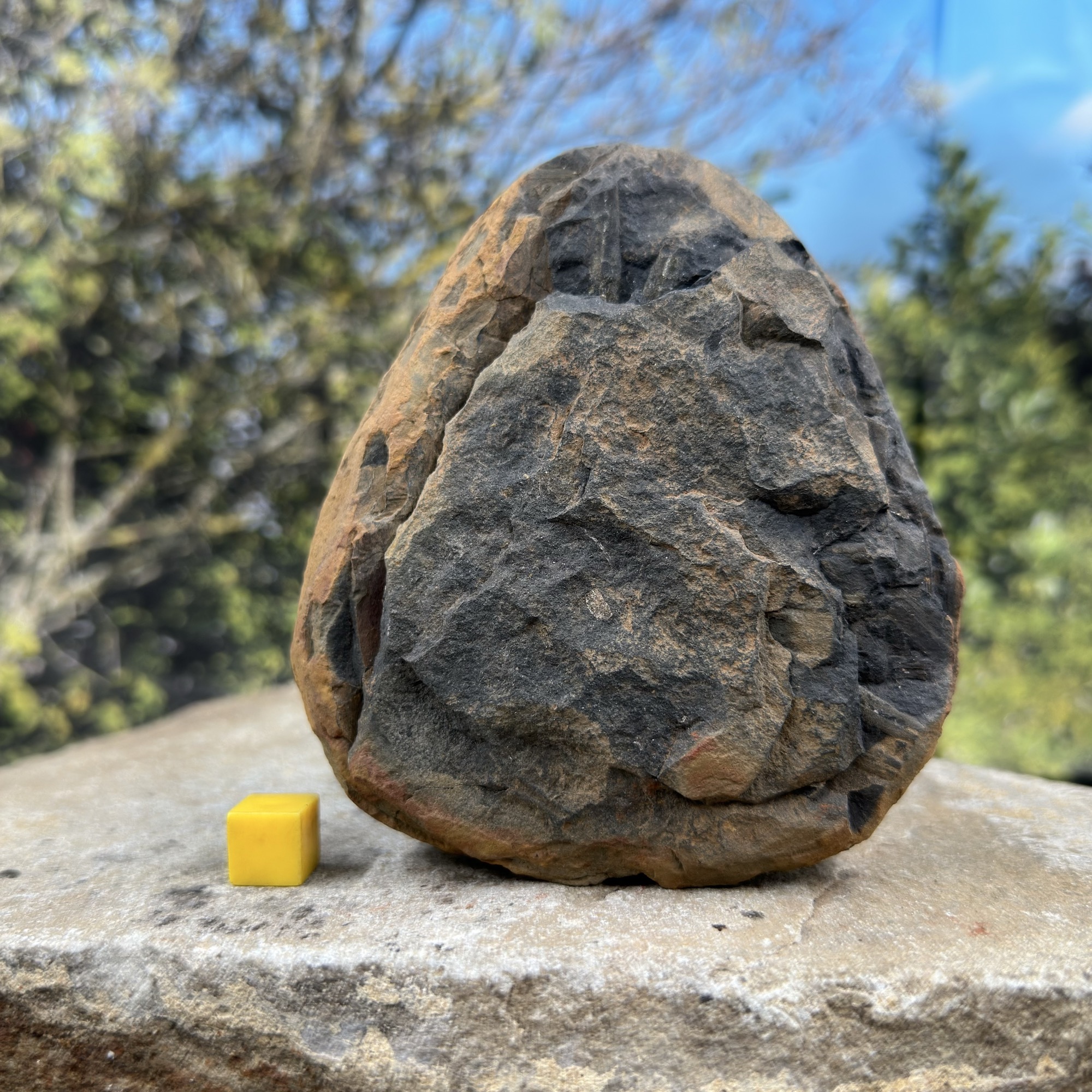
• Size: Please refer to the included scale photo (1cm cube) for full measurements COLLECTABILITY AND DISPLAYMazon Creek fossils are world-famous and highly sought after by collectors due to their quality of preservation and rarity. An Annularia whirl is particularly striking, with its radiating leaf patterns forming a natural starburst design that makes for a visually impressive display piece.Whether you are an experienced fossil collector, a paleobotany enthusiast, or someone looking for a unique natural history gift, this specimen is both scientifically significant and aesthetically captivating. Owning a piece of Mazon Creek history means holding a true relic of the ancient Carboniferous world in your hands.
whorled foliage of Annularia. Found in the world-famous Mazon Creek fossil beds in Illinois, USA, this specimen dates back to the Carboniferous Period (~307 million years ago). The fossil has been carefully chosen for quality and preservation, and the photos show the exact specimen you will receive. Each purchase comes complete with a Certificate of Authenticity, guaranteeing that this is a genuine and scientifically significant fossil. GEOLOGICAL CONTEXT
• Geological Period: Carboniferous (Pennsylvanian Subperiod)
• Age: ~307 million years ago
• Formation: Francis Creek Shale, Carbondale Formation
• Provenance: Mazon Creek, Illinois, USAThe Mazon Creek deposits are among the most famous fossil Lagerstätten in the world, renowned for preserving both plants and animals in siderite (ironstone) nodules. These nodules split naturally to reveal incredibly detailed fossils, many showing structures rarely preserved elsewhere. The site provides an exceptional window into the swampy coal forests that dominated much of the Carboniferous world. SCIENTIFIC CLASSIFICATION
• Kingdom: Plantae
• Division: Sphenophyta (Horsetail relatives)
• Order: Equisetales
• Genus: AnnulariaAnnularia represents the foliage of the extinct genus Calamites, tree-like horsetails that grew abundantly in the Carboniferous swamp forests. These plants were closely related to modern horsetails (Equisetum) but reached impressive sizes, forming towering stands along rivers and wetlands. MORPHOLOGICAL FEATURESThis specimen displays the distinctive whorled arrangement of leaves for which Annularia is well known:
• Starburst Whorls: The leaves radiate outward in circular patterns, creating a striking “whirl” effect.
• Leaf Shape: Narrow, elongate leaves with smooth edges, preserved with excellent definition.
• Fine Detail: Clear impressions show the natural arrangement and delicate structures.The whorled growth pattern was highly adaptive, allowing maximum light capture in the dense swamp forests. PALEOENVIRONMENT AND SIGNIFICANCEDuring the Carboniferous, Illinois lay near the equator and was covered by vast tropical coal forests. These ecosystems were humid, swampy, and dominated by giant ferns, seed ferns, lycopsids, and horsetails. Calamites, represented by Annularia foliage, thrived along watercourses and contributed to the lush vegetation that would eventually form much of the world’s coal deposits.The preservation of Annularia in Mazon Creek siderite nodules allows scientists and collectors to study plant morphology with extraordinary clarity. Unlike typical compression fossils, the mineralisation process here protected fine details, making these specimens especially valuable for paleobotanical research. KEY DETAILS
• Fossil Type: Split siderite nodule with Annularia foliage (whirl)
• Age: Carboniferous (~307 million years old)
• Formation: Francis Creek Shale
• Location: Mazon Creek, Illinois, USA
• Authenticity: 100% genuine fossil with Certificate of Authenticity
• Size: Please refer to the included scale photo (1cm cube) for full measurements COLLECTABILITY AND DISPLAYMazon Creek fossils are world-famous and highly sought after by collectors due to their quality of preservation and rarity. An Annularia whirl is particularly striking, with its radiating leaf patterns forming a natural starburst design that makes for a visually impressive display piece.Whether you are an experienced fossil collector, a paleobotany enthusiast, or someone looking for a unique natural history gift, this specimen is both scientifically significant and aesthetically captivating. Owning a piece of Mazon Creek history means holding a true relic of the ancient Carboniferous world in your hands.
Other Products