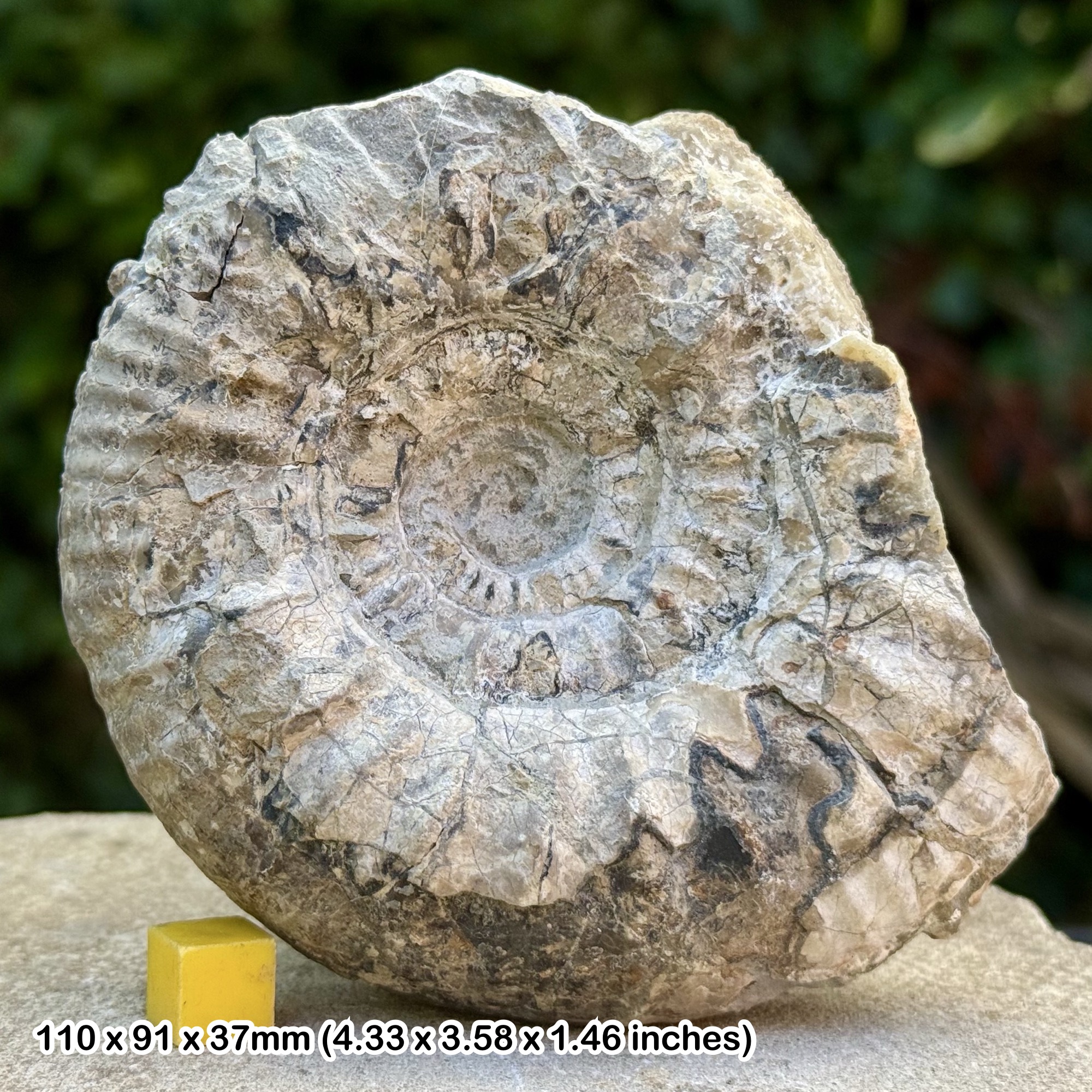
Homeoplanulites cardoti Ammonite Fossil Jurassic Oxfordshire UK Genuine Authentic COA
£ 42.00
AUTHENTIC JURASSIC FOSSIL FROM OXFORDSHIRE, UKThis Homeoplanulites cardoti ammonite fossil is a genuine specimen from the
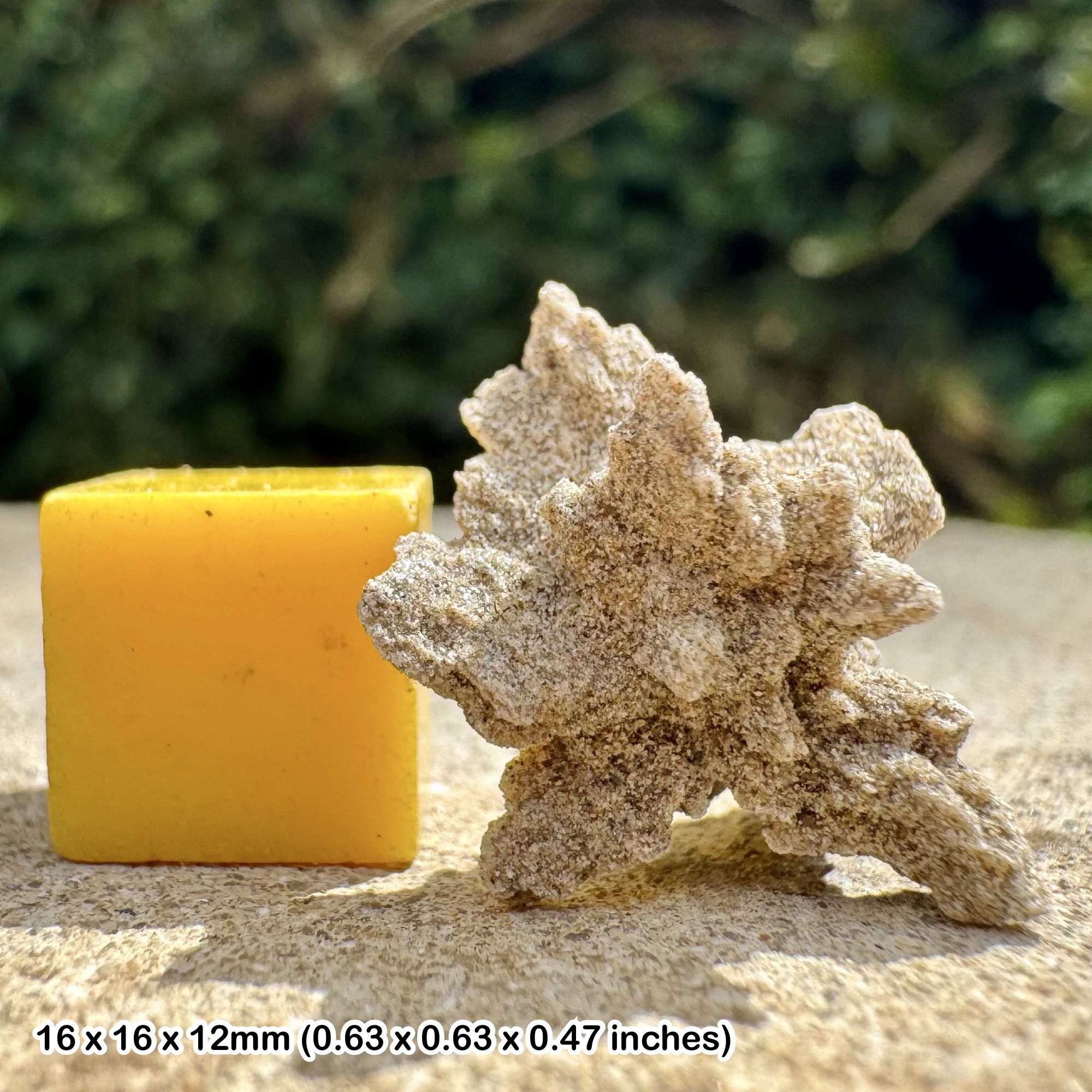
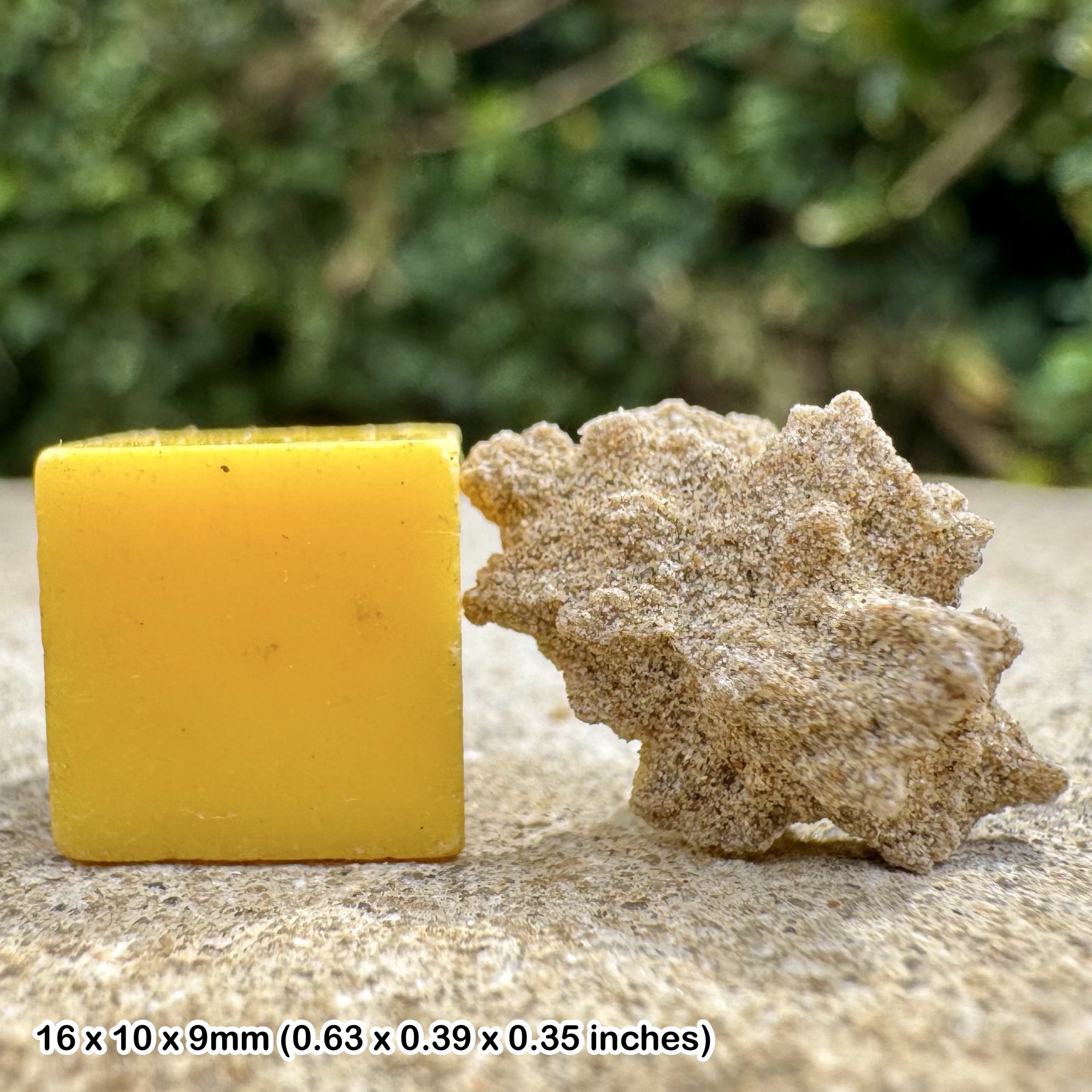
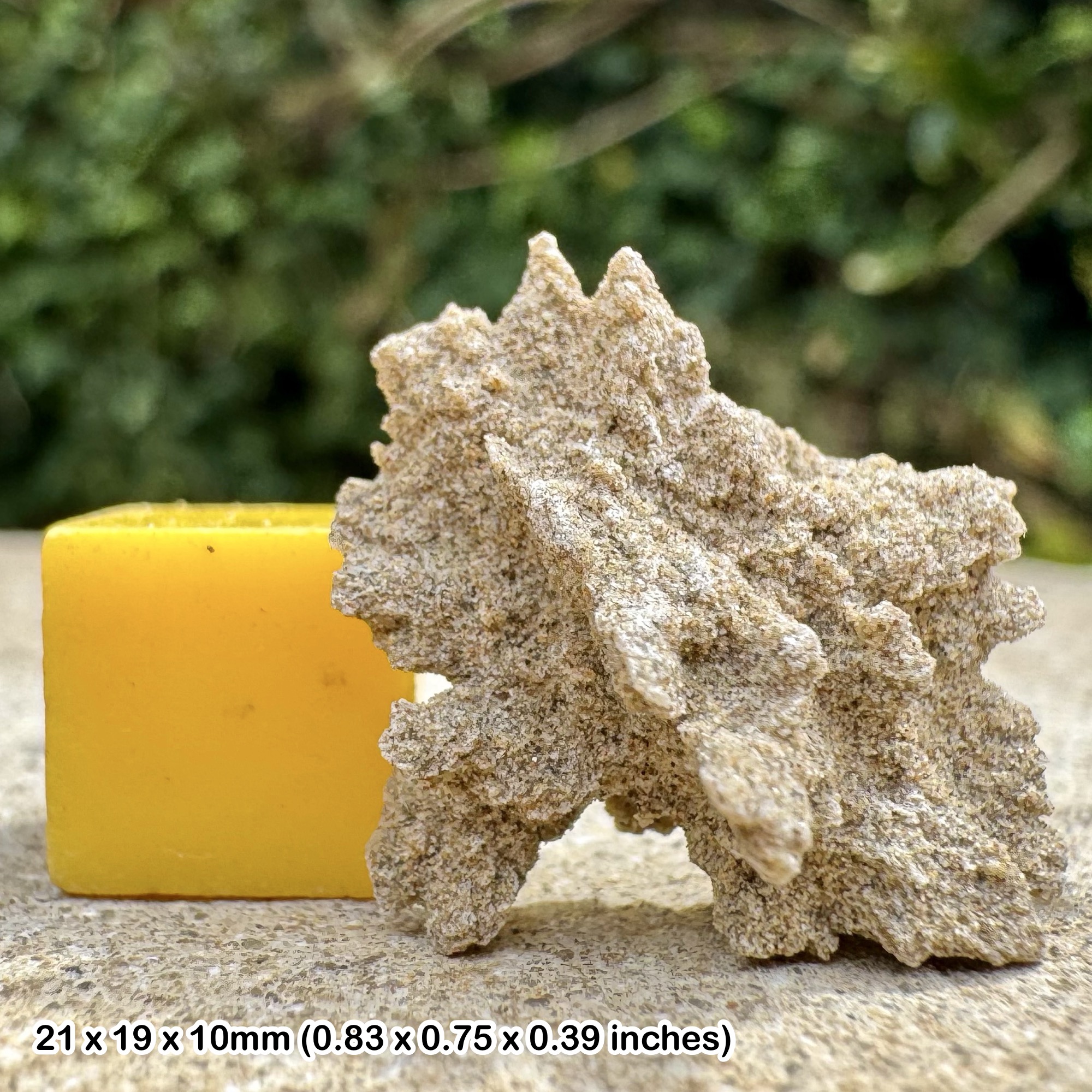
Callovian stage of the Middle Jurassic, discovered in Oxfordshire, United Kingdom. Carefully chosen for its distinct preservation and historical significance, it represents both a scientifically valuable fossil and a visually impressive addition to any collection. The photographs provided show the exact specimen you will receive, with a 1 cm scale cube included for accurate size reference. Each purchase is accompanied by a Certificate of Authenticity, confirming that the fossil is 100% genuine. GEOLOGICAL AGE AND PROVENANCEThis ammonite dates to the Callovian stage of the Jurassic Period, approximately 166–163 million years ago. At that time, the Oxfordshire region was covered by shallow epicontinental seas that formed part of the northern margins of the Tethys Ocean. These warm marine environments were ideal habitats for ammonites, and the fine-grained clays and silts of the Oxford Clay Formation preserved them in remarkable detail. The Oxford Clay is world-renowned as one of the richest Jurassic fossil-bearing deposits in Europe, containing not only ammonites but also marine reptiles, bivalves, and other invertebrates. SPECIES IDENTIFICATION AND CLASSIFICATIONHomeoplanulites cardoti belongs to the class Cephalopoda, order Ammonitida, superfamily Perisphinctoidea, and family Perisphinctidae. Members of the genus Homeoplanulites are characterised by their compressed, planispiral shells with fine ribbing that extends symmetrically across the whorls. The species cardoti is an important fossil within Callovian ammonite faunas, providing valuable data for the subdivision of ammonite zones that paleontologists use to correlate rock layers across Europe. MORPHOLOGY AND DISTINCTIVE TRAITSThis specimen displays the characteristic morphology of Homeoplanulites cardoti. Its shell is tightly coiled in a planispiral form with moderately involute whorls, meaning the outer coils cover much of the inner ones. Fine, closely spaced ribs sweep across the flanks of the shell, producing an elegant and regular ornamentation. These features provided both shell strength and hydrodynamic balance, allowing the ammonite to navigate Jurassic seas effectively. The combination of symmetry, ribbing, and compressed whorls makes this species easily identifiable and highly desirable to collectors. SCIENTIFIC AND STRATIGRAPHIC IMPORTANCEAs part of the Perisphinctidae family, Homeoplanulites cardoti is an excellent index fossil. Ammonites like this are crucial for defining biozones and correlating Callovian rock strata across wide geographical areas. Their relatively rapid evolutionary turnover and distinct morphological traits make them key tools for geologists reconstructing the Jurassic timescale. For collectors, this species represents not only an attractive fossil but also a specimen of real scientific importance, providing insight into the biodiversity and evolutionary history of ammonites in the Middle Jurassic seas. CONDITION AND PRESENTATIONThis fossil has been carefully prepared to preserve and highlight its natural details. The ribbing, shell curvature, and overall form are clear and well-defined, making it an excellent representative of the species. It is a one-of-a-kind specimen—not a cast or replica. The photographs provided are of the actual ammonite you will receive, ensuring complete transparency and confidence in your purchase. GUARANTEE OF AUTHENTICITYAll of our fossils are 100% genuine, responsibly sourced, and scientifically identified. Each specimen comes with a Certificate of Authenticity to verify its provenance. This Homeoplanulites cardoti ammonite fossil from Oxfordshire is a scientifically valuable and visually appealing piece of natural history, making it a superb addition for fossil collectors, natural history enthusiasts, and educational displays.
Callovian stage of the Middle Jurassic, discovered in Oxfordshire, United Kingdom. Carefully chosen for its distinct preservation and historical significance, it represents both a scientifically valuable fossil and a visually impressive addition to any collection. The photographs provided show the exact specimen you will receive, with a 1 cm scale cube included for accurate size reference. Each purchase is accompanied by a Certificate of Authenticity, confirming that the fossil is 100% genuine. GEOLOGICAL AGE AND PROVENANCEThis ammonite dates to the Callovian stage of the Jurassic Period, approximately 166–163 million years ago. At that time, the Oxfordshire region was covered by shallow epicontinental seas that formed part of the northern margins of the Tethys Ocean. These warm marine environments were ideal habitats for ammonites, and the fine-grained clays and silts of the Oxford Clay Formation preserved them in remarkable detail. The Oxford Clay is world-renowned as one of the richest Jurassic fossil-bearing deposits in Europe, containing not only ammonites but also marine reptiles, bivalves, and other invertebrates. SPECIES IDENTIFICATION AND CLASSIFICATIONHomeoplanulites cardoti belongs to the class Cephalopoda, order Ammonitida, superfamily Perisphinctoidea, and family Perisphinctidae. Members of the genus Homeoplanulites are characterised by their compressed, planispiral shells with fine ribbing that extends symmetrically across the whorls. The species cardoti is an important fossil within Callovian ammonite faunas, providing valuable data for the subdivision of ammonite zones that paleontologists use to correlate rock layers across Europe. MORPHOLOGY AND DISTINCTIVE TRAITSThis specimen displays the characteristic morphology of Homeoplanulites cardoti. Its shell is tightly coiled in a planispiral form with moderately involute whorls, meaning the outer coils cover much of the inner ones. Fine, closely spaced ribs sweep across the flanks of the shell, producing an elegant and regular ornamentation. These features provided both shell strength and hydrodynamic balance, allowing the ammonite to navigate Jurassic seas effectively. The combination of symmetry, ribbing, and compressed whorls makes this species easily identifiable and highly desirable to collectors. SCIENTIFIC AND STRATIGRAPHIC IMPORTANCEAs part of the Perisphinctidae family, Homeoplanulites cardoti is an excellent index fossil. Ammonites like this are crucial for defining biozones and correlating Callovian rock strata across wide geographical areas. Their relatively rapid evolutionary turnover and distinct morphological traits make them key tools for geologists reconstructing the Jurassic timescale. For collectors, this species represents not only an attractive fossil but also a specimen of real scientific importance, providing insight into the biodiversity and evolutionary history of ammonites in the Middle Jurassic seas. CONDITION AND PRESENTATIONThis fossil has been carefully prepared to preserve and highlight its natural details. The ribbing, shell curvature, and overall form are clear and well-defined, making it an excellent representative of the species. It is a one-of-a-kind specimen—not a cast or replica. The photographs provided are of the actual ammonite you will receive, ensuring complete transparency and confidence in your purchase. GUARANTEE OF AUTHENTICITYAll of our fossils are 100% genuine, responsibly sourced, and scientifically identified. Each specimen comes with a Certificate of Authenticity to verify its provenance. This Homeoplanulites cardoti ammonite fossil from Oxfordshire is a scientifically valuable and visually appealing piece of natural history, making it a superb addition for fossil collectors, natural history enthusiasts, and educational displays.
Other Products