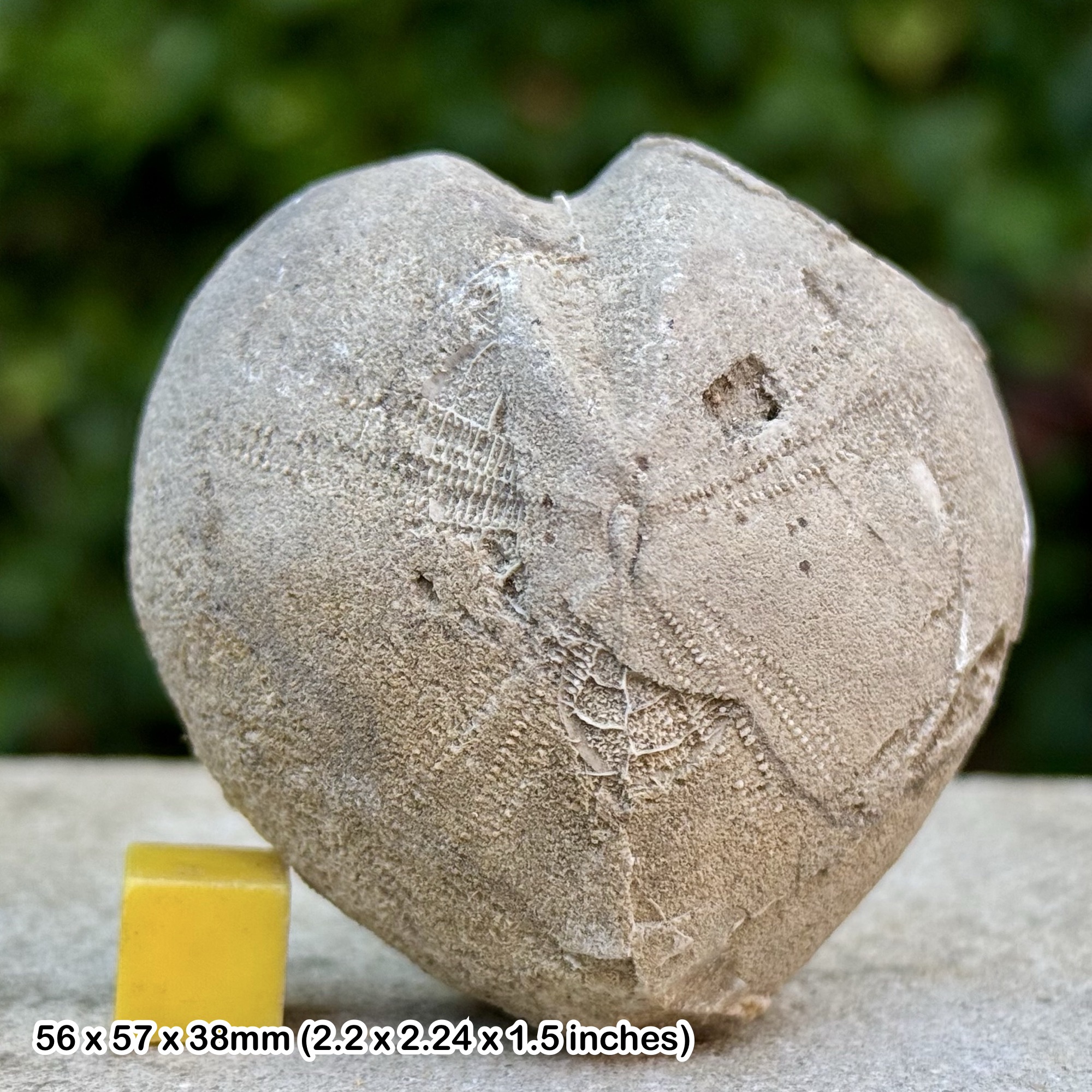
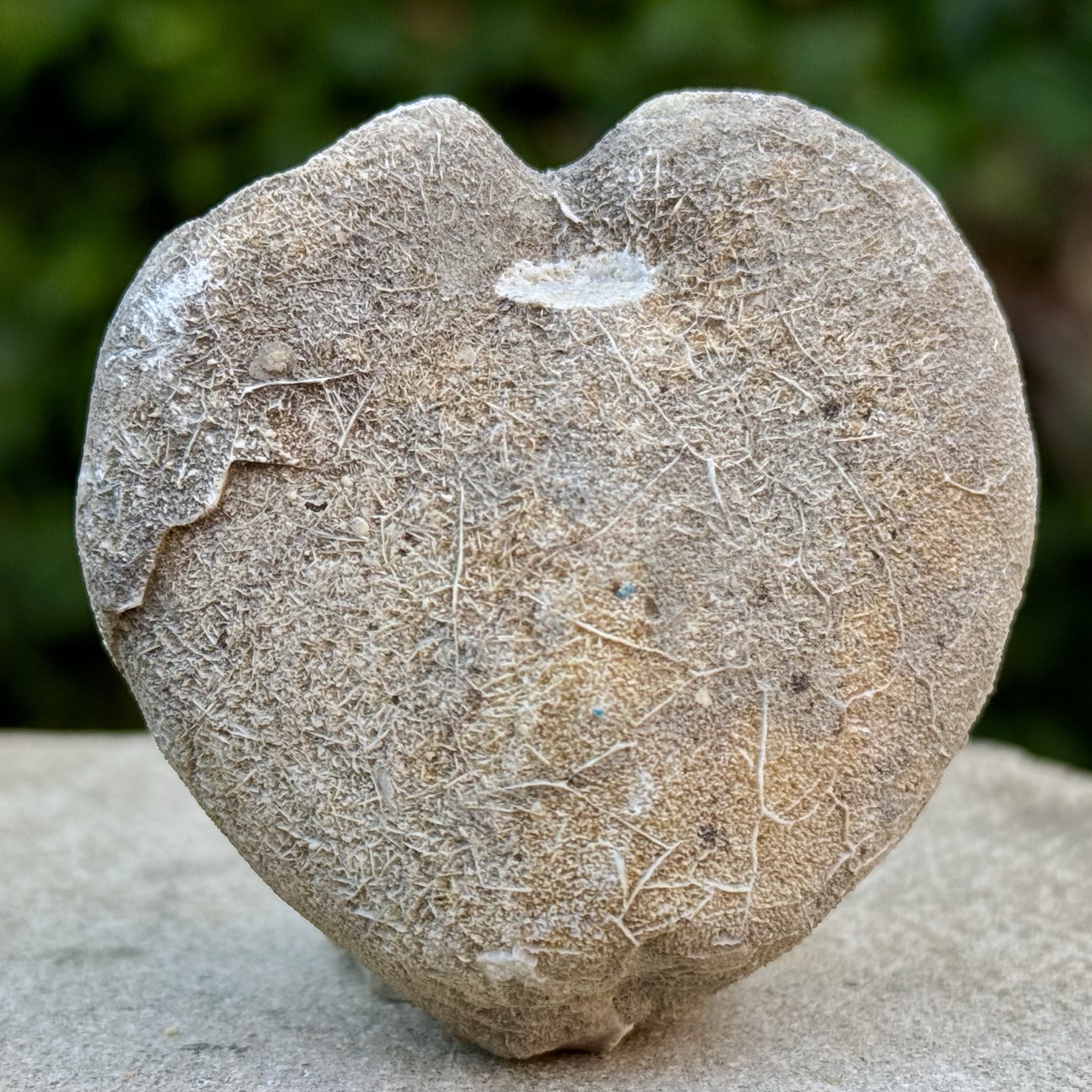
VERY RARE Pseudholaster sequanicus Fossil Echinoid Cretaceous Upper Greensand Charmouth Dorset UK
£ 72.00
EXCEPTIONAL PSEUDHOLASTER SEQUANICUS FOSSIL ECHINOIDThis listing offers a VERY RARE Pseudholaster sequanicus Fossil Echinoid from
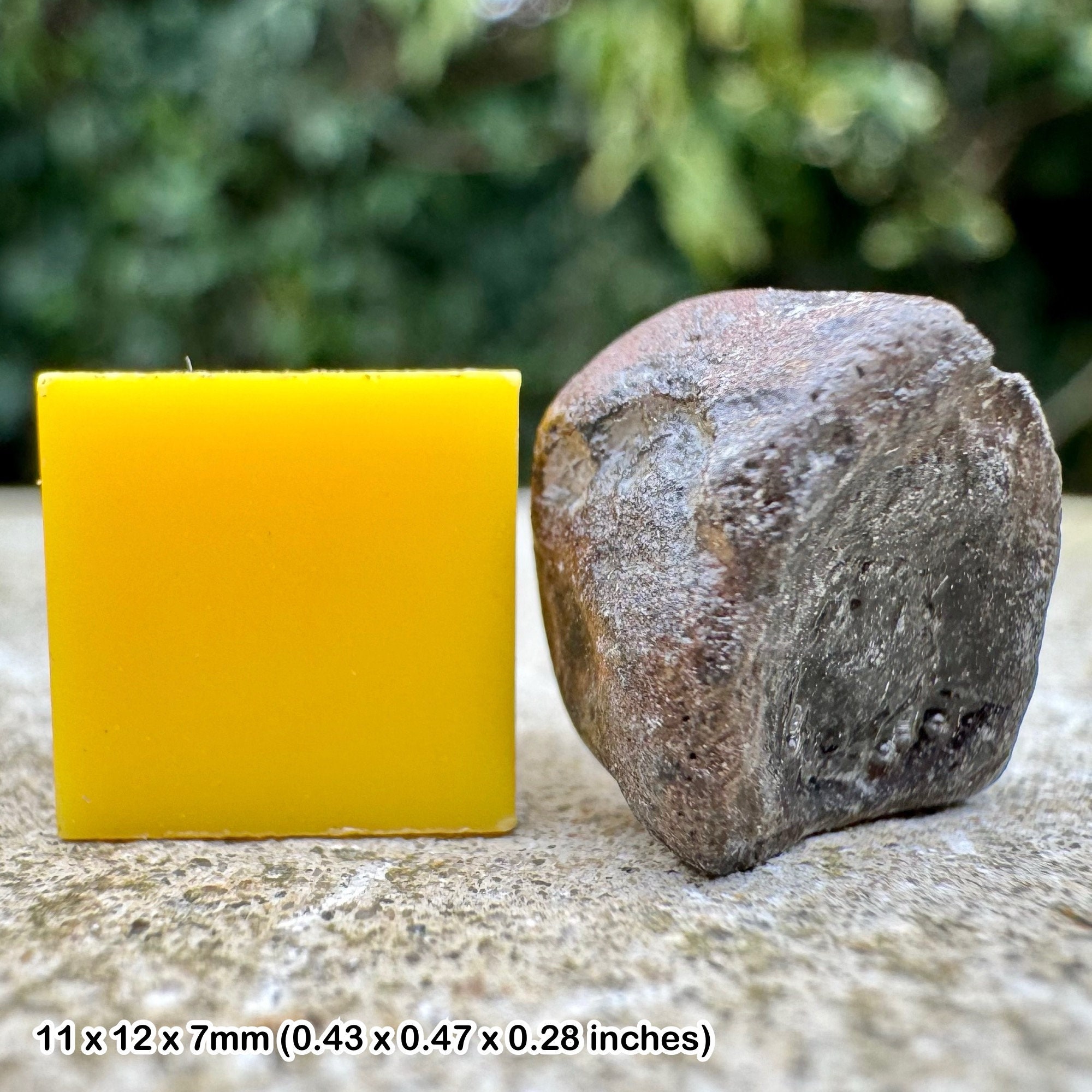
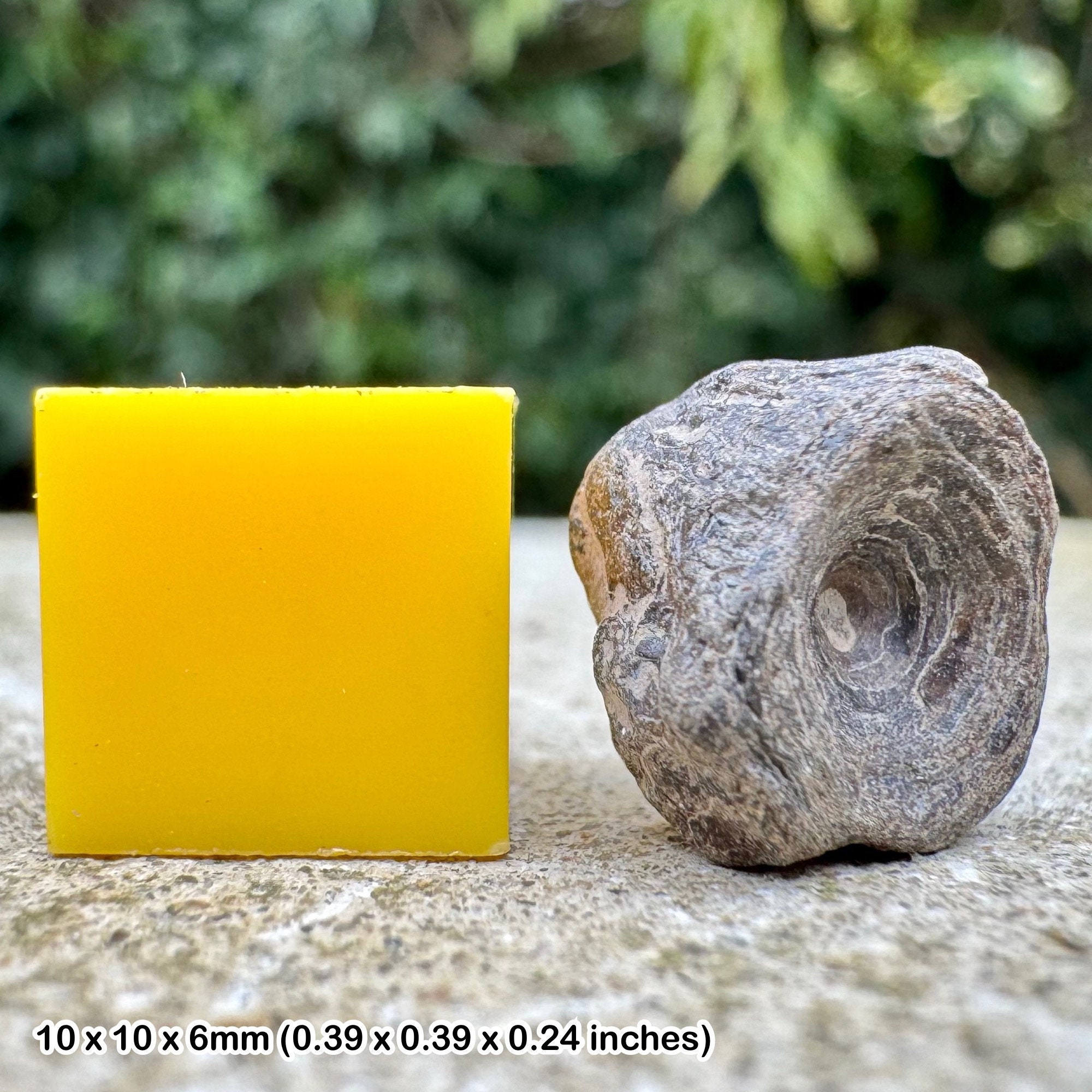
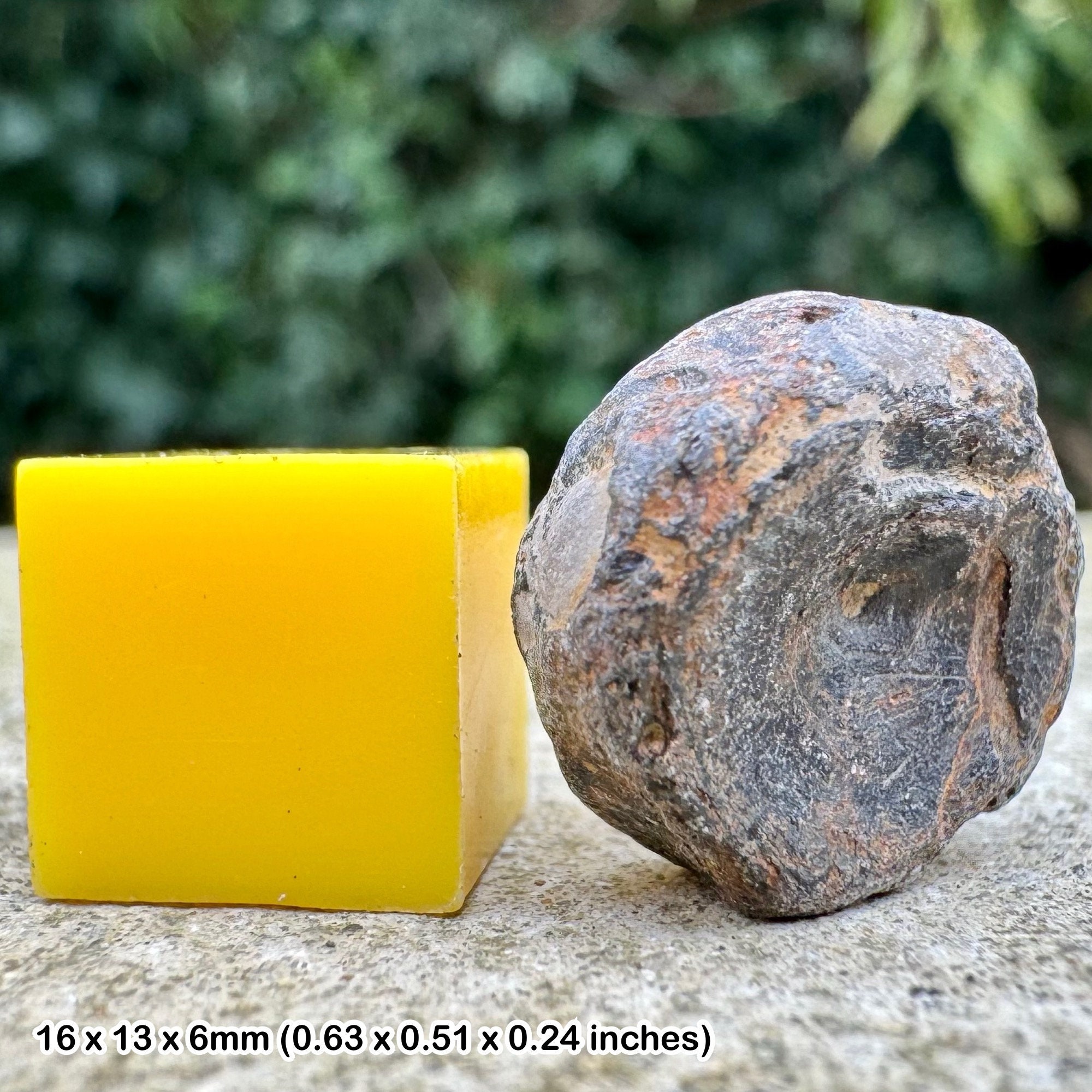
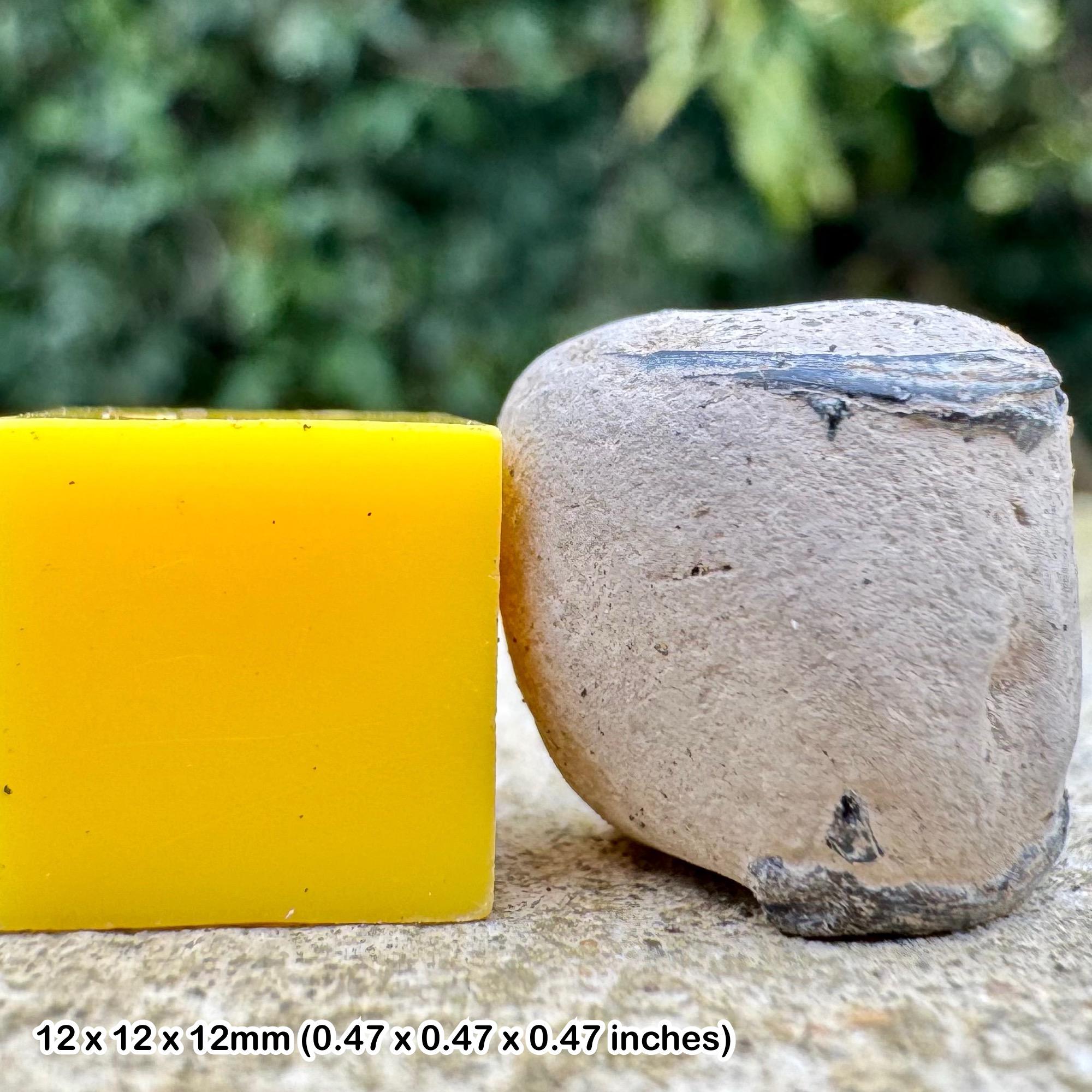
the Upper Greensand deposits of Charmouth, Dorset, UK, dating back to the Cretaceous Period. This specimen represents a scarce and scientifically significant echinoid, carefully preserved within the sandy sediments of southern England. The fossil photographed is the exact piece you will receive, shown with a 1 cm scale cube for accurate sizing. As with all our specimens, it is supplied with a Certificate of Authenticity guaranteeing its genuineness and provenance. GEOLOGICAL CONTEXTThe Upper Greensand Formation, from which this specimen originates, is part of the mid-Cretaceous rock succession of southern England, approximately 100–94 million years old. The formation is characterised by sandy, glauconitic deposits laid down in shallow marine conditions along the margins of the ancient Cretaceous seas. Fossils from this unit are less commonly found compared to the chalk deposits above, making them highly sought after by collectors. Charmouth, more widely known for its Jurassic Coast exposures, also reveals Cretaceous horizons where exceptional and rare finds such as Pseudholaster sequanicus are uncovered. SCIENTIFIC CLASSIFICATION
• Kingdom: Animalia
• Phylum: Echinodermata
• Class: Echinoidea
• Order: Holasteroida
• Family: Holasteridae
• Genus: Pseudholaster
• Species: Pseudholaster sequanicus MORPHOLOGICAL FEATURESPseudholaster sequanicus belongs to a group of irregular echinoids that display an oval to elongate test (shell) adapted for a burrowing lifestyle. Unlike the more symmetrical sea urchins of today, these echinoids exhibit a distinct bilateral symmetry, with the mouth shifted towards the anterior end of the underside and the anus positioned posteriorly. This adaptation allowed them to burrow efficiently through soft sediment, feeding on detritus and organic matter. The test typically displays well-developed petaloid ambulacra on the dorsal surface, forming a star-like pattern of pore rows used for respiration. This rare fossil clearly exhibits the specialised adaptations of holasteroid echinoids. PALEOECOLOGY AND SIGNIFICANCEDuring the Cretaceous, Pseudholaster thrived as part of the benthic infauna of shallow seas. These echinoids were deposit feeders, living buried in soft sand or mud and extracting nutrients from ingested sediment. Their morphology reflects the evolutionary diversification of echinoids during this period, when irregular echinoids became dominant in many marine environments. Because of their distinctive features and stratigraphic distribution, species such as Pseudholaster sequanicus are valuable for biostratigraphy, helping geologists identify and correlate layers within the Upper Greensand. PRESERVATION AND RARITYSpecimens of Pseudholaster sequanicus are highly sought after because they are seldom encountered compared to more common Cretaceous echinoids. The Upper Greensand exposures of Dorset are limited in distribution and yield relatively few well-preserved echinoids. This fossil displays clear preservation of its test morphology, with fine structural details visible, making it both a scientific and aesthetic specimen. Its rarity makes it a desirable addition to any advanced collection of echinoids or British Cretaceous fossils. COLLECTOR AND DISPLAY APPEALAs a VERY RARE echinoid fossil, this specimen is an excellent acquisition for both collectors and enthusiasts of paleontology. Its unique preservation, combined with its stratigraphic and scientific importance, ensures it holds enduring value. Displaying this fossil offers not only a striking natural history piece but also a tangible link to the Cretaceous marine ecosystems of southern England. AUTHENTICITY GUARANTEEDAll of our fossils are 100% genuine and come with a Certificate of Authenticity. The fossil shown in the photographs is the exact specimen you will receive, ensuring transparency and accuracy. This Pseudholaster sequanicus fossil from Charmouth represents a rare and important opportunity to add an exceptional piece of Cretaceous paleontology to your collection.
the Upper Greensand deposits of Charmouth, Dorset, UK, dating back to the Cretaceous Period. This specimen represents a scarce and scientifically significant echinoid, carefully preserved within the sandy sediments of southern England. The fossil photographed is the exact piece you will receive, shown with a 1 cm scale cube for accurate sizing. As with all our specimens, it is supplied with a Certificate of Authenticity guaranteeing its genuineness and provenance. GEOLOGICAL CONTEXTThe Upper Greensand Formation, from which this specimen originates, is part of the mid-Cretaceous rock succession of southern England, approximately 100–94 million years old. The formation is characterised by sandy, glauconitic deposits laid down in shallow marine conditions along the margins of the ancient Cretaceous seas. Fossils from this unit are less commonly found compared to the chalk deposits above, making them highly sought after by collectors. Charmouth, more widely known for its Jurassic Coast exposures, also reveals Cretaceous horizons where exceptional and rare finds such as Pseudholaster sequanicus are uncovered. SCIENTIFIC CLASSIFICATION
• Kingdom: Animalia
• Phylum: Echinodermata
• Class: Echinoidea
• Order: Holasteroida
• Family: Holasteridae
• Genus: Pseudholaster
• Species: Pseudholaster sequanicus MORPHOLOGICAL FEATURESPseudholaster sequanicus belongs to a group of irregular echinoids that display an oval to elongate test (shell) adapted for a burrowing lifestyle. Unlike the more symmetrical sea urchins of today, these echinoids exhibit a distinct bilateral symmetry, with the mouth shifted towards the anterior end of the underside and the anus positioned posteriorly. This adaptation allowed them to burrow efficiently through soft sediment, feeding on detritus and organic matter. The test typically displays well-developed petaloid ambulacra on the dorsal surface, forming a star-like pattern of pore rows used for respiration. This rare fossil clearly exhibits the specialised adaptations of holasteroid echinoids. PALEOECOLOGY AND SIGNIFICANCEDuring the Cretaceous, Pseudholaster thrived as part of the benthic infauna of shallow seas. These echinoids were deposit feeders, living buried in soft sand or mud and extracting nutrients from ingested sediment. Their morphology reflects the evolutionary diversification of echinoids during this period, when irregular echinoids became dominant in many marine environments. Because of their distinctive features and stratigraphic distribution, species such as Pseudholaster sequanicus are valuable for biostratigraphy, helping geologists identify and correlate layers within the Upper Greensand. PRESERVATION AND RARITYSpecimens of Pseudholaster sequanicus are highly sought after because they are seldom encountered compared to more common Cretaceous echinoids. The Upper Greensand exposures of Dorset are limited in distribution and yield relatively few well-preserved echinoids. This fossil displays clear preservation of its test morphology, with fine structural details visible, making it both a scientific and aesthetic specimen. Its rarity makes it a desirable addition to any advanced collection of echinoids or British Cretaceous fossils. COLLECTOR AND DISPLAY APPEALAs a VERY RARE echinoid fossil, this specimen is an excellent acquisition for both collectors and enthusiasts of paleontology. Its unique preservation, combined with its stratigraphic and scientific importance, ensures it holds enduring value. Displaying this fossil offers not only a striking natural history piece but also a tangible link to the Cretaceous marine ecosystems of southern England. AUTHENTICITY GUARANTEEDAll of our fossils are 100% genuine and come with a Certificate of Authenticity. The fossil shown in the photographs is the exact specimen you will receive, ensuring transparency and accuracy. This Pseudholaster sequanicus fossil from Charmouth represents a rare and important opportunity to add an exceptional piece of Cretaceous paleontology to your collection.
Other Products