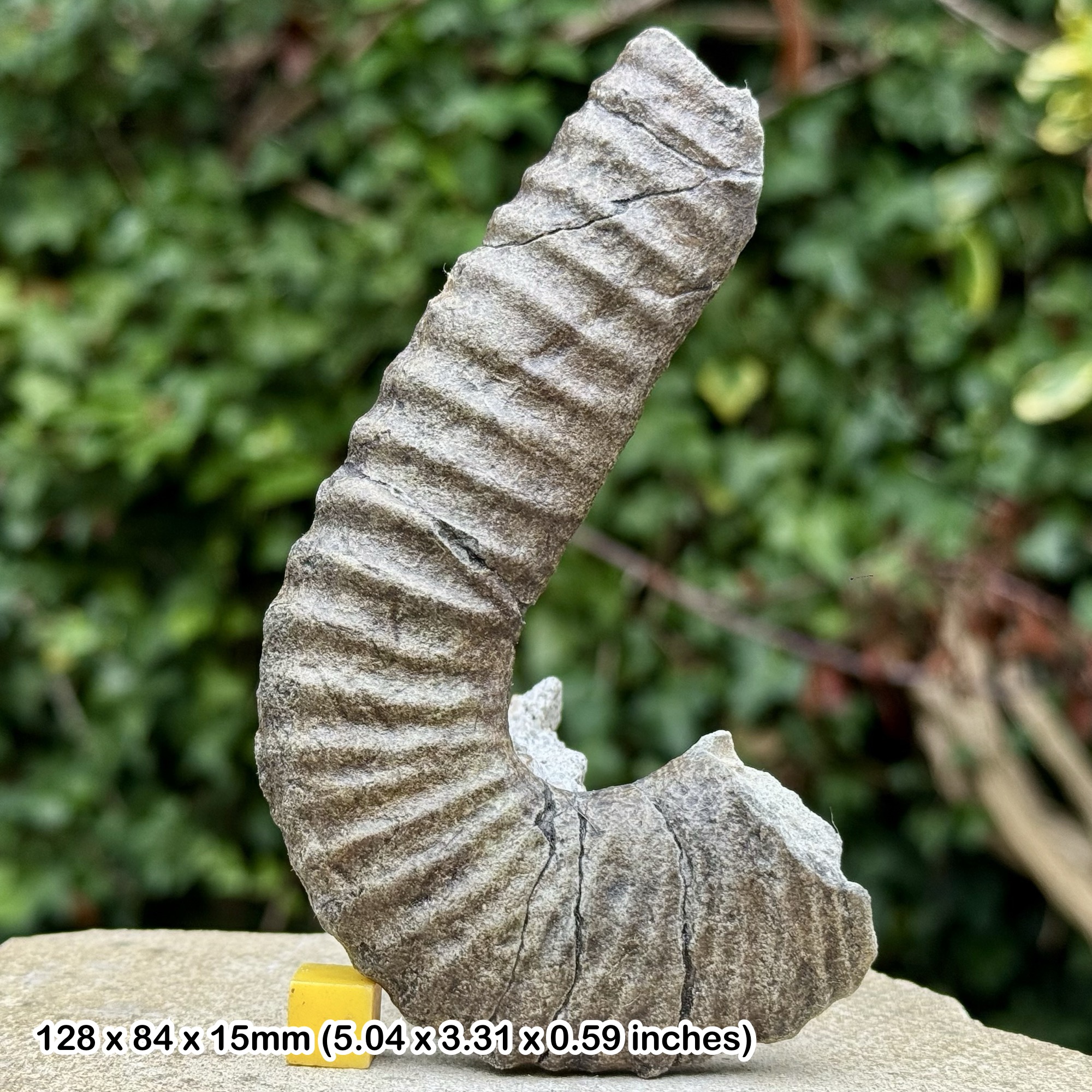
Rare Neoglyptus magnificum Heteromorph Ammonite Fossil Cretaceous Maastrichtian Madagascar Genuine Certified Specimen | Collector Fossil
£ 36.00
CHATGPT SAID:
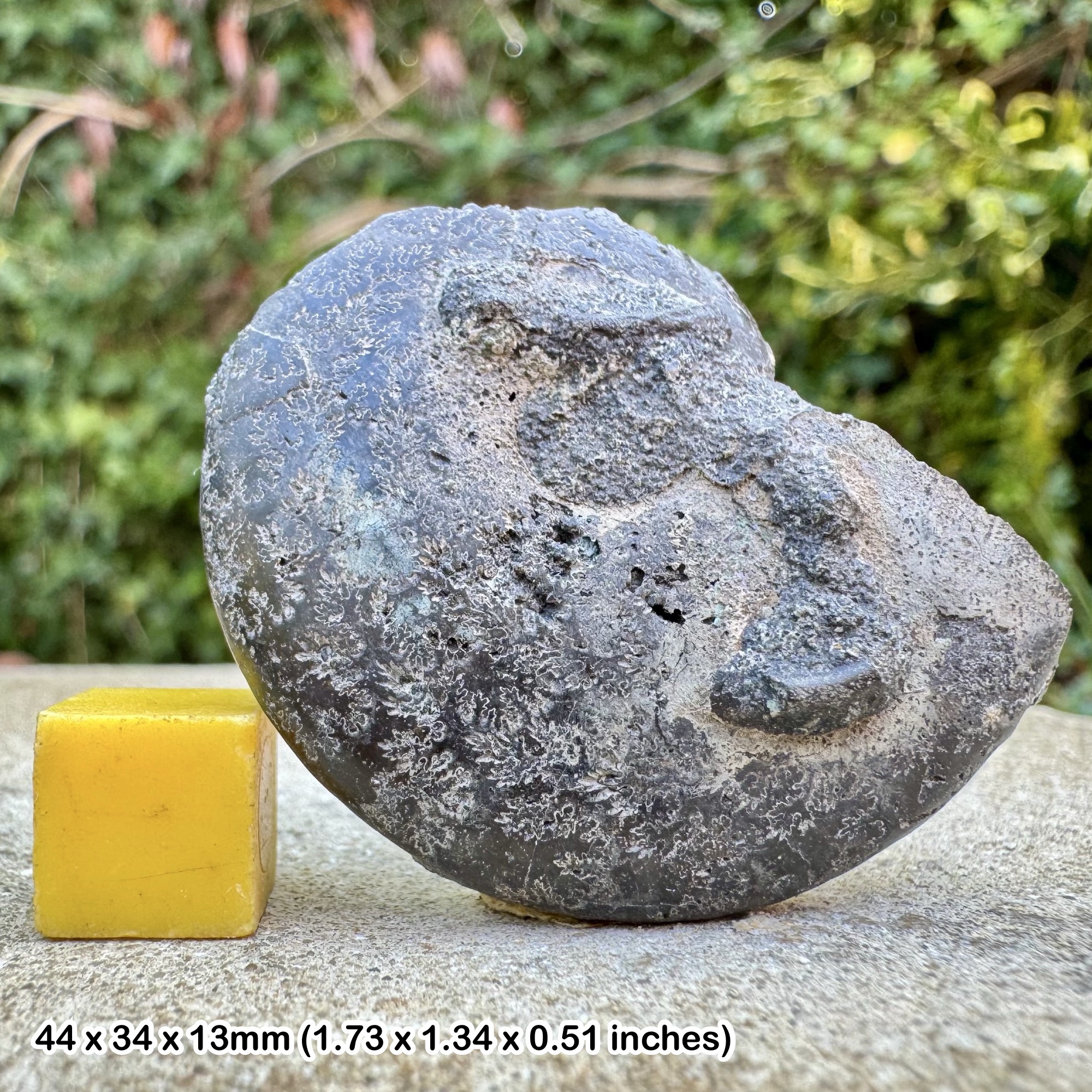
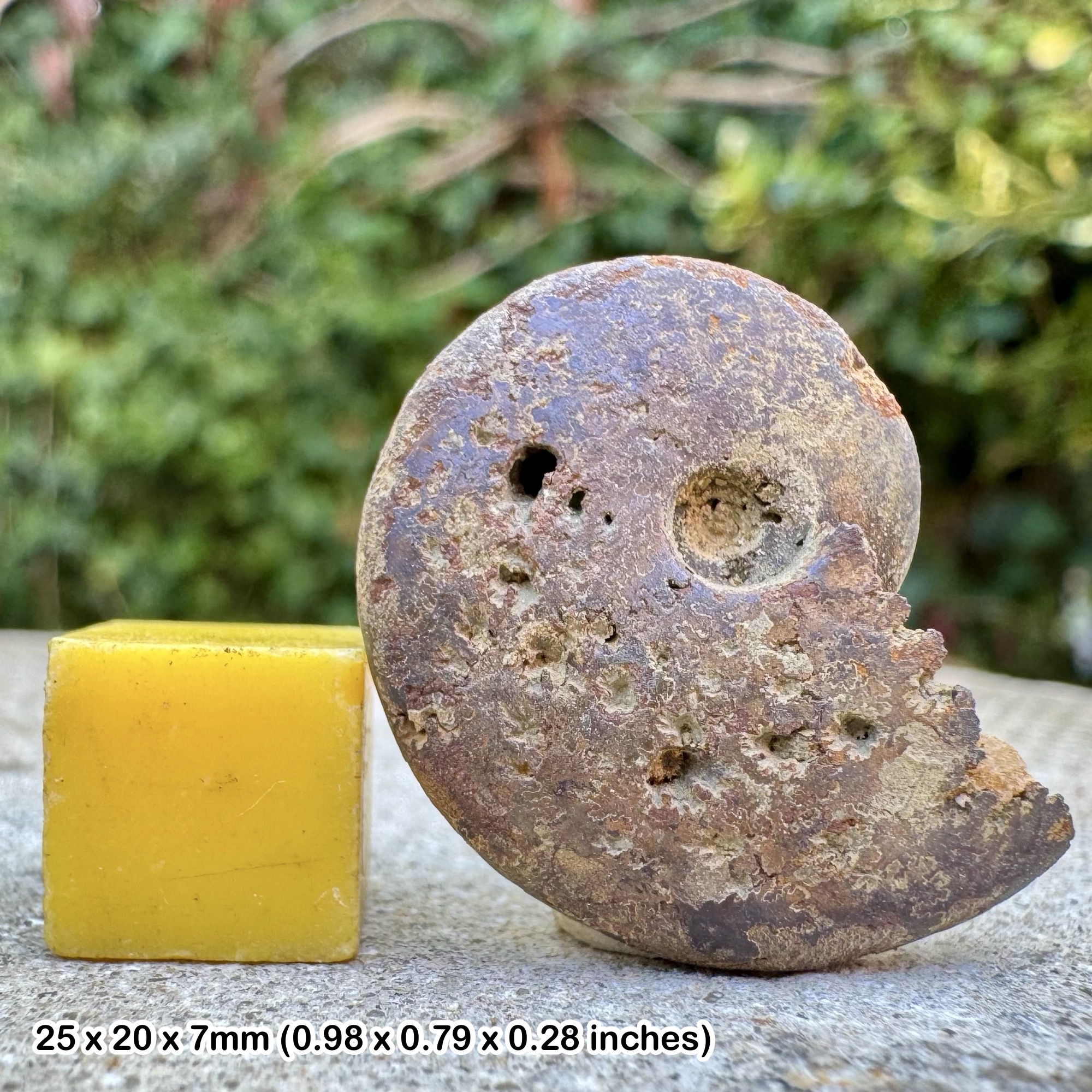
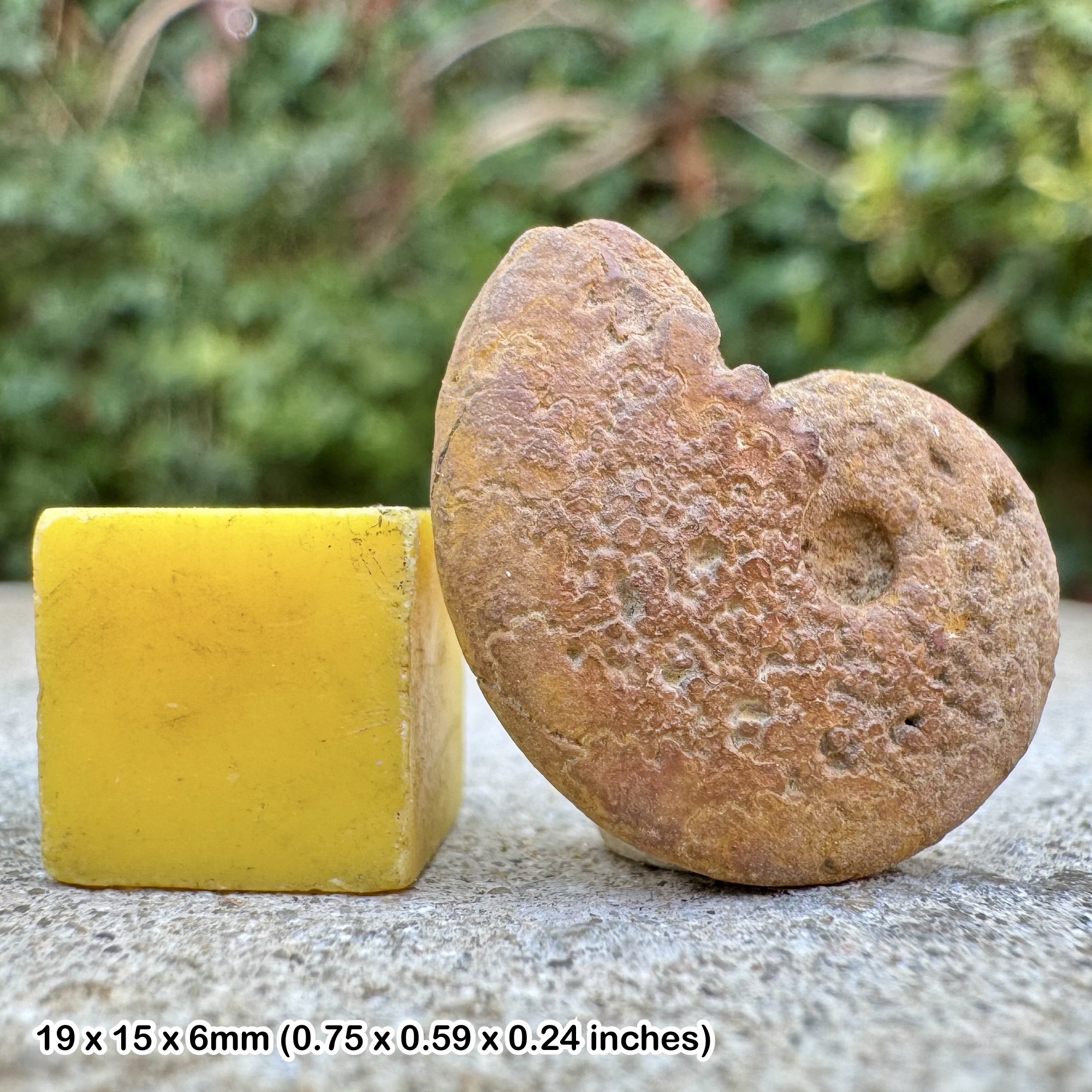
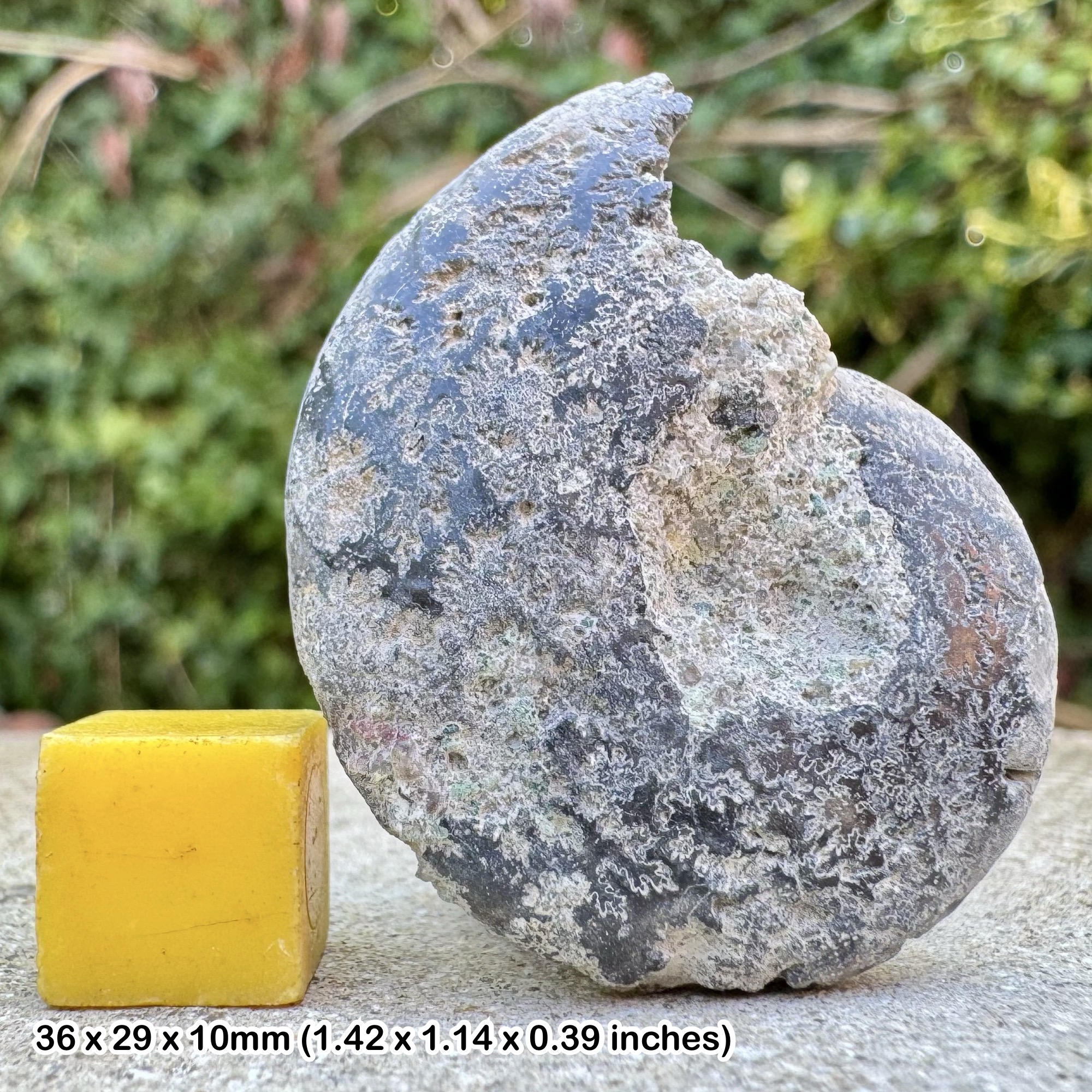
Selling TitleRare Neoglyptus magnificum Heteromorph Ammonite Fossil Cretaceous Maastrichtian Madagascar Genuine Certified Specimen | Collector FossilLong Description AUTHENTIC NEOGLYPTUS MAGNIFICUM AMMONITE FOSSIL FROM MADAGASCAROffered here is a rare Neoglyptus magnificum heteromorph ammonite fossil from the Lower Maastrichtian Stage of the Late Cretaceous Period (approximately 72–70 million years ago). This exceptional specimen originates from Madagascar, a world-renowned region for its richly preserved ammonites and marine fossils. Every fossil we sell is guaranteed 100% genuine and comes with a Certificate of Authenticity. The fossil shown in the photographs is the exact specimen you will receive, with a 1 cm scale cube included to provide accurate sizing. GEOLOGICAL AGE AND LOCALITYThe Maastrichtian Stage represents the final interval of the Cretaceous, just before the end-Cretaceous mass extinction event that wiped out ammonites and non-avian dinosaurs alike. The deposits of Madagascar, particularly those exposed in marine sedimentary basins, preserve a diverse ammonite fauna that thrived in warm, shallow seas. This specimen provides a direct link to those final flourishing ecosystems, making it not only a collector’s treasure but also a poignant piece of Earth’s evolutionary history. FOSSIL TYPE AND SCIENTIFIC CLASSIFICATIONAmmonites were marine molluscs belonging to the order Ammonitida, related to modern squids and octopuses. The genus Neoglyptus, and specifically Neoglyptus magnificum, is a member of the family Diplomoceratidae, within the superfamily Turrilitoidea. These ammonites are heteromorphs, meaning their shells deviate from the classic spiral form and instead display irregular coiling patterns. Their unique morphology makes them especially significant for understanding evolutionary diversity in the closing stages of the Cretaceous. MORPHOLOGY AND DISTINCTIVE FEATURESUnlike typical planispiral ammonites, heteromorph ammonites such as Neoglyptus magnificum feature highly irregular coiling and distinctive shell ornamentation. This specimen displays the unorthodox geometry of its whorls, marked by strong ribbing and distinctive sculptural features that make it instantly recognisable. The unusual coiling likely influenced how the animal swam and floated within the ancient seas, setting it apart from its more conventionally shaped relatives. These physical traits make it a fascinating study specimen as well as a striking collector’s piece. SCIENTIFIC AND COLLECTOR SIGNIFICANCEThe presence of Neoglyptus magnificum in the Lower Maastrichtian biozones makes this fossil important for stratigraphic studies. Ammonites of the family Diplomoceratidae are widely used as index fossils, meaning they help geologists correlate rock layers across different regions. As one of the last groups of ammonites before the end-Cretaceous extinction, this species also represents a critical chapter in cephalopod evolution. For collectors, the rarity of heteromorph ammonites adds prestige, while the Madagascan provenance ensures a specimen of excellent quality and preservation. PROVENANCE AND AUTHENTICITY
• Species: Neoglyptus magnificum
• Fossil Type: Heteromorph ammonite
• Geological Stage: Lower Maastrichtian, Late Cretaceous (~72–70 million years ago)
• Location: Madagascar
• Family: Diplomoceratidae
• Superfamily: Turrilitoidea
• Order: Ammonitida
• Notable Features: Irregular heteromorph coiling, strong ribbing, distinctive ornamentation
• Authenticity: 100% genuine fossil with Certificate of Authenticity
• Photographs: Actual specimen shown with 1 cm scale cube for size reference A CAREFULLY CHOSEN SPECIMENThis Neoglyptus magnificum ammonite fossil has been carefully selected for its rarity, distinctive heteromorph features, and excellent preservation. The fossil pictured is the exact specimen you will receive, guaranteeing both authenticity and transparency. Each specimen is provided with a Certificate of Authenticity, ensuring that your acquisition is a verified piece of natural history.This rare heteromorph ammonite from Madagascar is an outstanding collector’s item, offering not only remarkable display value but also deep geological and evolutionary significance from the closing chapter of the Cretaceous world.
Selling TitleRare Neoglyptus magnificum Heteromorph Ammonite Fossil Cretaceous Maastrichtian Madagascar Genuine Certified Specimen | Collector FossilLong Description AUTHENTIC NEOGLYPTUS MAGNIFICUM AMMONITE FOSSIL FROM MADAGASCAROffered here is a rare Neoglyptus magnificum heteromorph ammonite fossil from the Lower Maastrichtian Stage of the Late Cretaceous Period (approximately 72–70 million years ago). This exceptional specimen originates from Madagascar, a world-renowned region for its richly preserved ammonites and marine fossils. Every fossil we sell is guaranteed 100% genuine and comes with a Certificate of Authenticity. The fossil shown in the photographs is the exact specimen you will receive, with a 1 cm scale cube included to provide accurate sizing. GEOLOGICAL AGE AND LOCALITYThe Maastrichtian Stage represents the final interval of the Cretaceous, just before the end-Cretaceous mass extinction event that wiped out ammonites and non-avian dinosaurs alike. The deposits of Madagascar, particularly those exposed in marine sedimentary basins, preserve a diverse ammonite fauna that thrived in warm, shallow seas. This specimen provides a direct link to those final flourishing ecosystems, making it not only a collector’s treasure but also a poignant piece of Earth’s evolutionary history. FOSSIL TYPE AND SCIENTIFIC CLASSIFICATIONAmmonites were marine molluscs belonging to the order Ammonitida, related to modern squids and octopuses. The genus Neoglyptus, and specifically Neoglyptus magnificum, is a member of the family Diplomoceratidae, within the superfamily Turrilitoidea. These ammonites are heteromorphs, meaning their shells deviate from the classic spiral form and instead display irregular coiling patterns. Their unique morphology makes them especially significant for understanding evolutionary diversity in the closing stages of the Cretaceous. MORPHOLOGY AND DISTINCTIVE FEATURESUnlike typical planispiral ammonites, heteromorph ammonites such as Neoglyptus magnificum feature highly irregular coiling and distinctive shell ornamentation. This specimen displays the unorthodox geometry of its whorls, marked by strong ribbing and distinctive sculptural features that make it instantly recognisable. The unusual coiling likely influenced how the animal swam and floated within the ancient seas, setting it apart from its more conventionally shaped relatives. These physical traits make it a fascinating study specimen as well as a striking collector’s piece. SCIENTIFIC AND COLLECTOR SIGNIFICANCEThe presence of Neoglyptus magnificum in the Lower Maastrichtian biozones makes this fossil important for stratigraphic studies. Ammonites of the family Diplomoceratidae are widely used as index fossils, meaning they help geologists correlate rock layers across different regions. As one of the last groups of ammonites before the end-Cretaceous extinction, this species also represents a critical chapter in cephalopod evolution. For collectors, the rarity of heteromorph ammonites adds prestige, while the Madagascan provenance ensures a specimen of excellent quality and preservation. PROVENANCE AND AUTHENTICITY
• Species: Neoglyptus magnificum
• Fossil Type: Heteromorph ammonite
• Geological Stage: Lower Maastrichtian, Late Cretaceous (~72–70 million years ago)
• Location: Madagascar
• Family: Diplomoceratidae
• Superfamily: Turrilitoidea
• Order: Ammonitida
• Notable Features: Irregular heteromorph coiling, strong ribbing, distinctive ornamentation
• Authenticity: 100% genuine fossil with Certificate of Authenticity
• Photographs: Actual specimen shown with 1 cm scale cube for size reference A CAREFULLY CHOSEN SPECIMENThis Neoglyptus magnificum ammonite fossil has been carefully selected for its rarity, distinctive heteromorph features, and excellent preservation. The fossil pictured is the exact specimen you will receive, guaranteeing both authenticity and transparency. Each specimen is provided with a Certificate of Authenticity, ensuring that your acquisition is a verified piece of natural history.This rare heteromorph ammonite from Madagascar is an outstanding collector’s item, offering not only remarkable display value but also deep geological and evolutionary significance from the closing chapter of the Cretaceous world.