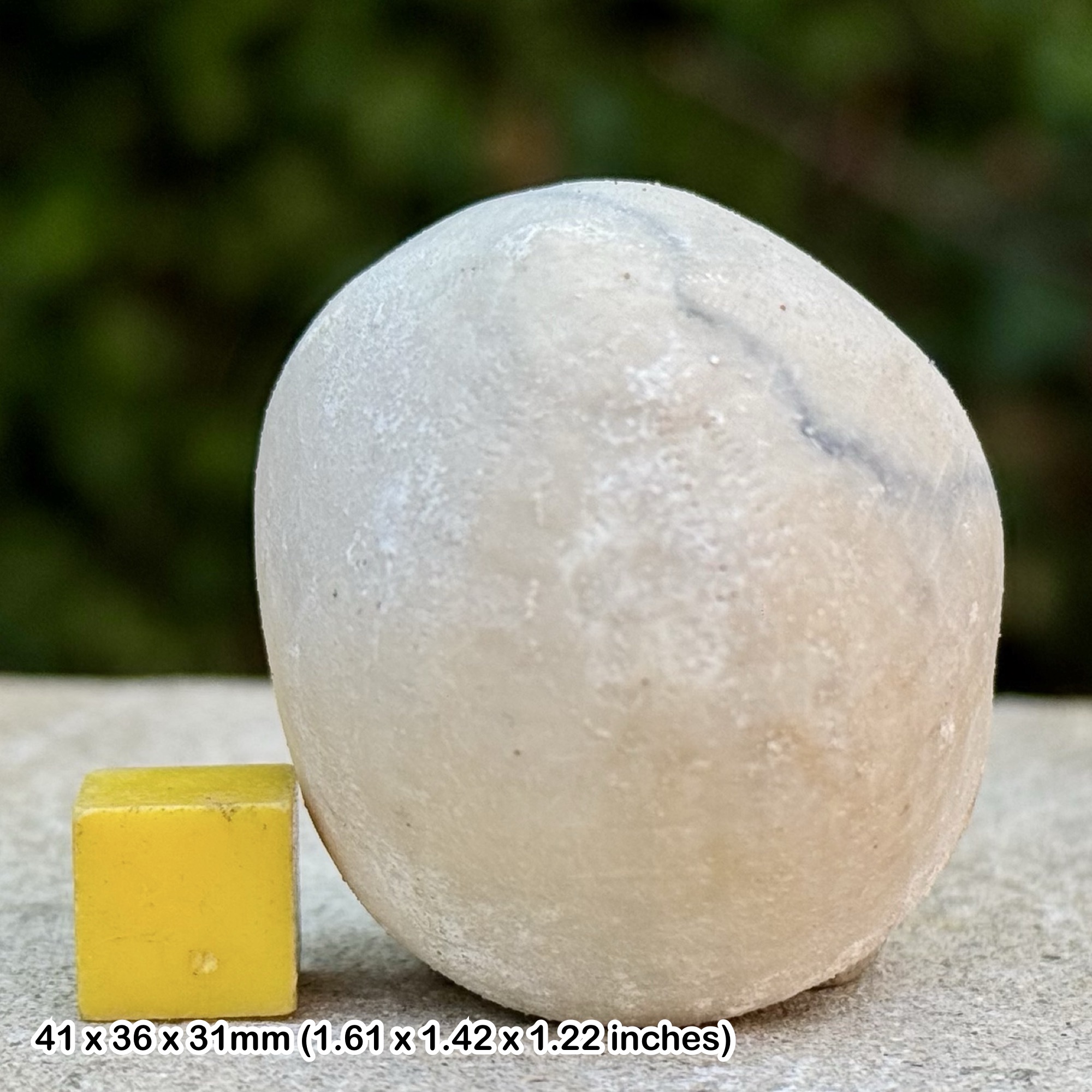
Echinocorys Fossil Echinoid Chalk Cretaceous Seaford UK Authentic Collector Specimen with Certificate of Authenticity
£ 15.00
This listing presents a genuine Echinocorys fossil echinoid, collected from the
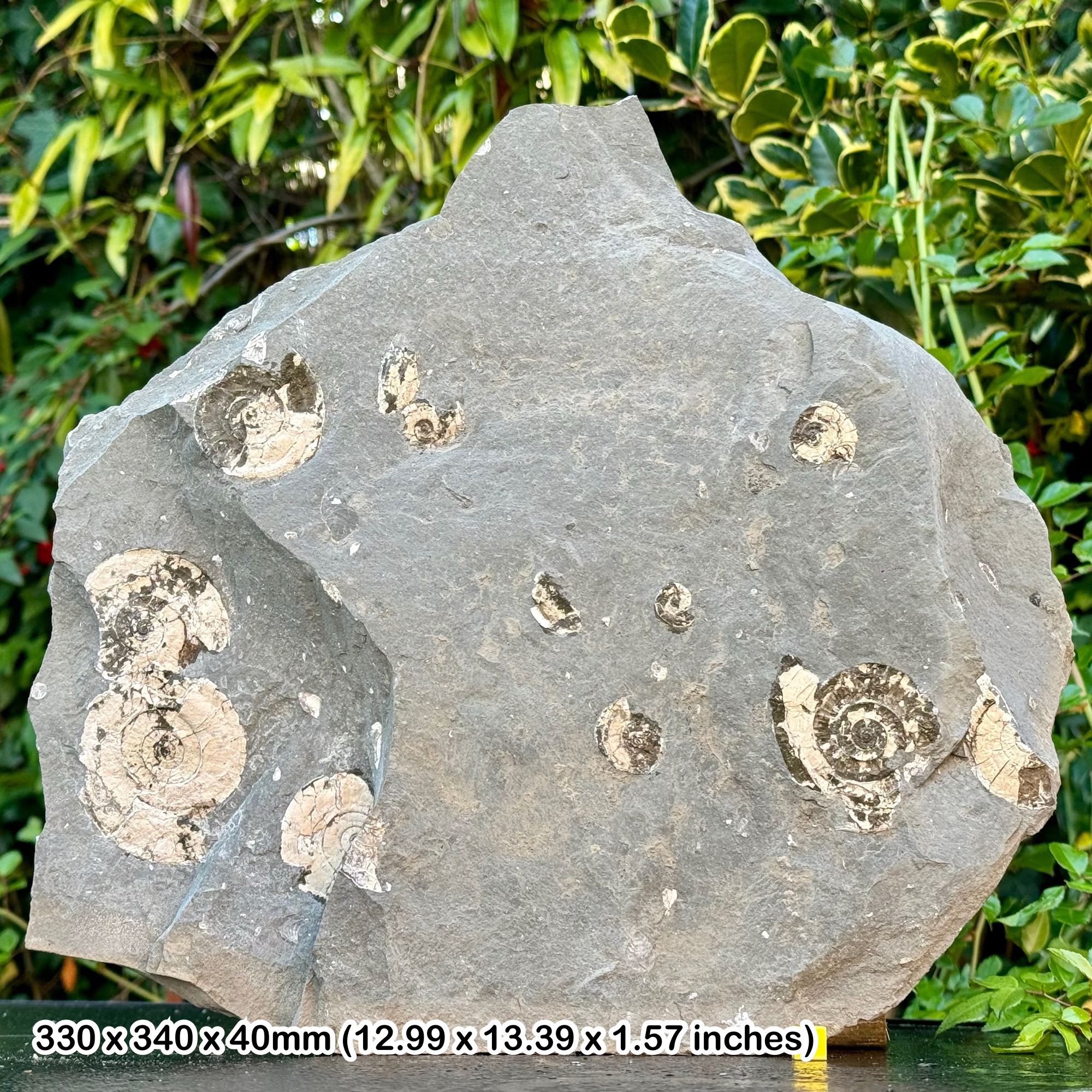
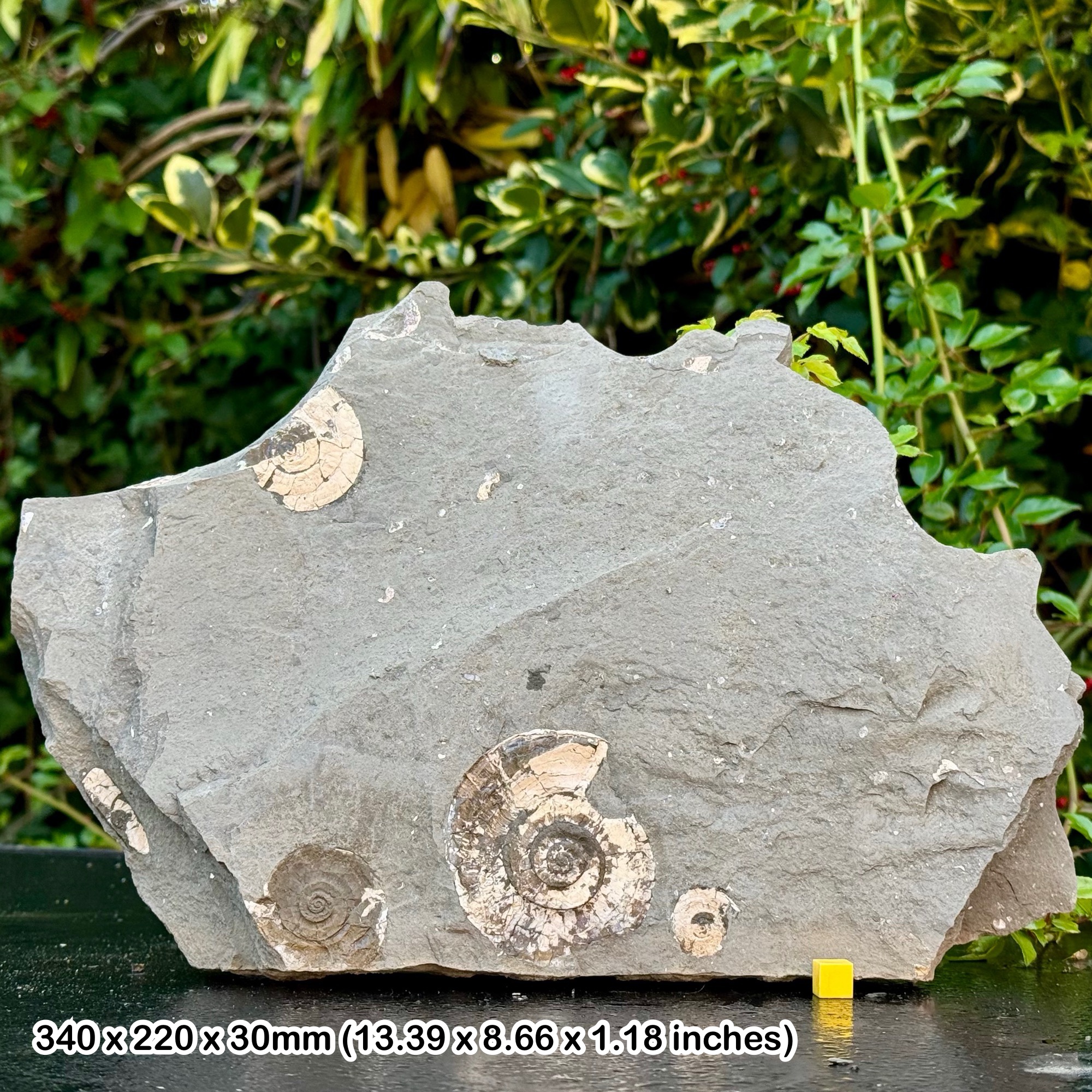
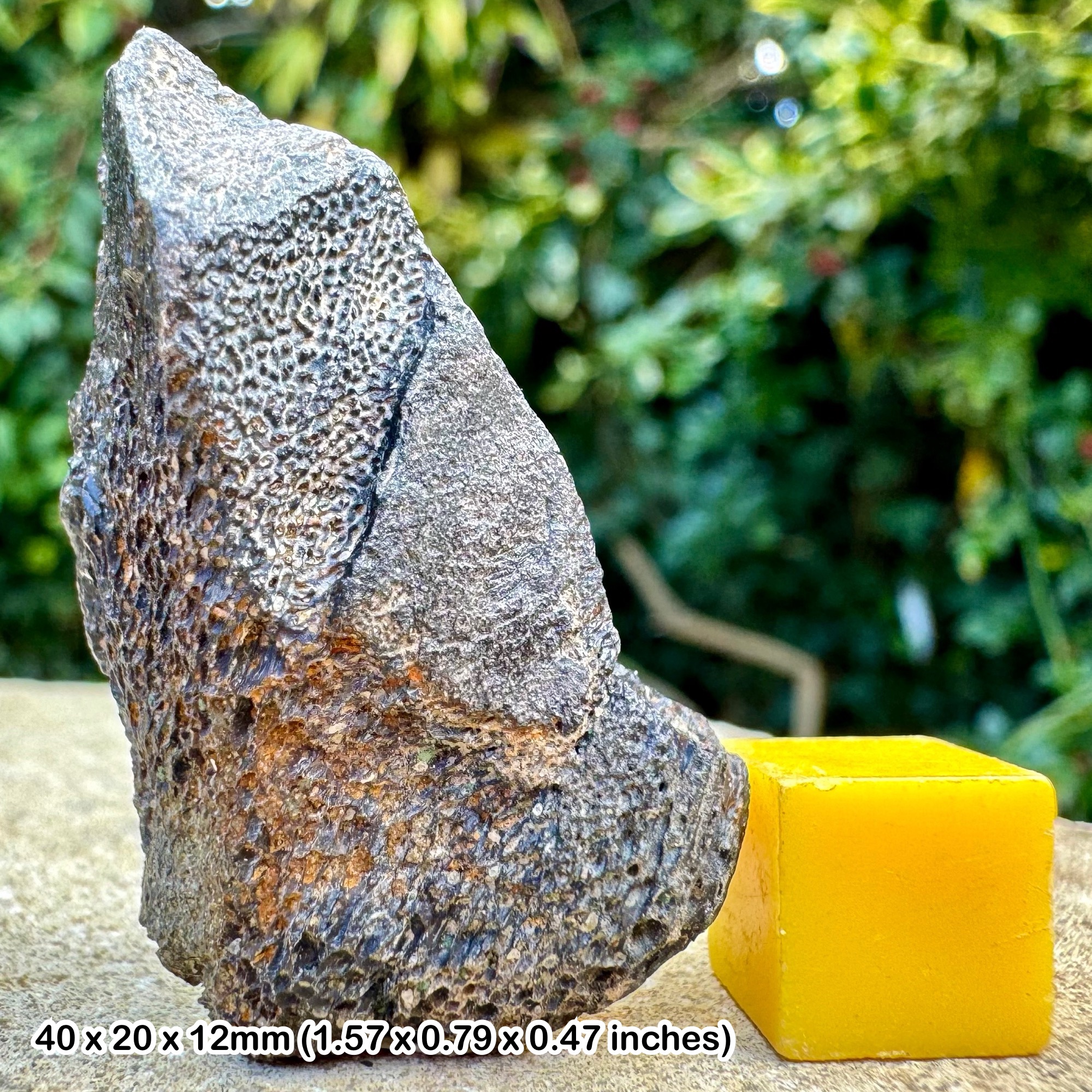
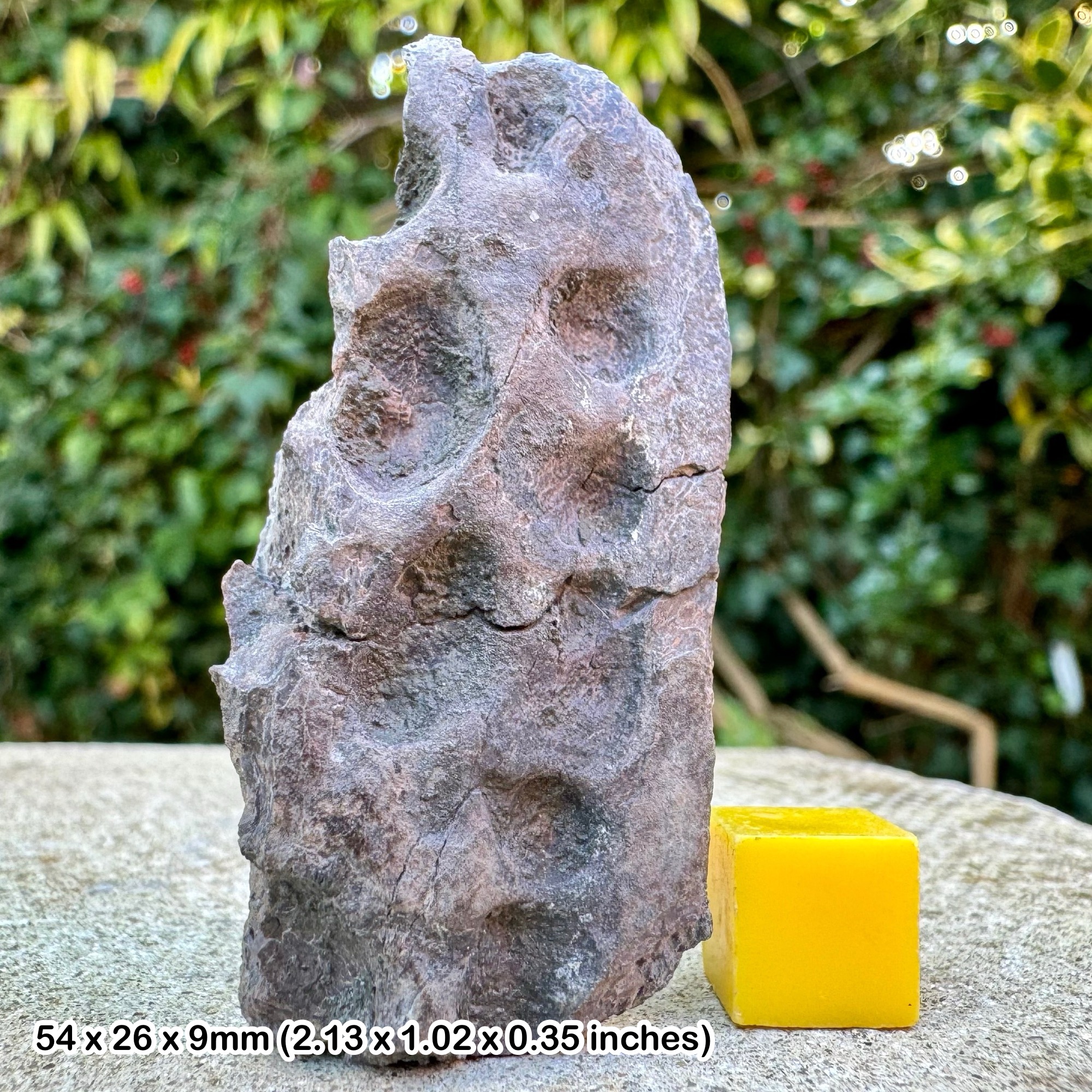
Upper Cretaceous Chalk at Seaford, East Sussex, UK. Dating to around 80–70 million years ago, during the Late Cretaceous, this fossil represents an extinct species of irregular sea urchin, commonly known as the “heart urchin.”The photographs show the exact specimen you will receive, with a 1 cm scale cube included for precise size reference. As with all of our pieces, this fossil is a 100% genuine specimen, carefully prepared and supplied with a Certificate of Authenticity. GEOLOGICAL CONTEXT: SEAFORD CHALK FORMATIONThe Seaford Chalk Formation is part of the famous Chalk Group of southern England. These deposits were laid down in warm epicontinental seas during the Late Cretaceous and consist largely of microscopic coccolithophores—tiny planktonic algae that formed vast calcareous sediments. Over millions of years, these sediments compressed into chalk, interbedded with flint nodules that often preserve fossils in remarkable detail.Seaford’s chalk cliffs are globally significant for their fossil content and provide critical insights into the marine ecosystems of the Late Cretaceous. The conditions of deposition created a stable and well-oxygenated seafloor environment, ideal for the preservation of organisms such as Echinocorys. THE SPECIES: ECHINOCORYSEchinocorys is one of the most characteristic echinoids of the British Chalk, belonging to the phylum Echinodermata, class Echinoidea, order Holasteroida, and family Echinocorythidae. These echinoids are frequently found in chalk and flint, making them a key fossil for stratigraphic studies.Distinctive features of Echinocorys include:
• A globular to heart-shaped test (shell) with bilateral symmetry.
• Well-developed ambulacral petals radiating across the upper surface.
• A flattened underside, reflecting its adaptation to a burrowing lifestyle.
• Paired pore systems associated with tube feet used for respiration and locomotion.These morphological traits reveal that Echinocorys lived buried within soft marine sediments, feeding on detritus and organic matter. Its abundance and evolutionary variation through the chalk sequence make it a vital index fossil for the Upper Cretaceous. MORPHOLOGICAL AND SCIENTIFIC FEATURES
• Phylum: Echinodermata
• Class: Echinoidea
• Order: Holasteroida
• Family: Echinocorythidae
• Genus: Echinocorys
• Geological Age: Upper Cretaceous (c. 80–70 Ma)
• Locality: Seaford, East Sussex, UK
• Formation: Seaford Chalk Formation, Chalk Group
• Preservation: Chalk preservation, occasionally silicified in flint
• Lifestyle: Infaunal burrower and detritivore
• Scientific Importance: Classic stratigraphic marker fossil for the Upper Cretaceous Chalk COLLECTOR AND DISPLAY VALUEFossils of Echinocorys are highly sought after, not only for their scientific value but also for their aesthetic appeal. Their distinctive “heart urchin” shape makes them instantly recognisable, and their preservation within chalk deposits adds a unique visual quality.A specimen from Seaford, one of the UK’s most famous chalk localities, offers both a scientifically significant and historically important addition to any fossil collection. Supplied with a Certificate of Authenticity, this fossil echinoid provides a genuine link to the ancient Cretaceous seas of southern England, making it an ideal piece for collectors, educators, and natural history enthusiasts alike.
Upper Cretaceous Chalk at Seaford, East Sussex, UK. Dating to around 80–70 million years ago, during the Late Cretaceous, this fossil represents an extinct species of irregular sea urchin, commonly known as the “heart urchin.”The photographs show the exact specimen you will receive, with a 1 cm scale cube included for precise size reference. As with all of our pieces, this fossil is a 100% genuine specimen, carefully prepared and supplied with a Certificate of Authenticity. GEOLOGICAL CONTEXT: SEAFORD CHALK FORMATIONThe Seaford Chalk Formation is part of the famous Chalk Group of southern England. These deposits were laid down in warm epicontinental seas during the Late Cretaceous and consist largely of microscopic coccolithophores—tiny planktonic algae that formed vast calcareous sediments. Over millions of years, these sediments compressed into chalk, interbedded with flint nodules that often preserve fossils in remarkable detail.Seaford’s chalk cliffs are globally significant for their fossil content and provide critical insights into the marine ecosystems of the Late Cretaceous. The conditions of deposition created a stable and well-oxygenated seafloor environment, ideal for the preservation of organisms such as Echinocorys. THE SPECIES: ECHINOCORYSEchinocorys is one of the most characteristic echinoids of the British Chalk, belonging to the phylum Echinodermata, class Echinoidea, order Holasteroida, and family Echinocorythidae. These echinoids are frequently found in chalk and flint, making them a key fossil for stratigraphic studies.Distinctive features of Echinocorys include:
• A globular to heart-shaped test (shell) with bilateral symmetry.
• Well-developed ambulacral petals radiating across the upper surface.
• A flattened underside, reflecting its adaptation to a burrowing lifestyle.
• Paired pore systems associated with tube feet used for respiration and locomotion.These morphological traits reveal that Echinocorys lived buried within soft marine sediments, feeding on detritus and organic matter. Its abundance and evolutionary variation through the chalk sequence make it a vital index fossil for the Upper Cretaceous. MORPHOLOGICAL AND SCIENTIFIC FEATURES
• Phylum: Echinodermata
• Class: Echinoidea
• Order: Holasteroida
• Family: Echinocorythidae
• Genus: Echinocorys
• Geological Age: Upper Cretaceous (c. 80–70 Ma)
• Locality: Seaford, East Sussex, UK
• Formation: Seaford Chalk Formation, Chalk Group
• Preservation: Chalk preservation, occasionally silicified in flint
• Lifestyle: Infaunal burrower and detritivore
• Scientific Importance: Classic stratigraphic marker fossil for the Upper Cretaceous Chalk COLLECTOR AND DISPLAY VALUEFossils of Echinocorys are highly sought after, not only for their scientific value but also for their aesthetic appeal. Their distinctive “heart urchin” shape makes them instantly recognisable, and their preservation within chalk deposits adds a unique visual quality.A specimen from Seaford, one of the UK’s most famous chalk localities, offers both a scientifically significant and historically important addition to any fossil collection. Supplied with a Certificate of Authenticity, this fossil echinoid provides a genuine link to the ancient Cretaceous seas of southern England, making it an ideal piece for collectors, educators, and natural history enthusiasts alike.
Other Products