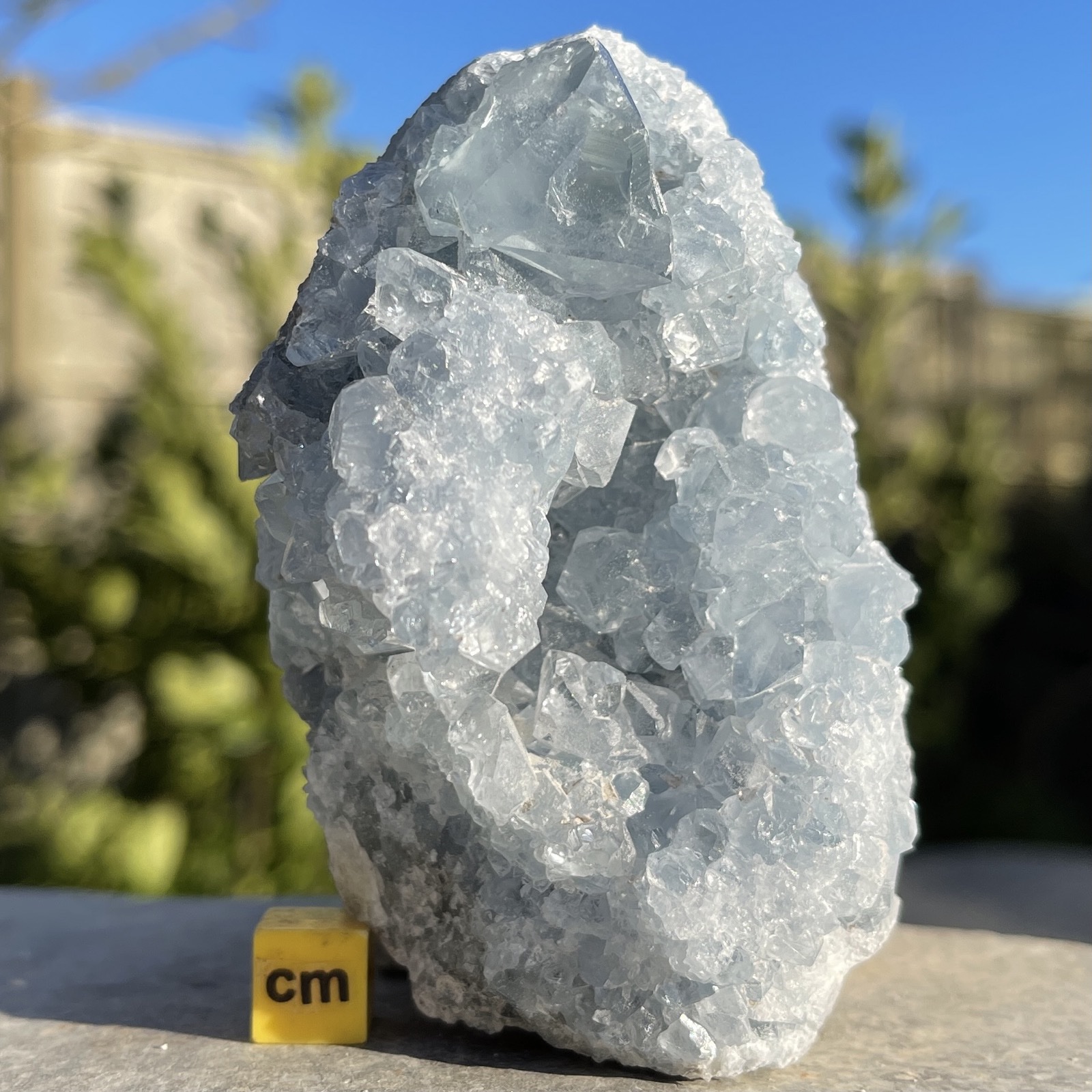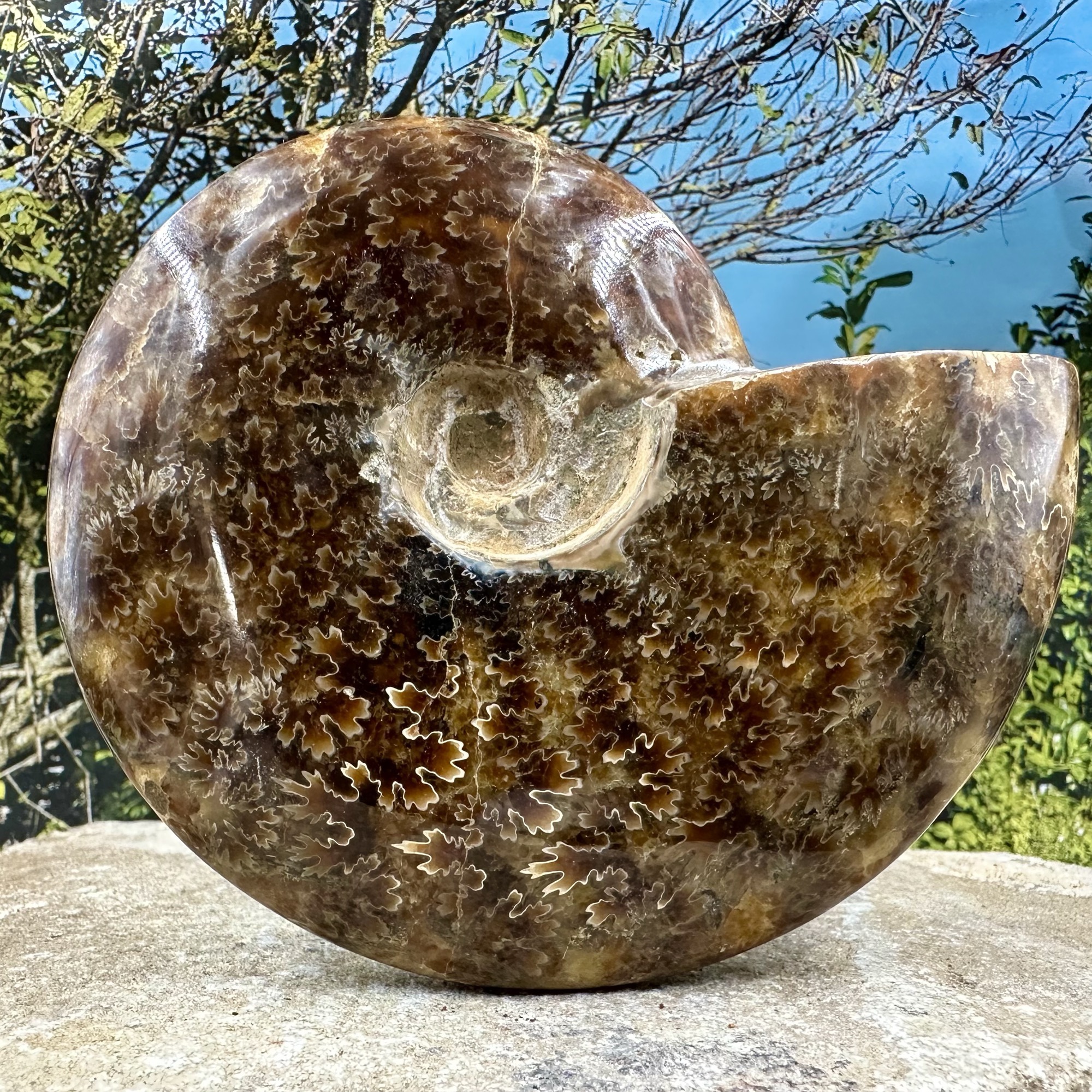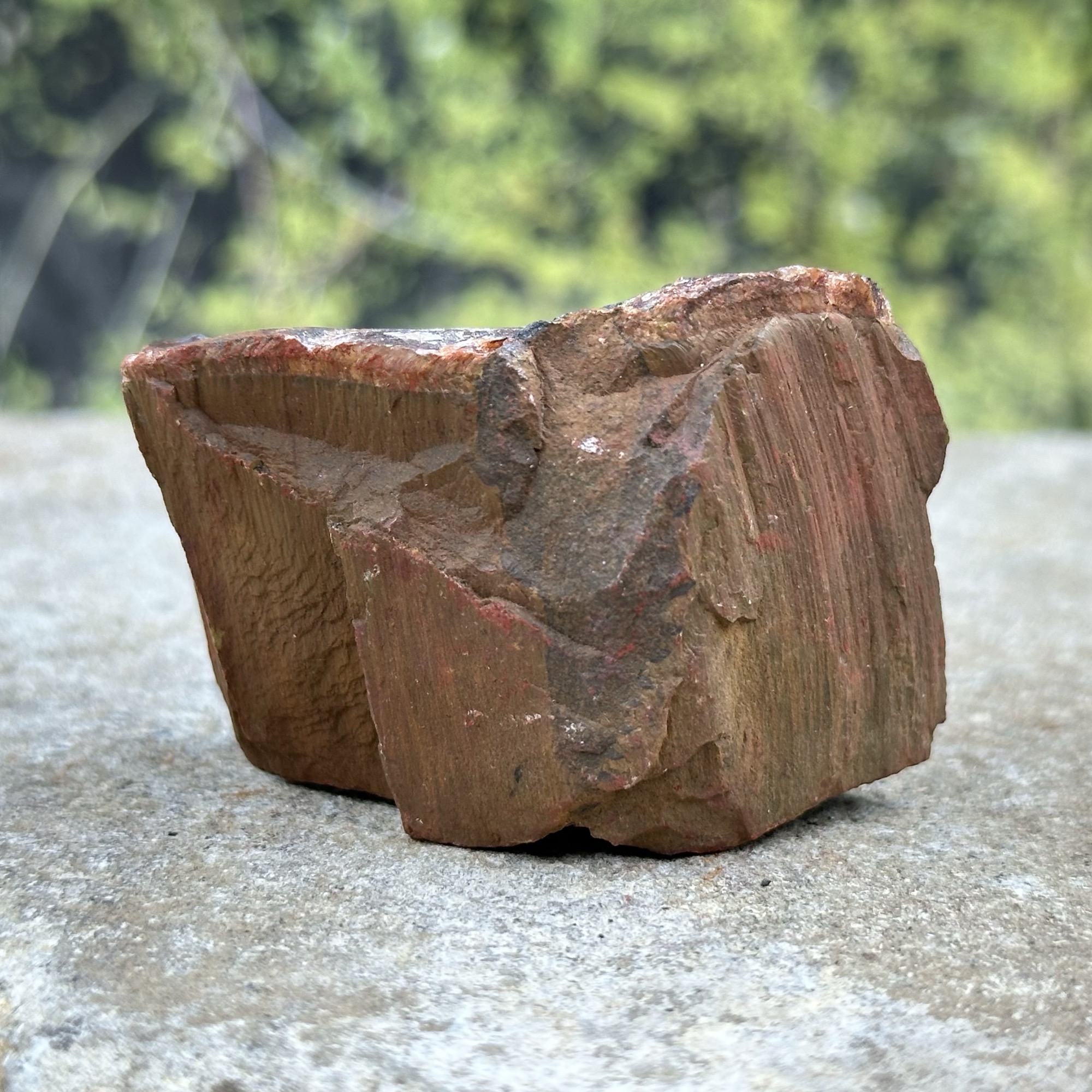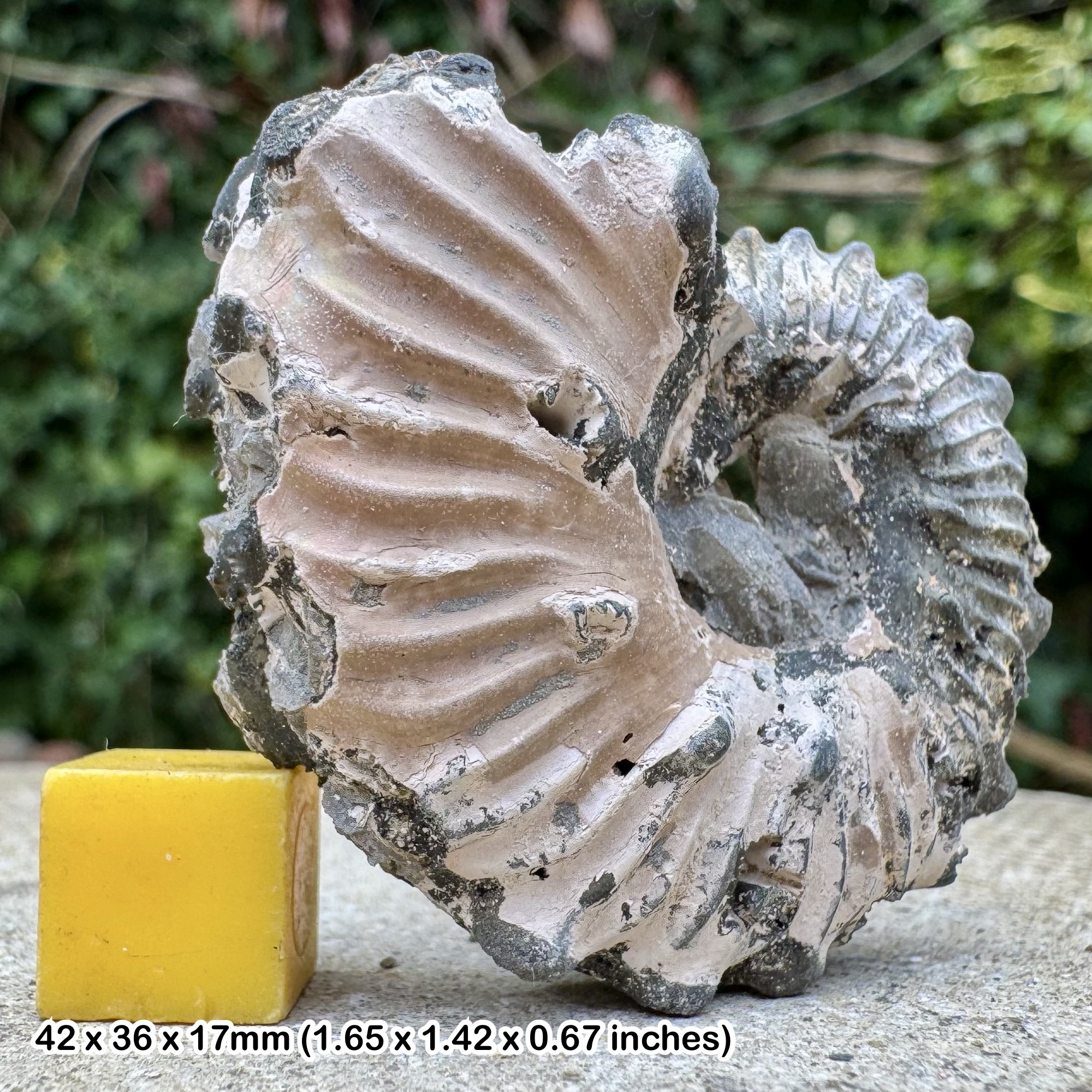
Rare Euhoplites opalinus Ammonite Fossil Gault Clay Albian Cretaceous Folkestone United Kingdom Certified
£ 24.00
RARE EUHOPLITES OPALINUS AMMONITE FOSSILThis listing is for a rare Euhoplites opalinus ammonite fossil, collected from
the Gault Clay Formation at Folkestone, Kent, United Kingdom. Dating to the Albian Stage of the Cretaceous period (approximately 113–105 million years ago), this ammonite is both a scientifically significant specimen and a desirable collector’s fossil. The photographs show the exact specimen being offered, with a 1 cm scale cube included for size reference. All of our fossils are 100% genuine and every piece is sold with a Certificate of Authenticity. GEOLOGICAL CONTEXTThe Gault Clay Formation is one of Britain’s most famous Cretaceous fossil localities. Deposited in a shallow epicontinental sea, it is renowned for its exceptionally well-preserved ammonites and other marine fossils. The Gault dates specifically to the Lower to Middle Albian, an interval within the Early Cretaceous when sea levels rose significantly across Europe.Folkestone is a classic collecting site where marine sediments yielded abundant ammonites used for detailed biostratigraphic zonation. Ammonites such as Euhoplites opalinus serve as index fossils, allowing geologists to correlate strata across different regions with high precision. TAXONOMY AND CLASSIFICATION
• Order: Ammonitida
• Superfamily: Acanthoceratoidea
• Family: Hoplitidae
• Genus: Euhoplites
• Species: Euhoplites opalinusThis species belongs to the Hoplitidae family, a group of heavily ornamented ammonites with distinct ribbing and tuberculation. E. opalinus is one of the most recognisable members of this genus, contributing greatly to our understanding of ammonite diversity during the Albian. MORPHOLOGICAL FEATURESEuhoplites opalinus is characterised by a robust, involute shell with strong, forward-curving ribs that cross the flanks and sweep across the venter. The ribs often bifurcate from umbilical tubercles, giving the ammonite its distinctive sculptured appearance. In some examples, faint keel development is seen along the ventral margin.These features not only make E. opalinus a striking specimen for display but also provide insight into the evolutionary adaptations of Cretaceous ammonites. The pronounced ribbing likely offered hydrodynamic advantages and reinforced the shell against predation and pressure at depth. SCIENTIFIC AND COLLECTOR SIGNIFICANCEAs a classic ammonite from the Albian Gault Clay, Euhoplites opalinus is both stratigraphically and scientifically important. It defines part of the Euhoplites opalinus Biozone, used in geological mapping across Europe. For collectors, the fossil represents an iconic British ammonite with both historical and scientific importance. Its rarity, combined with its aesthetic ribbed ornamentation, makes it a highly desirable addition to any collection. PROVENANCE AND AUTHENTICITYThis fossil was collected at Folkestone, Kent, UK, one of the best-studied Cretaceous fossil localities in the world. Each piece we offer is carefully chosen, fully authentic, and guaranteed with a Certificate of Authenticity. The specimen shown in the photographs is the exact fossil you will receive.This rare Euhoplites opalinus ammonite fossil from the Albian Gault Clay of Folkestone is a stunning and scientifically valuable piece of natural history. Its distinct morphology, excellent provenance, and guaranteed authenticity make it an outstanding fossil for both collectors and enthusiasts.
the Gault Clay Formation at Folkestone, Kent, United Kingdom. Dating to the Albian Stage of the Cretaceous period (approximately 113–105 million years ago), this ammonite is both a scientifically significant specimen and a desirable collector’s fossil. The photographs show the exact specimen being offered, with a 1 cm scale cube included for size reference. All of our fossils are 100% genuine and every piece is sold with a Certificate of Authenticity. GEOLOGICAL CONTEXTThe Gault Clay Formation is one of Britain’s most famous Cretaceous fossil localities. Deposited in a shallow epicontinental sea, it is renowned for its exceptionally well-preserved ammonites and other marine fossils. The Gault dates specifically to the Lower to Middle Albian, an interval within the Early Cretaceous when sea levels rose significantly across Europe.Folkestone is a classic collecting site where marine sediments yielded abundant ammonites used for detailed biostratigraphic zonation. Ammonites such as Euhoplites opalinus serve as index fossils, allowing geologists to correlate strata across different regions with high precision. TAXONOMY AND CLASSIFICATION
• Order: Ammonitida
• Superfamily: Acanthoceratoidea
• Family: Hoplitidae
• Genus: Euhoplites
• Species: Euhoplites opalinusThis species belongs to the Hoplitidae family, a group of heavily ornamented ammonites with distinct ribbing and tuberculation. E. opalinus is one of the most recognisable members of this genus, contributing greatly to our understanding of ammonite diversity during the Albian. MORPHOLOGICAL FEATURESEuhoplites opalinus is characterised by a robust, involute shell with strong, forward-curving ribs that cross the flanks and sweep across the venter. The ribs often bifurcate from umbilical tubercles, giving the ammonite its distinctive sculptured appearance. In some examples, faint keel development is seen along the ventral margin.These features not only make E. opalinus a striking specimen for display but also provide insight into the evolutionary adaptations of Cretaceous ammonites. The pronounced ribbing likely offered hydrodynamic advantages and reinforced the shell against predation and pressure at depth. SCIENTIFIC AND COLLECTOR SIGNIFICANCEAs a classic ammonite from the Albian Gault Clay, Euhoplites opalinus is both stratigraphically and scientifically important. It defines part of the Euhoplites opalinus Biozone, used in geological mapping across Europe. For collectors, the fossil represents an iconic British ammonite with both historical and scientific importance. Its rarity, combined with its aesthetic ribbed ornamentation, makes it a highly desirable addition to any collection. PROVENANCE AND AUTHENTICITYThis fossil was collected at Folkestone, Kent, UK, one of the best-studied Cretaceous fossil localities in the world. Each piece we offer is carefully chosen, fully authentic, and guaranteed with a Certificate of Authenticity. The specimen shown in the photographs is the exact fossil you will receive.This rare Euhoplites opalinus ammonite fossil from the Albian Gault Clay of Folkestone is a stunning and scientifically valuable piece of natural history. Its distinct morphology, excellent provenance, and guaranteed authenticity make it an outstanding fossil for both collectors and enthusiasts.