Cenoceras Nautiloid Fossil Lower Cretaceous Aptian Madagascar Genuine COA Specimen Natural Cephalopod Sea Fossil Collector Display
£ 24.00
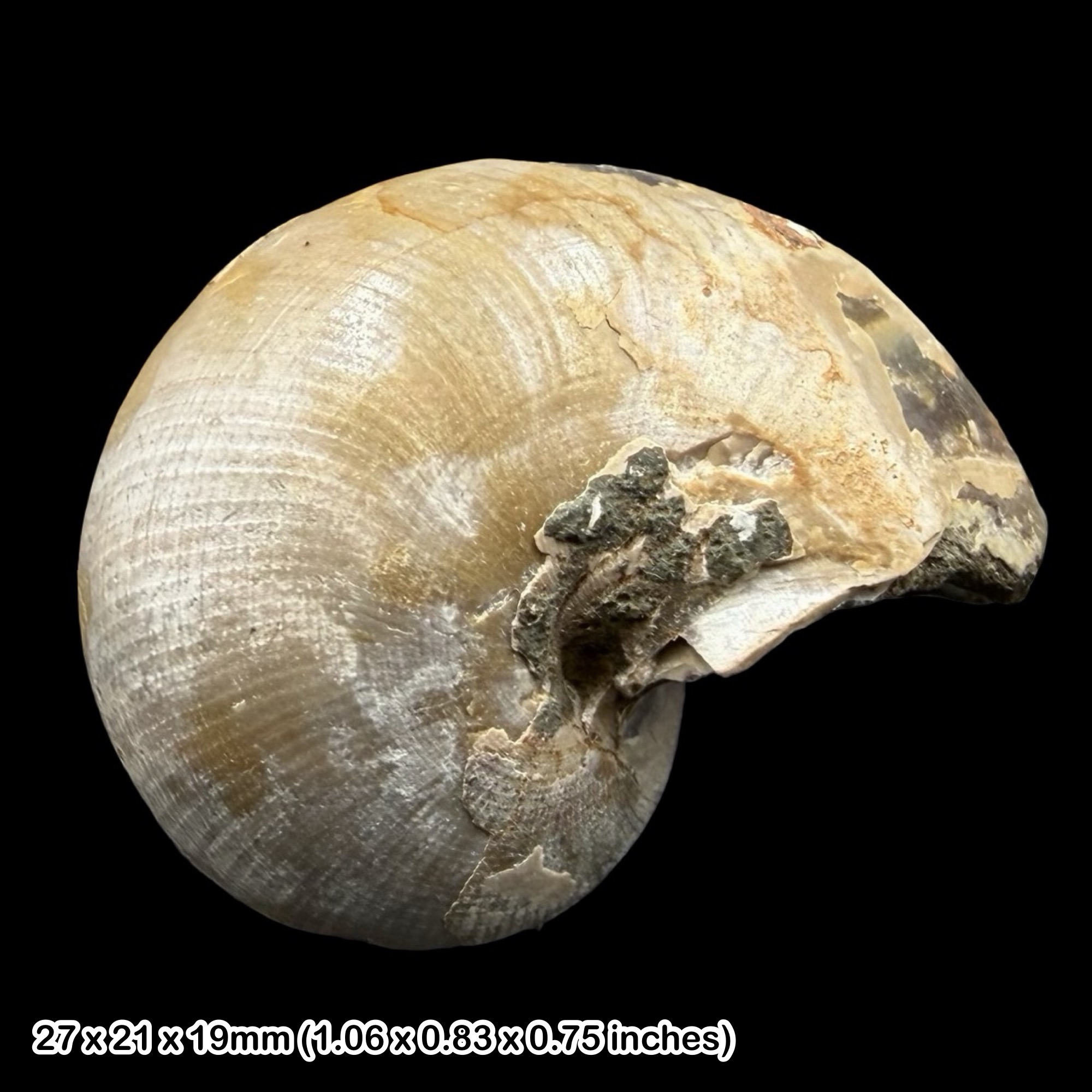
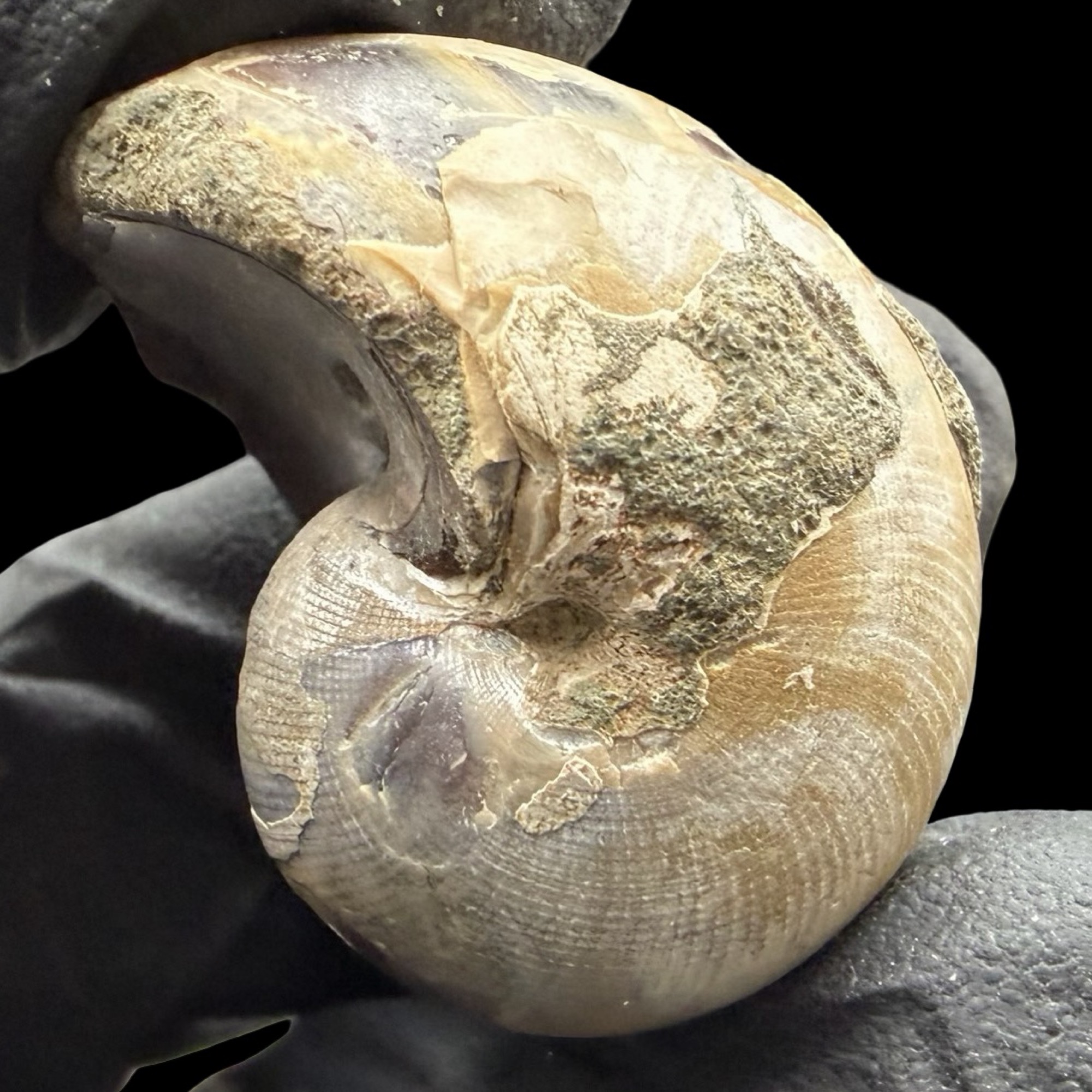
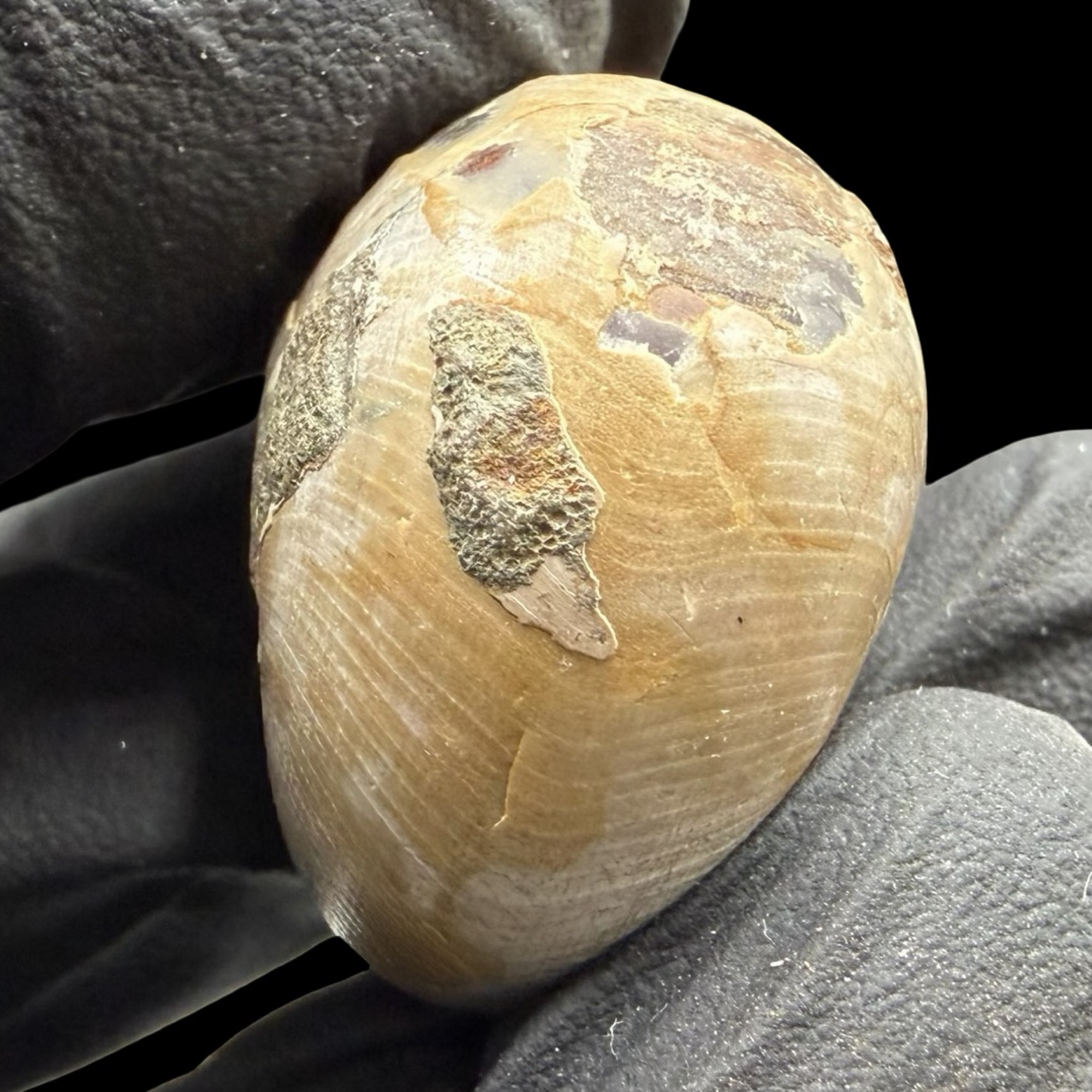
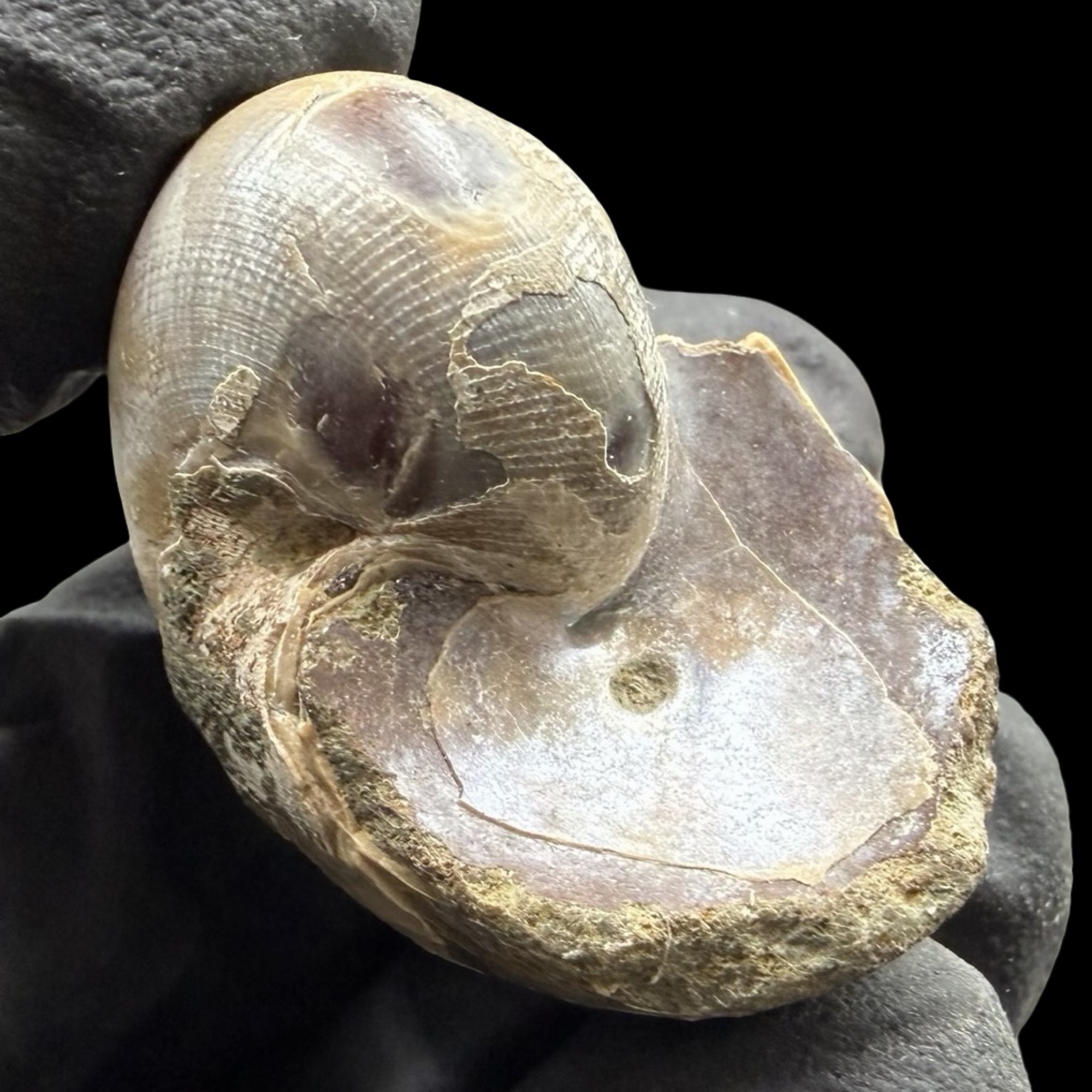
GENUINE CENOCERAS SP. NAUTILOID FOSSILThis listing is for a genuine Cenoceras sp. nautiloid fossil from the Lower
Cretaceous, Aptian Stage of Madagascar. This is a carefully chosen fossil specimen, selected for its natural fossil character, display appeal, and connection to the ancient marine environments that once surrounded Madagascar during the Cretaceous Period. The photograph shows the actual specimen you will receive, so please refer to the photo for the full sizing, proportions, preservation, colour, surface texture, and overall appearance of this individual fossil.This fossil is supplied with a Certificate of Authenticity lifetime guarantee generic card, giving confidence that the specimen is a genuine fossil and not a modern replica.FOSSIL TYPE AND CLASSIFICATIONCenoceras is an extinct nautiloid cephalopod, a group of marine molluscs related to the modern chambered nautilus. Nautiloids are sometimes compared with ammonites because both groups had coiled shells and lived in ancient seas, but they are different branches of cephalopod evolution. Nautiloids generally have simpler suture patterns than ammonites and a shell structure more closely comparable to living Nautilus.This fossil is identified as Cenoceras sp., meaning it belongs to the genus Cenoceras, while the exact species is not specified. Cenoceras is placed within the class Cephalopoda, order Nautilida, and family Cenoceratidae. The genus Cenoceras was formally named by the American palaeontologist Alpheus Hyatt in the nineteenth century.LOWER CRETACEOUS APTIAN GEOLOGYThis specimen dates from the Aptian Stage of the Lower Cretaceous, an important interval of geological time when warm seas covered many regions of the world. The Aptian lasted during the early part of the Cretaceous Period, long before the end-Cretaceous extinction, and was a time of diverse marine life including ammonites, nautiloids, belemnites, bivalves, gastropods, echinoids, fish, and marine reptiles.Madagascar is well known for Cretaceous fossil deposits, especially marine sediments that preserve a rich record of ancient sea life. During the Aptian, the region was influenced by marine conditions associated with the changing geography of the southern continents and the widening ocean basins of the Mesozoic world. Fossils from these deposits provide a fascinating glimpse into the warm Cretaceous seas that once surrounded Madagascar.MORPHOLOGY AND NATURAL FEATURESCenoceras nautiloids typically have a coiled, chambered shell. During life, the animal occupied the final body chamber, while the earlier shell chambers helped with buoyancy control. A tube-like internal structure called the siphuncle passed through the chambers and allowed the nautiloid to regulate gas and fluid, helping it move through the water column.Unlike many ammonites, nautiloids such as Cenoceras usually show smoother, more rounded shell forms and simpler suture lines. Their shells were strong, functional structures adapted for a swimming marine lifestyle. Depending on preservation, specimens may show natural whorl shape, chamber divisions, shell curvature, mineralisation, surface texture, matrix, or internal details. Each fossil is unique, and the photo should be used to view the exact visible features of this particular specimen.ANCIENT MARINE ENVIRONMENTThis Cenoceras sp. nautiloid lived in an ancient Cretaceous sea, where it would have shared the marine ecosystem with many other organisms. Nautiloids were active swimming cephalopods, likely using their tentacles to capture small prey or scavenge food in the water. Their chambered shells allowed them to control buoyancy, making them well adapted to life above the sea floor.After death, the shell settled into sediment on the sea bed. Over millions of years, burial, mineral-rich groundwater, and geological pressure transformed the remains into a fossil. The result is a genuine natural history specimen that has survived from the Lower Cretaceous to the present day.COLLECTOR DISPLAY AND AUTHENTICITYThis Cenoceras nautiloid fossil from Madagascar is ideal for fossil collectors, geology enthusiasts, natural history displays, educational collections, cabinet specimens, and anyone interested in genuine Cretaceous marine fossils. It is especially appealing for collectors of fossil cephalopods, as it provides an excellent comparison with ammonites while representing a separate and highly successful ancient lineage.The fossil shown in the photograph is the actual specimen supplied. Please refer to the photo for full sizing and visual condition, including any natural wear, preparation marks, mineralisation, colour variation, matrix, surface detail, and overall preservation. Natural variation is part of the appeal of genuine fossils, making every specimen individual.INCLUDED WITH THIS SPECIMENYour fossil will be supplied as a genuine specimen with a Certificate of Authenticity lifetime guarantee generic card. This makes it suitable for personal collecting, educational use, natural history display, or as a thoughtful gift for fossil lovers, palaeontology enthusiasts, geology students, teachers, and collectors of ancient marine life.
Cretaceous, Aptian Stage of Madagascar. This is a carefully chosen fossil specimen, selected for its natural fossil character, display appeal, and connection to the ancient marine environments that once surrounded Madagascar during the Cretaceous Period. The photograph shows the actual specimen you will receive, so please refer to the photo for the full sizing, proportions, preservation, colour, surface texture, and overall appearance of this individual fossil.This fossil is supplied with a Certificate of Authenticity lifetime guarantee generic card, giving confidence that the specimen is a genuine fossil and not a modern replica.FOSSIL TYPE AND CLASSIFICATIONCenoceras is an extinct nautiloid cephalopod, a group of marine molluscs related to the modern chambered nautilus. Nautiloids are sometimes compared with ammonites because both groups had coiled shells and lived in ancient seas, but they are different branches of cephalopod evolution. Nautiloids generally have simpler suture patterns than ammonites and a shell structure more closely comparable to living Nautilus.This fossil is identified as Cenoceras sp., meaning it belongs to the genus Cenoceras, while the exact species is not specified. Cenoceras is placed within the class Cephalopoda, order Nautilida, and family Cenoceratidae. The genus Cenoceras was formally named by the American palaeontologist Alpheus Hyatt in the nineteenth century.LOWER CRETACEOUS APTIAN GEOLOGYThis specimen dates from the Aptian Stage of the Lower Cretaceous, an important interval of geological time when warm seas covered many regions of the world. The Aptian lasted during the early part of the Cretaceous Period, long before the end-Cretaceous extinction, and was a time of diverse marine life including ammonites, nautiloids, belemnites, bivalves, gastropods, echinoids, fish, and marine reptiles.Madagascar is well known for Cretaceous fossil deposits, especially marine sediments that preserve a rich record of ancient sea life. During the Aptian, the region was influenced by marine conditions associated with the changing geography of the southern continents and the widening ocean basins of the Mesozoic world. Fossils from these deposits provide a fascinating glimpse into the warm Cretaceous seas that once surrounded Madagascar.MORPHOLOGY AND NATURAL FEATURESCenoceras nautiloids typically have a coiled, chambered shell. During life, the animal occupied the final body chamber, while the earlier shell chambers helped with buoyancy control. A tube-like internal structure called the siphuncle passed through the chambers and allowed the nautiloid to regulate gas and fluid, helping it move through the water column.Unlike many ammonites, nautiloids such as Cenoceras usually show smoother, more rounded shell forms and simpler suture lines. Their shells were strong, functional structures adapted for a swimming marine lifestyle. Depending on preservation, specimens may show natural whorl shape, chamber divisions, shell curvature, mineralisation, surface texture, matrix, or internal details. Each fossil is unique, and the photo should be used to view the exact visible features of this particular specimen.ANCIENT MARINE ENVIRONMENTThis Cenoceras sp. nautiloid lived in an ancient Cretaceous sea, where it would have shared the marine ecosystem with many other organisms. Nautiloids were active swimming cephalopods, likely using their tentacles to capture small prey or scavenge food in the water. Their chambered shells allowed them to control buoyancy, making them well adapted to life above the sea floor.After death, the shell settled into sediment on the sea bed. Over millions of years, burial, mineral-rich groundwater, and geological pressure transformed the remains into a fossil. The result is a genuine natural history specimen that has survived from the Lower Cretaceous to the present day.COLLECTOR DISPLAY AND AUTHENTICITYThis Cenoceras nautiloid fossil from Madagascar is ideal for fossil collectors, geology enthusiasts, natural history displays, educational collections, cabinet specimens, and anyone interested in genuine Cretaceous marine fossils. It is especially appealing for collectors of fossil cephalopods, as it provides an excellent comparison with ammonites while representing a separate and highly successful ancient lineage.The fossil shown in the photograph is the actual specimen supplied. Please refer to the photo for full sizing and visual condition, including any natural wear, preparation marks, mineralisation, colour variation, matrix, surface detail, and overall preservation. Natural variation is part of the appeal of genuine fossils, making every specimen individual.INCLUDED WITH THIS SPECIMENYour fossil will be supplied as a genuine specimen with a Certificate of Authenticity lifetime guarantee generic card. This makes it suitable for personal collecting, educational use, natural history display, or as a thoughtful gift for fossil lovers, palaeontology enthusiasts, geology students, teachers, and collectors of ancient marine life.