Fossil Ammonite Grammoceras thouarsense Split Nodule Upper Toarcian Jurassic Saltwick Bay UK Genuine
£ 60.00
A fine and scientifically significant split nodule fossil ammonite of
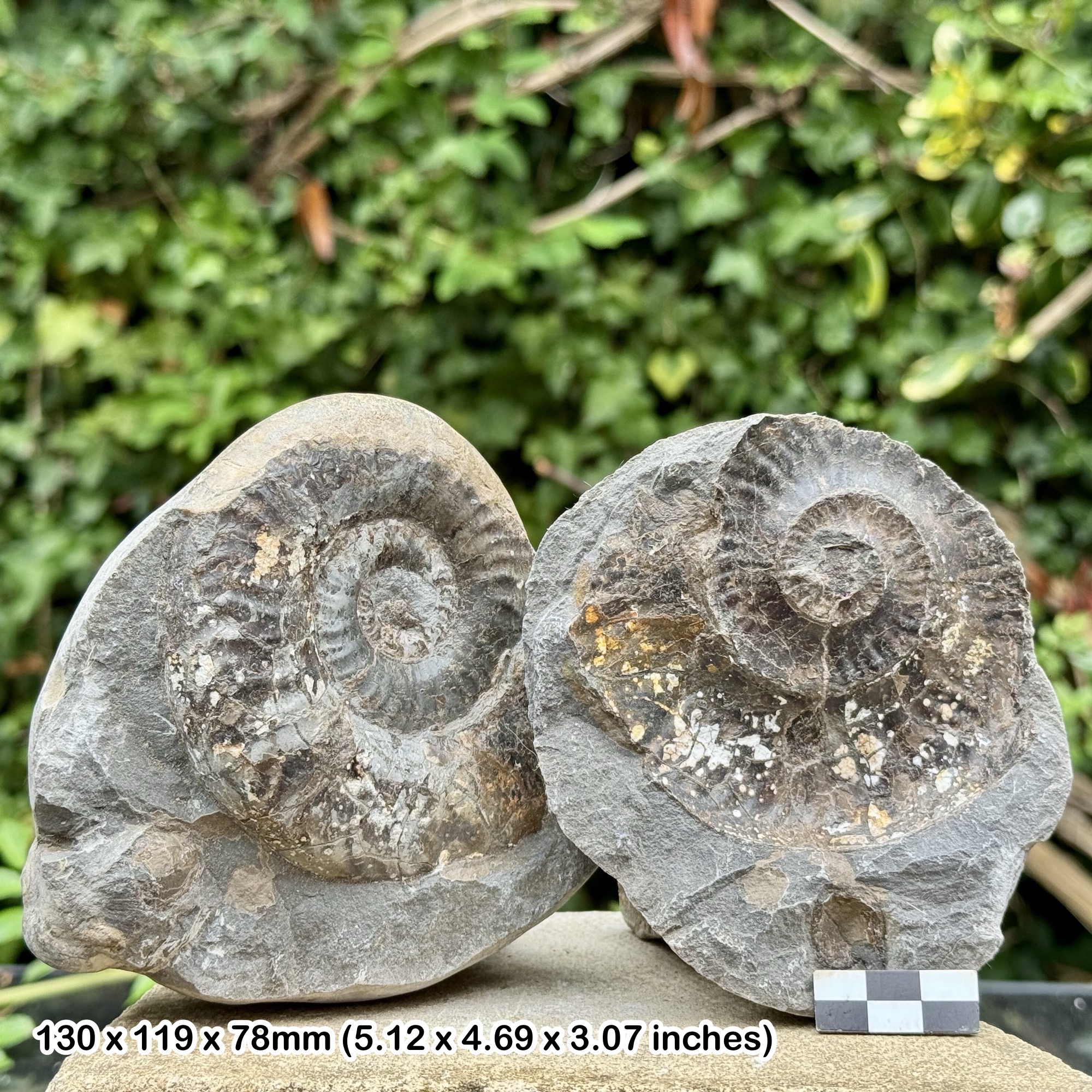
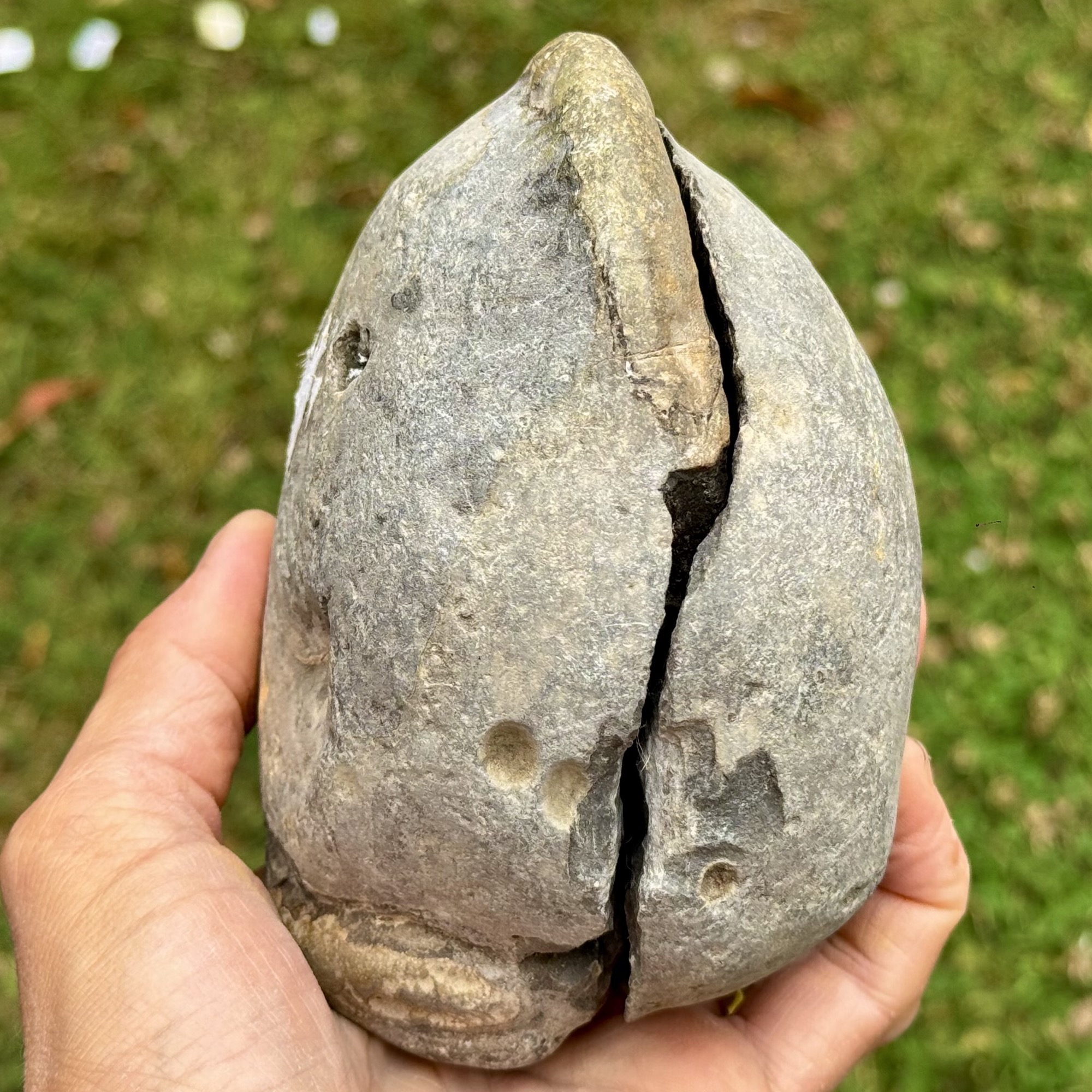
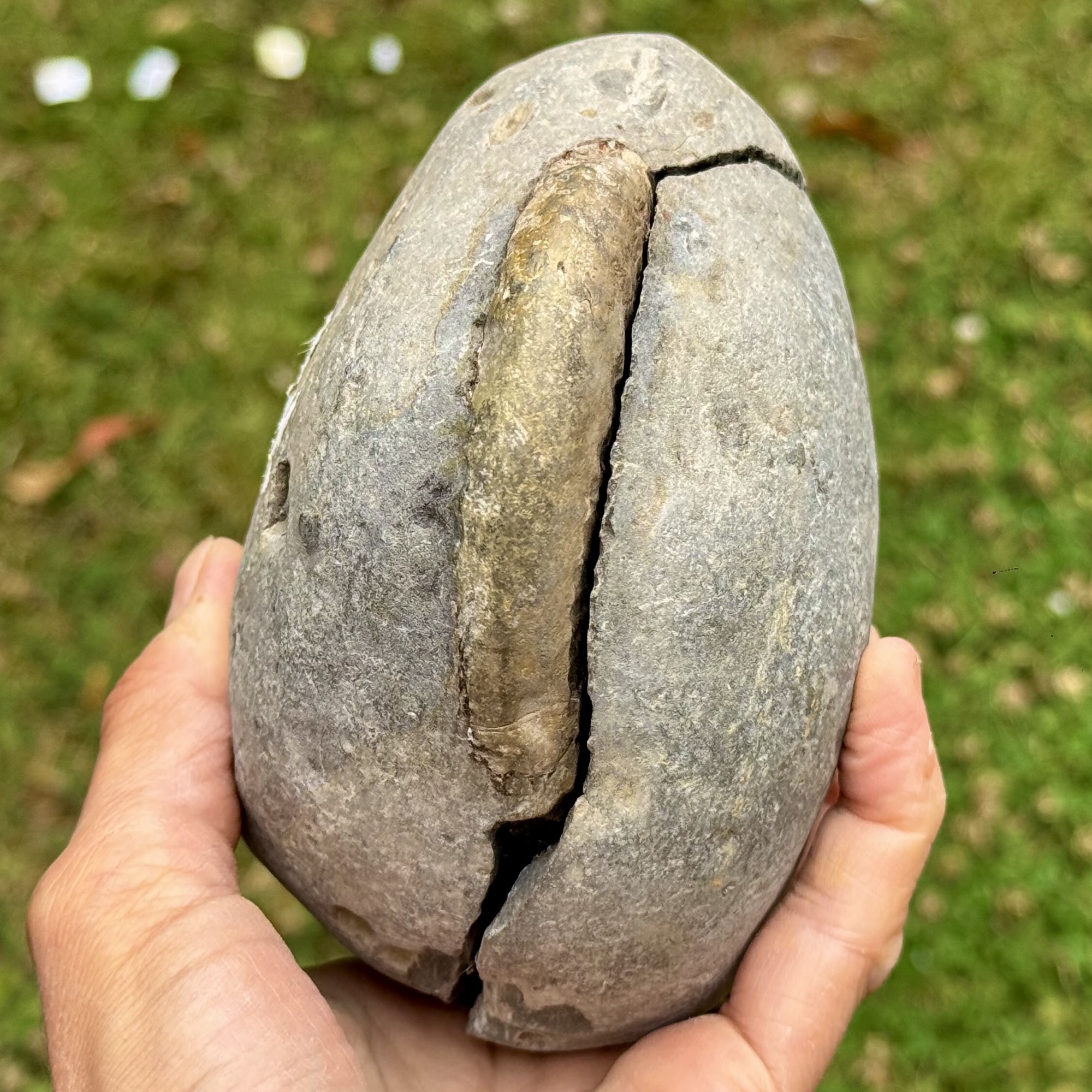
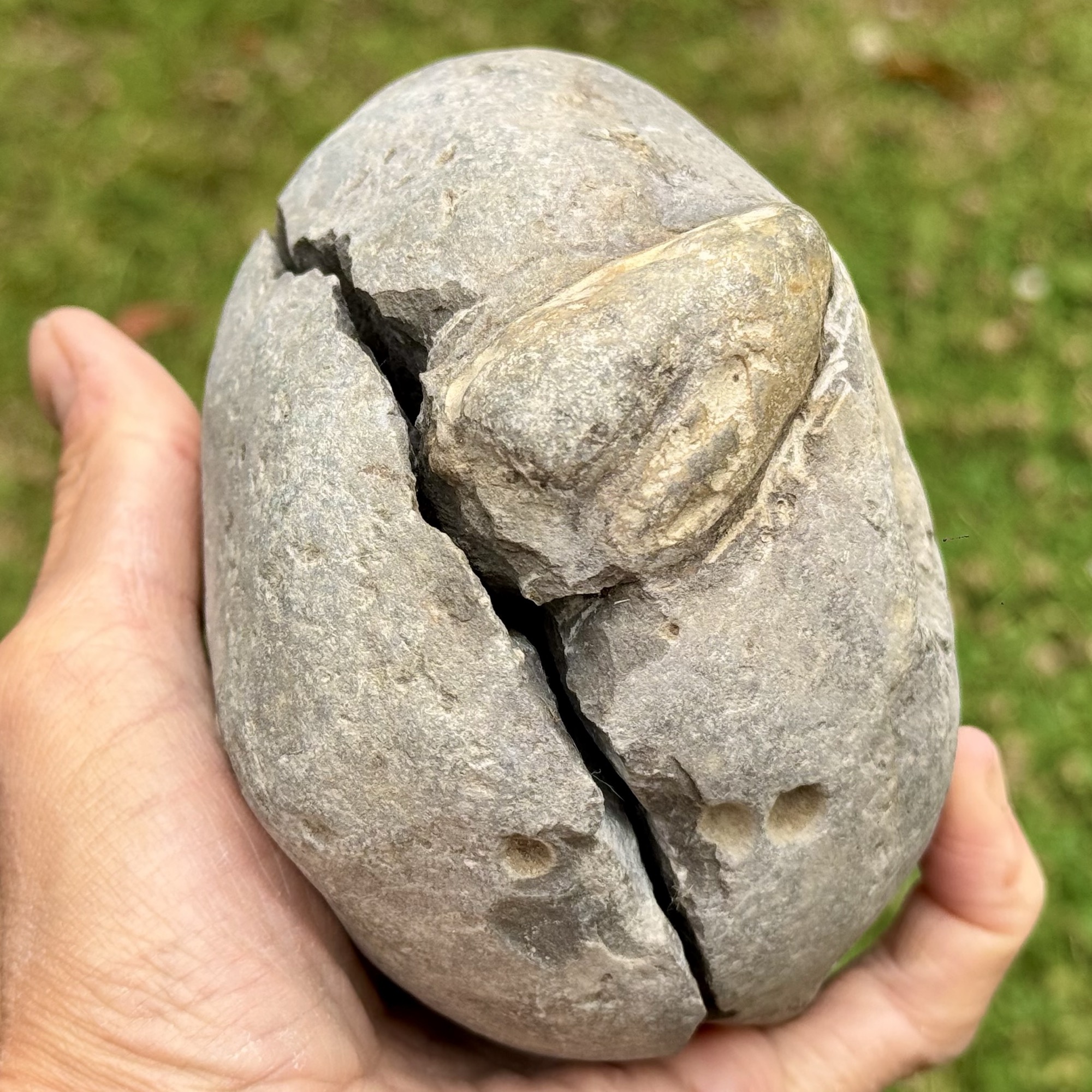
Grammoceras thouarsense, originating from the Upper Toarcian stage of the Early Jurassic, collected from Saltwick Bay, North Yorkshire, United Kingdom. This beautifully preserved ammonite is neatly displayed within its original limestone nodule, which has been split to reveal the intricate internal and external detail of the fossil.
• Fossil Type: Ammonite (extinct marine cephalopod)
• Species: Grammoceras thouarsense
• Format: Split nodule – both halves included
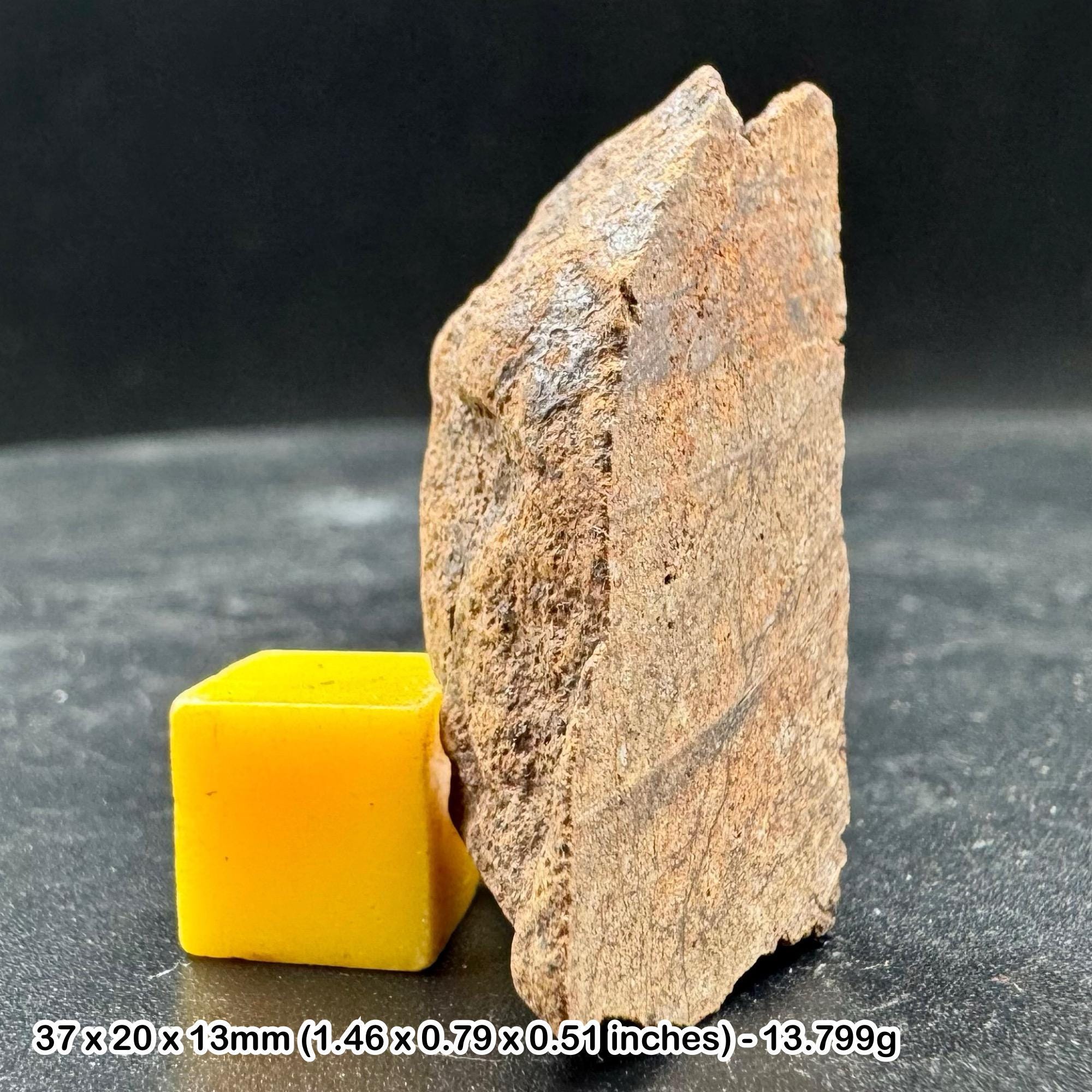
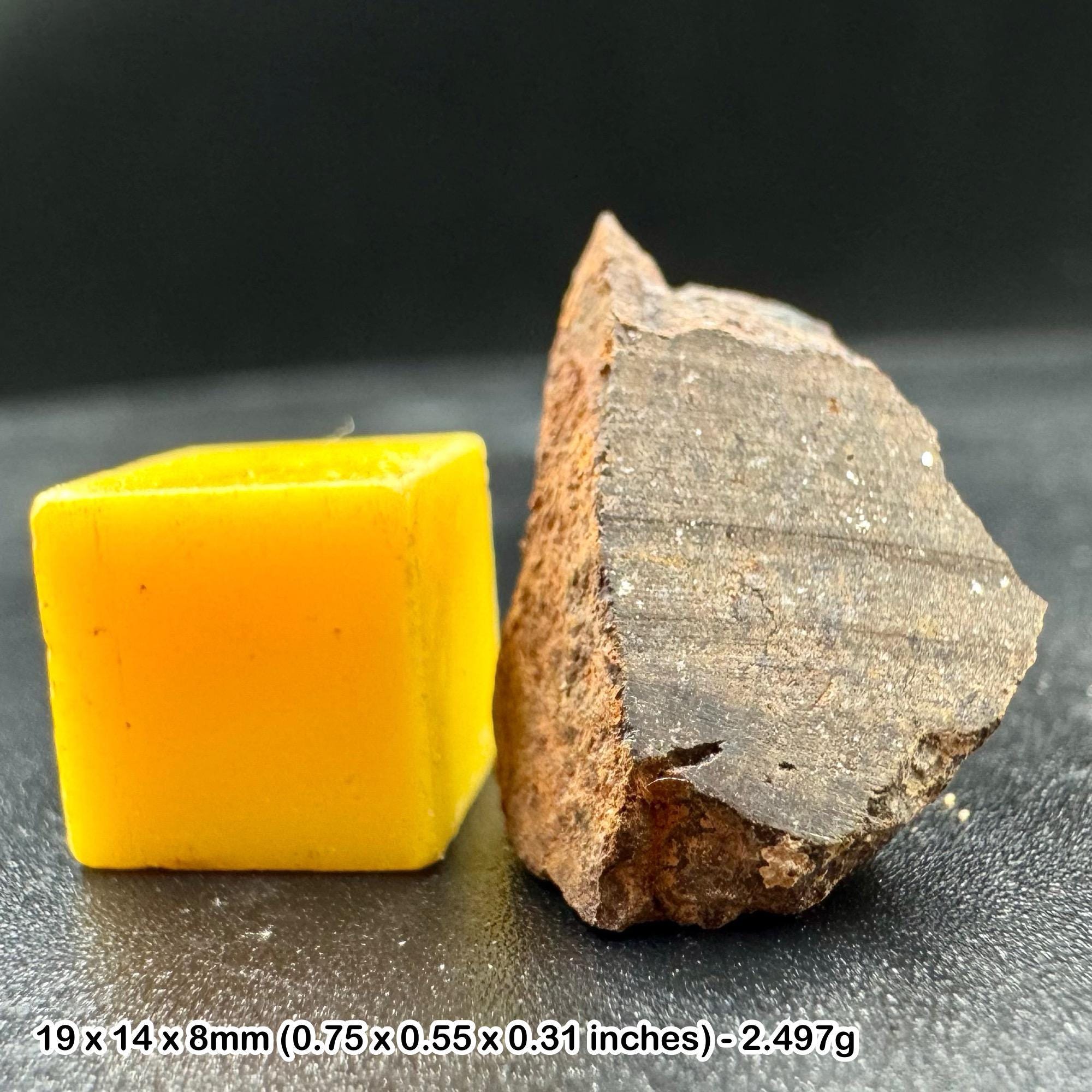
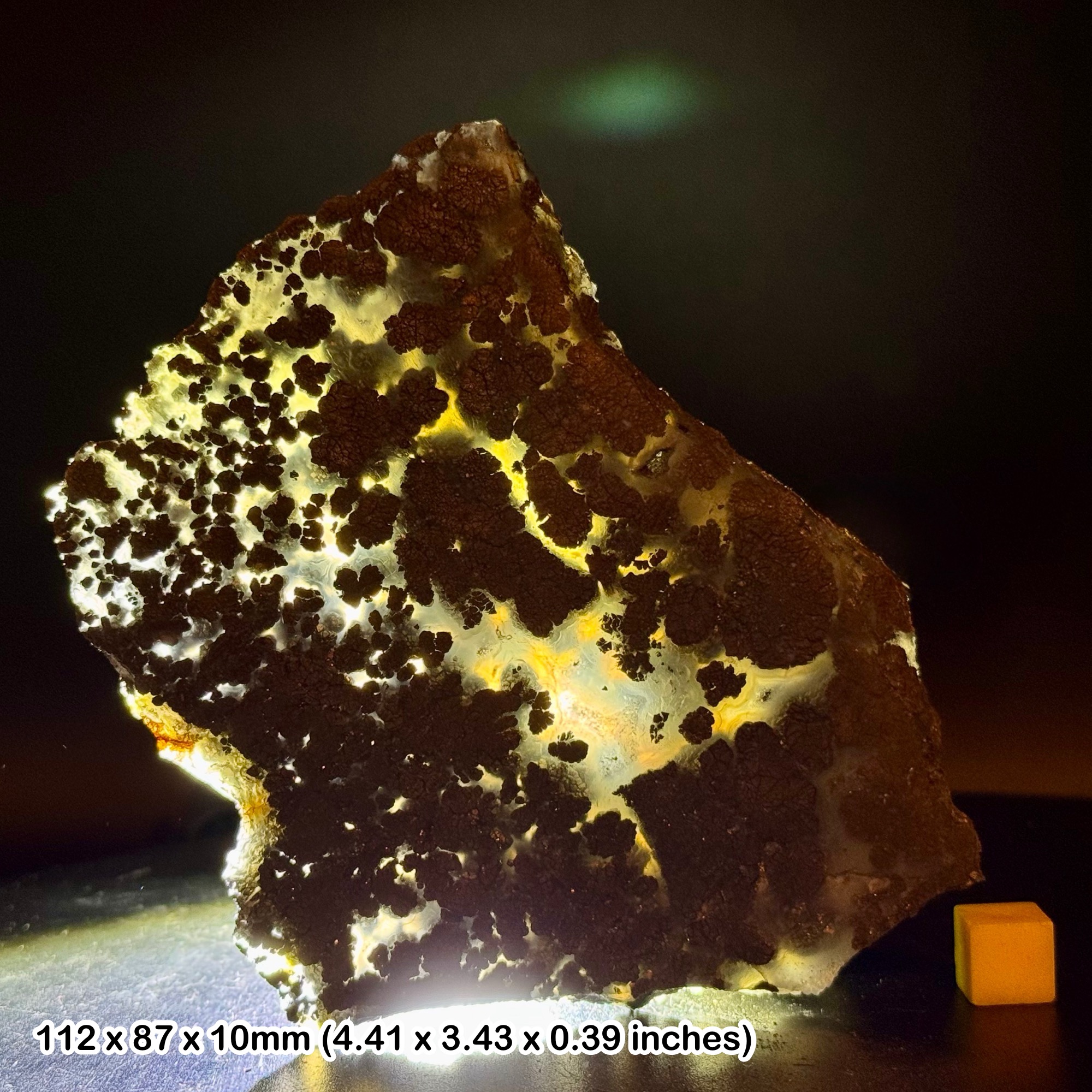
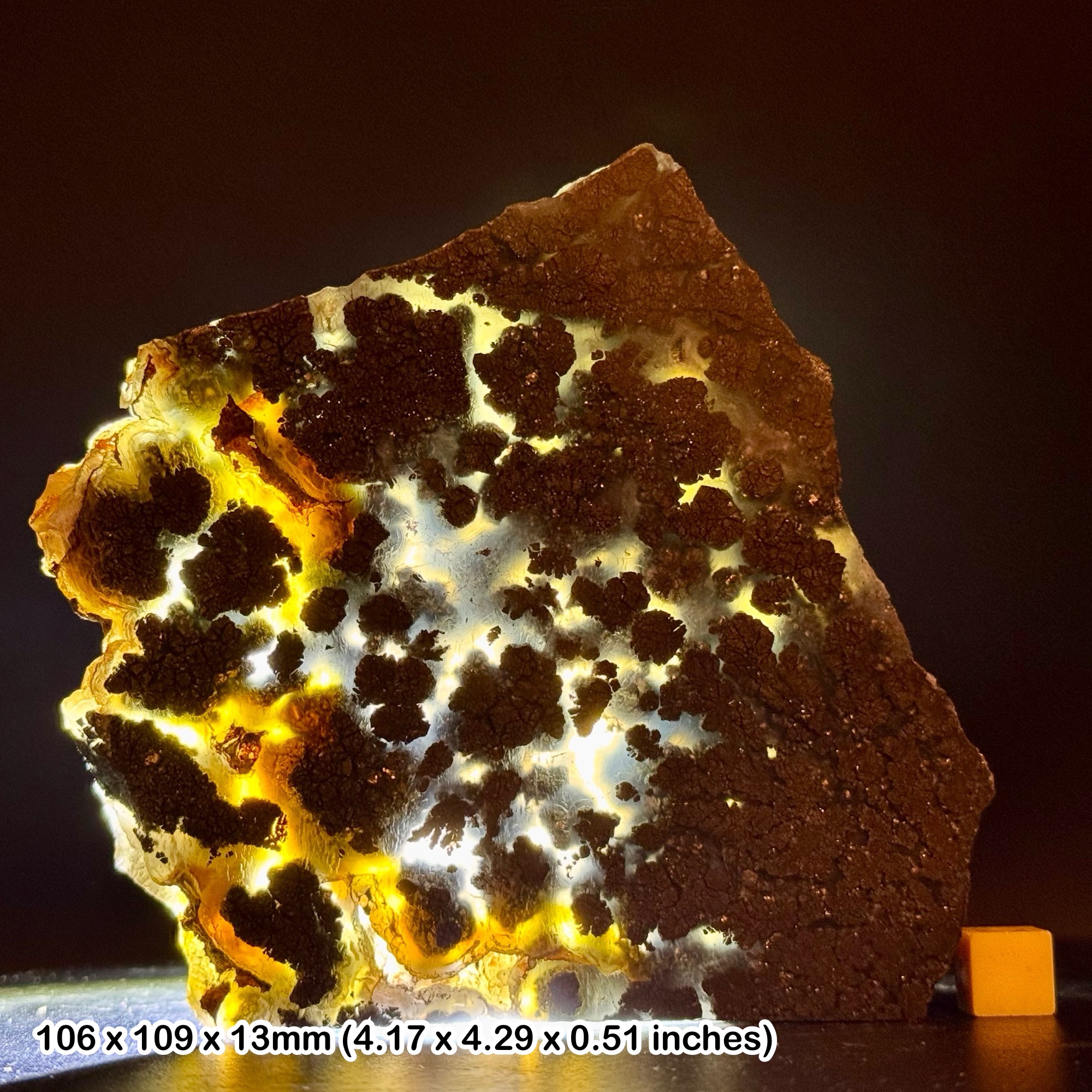
• Size: See image with 1cm scale cube for reference
• Geological Period: Jurassic
• Stage: Upper Toarcian (~182–174 million years ago)
• Locality: Saltwick Bay, North Yorkshire, England, UK
• Family: Hildoceratidae
• Superfamily: Hildoceratoidea
• Order: Ammonitida
• Depositional Environment: Low-energy marine shelf with fine-grained mudstones and calcareous concretions; classic Toarcian marine preservation GEOLOGICAL & SCIENTIFIC SIGNIFICANCE:Grammoceras thouarsense is a widely recognised ammonite species of the Upper Toarcian, known for its very flat, discoidal shell, fine ribbing, and open umbilicus. It is a key zonal fossil in European biostratigraphy, often associated with the Thouarsense Zone, which helps geologists correlate strata across vast regions of the Jurassic world.This ammonite thrived in offshore environments during the early phase of a global recovery following the early Toarcian Oceanic Anoxic Event (T-OAE), a significant episode in Earth’s climatic and oceanographic history.Saltwick Bay is a famous Yorkshire coast fossil locality within the Whitby Mudstone Formation, rich in ammonites, marine reptiles, belemnites, and fossilised wood. Its nodular concretions often preserve ammonites in exquisite detail due to rapid burial and early mineralisation. NOTABLE FEATURES:
• Neatly split nodule showing internal and external views of the ammonite
• Extremely flat, planispiral form with fine ribbing and sharp detail
• From a world-renowned Jurassic fossil locality
• Highly collectable and ideal for display or studyAuthenticity Guaranteed: All of our fossils are 100% genuine. This specimen comes with a Certificate of Authenticity, verifying its identity and origin.Photo Disclosure: The fossil pictured is the exact one you will receive. The scale rule shows 1cm squares for accurate sizing.This Grammoceras thouarsense ammonite from Saltwick Bay is a stunning display piece and an invaluable reference specimen—perfect for collectors, educators, and Jurassic enthusiasts alike.
Grammoceras thouarsense, originating from the Upper Toarcian stage of the Early Jurassic, collected from Saltwick Bay, North Yorkshire, United Kingdom. This beautifully preserved ammonite is neatly displayed within its original limestone nodule, which has been split to reveal the intricate internal and external detail of the fossil.
• Fossil Type: Ammonite (extinct marine cephalopod)
• Species: Grammoceras thouarsense
• Format: Split nodule – both halves included
• Size: See image with 1cm scale cube for reference
• Geological Period: Jurassic
• Stage: Upper Toarcian (~182–174 million years ago)
• Locality: Saltwick Bay, North Yorkshire, England, UK
• Family: Hildoceratidae
• Superfamily: Hildoceratoidea
• Order: Ammonitida
• Depositional Environment: Low-energy marine shelf with fine-grained mudstones and calcareous concretions; classic Toarcian marine preservation GEOLOGICAL & SCIENTIFIC SIGNIFICANCE:Grammoceras thouarsense is a widely recognised ammonite species of the Upper Toarcian, known for its very flat, discoidal shell, fine ribbing, and open umbilicus. It is a key zonal fossil in European biostratigraphy, often associated with the Thouarsense Zone, which helps geologists correlate strata across vast regions of the Jurassic world.This ammonite thrived in offshore environments during the early phase of a global recovery following the early Toarcian Oceanic Anoxic Event (T-OAE), a significant episode in Earth’s climatic and oceanographic history.Saltwick Bay is a famous Yorkshire coast fossil locality within the Whitby Mudstone Formation, rich in ammonites, marine reptiles, belemnites, and fossilised wood. Its nodular concretions often preserve ammonites in exquisite detail due to rapid burial and early mineralisation. NOTABLE FEATURES:
• Neatly split nodule showing internal and external views of the ammonite
• Extremely flat, planispiral form with fine ribbing and sharp detail
• From a world-renowned Jurassic fossil locality
• Highly collectable and ideal for display or studyAuthenticity Guaranteed: All of our fossils are 100% genuine. This specimen comes with a Certificate of Authenticity, verifying its identity and origin.Photo Disclosure: The fossil pictured is the exact one you will receive. The scale rule shows 1cm squares for accurate sizing.This Grammoceras thouarsense ammonite from Saltwick Bay is a stunning display piece and an invaluable reference specimen—perfect for collectors, educators, and Jurassic enthusiasts alike.
Other Products