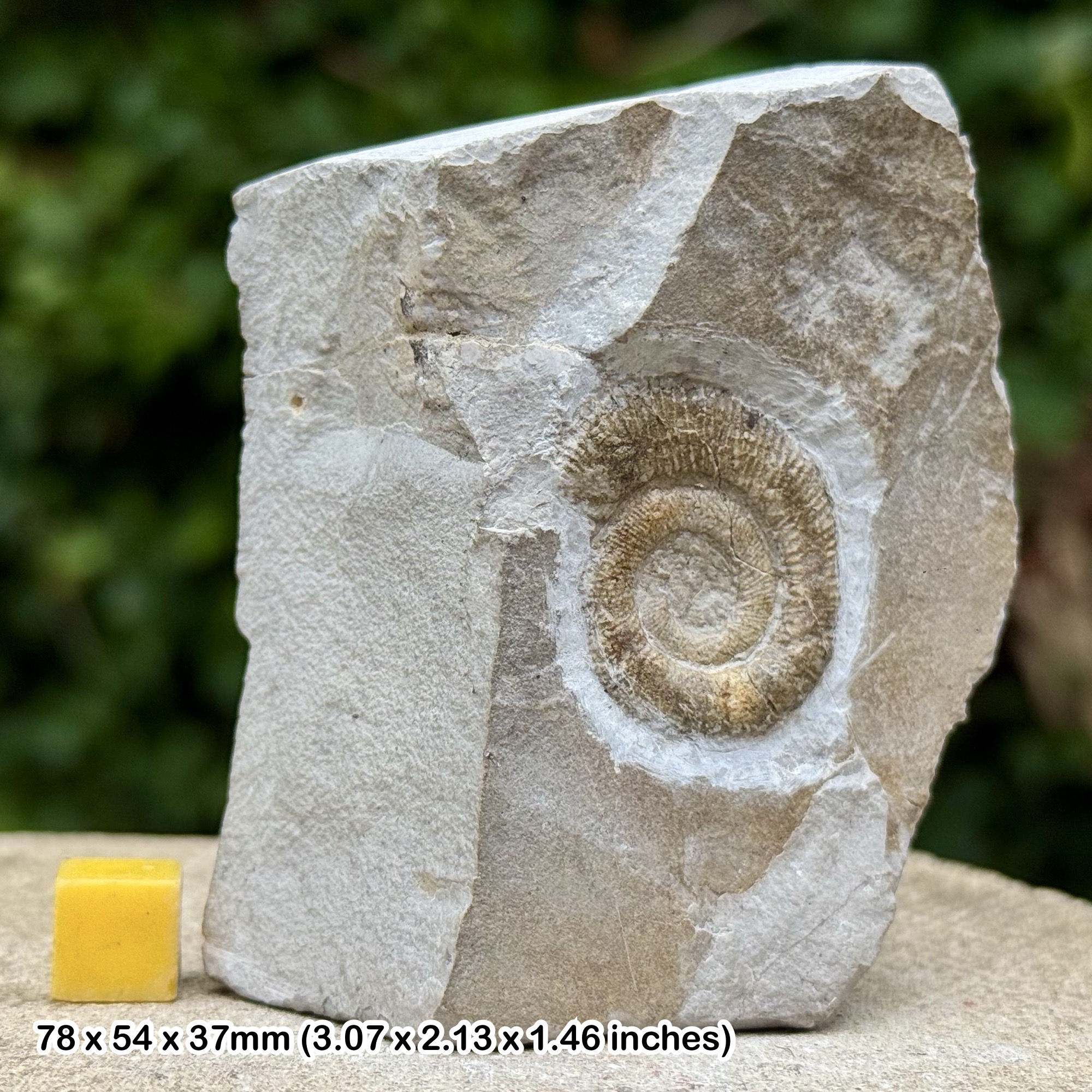
Rare Costidiscus recticostatus Ammonite Fossil from Lower Barremian Cretaceous Sisteron France Authentic Specimen
£ 36.00
GEOLOGICAL CONTEXT AND PROVENANCEThis exceptional fossil is a genuine Costidiscus recticostatus ammonite from the
Lower Barremian Stage of the Early Cretaceous Period, dating to approximately 129 – 125 million years ago. It was collected from the Sisteron region of southeastern France, a locality famous among palaeontologists for its well-preserved ammonites and other marine fossils from the Lower Cretaceous sequence.The Sisteron area represents a part of the ancient Tethyan marine realm, where warm, shallow seas created the perfect conditions for ammonite diversity and fossil preservation. Sedimentation in this region during the Barremian included alternating marls and limestones, which often encapsulated ammonites in fine detail, making Sisteron a benchmark site for Barremian stratigraphy. FOSSIL TYPE AND SPECIES INFORMATIONCostidiscus recticostatus belongs to the Order Ammonitida, Superfamily Desmoceratoidea, and Family Desmoceratidae. Ammonites within this group are characterised by their distinctively ribbed shells and are among the most important fossils for defining Lower Cretaceous biozones.The species recticostatus is recognised for its straight, prominent ribs that give the shell its rigid, structured appearance. These morphological features are not only visually striking but also critical in distinguishing Costidiscus recticostatus from related ammonite taxa within the Barremian. Its stratigraphic importance makes it an invaluable species for correlating deposits across Europe and beyond. MORPHOLOGICAL FEATURES AND IDENTIFICATIONThis specimen displays the defining features of Costidiscus recticostatus, including its strong rectilinear ribbing that crosses the flanks and extends to the ventral area of the shell. The whorls are moderately involute, with a shell form that is both elegant and robust. Such ribbing likely functioned to reinforce the shell’s structure, enabling the ammonite to withstand the pressures of open marine life.These traits, combined with its role as an index fossil, make C. recticostatus highly valued not only by collectors but also by researchers. The distinct ribbing and coiling style provide a clear identification, ensuring the specimen’s scientific credibility as well as its visual appeal. DEPOSITIONAL ENVIRONMENTDuring the Lower Barremian, the Sisteron region was submerged beneath warm, shallow seas linked to the expansive Tethys Ocean. This marine environment was teeming with life, from ammonites and belemnites to marine reptiles and invertebrate communities. Sediment deposition in fine marls and limestones helped preserve ammonite shells in remarkable condition.Costidiscus recticostatus would have lived as a nektonic predator, moving actively through the water column in pursuit of smaller marine prey. Its chambered shell provided buoyancy control, while its ribbing contributed to hydrodynamic stability. Fossils such as this specimen provide a fascinating glimpse into the dynamics of Early Cretaceous marine ecosystems. COLLECTOR APPEAL AND AUTHENTICITYThis Costidiscus recticostatus ammonite is a rare and scientifically significant fossil, offering both aesthetic and academic value. Its strong ribbing and provenance from Sisteron make it a desirable specimen for collectors, educators, and natural history enthusiasts.
• 100% Genuine Specimen – All of our fossils are authentic and accompanied by a Certificate of Authenticity.
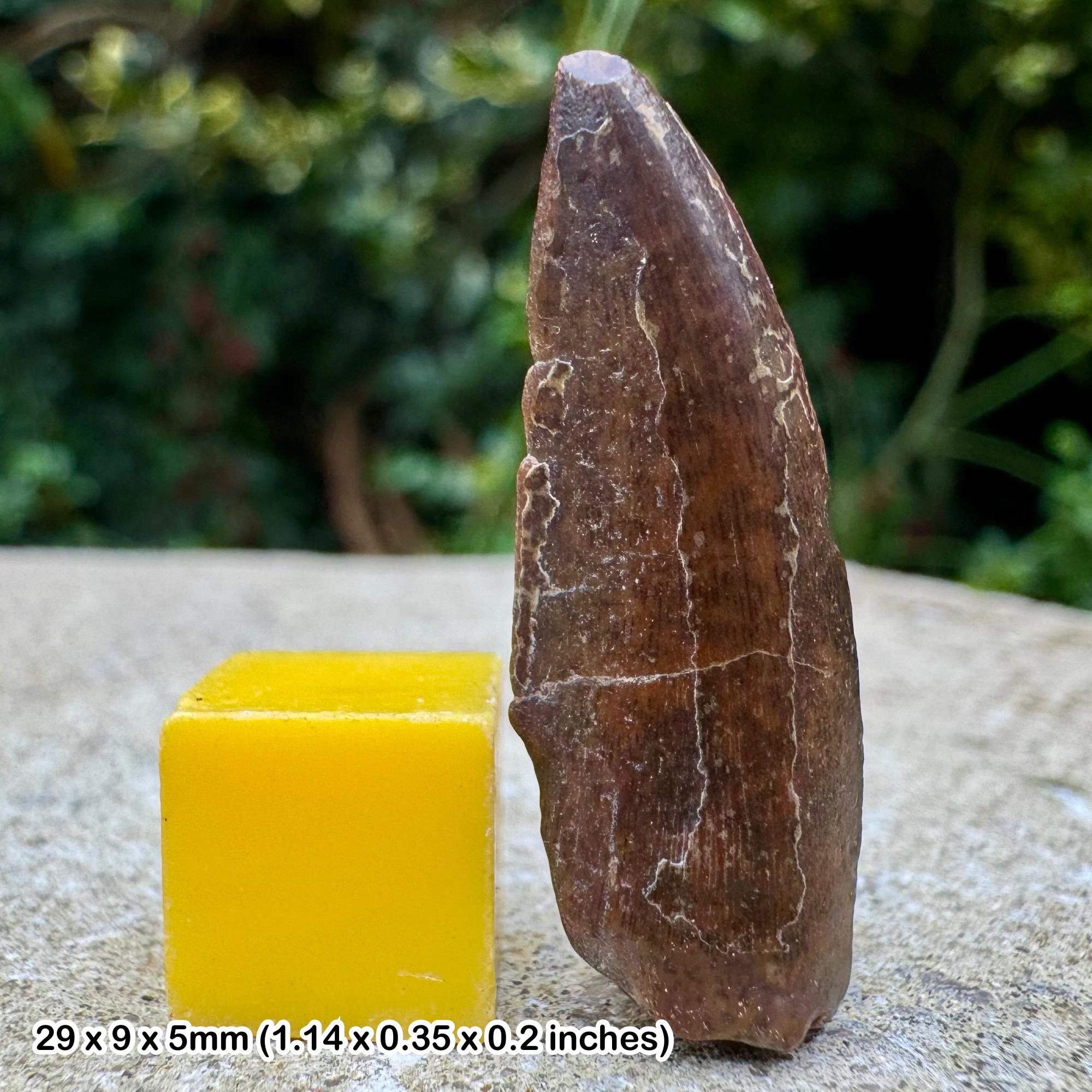
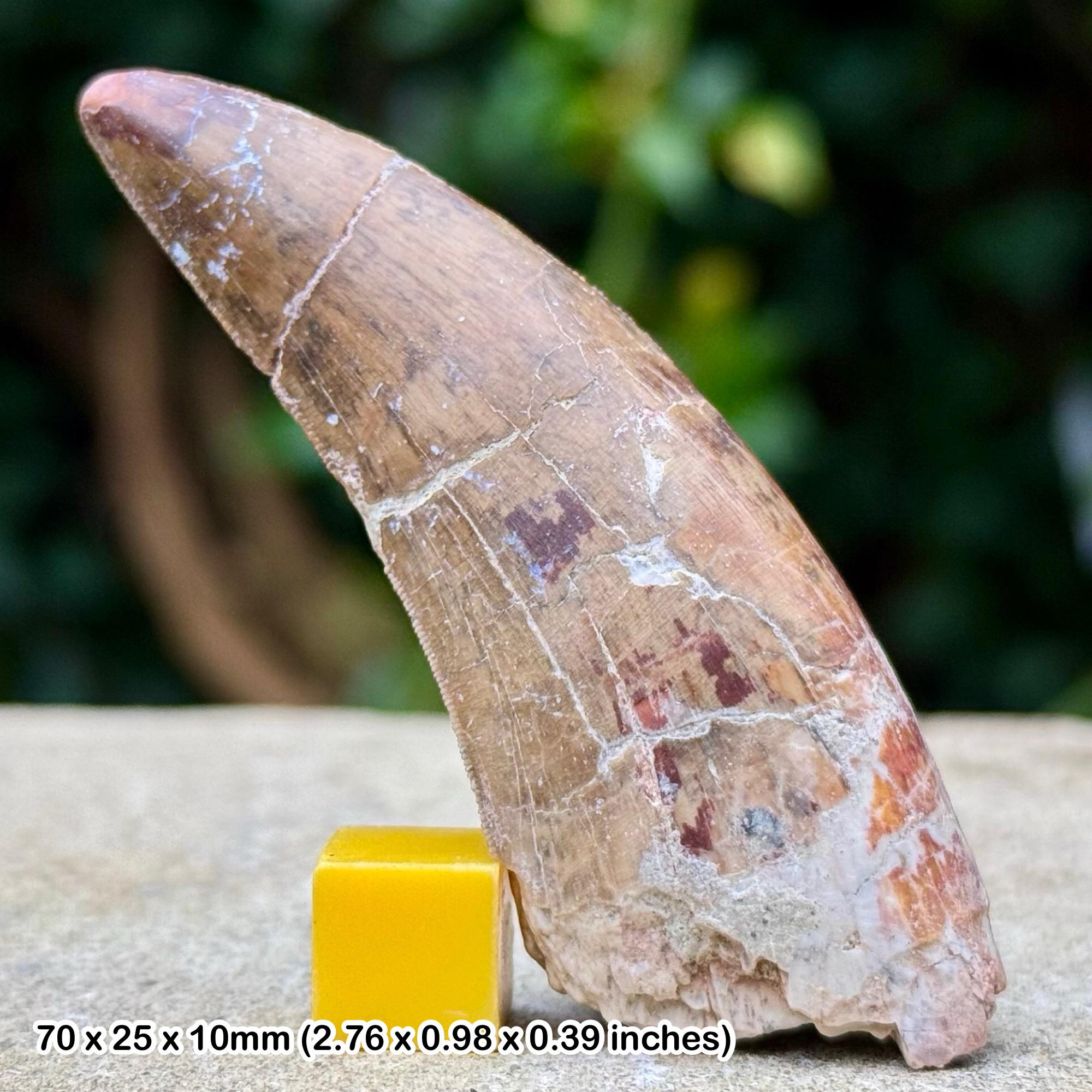
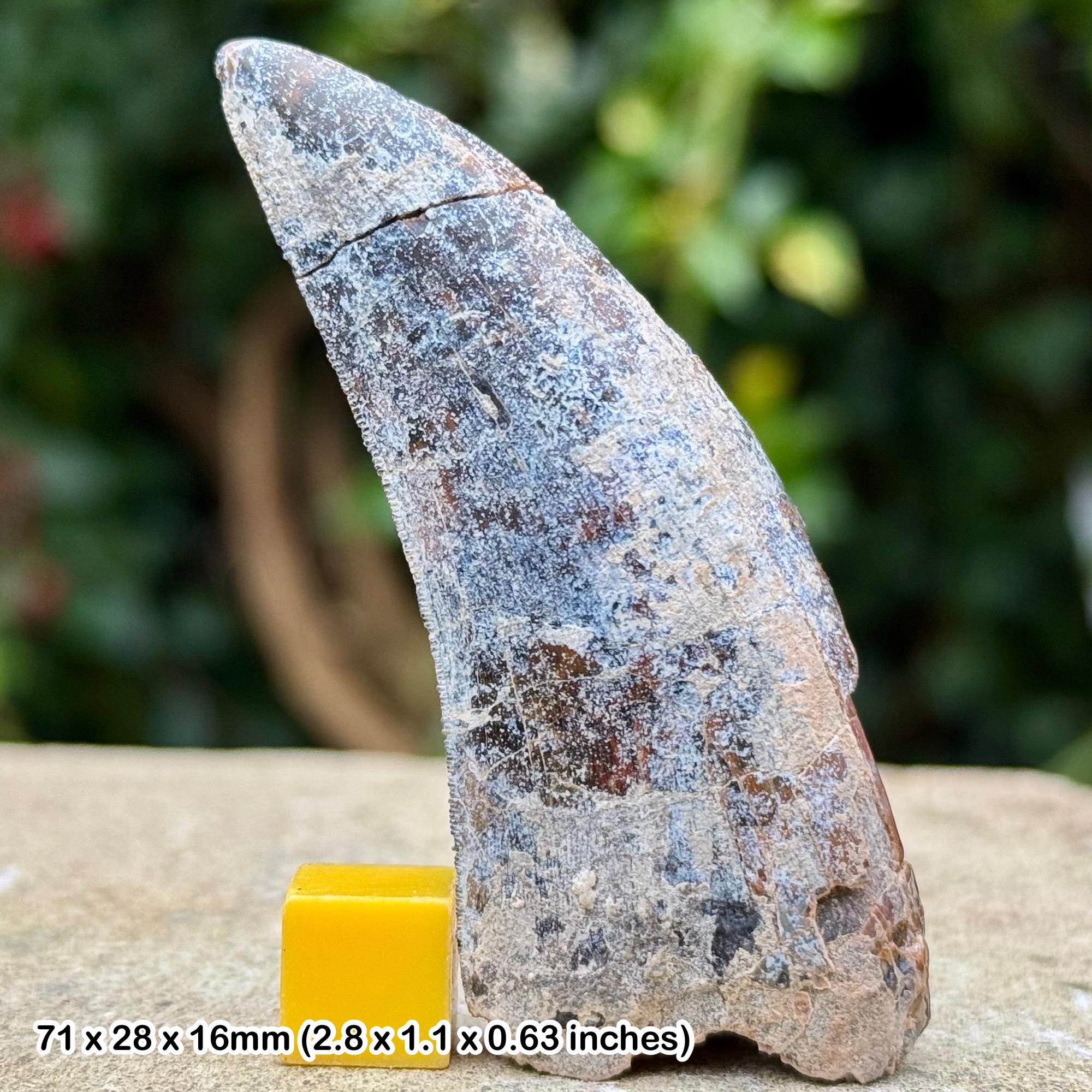
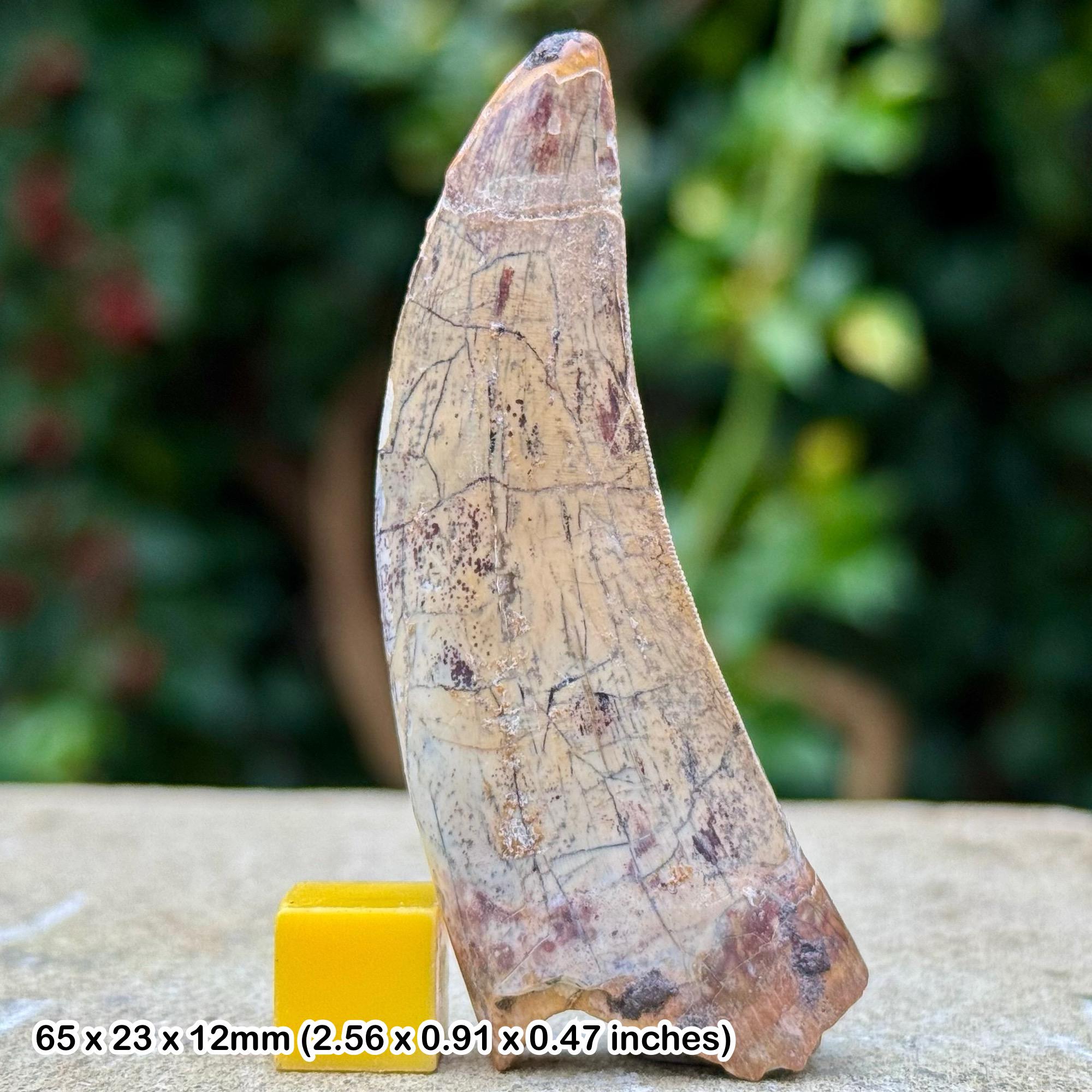
• Exact Fossil Pictured – The photographs display the actual specimen you will receive.
• Scale Reference – Scale rule squares / cube = 1 cm. Please see images for full sizing.Owning this ammonite connects you directly to the Early Cretaceous seas of southeastern France, where ammonites like Costidiscus recticostatus flourished. This specimen is an outstanding addition to any serious fossil collection or educational display.
Lower Barremian Stage of the Early Cretaceous Period, dating to approximately 129 – 125 million years ago. It was collected from the Sisteron region of southeastern France, a locality famous among palaeontologists for its well-preserved ammonites and other marine fossils from the Lower Cretaceous sequence.The Sisteron area represents a part of the ancient Tethyan marine realm, where warm, shallow seas created the perfect conditions for ammonite diversity and fossil preservation. Sedimentation in this region during the Barremian included alternating marls and limestones, which often encapsulated ammonites in fine detail, making Sisteron a benchmark site for Barremian stratigraphy. FOSSIL TYPE AND SPECIES INFORMATIONCostidiscus recticostatus belongs to the Order Ammonitida, Superfamily Desmoceratoidea, and Family Desmoceratidae. Ammonites within this group are characterised by their distinctively ribbed shells and are among the most important fossils for defining Lower Cretaceous biozones.The species recticostatus is recognised for its straight, prominent ribs that give the shell its rigid, structured appearance. These morphological features are not only visually striking but also critical in distinguishing Costidiscus recticostatus from related ammonite taxa within the Barremian. Its stratigraphic importance makes it an invaluable species for correlating deposits across Europe and beyond. MORPHOLOGICAL FEATURES AND IDENTIFICATIONThis specimen displays the defining features of Costidiscus recticostatus, including its strong rectilinear ribbing that crosses the flanks and extends to the ventral area of the shell. The whorls are moderately involute, with a shell form that is both elegant and robust. Such ribbing likely functioned to reinforce the shell’s structure, enabling the ammonite to withstand the pressures of open marine life.These traits, combined with its role as an index fossil, make C. recticostatus highly valued not only by collectors but also by researchers. The distinct ribbing and coiling style provide a clear identification, ensuring the specimen’s scientific credibility as well as its visual appeal. DEPOSITIONAL ENVIRONMENTDuring the Lower Barremian, the Sisteron region was submerged beneath warm, shallow seas linked to the expansive Tethys Ocean. This marine environment was teeming with life, from ammonites and belemnites to marine reptiles and invertebrate communities. Sediment deposition in fine marls and limestones helped preserve ammonite shells in remarkable condition.Costidiscus recticostatus would have lived as a nektonic predator, moving actively through the water column in pursuit of smaller marine prey. Its chambered shell provided buoyancy control, while its ribbing contributed to hydrodynamic stability. Fossils such as this specimen provide a fascinating glimpse into the dynamics of Early Cretaceous marine ecosystems. COLLECTOR APPEAL AND AUTHENTICITYThis Costidiscus recticostatus ammonite is a rare and scientifically significant fossil, offering both aesthetic and academic value. Its strong ribbing and provenance from Sisteron make it a desirable specimen for collectors, educators, and natural history enthusiasts.
• 100% Genuine Specimen – All of our fossils are authentic and accompanied by a Certificate of Authenticity.
• Exact Fossil Pictured – The photographs display the actual specimen you will receive.
• Scale Reference – Scale rule squares / cube = 1 cm. Please see images for full sizing.Owning this ammonite connects you directly to the Early Cretaceous seas of southeastern France, where ammonites like Costidiscus recticostatus flourished. This specimen is an outstanding addition to any serious fossil collection or educational display.
Other Products