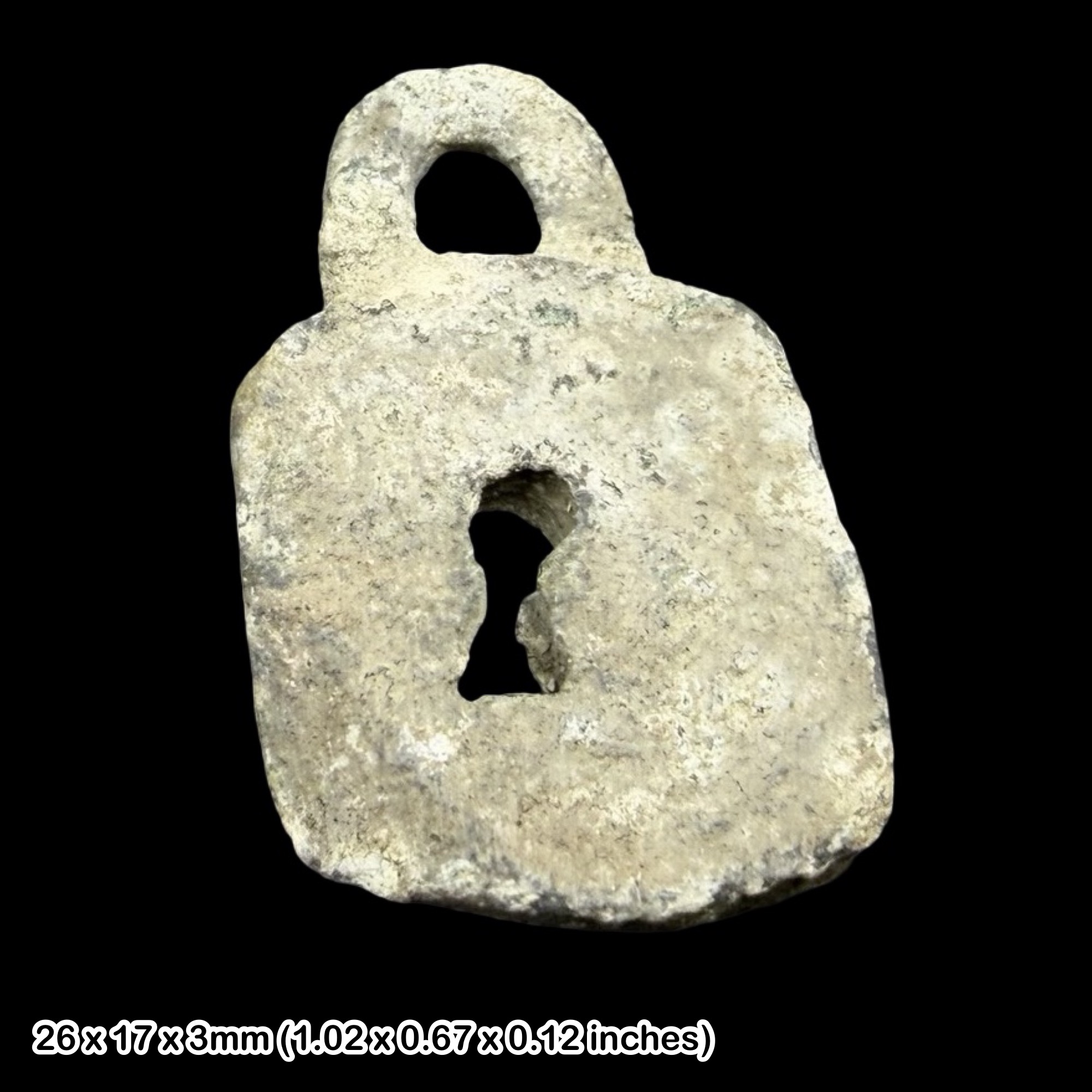
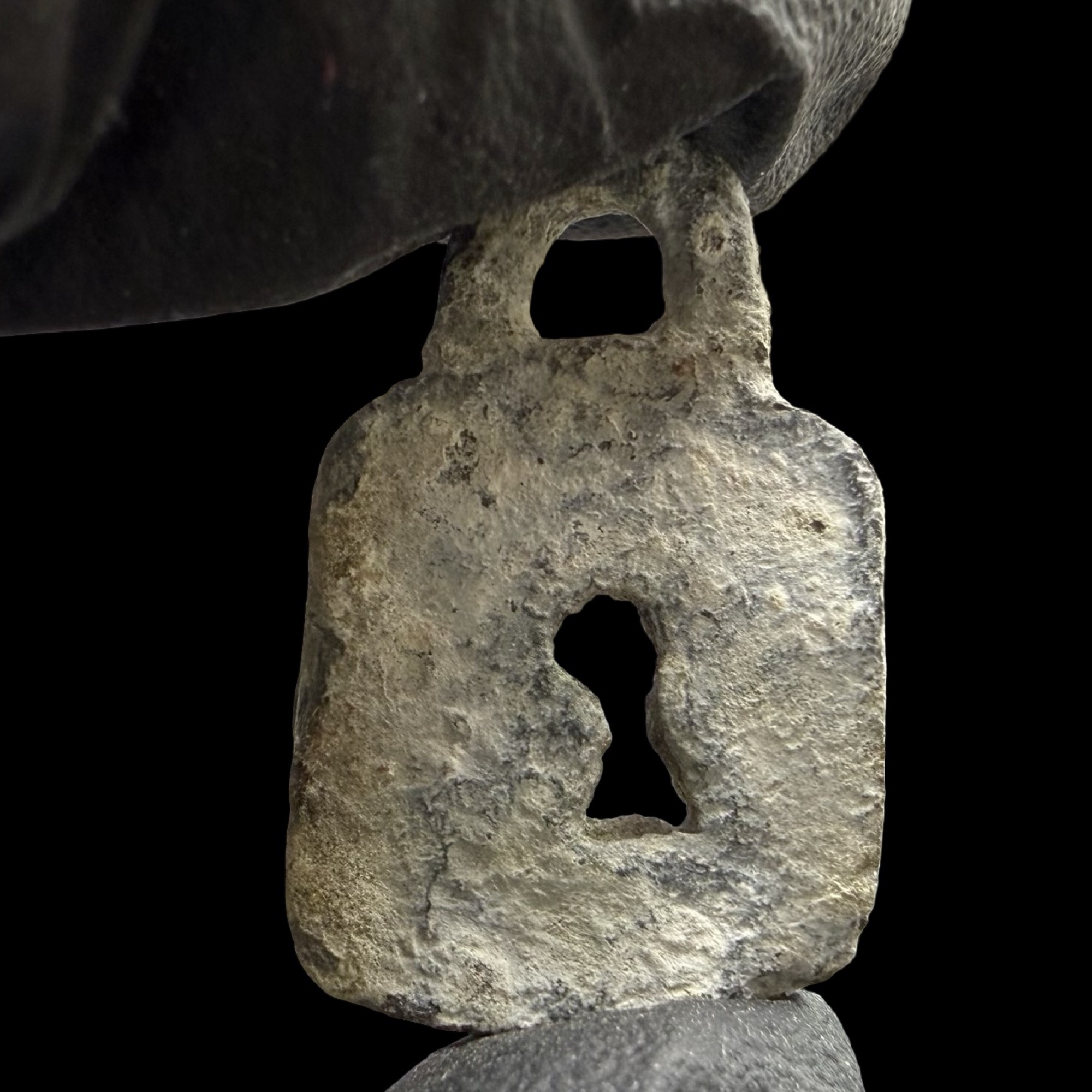
Lead Pewter Lock Escutcheon Keyhole Plate Criccieth North Wales Artefact Found April 2011 with Certificate
£ 10.20
GENUINE LEAD OR PEWTER LOCK ESCUTCHEON KEYHOLE PLATEThis small lead or pewter lock escutcheon keyhole plate is a genuine historical
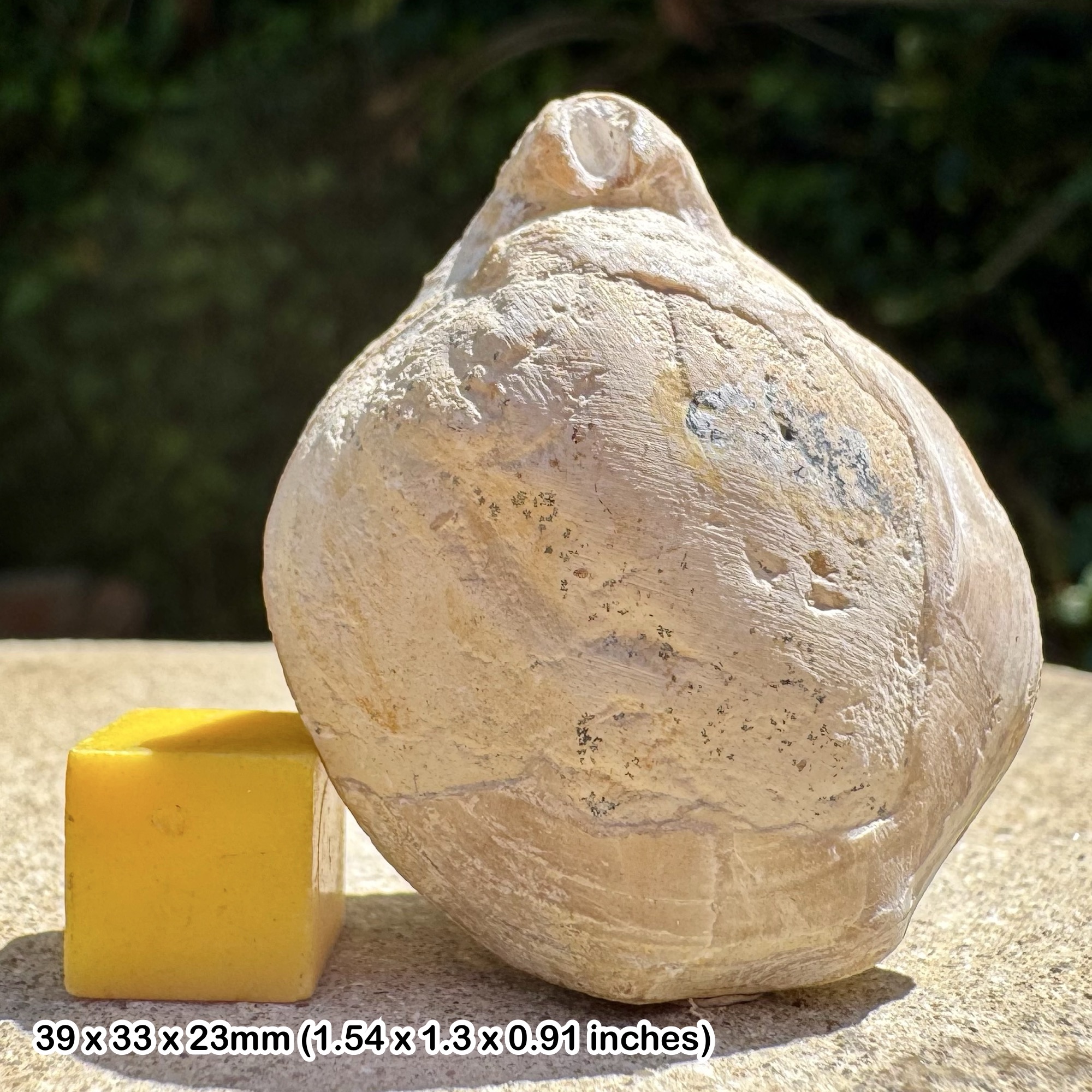
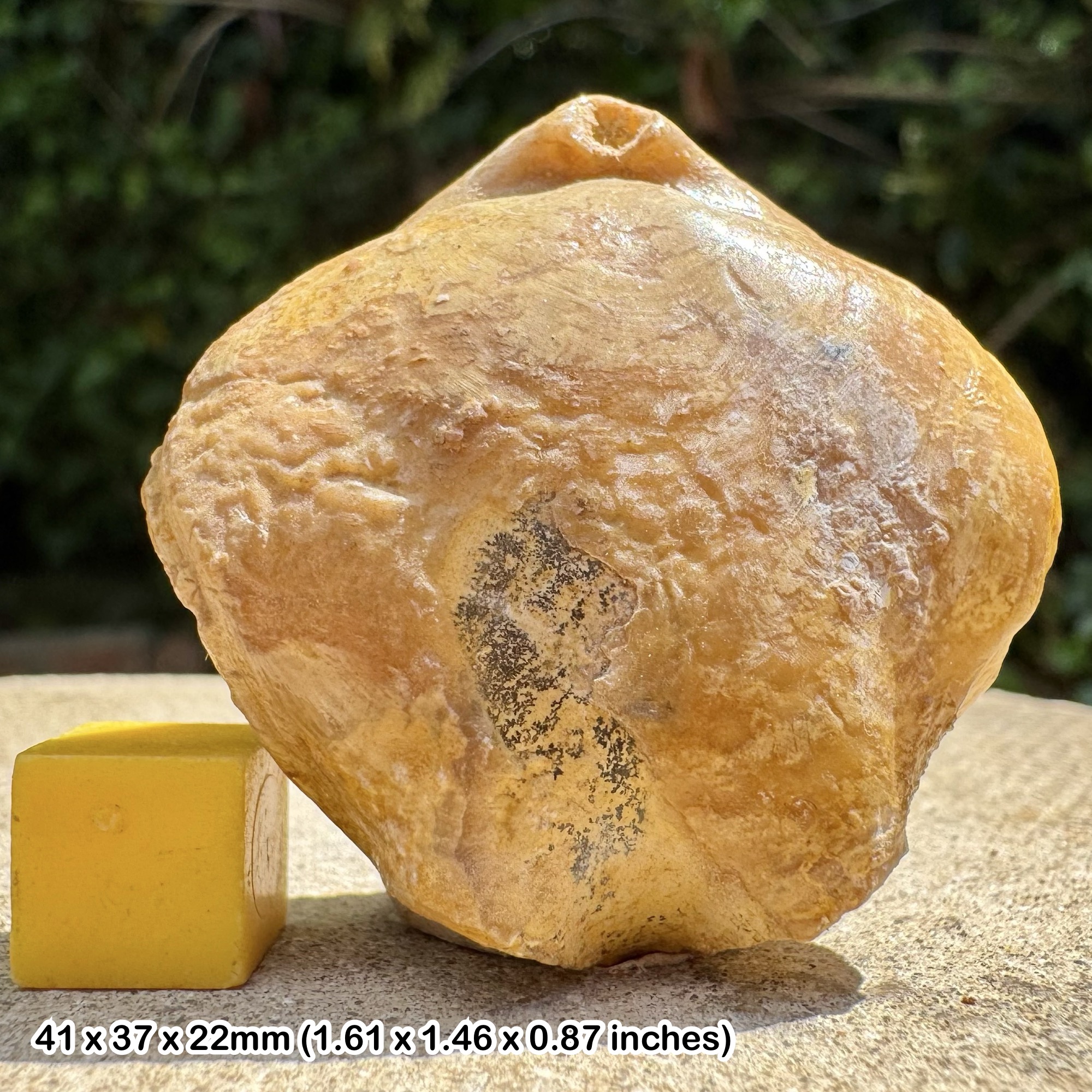
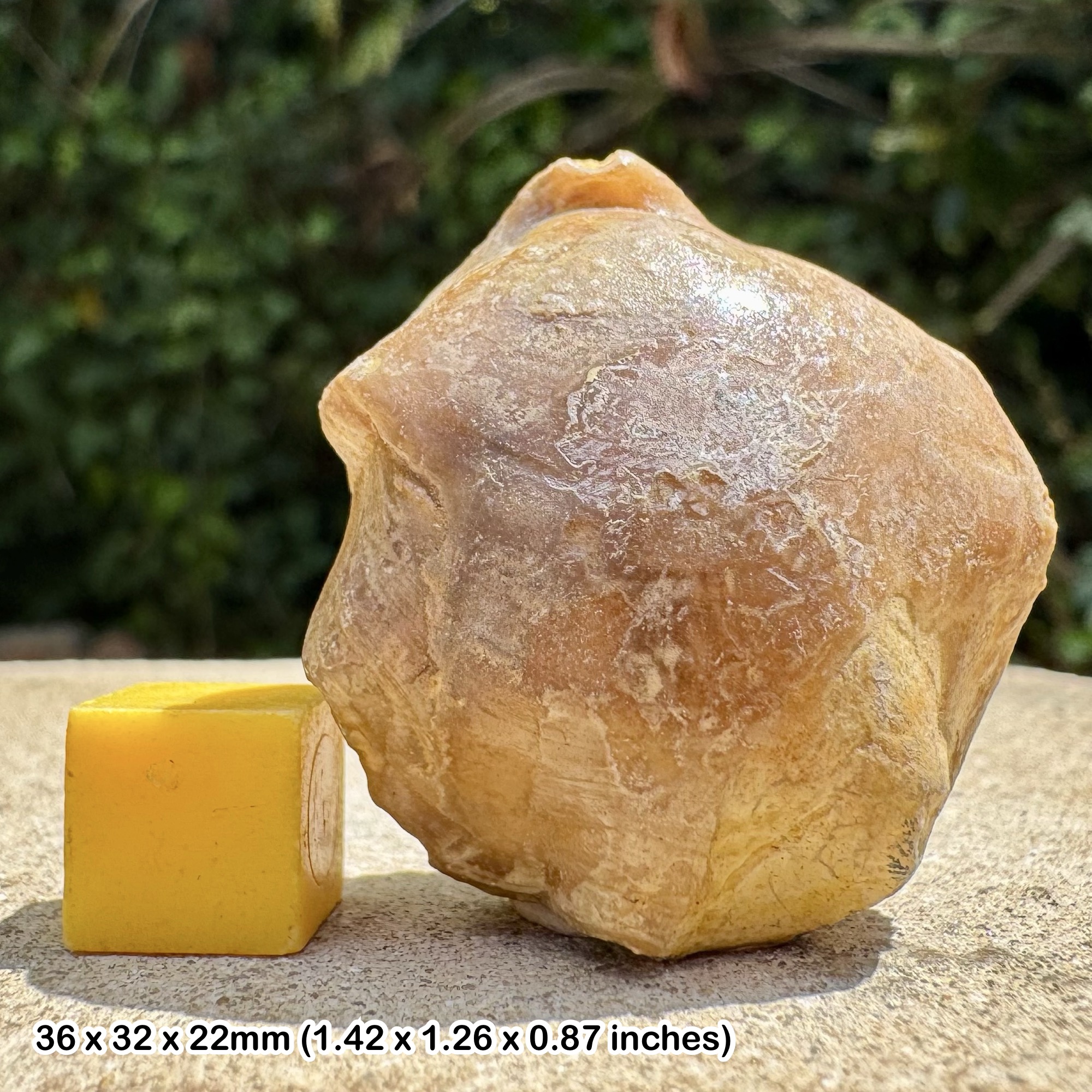
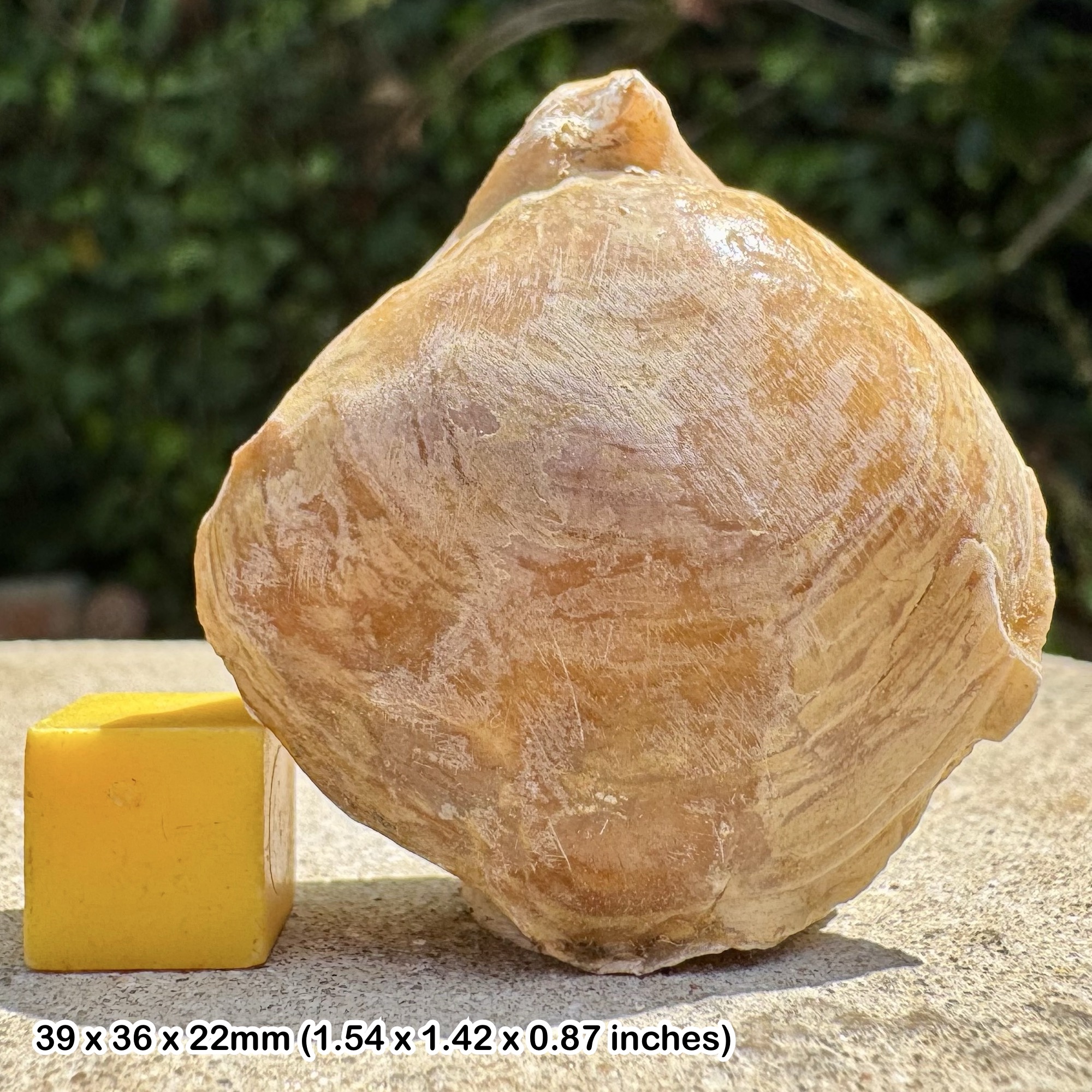
artefact found at Criccieth, North Wales, in April 2011. An escutcheon plate was a decorative and practical fitting placed around a keyhole, helping to protect the surface of a chest, cabinet, door, box, drawer, or other locking object from wear caused by repeated use of a key.The photo shows the actual artefact you will receive, allowing you to view the shape, surface texture, patina, preservation, colour, wear, and overall character before purchase. Full sizing can be seen in the photo. This artefact is a genuine specimen and includes a Certificate of Authenticity lifetime guarantee generic card. FOUND AT CRICCIETH, NORTH WALESThis artefact was found at Criccieth in North Wales, an area with a rich historic landscape and long association with settlement, travel, coastal activity, domestic life, trade, and local craftsmanship. Criccieth is especially known for its historic castle and coastal setting, making artefacts from the area appealing to collectors of Welsh history, British metal finds, local archaeology, and decorative domestic objects.As a recovered object, this keyhole plate may display natural age-related wear, surface marks, soil staining, bends, corrosion, patina, edge wear, or small losses. These characteristics are part of its genuine find history and give the piece its authentic archaeological and collectable appeal. ARTEFACT TYPE AND HISTORICAL USEA lock escutcheon, also known as a keyhole plate, is a fitting designed to sit around a keyhole. Its purpose was both decorative and functional. It framed the keyhole neatly, helped protect the surrounding wood or furniture surface, and gave the finished object a more refined appearance.Small escutcheon plates like this were commonly used on boxes, caskets, cabinets, chests, drawers, cupboards, writing slopes, travelling cases, and doors. Depending on the original item, the plate may have been attached with pins, small nails, rivets, or folded fittings. Over time, objects such as chests and cabinets were repaired, dismantled, discarded, or lost, allowing fittings like this to survive independently as archaeological finds.This example is especially appealing as a compact decorative metal artefact because it represents the small but important details of historic everyday life. While locks and keys are often collected in their own right, escutcheon plates show the decorative finishing elements that surrounded and protected them. LEAD, PEWTER AND DECORATIVE METALWORKThis artefact is described as lead or pewter, both of which were commonly used for small cast or shaped metal fittings. Pewter is a tin-based alloy traditionally used for household items, fittings, ornaments, and decorative objects, while lead and lead-rich alloys were also widely used where a soft, workable metal was suitable.A small escutcheon plate could be cast, cut, pressed, or shaped depending on its intended use and quality. Decorative examples may show a shaped outline, pierced keyhole opening, moulded surface, simple border, or worn traces of original detailing. The softness of lead or pewter means that recovered examples often show dents, compression, bending, or softened edges, which can add to their historical character. COLLECTABLE BRITISH HISTORICAL ARTEFACTThis small lead or pewter lock escutcheon keyhole plate is ideal for collectors searching for genuine British artefacts, Welsh metal finds, Criccieth artefacts, antique keyhole plates, escutcheon plates, decorative lock fittings, cabinet hardware, historic household items, and archaeological display pieces.It would display well in a cabinet of curiosities, local history collection, metal detecting finds display, antique hardware collection, educational history resource, museum-style arrangement, or alongside other locks, keys, fittings, and domestic artefacts. With its Criccieth North Wales find provenance, April 2011 discovery history, genuine aged surface, and Certificate of Authenticity, this escutcheon plate is a distinctive small artefact from Britain’s material past.
artefact found at Criccieth, North Wales, in April 2011. An escutcheon plate was a decorative and practical fitting placed around a keyhole, helping to protect the surface of a chest, cabinet, door, box, drawer, or other locking object from wear caused by repeated use of a key.The photo shows the actual artefact you will receive, allowing you to view the shape, surface texture, patina, preservation, colour, wear, and overall character before purchase. Full sizing can be seen in the photo. This artefact is a genuine specimen and includes a Certificate of Authenticity lifetime guarantee generic card. FOUND AT CRICCIETH, NORTH WALESThis artefact was found at Criccieth in North Wales, an area with a rich historic landscape and long association with settlement, travel, coastal activity, domestic life, trade, and local craftsmanship. Criccieth is especially known for its historic castle and coastal setting, making artefacts from the area appealing to collectors of Welsh history, British metal finds, local archaeology, and decorative domestic objects.As a recovered object, this keyhole plate may display natural age-related wear, surface marks, soil staining, bends, corrosion, patina, edge wear, or small losses. These characteristics are part of its genuine find history and give the piece its authentic archaeological and collectable appeal. ARTEFACT TYPE AND HISTORICAL USEA lock escutcheon, also known as a keyhole plate, is a fitting designed to sit around a keyhole. Its purpose was both decorative and functional. It framed the keyhole neatly, helped protect the surrounding wood or furniture surface, and gave the finished object a more refined appearance.Small escutcheon plates like this were commonly used on boxes, caskets, cabinets, chests, drawers, cupboards, writing slopes, travelling cases, and doors. Depending on the original item, the plate may have been attached with pins, small nails, rivets, or folded fittings. Over time, objects such as chests and cabinets were repaired, dismantled, discarded, or lost, allowing fittings like this to survive independently as archaeological finds.This example is especially appealing as a compact decorative metal artefact because it represents the small but important details of historic everyday life. While locks and keys are often collected in their own right, escutcheon plates show the decorative finishing elements that surrounded and protected them. LEAD, PEWTER AND DECORATIVE METALWORKThis artefact is described as lead or pewter, both of which were commonly used for small cast or shaped metal fittings. Pewter is a tin-based alloy traditionally used for household items, fittings, ornaments, and decorative objects, while lead and lead-rich alloys were also widely used where a soft, workable metal was suitable.A small escutcheon plate could be cast, cut, pressed, or shaped depending on its intended use and quality. Decorative examples may show a shaped outline, pierced keyhole opening, moulded surface, simple border, or worn traces of original detailing. The softness of lead or pewter means that recovered examples often show dents, compression, bending, or softened edges, which can add to their historical character. COLLECTABLE BRITISH HISTORICAL ARTEFACTThis small lead or pewter lock escutcheon keyhole plate is ideal for collectors searching for genuine British artefacts, Welsh metal finds, Criccieth artefacts, antique keyhole plates, escutcheon plates, decorative lock fittings, cabinet hardware, historic household items, and archaeological display pieces.It would display well in a cabinet of curiosities, local history collection, metal detecting finds display, antique hardware collection, educational history resource, museum-style arrangement, or alongside other locks, keys, fittings, and domestic artefacts. With its Criccieth North Wales find provenance, April 2011 discovery history, genuine aged surface, and Certificate of Authenticity, this escutcheon plate is a distinctive small artefact from Britain’s material past.
Other Products