Rare NWA 6619 CV3 Carbonaceous Chondrite Meteorite Slice Sahara Genuine Space Rock
£ 1440.00
RARE GENUINE NWA 6619 CV3 CARBONACEOUS CHONDRITE METEORITE SLICEThis rare genuine NWA 6619 CV3 Carbonaceous Chondrite Meteorite Slice is an
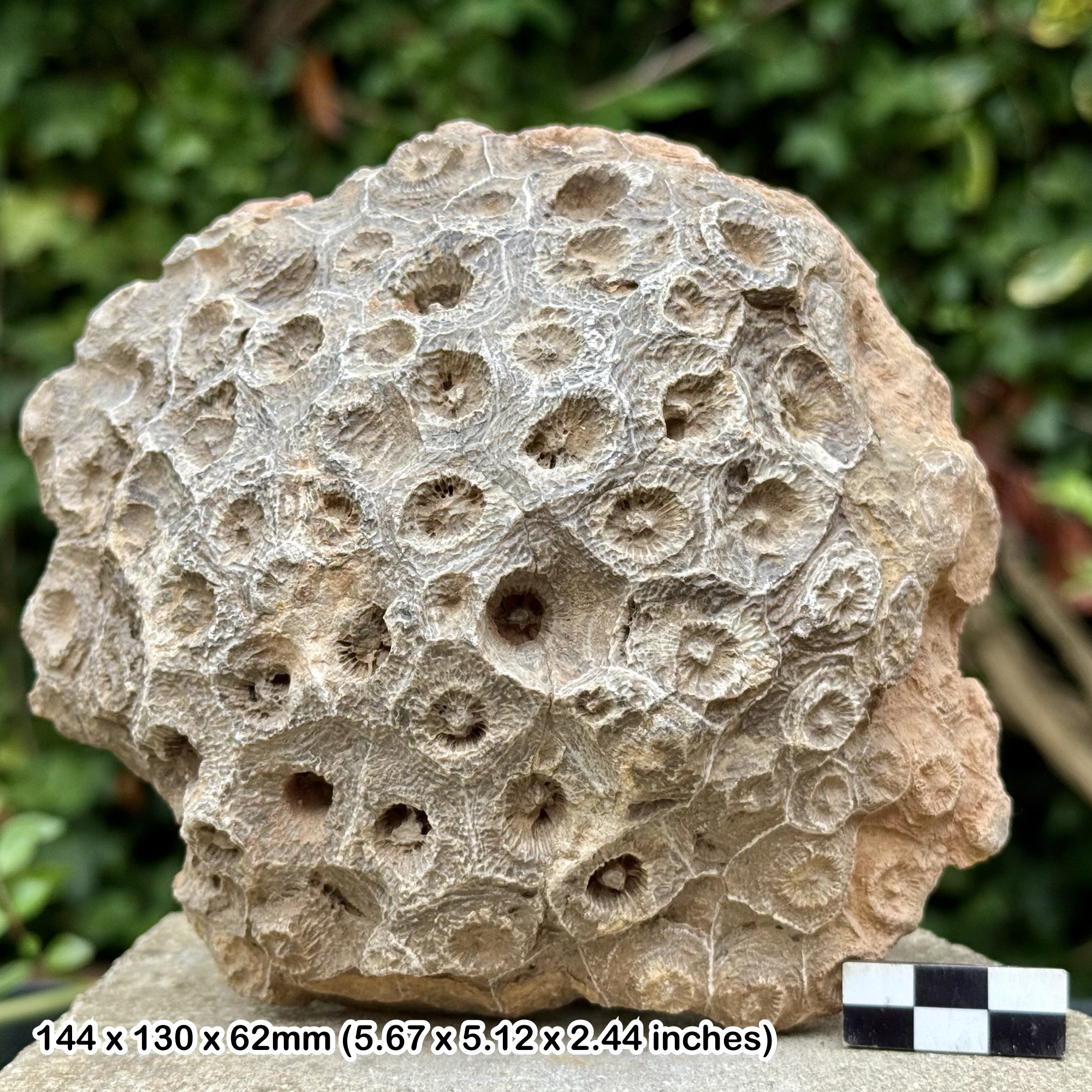
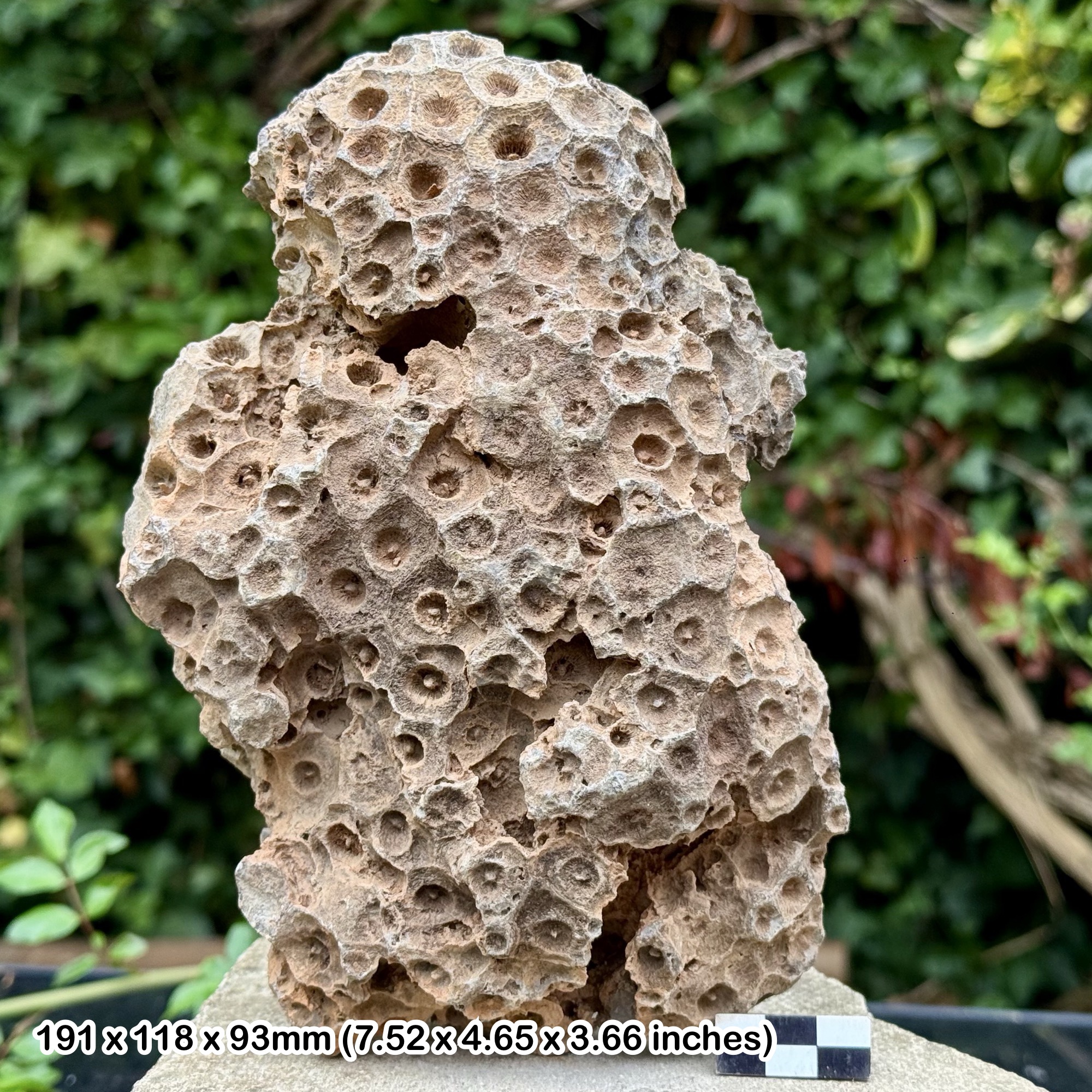
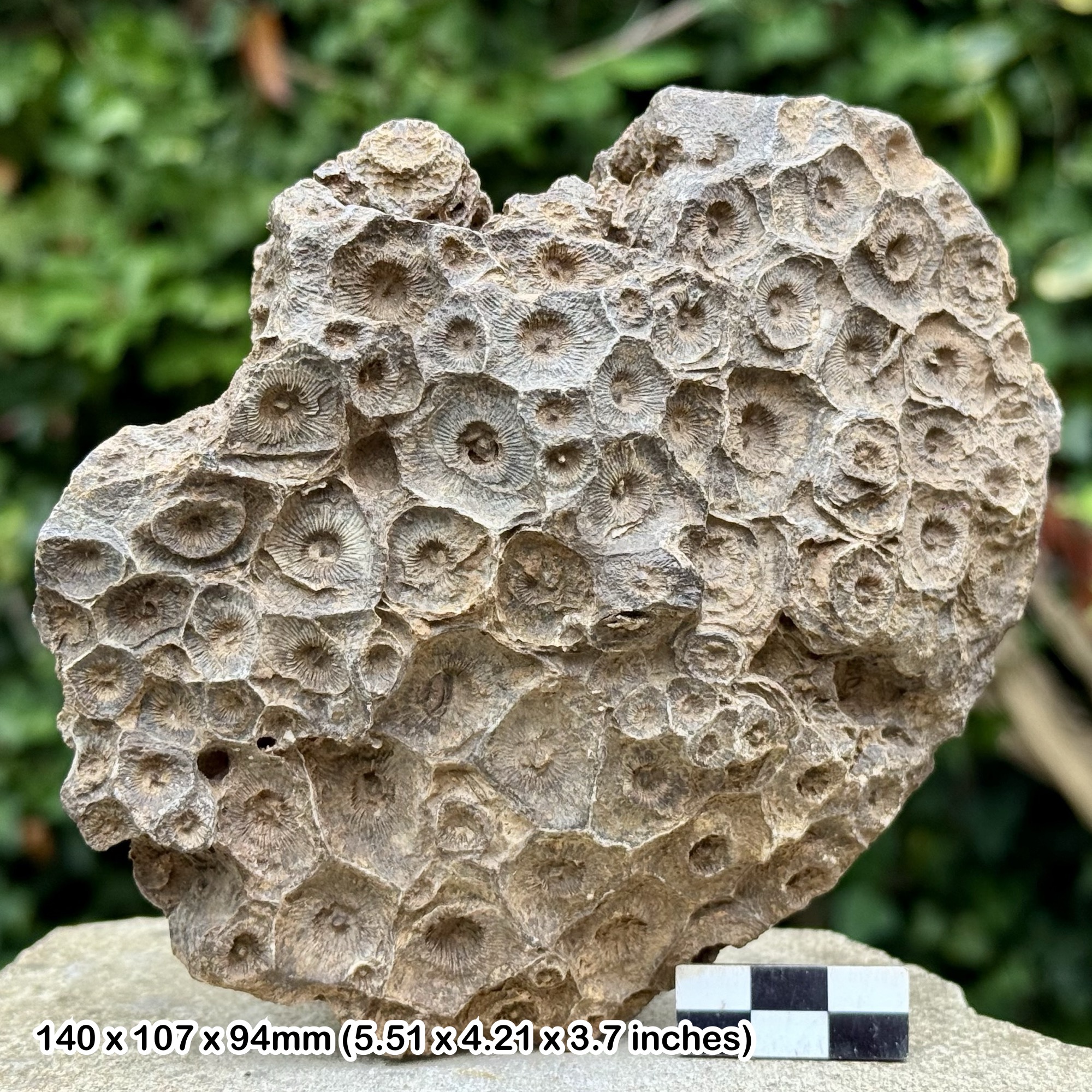
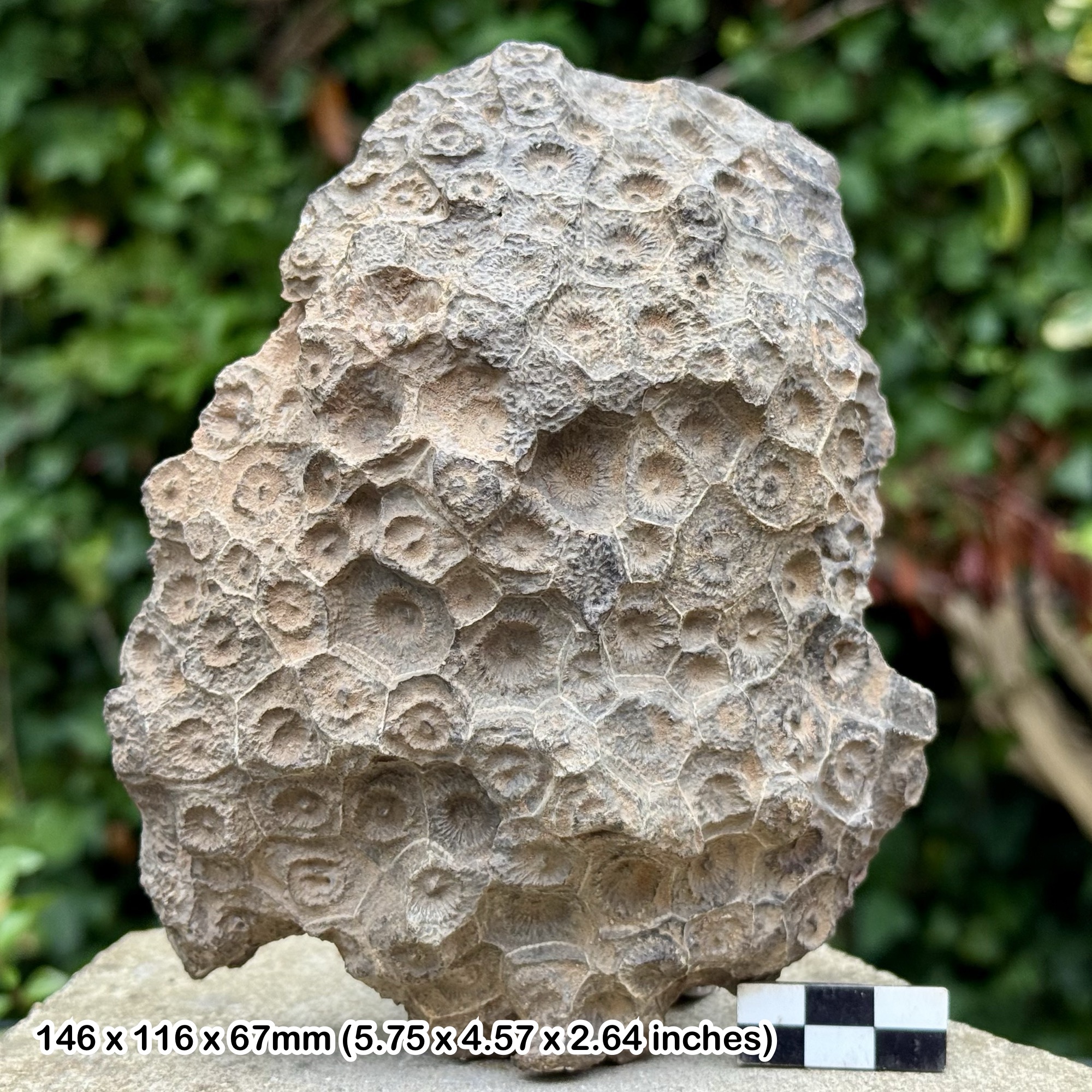
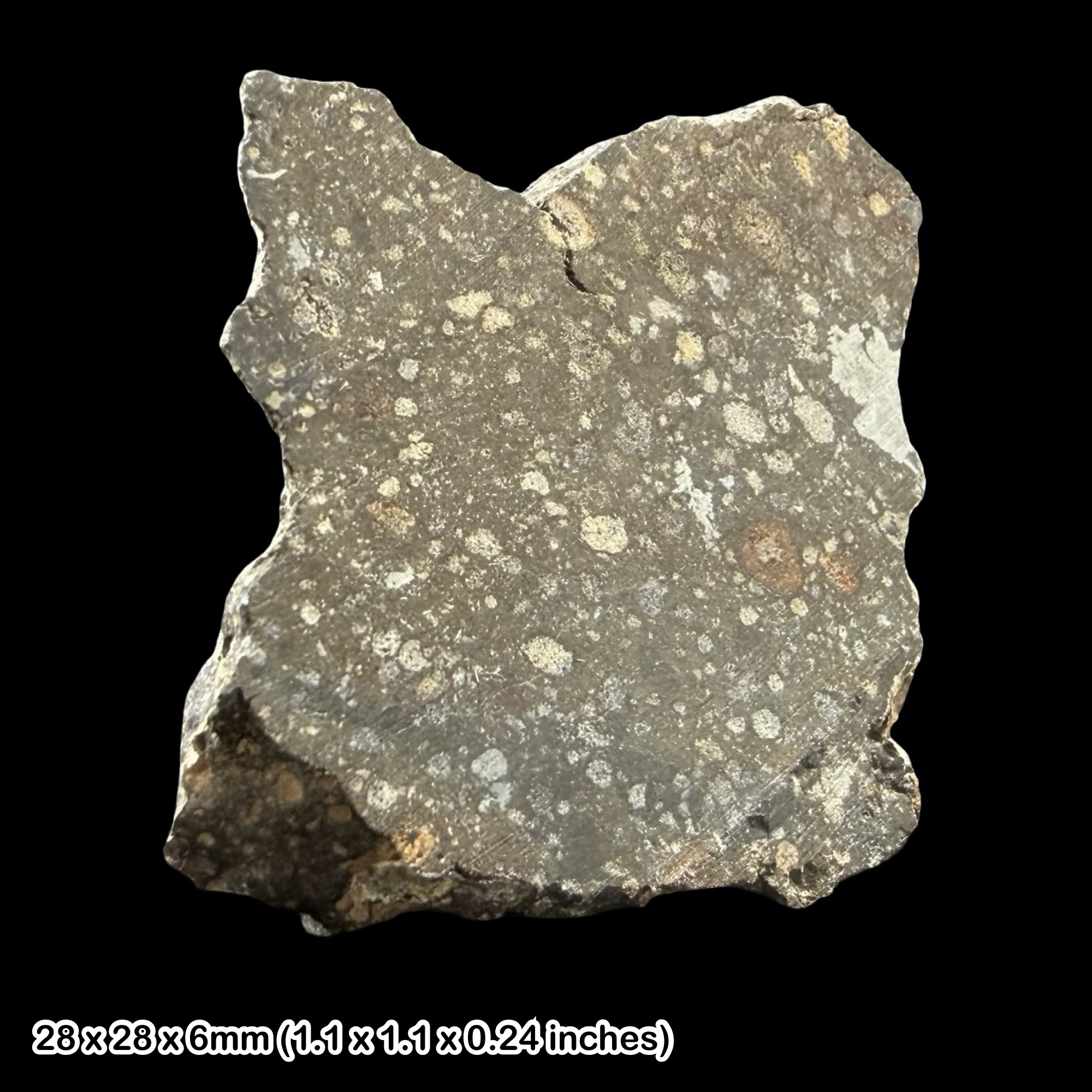
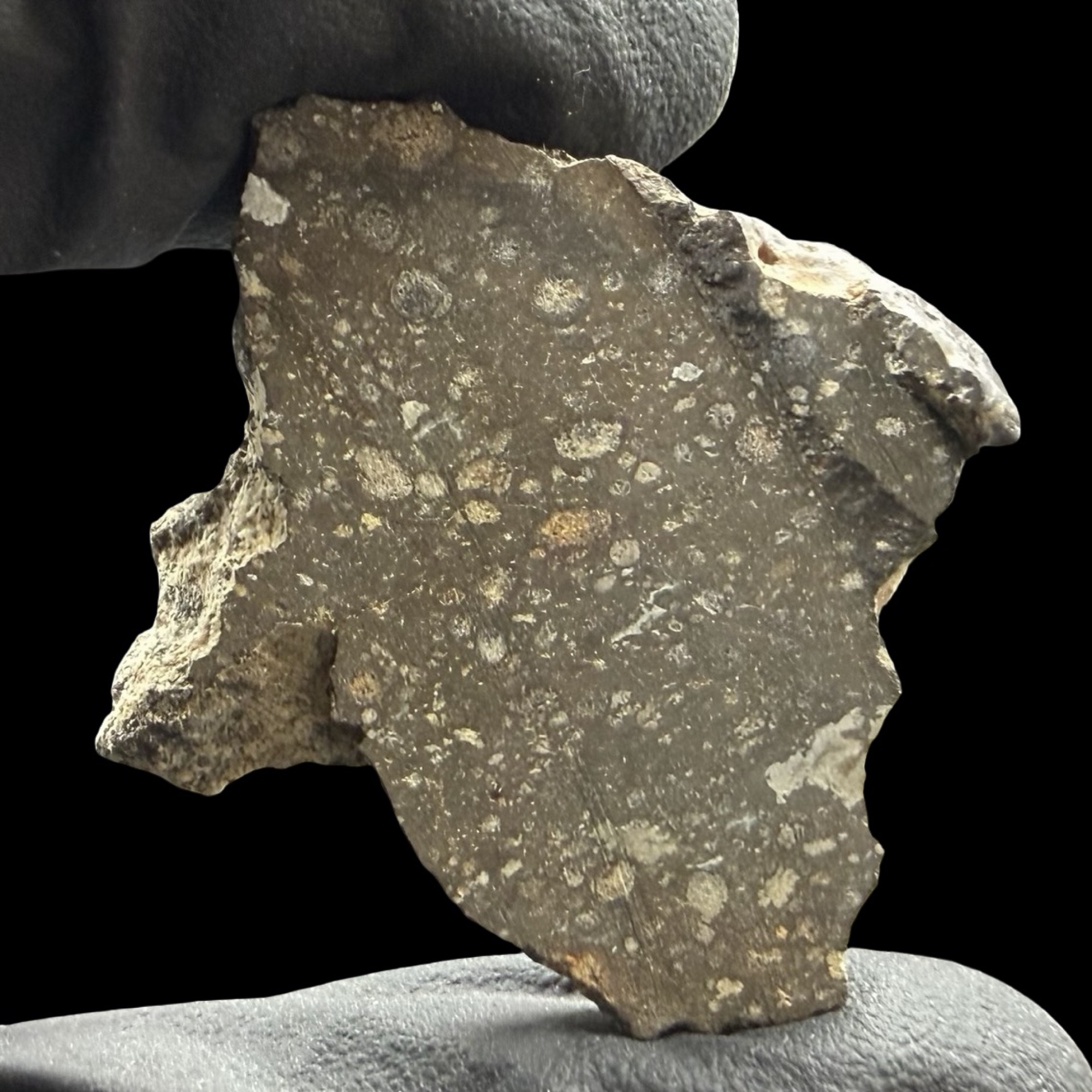
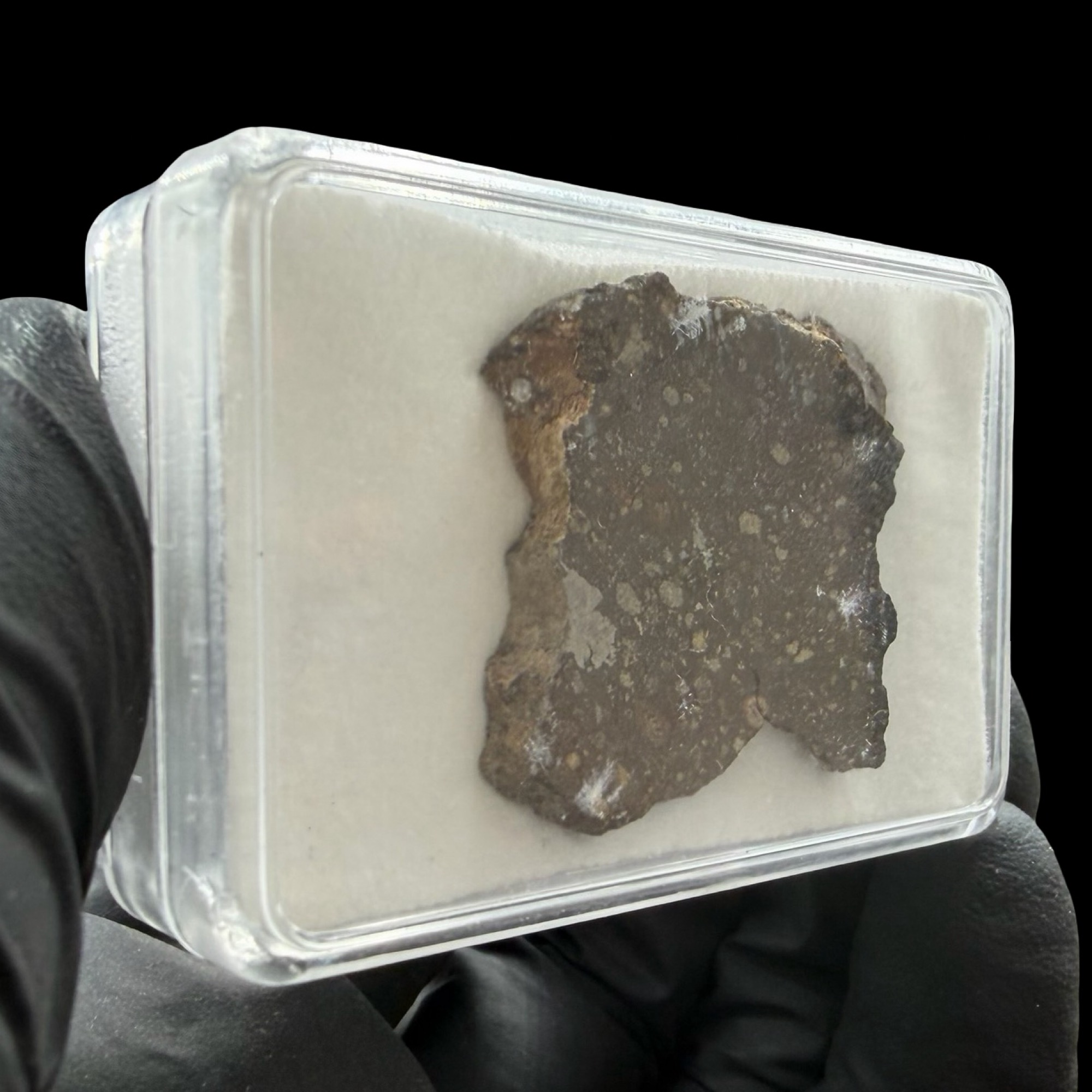
authentic extraterrestrial specimen recovered from the Sahara Desert of Northwest Africa. Weighing 7.546 grams, this impressive polished meteorite slice represents some of the most primitive material known from the early solar system and preserves ancient mineral structures formed over 4.5 billion years ago.The exact meteorite shown in the photographs is the specimen you will receive. This carefully selected space rock includes a fully hand-signed Premium Certificate of Authenticity confirming the meteorite is completely genuine.Please refer to the photographs for full sizing and scale. ABOUT NWA 6619 CARBONACEOUS CHONDRITESNWA 6619 is classified as a CV3 Carbonaceous Chondrite, one of the most scientifically important and compositionally primitive meteorite groups known. Carbonaceous chondrites are regarded as among the oldest and least altered materials formed during the birth of the solar system and contain preserved components dating to the earliest stages of planetary formation.The CV designation refers to the Vigarano-type carbonaceous chondrite group, named after the Vigarano meteorite that fell in Italy in 1910. CV3 meteorites are especially valued for their abundant chondrules, refractory inclusions, and primitive mineralogy that provide direct evidence of processes occurring within the protoplanetary disk before the formation of planets.Unlike differentiated meteorites that originated from melted asteroid cores or mantles, carbonaceous chondrites preserve much of their original primitive composition. This makes them extremely important for scientific research into the origin of the solar system, early planetary accretion, and pre-planetary mineral formation. METEORITE COMPOSITION AND STRUCTURENWA 6619 contains a complex mixture of silicate minerals, metallic grains, calcium-aluminium-rich inclusions, and primitive chondrules embedded within a fine-grained matrix. Chondrules are small spherical droplets of rapidly cooled molten silicate material formed within the early solar nebula before planetary bodies fully developed.The CV3 classification indicates a relatively low degree of thermal metamorphism, meaning the meteorite retains many original primitive features formed during the earliest stages of solar system history. These meteorites commonly contain minerals including olivine, pyroxene, magnetite, iron-nickel metal, sulphides, and refractory inclusions rich in calcium and aluminium.Polished slices often reveal striking visual textures including rounded chondrules, contrasting mineral clasts, metallic flecks, and dark primitive matrix material. The internal structure visible within the slice provides a fascinating cross-section through ancient extraterrestrial material older than Earth itself.Natural colouration may include dark grey, black, brown, olive-green, metallic silver-grey, or reddish oxidation tones depending on mineral composition and terrestrial weathering. SAHARA DISCOVERY AND METEORITE PROVENANCENWA meteorites are recovered from the deserts of Northwest Africa, where arid environmental conditions greatly assist preservation and visibility of extraterrestrial material. The Sahara Desert has become one of the most productive meteorite recovery regions in the world due to minimal vegetation, limited rainfall, and extensive exposed desert surfaces.NWA 6619 was officially classified as a CV3 Carbonaceous Chondrite following scientific examination and petrographic analysis. Carbonaceous meteorites are significantly rarer than ordinary chondrites and are highly sought after due to their scientific importance and primitive composition.Because carbonaceous chondrites contain some of the least altered material from the early solar system, they are frequently studied for evidence relating to the origin of water-bearing minerals, organic compounds, and the earliest stages of planetary development. APPEARANCE AND NATURAL FEATURESThis polished meteorite slice displays the classic appearance associated with primitive carbonaceous chondrites, including visible chondrules, mineral inclusions, and fine-grained dark matrix material. Depending on preservation and cut orientation, the specimen may exhibit contrasting silicate textures, metallic grains, and rounded chondrule structures distributed throughout the slice.The polished surface enhances visibility of the meteorite’s internal mineralogy and primitive textures while maintaining the authentic natural composition of the extraterrestrial material.Each specimen is entirely unique in structure, mineral distribution, and patterning due to the complex processes involved in asteroid formation during the earliest history of the solar system. EXCEPTIONAL COLLECTOR METEORITECarbonaceous chondrites are among the most desirable meteorites for advanced collectors due to their rarity, scientific significance, and ancient primitive composition. CV3 specimens are especially valued for their visually attractive chondrules and low metamorphic alteration.This specimen is ideal for:
• Meteorite and space rock collections
• Carbonaceous chondrite collections
• Planetary science displays
• Educational geological collections
• Museum-style displays
• Natural history collections
• Astronomy and astrophysics enthusiasts
• Gifts for serious meteorite collectorsThe polished slice presentation makes the internal extraterrestrial structure clearly visible, creating a scientifically important and visually fascinating display specimen. GENUINE EXTRATERRESTRIAL SPECIMENThis RARE NWA 6619 CV3 Carbonaceous Chondrite Meteorite Slice from the Sahara Desert is a genuine carefully selected specimen chosen for its authenticity, primitive structure, and display appeal.The exact meteorite shown in the photographs is the specimen you will receive. Every meteorite supplied by us is 100% genuine and includes a fully hand-signed Premium Certificate of Authenticity, providing confidence in the authenticity and extraterrestrial origin of this remarkable primitive meteorite from the earliest history of the solar system.
authentic extraterrestrial specimen recovered from the Sahara Desert of Northwest Africa. Weighing 7.546 grams, this impressive polished meteorite slice represents some of the most primitive material known from the early solar system and preserves ancient mineral structures formed over 4.5 billion years ago.The exact meteorite shown in the photographs is the specimen you will receive. This carefully selected space rock includes a fully hand-signed Premium Certificate of Authenticity confirming the meteorite is completely genuine.Please refer to the photographs for full sizing and scale. ABOUT NWA 6619 CARBONACEOUS CHONDRITESNWA 6619 is classified as a CV3 Carbonaceous Chondrite, one of the most scientifically important and compositionally primitive meteorite groups known. Carbonaceous chondrites are regarded as among the oldest and least altered materials formed during the birth of the solar system and contain preserved components dating to the earliest stages of planetary formation.The CV designation refers to the Vigarano-type carbonaceous chondrite group, named after the Vigarano meteorite that fell in Italy in 1910. CV3 meteorites are especially valued for their abundant chondrules, refractory inclusions, and primitive mineralogy that provide direct evidence of processes occurring within the protoplanetary disk before the formation of planets.Unlike differentiated meteorites that originated from melted asteroid cores or mantles, carbonaceous chondrites preserve much of their original primitive composition. This makes them extremely important for scientific research into the origin of the solar system, early planetary accretion, and pre-planetary mineral formation. METEORITE COMPOSITION AND STRUCTURENWA 6619 contains a complex mixture of silicate minerals, metallic grains, calcium-aluminium-rich inclusions, and primitive chondrules embedded within a fine-grained matrix. Chondrules are small spherical droplets of rapidly cooled molten silicate material formed within the early solar nebula before planetary bodies fully developed.The CV3 classification indicates a relatively low degree of thermal metamorphism, meaning the meteorite retains many original primitive features formed during the earliest stages of solar system history. These meteorites commonly contain minerals including olivine, pyroxene, magnetite, iron-nickel metal, sulphides, and refractory inclusions rich in calcium and aluminium.Polished slices often reveal striking visual textures including rounded chondrules, contrasting mineral clasts, metallic flecks, and dark primitive matrix material. The internal structure visible within the slice provides a fascinating cross-section through ancient extraterrestrial material older than Earth itself.Natural colouration may include dark grey, black, brown, olive-green, metallic silver-grey, or reddish oxidation tones depending on mineral composition and terrestrial weathering. SAHARA DISCOVERY AND METEORITE PROVENANCENWA meteorites are recovered from the deserts of Northwest Africa, where arid environmental conditions greatly assist preservation and visibility of extraterrestrial material. The Sahara Desert has become one of the most productive meteorite recovery regions in the world due to minimal vegetation, limited rainfall, and extensive exposed desert surfaces.NWA 6619 was officially classified as a CV3 Carbonaceous Chondrite following scientific examination and petrographic analysis. Carbonaceous meteorites are significantly rarer than ordinary chondrites and are highly sought after due to their scientific importance and primitive composition.Because carbonaceous chondrites contain some of the least altered material from the early solar system, they are frequently studied for evidence relating to the origin of water-bearing minerals, organic compounds, and the earliest stages of planetary development. APPEARANCE AND NATURAL FEATURESThis polished meteorite slice displays the classic appearance associated with primitive carbonaceous chondrites, including visible chondrules, mineral inclusions, and fine-grained dark matrix material. Depending on preservation and cut orientation, the specimen may exhibit contrasting silicate textures, metallic grains, and rounded chondrule structures distributed throughout the slice.The polished surface enhances visibility of the meteorite’s internal mineralogy and primitive textures while maintaining the authentic natural composition of the extraterrestrial material.Each specimen is entirely unique in structure, mineral distribution, and patterning due to the complex processes involved in asteroid formation during the earliest history of the solar system. EXCEPTIONAL COLLECTOR METEORITECarbonaceous chondrites are among the most desirable meteorites for advanced collectors due to their rarity, scientific significance, and ancient primitive composition. CV3 specimens are especially valued for their visually attractive chondrules and low metamorphic alteration.This specimen is ideal for:
• Meteorite and space rock collections
• Carbonaceous chondrite collections
• Planetary science displays
• Educational geological collections
• Museum-style displays
• Natural history collections
• Astronomy and astrophysics enthusiasts
• Gifts for serious meteorite collectorsThe polished slice presentation makes the internal extraterrestrial structure clearly visible, creating a scientifically important and visually fascinating display specimen. GENUINE EXTRATERRESTRIAL SPECIMENThis RARE NWA 6619 CV3 Carbonaceous Chondrite Meteorite Slice from the Sahara Desert is a genuine carefully selected specimen chosen for its authenticity, primitive structure, and display appeal.The exact meteorite shown in the photographs is the specimen you will receive. Every meteorite supplied by us is 100% genuine and includes a fully hand-signed Premium Certificate of Authenticity, providing confidence in the authenticity and extraterrestrial origin of this remarkable primitive meteorite from the earliest history of the solar system.
Other Products