Fossil Crocodile Tooth Genuine Dinosaur Age Tooth Kem Kem Morocco Upper Cretaceous Rare Authentic Fossil Specimen Display Piece
£ 24.00
Genuine Fossil Crocodile Tooth – Dinosaur Age SpecimenThis authentic fossil crocodile tooth is a genuine specimen from the famous Kem
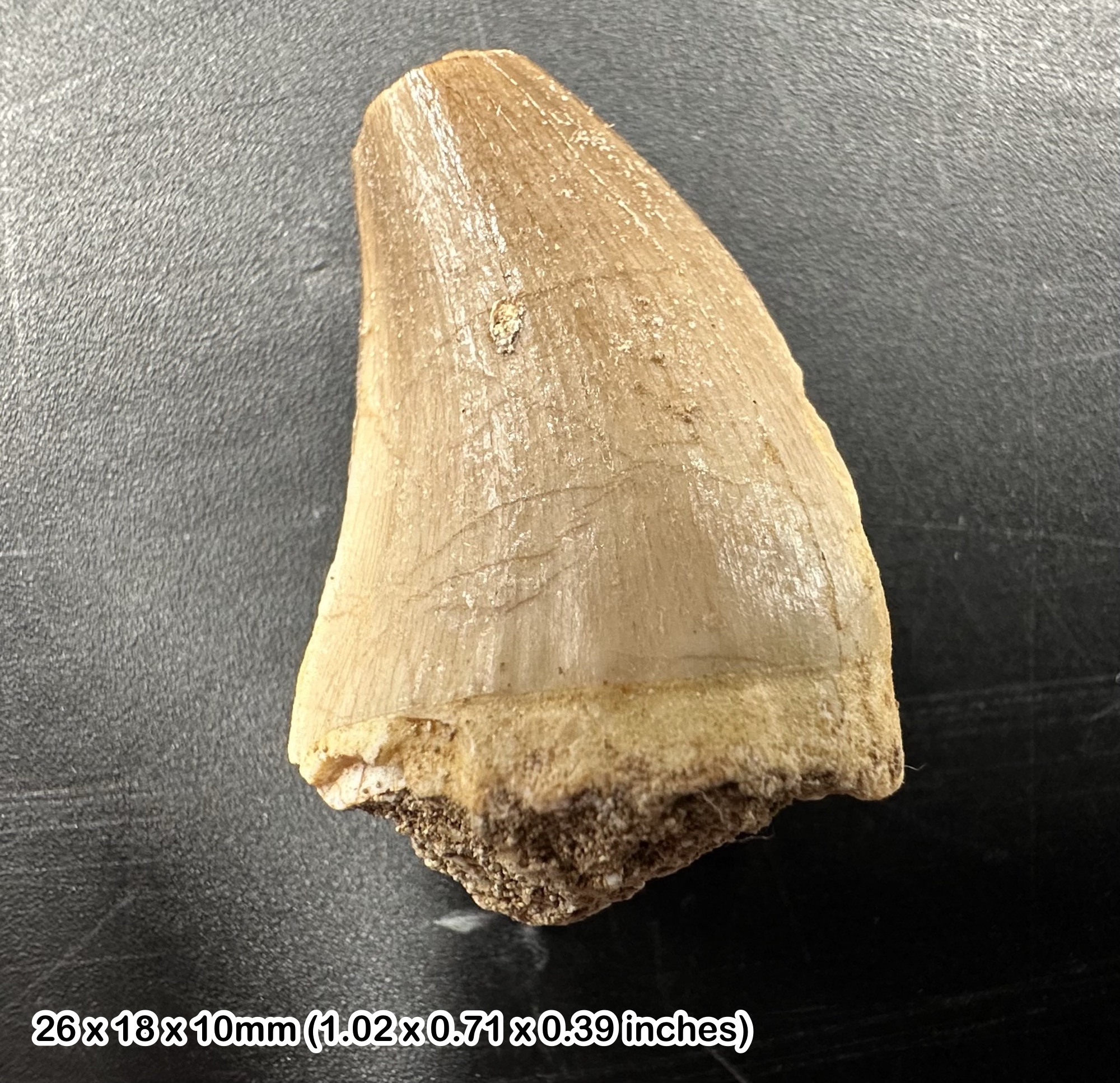
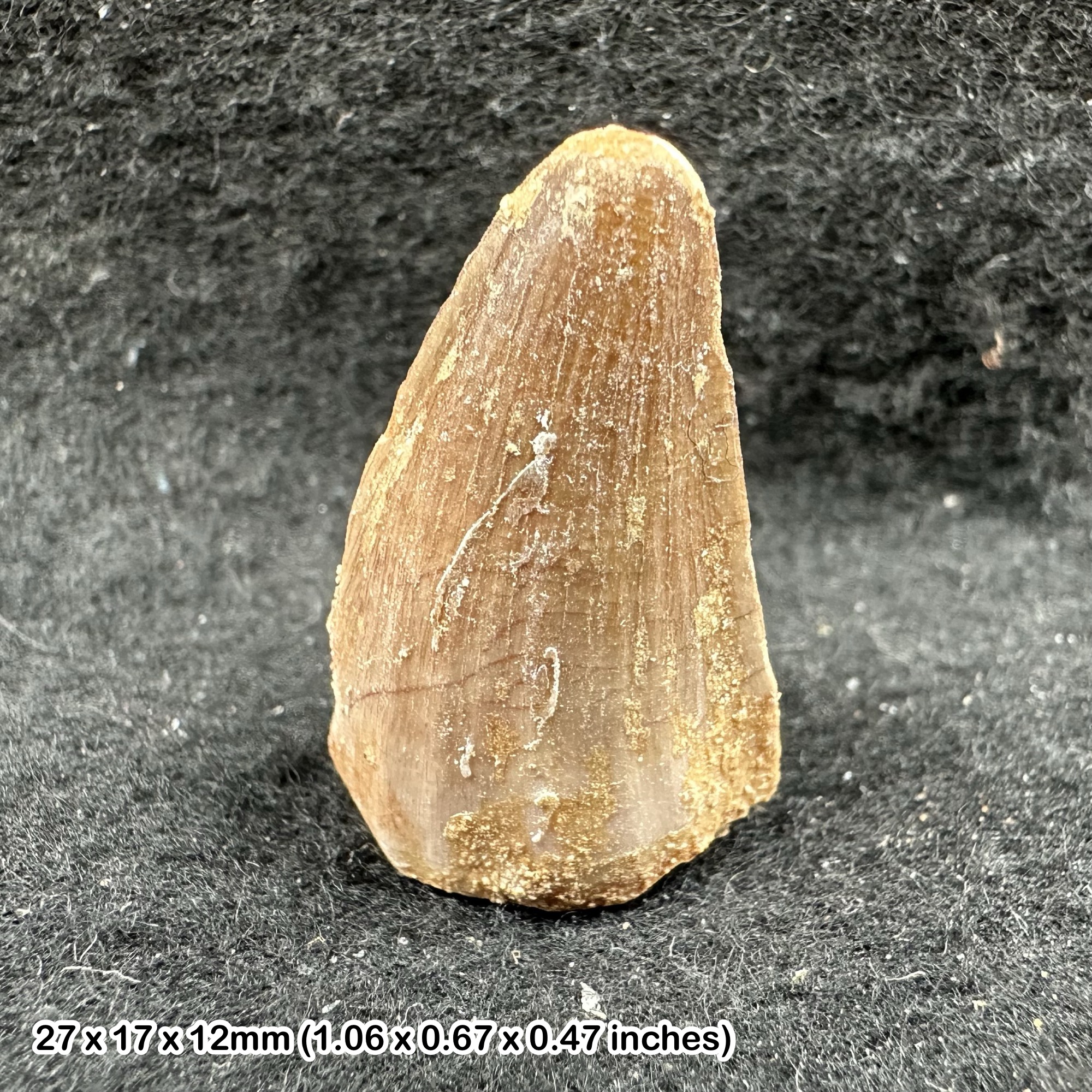
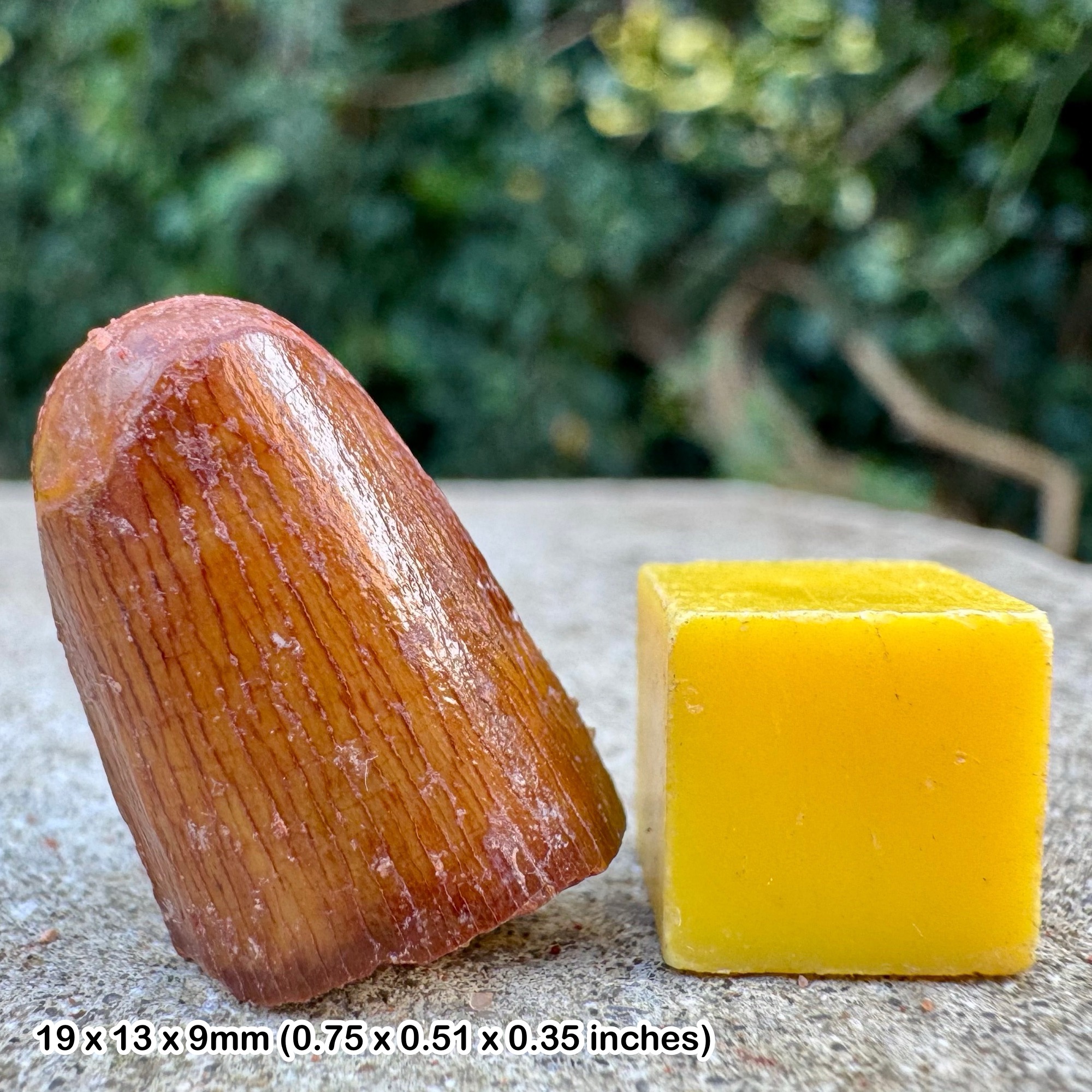
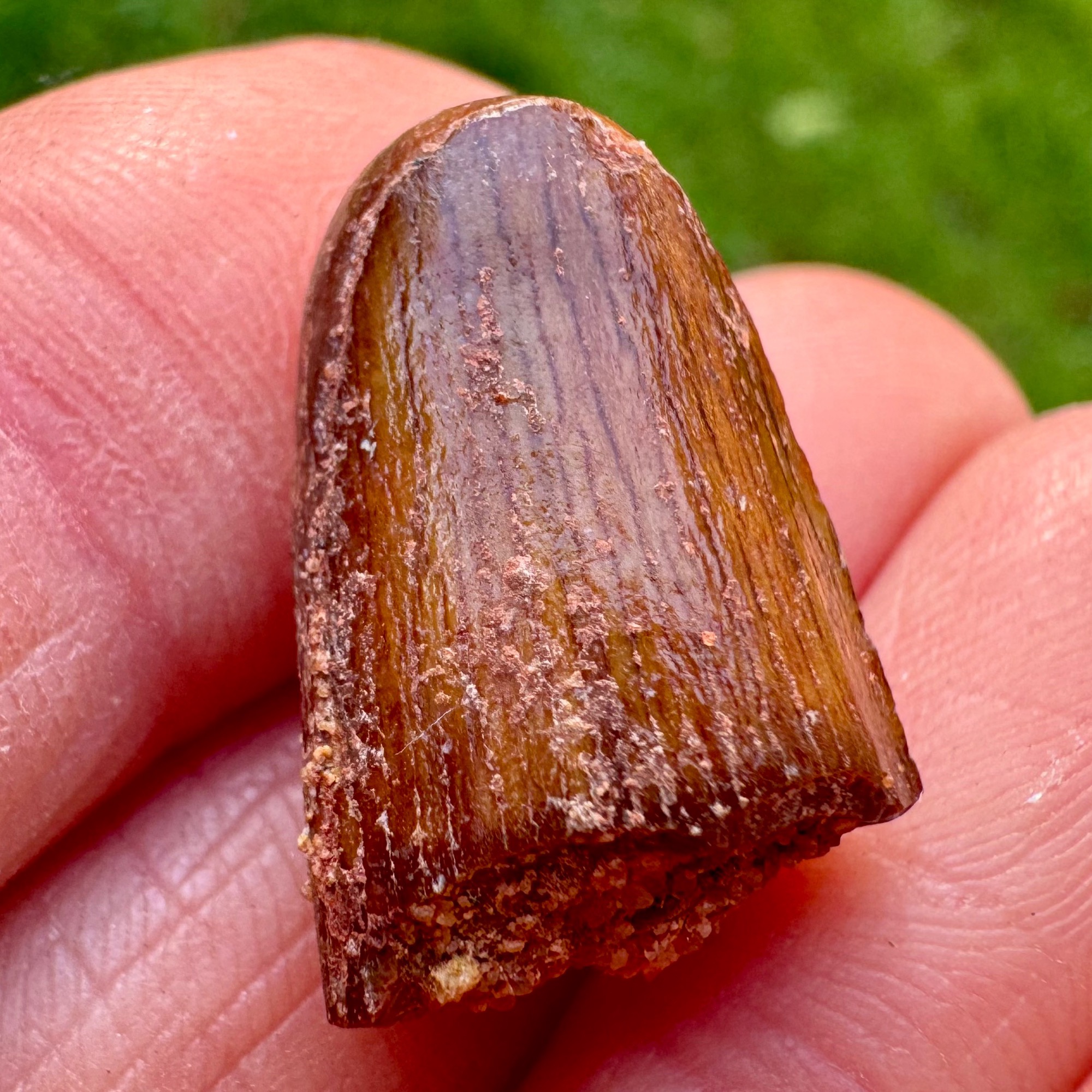
Kem Beds of Morocco, dating back to the age of dinosaurs. Carefully selected for its preservation and natural character, this tooth represents a fascinating relic from a prehistoric river ecosystem. The exact fossil shown in the photographs is the one you will receive, ensuring complete confidence in your purchase. It is supplied with a Certificate of Authenticity lifetime guarantee card, confirming its genuine origin and making it a վստահ addition to any fossil collection.Geological Provenance – Kem Kem Beds, Tegana FormationThis specimen originates from the Tegana Formation within the Kem Kem Basin of southeastern Morocco. These deposits date to the Upper Cretaceous period, specifically the Cenomanian stage, approximately 95 to 100 million years ago. The Kem Kem Beds are composed primarily of sandstones and siltstones formed within ancient river systems, floodplains, and deltaic environments. This region is internationally recognised for its rich fossil assemblage, preserving a diverse range of vertebrates including dinosaurs, fish, turtles, and crocodyliforms.Fossil Type – Crocodyliform ToothThis tooth belongs to a prehistoric crocodyliform, part of the order Crocodyliformes, which includes modern crocodiles and their extinct relatives. During the Cretaceous, these reptiles were highly diverse and occupied a variety of ecological niches within freshwater and semi-aquatic environments. Fossil teeth such as this are among the most commonly preserved elements, as they were continuously replaced throughout the animal’s life.Morphology and Surface FeaturesThe tooth exhibits classic crocodilian characteristics, including a conical shape with a slightly recurved profile suited for gripping prey. The enamel surface may display subtle ridging or fluting, contributing to its structural strength. Natural wear patterns can often be observed, reflecting feeding activity during the animal’s lifetime. The robust structure and dense enamel have contributed to its excellent preservation over millions of years. Colouration typically ranges from dark brown to black, influenced by mineralisation within the surrounding sediment.Depositional Environment and FossilisationDuring the Cenomanian stage, the Kem Kem region was dominated by extensive river networks and floodplain environments teeming with life. Crocodyliforms thrived in these habitats, acting as opportunistic predators within both aquatic and terrestrial food chains. After being shed or lost, teeth were transported and buried within river sediments. Rapid burial protected them from erosion and scavenging, while mineral-rich groundwater gradually replaced organic material, preserving the tooth as a fossil.Collector Appeal and Display ValueFossil crocodile teeth from the Kem Kem Beds are highly sought after due to their age, condition, and connection to a well-known fossil locality. This specimen offers both scientific interest and aesthetic appeal, making it suitable for collectors, educators, or enthusiasts of prehistoric life. Its natural form and texture provide a tangible link to the ancient ecosystems of the Cretaceous period, making it an engaging display piece.Authenticity and GuaranteeThis fossil is guaranteed genuine and comes complete with a Certificate of Authenticity lifetime guarantee card. The specimen has been carefully chosen to ensure quality and authenticity. All photographs represent the exact fossil you will receive, providing full transparency and confidence in your purchase.
Kem Beds of Morocco, dating back to the age of dinosaurs. Carefully selected for its preservation and natural character, this tooth represents a fascinating relic from a prehistoric river ecosystem. The exact fossil shown in the photographs is the one you will receive, ensuring complete confidence in your purchase. It is supplied with a Certificate of Authenticity lifetime guarantee card, confirming its genuine origin and making it a վստահ addition to any fossil collection.Geological Provenance – Kem Kem Beds, Tegana FormationThis specimen originates from the Tegana Formation within the Kem Kem Basin of southeastern Morocco. These deposits date to the Upper Cretaceous period, specifically the Cenomanian stage, approximately 95 to 100 million years ago. The Kem Kem Beds are composed primarily of sandstones and siltstones formed within ancient river systems, floodplains, and deltaic environments. This region is internationally recognised for its rich fossil assemblage, preserving a diverse range of vertebrates including dinosaurs, fish, turtles, and crocodyliforms.Fossil Type – Crocodyliform ToothThis tooth belongs to a prehistoric crocodyliform, part of the order Crocodyliformes, which includes modern crocodiles and their extinct relatives. During the Cretaceous, these reptiles were highly diverse and occupied a variety of ecological niches within freshwater and semi-aquatic environments. Fossil teeth such as this are among the most commonly preserved elements, as they were continuously replaced throughout the animal’s life.Morphology and Surface FeaturesThe tooth exhibits classic crocodilian characteristics, including a conical shape with a slightly recurved profile suited for gripping prey. The enamel surface may display subtle ridging or fluting, contributing to its structural strength. Natural wear patterns can often be observed, reflecting feeding activity during the animal’s lifetime. The robust structure and dense enamel have contributed to its excellent preservation over millions of years. Colouration typically ranges from dark brown to black, influenced by mineralisation within the surrounding sediment.Depositional Environment and FossilisationDuring the Cenomanian stage, the Kem Kem region was dominated by extensive river networks and floodplain environments teeming with life. Crocodyliforms thrived in these habitats, acting as opportunistic predators within both aquatic and terrestrial food chains. After being shed or lost, teeth were transported and buried within river sediments. Rapid burial protected them from erosion and scavenging, while mineral-rich groundwater gradually replaced organic material, preserving the tooth as a fossil.Collector Appeal and Display ValueFossil crocodile teeth from the Kem Kem Beds are highly sought after due to their age, condition, and connection to a well-known fossil locality. This specimen offers both scientific interest and aesthetic appeal, making it suitable for collectors, educators, or enthusiasts of prehistoric life. Its natural form and texture provide a tangible link to the ancient ecosystems of the Cretaceous period, making it an engaging display piece.Authenticity and GuaranteeThis fossil is guaranteed genuine and comes complete with a Certificate of Authenticity lifetime guarantee card. The specimen has been carefully chosen to ensure quality and authenticity. All photographs represent the exact fossil you will receive, providing full transparency and confidence in your purchase.
Other Products