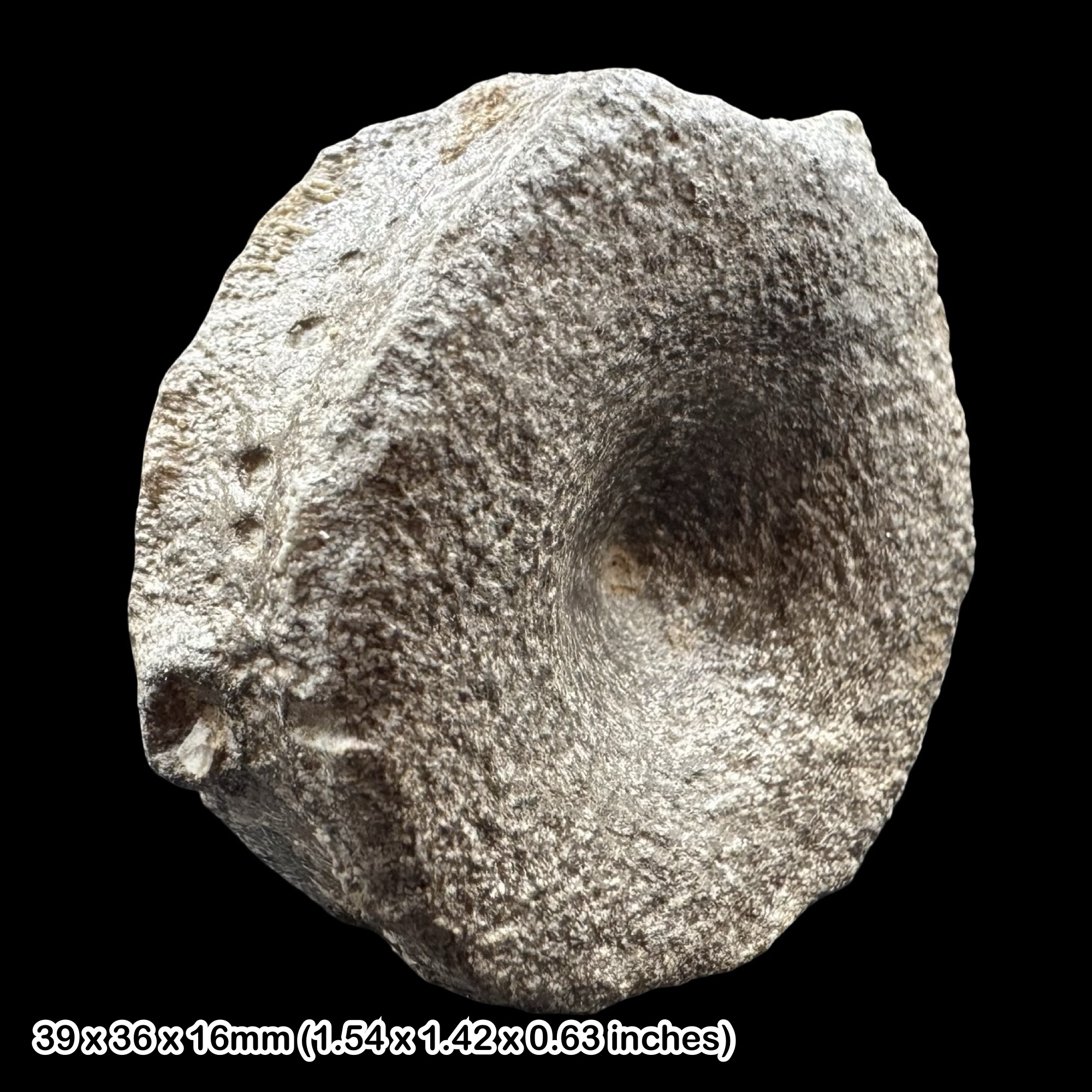
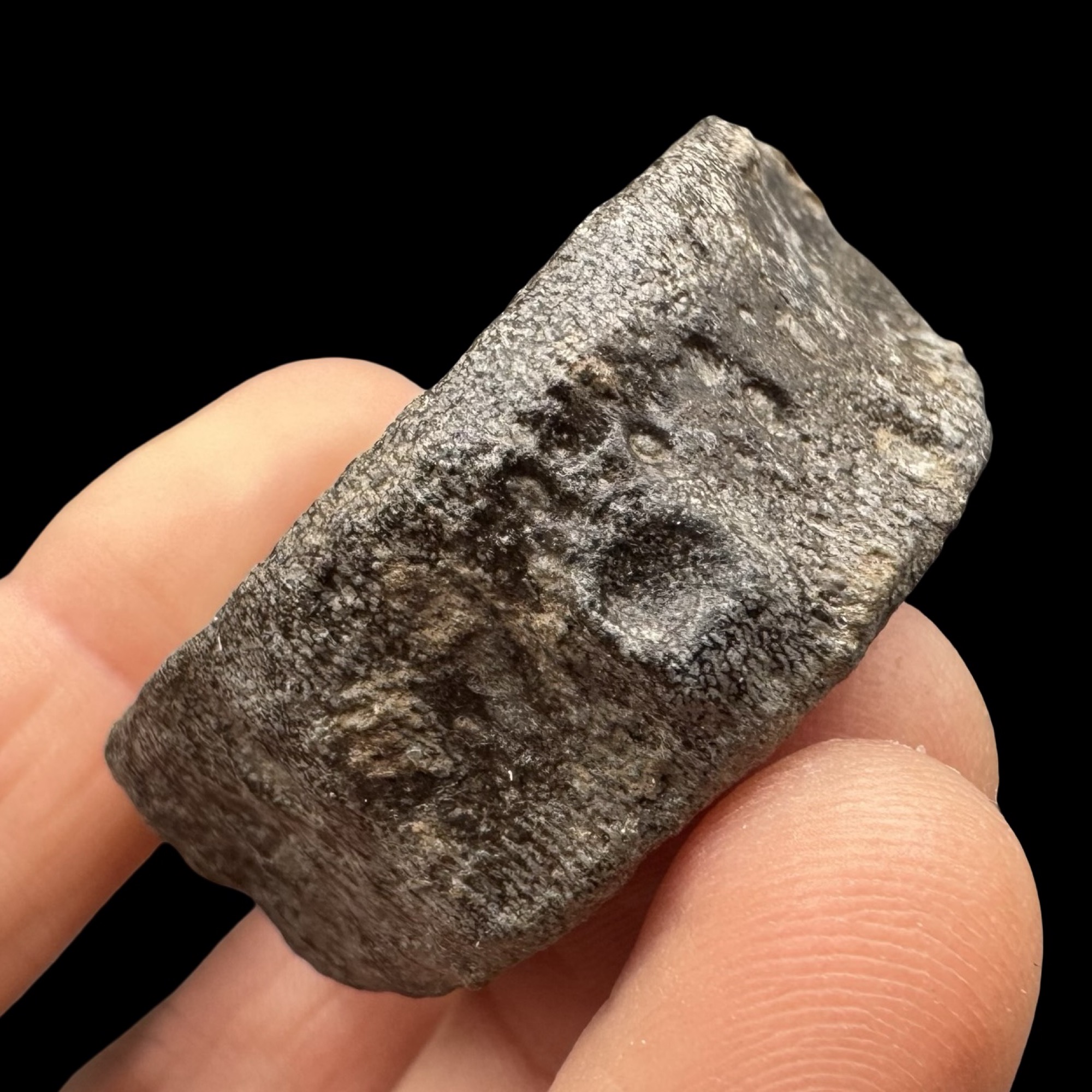
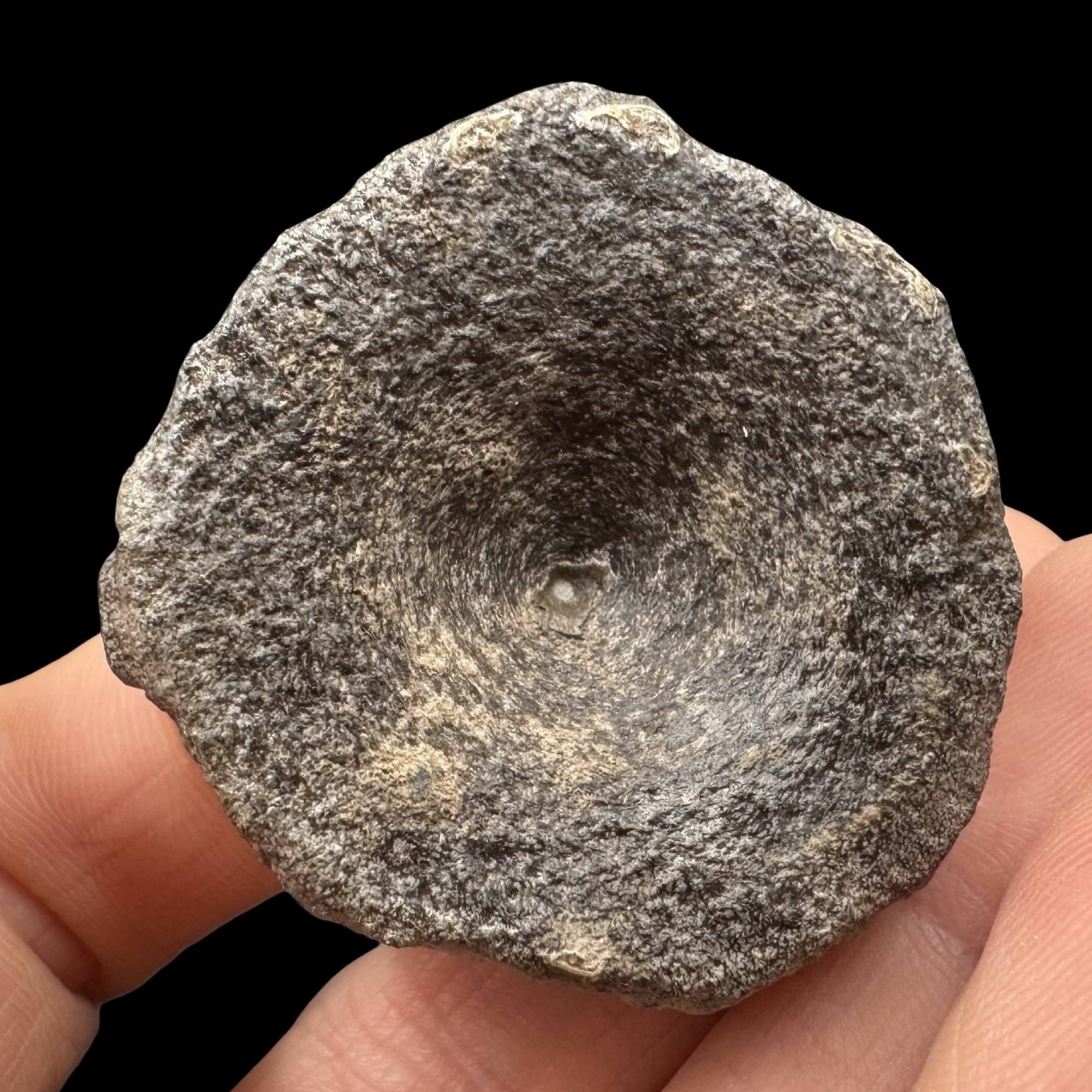
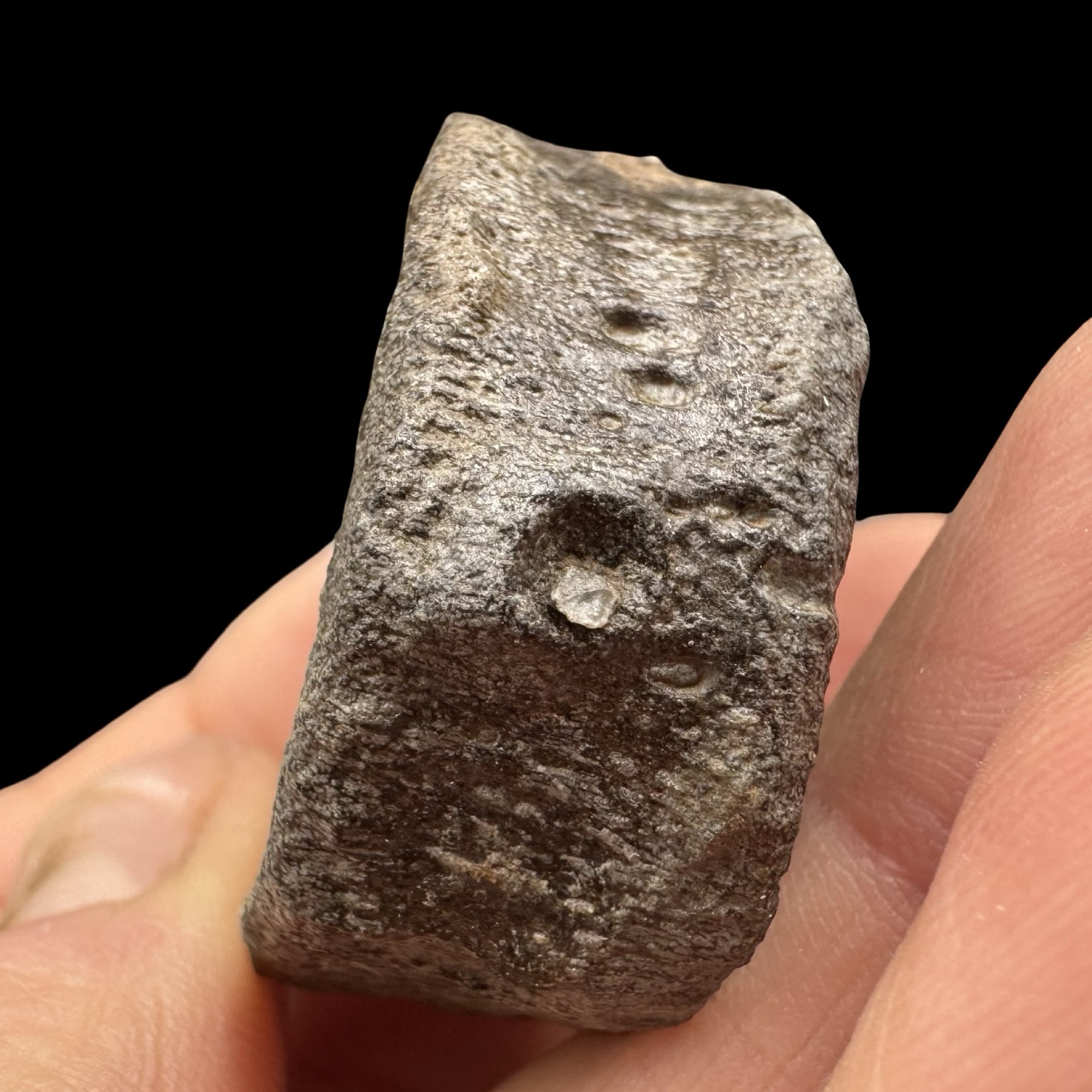
Ichthyosaur Fossil Vertebra Jurassic Marine Reptile Bone Lyme Regis Dorset Black Ven Marls Lower Lias Charmouth Genuine COA Included
£ 60.00
GENUINE ICHTHYOSAUR VERTEBRA FOSSIL FROM THE JURASSIC COASTPresented here is an authentic Ichthyosaur fossil reptile vertebra, collected
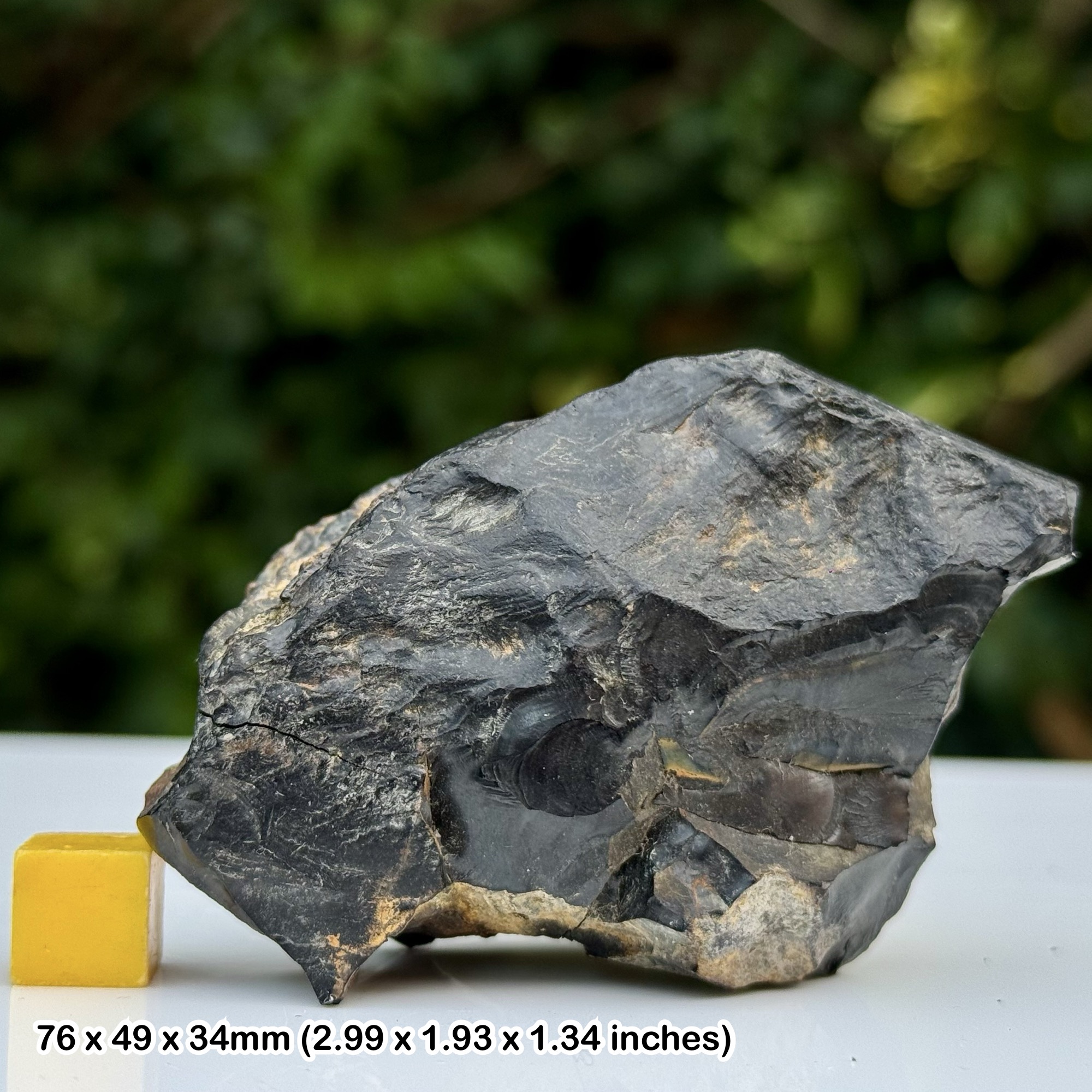
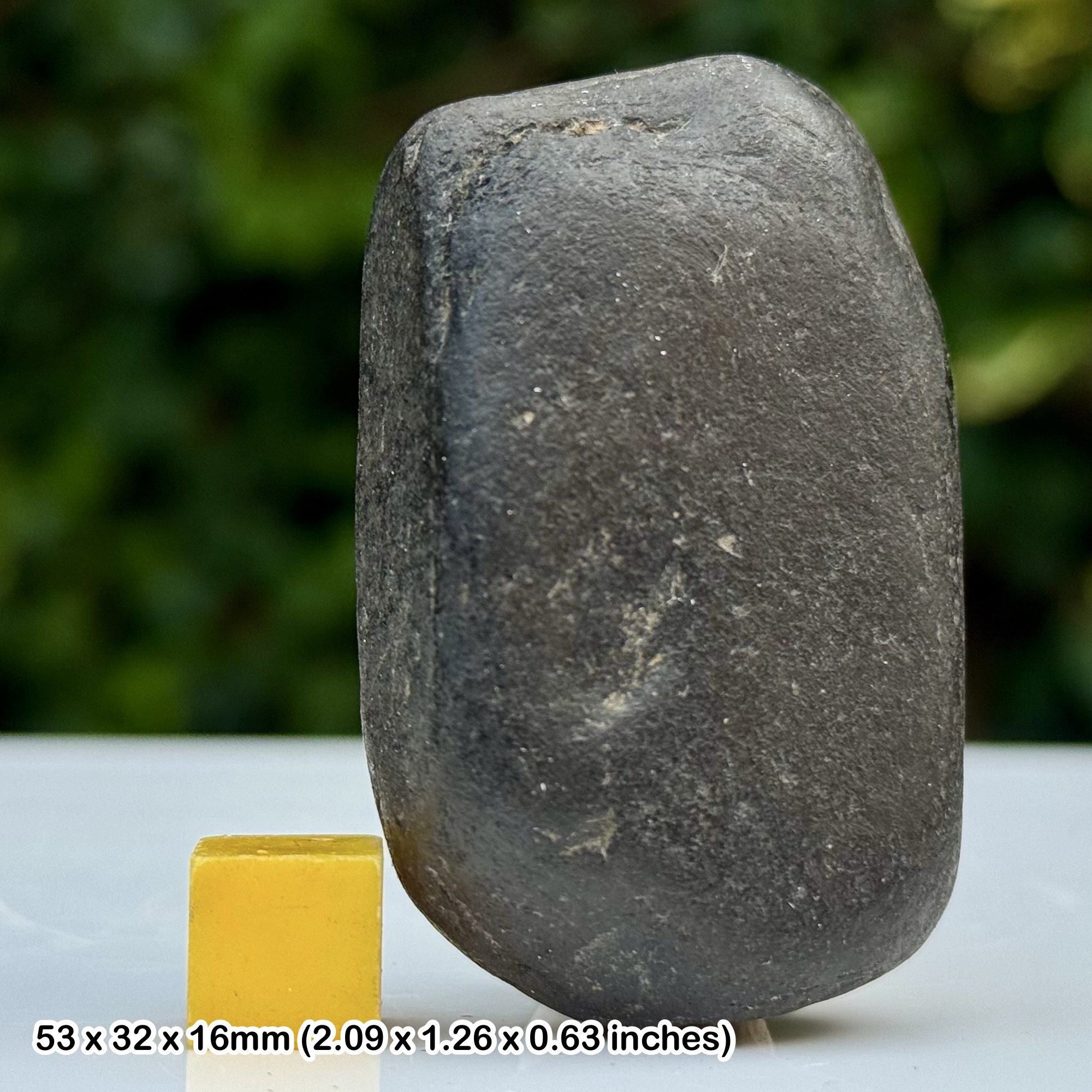
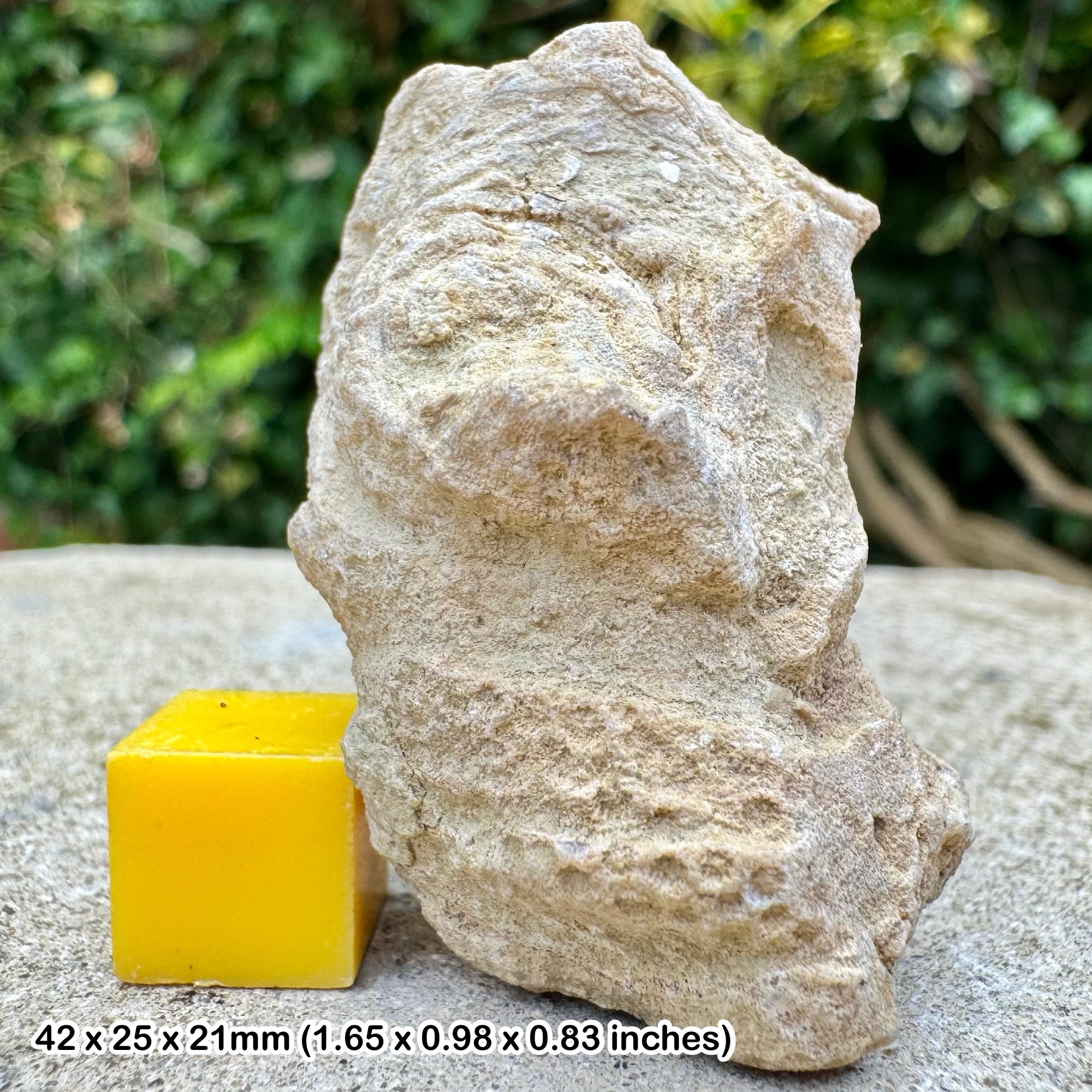
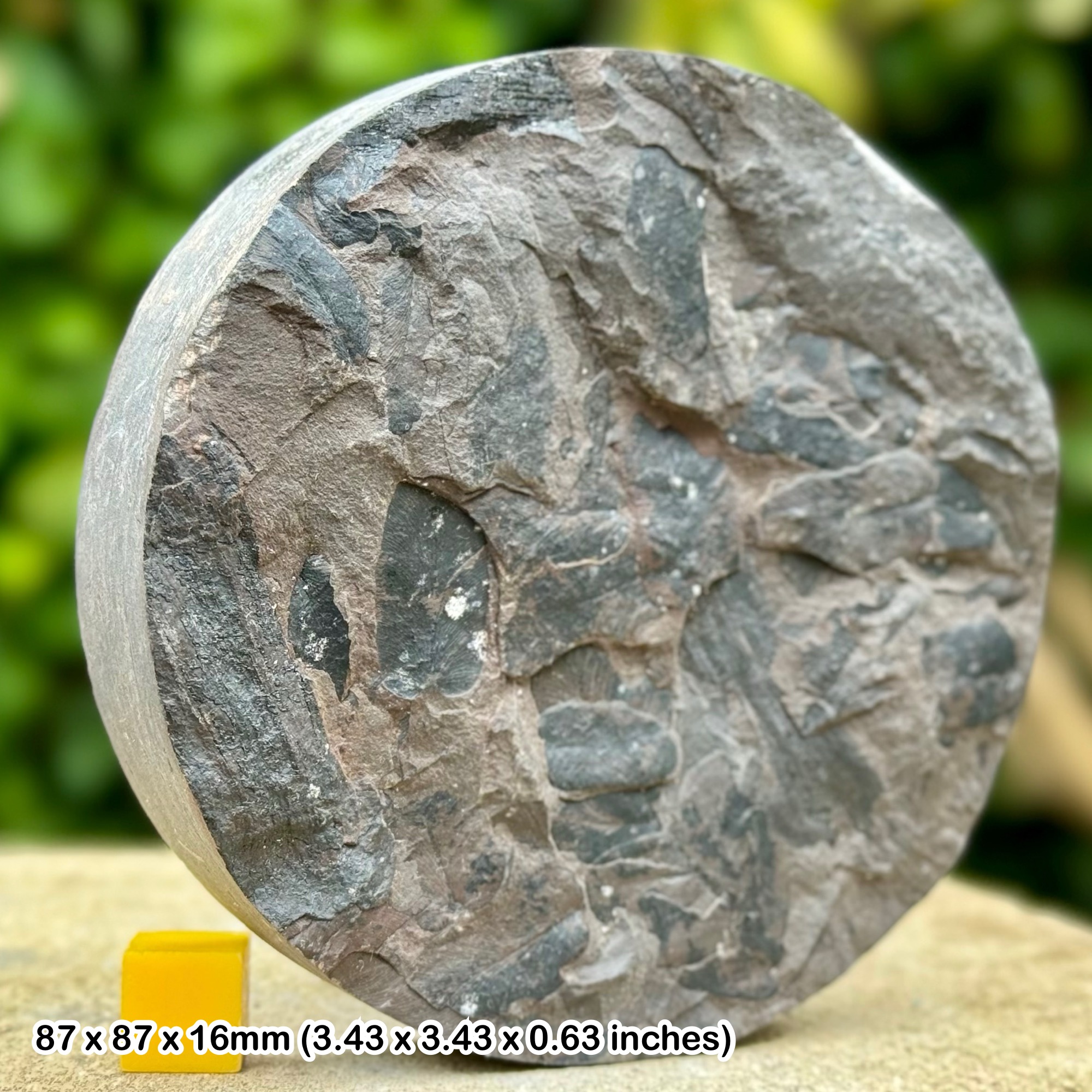
from the famous Black Ven Marls of the Lower Lias, along the spectacular Jurassic Coast at Black Ven, Charmouth, Lyme Regis, Dorset, UK.This is a genuine marine reptile bone fossil, preserved from the Early Jurassic seas that once covered southern Britain. The specimen is a carefully chosen example, offering excellent natural character and strong display appeal. The fossil shown in the photographs is the exact specimen you will receive, ensuring complete transparency for collectors.This fossil is a genuine specimen and includes a Certificate of Authenticity with a lifetime guarantee generic card, providing permanent reassurance of authenticity and provenance. Full sizing details are clearly shown in the accompanying photographs. GEOLOGICAL SETTING – BLACK VEN MARLS, LOWER LIAS (EARLY JURASSIC)This vertebra originates from the renowned Black Ven Marls, part of the Lower Jurassic Lower Lias Group, deposited approximately 195–200 million years ago.During the Early Jurassic, Dorset was submerged beneath a warm shallow sea rich in marine life. Thick deposits of fine mud and marl accumulated on the seabed, creating the fossil-rich strata now exposed along the cliffs between Charmouth and Lyme Regis.Black Ven is one of the most celebrated fossil localities in Europe, famous for yielding ammonites, belemnites, fossil fish, and spectacular marine reptiles such as ichthyosaurs and plesiosaurs. The Jurassic Coast is a UNESCO World Heritage Site, preserving one of the world’s most important continuous records of Mesozoic marine history. FOSSIL TYPE – ICHTHYOSAUR MARINE REPTILE VERTEBRAIchthyosaurs were powerful dolphin-shaped marine reptiles that dominated Jurassic oceans. Although reptiles, they evolved streamlined bodies, large eyes, and fins perfectly adapted for life at sea.Scientific classification includes:
• Kingdom: Animalia
• Phylum: Chordata
• Class: Reptilia
• Order: IchthyosauriaVertebrae are among the most recognisable ichthyosaur fossils, typically showing a strong circular centrum shape adapted for flexibility and swimming efficiency. MORPHOLOGY AND NOTABLE FEATURESThis fossil vertebra preserves the dense central structure of the spinal column. Notable traits often seen in ichthyosaur vertebrae include:
• Distinctive disk-like vertebral centrum
• Thick, robust bone adapted for marine movement
• Natural surface texture from Jurassic preservation
• Strong three-dimensional form ideal for displaySuch fossils provide a tangible connection to one of the ocean’s most successful prehistoric predators. DEPOSITIONAL ENVIRONMENT – JURASSIC MARINE SEABED PRESERVATIONThe Black Ven Marls were deposited in a relatively calm offshore marine environment. Low-oxygen conditions on the seabed, combined with rapid burial in fine mud, contributed to the exceptional preservation of marine reptile remains.Over millions of years, sediment pressure and mineral replacement transformed the original bone into stone, preserving this vertebra as a lasting record of Jurassic marine life. AUTHENTICITY, DISPLAY, AND COLLECTABILITYThis ichthyosaur vertebra is an outstanding piece for collectors of:
• Jurassic marine reptile fossils
• Lyme Regis and Charmouth discoveries
• UK natural history specimens
• Educational or museum-style displaysYou will receive:
• Genuine Ichthyosaur vertebra fossil
• Exact specimen photographed
• Certificate of Authenticity with lifetime guarantee
• A unique piece of Early Jurassic ocean history A TRUE MARINE REPTILE FOSSIL FROM DORSET’S ANCIENT SEASAn ichthyosaur vertebra from Black Ven is more than a fossil — it is a direct survivor of the Jurassic seas, preserved from a world of ancient marine predators. Perfect as a centrepiece fossil, a collector’s treasure, or a remarkable gift from the Jurassic Coast.
from the famous Black Ven Marls of the Lower Lias, along the spectacular Jurassic Coast at Black Ven, Charmouth, Lyme Regis, Dorset, UK.This is a genuine marine reptile bone fossil, preserved from the Early Jurassic seas that once covered southern Britain. The specimen is a carefully chosen example, offering excellent natural character and strong display appeal. The fossil shown in the photographs is the exact specimen you will receive, ensuring complete transparency for collectors.This fossil is a genuine specimen and includes a Certificate of Authenticity with a lifetime guarantee generic card, providing permanent reassurance of authenticity and provenance. Full sizing details are clearly shown in the accompanying photographs. GEOLOGICAL SETTING – BLACK VEN MARLS, LOWER LIAS (EARLY JURASSIC)This vertebra originates from the renowned Black Ven Marls, part of the Lower Jurassic Lower Lias Group, deposited approximately 195–200 million years ago.During the Early Jurassic, Dorset was submerged beneath a warm shallow sea rich in marine life. Thick deposits of fine mud and marl accumulated on the seabed, creating the fossil-rich strata now exposed along the cliffs between Charmouth and Lyme Regis.Black Ven is one of the most celebrated fossil localities in Europe, famous for yielding ammonites, belemnites, fossil fish, and spectacular marine reptiles such as ichthyosaurs and plesiosaurs. The Jurassic Coast is a UNESCO World Heritage Site, preserving one of the world’s most important continuous records of Mesozoic marine history. FOSSIL TYPE – ICHTHYOSAUR MARINE REPTILE VERTEBRAIchthyosaurs were powerful dolphin-shaped marine reptiles that dominated Jurassic oceans. Although reptiles, they evolved streamlined bodies, large eyes, and fins perfectly adapted for life at sea.Scientific classification includes:
• Kingdom: Animalia
• Phylum: Chordata
• Class: Reptilia
• Order: IchthyosauriaVertebrae are among the most recognisable ichthyosaur fossils, typically showing a strong circular centrum shape adapted for flexibility and swimming efficiency. MORPHOLOGY AND NOTABLE FEATURESThis fossil vertebra preserves the dense central structure of the spinal column. Notable traits often seen in ichthyosaur vertebrae include:
• Distinctive disk-like vertebral centrum
• Thick, robust bone adapted for marine movement
• Natural surface texture from Jurassic preservation
• Strong three-dimensional form ideal for displaySuch fossils provide a tangible connection to one of the ocean’s most successful prehistoric predators. DEPOSITIONAL ENVIRONMENT – JURASSIC MARINE SEABED PRESERVATIONThe Black Ven Marls were deposited in a relatively calm offshore marine environment. Low-oxygen conditions on the seabed, combined with rapid burial in fine mud, contributed to the exceptional preservation of marine reptile remains.Over millions of years, sediment pressure and mineral replacement transformed the original bone into stone, preserving this vertebra as a lasting record of Jurassic marine life. AUTHENTICITY, DISPLAY, AND COLLECTABILITYThis ichthyosaur vertebra is an outstanding piece for collectors of:
• Jurassic marine reptile fossils
• Lyme Regis and Charmouth discoveries
• UK natural history specimens
• Educational or museum-style displaysYou will receive:
• Genuine Ichthyosaur vertebra fossil
• Exact specimen photographed
• Certificate of Authenticity with lifetime guarantee
• A unique piece of Early Jurassic ocean history A TRUE MARINE REPTILE FOSSIL FROM DORSET’S ANCIENT SEASAn ichthyosaur vertebra from Black Ven is more than a fossil — it is a direct survivor of the Jurassic seas, preserved from a world of ancient marine predators. Perfect as a centrepiece fossil, a collector’s treasure, or a remarkable gift from the Jurassic Coast.
Other Products