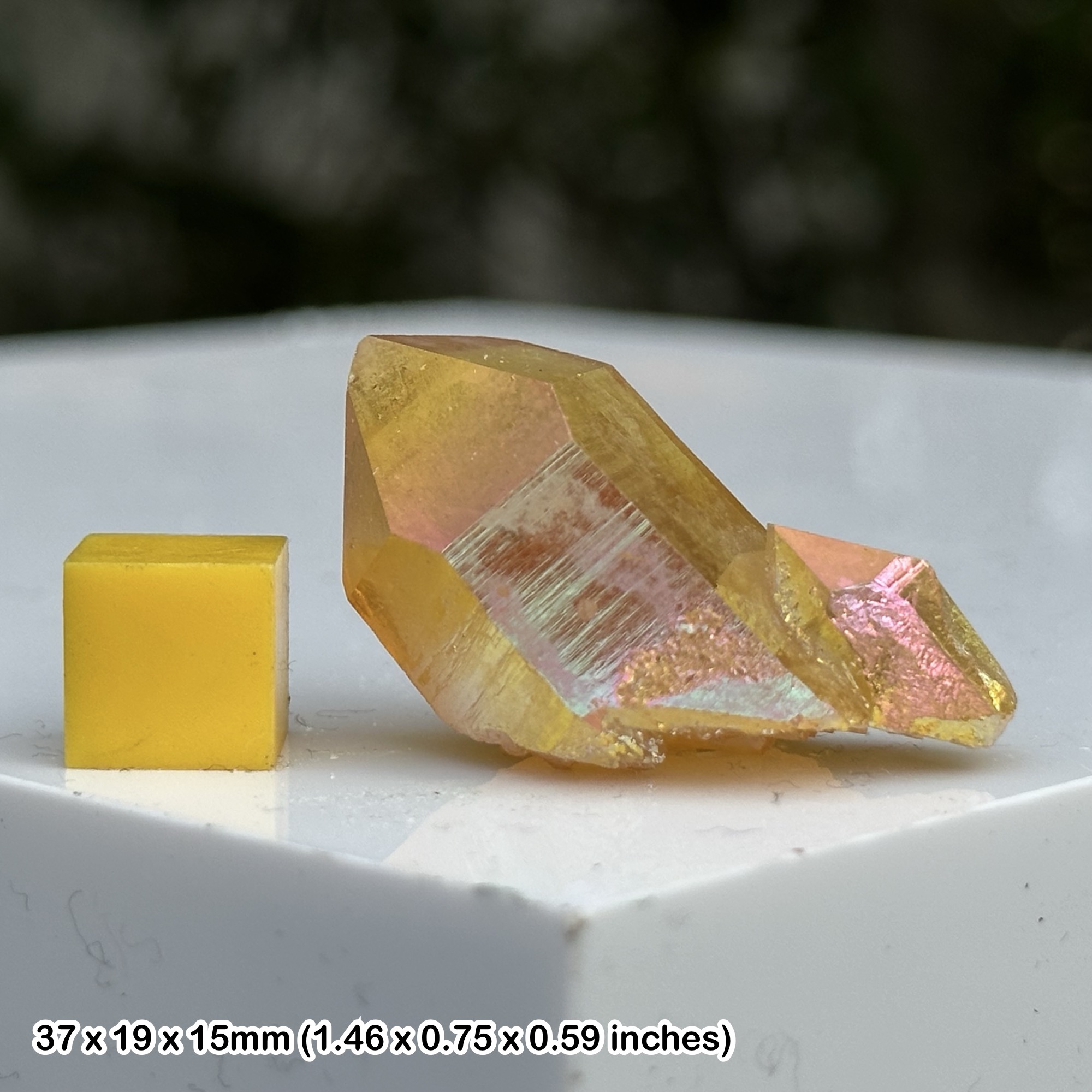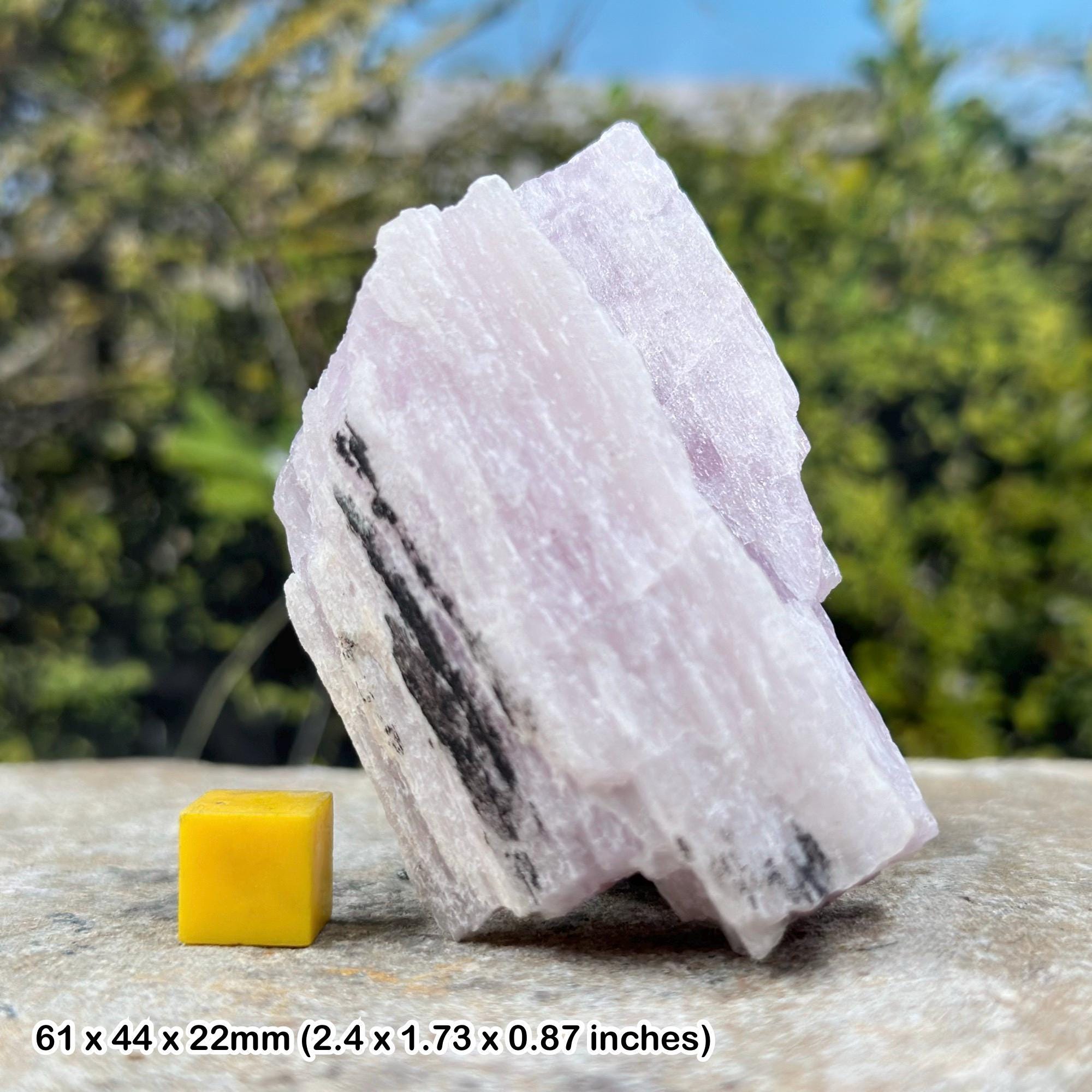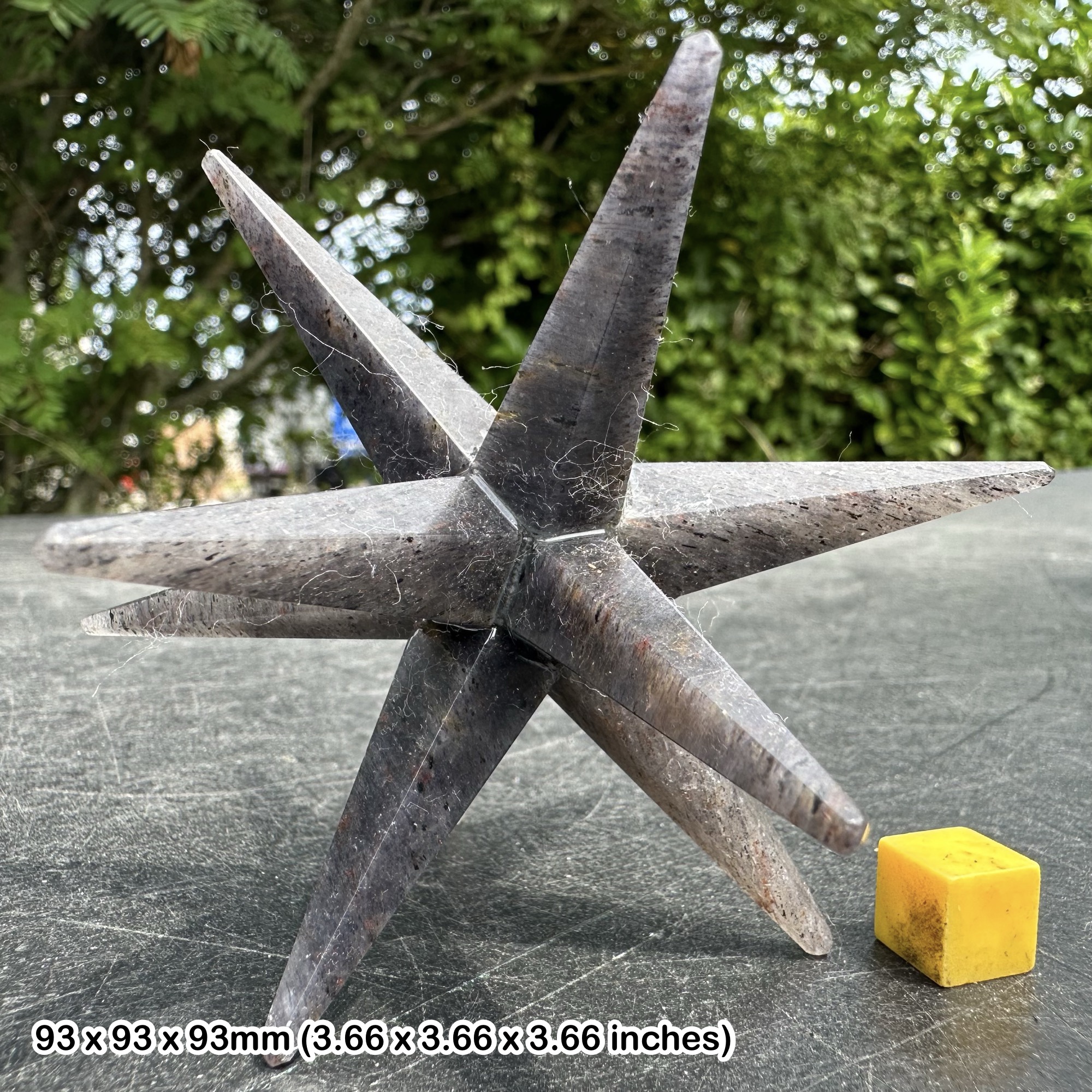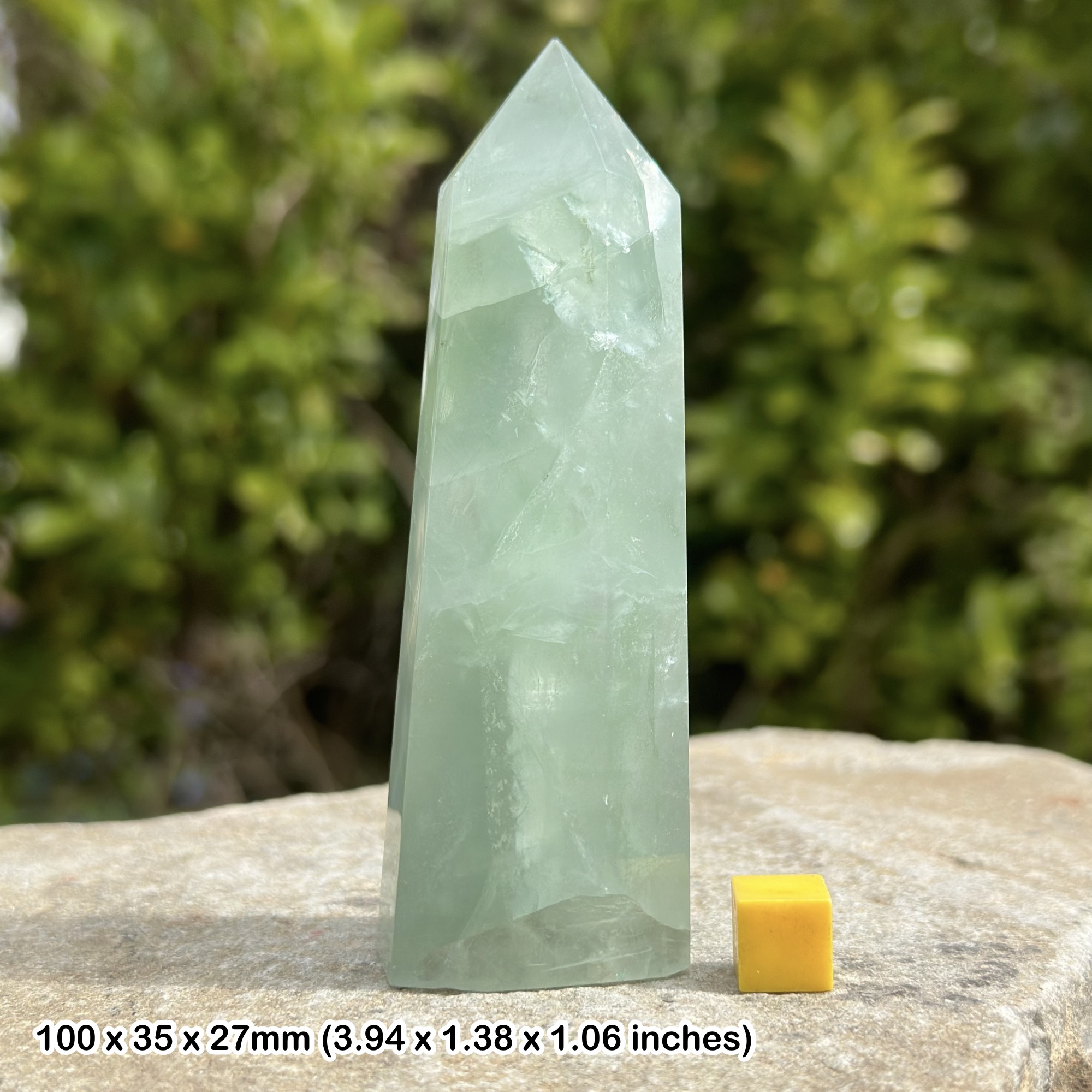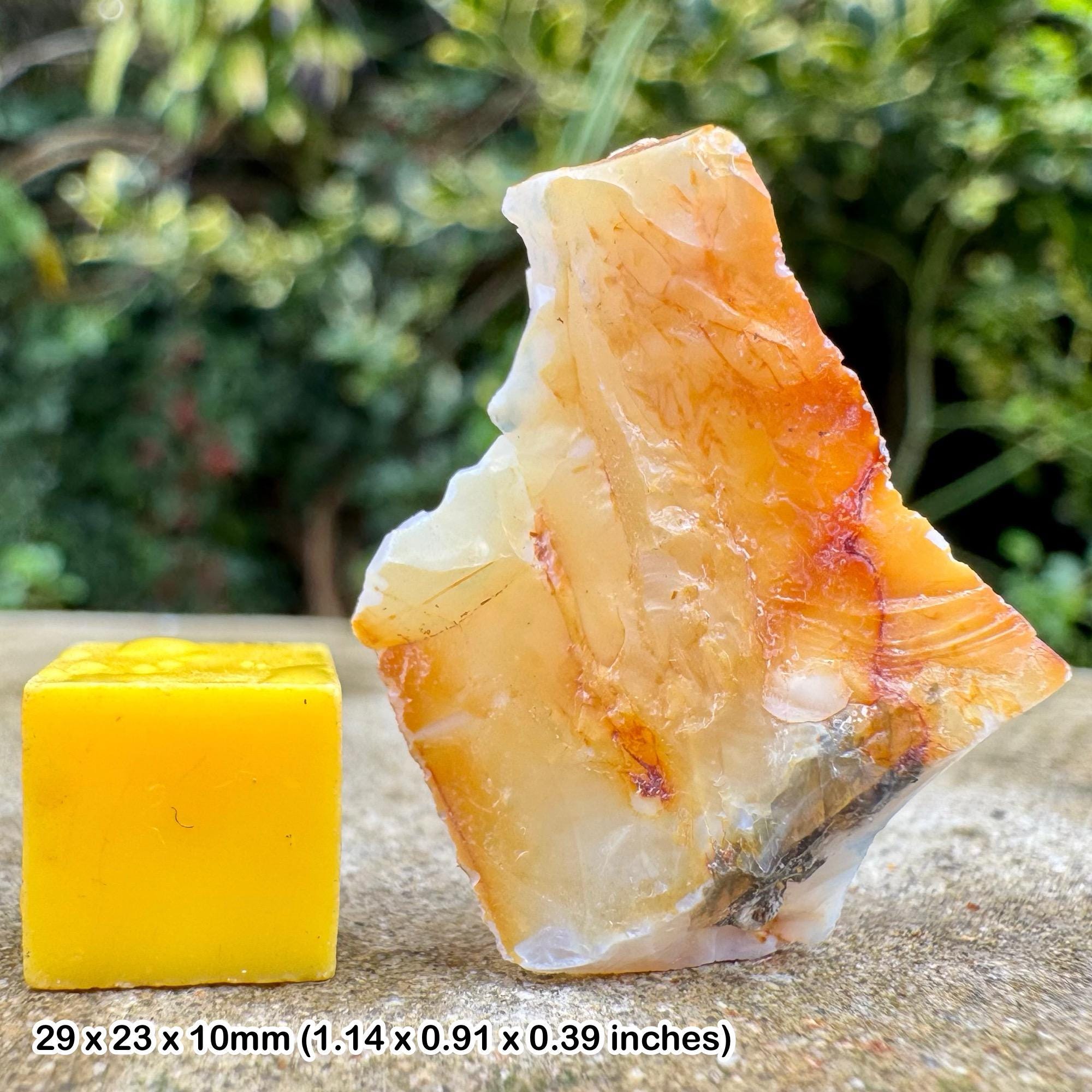
Opal Gunheath China Clay Pit Cornwall UK Natural Silica Specimen
£ 64.80
GENUINE OPAL – GUNHEATH CHINA CLAY PIT, STENALEES, TREVERBYN, CORNWALLThis natural Opal specimen from Gunheath China Clay Pit, Stenalees, Treverbyn,
Cornwall, England, UK, is a genuine and carefully selected British mineral. The photograph provided shows the exact specimen you will receive. Please refer to the images for full sizing and scale details.Your crystal includes a Certificate of Authenticity lifetime guarantee generic card confirming its genuine identity and Cornish provenance. MINERAL TYPE & COMPOSITIONOpal is a hydrated amorphous form of silica with the chemical composition SiO₂·nH₂O. Unlike crystalline quartz, opal does not possess a long-range ordered crystal lattice and is therefore classified as a mineraloid rather than a true crystalline mineral.Mineral Name: OpalChemical Formula: SiO₂·nH₂OMineral Group: Silica mineraloidCrystal System: AmorphousHardness: 5.5–6.5 on the Mohs scaleLustre: Vitreous to waxyTransparency: Opaque to translucentCornish opal from china clay districts is typically common opal, often milky white, cream, pale blue or faintly translucent. Subtle internal colour variations may be visible depending on silica deposition conditions. GEOLOGICAL SETTING – ST AUSTELL GRANITE & CHINA CLAY FORMATIONGunheath China Clay Pit lies within the St Austell Granite complex, part of the Cornubian Batholith formed during late Carboniferous to early Permian tectonic events. The granite underwent extensive hydrothermal alteration, resulting in the development of world-famous china clay (kaolin) deposits.During kaolinisation, feldspar-rich granite was chemically altered by mineral-rich fluids. Silica released during this alteration was mobilised and redeposited in fractures, cavities and pore spaces within the host rock. Over time, this silica precipitated as secondary minerals including quartz and opal.The geological environment includes:
• Granite intrusion and hydrothermal alteration
• Kaolinite formation from feldspar breakdown
• Secondary silica deposition in open spaces
• Structural fractures within altered graniteAssociated minerals in the Gunheath area may include:
• Kaolinite
• Quartz
• Tourmaline
• Fluorite
• MicaThis geological context gives Cornish opal strong ties to the region’s historic china clay industry. PHYSICAL CHARACTERISTICS & NATURAL FEATURESThis specimen may display:
• Smooth botryoidal or massive growth
• Waxy to vitreous surface lustre
• Subtle translucency along thinner edges
• Natural host rock or granite matrixBecause opal is amorphous, it does not form defined crystal faces. Instead, it develops as nodular masses, vein fillings or layered deposits within fractures. Minor inclusions, matrix remnants or surface irregularities are natural features formed during silica precipitation.Variations in colour and texture reflect differences in water content and trace elements present during formation. COLLECTIBILITY & CORNISH PROVENANCECornwall is internationally recognised for its diverse mineralogy and rich mining history. Opal from named china clay pits such as Gunheath is comparatively uncommon and valued for its documented locality.Collectors appreciate Cornish opal for:
• St Austell Granite provenance
• Association with historic china clay workings
• Secondary silica mineralisation
• Recognised Cornwall localitySpecimens from Gunheath represent an important link to the geological and industrial heritage of Treverbyn and the wider St Austell district. AUTHENTICITY & PRESENTATIONThis Opal specimen has been carefully chosen for its natural character and Cornish locality significance. The image shown is of the exact specimen you will receive.Included with your purchase is a Certificate of Authenticity lifetime guarantee generic card confirming this is a genuine Opal specimen from Gunheath China Clay Pit, Stenalees, Treverbyn, Cornwall, England, UK.A distinctive example of Cornish silica mineralisation, this piece combines regional geological importance, documented provenance and natural mineral character in one authentic British specimen.
Cornwall, England, UK, is a genuine and carefully selected British mineral. The photograph provided shows the exact specimen you will receive. Please refer to the images for full sizing and scale details.Your crystal includes a Certificate of Authenticity lifetime guarantee generic card confirming its genuine identity and Cornish provenance. MINERAL TYPE & COMPOSITIONOpal is a hydrated amorphous form of silica with the chemical composition SiO₂·nH₂O. Unlike crystalline quartz, opal does not possess a long-range ordered crystal lattice and is therefore classified as a mineraloid rather than a true crystalline mineral.Mineral Name: OpalChemical Formula: SiO₂·nH₂OMineral Group: Silica mineraloidCrystal System: AmorphousHardness: 5.5–6.5 on the Mohs scaleLustre: Vitreous to waxyTransparency: Opaque to translucentCornish opal from china clay districts is typically common opal, often milky white, cream, pale blue or faintly translucent. Subtle internal colour variations may be visible depending on silica deposition conditions. GEOLOGICAL SETTING – ST AUSTELL GRANITE & CHINA CLAY FORMATIONGunheath China Clay Pit lies within the St Austell Granite complex, part of the Cornubian Batholith formed during late Carboniferous to early Permian tectonic events. The granite underwent extensive hydrothermal alteration, resulting in the development of world-famous china clay (kaolin) deposits.During kaolinisation, feldspar-rich granite was chemically altered by mineral-rich fluids. Silica released during this alteration was mobilised and redeposited in fractures, cavities and pore spaces within the host rock. Over time, this silica precipitated as secondary minerals including quartz and opal.The geological environment includes:
• Granite intrusion and hydrothermal alteration
• Kaolinite formation from feldspar breakdown
• Secondary silica deposition in open spaces
• Structural fractures within altered graniteAssociated minerals in the Gunheath area may include:
• Kaolinite
• Quartz
• Tourmaline
• Fluorite
• MicaThis geological context gives Cornish opal strong ties to the region’s historic china clay industry. PHYSICAL CHARACTERISTICS & NATURAL FEATURESThis specimen may display:
• Smooth botryoidal or massive growth
• Waxy to vitreous surface lustre
• Subtle translucency along thinner edges
• Natural host rock or granite matrixBecause opal is amorphous, it does not form defined crystal faces. Instead, it develops as nodular masses, vein fillings or layered deposits within fractures. Minor inclusions, matrix remnants or surface irregularities are natural features formed during silica precipitation.Variations in colour and texture reflect differences in water content and trace elements present during formation. COLLECTIBILITY & CORNISH PROVENANCECornwall is internationally recognised for its diverse mineralogy and rich mining history. Opal from named china clay pits such as Gunheath is comparatively uncommon and valued for its documented locality.Collectors appreciate Cornish opal for:
• St Austell Granite provenance
• Association with historic china clay workings
• Secondary silica mineralisation
• Recognised Cornwall localitySpecimens from Gunheath represent an important link to the geological and industrial heritage of Treverbyn and the wider St Austell district. AUTHENTICITY & PRESENTATIONThis Opal specimen has been carefully chosen for its natural character and Cornish locality significance. The image shown is of the exact specimen you will receive.Included with your purchase is a Certificate of Authenticity lifetime guarantee generic card confirming this is a genuine Opal specimen from Gunheath China Clay Pit, Stenalees, Treverbyn, Cornwall, England, UK.A distinctive example of Cornish silica mineralisation, this piece combines regional geological importance, documented provenance and natural mineral character in one authentic British specimen.
Other Products