Large Citrine Crystal Cluster Natural Citrine Quartz Mineral Collector Display Piece with Certificate of Authenticity
£ 240.00
Large Natural Citrine Crystal Cluster – Quartz Mineral Display SpecimenThis striking Large Citrine Crystal Cluster is a natural quartz mineral specimen
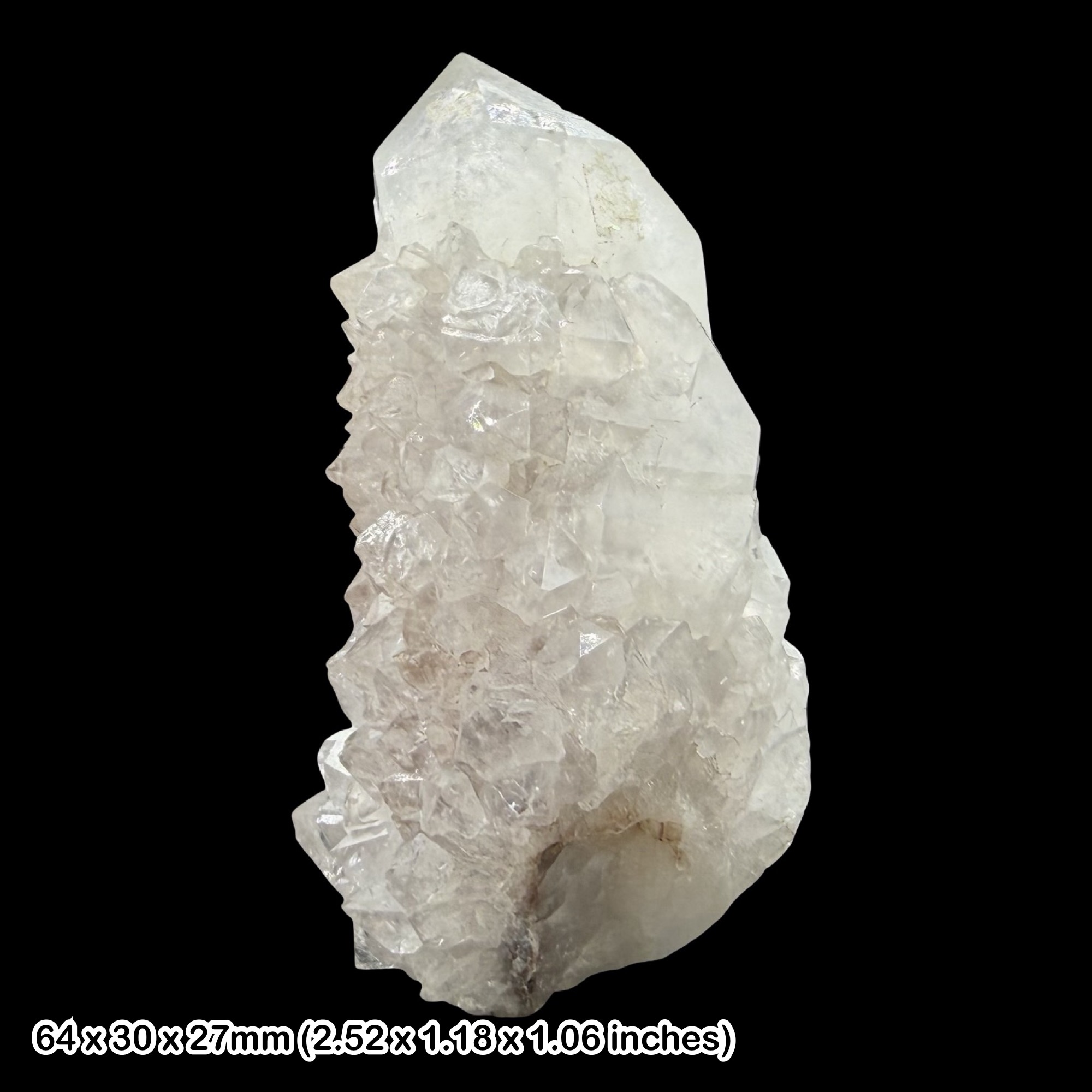
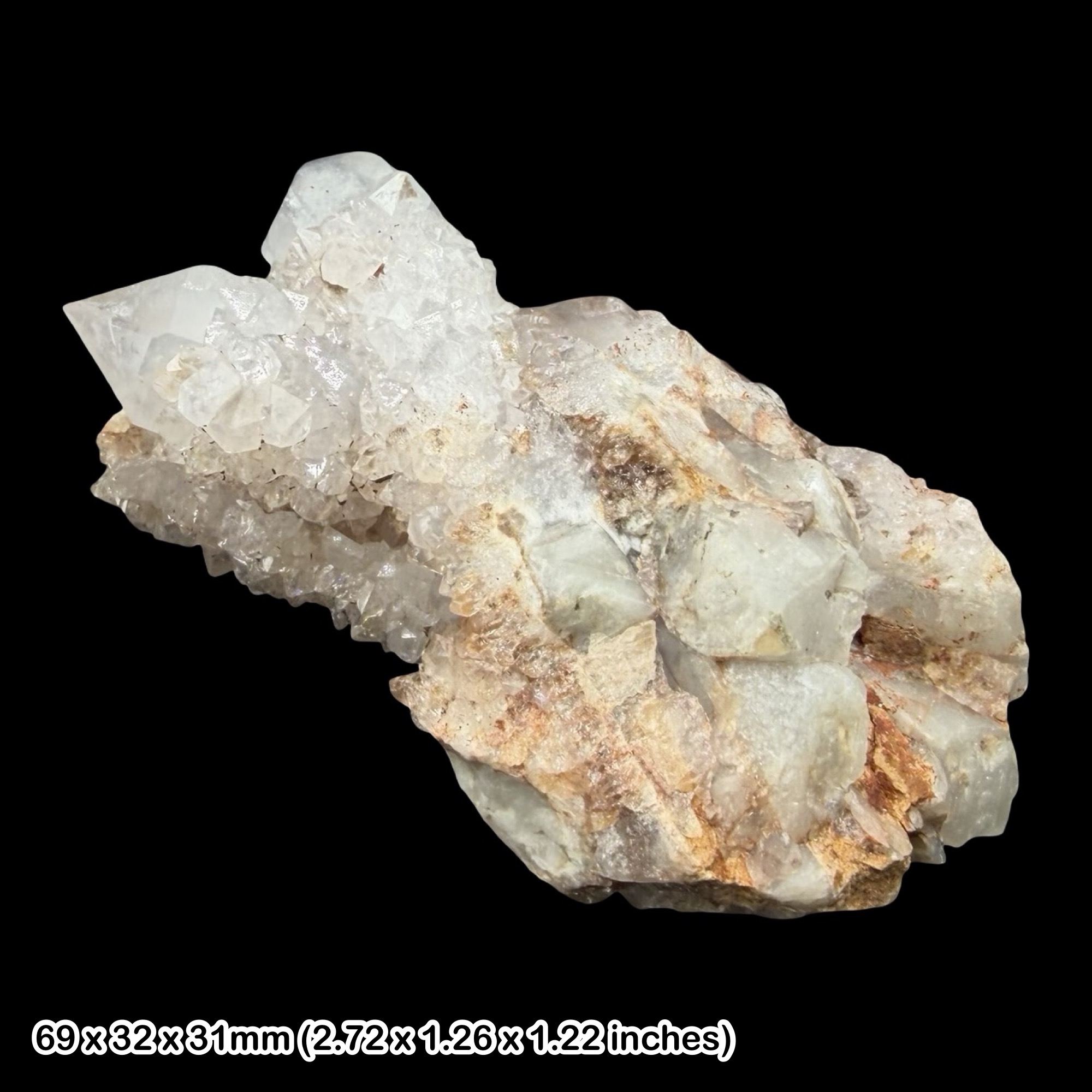
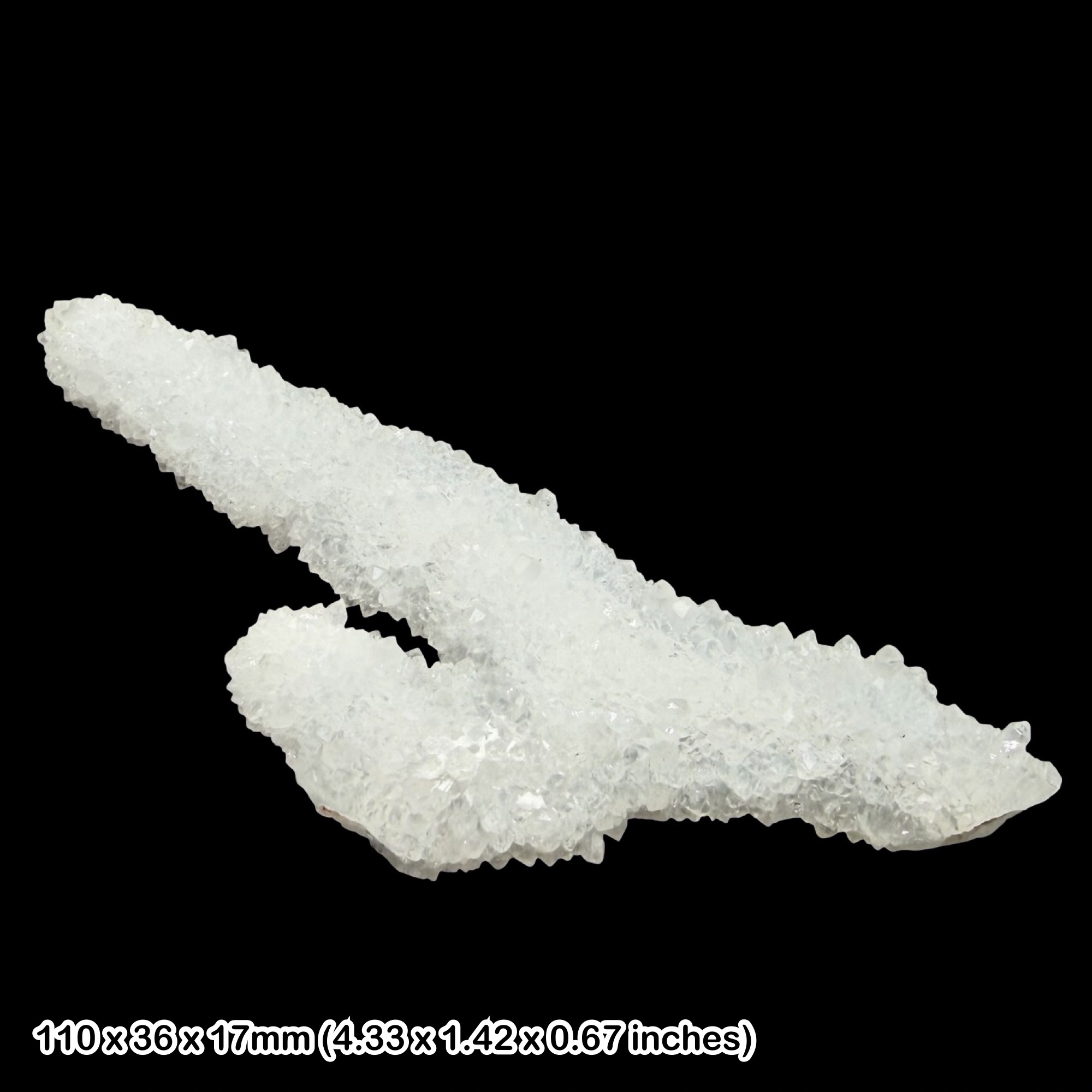
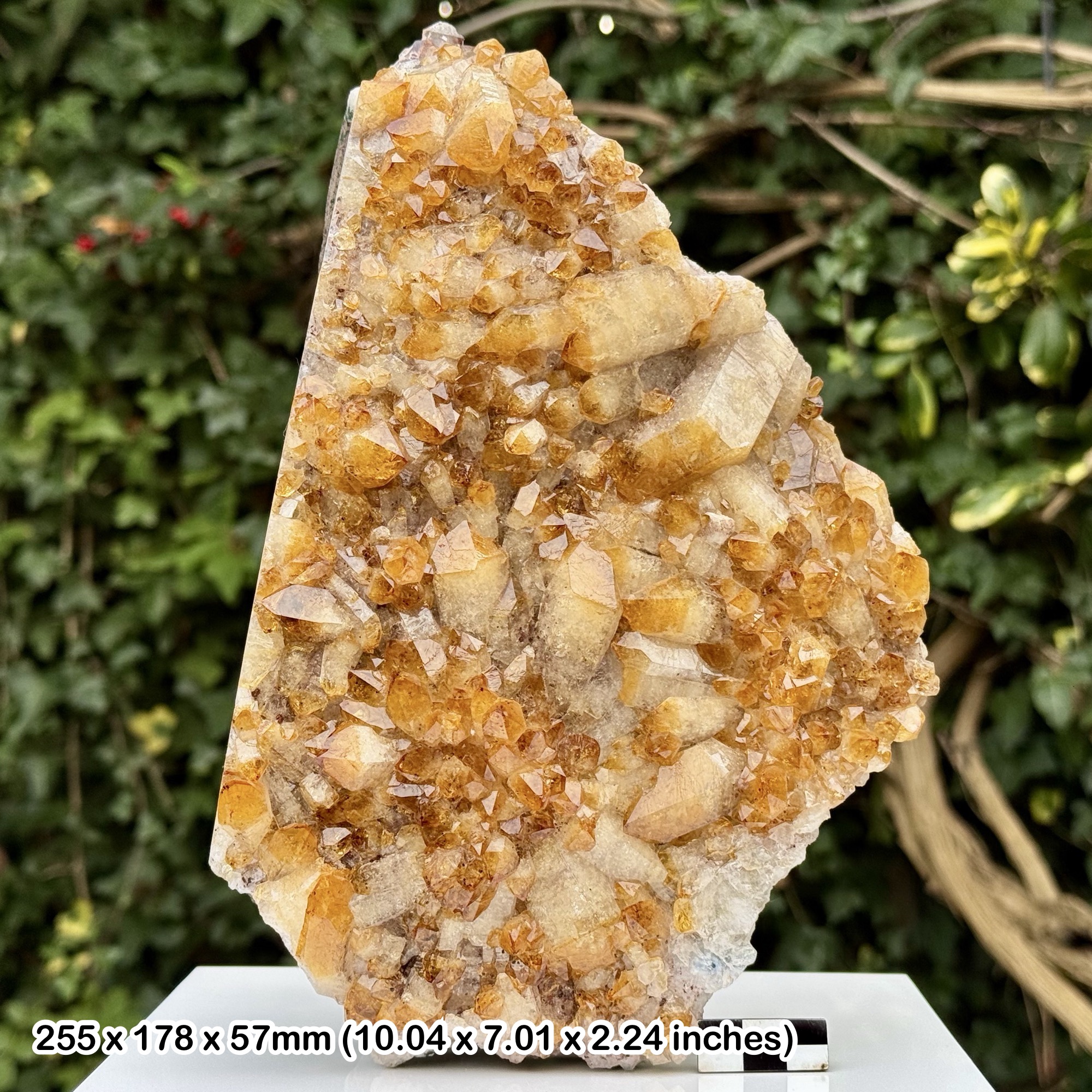
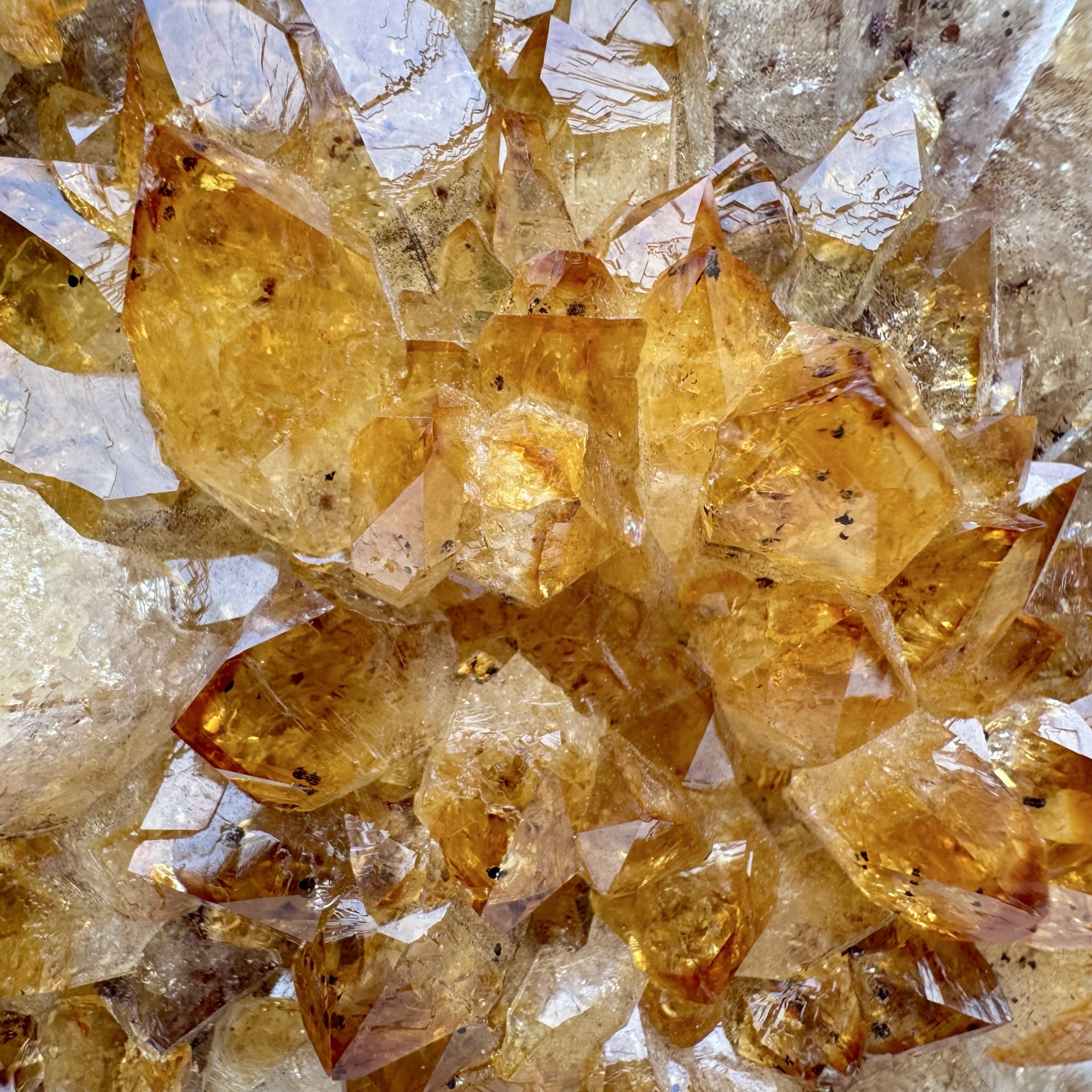
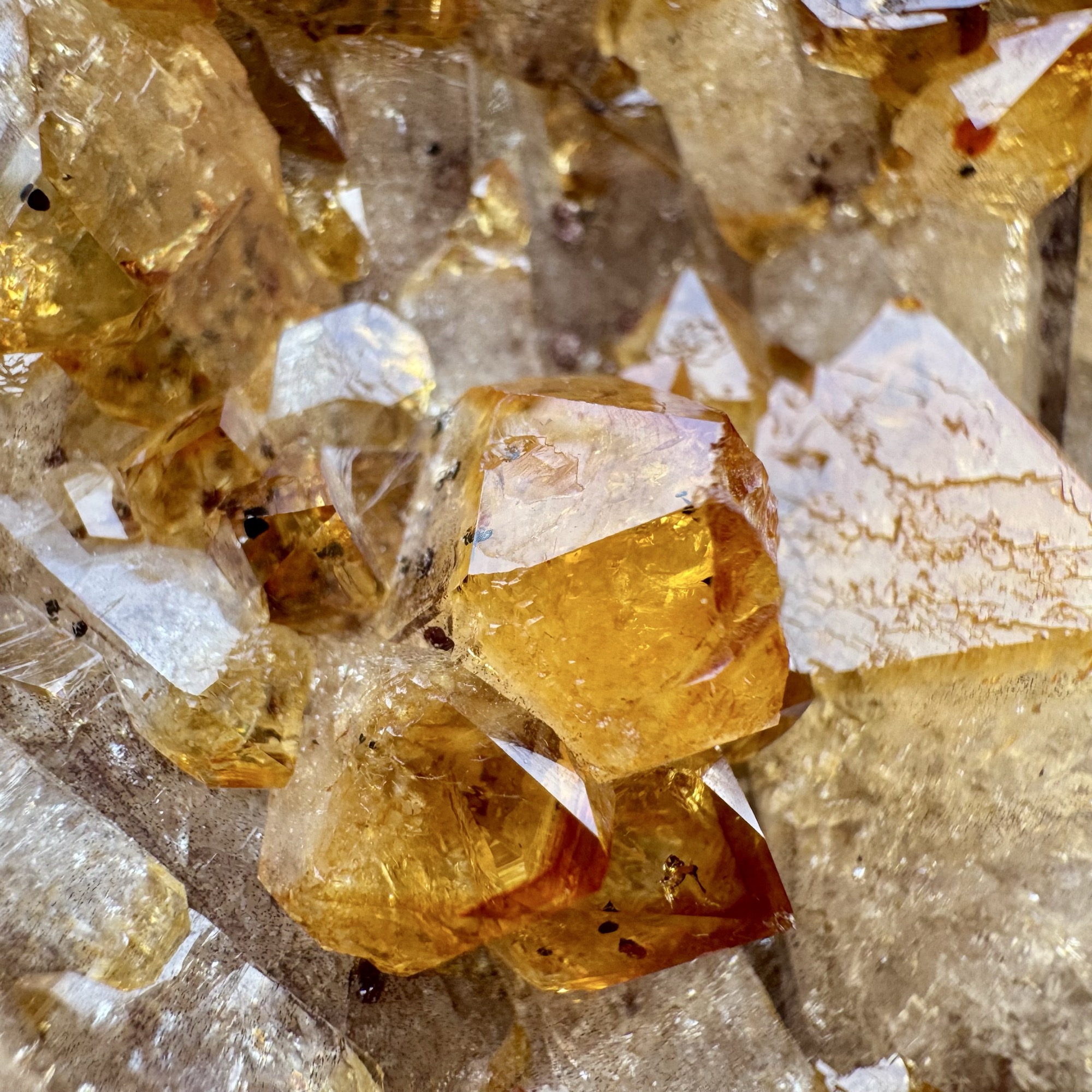
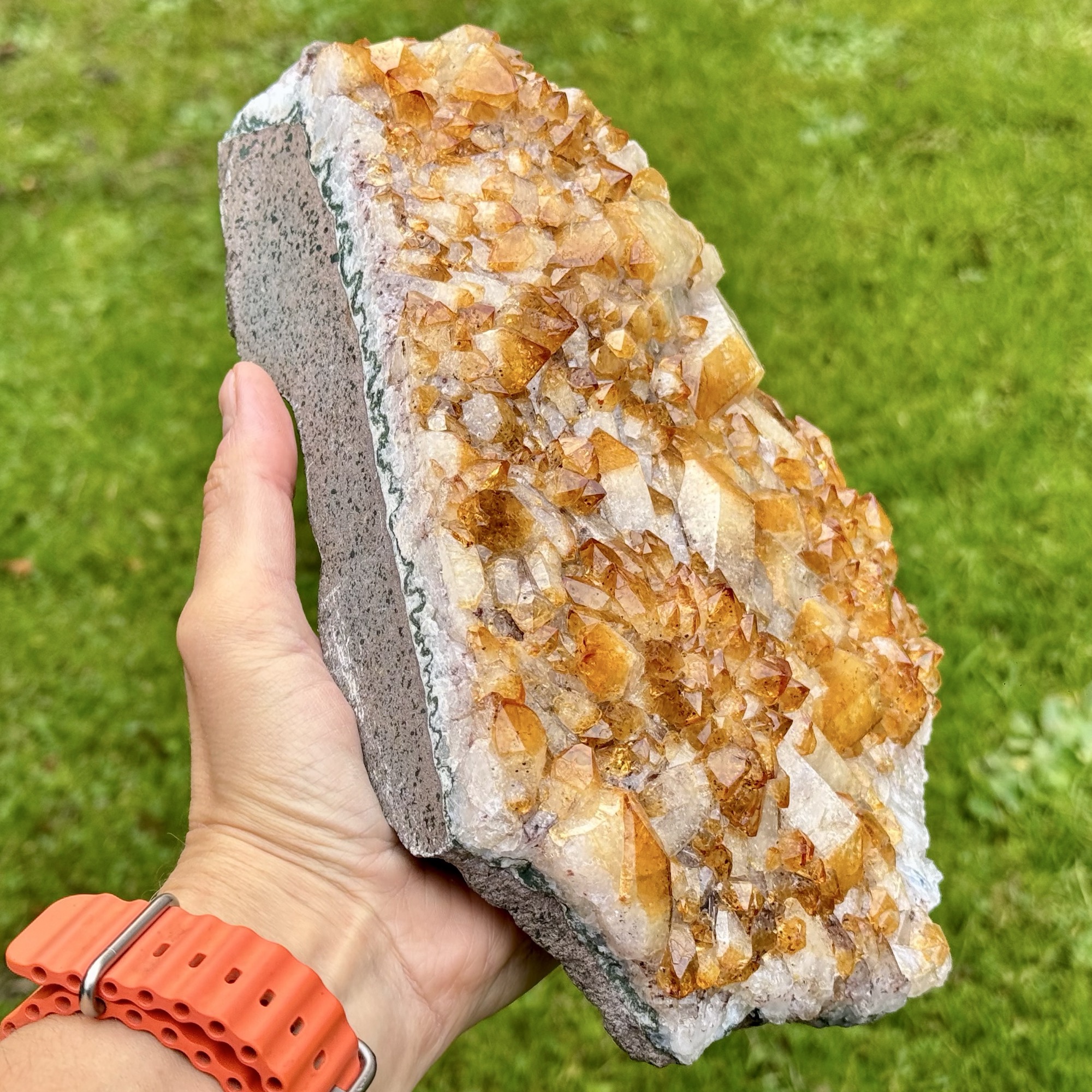
selected for its vibrant golden tones and well-formed crystal structure. Citrine is a variety of quartz known for its warm yellow to honey-coloured appearance, making it a popular mineral for collectors and natural crystal displays. The cluster formation highlights multiple crystal points growing together across a natural base, creating a visually impressive mineral specimen.The photographs in this listing show the exact crystal specimen you will receive, allowing collectors and enthusiasts to examine the colour, crystal geometry, and surface characteristics prior to purchase. Each specimen includes a Certificate of Authenticity lifetime guarantee generic card, confirming that the crystal is a genuine mineral specimen.Please refer to the listing photographs for full sizing and scale, as mineral clusters naturally vary in crystal size and formation.Mineral Identification and CompositionCitrine is a yellow to golden variety of Quartz, composed of silicon dioxide (SiO₂). Quartz crystallises in the trigonal crystal system and commonly forms six-sided prismatic crystals with pointed pyramidal terminations. These crystal forms are among the most recognisable mineral structures in geology.The colour of citrine ranges from pale yellow and champagne tones to deeper amber or golden shades. This coloration typically results from trace amounts of iron within the quartz crystal lattice, combined with natural geological conditions during formation. In some deposits, heating within the Earth can also influence the colour intensity of the quartz crystals.Citrine crystals usually display a vitreous, glass-like lustre and may appear transparent to translucent depending on crystal thickness and internal inclusions. Natural clusters often contain multiple crystal points growing together from a shared base, forming dense crystal groupings.Geological FormationCitrine forms in geological environments similar to other quartz varieties, commonly developing in hydrothermal veins, pegmatite deposits, and crystal-lined cavities within volcanic rock formations. These environments provide the conditions necessary for quartz crystals to grow slowly over long geological periods.In volcanic regions, cavities created by trapped gases within cooling lava provide open spaces where mineral-rich fluids can circulate. As the fluids cool and silica begins to crystallise, quartz crystals grow inward from the cavity walls toward the centre.When iron-bearing minerals are present during crystal growth, the quartz may develop the characteristic yellow or golden coloration associated with citrine. Over time, clusters of quartz crystals may grow together to form multi-point crystal clusters such as the specimen offered here.Large clusters form when multiple crystal points grow simultaneously in the same cavity, creating dense crystal structures with numerous natural terminations.Crystal Structure and Natural CharacteristicsCitrine crystal clusters are admired for their natural geometry and warm mineral colouration. Typical features seen in quartz cluster specimens may include:
• Multiple six-sided prismatic crystal points
• Natural pyramidal crystal terminations
• Yellow to golden quartz colour tones
• Transparent to translucent crystal structure
• Vitreous reflective crystal facesQuartz clusters may also display natural internal features such as inclusions, veils, or slight colour zoning. These characteristics developed during the crystal growth process and are considered part of the natural mineral structure.Each specimen is unique, with its own individual crystal arrangement, colour variations, and surface texture formed during geological development.Collector Display and Geological InterestLarge citrine clusters are popular among mineral collectors, geology enthusiasts, and natural history collectors due to their vibrant colour and classic quartz crystal formations. Cluster specimens are particularly appealing as display pieces because they showcase multiple crystal points growing together in natural formations.This specimen is well suited for mineral cabinets, geological collections, natural history displays, or decorative mineral exhibits where the crystal structure and colour can be appreciated from multiple angles.Some collectors also include quartz varieties such as citrine in spiritual or traditional crystal collections, where minerals may be appreciated symbolically in certain cultural traditions. These interpretations are based on personal or cultural perspectives rather than scientific properties.Authenticity and Specimen DetailsThis specimen is a genuine Large Citrine Crystal Cluster, carefully chosen as an attractive natural mineral display piece.The crystal includes a Certificate of Authenticity lifetime guarantee generic card, confirming the authenticity of the mineral. The photographs in this listing show the actual specimen you will receive, ensuring transparency when selecting your crystal.Natural mineral specimens may display small contact points, internal inclusions, crystal growth lines, or minor surface irregularities created during geological crystallisation. These features are normal for naturally formed crystals and help demonstrate the natural origin of the specimen.Please refer to the listing images for exact size and scale, as shown in the photographs.
selected for its vibrant golden tones and well-formed crystal structure. Citrine is a variety of quartz known for its warm yellow to honey-coloured appearance, making it a popular mineral for collectors and natural crystal displays. The cluster formation highlights multiple crystal points growing together across a natural base, creating a visually impressive mineral specimen.The photographs in this listing show the exact crystal specimen you will receive, allowing collectors and enthusiasts to examine the colour, crystal geometry, and surface characteristics prior to purchase. Each specimen includes a Certificate of Authenticity lifetime guarantee generic card, confirming that the crystal is a genuine mineral specimen.Please refer to the listing photographs for full sizing and scale, as mineral clusters naturally vary in crystal size and formation.Mineral Identification and CompositionCitrine is a yellow to golden variety of Quartz, composed of silicon dioxide (SiO₂). Quartz crystallises in the trigonal crystal system and commonly forms six-sided prismatic crystals with pointed pyramidal terminations. These crystal forms are among the most recognisable mineral structures in geology.The colour of citrine ranges from pale yellow and champagne tones to deeper amber or golden shades. This coloration typically results from trace amounts of iron within the quartz crystal lattice, combined with natural geological conditions during formation. In some deposits, heating within the Earth can also influence the colour intensity of the quartz crystals.Citrine crystals usually display a vitreous, glass-like lustre and may appear transparent to translucent depending on crystal thickness and internal inclusions. Natural clusters often contain multiple crystal points growing together from a shared base, forming dense crystal groupings.Geological FormationCitrine forms in geological environments similar to other quartz varieties, commonly developing in hydrothermal veins, pegmatite deposits, and crystal-lined cavities within volcanic rock formations. These environments provide the conditions necessary for quartz crystals to grow slowly over long geological periods.In volcanic regions, cavities created by trapped gases within cooling lava provide open spaces where mineral-rich fluids can circulate. As the fluids cool and silica begins to crystallise, quartz crystals grow inward from the cavity walls toward the centre.When iron-bearing minerals are present during crystal growth, the quartz may develop the characteristic yellow or golden coloration associated with citrine. Over time, clusters of quartz crystals may grow together to form multi-point crystal clusters such as the specimen offered here.Large clusters form when multiple crystal points grow simultaneously in the same cavity, creating dense crystal structures with numerous natural terminations.Crystal Structure and Natural CharacteristicsCitrine crystal clusters are admired for their natural geometry and warm mineral colouration. Typical features seen in quartz cluster specimens may include:
• Multiple six-sided prismatic crystal points
• Natural pyramidal crystal terminations
• Yellow to golden quartz colour tones
• Transparent to translucent crystal structure
• Vitreous reflective crystal facesQuartz clusters may also display natural internal features such as inclusions, veils, or slight colour zoning. These characteristics developed during the crystal growth process and are considered part of the natural mineral structure.Each specimen is unique, with its own individual crystal arrangement, colour variations, and surface texture formed during geological development.Collector Display and Geological InterestLarge citrine clusters are popular among mineral collectors, geology enthusiasts, and natural history collectors due to their vibrant colour and classic quartz crystal formations. Cluster specimens are particularly appealing as display pieces because they showcase multiple crystal points growing together in natural formations.This specimen is well suited for mineral cabinets, geological collections, natural history displays, or decorative mineral exhibits where the crystal structure and colour can be appreciated from multiple angles.Some collectors also include quartz varieties such as citrine in spiritual or traditional crystal collections, where minerals may be appreciated symbolically in certain cultural traditions. These interpretations are based on personal or cultural perspectives rather than scientific properties.Authenticity and Specimen DetailsThis specimen is a genuine Large Citrine Crystal Cluster, carefully chosen as an attractive natural mineral display piece.The crystal includes a Certificate of Authenticity lifetime guarantee generic card, confirming the authenticity of the mineral. The photographs in this listing show the actual specimen you will receive, ensuring transparency when selecting your crystal.Natural mineral specimens may display small contact points, internal inclusions, crystal growth lines, or minor surface irregularities created during geological crystallisation. These features are normal for naturally formed crystals and help demonstrate the natural origin of the specimen.Please refer to the listing images for exact size and scale, as shown in the photographs.
Other Products