Stephanoceras scalare Ammonite Fossil Jurassic France Genuine COA Card - Lower Bajocian Normandy Collector Display Specimen
£ 36.00
Stephanoceras scalare Ammonite Fossil from Calvados, Normandy, FranceThis is a genuine Stephanoceras scalare ammonite fossil from the Middle
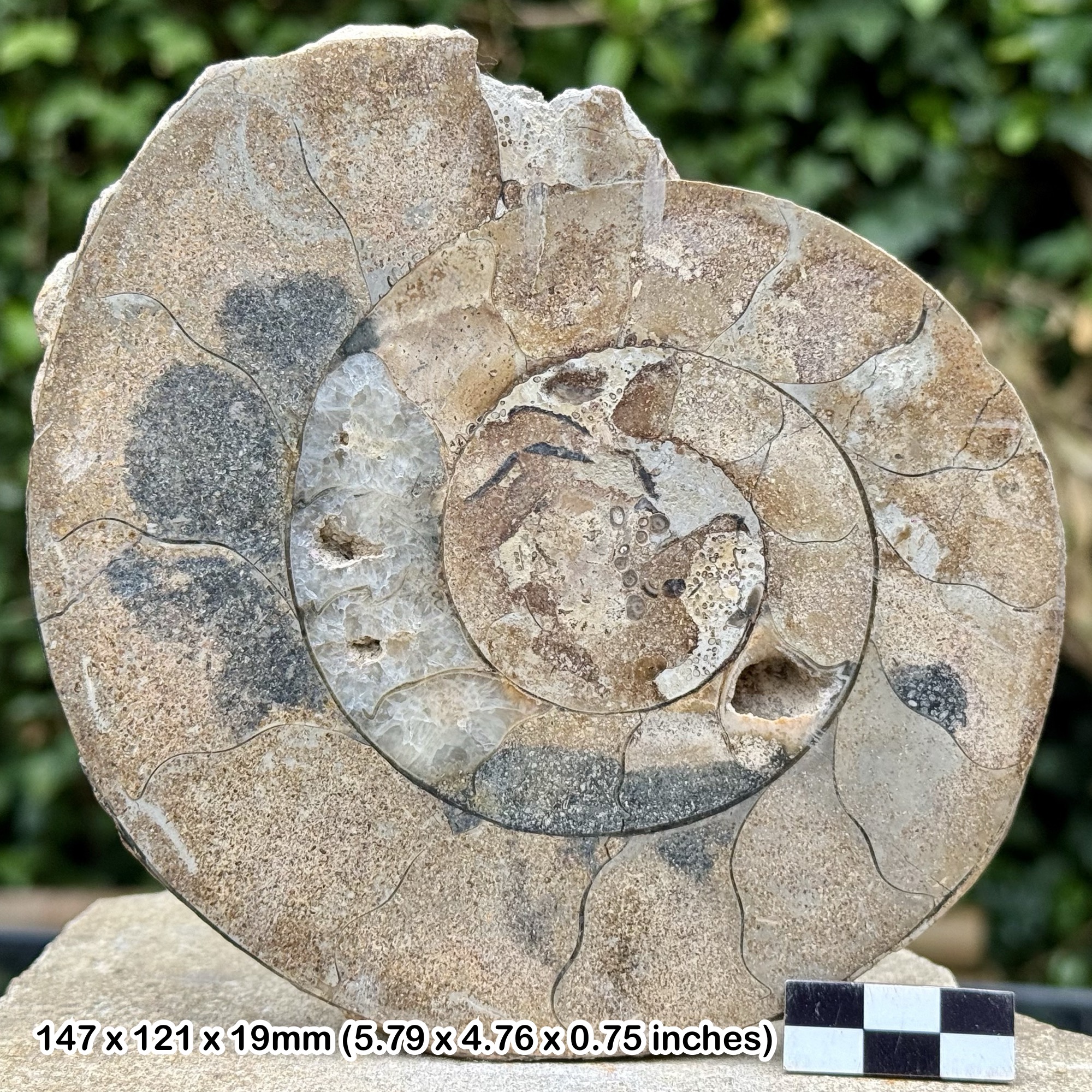
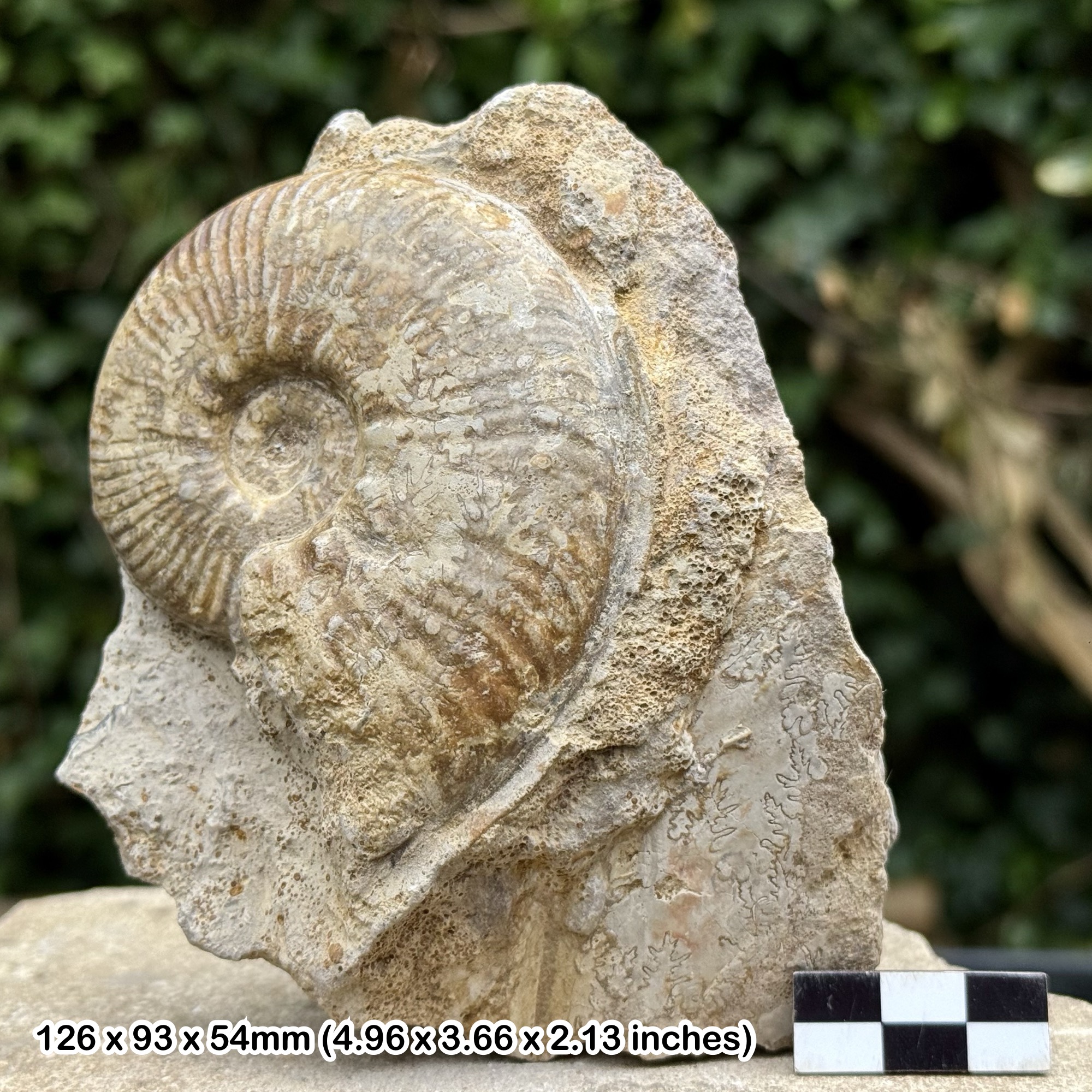
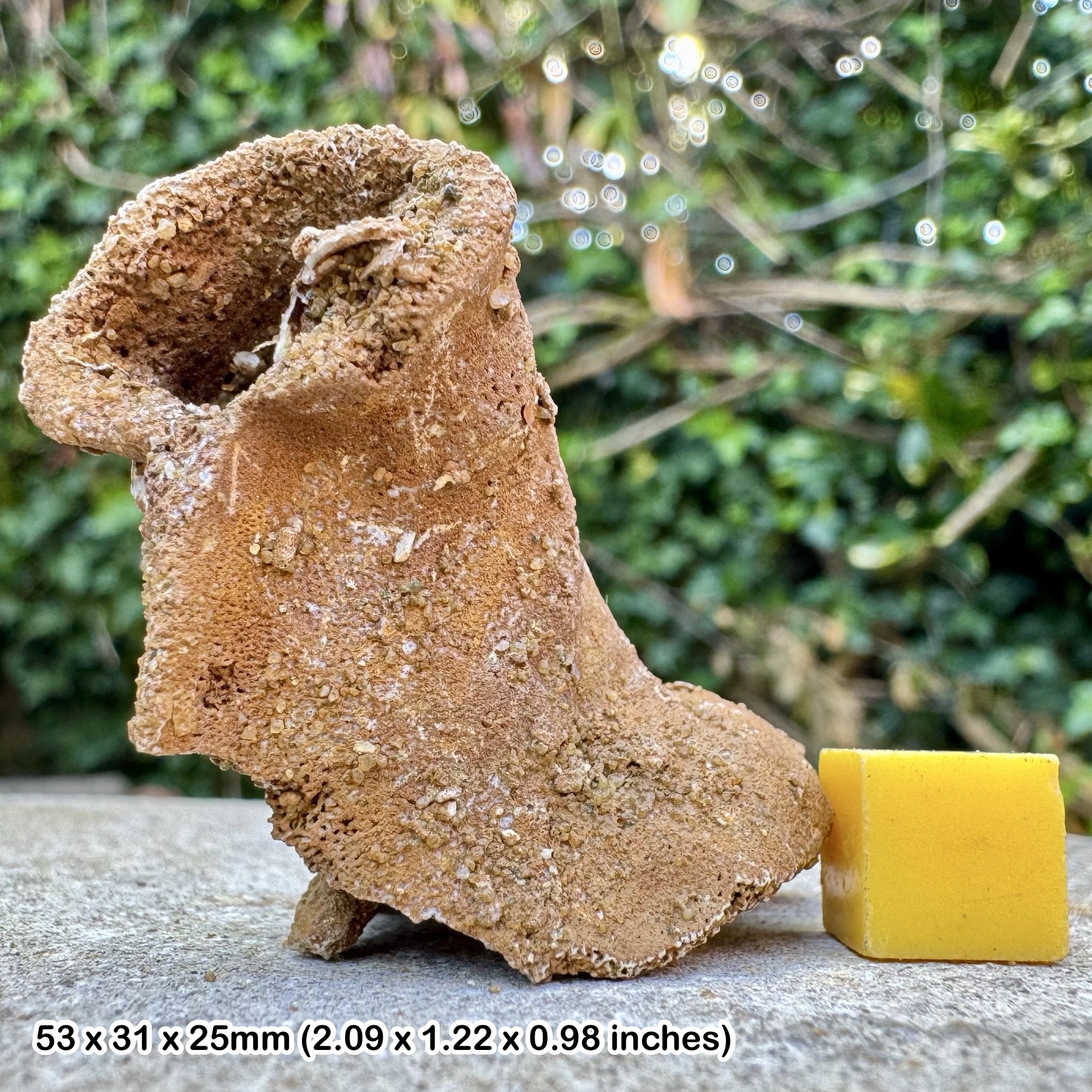
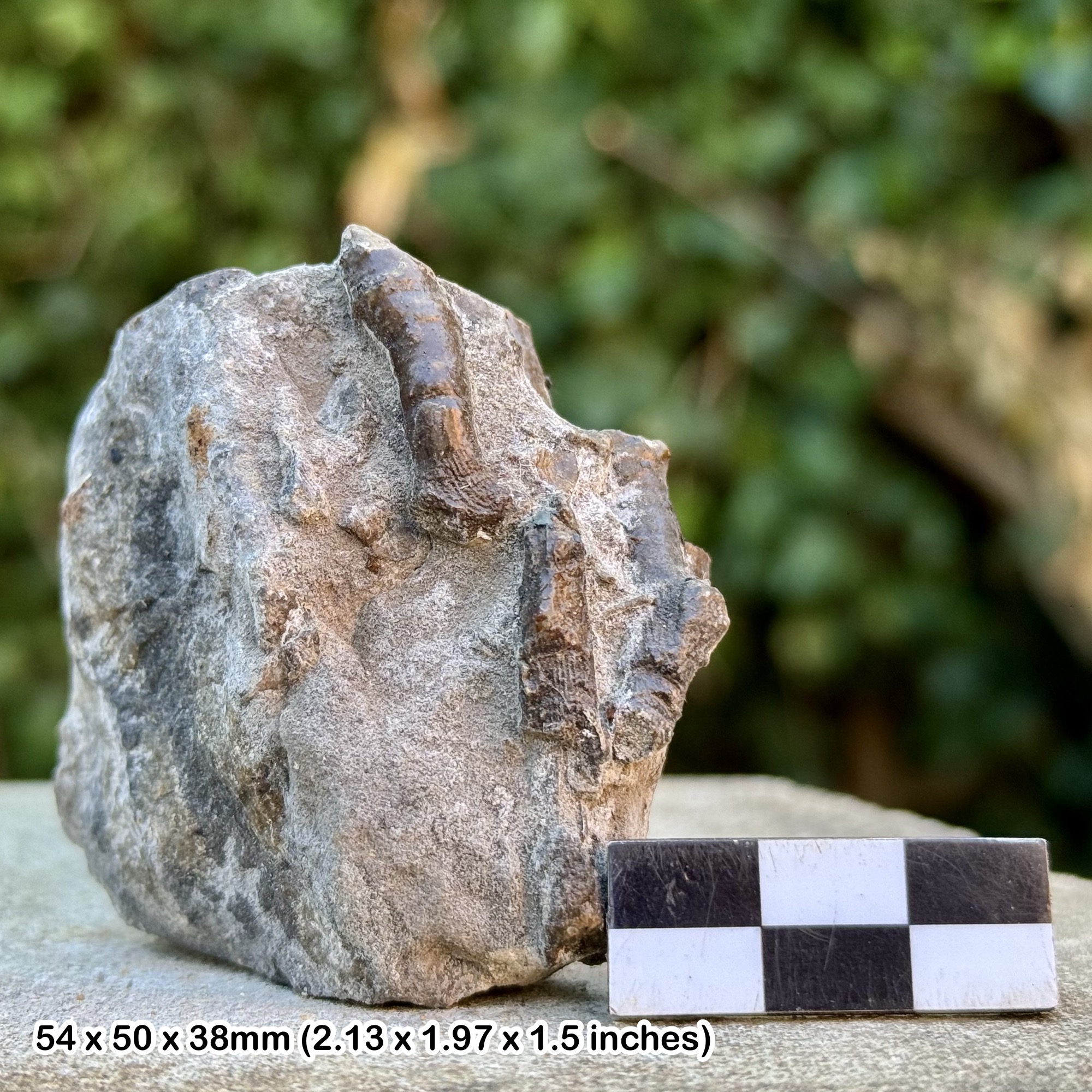
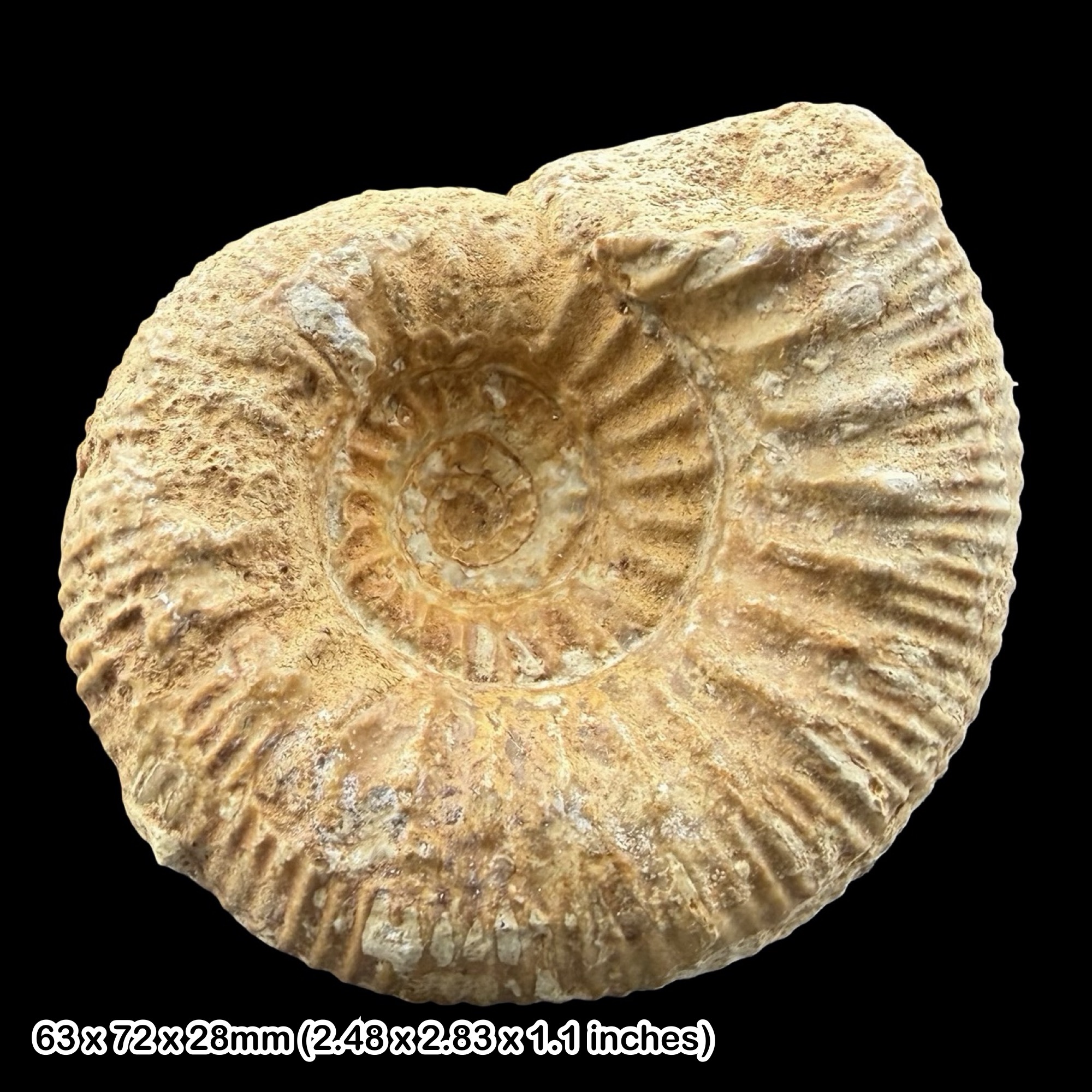
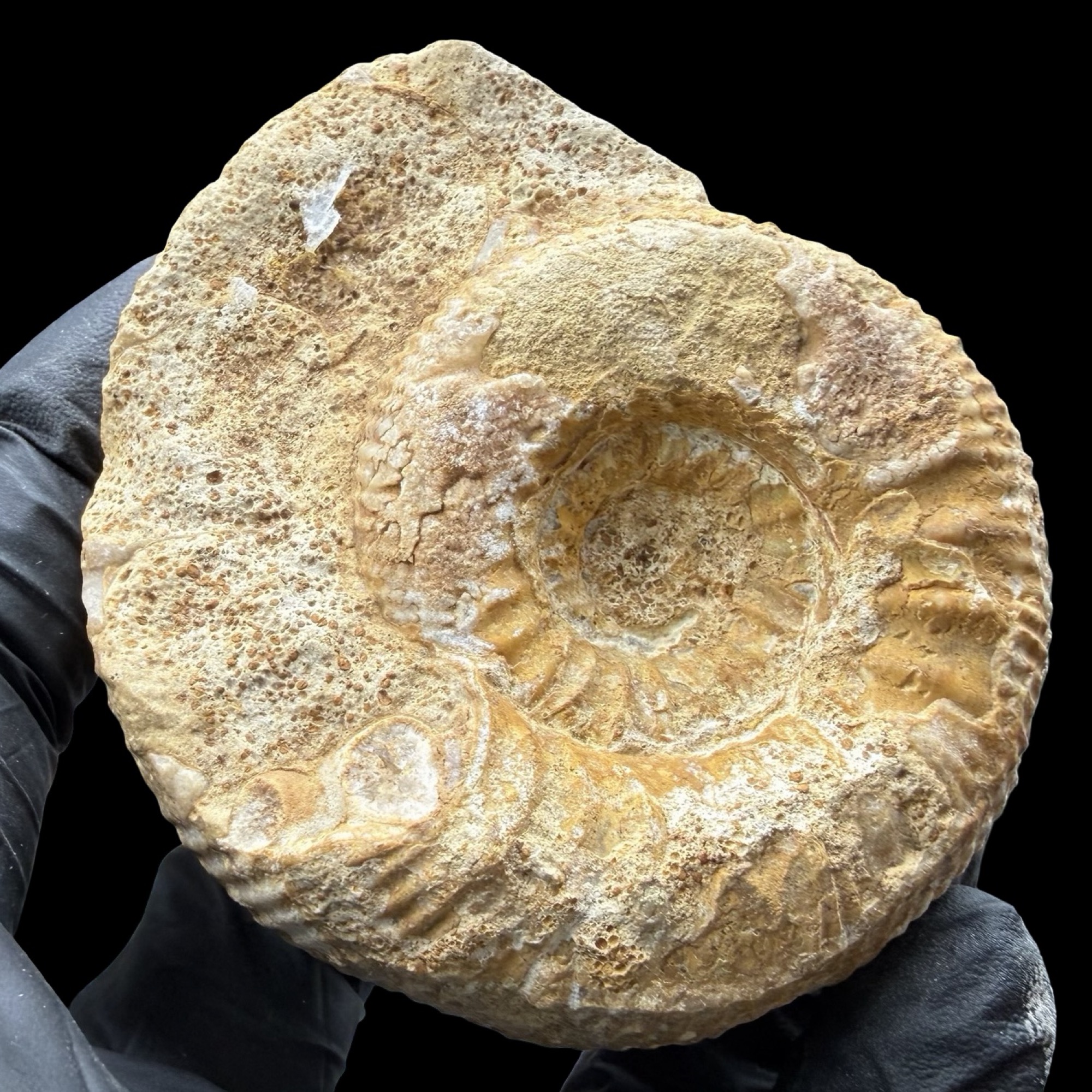
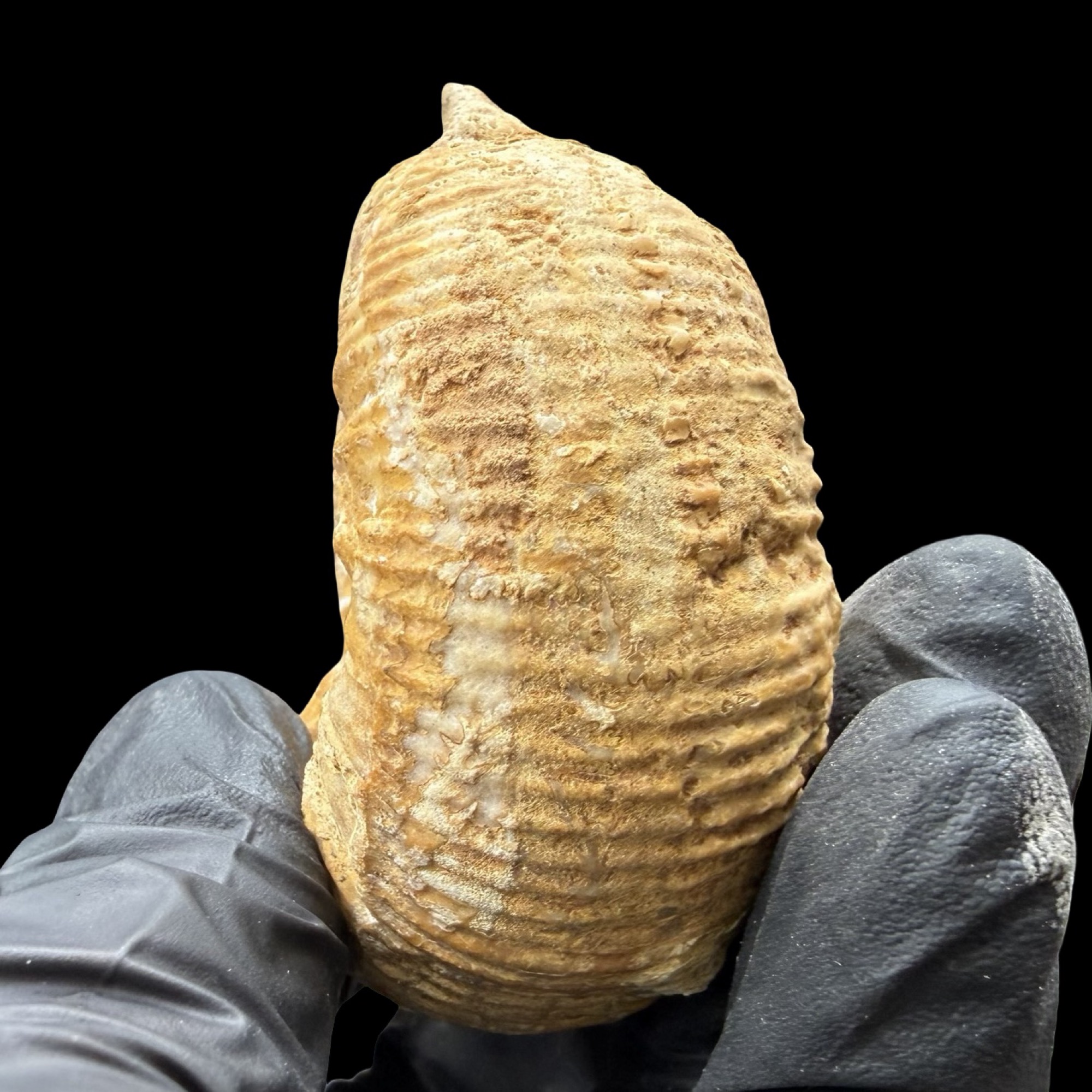
Jurassic, Lower Bajocian stage, collected from Calvados, Normandy, France. This carefully chosen fossil is a desirable European Jurassic marine cephalopod specimen, selected for its natural beauty, geological interest, and collectable display appeal. It is supplied with a Certificate of Authenticity lifetime guarantee generic card, making it a trusted addition to an ammonite collection, fossil cabinet, natural history display, educational geology collection, or prehistoric gift selection.The photograph shows the actual fossil specimen you will receive. Full sizing and scale can be seen in the photo.Geological Age and LocalityThis ammonite dates to the Lower Bajocian, part of the Middle Jurassic Period, approximately 170 to 171 million years old. The Bajocian was an important interval in ammonite evolution, with many distinctive and highly ornamented forms developing in the warm marine seas of Europe. Ammonites from this stage are especially valued because they are widely used in biostratigraphy, helping geologists identify and compare Jurassic rock layers across different regions.The specimen comes from Calvados in Normandy, France, a classic region for Jurassic marine fossils. During the Middle Jurassic, this part of northern France was covered by shallow to moderately deep seas connected to wider European marine basins. These ancient seas deposited limestones, marls, clays, and shell-rich sediments, preserving a diverse fossil record of ammonites, belemnites, bivalves, brachiopods, gastropods, echinoids, crinoids, fish remains, and other marine life.Fossil Type and SpeciesThis specimen is identified as Stephanoceras scalare, an extinct ammonite species from the Lower Bajocian. Stephanoceras is a well-known Middle Jurassic ammonite genus and is part of the ammonoid cephalopods, a group of marine molluscs related to modern squid, cuttlefish, octopus, and nautilus.Ammonites had coiled external shells divided internally into chambers. The living animal occupied the outer body chamber, while earlier chambers helped regulate buoyancy, allowing it to move through the water column. Their shells grew in a spiral form, adding new chambers as the animal matured. This distinctive growth pattern is one of the reasons ammonites are among the most recognisable and collectable fossils.Morphology and Notable FeaturesStephanoceras ammonites are especially admired for their strong sculptural form. They are commonly recognised by their rounded, evolute shells, visible central umbilicus, and bold ribbing. Many specimens show robust ribs that extend across the whorls, often with raised tubercles or nodes that give the shell a textured, three-dimensional appearance. This striking ornamentation makes Stephanoceras a popular choice for collectors seeking a classic Jurassic ammonite fossil.The species Stephanoceras scalare is associated with the distinctive Stephanoceras-style shell form, where the coiled whorls and rib pattern create a highly decorative natural fossil. The shell structure records the animal’s growth through life, while the internal chamber walls, known as septa, formed suture lines where they met the outer shell. These features are important in ammonite classification and add scientific interest to the specimen.As a genuine fossil, this piece may show natural matrix, mineralisation, fossil shell texture, colour variation, weathering, small chips, cracks, or areas of natural wear caused by fossilisation and geological history. These characteristics are normal for authentic fossil specimens and add to the individuality of the piece. The photo shows the exact specimen being offered, allowing the buyer to view its condition, preservation, size, and display quality before purchase.Middle Jurassic Marine EnvironmentThis Stephanoceras scalare ammonite lived in the warm marine waters that covered Normandy during the Lower Bajocian. These seas supported a rich ecosystem of swimming cephalopods, seabed invertebrates, fish, and other marine organisms. Ammonites were active swimming or drifting animals, likely feeding on small prey in the water column using tentacles.After death, the ammonite shell settled onto the seabed, where it could become buried by sediment. Over millions of years, mineralisation, compaction, and geological change transformed the shell and surrounding sediment into a fossil. This specimen is a direct link to the Middle Jurassic seas of France, when dinosaurs lived on land and ammonites were among the most successful animals in the oceans.Authenticity and CollectabilityThis Stephanoceras scalare ammonite fossil is a genuine specimen from Calvados, Normandy, France, dating to the Lower Bajocian of the Middle Jurassic, and includes a Certificate of Authenticity lifetime guarantee generic card. It is suitable for collectors of French fossils, Jurassic ammonites, Middle Jurassic marine fossils, European fossils, natural history specimens, educational geology pieces, and display fossils.The fossil shown in the photo is the actual specimen you will receive.
Jurassic, Lower Bajocian stage, collected from Calvados, Normandy, France. This carefully chosen fossil is a desirable European Jurassic marine cephalopod specimen, selected for its natural beauty, geological interest, and collectable display appeal. It is supplied with a Certificate of Authenticity lifetime guarantee generic card, making it a trusted addition to an ammonite collection, fossil cabinet, natural history display, educational geology collection, or prehistoric gift selection.The photograph shows the actual fossil specimen you will receive. Full sizing and scale can be seen in the photo.Geological Age and LocalityThis ammonite dates to the Lower Bajocian, part of the Middle Jurassic Period, approximately 170 to 171 million years old. The Bajocian was an important interval in ammonite evolution, with many distinctive and highly ornamented forms developing in the warm marine seas of Europe. Ammonites from this stage are especially valued because they are widely used in biostratigraphy, helping geologists identify and compare Jurassic rock layers across different regions.The specimen comes from Calvados in Normandy, France, a classic region for Jurassic marine fossils. During the Middle Jurassic, this part of northern France was covered by shallow to moderately deep seas connected to wider European marine basins. These ancient seas deposited limestones, marls, clays, and shell-rich sediments, preserving a diverse fossil record of ammonites, belemnites, bivalves, brachiopods, gastropods, echinoids, crinoids, fish remains, and other marine life.Fossil Type and SpeciesThis specimen is identified as Stephanoceras scalare, an extinct ammonite species from the Lower Bajocian. Stephanoceras is a well-known Middle Jurassic ammonite genus and is part of the ammonoid cephalopods, a group of marine molluscs related to modern squid, cuttlefish, octopus, and nautilus.Ammonites had coiled external shells divided internally into chambers. The living animal occupied the outer body chamber, while earlier chambers helped regulate buoyancy, allowing it to move through the water column. Their shells grew in a spiral form, adding new chambers as the animal matured. This distinctive growth pattern is one of the reasons ammonites are among the most recognisable and collectable fossils.Morphology and Notable FeaturesStephanoceras ammonites are especially admired for their strong sculptural form. They are commonly recognised by their rounded, evolute shells, visible central umbilicus, and bold ribbing. Many specimens show robust ribs that extend across the whorls, often with raised tubercles or nodes that give the shell a textured, three-dimensional appearance. This striking ornamentation makes Stephanoceras a popular choice for collectors seeking a classic Jurassic ammonite fossil.The species Stephanoceras scalare is associated with the distinctive Stephanoceras-style shell form, where the coiled whorls and rib pattern create a highly decorative natural fossil. The shell structure records the animal’s growth through life, while the internal chamber walls, known as septa, formed suture lines where they met the outer shell. These features are important in ammonite classification and add scientific interest to the specimen.As a genuine fossil, this piece may show natural matrix, mineralisation, fossil shell texture, colour variation, weathering, small chips, cracks, or areas of natural wear caused by fossilisation and geological history. These characteristics are normal for authentic fossil specimens and add to the individuality of the piece. The photo shows the exact specimen being offered, allowing the buyer to view its condition, preservation, size, and display quality before purchase.Middle Jurassic Marine EnvironmentThis Stephanoceras scalare ammonite lived in the warm marine waters that covered Normandy during the Lower Bajocian. These seas supported a rich ecosystem of swimming cephalopods, seabed invertebrates, fish, and other marine organisms. Ammonites were active swimming or drifting animals, likely feeding on small prey in the water column using tentacles.After death, the ammonite shell settled onto the seabed, where it could become buried by sediment. Over millions of years, mineralisation, compaction, and geological change transformed the shell and surrounding sediment into a fossil. This specimen is a direct link to the Middle Jurassic seas of France, when dinosaurs lived on land and ammonites were among the most successful animals in the oceans.Authenticity and CollectabilityThis Stephanoceras scalare ammonite fossil is a genuine specimen from Calvados, Normandy, France, dating to the Lower Bajocian of the Middle Jurassic, and includes a Certificate of Authenticity lifetime guarantee generic card. It is suitable for collectors of French fossils, Jurassic ammonites, Middle Jurassic marine fossils, European fossils, natural history specimens, educational geology pieces, and display fossils.The fossil shown in the photo is the actual specimen you will receive.
Other Products