Angelite Worry Stone Palm Stone Blue Anhydrite Crystal Mexico Genuine Mineral Specimen
£ 14.40
ANGELITE WORRY STONE – NATURAL BLUE ANHYDRITE CRYSTAL FROM MEXICOThis Angelite Worry Stone is a carefully selected natural crystal carved and
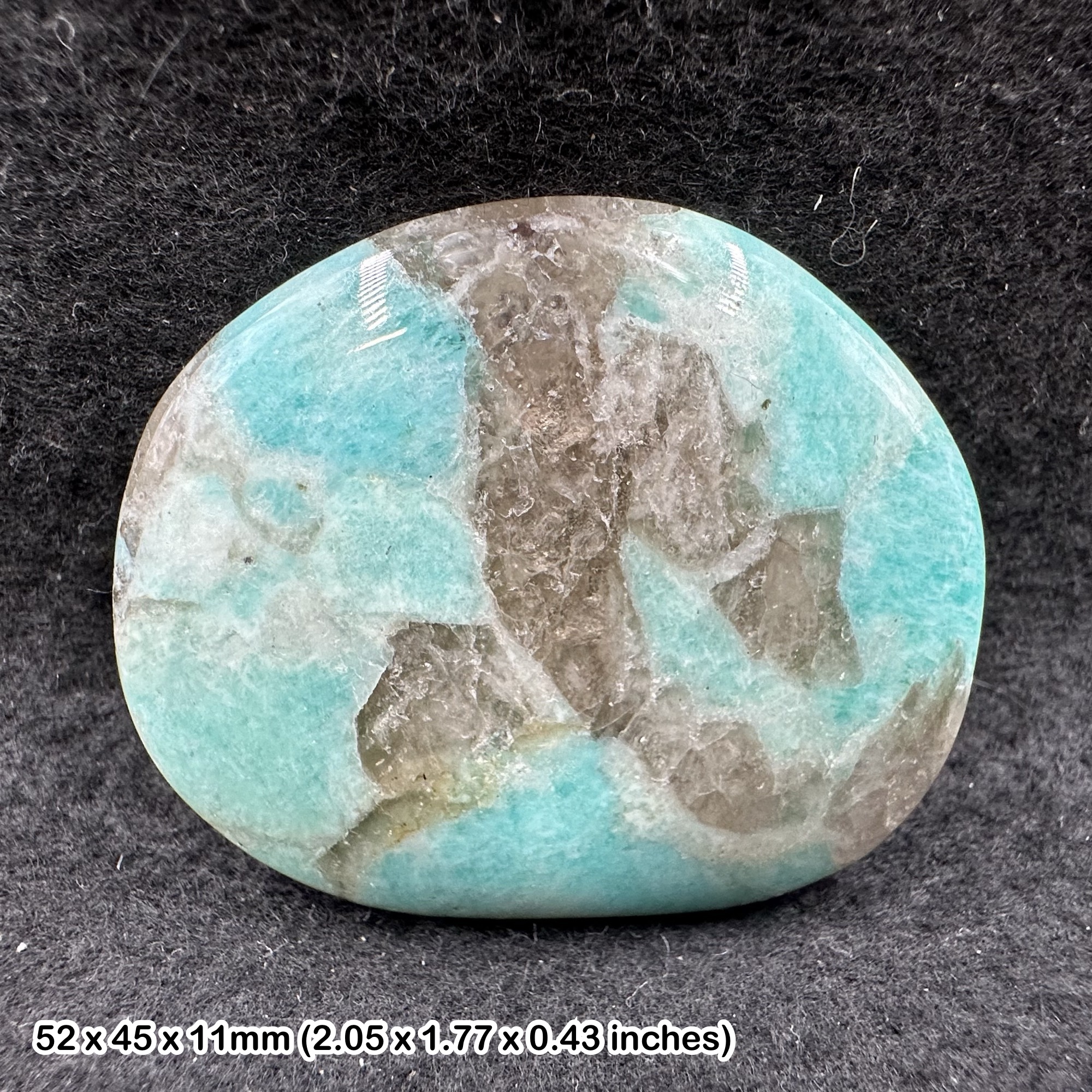
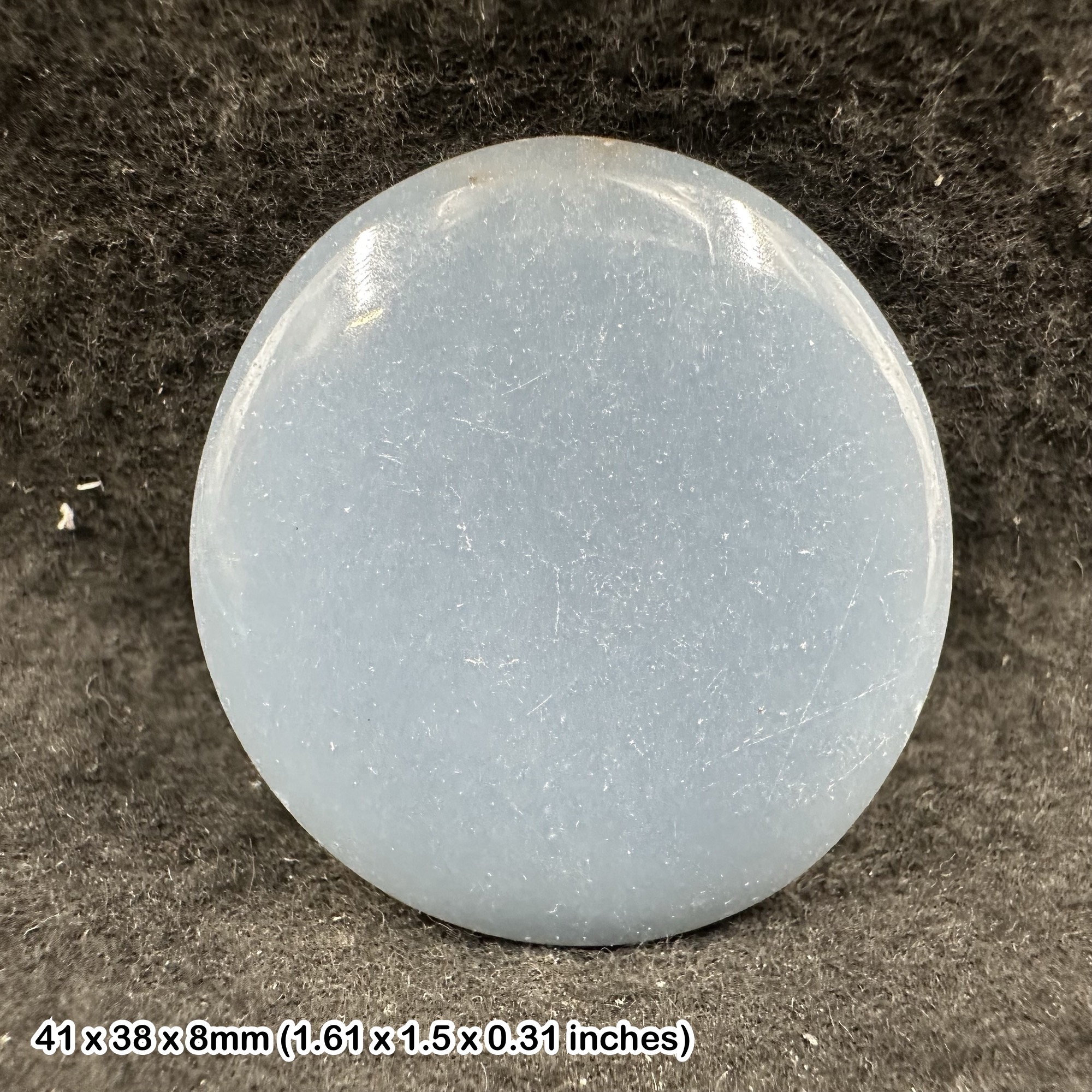
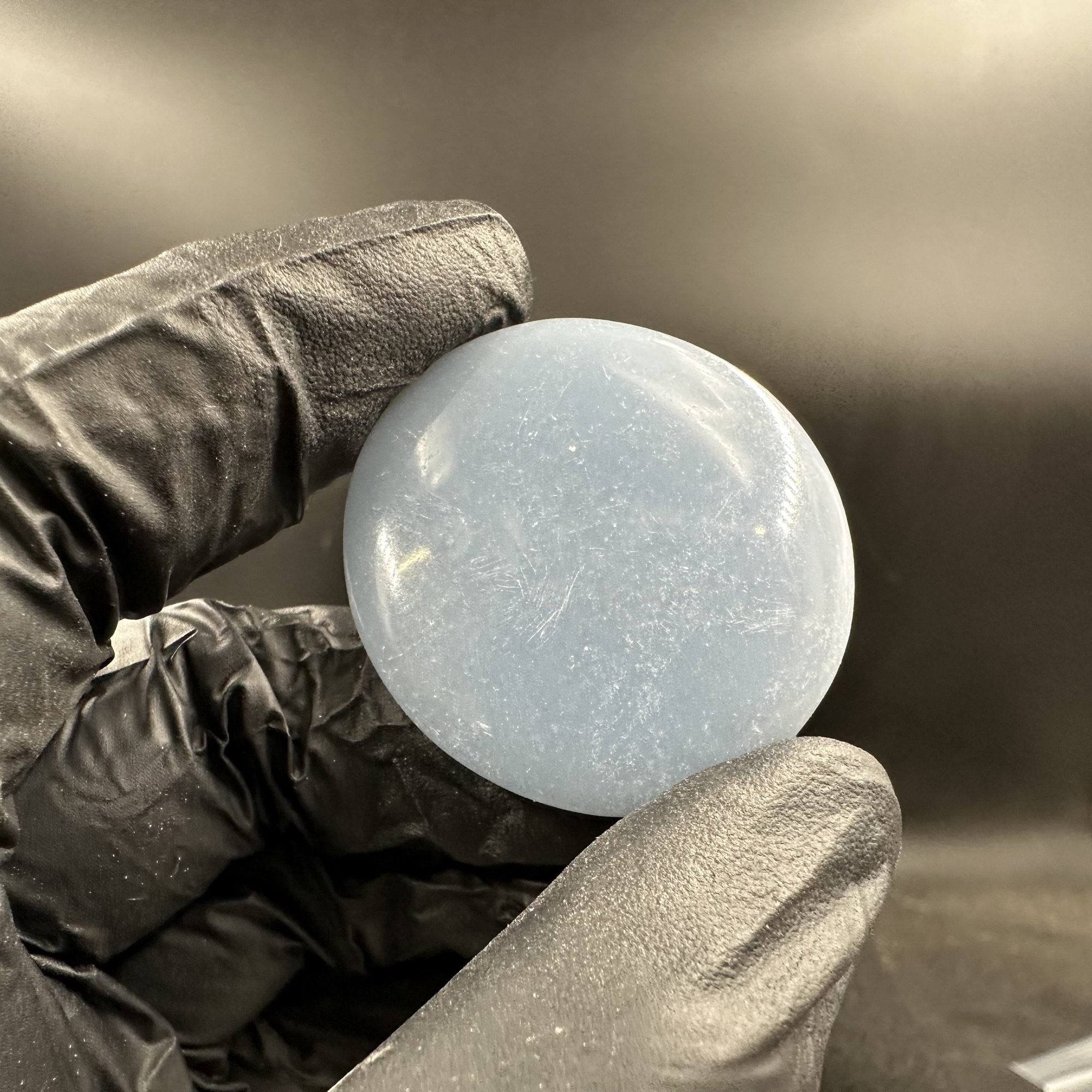
polished from genuine Angelite, the trade name for the mineral anhydrite, a calcium sulfate mineral recognised for its soft blue colour and smooth texture. Shaped into a traditional worry stone or palm stone form, this piece is designed to fit comfortably in the hand and display the soft natural colour of the mineral.The crystal shown in the listing photographs is the exact specimen you will receive, allowing collectors and buyers to view the specific stone prior to purchase. Each piece is unique due to natural mineral formation and polishing patterns.This genuine crystal specimen also includes a Certificate of Authenticity lifetime guarantee card, confirming the mineral as a natural crystal.Full sizing and scale can be clearly seen in the listing photographs. MINERAL IDENTIFICATION – ANGELITE (ANHYDRITE)Angelite is the blue variety of anhydrite, a calcium sulfate mineral with the chemical formula CaSO₄. The name anhydrite comes from the Greek meaning “without water,” distinguishing it from the related mineral gypsum, which contains water in its crystal structure.Key mineralogical details include:
• Mineral Name: Anhydrite
• Common Trade Name: Angelite
• Chemical Formula: Calcium Sulfate (CaSO₄)
• Mineral Group: Sulfate minerals
• Crystal System: Orthorhombic
• Mohs Hardness: Approximately 3–3.5
• Transparency: Typically opaque to slightly translucent at thin edges
• Colour: Pale blue to grey-blue, sometimes with white or cream veiningAngelite’s gentle blue tones are produced by trace mineral inclusions and natural geological conditions during formation. The colour can range from soft sky blue to deeper bluish-grey hues depending on the deposit. GEOLOGICAL FORMATION AND ORIGINAnhydrite forms in evaporite sedimentary environments, where large bodies of mineral-rich seawater evaporate over geological time. As the water evaporates, dissolved minerals crystallise and accumulate into layered deposits.These evaporite formations are commonly associated with minerals such as:
• Gypsum
• Halite (rock salt)
• Calcite
• DolomiteAngelite specifically forms when gypsum loses its water content under geological pressure, transforming into the anhydrous mineral anhydrite. This process occurs deep within sedimentary basins where pressure and temperature conditions allow the mineral to recrystallise.Mexico is one of the well-known sources for blue anhydrite used in lapidary work and crystal carving. WORRY STONE AND PALM STONE CRAFTSMANSHIPThis specimen has been shaped and polished into a worry stone / palm stone form, characterised by a smooth oval shape and often a slight thumb indentation. The polishing process enhances the soft blue colour while revealing subtle natural variations within the mineral.The rounded form allows the crystal to be comfortably held or displayed, making it suitable for collectors who enjoy tactile mineral pieces as well as decorative specimens.In various cultural traditions, polished stones such as worry stones are traditionally associated with contemplative or spiritual practices, where individuals hold or rotate the stone in the hand during quiet reflection. These associations are cultural and belief-based rather than scientific uses. NATURAL APPEARANCE AND SURFACE CHARACTERISTICSAngelite is known for its distinctive matte to satin-like lustre once polished. Because anhydrite is a relatively soft mineral compared to quartz or feldspar, it develops a smooth surface that feels soft to the touch when carved into palm stones.Natural variations may include:
• Soft white mineral banding
• Subtle colour zoning within the blue body of the stone
• Occasional pale inclusions typical of evaporite mineral depositsThese characteristics contribute to the individuality of each stone. MINERAL COLLECTING AND DISPLAYAngelite palm stones are popular among mineral collectors, geology enthusiasts, and crystal collectors due to their distinctive colour and identifiable mineral origin. The polished palm stone format highlights the mineral’s natural tones while making it suitable for display or handling.This specimen may appeal to:
• Crystal and mineral collectors
• Geological specimen collectors
• Decorative mineral displays
• Unique natural gift items
• Lapidary and stone carving enthusiastsBecause the listing shows the actual crystal specimen, collectors can select the precise piece they prefer with confidence. AUTHENTIC NATURAL CRYSTAL SPECIMENThis Angelite Worry Stone is a genuine natural mineral specimen sourced from Angelite (blue anhydrite) deposits in Mexico. Each piece is carefully selected and polished to present the mineral’s natural colour and structure.The crystal includes a Certificate of Authenticity lifetime guarantee card, confirming the authenticity of the mineral specimen.Please refer to the photographs for full sizing and scale, as they form part of the item description and show the exact crystal you will receive.
polished from genuine Angelite, the trade name for the mineral anhydrite, a calcium sulfate mineral recognised for its soft blue colour and smooth texture. Shaped into a traditional worry stone or palm stone form, this piece is designed to fit comfortably in the hand and display the soft natural colour of the mineral.The crystal shown in the listing photographs is the exact specimen you will receive, allowing collectors and buyers to view the specific stone prior to purchase. Each piece is unique due to natural mineral formation and polishing patterns.This genuine crystal specimen also includes a Certificate of Authenticity lifetime guarantee card, confirming the mineral as a natural crystal.Full sizing and scale can be clearly seen in the listing photographs. MINERAL IDENTIFICATION – ANGELITE (ANHYDRITE)Angelite is the blue variety of anhydrite, a calcium sulfate mineral with the chemical formula CaSO₄. The name anhydrite comes from the Greek meaning “without water,” distinguishing it from the related mineral gypsum, which contains water in its crystal structure.Key mineralogical details include:
• Mineral Name: Anhydrite
• Common Trade Name: Angelite
• Chemical Formula: Calcium Sulfate (CaSO₄)
• Mineral Group: Sulfate minerals
• Crystal System: Orthorhombic
• Mohs Hardness: Approximately 3–3.5
• Transparency: Typically opaque to slightly translucent at thin edges
• Colour: Pale blue to grey-blue, sometimes with white or cream veiningAngelite’s gentle blue tones are produced by trace mineral inclusions and natural geological conditions during formation. The colour can range from soft sky blue to deeper bluish-grey hues depending on the deposit. GEOLOGICAL FORMATION AND ORIGINAnhydrite forms in evaporite sedimentary environments, where large bodies of mineral-rich seawater evaporate over geological time. As the water evaporates, dissolved minerals crystallise and accumulate into layered deposits.These evaporite formations are commonly associated with minerals such as:
• Gypsum
• Halite (rock salt)
• Calcite
• DolomiteAngelite specifically forms when gypsum loses its water content under geological pressure, transforming into the anhydrous mineral anhydrite. This process occurs deep within sedimentary basins where pressure and temperature conditions allow the mineral to recrystallise.Mexico is one of the well-known sources for blue anhydrite used in lapidary work and crystal carving. WORRY STONE AND PALM STONE CRAFTSMANSHIPThis specimen has been shaped and polished into a worry stone / palm stone form, characterised by a smooth oval shape and often a slight thumb indentation. The polishing process enhances the soft blue colour while revealing subtle natural variations within the mineral.The rounded form allows the crystal to be comfortably held or displayed, making it suitable for collectors who enjoy tactile mineral pieces as well as decorative specimens.In various cultural traditions, polished stones such as worry stones are traditionally associated with contemplative or spiritual practices, where individuals hold or rotate the stone in the hand during quiet reflection. These associations are cultural and belief-based rather than scientific uses. NATURAL APPEARANCE AND SURFACE CHARACTERISTICSAngelite is known for its distinctive matte to satin-like lustre once polished. Because anhydrite is a relatively soft mineral compared to quartz or feldspar, it develops a smooth surface that feels soft to the touch when carved into palm stones.Natural variations may include:
• Soft white mineral banding
• Subtle colour zoning within the blue body of the stone
• Occasional pale inclusions typical of evaporite mineral depositsThese characteristics contribute to the individuality of each stone. MINERAL COLLECTING AND DISPLAYAngelite palm stones are popular among mineral collectors, geology enthusiasts, and crystal collectors due to their distinctive colour and identifiable mineral origin. The polished palm stone format highlights the mineral’s natural tones while making it suitable for display or handling.This specimen may appeal to:
• Crystal and mineral collectors
• Geological specimen collectors
• Decorative mineral displays
• Unique natural gift items
• Lapidary and stone carving enthusiastsBecause the listing shows the actual crystal specimen, collectors can select the precise piece they prefer with confidence. AUTHENTIC NATURAL CRYSTAL SPECIMENThis Angelite Worry Stone is a genuine natural mineral specimen sourced from Angelite (blue anhydrite) deposits in Mexico. Each piece is carefully selected and polished to present the mineral’s natural colour and structure.The crystal includes a Certificate of Authenticity lifetime guarantee card, confirming the authenticity of the mineral specimen.Please refer to the photographs for full sizing and scale, as they form part of the item description and show the exact crystal you will receive.