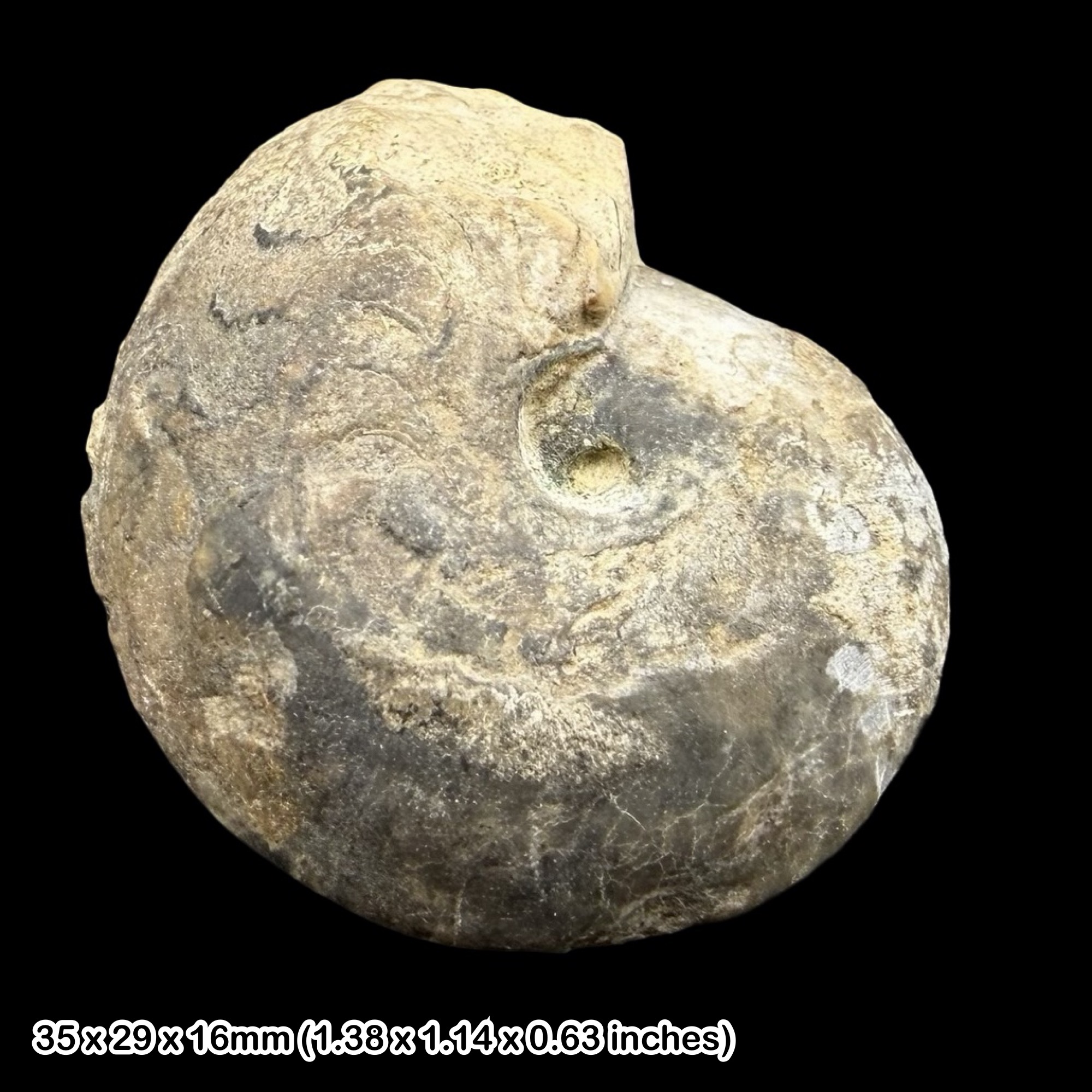
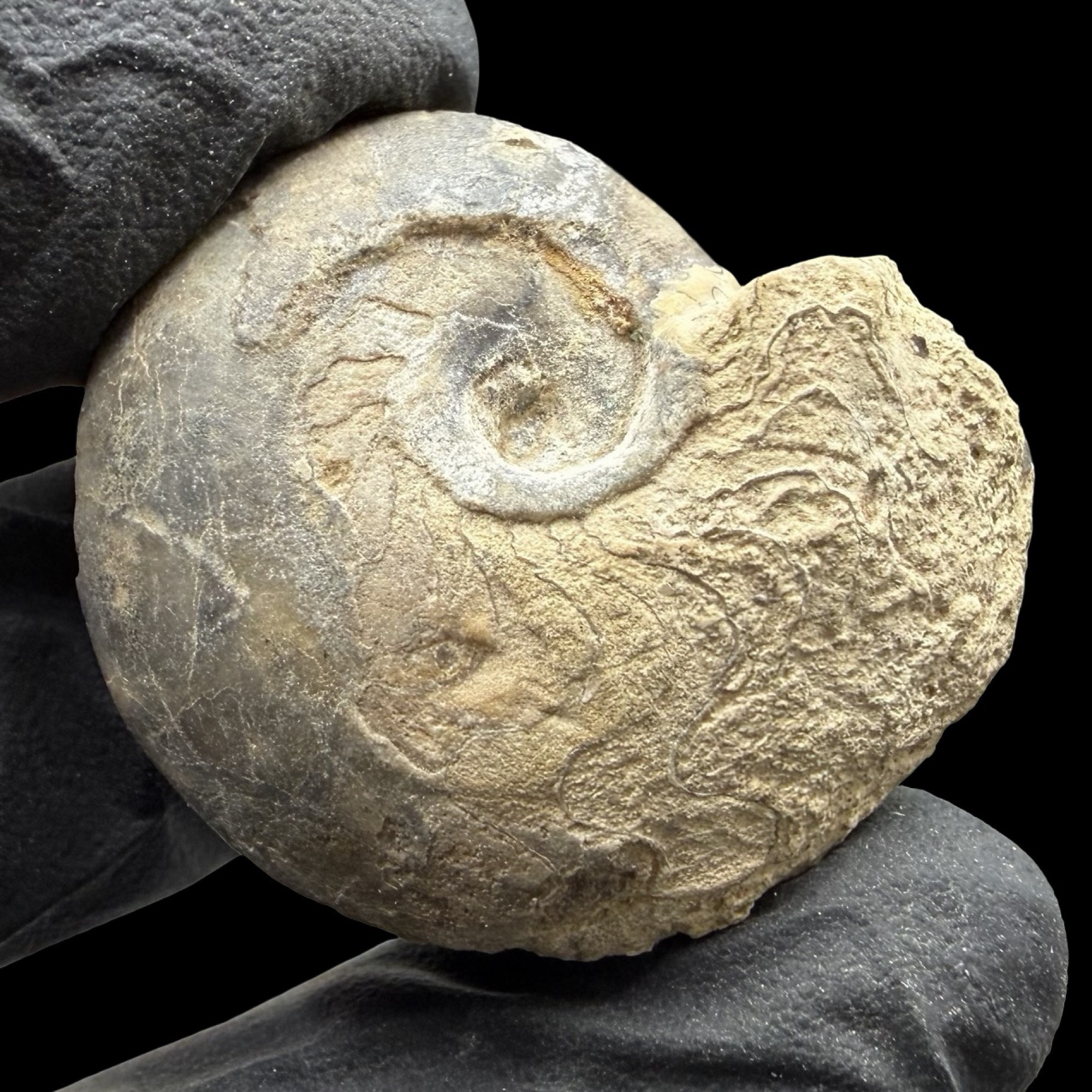
Cenoceras cf angulatum Nautiloid Fossil Jurassic Somerset UK Genuine COA Toarcian South Petherton British Collectable
£ 12.60
GENUINE CENOCERAS CF. ANGULATUM NAUTILOID FOSSILThis listing is for a genuine Cenoceras cf. angulatum nautiloid fossil from
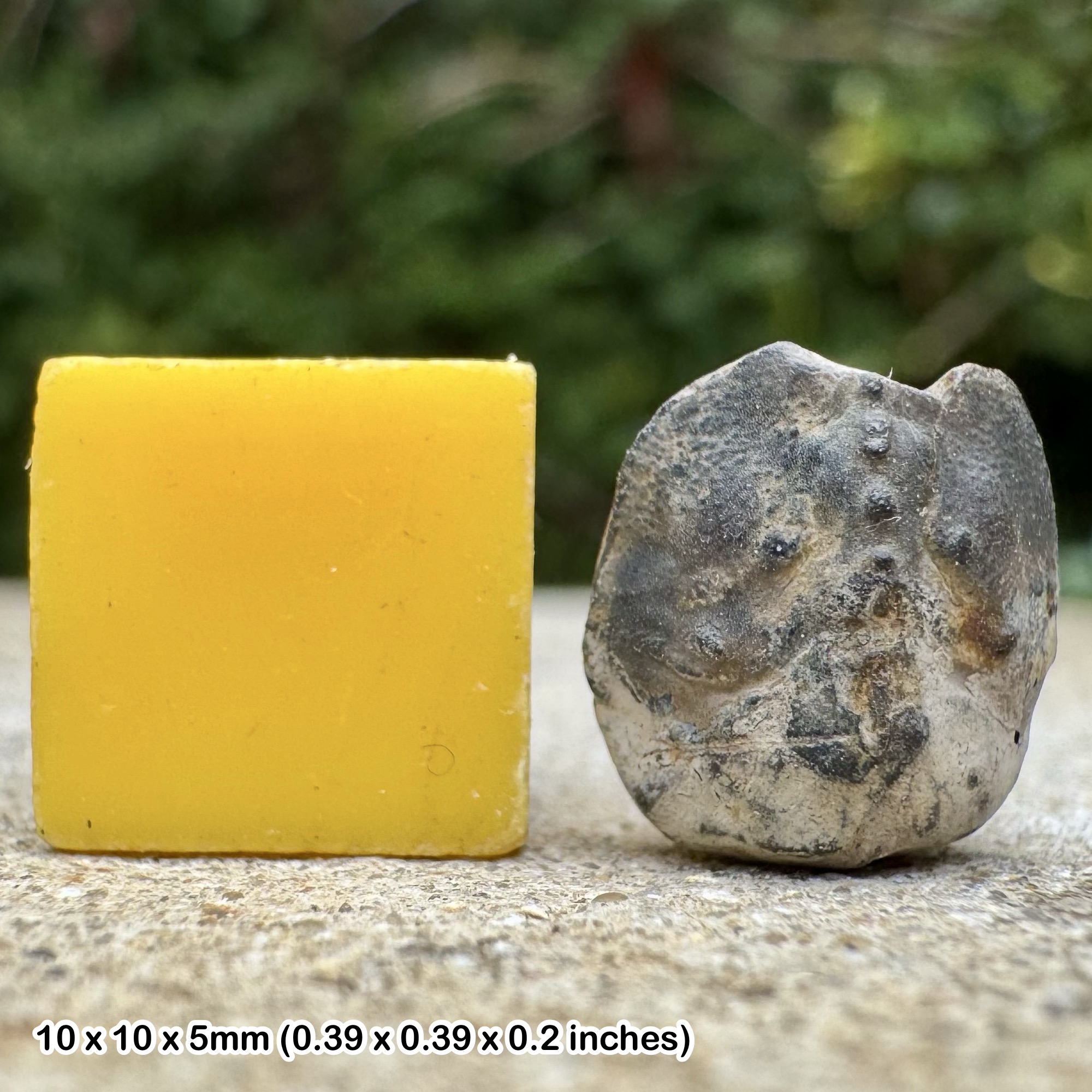
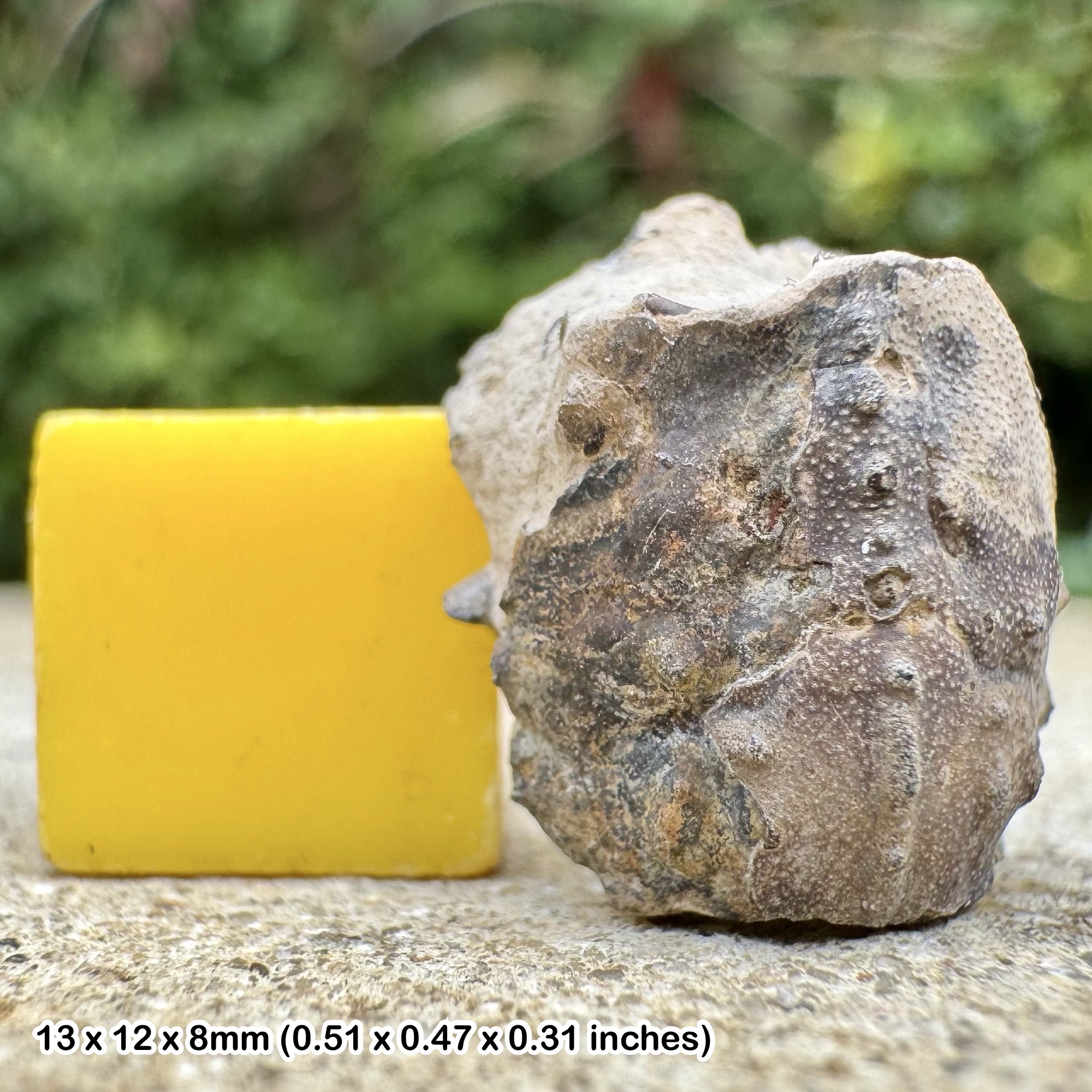
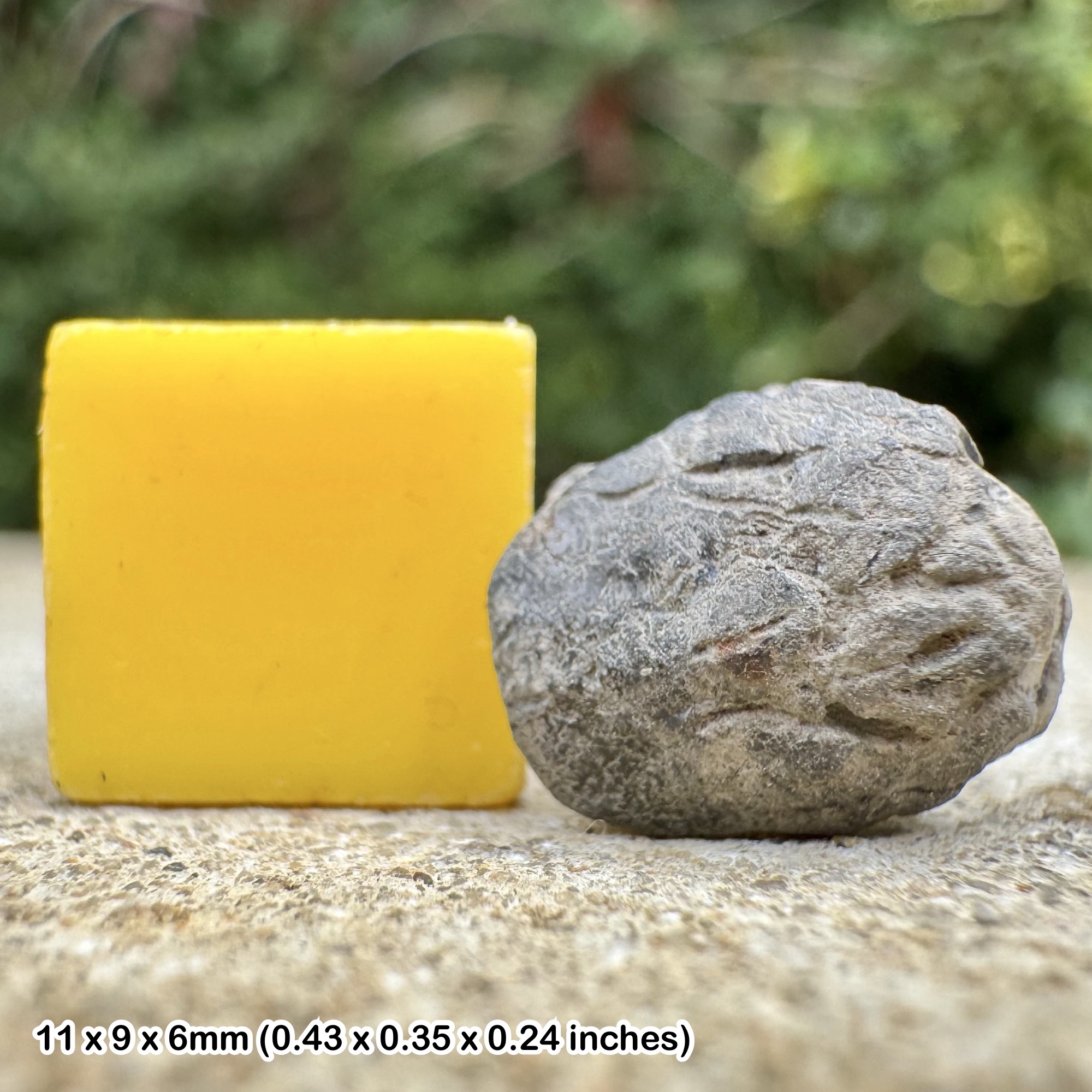
South Petherton, Somerset, UK, dating to the Lower Jurassic, Toarcian Stage. This carefully chosen fossil represents an authentic shelled marine cephalopod from Britain’s classic Jurassic fossil record. The photograph shows the actual specimen you will receive, allowing you to view the fossil’s natural preservation, shell form, colour, texture, matrix and overall character before purchase.This fossil is supplied with a Certificate of Authenticity lifetime guarantee generic card, confirming that it is a genuine specimen. Full sizing details can be seen in the photo. FOSSIL TYPE AND IDENTIFICATIONCenoceras cf. angulatum is a nautiloid, not an ammonite, although both groups are shelled cephalopods and are often collected together as classic Jurassic marine fossils. Nautiloids are related to the living chambered nautilus, a marine animal with a coiled external shell divided into internal chambers. These chambers helped regulate buoyancy, while the living animal occupied the final body chamber.The “cf.” in Cenoceras cf. angulatum means the specimen compares closely with Cenoceras angulatum, while allowing for natural variation or preservation differences. This wording is commonly used in palaeontology when a fossil shows strong similarity to a known species, but the available features are best recorded with a careful comparative identification.Cenoceras is a Jurassic nautiloid genus with a generally smooth to subtly ornamented coiled shell, often more rounded and less strongly ribbed than many ammonites. Nautiloids are especially appealing because they represent a long-lasting cephalopod lineage, with relatives that survived far beyond the ammonites and still exist in modern oceans today. LOWER JURASSIC TOARCIAN AGEThis fossil dates from the Toarcian Stage of the Lower Jurassic, approximately 183 to 174 million years old. During this time, much of what is now southwest England was covered by warm marine waters. These Jurassic seas supported a rich ecosystem of cephalopods, including ammonites, nautiloids and belemnites, alongside bivalves, brachiopods, gastropods, crinoids, fish and marine reptiles.The Toarcian is an important interval in Jurassic geology, known for widespread marine sedimentation and abundant fossil faunas. Fine muds, limestones and other seabed sediments accumulated across ancient marine basins, preserving the remains of animals that lived both in the water column and on the sea floor. Nautiloids such as Cenoceras would have moved through these seas as active marine predators or scavengers, using their chambered shells for buoyancy control. SOUTH PETHERTON, SOMERSET LOCALITYThis specimen comes from South Petherton in Somerset, UK, an area connected with the wider Jurassic geology of southwest England. Somerset is well known for fossil-bearing Jurassic strata, and fossils from this region are popular with collectors because they combine British locality appeal with strong geological context.A labelled fossil from South Petherton is a desirable addition to a British fossil collection, especially for collectors interested in Lower Jurassic fossils, Somerset fossils, nautiloids, cephalopods and classic UK marine fossils. The locality gives the specimen a clear sense of origin and makes it more meaningful than an unlabelled fossil display piece. NAUTILOID MORPHOLOGY AND NATURAL FEATURESNautiloids such as Cenoceras cf. angulatum typically show a coiled shell made up of whorls and internal chambers. Depending on the preservation of the individual fossil, visible features may include shell curvature, chamber structure, natural matrix, mineralisation, surface texture, sutures or subtle growth features. Unlike many highly ribbed ammonites, nautiloids often have a more restrained and elegant shell form, giving them a distinctive appearance in fossil collections.As a genuine natural fossil, each specimen is unique. Variations in colour, matrix, surface preservation, compression, mineral staining, edge condition and overall form are part of the fossil’s individual character. These natural features reflect the fossilisation process and the long geological history of the specimen. COLLECTING AND DISPLAY APPEALThis Cenoceras cf. angulatum nautiloid fossil is ideal for collectors of Jurassic fossils, British fossils, Somerset fossils, Lower Jurassic cephalopods, Toarcian fossils and natural history specimens. It would make an excellent addition to a fossil cabinet, geology collection, educational display, school teaching set or natural history gift.The fossil has been carefully chosen and photographed so the buyer can clearly see the actual specimen being supplied. Its appeal comes from the combination of genuine authenticity, comparative species identification, Lower Jurassic age, classic British locality and attractive nautiloid form. AUTHENTICITY AND PRESENTATIONThis is a 100% genuine fossil specimen and includes a Certificate of Authenticity lifetime guarantee generic card. The listing photograph shows the actual specimen you will receive, and full sizing can be checked from the photo. The fossil is suitable for display, study, collecting or gifting.
South Petherton, Somerset, UK, dating to the Lower Jurassic, Toarcian Stage. This carefully chosen fossil represents an authentic shelled marine cephalopod from Britain’s classic Jurassic fossil record. The photograph shows the actual specimen you will receive, allowing you to view the fossil’s natural preservation, shell form, colour, texture, matrix and overall character before purchase.This fossil is supplied with a Certificate of Authenticity lifetime guarantee generic card, confirming that it is a genuine specimen. Full sizing details can be seen in the photo. FOSSIL TYPE AND IDENTIFICATIONCenoceras cf. angulatum is a nautiloid, not an ammonite, although both groups are shelled cephalopods and are often collected together as classic Jurassic marine fossils. Nautiloids are related to the living chambered nautilus, a marine animal with a coiled external shell divided into internal chambers. These chambers helped regulate buoyancy, while the living animal occupied the final body chamber.The “cf.” in Cenoceras cf. angulatum means the specimen compares closely with Cenoceras angulatum, while allowing for natural variation or preservation differences. This wording is commonly used in palaeontology when a fossil shows strong similarity to a known species, but the available features are best recorded with a careful comparative identification.Cenoceras is a Jurassic nautiloid genus with a generally smooth to subtly ornamented coiled shell, often more rounded and less strongly ribbed than many ammonites. Nautiloids are especially appealing because they represent a long-lasting cephalopod lineage, with relatives that survived far beyond the ammonites and still exist in modern oceans today. LOWER JURASSIC TOARCIAN AGEThis fossil dates from the Toarcian Stage of the Lower Jurassic, approximately 183 to 174 million years old. During this time, much of what is now southwest England was covered by warm marine waters. These Jurassic seas supported a rich ecosystem of cephalopods, including ammonites, nautiloids and belemnites, alongside bivalves, brachiopods, gastropods, crinoids, fish and marine reptiles.The Toarcian is an important interval in Jurassic geology, known for widespread marine sedimentation and abundant fossil faunas. Fine muds, limestones and other seabed sediments accumulated across ancient marine basins, preserving the remains of animals that lived both in the water column and on the sea floor. Nautiloids such as Cenoceras would have moved through these seas as active marine predators or scavengers, using their chambered shells for buoyancy control. SOUTH PETHERTON, SOMERSET LOCALITYThis specimen comes from South Petherton in Somerset, UK, an area connected with the wider Jurassic geology of southwest England. Somerset is well known for fossil-bearing Jurassic strata, and fossils from this region are popular with collectors because they combine British locality appeal with strong geological context.A labelled fossil from South Petherton is a desirable addition to a British fossil collection, especially for collectors interested in Lower Jurassic fossils, Somerset fossils, nautiloids, cephalopods and classic UK marine fossils. The locality gives the specimen a clear sense of origin and makes it more meaningful than an unlabelled fossil display piece. NAUTILOID MORPHOLOGY AND NATURAL FEATURESNautiloids such as Cenoceras cf. angulatum typically show a coiled shell made up of whorls and internal chambers. Depending on the preservation of the individual fossil, visible features may include shell curvature, chamber structure, natural matrix, mineralisation, surface texture, sutures or subtle growth features. Unlike many highly ribbed ammonites, nautiloids often have a more restrained and elegant shell form, giving them a distinctive appearance in fossil collections.As a genuine natural fossil, each specimen is unique. Variations in colour, matrix, surface preservation, compression, mineral staining, edge condition and overall form are part of the fossil’s individual character. These natural features reflect the fossilisation process and the long geological history of the specimen. COLLECTING AND DISPLAY APPEALThis Cenoceras cf. angulatum nautiloid fossil is ideal for collectors of Jurassic fossils, British fossils, Somerset fossils, Lower Jurassic cephalopods, Toarcian fossils and natural history specimens. It would make an excellent addition to a fossil cabinet, geology collection, educational display, school teaching set or natural history gift.The fossil has been carefully chosen and photographed so the buyer can clearly see the actual specimen being supplied. Its appeal comes from the combination of genuine authenticity, comparative species identification, Lower Jurassic age, classic British locality and attractive nautiloid form. AUTHENTICITY AND PRESENTATIONThis is a 100% genuine fossil specimen and includes a Certificate of Authenticity lifetime guarantee generic card. The listing photograph shows the actual specimen you will receive, and full sizing can be checked from the photo. The fossil is suitable for display, study, collecting or gifting.
Other Products