Triceratops Dinosaur Bone Fossil Hell Creek Cretaceous USA Display Stand Rare Authentic Ceratopsid Specimen North Dakota with COA
£ 36.00
Authentic Triceratops Dinosaur Bone Fossil – Hell Creek Formation, North DakotaThis genuine Triceratops dinosaur bone fossil is an exceptional piece of
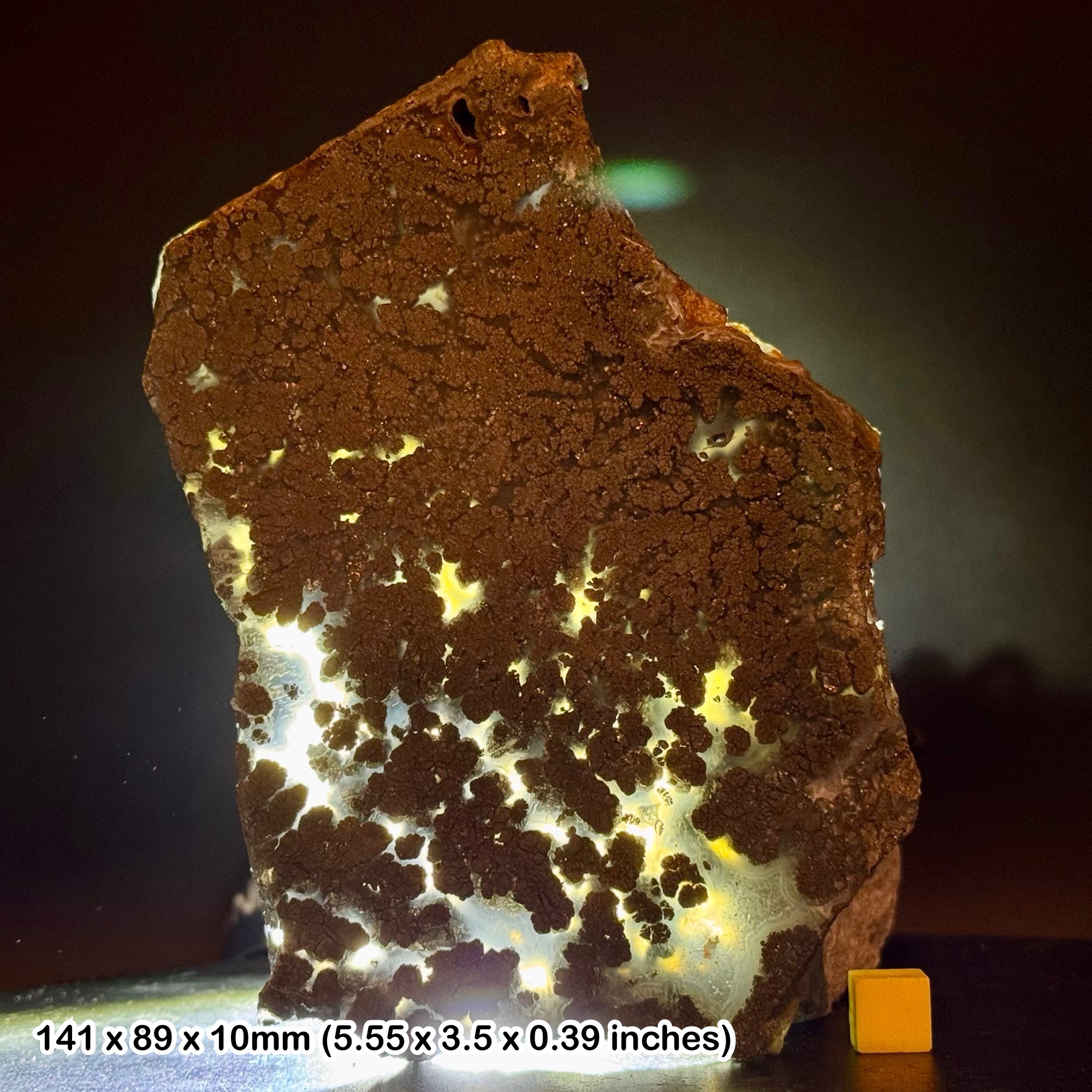
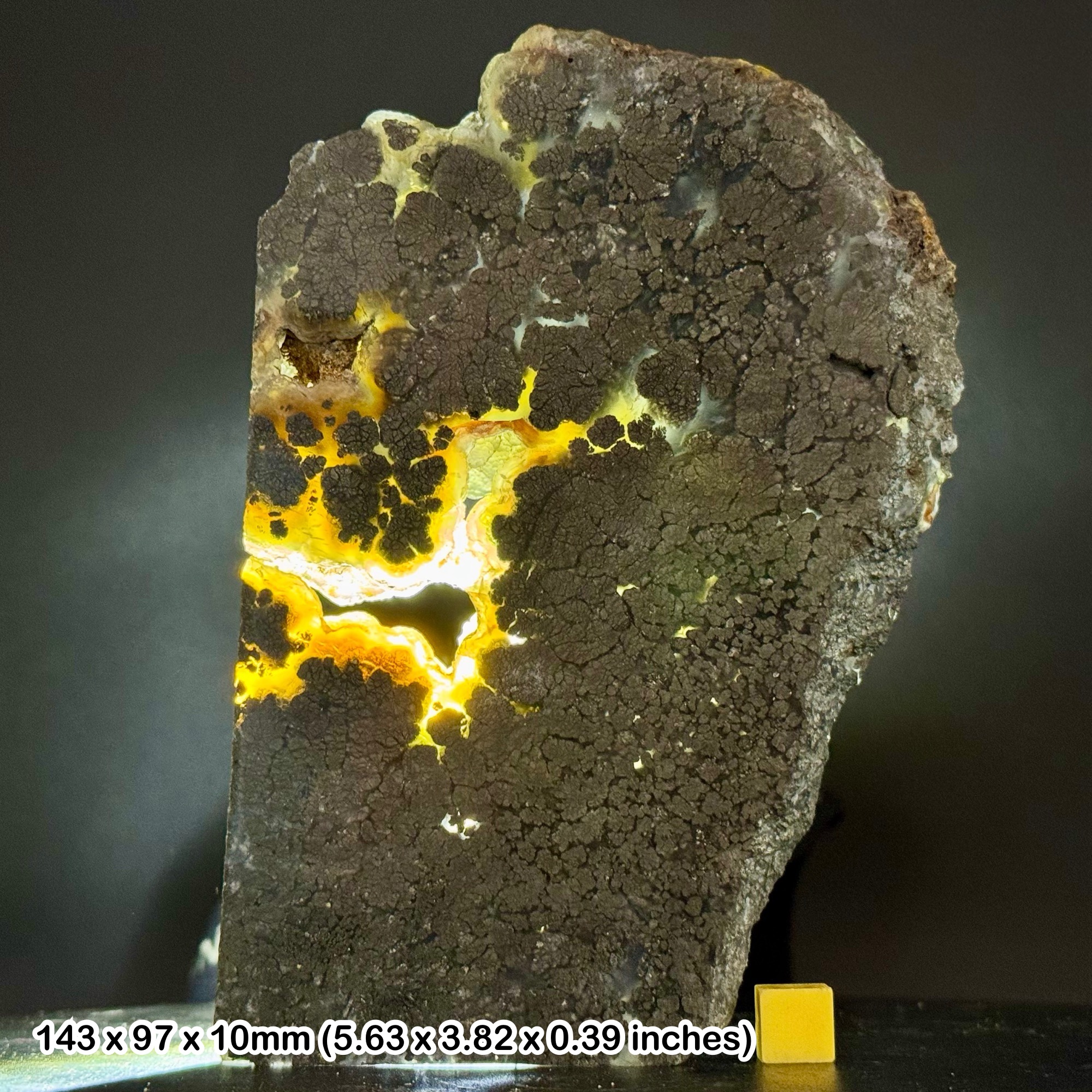
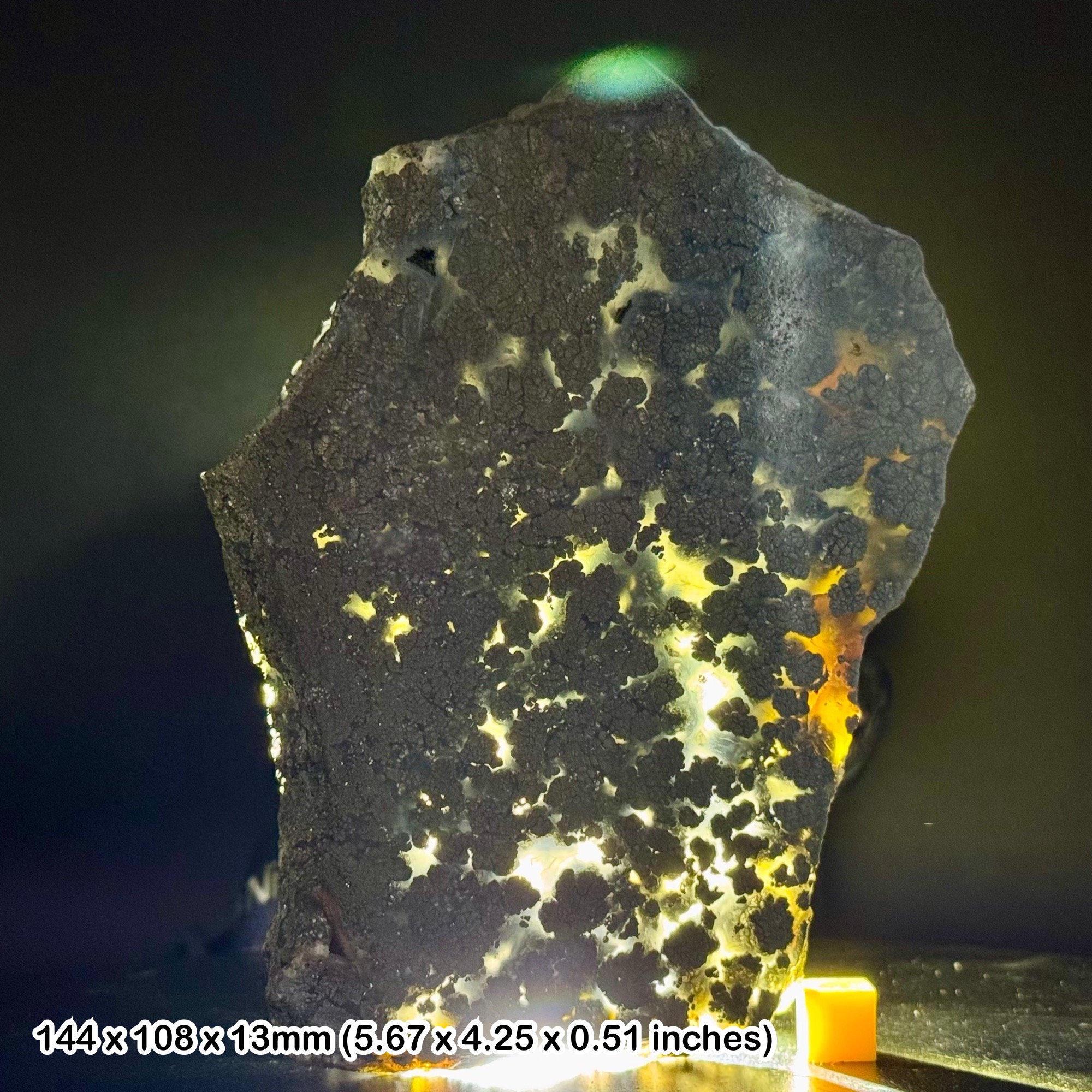
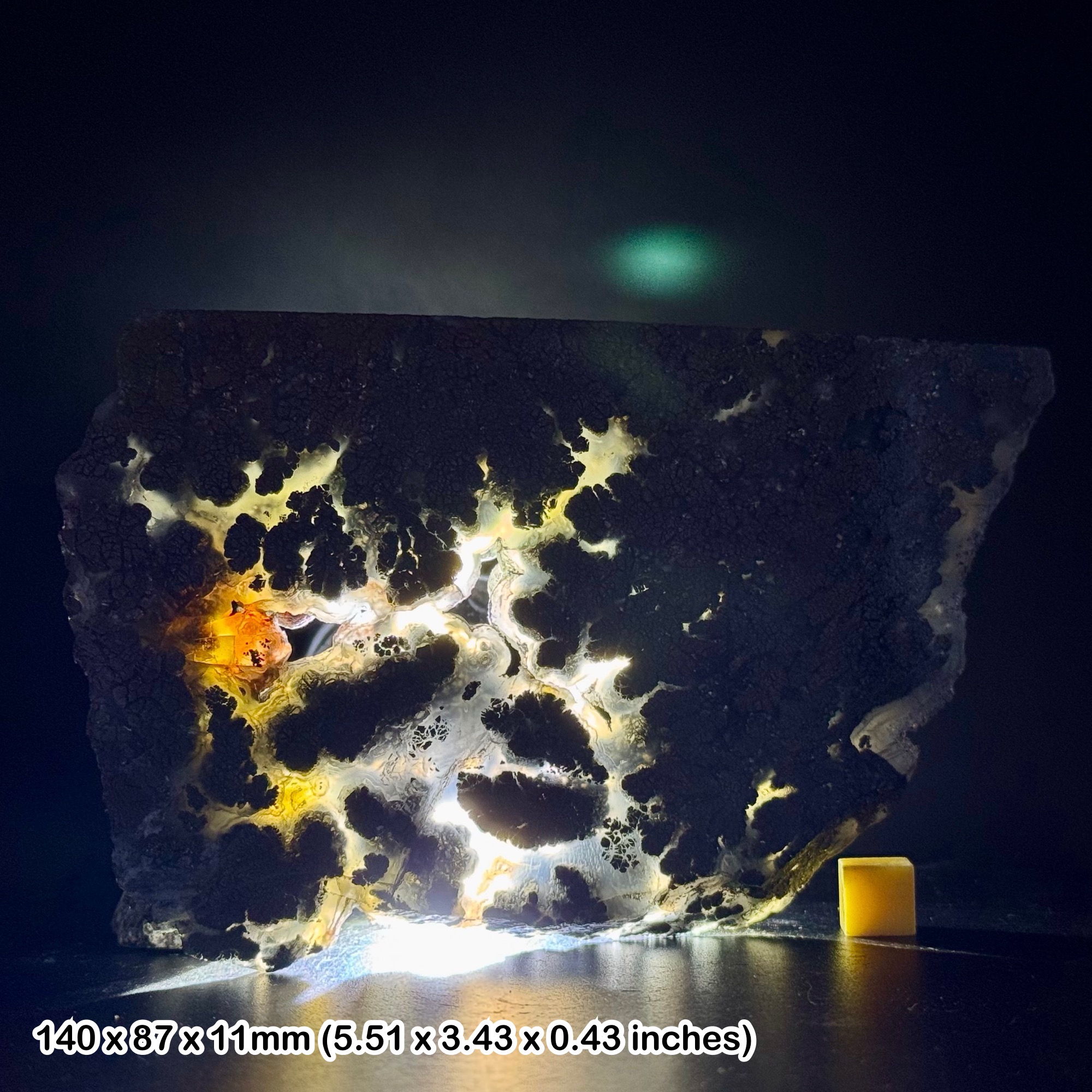
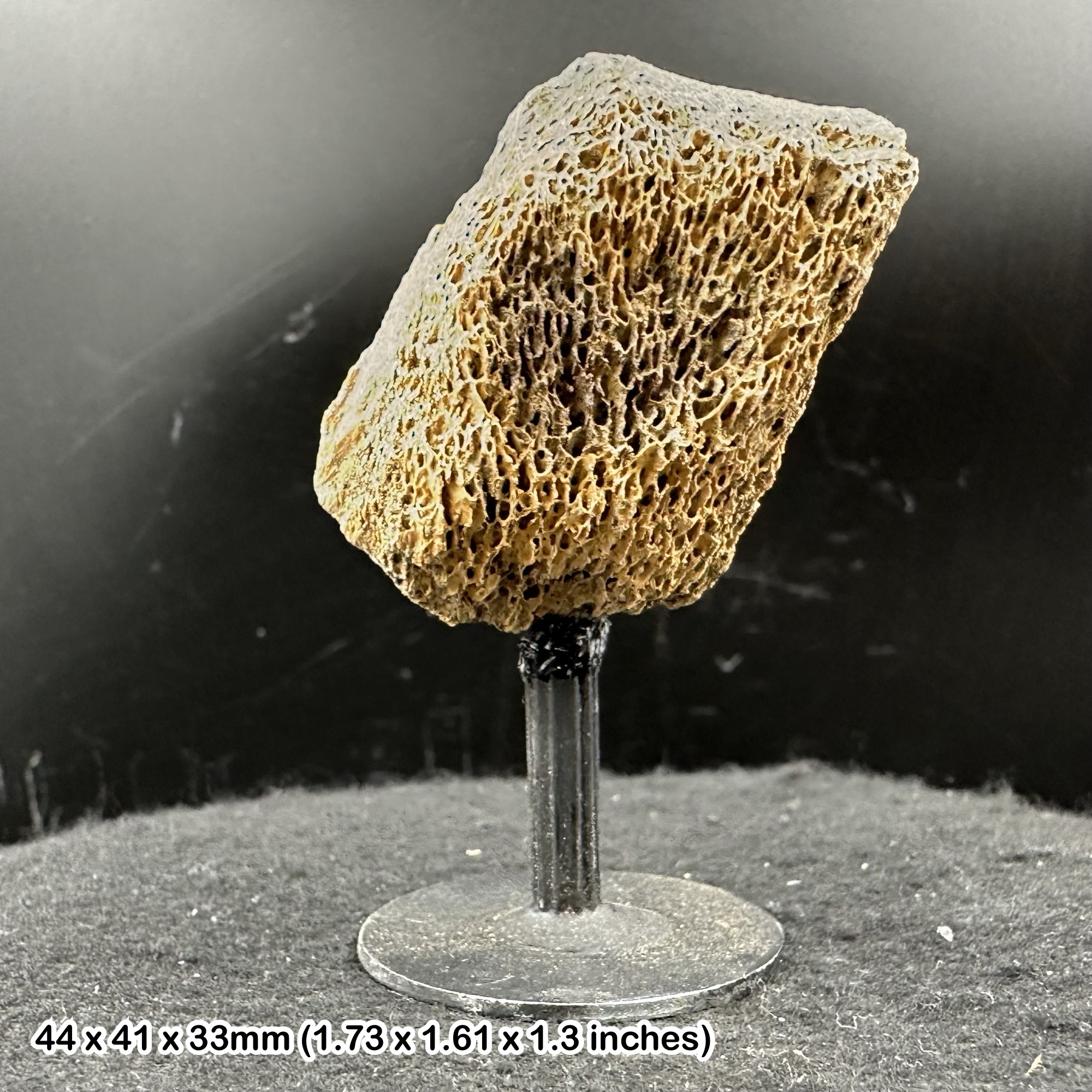
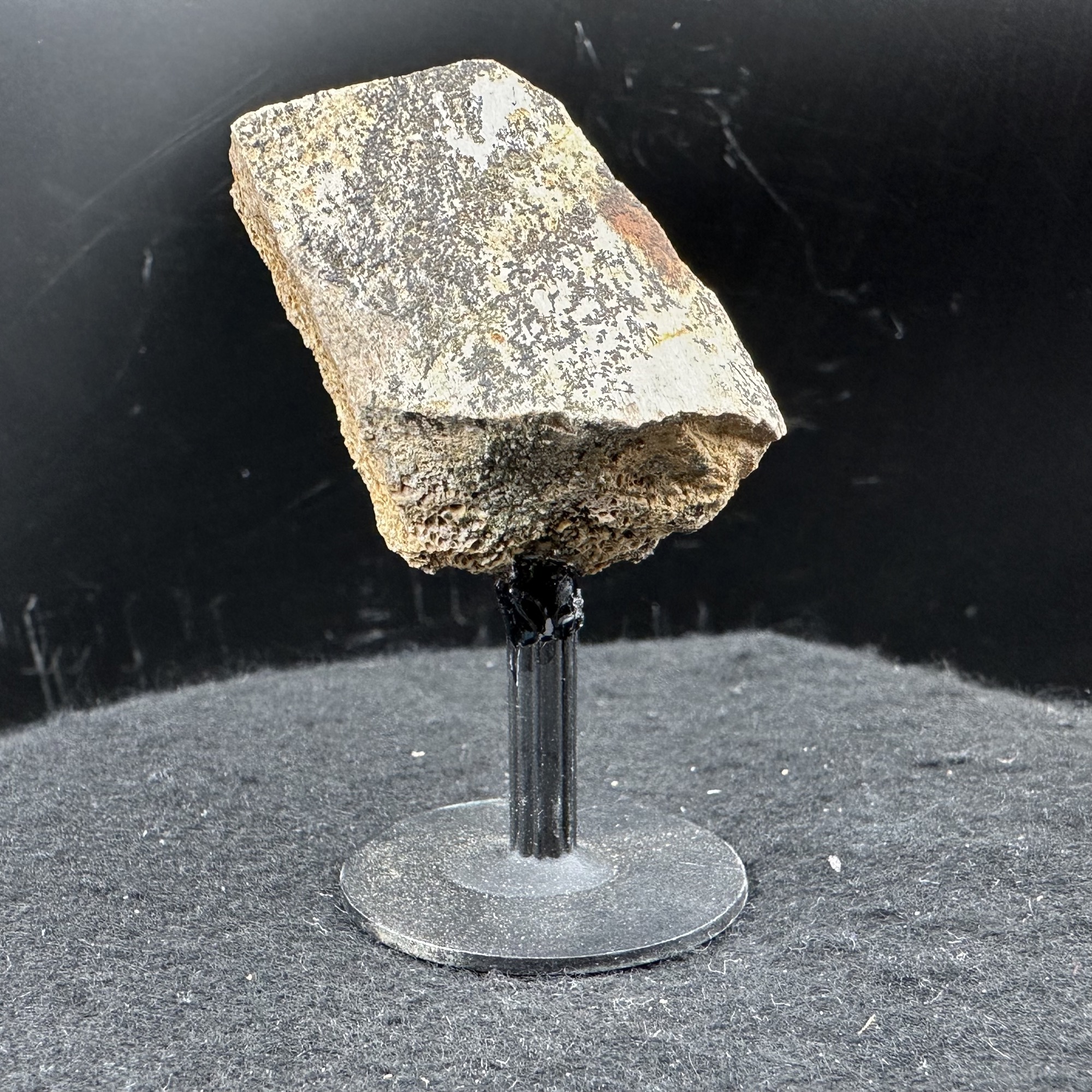
prehistoric history, sourced from the world-famous Hell Creek Formation of North Dakota, USA. Carefully selected for its quality, preservation, and display appeal, this specimen offers a rare opportunity to own an authentic fragment of one of the most iconic dinosaurs of the Late Cretaceous. Mounted on a stand, it is perfectly suited for display in any fossil collection, office, or educational setting.Geological Context – Hell Creek Formation, Late CretaceousThe Hell Creek Formation is one of the most significant fossil-bearing geological formations in the world, dating to the Maastrichtian stage of the Late Cretaceous period, approximately 66 million years ago. This formation represents the final chapter of the dinosaur era, just before the Cretaceous–Paleogene extinction event.Composed of fluvial sandstones, mudstones, and siltstones, the Hell Creek Formation reflects ancient river channels, floodplains, and low-lying vegetated environments. These dynamic conditions supported a rich and diverse ecosystem, including large herbivorous dinosaurs like Triceratops, as well as apex predators such as Tyrannosaurus rex. Rapid burial in these sedimentary environments allowed for exceptional fossil preservation.Fossil Identification – Triceratops (Order Ornithischia, Family Ceratopsidae)This fossil bone is attributed to Triceratops, a large herbivorous dinosaur belonging to the order Ornithischia and family Ceratopsidae. First described by Othniel Charles Marsh in 1889, Triceratops is recognised worldwide for its three horns and distinctive cranial frill.Although this specimen represents a general skeletal element, Triceratops bones are typically characterised by their dense, robust structure, reflecting the immense size and weight of the animal. These features provided strength and support for a powerful quadrupedal body adapted to life on floodplains and open landscapes.Morphology and PreservationThe fossil exhibits natural bone texture and structural integrity consistent with ceratopsid skeletal remains. Surface features may include subtle grain patterns, mineralisation textures, and natural weathering acquired over millions of years. The fossilisation process has replaced the original organic material with minerals, resulting in a durable and visually striking specimen.Colour variations and surface details reflect the surrounding sediment and geochemical conditions during burial. Each fossil is unique, preserving its own distinct characteristics shaped by time and environment.Depositional Environment and Fossilisation ProcessDuring the Late Cretaceous, the Hell Creek region was a warm, humid environment dominated by rivers, floodplains, and dense vegetation. When a Triceratops died, its remains were often transported and buried by sediment during seasonal flooding events.Rapid burial protected the bone from decay and scavenging, allowing fossilisation to occur. Over time, mineral-rich groundwater permeated the buried bone, gradually replacing its organic components through permineralisation. This process preserved the structure of the bone in remarkable detail, creating the fossil seen today.Display and CollectibilityMounted on a display stand, this Triceratops dinosaur bone fossil is ready for immediate presentation. It serves as an eye-catching centrepiece for collectors, museums, or enthusiasts of natural history. The photograph provided shows the exact specimen you will receive, ensuring complete transparency and confidence in your purchase.Each fossil is individually chosen for its authenticity, condition, and visual appeal, making it a one-of-a-kind addition to any collection.Authenticity and CertificateThis fossil is a 100% genuine specimen and includes a Certificate of Authenticity with a lifetime guarantee. It has been carefully prepared and stabilised to preserve both its scientific integrity and collectible value.A genuine relic from the final days of the dinosaurs, this Triceratops bone fossil offers a direct and tangible connection to prehistoric life, making it a highly desirable and meaningful addition to any fossil collection.
prehistoric history, sourced from the world-famous Hell Creek Formation of North Dakota, USA. Carefully selected for its quality, preservation, and display appeal, this specimen offers a rare opportunity to own an authentic fragment of one of the most iconic dinosaurs of the Late Cretaceous. Mounted on a stand, it is perfectly suited for display in any fossil collection, office, or educational setting.Geological Context – Hell Creek Formation, Late CretaceousThe Hell Creek Formation is one of the most significant fossil-bearing geological formations in the world, dating to the Maastrichtian stage of the Late Cretaceous period, approximately 66 million years ago. This formation represents the final chapter of the dinosaur era, just before the Cretaceous–Paleogene extinction event.Composed of fluvial sandstones, mudstones, and siltstones, the Hell Creek Formation reflects ancient river channels, floodplains, and low-lying vegetated environments. These dynamic conditions supported a rich and diverse ecosystem, including large herbivorous dinosaurs like Triceratops, as well as apex predators such as Tyrannosaurus rex. Rapid burial in these sedimentary environments allowed for exceptional fossil preservation.Fossil Identification – Triceratops (Order Ornithischia, Family Ceratopsidae)This fossil bone is attributed to Triceratops, a large herbivorous dinosaur belonging to the order Ornithischia and family Ceratopsidae. First described by Othniel Charles Marsh in 1889, Triceratops is recognised worldwide for its three horns and distinctive cranial frill.Although this specimen represents a general skeletal element, Triceratops bones are typically characterised by their dense, robust structure, reflecting the immense size and weight of the animal. These features provided strength and support for a powerful quadrupedal body adapted to life on floodplains and open landscapes.Morphology and PreservationThe fossil exhibits natural bone texture and structural integrity consistent with ceratopsid skeletal remains. Surface features may include subtle grain patterns, mineralisation textures, and natural weathering acquired over millions of years. The fossilisation process has replaced the original organic material with minerals, resulting in a durable and visually striking specimen.Colour variations and surface details reflect the surrounding sediment and geochemical conditions during burial. Each fossil is unique, preserving its own distinct characteristics shaped by time and environment.Depositional Environment and Fossilisation ProcessDuring the Late Cretaceous, the Hell Creek region was a warm, humid environment dominated by rivers, floodplains, and dense vegetation. When a Triceratops died, its remains were often transported and buried by sediment during seasonal flooding events.Rapid burial protected the bone from decay and scavenging, allowing fossilisation to occur. Over time, mineral-rich groundwater permeated the buried bone, gradually replacing its organic components through permineralisation. This process preserved the structure of the bone in remarkable detail, creating the fossil seen today.Display and CollectibilityMounted on a display stand, this Triceratops dinosaur bone fossil is ready for immediate presentation. It serves as an eye-catching centrepiece for collectors, museums, or enthusiasts of natural history. The photograph provided shows the exact specimen you will receive, ensuring complete transparency and confidence in your purchase.Each fossil is individually chosen for its authenticity, condition, and visual appeal, making it a one-of-a-kind addition to any collection.Authenticity and CertificateThis fossil is a 100% genuine specimen and includes a Certificate of Authenticity with a lifetime guarantee. It has been carefully prepared and stabilised to preserve both its scientific integrity and collectible value.A genuine relic from the final days of the dinosaurs, this Triceratops bone fossil offers a direct and tangible connection to prehistoric life, making it a highly desirable and meaningful addition to any fossil collection.