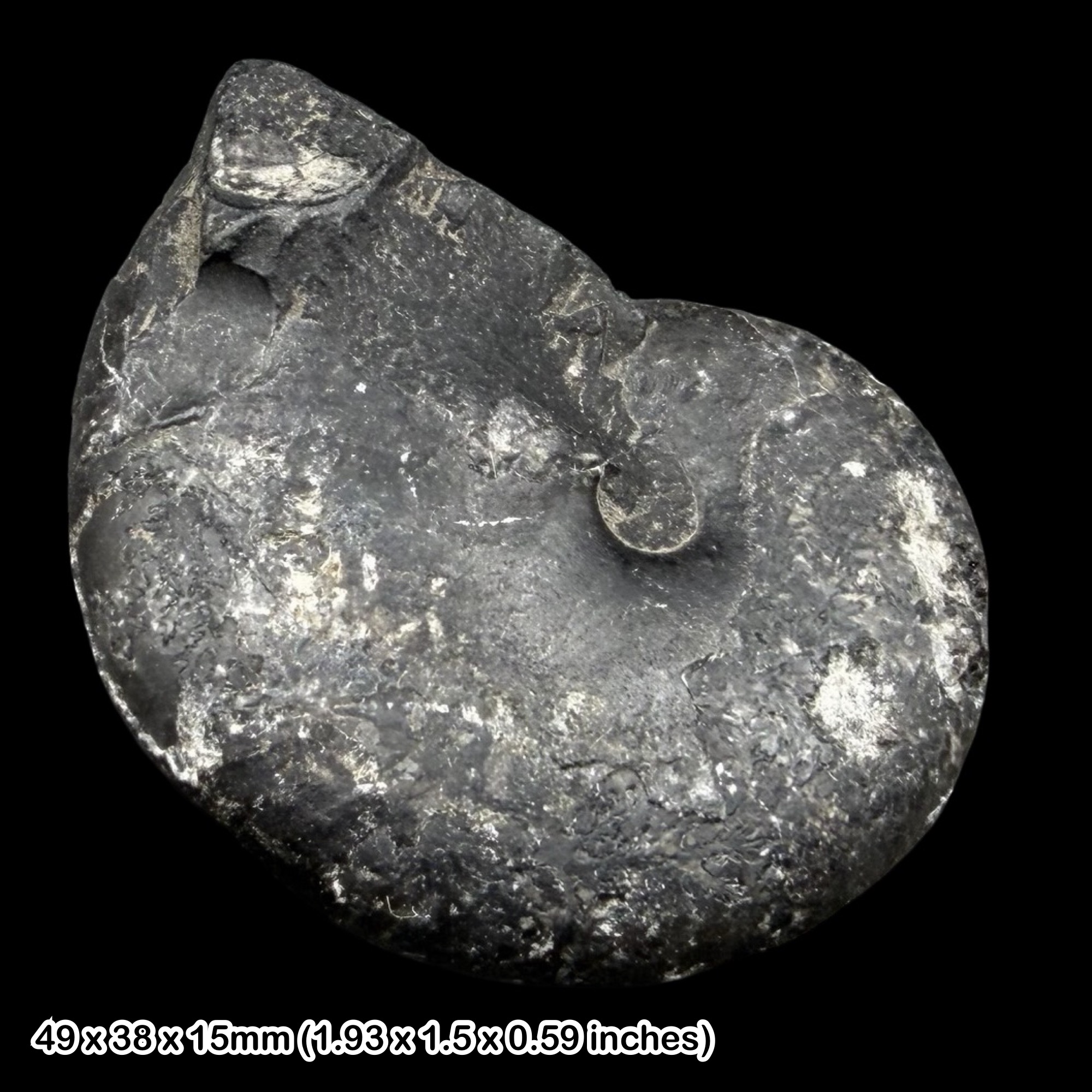
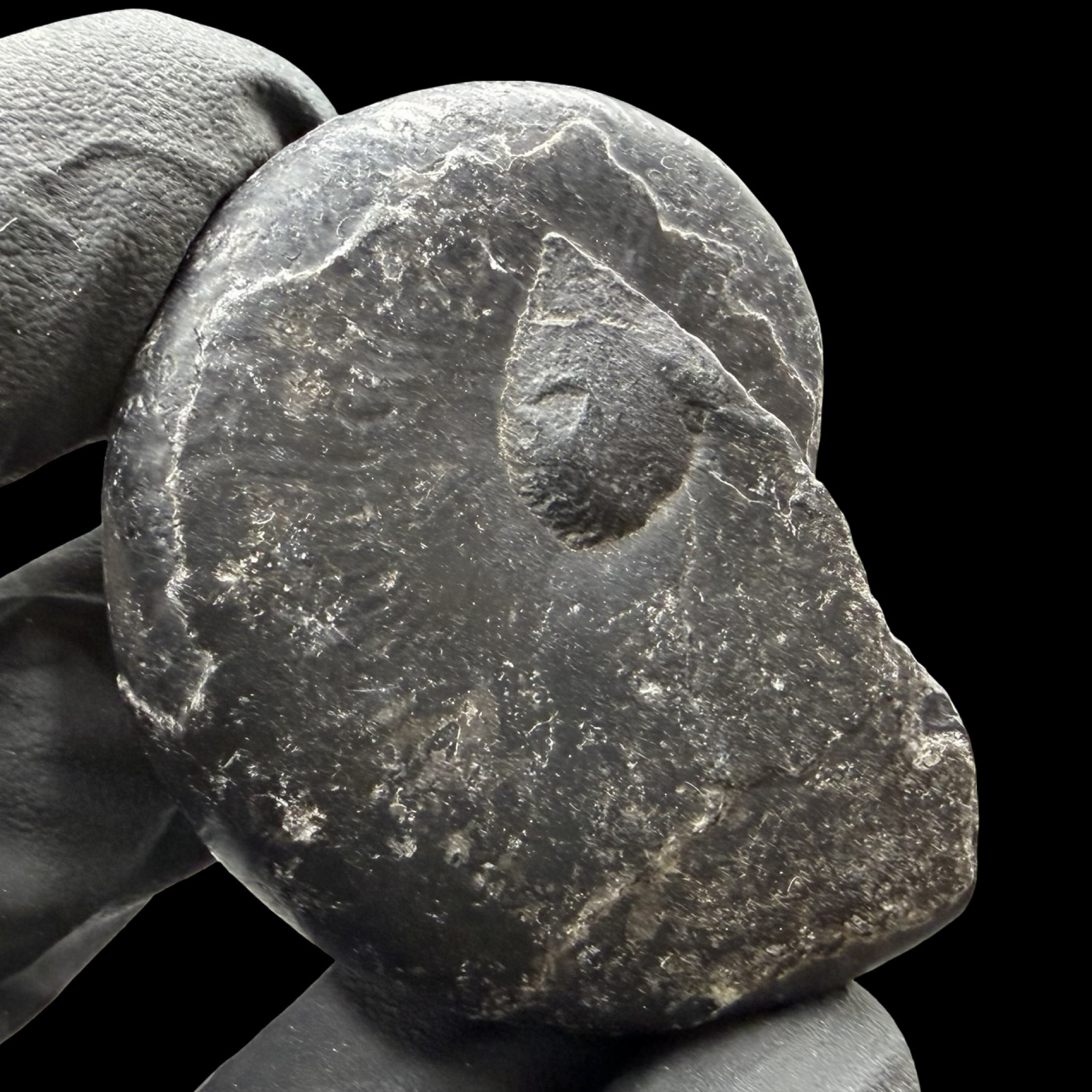
Phylloceras Partschiceras Ammonite Fossil Cretaceous Mexico COA Genuine Rare, Lower Cretaceous Collectable Cephalopod Fossil
£ 36.00
Genuine Phylloceras Partschiceras Ammonite FossilThis listing is for a genuine Phylloceras (Partschiceras) sp. ammonite fossil
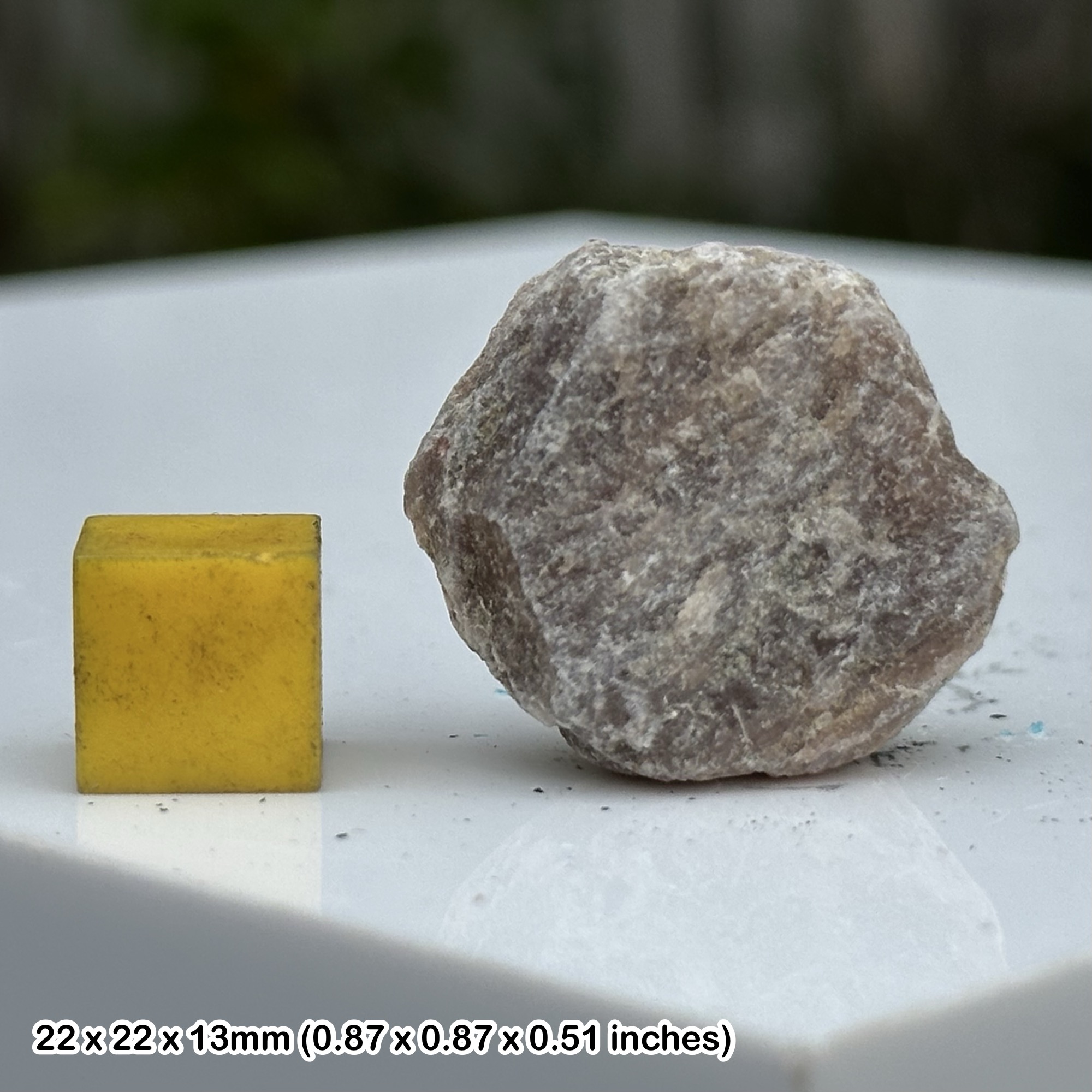
from Mexico, dating to the Lower Cretaceous. This carefully chosen fossil is an authentic natural specimen and includes a Certificate of Authenticity lifetime guarantee generic card. The photograph shows the actual fossil you will receive, so the piece pictured is the exact specimen supplied. Full sizing details can be seen in the photo.Ammonites are among the most recognisable and collectable fossils in the world, prized for their spiral shell form, prehistoric age, and scientific importance. This specimen is ideal for collectors of Cretaceous fossils, ammonites, Mexican fossils, cephalopods, natural history specimens, educational displays, and genuine prehistoric marine life.Species and Fossil TypePhylloceras (Partschiceras) sp. is an ammonite, an extinct marine cephalopod related to modern squid, cuttlefish, octopus, and nautilus. Ammonites lived in ancient seas and possessed coiled, chambered shells. The living animal occupied the outer body chamber, while the internal chambers helped control buoyancy, allowing the ammonite to move through the water column.Phylloceras belongs to the phylloceratid ammonites, a long-ranging and important group of ammonoids known for their generally smooth, elegant, compressed shells and highly intricate suture patterns. The name Phylloceras refers to the leaf-like form of the sutures, which are complex internal shell structures visible in some preserved specimens. Partschiceras is commonly treated as a subgenus or closely related grouping within Phylloceras, recognised among collectors and palaeontologists for its refined shell shape and classic ammonite appearance.Lower Cretaceous AgeThis fossil dates to the Lower Cretaceous, a major chapter in Earth history that followed the Jurassic Period. During the Early Cretaceous, warm seas covered many regions of the world, supporting diverse marine ecosystems filled with ammonites, belemnites, bivalves, gastropods, echinoids, fish, marine reptiles, and many microscopic organisms.Ammonites were especially successful during the Cretaceous and evolved into a wide variety of shell forms. Their rapid evolution and wide distribution make them important fossils for dating and comparing marine rock layers. A Lower Cretaceous ammonite such as Phylloceras (Partschiceras) sp. represents a genuine piece of prehistoric ocean life from a time when marine environments were changing and diversifying across the globe.Mexican Fossil LocalityThis specimen comes from Mexico, a country known for important Mesozoic marine deposits and a wide variety of fossil-bearing sedimentary rocks. During the Cretaceous, parts of what is now Mexico were covered by ancient seas connected to broader oceanic systems. These marine environments provided ideal conditions for ammonites and other sea creatures to live, die, become buried in sediment, and eventually fossilise over millions of years.Mexican ammonites are appreciated by collectors for their geological interest, attractive preservation, and connection to ancient Cretaceous marine environments. Fossils from these deposits provide a window into the prehistoric seas that once covered parts of North America and the surrounding regions.Morphology and Collectable FeaturesPhylloceras and related phylloceratid ammonites are often admired for their smooth, refined, and elegant shell form. Depending on preservation, specimens may show a compressed spiral shell, rounded to gently curved whorls, subtle growth lines, natural mineralisation, a visible umbilicus, and fine shell surface detail. In some examples, the complex suture pattern may be visible, showing the intricate internal architecture that helped make ammonites such important fossils for scientific study.This fossil has strong appeal as both a natural history specimen and a display piece. Its classic ammonite shape makes it instantly recognisable, while its Lower Cretaceous age and Mexican provenance add scientific and collectable interest. As a genuine natural fossil, it may show normal features such as matrix attachment, mineral replacement, surface texture, small chips, repairs, weathering, compression, or natural colour variation. These characteristics are typical of authentic fossils and form part of the individual character of the specimen.Provenance and AuthenticityFossil type: AmmoniteGenus: PhyllocerasSubgenus: PartschicerasSpecies: sp.Age: Lower CretaceousLocality: MexicoCertificate: Includes a Certificate of Authenticity lifetime guarantee generic cardSpecimen shown: The photo shows the actual fossil you will receiveSize: Full sizing shown in the photoThis Phylloceras (Partschiceras) sp. ammonite fossil is a carefully selected genuine specimen suitable for fossil collectors, geology enthusiasts, educational collections, display cabinets, and prehistoric-themed gifts. Its Lower Cretaceous age, Mexican origin, elegant ammonite form, and included Certificate of Authenticity make it a desirable addition to any collection of genuine fossils, ammonites, cephalopods, and ancient marine life.
from Mexico, dating to the Lower Cretaceous. This carefully chosen fossil is an authentic natural specimen and includes a Certificate of Authenticity lifetime guarantee generic card. The photograph shows the actual fossil you will receive, so the piece pictured is the exact specimen supplied. Full sizing details can be seen in the photo.Ammonites are among the most recognisable and collectable fossils in the world, prized for their spiral shell form, prehistoric age, and scientific importance. This specimen is ideal for collectors of Cretaceous fossils, ammonites, Mexican fossils, cephalopods, natural history specimens, educational displays, and genuine prehistoric marine life.Species and Fossil TypePhylloceras (Partschiceras) sp. is an ammonite, an extinct marine cephalopod related to modern squid, cuttlefish, octopus, and nautilus. Ammonites lived in ancient seas and possessed coiled, chambered shells. The living animal occupied the outer body chamber, while the internal chambers helped control buoyancy, allowing the ammonite to move through the water column.Phylloceras belongs to the phylloceratid ammonites, a long-ranging and important group of ammonoids known for their generally smooth, elegant, compressed shells and highly intricate suture patterns. The name Phylloceras refers to the leaf-like form of the sutures, which are complex internal shell structures visible in some preserved specimens. Partschiceras is commonly treated as a subgenus or closely related grouping within Phylloceras, recognised among collectors and palaeontologists for its refined shell shape and classic ammonite appearance.Lower Cretaceous AgeThis fossil dates to the Lower Cretaceous, a major chapter in Earth history that followed the Jurassic Period. During the Early Cretaceous, warm seas covered many regions of the world, supporting diverse marine ecosystems filled with ammonites, belemnites, bivalves, gastropods, echinoids, fish, marine reptiles, and many microscopic organisms.Ammonites were especially successful during the Cretaceous and evolved into a wide variety of shell forms. Their rapid evolution and wide distribution make them important fossils for dating and comparing marine rock layers. A Lower Cretaceous ammonite such as Phylloceras (Partschiceras) sp. represents a genuine piece of prehistoric ocean life from a time when marine environments were changing and diversifying across the globe.Mexican Fossil LocalityThis specimen comes from Mexico, a country known for important Mesozoic marine deposits and a wide variety of fossil-bearing sedimentary rocks. During the Cretaceous, parts of what is now Mexico were covered by ancient seas connected to broader oceanic systems. These marine environments provided ideal conditions for ammonites and other sea creatures to live, die, become buried in sediment, and eventually fossilise over millions of years.Mexican ammonites are appreciated by collectors for their geological interest, attractive preservation, and connection to ancient Cretaceous marine environments. Fossils from these deposits provide a window into the prehistoric seas that once covered parts of North America and the surrounding regions.Morphology and Collectable FeaturesPhylloceras and related phylloceratid ammonites are often admired for their smooth, refined, and elegant shell form. Depending on preservation, specimens may show a compressed spiral shell, rounded to gently curved whorls, subtle growth lines, natural mineralisation, a visible umbilicus, and fine shell surface detail. In some examples, the complex suture pattern may be visible, showing the intricate internal architecture that helped make ammonites such important fossils for scientific study.This fossil has strong appeal as both a natural history specimen and a display piece. Its classic ammonite shape makes it instantly recognisable, while its Lower Cretaceous age and Mexican provenance add scientific and collectable interest. As a genuine natural fossil, it may show normal features such as matrix attachment, mineral replacement, surface texture, small chips, repairs, weathering, compression, or natural colour variation. These characteristics are typical of authentic fossils and form part of the individual character of the specimen.Provenance and AuthenticityFossil type: AmmoniteGenus: PhyllocerasSubgenus: PartschicerasSpecies: sp.Age: Lower CretaceousLocality: MexicoCertificate: Includes a Certificate of Authenticity lifetime guarantee generic cardSpecimen shown: The photo shows the actual fossil you will receiveSize: Full sizing shown in the photoThis Phylloceras (Partschiceras) sp. ammonite fossil is a carefully selected genuine specimen suitable for fossil collectors, geology enthusiasts, educational collections, display cabinets, and prehistoric-themed gifts. Its Lower Cretaceous age, Mexican origin, elegant ammonite form, and included Certificate of Authenticity make it a desirable addition to any collection of genuine fossils, ammonites, cephalopods, and ancient marine life.
Other Products