Agate Slice 4-5 Inch Natural Banded Chalcedony Crystal Mineral Specimen Display Stone Collectable Quartz Agate with Certificate
£ 20.64
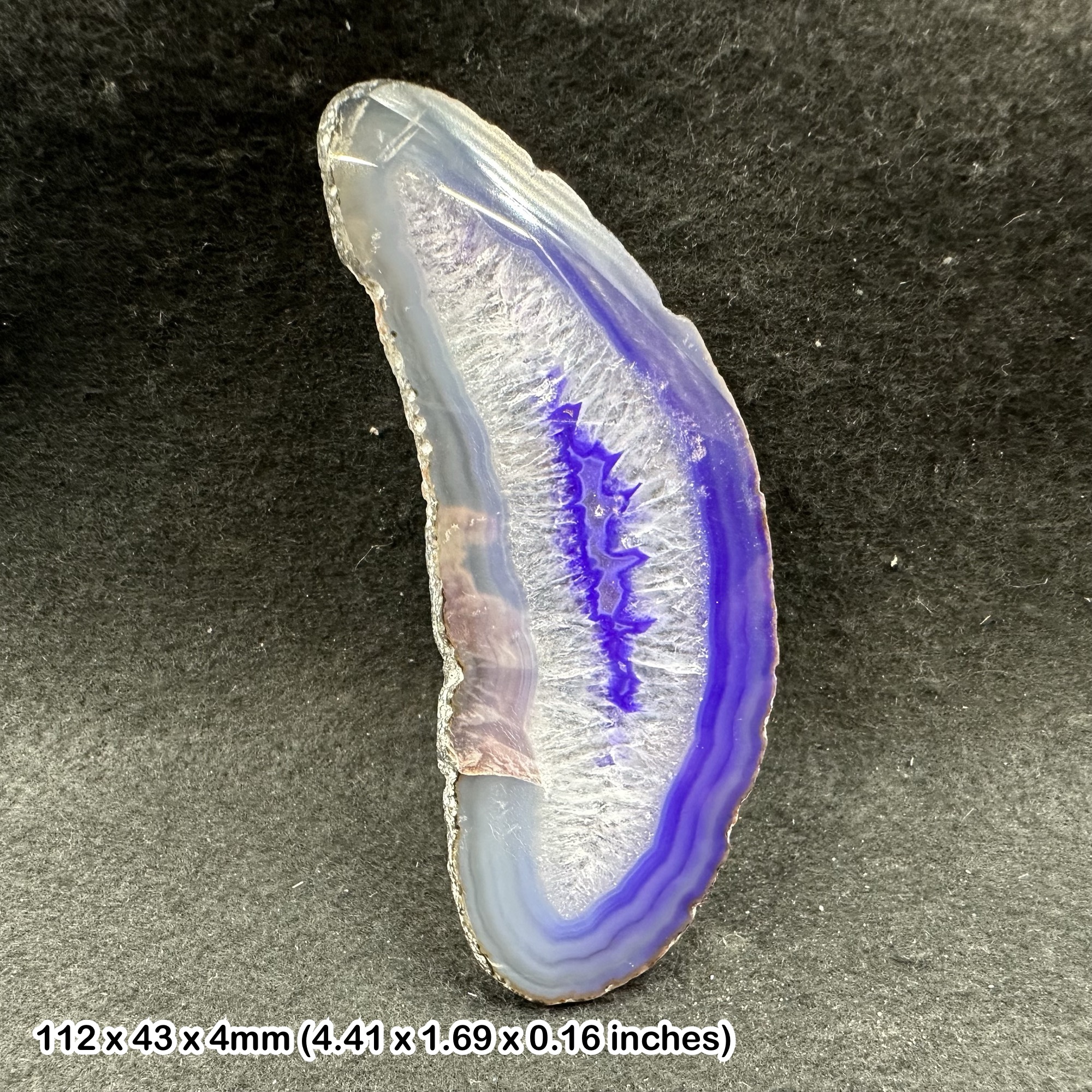
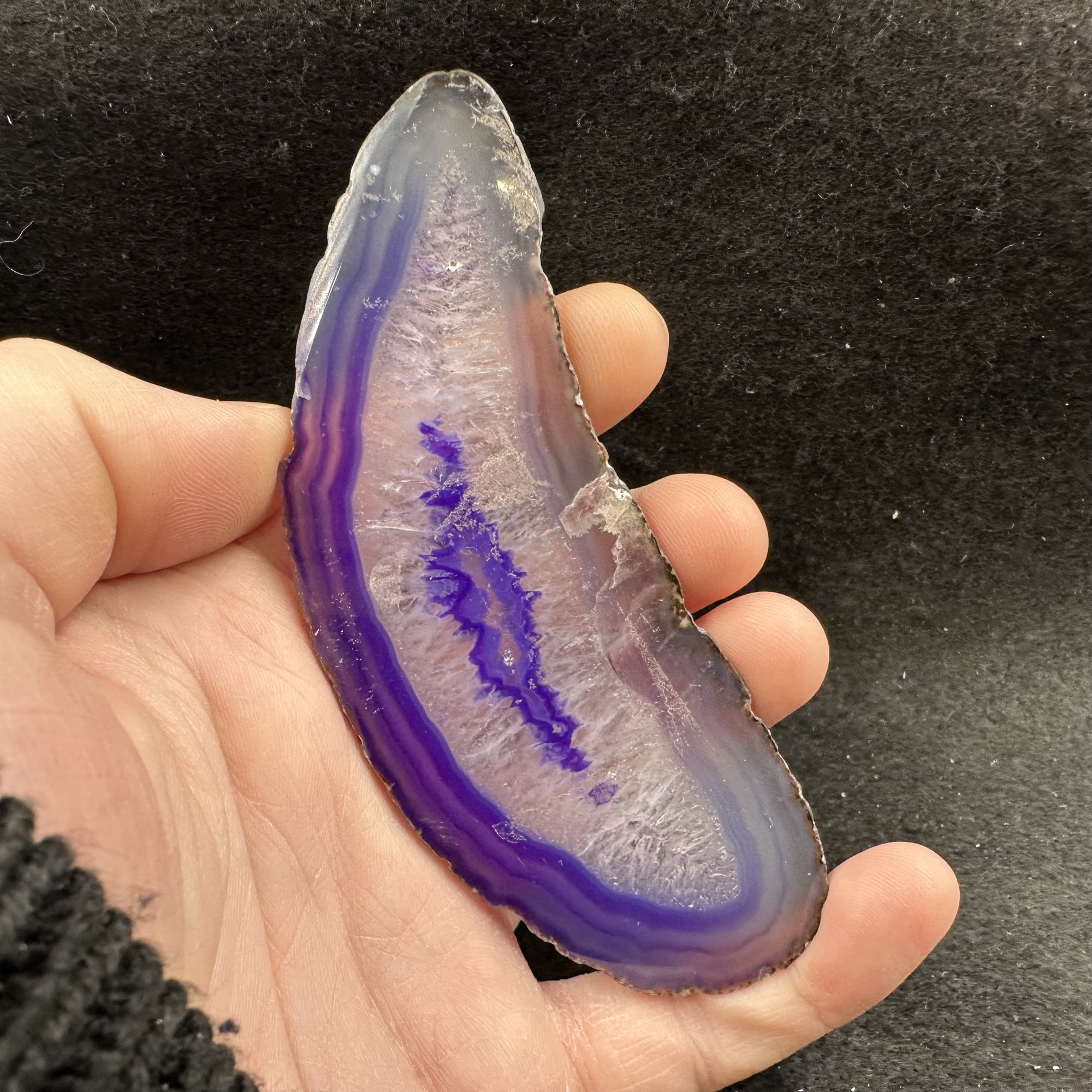
Natural Agate Slice Mineral Specimen (4–5 Inch Display Piece)This listing features a genuine Agate slice measuring approximately 4–5 inches,
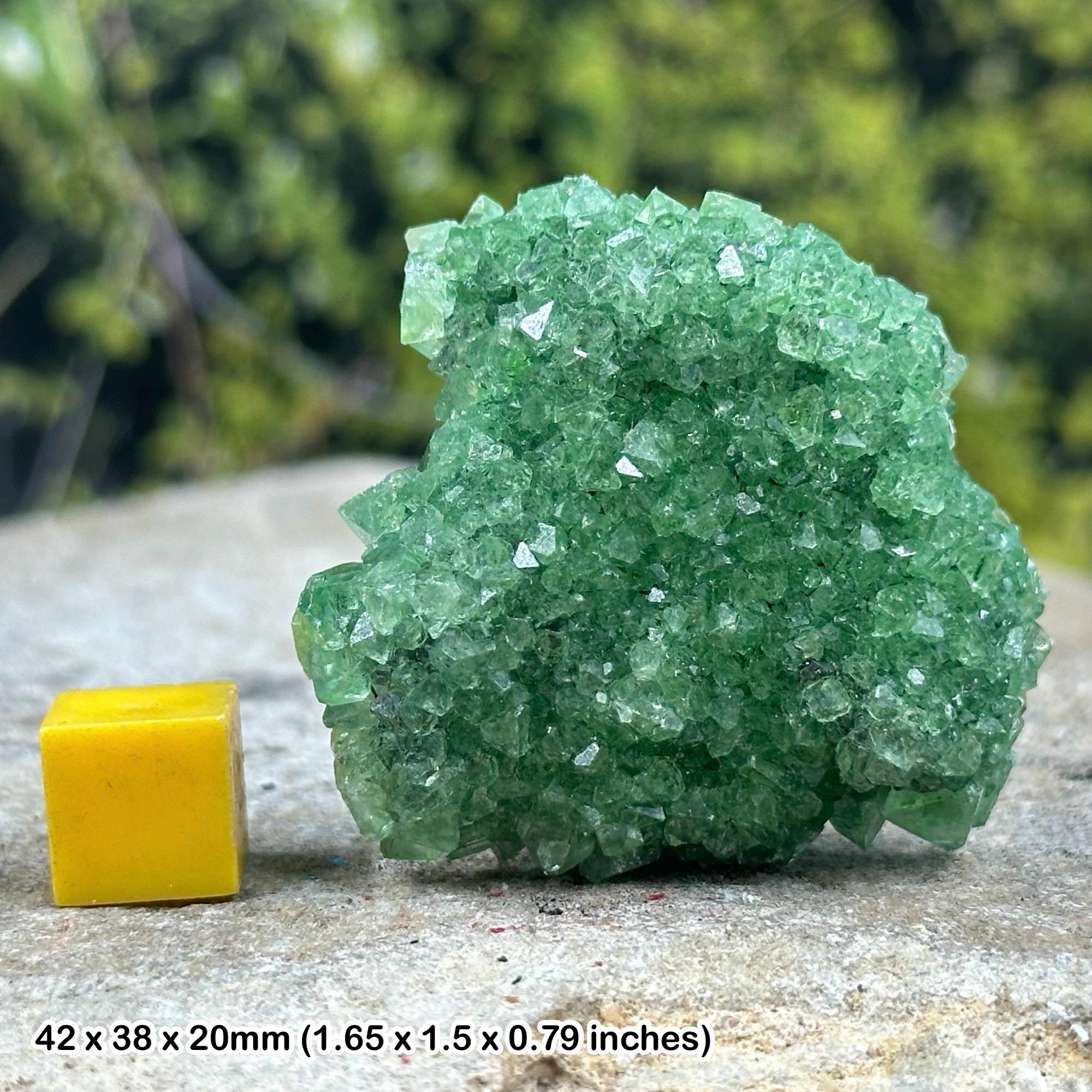
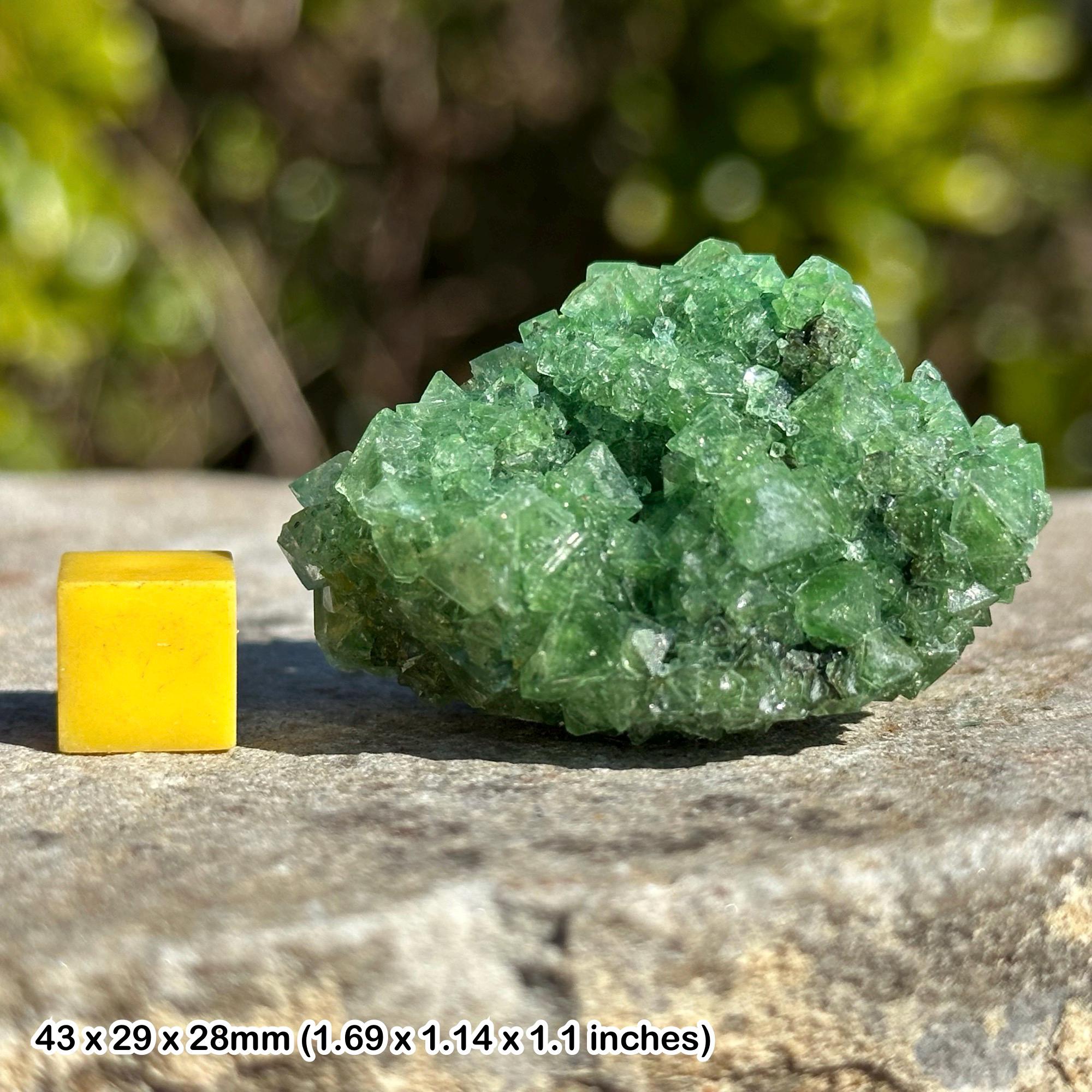
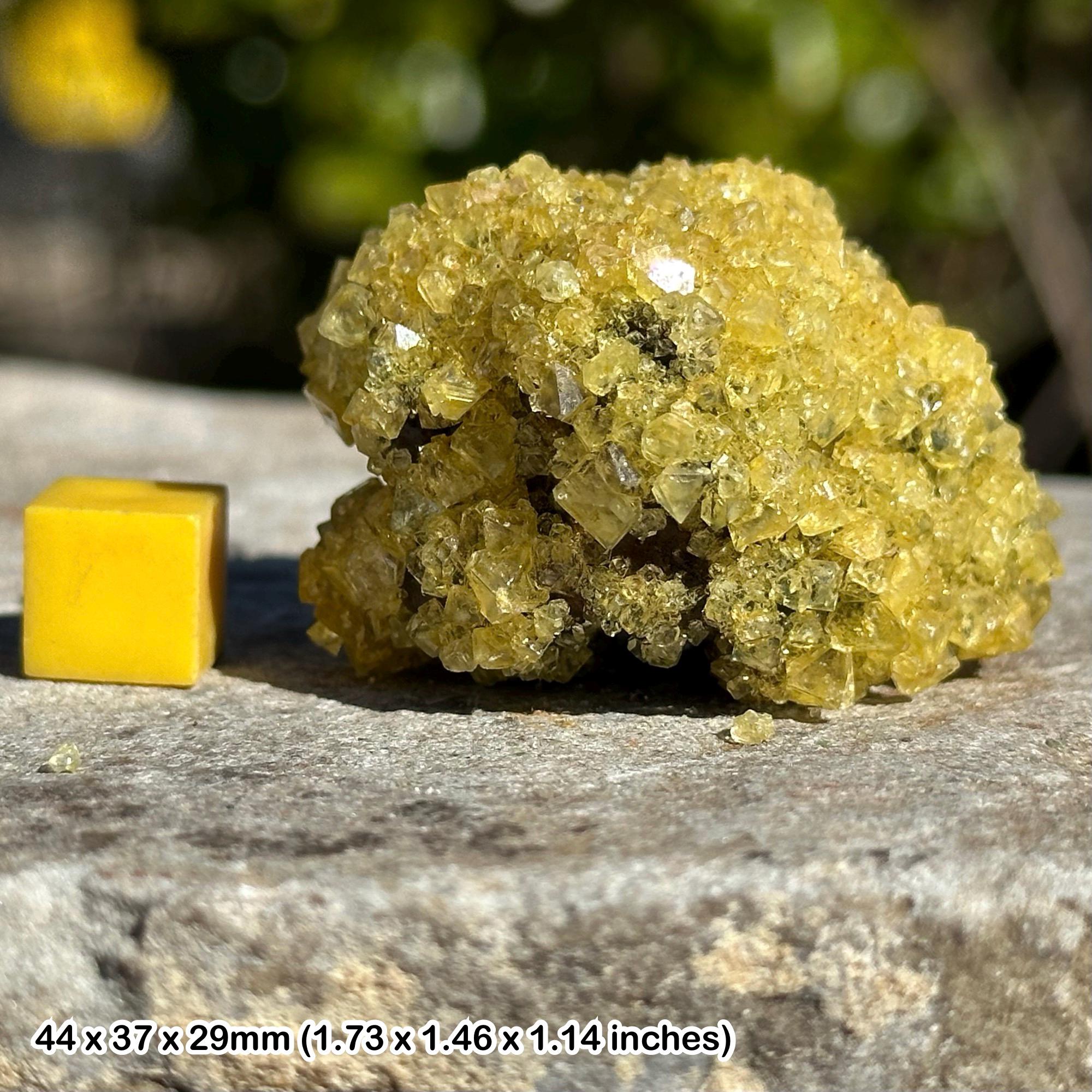
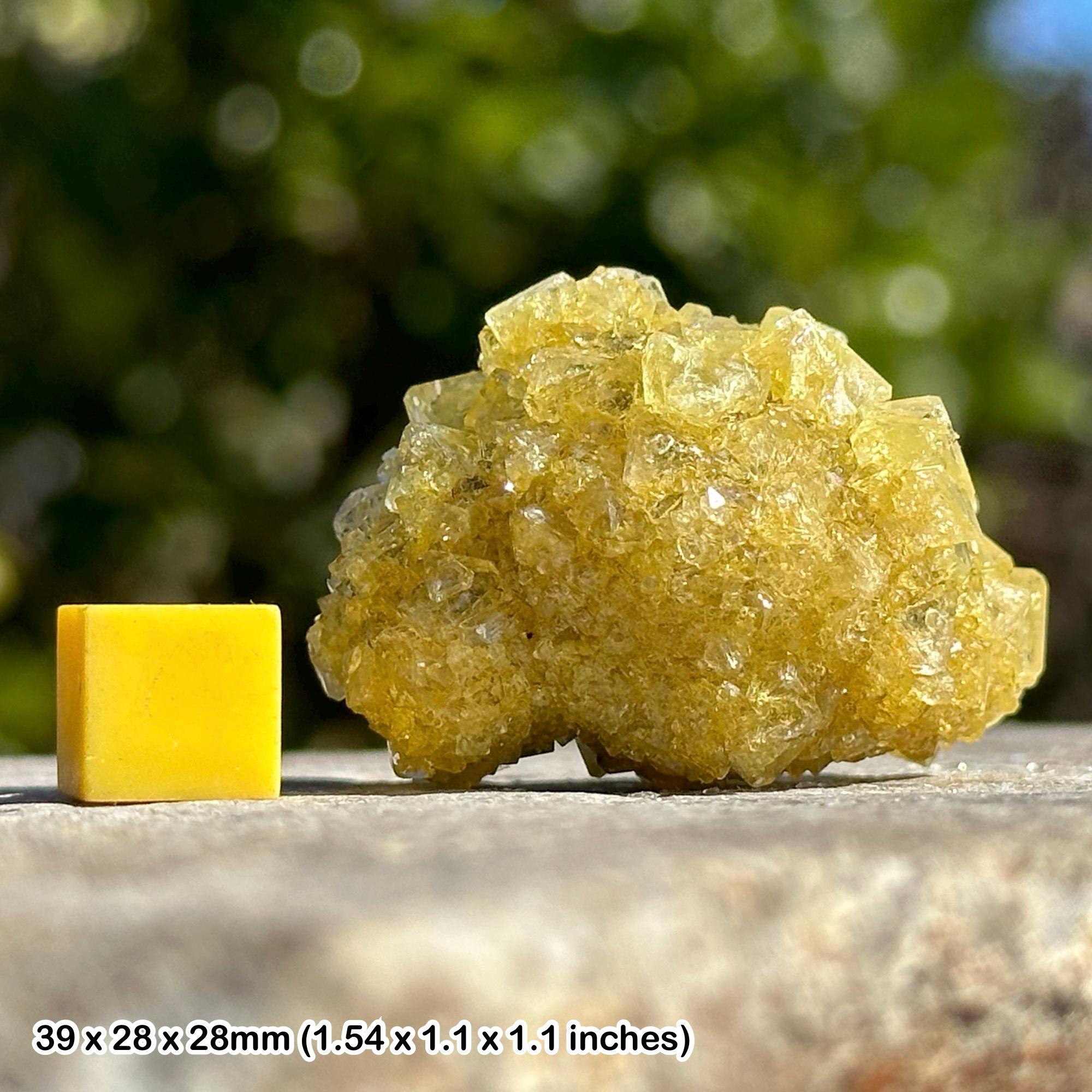
a striking natural mineral specimen displaying the distinctive banding patterns typical of chalcedony quartz. Carefully selected for its visual structure and natural patterning, this specimen is ideal for mineral collectors, geology enthusiasts, decorative displays, or as a distinctive natural history gift.The photograph in the listing shows the exact specimen you will receive, allowing you to examine the natural banding, colour variations, and internal structure of the stone prior to purchase. Each agate slice forms through unique geological processes, meaning every specimen displays its own individual patterns and mineral character.This crystal includes a Certificate of Authenticity lifetime guarantee generic card, confirming that the mineral specimen is genuine.Full sizing can be clearly seen in the listing photographs.Mineral Identification and Geological ClassificationAgate is a banded variety of chalcedony, which belongs to the quartz mineral family composed primarily of silicon dioxide (SiO₂). Chalcedony forms as a cryptocrystalline structure, meaning the quartz crystals are extremely fine and intergrown at a microscopic scale.Agate develops when silica-rich groundwater fills cavities within volcanic rock, commonly in basalt formations. Over long geological periods, layers of silica slowly deposit along the cavity walls, forming the distinctive concentric banding patterns that make agate easily recognisable.Key mineralogical properties include:
• Mineral group: Quartz (Chalcedony variety)
• Chemical composition: Silicon dioxide (SiO₂)
• Crystal system: Trigonal (cryptocrystalline form)
• Hardness: 6.5–7 on the Mohs scale
• Lustre: Waxy to vitreous when polished
• Transparency: Translucent to opaque depending on band layersThe layered deposition of silica often produces contrasting colour bands, translucent zones, and intricate internal structures.Formation of Banded Agate StructuresAgate forms through a repeated process of mineral deposition within hollow rock cavities. As silica-rich fluids enter these spaces, microscopic quartz fibres begin to crystallise along the cavity walls.Over time, variations in mineral content, temperature, and groundwater chemistry produce distinct bands of colour and translucency. Iron oxides, manganese, and other trace elements may influence the final colours visible within the agate layers.This layered growth produces the classic agate appearance of:
• Parallel banding
• Concentric rings
• Cloud-like mineral patterns
• Occasional crystalline quartz centresSome slices may reveal small internal cavities lined with microcrystalline quartz or druzy crystal growth, highlighting the interior of the original volcanic gas pocket.Agate Slice Preparation and Lapidary FinishTo reveal the internal structure of agate nodules, the stone is carefully cut into slices and polished, exposing the intricate banding patterns hidden inside the outer mineral rind. The polished surfaces enhance the natural colour contrast and allow light to pass through translucent sections of the chalcedony layers.Agate slices are widely appreciated in mineral collections because they provide a cross-sectional view of the geological formation process, allowing collectors to observe the layered growth of silica minerals over time.The polished faces make the specimen suitable for:
• Mineral display collections
• Decorative natural stone displays
• Educational geology collections
• Lapidary and gemstone appreciationThe outer edges may retain natural textures or be polished depending on the preparation style.Colour Variations and Natural Mineral PatternsAgate can display a wide range of colours depending on trace minerals present during formation. Common colour bands may include:
• White or milky chalcedony layers
• Grey and translucent quartz bands
• Brown, red, or orange iron-rich layers
• Soft blue or pale grey tonesThese colours appear in layered sequences that reflect changes in the mineral chemistry during the agate’s formation millions of years ago.Each specimen develops unique band thickness, curvature, and internal patterns, making every agate slice visually distinctive.Collecting and Cultural ContextAgate has been used as an ornamental and decorative stone for thousands of years and has appeared in jewellery, carvings, and decorative objects across many cultures. Due to its durability and striking natural patterns, agate remains a popular mineral among collectors and geology enthusiasts.Within some spiritual traditions, agate is traditionally associated with grounding and balance and is sometimes displayed in personal mineral collections or decorative environments. These associations are cultural interpretations rather than scientific properties.Authenticity and Specimen Details
• Genuine natural Agate slice mineral specimen
• Approximate size: 4–5 inches
• Mineral type: Banded Chalcedony (Quartz family)
• Exact specimen shown in the photographs
• Carefully selected collector-quality display piece
• Includes Certificate of Authenticity lifetime guarantee generic cardEach natural agate slice is formed through millions of years of geological processes, making every specimen unique in colour pattern, banding structure, and mineral character.
a striking natural mineral specimen displaying the distinctive banding patterns typical of chalcedony quartz. Carefully selected for its visual structure and natural patterning, this specimen is ideal for mineral collectors, geology enthusiasts, decorative displays, or as a distinctive natural history gift.The photograph in the listing shows the exact specimen you will receive, allowing you to examine the natural banding, colour variations, and internal structure of the stone prior to purchase. Each agate slice forms through unique geological processes, meaning every specimen displays its own individual patterns and mineral character.This crystal includes a Certificate of Authenticity lifetime guarantee generic card, confirming that the mineral specimen is genuine.Full sizing can be clearly seen in the listing photographs.Mineral Identification and Geological ClassificationAgate is a banded variety of chalcedony, which belongs to the quartz mineral family composed primarily of silicon dioxide (SiO₂). Chalcedony forms as a cryptocrystalline structure, meaning the quartz crystals are extremely fine and intergrown at a microscopic scale.Agate develops when silica-rich groundwater fills cavities within volcanic rock, commonly in basalt formations. Over long geological periods, layers of silica slowly deposit along the cavity walls, forming the distinctive concentric banding patterns that make agate easily recognisable.Key mineralogical properties include:
• Mineral group: Quartz (Chalcedony variety)
• Chemical composition: Silicon dioxide (SiO₂)
• Crystal system: Trigonal (cryptocrystalline form)
• Hardness: 6.5–7 on the Mohs scale
• Lustre: Waxy to vitreous when polished
• Transparency: Translucent to opaque depending on band layersThe layered deposition of silica often produces contrasting colour bands, translucent zones, and intricate internal structures.Formation of Banded Agate StructuresAgate forms through a repeated process of mineral deposition within hollow rock cavities. As silica-rich fluids enter these spaces, microscopic quartz fibres begin to crystallise along the cavity walls.Over time, variations in mineral content, temperature, and groundwater chemistry produce distinct bands of colour and translucency. Iron oxides, manganese, and other trace elements may influence the final colours visible within the agate layers.This layered growth produces the classic agate appearance of:
• Parallel banding
• Concentric rings
• Cloud-like mineral patterns
• Occasional crystalline quartz centresSome slices may reveal small internal cavities lined with microcrystalline quartz or druzy crystal growth, highlighting the interior of the original volcanic gas pocket.Agate Slice Preparation and Lapidary FinishTo reveal the internal structure of agate nodules, the stone is carefully cut into slices and polished, exposing the intricate banding patterns hidden inside the outer mineral rind. The polished surfaces enhance the natural colour contrast and allow light to pass through translucent sections of the chalcedony layers.Agate slices are widely appreciated in mineral collections because they provide a cross-sectional view of the geological formation process, allowing collectors to observe the layered growth of silica minerals over time.The polished faces make the specimen suitable for:
• Mineral display collections
• Decorative natural stone displays
• Educational geology collections
• Lapidary and gemstone appreciationThe outer edges may retain natural textures or be polished depending on the preparation style.Colour Variations and Natural Mineral PatternsAgate can display a wide range of colours depending on trace minerals present during formation. Common colour bands may include:
• White or milky chalcedony layers
• Grey and translucent quartz bands
• Brown, red, or orange iron-rich layers
• Soft blue or pale grey tonesThese colours appear in layered sequences that reflect changes in the mineral chemistry during the agate’s formation millions of years ago.Each specimen develops unique band thickness, curvature, and internal patterns, making every agate slice visually distinctive.Collecting and Cultural ContextAgate has been used as an ornamental and decorative stone for thousands of years and has appeared in jewellery, carvings, and decorative objects across many cultures. Due to its durability and striking natural patterns, agate remains a popular mineral among collectors and geology enthusiasts.Within some spiritual traditions, agate is traditionally associated with grounding and balance and is sometimes displayed in personal mineral collections or decorative environments. These associations are cultural interpretations rather than scientific properties.Authenticity and Specimen Details
• Genuine natural Agate slice mineral specimen
• Approximate size: 4–5 inches
• Mineral type: Banded Chalcedony (Quartz family)
• Exact specimen shown in the photographs
• Carefully selected collector-quality display piece
• Includes Certificate of Authenticity lifetime guarantee generic cardEach natural agate slice is formed through millions of years of geological processes, making every specimen unique in colour pattern, banding structure, and mineral character.