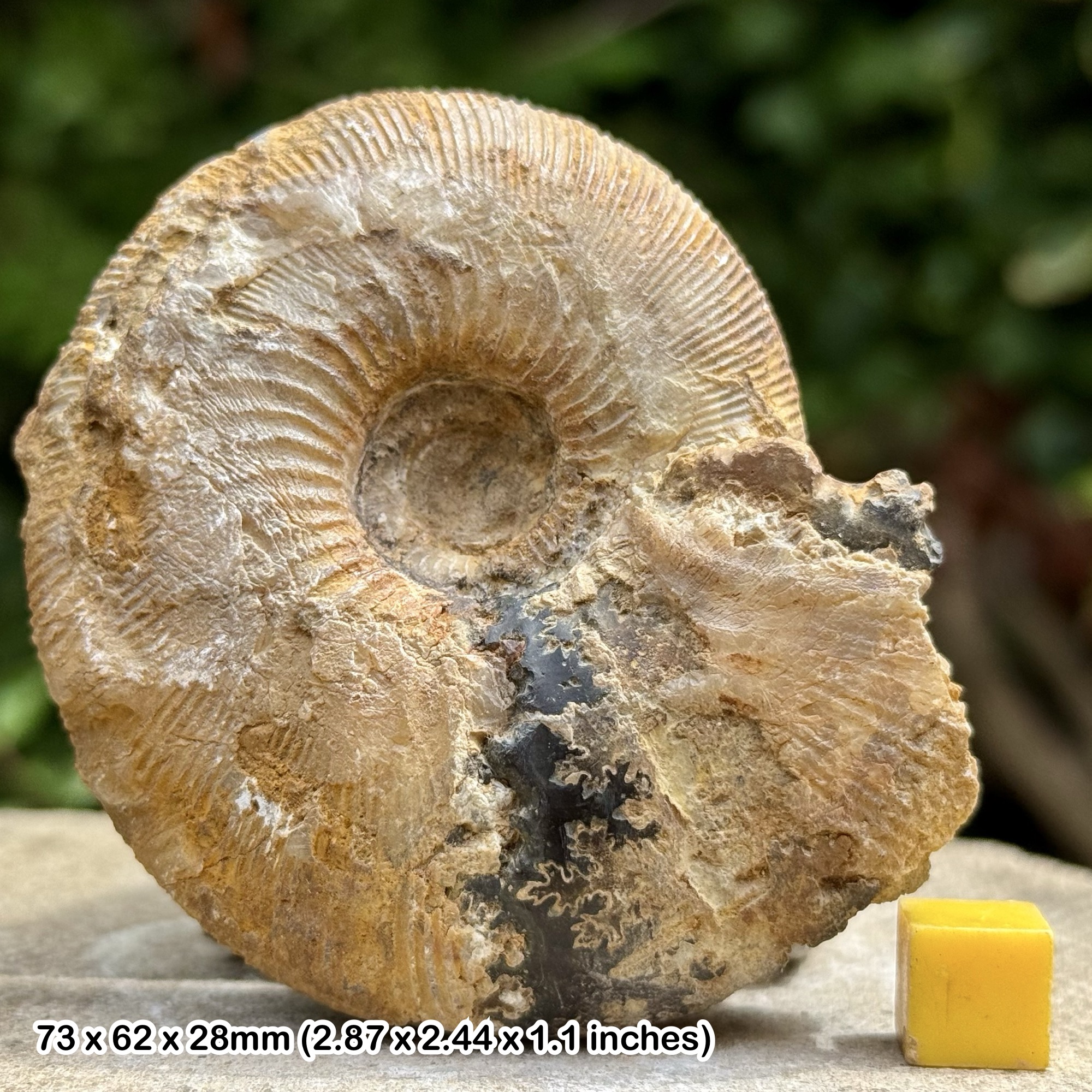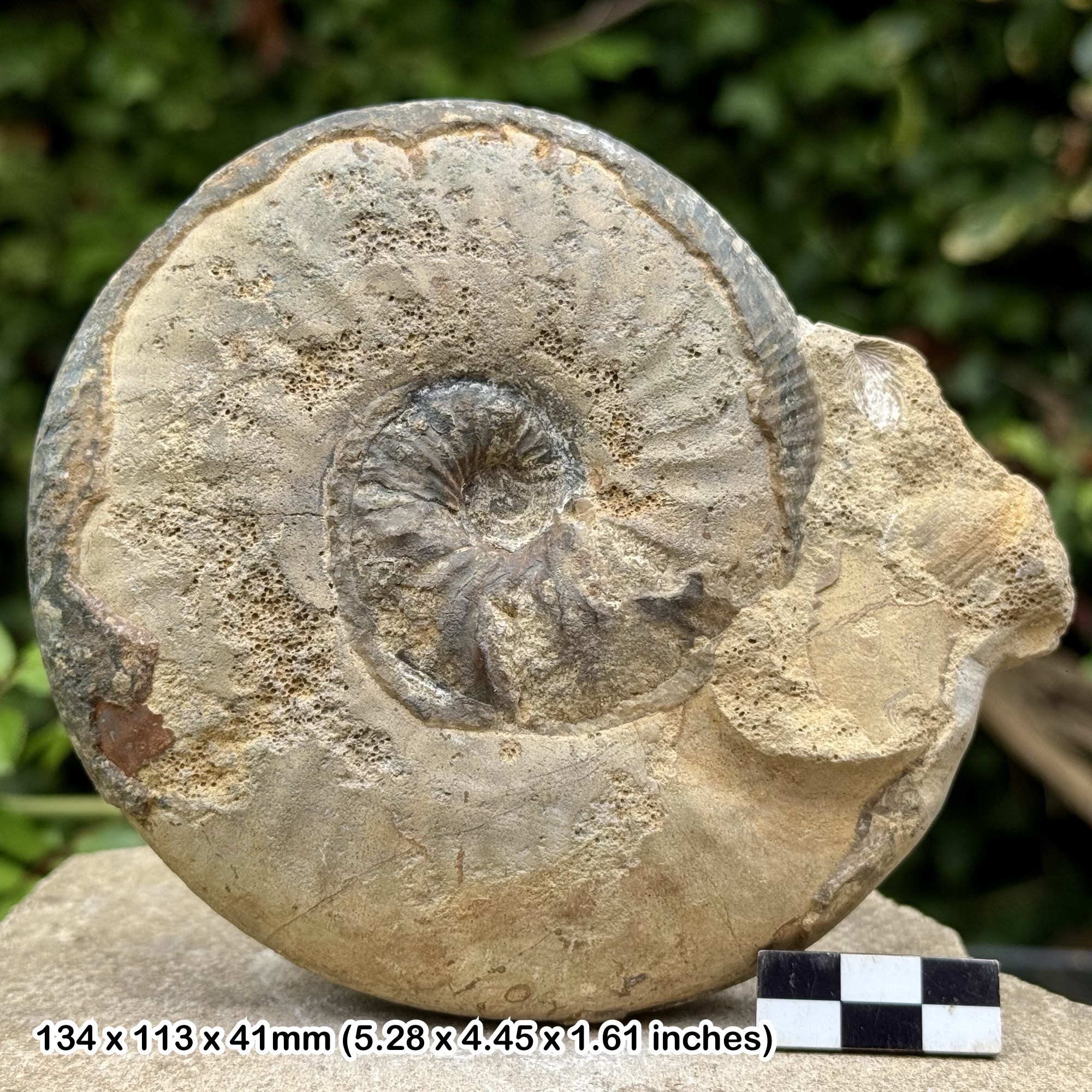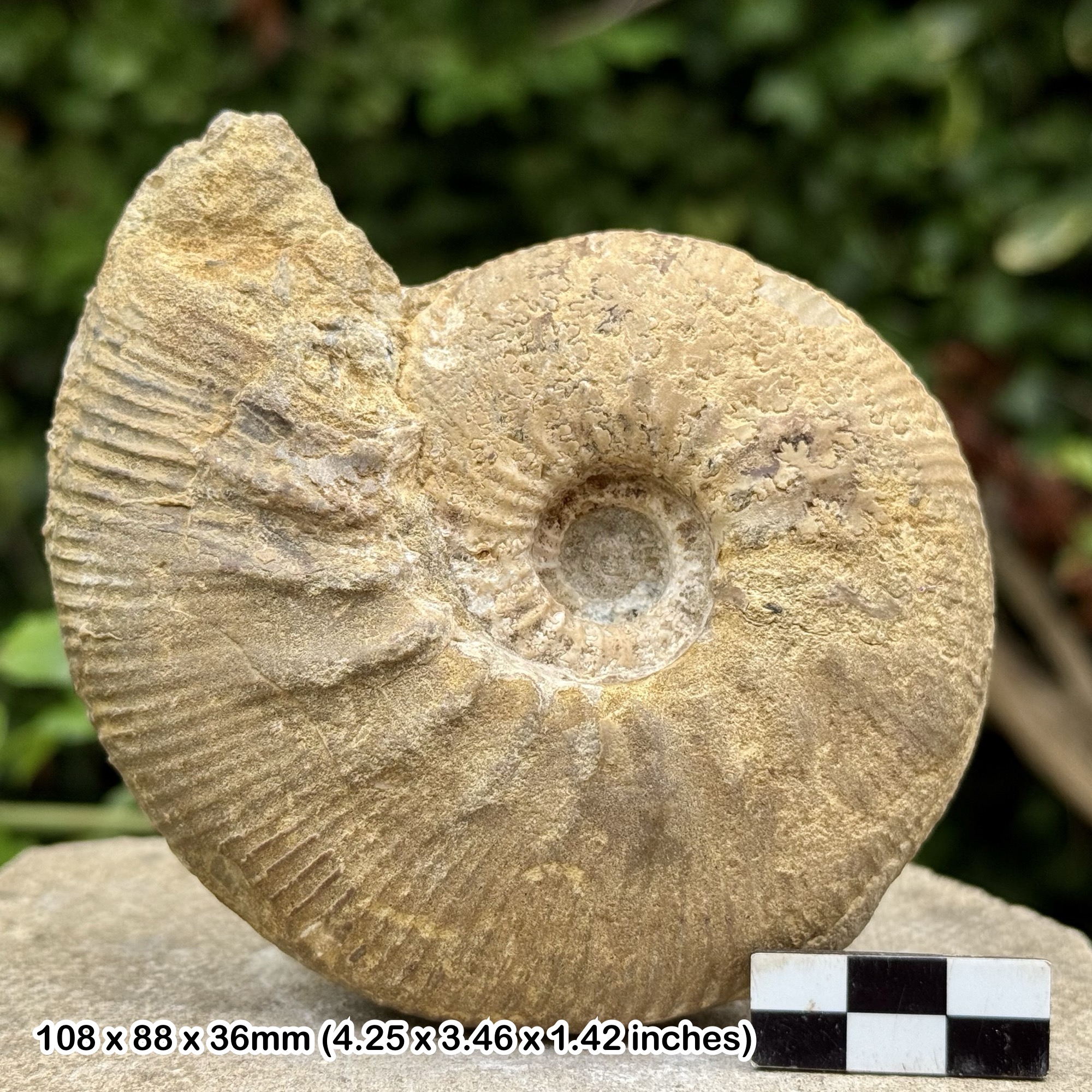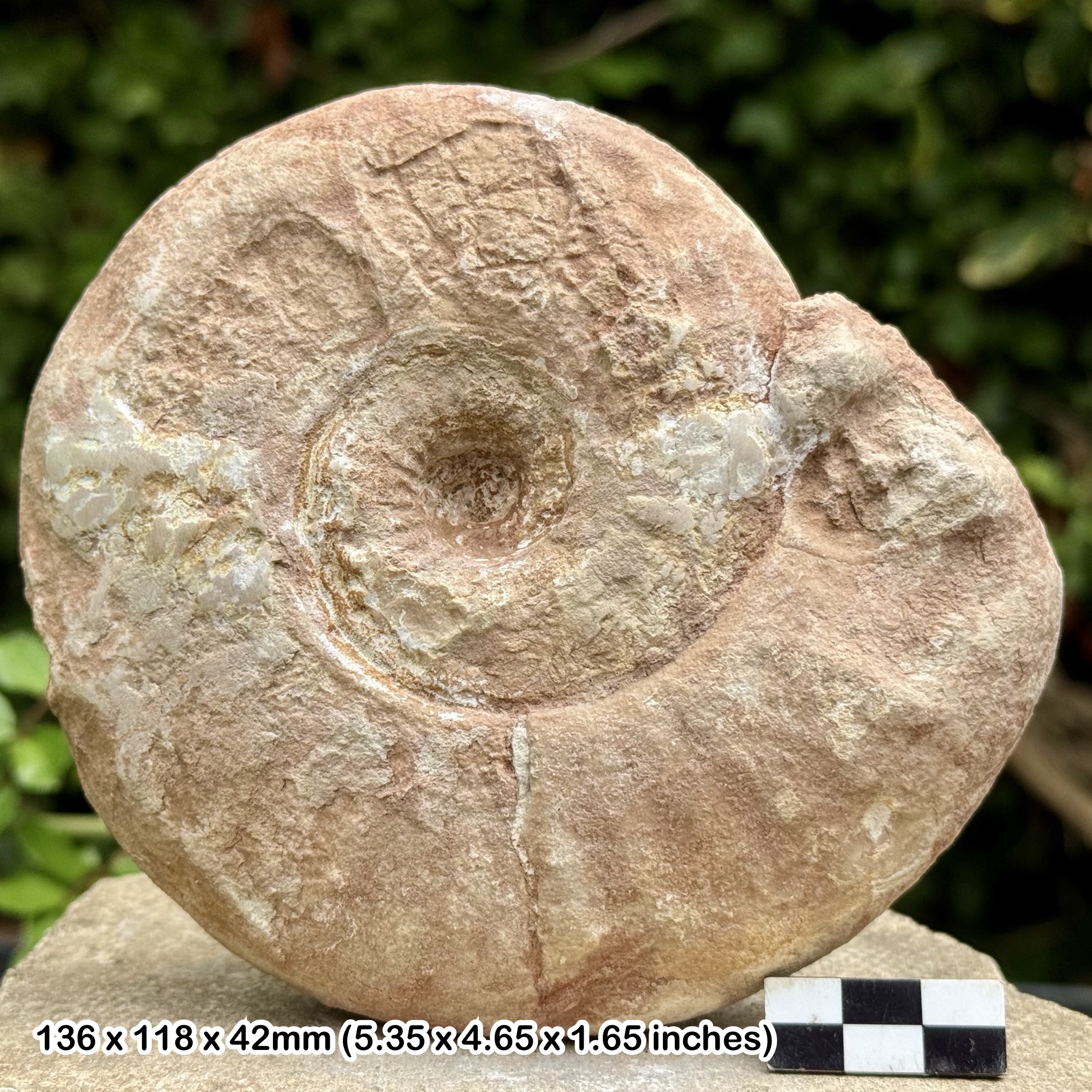
Atrypa reticularis Brachiopod Fossil Silurian Wenlock Edge UK Specimen with Certificate
£ 8.40
GENUINE ATRYPA RETICULARIS BRACHIOPOD FOSSIL FROM WENLOCK EDGE, SHROPSHIREThis genuine Atrypa reticularis brachiopod fossil is a beautifully preserved
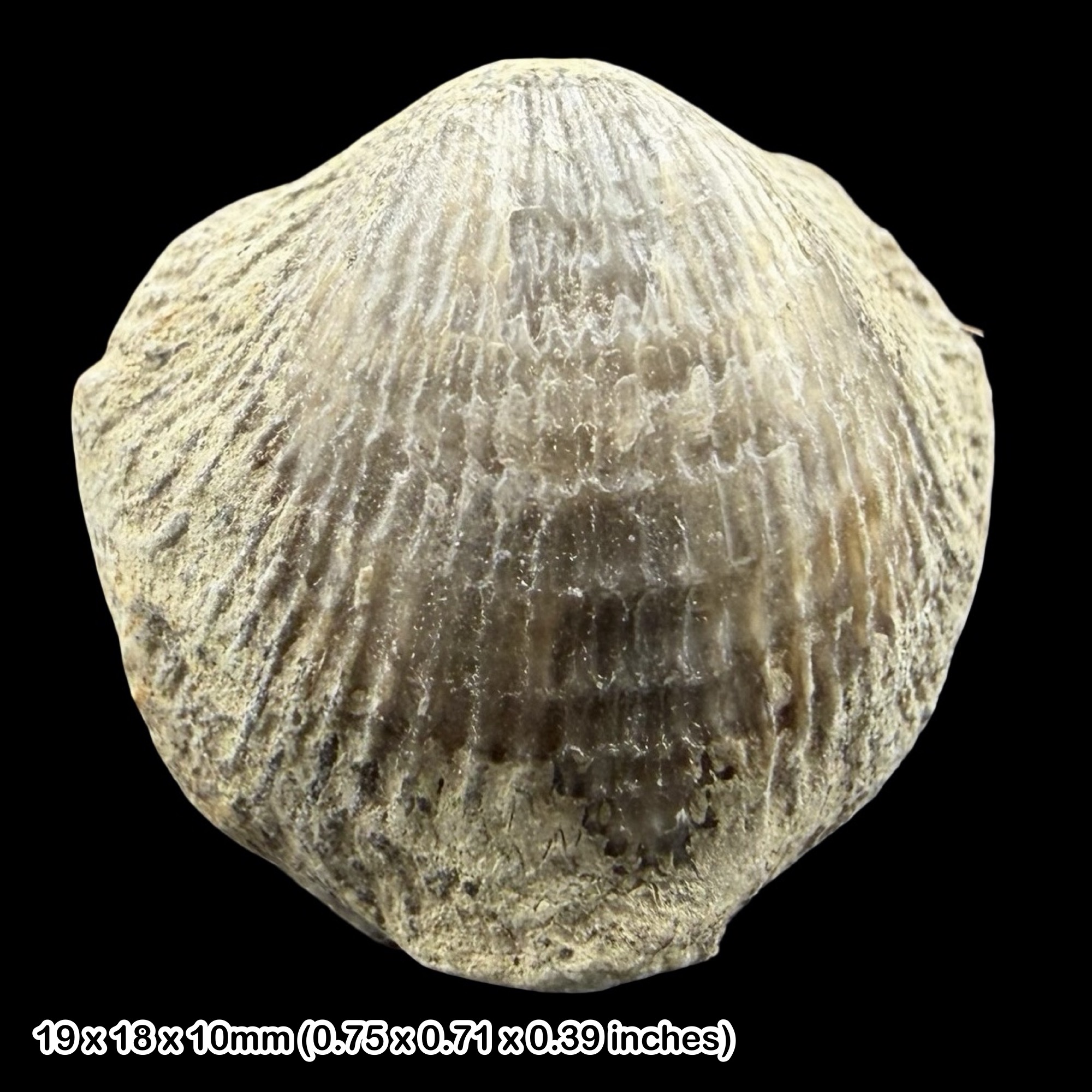
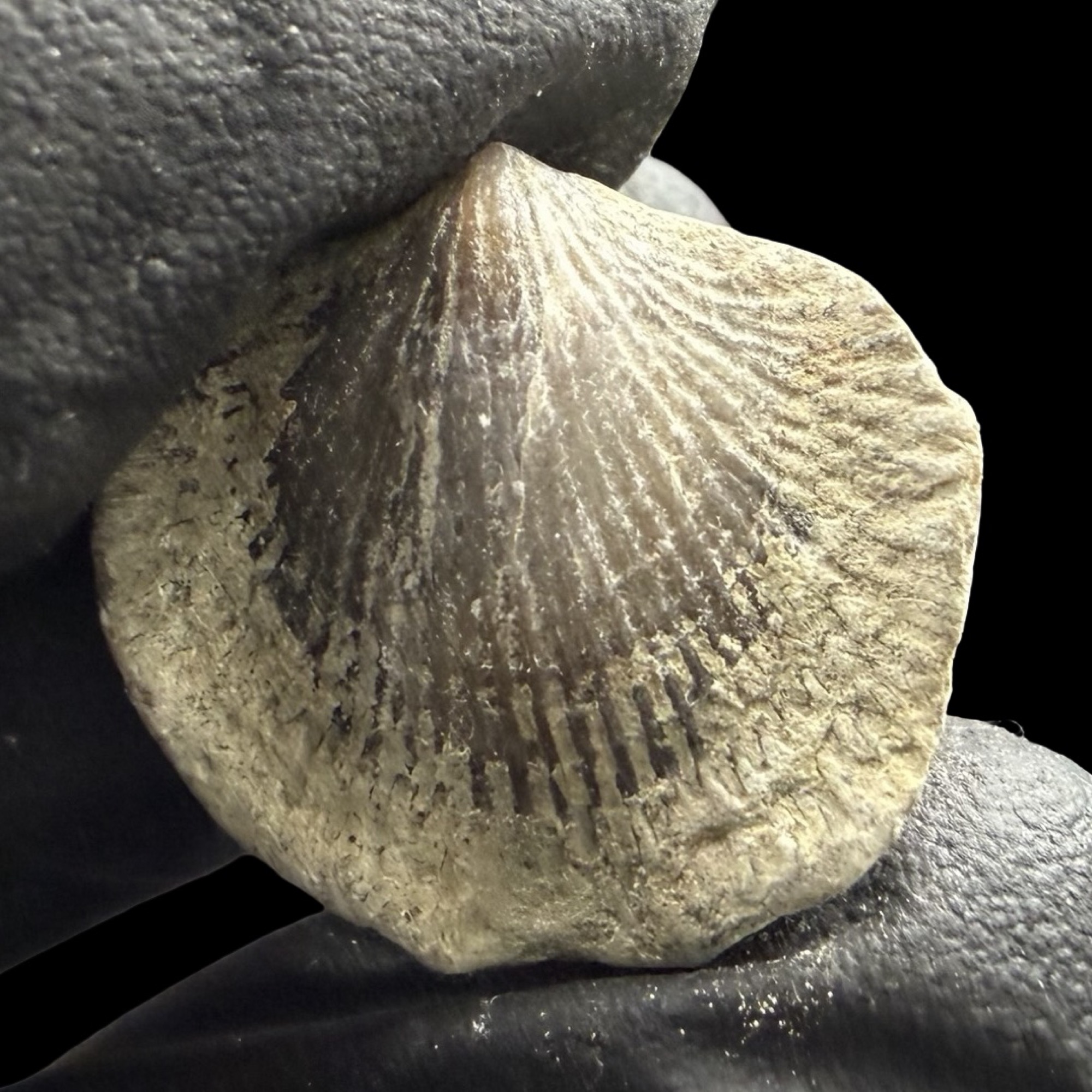
marine invertebrate specimen originating from the Much Wenlock Limestone Formation of Wenlock Edge, Shropshire, United Kingdom. Dating to the Homerian stage of the Silurian Period, approximately 430 million years ago, this fossil represents marine life from a time long before dinosaurs, when shallow tropical seas covered much of prehistoric Britain.The specimen shown in the photographs is the exact fossil you will receive. Carefully selected for its preservation, natural detail and scientific interest, this authentic brachiopod fossil preserves the distinctive shell morphology that has made Atrypa reticularis one of the most recognisable Silurian fossils in Europe.This fossil includes a Certificate of Authenticity lifetime guarantee generic card confirming the specimen is 100% genuine.Full sizing please see photo. ABOUT ATRYPA RETICULARISAtrypa reticularis is an extinct species of brachiopod belonging to the order Atrypida and family Atrypidae. Brachiopods are marine invertebrates with two shells, superficially similar to clams but belonging to an entirely separate biological group with a much older evolutionary history.Atrypa species were filter-feeding organisms that lived attached to or resting upon ancient seabeds where they extracted nutrients from seawater using a specialised feeding structure known as a lophophore. During the Silurian and Devonian periods, brachiopods were among the most abundant marine organisms in the world’s oceans.Atrypa reticularis is especially known for its strongly ribbed shell ornamentation and fine reticulate surface pattern from which its species name is derived. Well-preserved specimens often display detailed growth lines, radiating ribs and the characteristic curved shell profile associated with the genus.This specimen preserves the classic morphology of Atrypa reticularis, including the naturally ribbed shell structure and symmetrical valve form that make the species highly recognisable among fossil collectors and palaeontologists. THE MUCH WENLOCK LIMESTONE FORMATIONThe Much Wenlock Limestone Formation is one of Britain’s most historically important fossil-bearing rock units and forms part of the internationally famous Wenlock Edge escarpment in Shropshire. These limestones were deposited within warm shallow tropical seas during the Silurian Period when marine reefs and carbonate platforms flourished across the region.The Homerian stage of the Wenlock Series preserves a rich diversity of marine fossils including corals, crinoids, trilobites, brachiopods and bryozoans. Fossils from Wenlock Edge have been studied for centuries and played an important role in the early development of British geology and palaeontology.The limestone sediments accumulated in clear oxygen-rich marine environments ideal for supporting abundant marine life and preserving fossil material in remarkable detail. NATURAL FOSSIL PRESERVATIONThis fossil retains authentic natural preservation and has not been artificially cast or reconstructed. The visible shell ornamentation, ribbing and mineralisation formed naturally over hundreds of millions of years during fossilisation within Silurian marine sediments.The specimen displays genuine geological character with preserved anatomical detail typical of Atrypa reticularis. Variations in colour and surface texture are entirely natural and reflect the mineral conditions present during fossilisation.Brachiopod fossils from Wenlock Edge are highly collectable due to their historical geological significance and excellent preservation. Specimens such as this provide a direct connection to ancient marine ecosystems that existed long before terrestrial vertebrates dominated the planet. SCIENTIFIC AND COLLECTABLE IMPORTANCEAtrypa reticularis is one of the classic index fossils of Silurian marine deposits and has been widely studied in palaeontology due to its abundance, recognisable morphology and broad geographic distribution.The Silurian limestones of Wenlock Edge are internationally recognised for their fossil diversity and importance in understanding Paleozoic reef ecosystems. Fossils from this formation provide valuable evidence of marine biodiversity during a critical stage in Earth’s evolutionary history.This specimen is ideal for collectors of brachiopod fossils, British fossils, Silurian fossils, marine invertebrates, Paleozoic fossils and authentic prehistoric natural history specimens. CERTIFICATE OF AUTHENTICITYIncluded with the fossil is a Certificate of Authenticity lifetime guarantee generic card confirming that the specimen is genuine. The photographs provided show the exact fossil you will receive, allowing collectors and buyers to purchase with complete confidence.
marine invertebrate specimen originating from the Much Wenlock Limestone Formation of Wenlock Edge, Shropshire, United Kingdom. Dating to the Homerian stage of the Silurian Period, approximately 430 million years ago, this fossil represents marine life from a time long before dinosaurs, when shallow tropical seas covered much of prehistoric Britain.The specimen shown in the photographs is the exact fossil you will receive. Carefully selected for its preservation, natural detail and scientific interest, this authentic brachiopod fossil preserves the distinctive shell morphology that has made Atrypa reticularis one of the most recognisable Silurian fossils in Europe.This fossil includes a Certificate of Authenticity lifetime guarantee generic card confirming the specimen is 100% genuine.Full sizing please see photo. ABOUT ATRYPA RETICULARISAtrypa reticularis is an extinct species of brachiopod belonging to the order Atrypida and family Atrypidae. Brachiopods are marine invertebrates with two shells, superficially similar to clams but belonging to an entirely separate biological group with a much older evolutionary history.Atrypa species were filter-feeding organisms that lived attached to or resting upon ancient seabeds where they extracted nutrients from seawater using a specialised feeding structure known as a lophophore. During the Silurian and Devonian periods, brachiopods were among the most abundant marine organisms in the world’s oceans.Atrypa reticularis is especially known for its strongly ribbed shell ornamentation and fine reticulate surface pattern from which its species name is derived. Well-preserved specimens often display detailed growth lines, radiating ribs and the characteristic curved shell profile associated with the genus.This specimen preserves the classic morphology of Atrypa reticularis, including the naturally ribbed shell structure and symmetrical valve form that make the species highly recognisable among fossil collectors and palaeontologists. THE MUCH WENLOCK LIMESTONE FORMATIONThe Much Wenlock Limestone Formation is one of Britain’s most historically important fossil-bearing rock units and forms part of the internationally famous Wenlock Edge escarpment in Shropshire. These limestones were deposited within warm shallow tropical seas during the Silurian Period when marine reefs and carbonate platforms flourished across the region.The Homerian stage of the Wenlock Series preserves a rich diversity of marine fossils including corals, crinoids, trilobites, brachiopods and bryozoans. Fossils from Wenlock Edge have been studied for centuries and played an important role in the early development of British geology and palaeontology.The limestone sediments accumulated in clear oxygen-rich marine environments ideal for supporting abundant marine life and preserving fossil material in remarkable detail. NATURAL FOSSIL PRESERVATIONThis fossil retains authentic natural preservation and has not been artificially cast or reconstructed. The visible shell ornamentation, ribbing and mineralisation formed naturally over hundreds of millions of years during fossilisation within Silurian marine sediments.The specimen displays genuine geological character with preserved anatomical detail typical of Atrypa reticularis. Variations in colour and surface texture are entirely natural and reflect the mineral conditions present during fossilisation.Brachiopod fossils from Wenlock Edge are highly collectable due to their historical geological significance and excellent preservation. Specimens such as this provide a direct connection to ancient marine ecosystems that existed long before terrestrial vertebrates dominated the planet. SCIENTIFIC AND COLLECTABLE IMPORTANCEAtrypa reticularis is one of the classic index fossils of Silurian marine deposits and has been widely studied in palaeontology due to its abundance, recognisable morphology and broad geographic distribution.The Silurian limestones of Wenlock Edge are internationally recognised for their fossil diversity and importance in understanding Paleozoic reef ecosystems. Fossils from this formation provide valuable evidence of marine biodiversity during a critical stage in Earth’s evolutionary history.This specimen is ideal for collectors of brachiopod fossils, British fossils, Silurian fossils, marine invertebrates, Paleozoic fossils and authentic prehistoric natural history specimens. CERTIFICATE OF AUTHENTICITYIncluded with the fossil is a Certificate of Authenticity lifetime guarantee generic card confirming that the specimen is genuine. The photographs provided show the exact fossil you will receive, allowing collectors and buyers to purchase with complete confidence.
Other Products