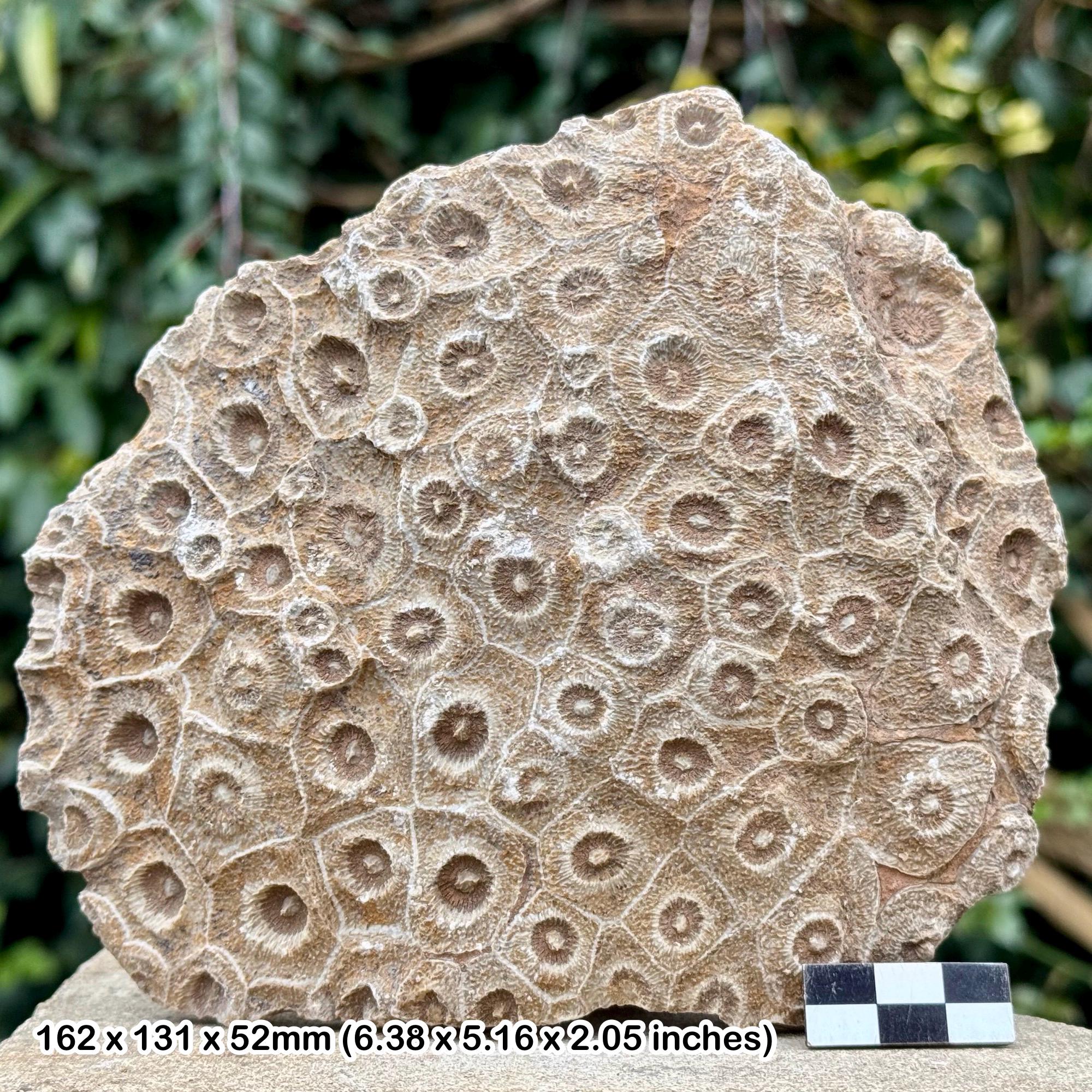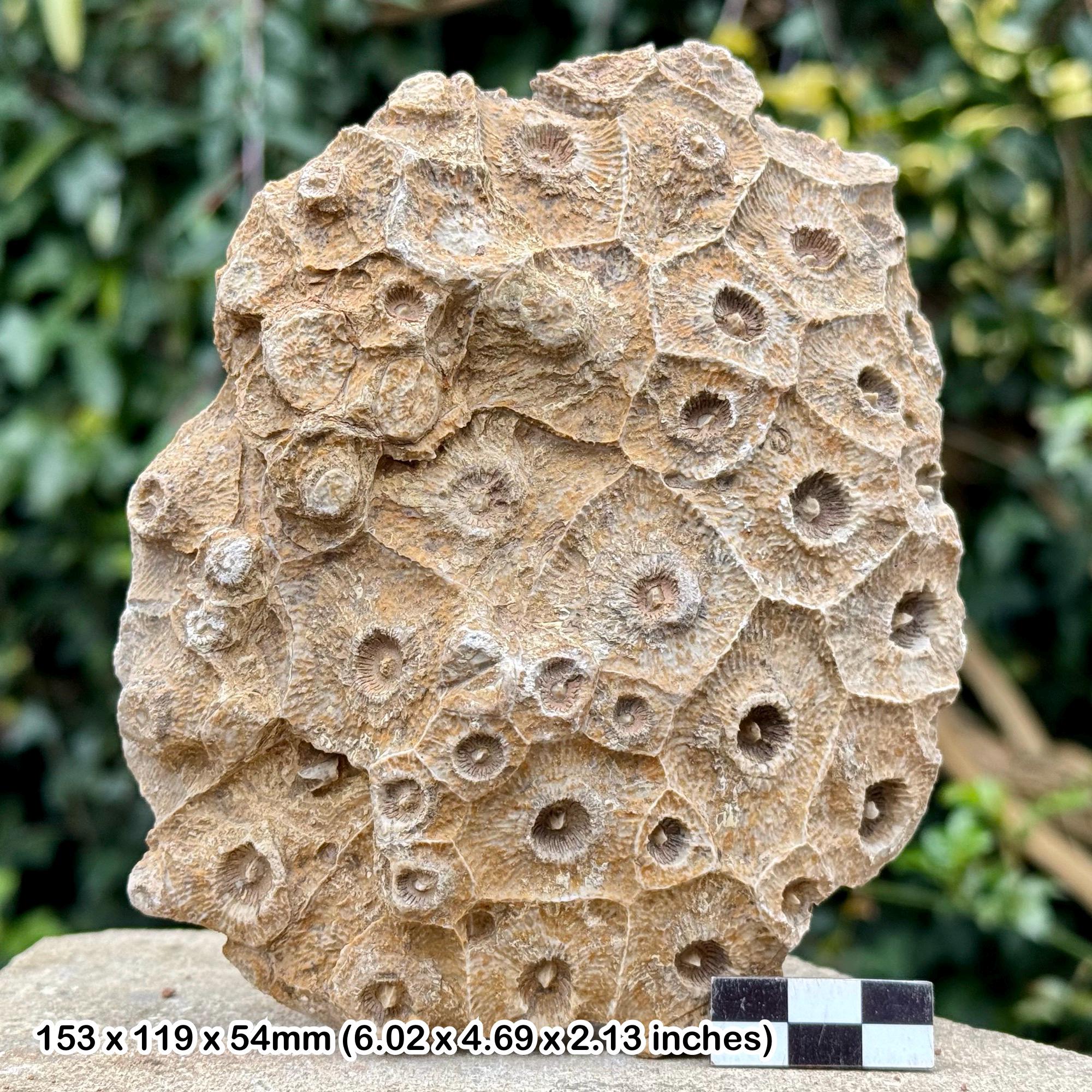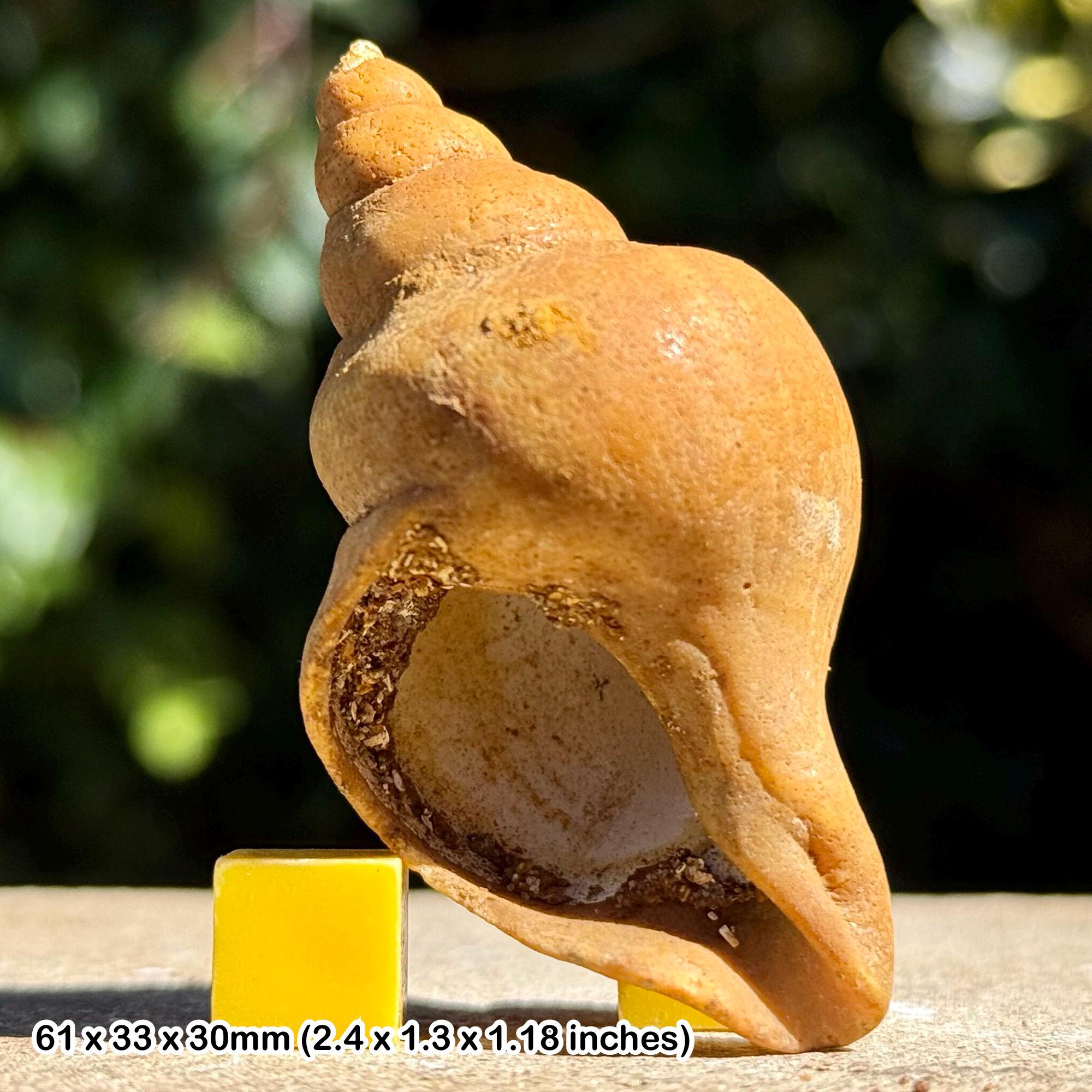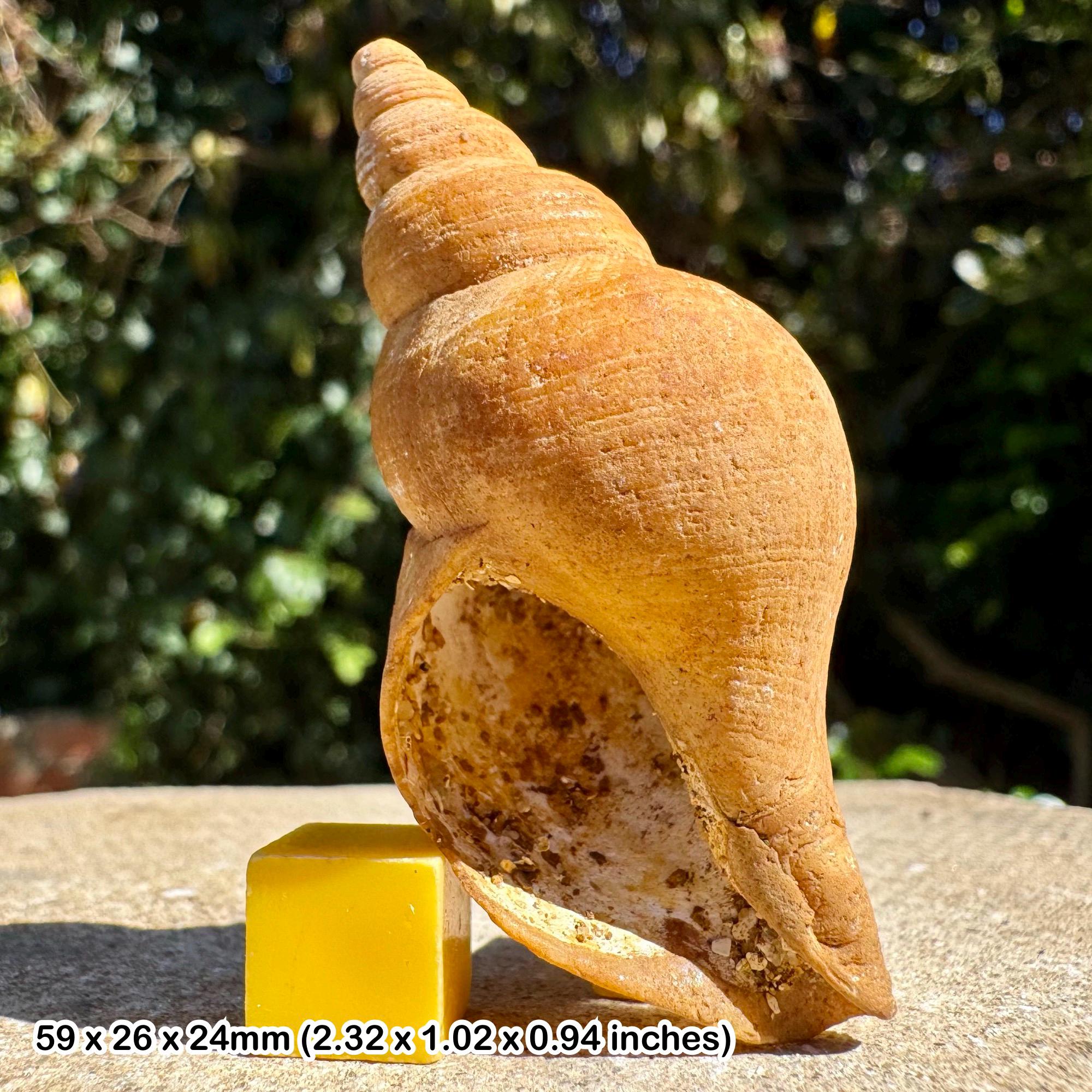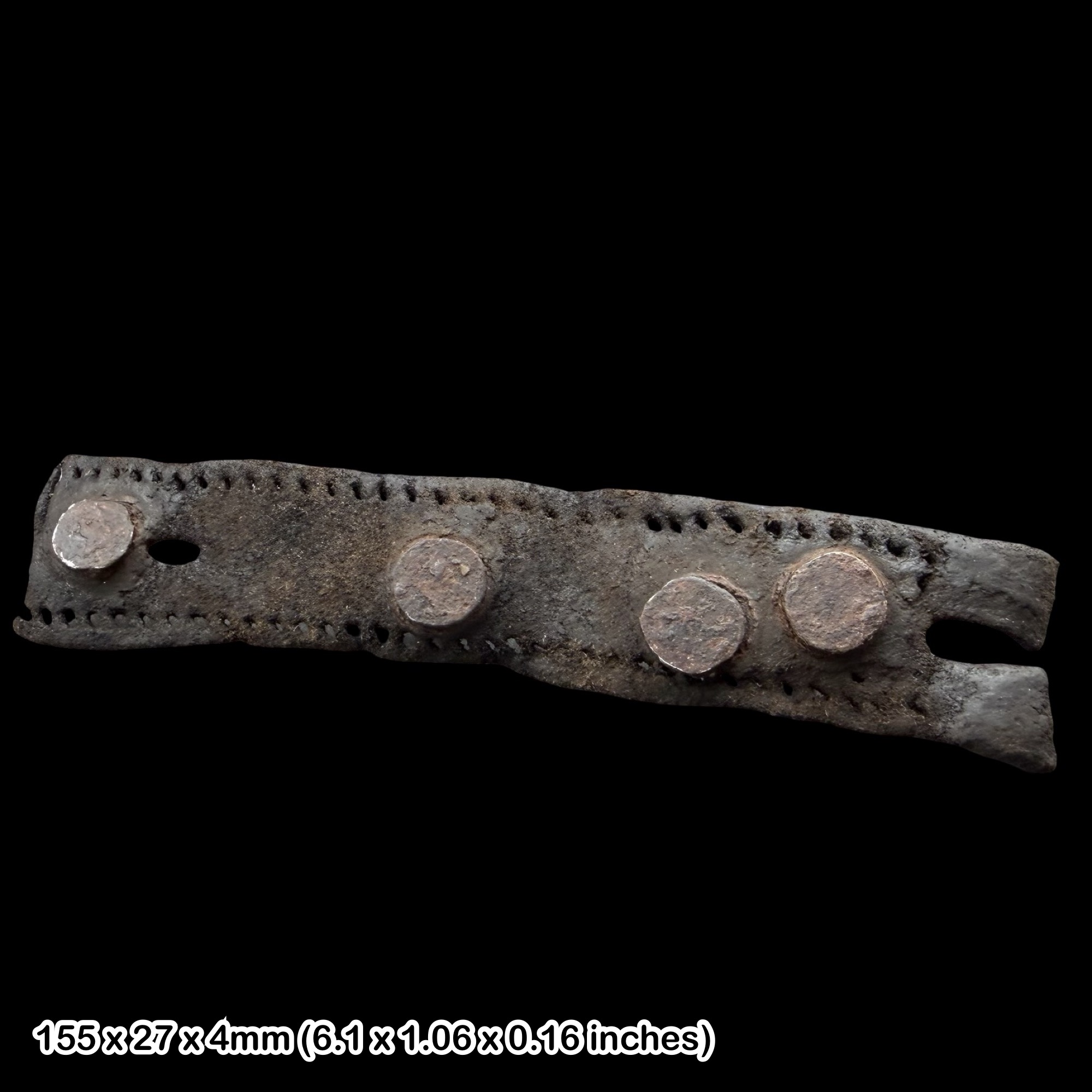
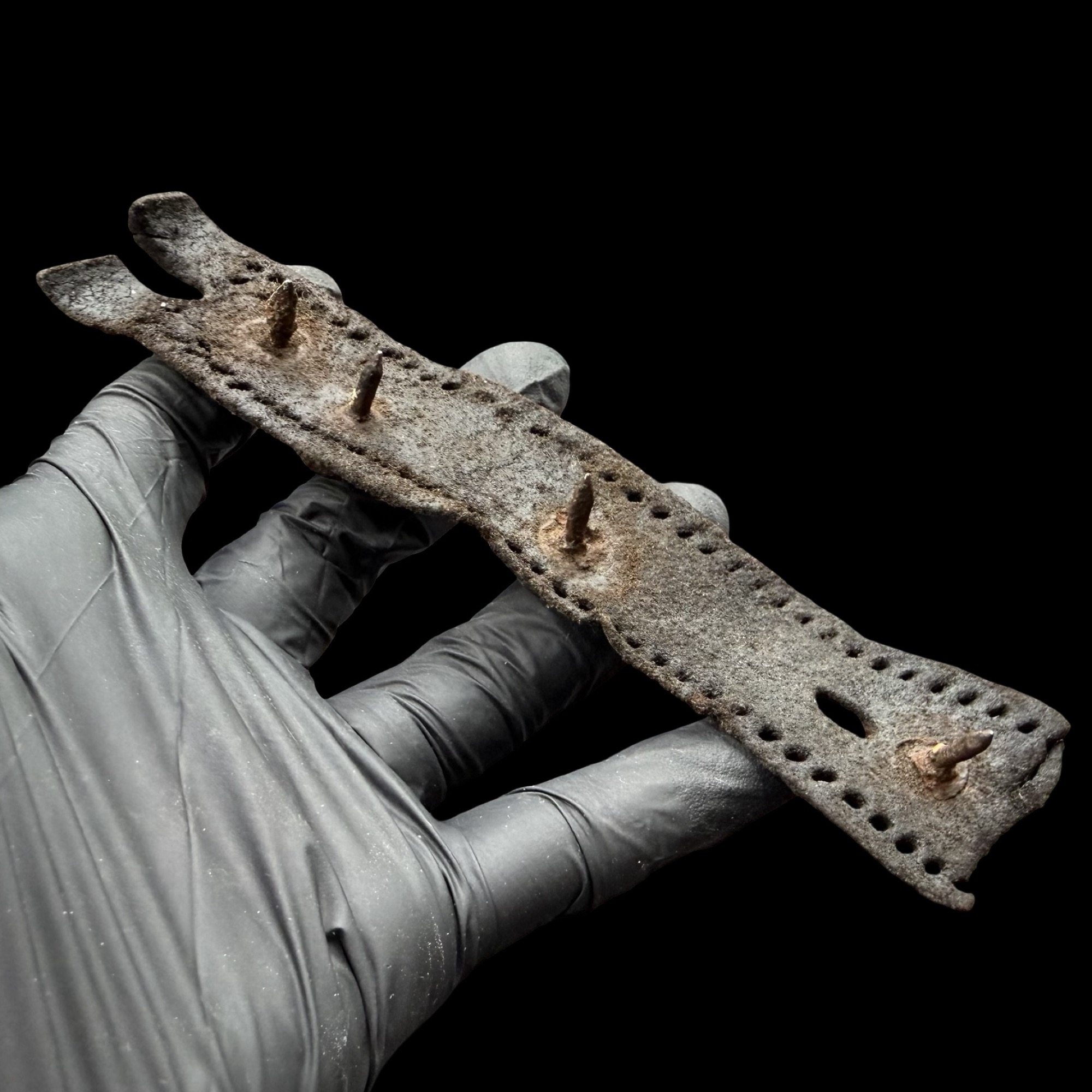

Worked Leather Strap River Wharfe Kettlewell Yorkshire Dales Artefact Found 2015 with Rivets Stitching Holes and Certificate
£ 24.00
GENUINE WORKED LEATHER STRAP ARTEFACT FROM THE RIVER WHARFEThis worked leather strap with rivets and stitching holes is a genuine
historical artefact found in the River Wharfe at Kettlewell in the Yorkshire Dales in 2015. It is an intriguing piece of British material history, preserving evidence of traditional leatherworking, practical construction, and everyday use. The artefact is ideal for collectors interested in river finds, worked leather, historic straps, rural artefacts, Yorkshire Dales history, metal riveted fittings, and unusual archaeological display pieces.The photo shows the actual artefact you will receive, allowing you to view the shape, surface texture, rivets, stitching holes, colour, wear, preservation, and overall character before purchase. Full sizing can be seen in the photo. This artefact is a genuine specimen and includes a Certificate of Authenticity lifetime guarantee generic card. FOUND AT KETTLEWELL IN THE YORKSHIRE DALESThis artefact was found in the River Wharfe at Kettlewell, a historic village in the Yorkshire Dales with a long association with farming, packhorse routes, rural trade, walking routes, livestock movement, and traditional countryside life. The River Wharfe has shaped the landscape and human activity of the area for centuries, carrying traces of daily life, work, travel, and settlement through the valley.River-found leather can develop a distinctive aged appearance through contact with water, sediment, minerals, and natural movement. Surface darkening, softened edges, cracking, staining, wear, and changes in texture may all be present. These features form part of the artefact’s genuine find history and give it strong character as a recovered object. ARTEFACT TYPE AND PRACTICAL FUNCTIONA worked leather strap with rivets and stitching holes would originally have formed part of a practical item, fitting, harness, fastening, belt, bag, case, saddle-related component, equipment strap, or other leather object. Leather straps were used widely in rural and domestic life because they were flexible, durable, repairable, and suitable for holding, fastening, carrying, binding, or reinforcing many types of everyday equipment.The presence of rivets suggests that the strap was reinforced or attached to another component, while stitching holes indicate that it may once have been sewn to fabric, leather, wood, or another part of a larger object. These details make the piece particularly interesting, as they preserve evidence of how it was made and used. Even as a fragment, it offers insight into historic craftsmanship and the practical design of working objects. MATERIAL, CONSTRUCTION AND LEATHERWORKING DETAILLeather was one of the most important materials in everyday life before the widespread use of modern synthetic materials. It was used for footwear, belts, harnesses, bags, saddlery, cases, pouches, straps, tools, clothing fittings, and agricultural equipment. A strap like this would have been cut from prepared hide, shaped to size, pierced for stitching, and fitted with metal rivets where extra strength was needed.The stitching holes may show a regular hand-pierced or awl-made pattern, reflecting traditional leatherworking techniques. Rivets were used to secure stress points, strengthen joins, or attach the leather to buckles, plates, loops, or other fittings. The combination of rivets and stitch holes gives this artefact strong display appeal for collectors of antique leatherwork, saddlery, rural tools, and recovered historical objects. COLLECTABLE YORKSHIRE RIVER FINDThis worked leather strap from the River Wharfe is a distinctive artefact for collectors searching for genuine British finds, Yorkshire Dales artefacts, Kettlewell river finds, worked leather fragments, riveted leather straps, historic leatherwork, antique rural objects, and unusual display pieces. It would sit well in a cabinet of curiosities, local history collection, archaeology display, educational handling collection, museum-style arrangement, or alongside other finds connected to rural life and traditional craftsmanship.With its River Wharfe find location, Kettlewell Yorkshire Dales provenance, 2015 discovery history, visible rivets, stitching holes, aged leather surface, and Certificate of Authenticity, this artefact is a characterful piece of British social history.
historical artefact found in the River Wharfe at Kettlewell in the Yorkshire Dales in 2015. It is an intriguing piece of British material history, preserving evidence of traditional leatherworking, practical construction, and everyday use. The artefact is ideal for collectors interested in river finds, worked leather, historic straps, rural artefacts, Yorkshire Dales history, metal riveted fittings, and unusual archaeological display pieces.The photo shows the actual artefact you will receive, allowing you to view the shape, surface texture, rivets, stitching holes, colour, wear, preservation, and overall character before purchase. Full sizing can be seen in the photo. This artefact is a genuine specimen and includes a Certificate of Authenticity lifetime guarantee generic card. FOUND AT KETTLEWELL IN THE YORKSHIRE DALESThis artefact was found in the River Wharfe at Kettlewell, a historic village in the Yorkshire Dales with a long association with farming, packhorse routes, rural trade, walking routes, livestock movement, and traditional countryside life. The River Wharfe has shaped the landscape and human activity of the area for centuries, carrying traces of daily life, work, travel, and settlement through the valley.River-found leather can develop a distinctive aged appearance through contact with water, sediment, minerals, and natural movement. Surface darkening, softened edges, cracking, staining, wear, and changes in texture may all be present. These features form part of the artefact’s genuine find history and give it strong character as a recovered object. ARTEFACT TYPE AND PRACTICAL FUNCTIONA worked leather strap with rivets and stitching holes would originally have formed part of a practical item, fitting, harness, fastening, belt, bag, case, saddle-related component, equipment strap, or other leather object. Leather straps were used widely in rural and domestic life because they were flexible, durable, repairable, and suitable for holding, fastening, carrying, binding, or reinforcing many types of everyday equipment.The presence of rivets suggests that the strap was reinforced or attached to another component, while stitching holes indicate that it may once have been sewn to fabric, leather, wood, or another part of a larger object. These details make the piece particularly interesting, as they preserve evidence of how it was made and used. Even as a fragment, it offers insight into historic craftsmanship and the practical design of working objects. MATERIAL, CONSTRUCTION AND LEATHERWORKING DETAILLeather was one of the most important materials in everyday life before the widespread use of modern synthetic materials. It was used for footwear, belts, harnesses, bags, saddlery, cases, pouches, straps, tools, clothing fittings, and agricultural equipment. A strap like this would have been cut from prepared hide, shaped to size, pierced for stitching, and fitted with metal rivets where extra strength was needed.The stitching holes may show a regular hand-pierced or awl-made pattern, reflecting traditional leatherworking techniques. Rivets were used to secure stress points, strengthen joins, or attach the leather to buckles, plates, loops, or other fittings. The combination of rivets and stitch holes gives this artefact strong display appeal for collectors of antique leatherwork, saddlery, rural tools, and recovered historical objects. COLLECTABLE YORKSHIRE RIVER FINDThis worked leather strap from the River Wharfe is a distinctive artefact for collectors searching for genuine British finds, Yorkshire Dales artefacts, Kettlewell river finds, worked leather fragments, riveted leather straps, historic leatherwork, antique rural objects, and unusual display pieces. It would sit well in a cabinet of curiosities, local history collection, archaeology display, educational handling collection, museum-style arrangement, or alongside other finds connected to rural life and traditional craftsmanship.With its River Wharfe find location, Kettlewell Yorkshire Dales provenance, 2015 discovery history, visible rivets, stitching holes, aged leather surface, and Certificate of Authenticity, this artefact is a characterful piece of British social history.
Other Products