RARE Crioceratites nolani Heteromorph Ammonite Fossil | Cretaceous Hauterivian | Drome France | Authentic Specimen
£ 540.00
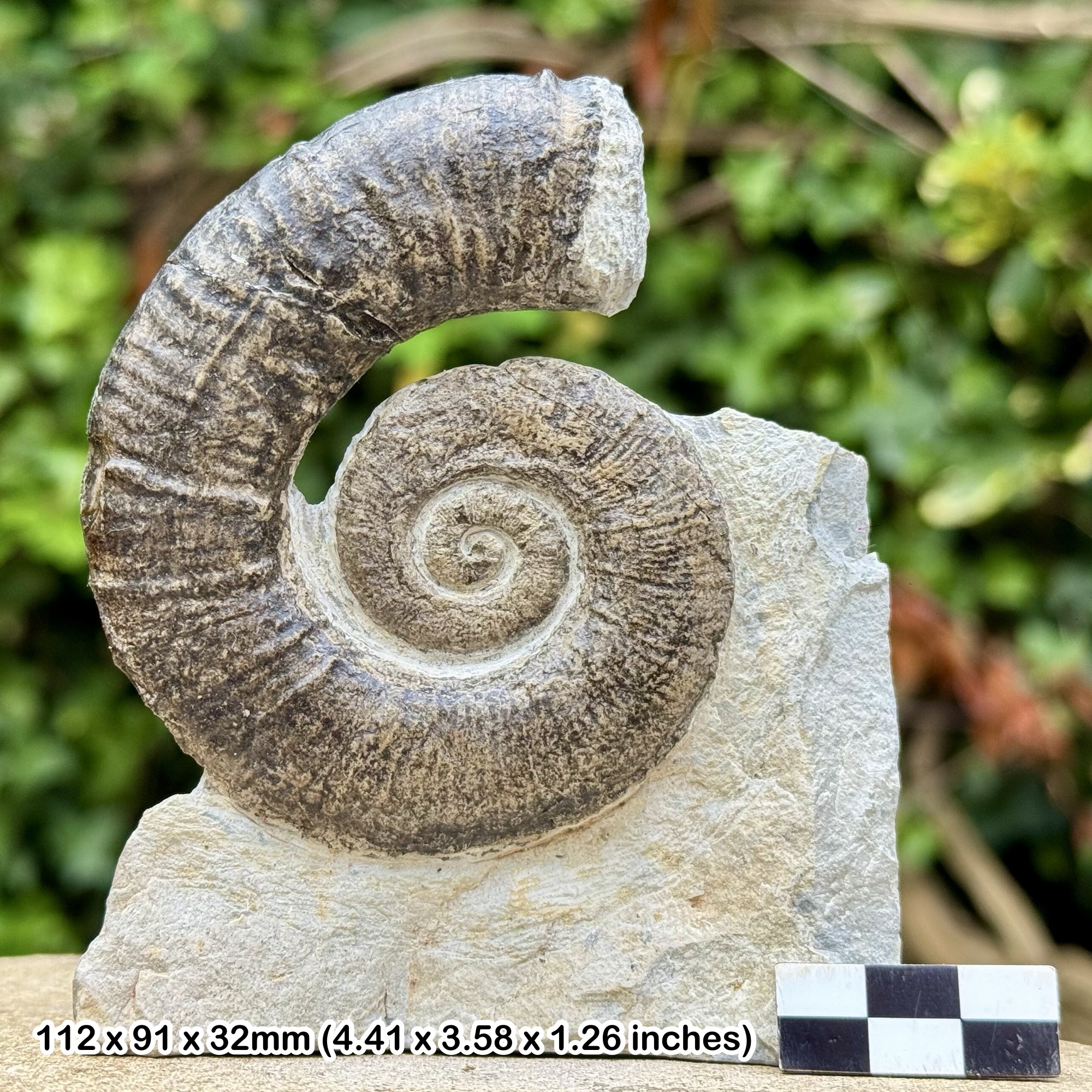
A RARE Crioceratites nolani fossil—an exceptional example of a heteromorph
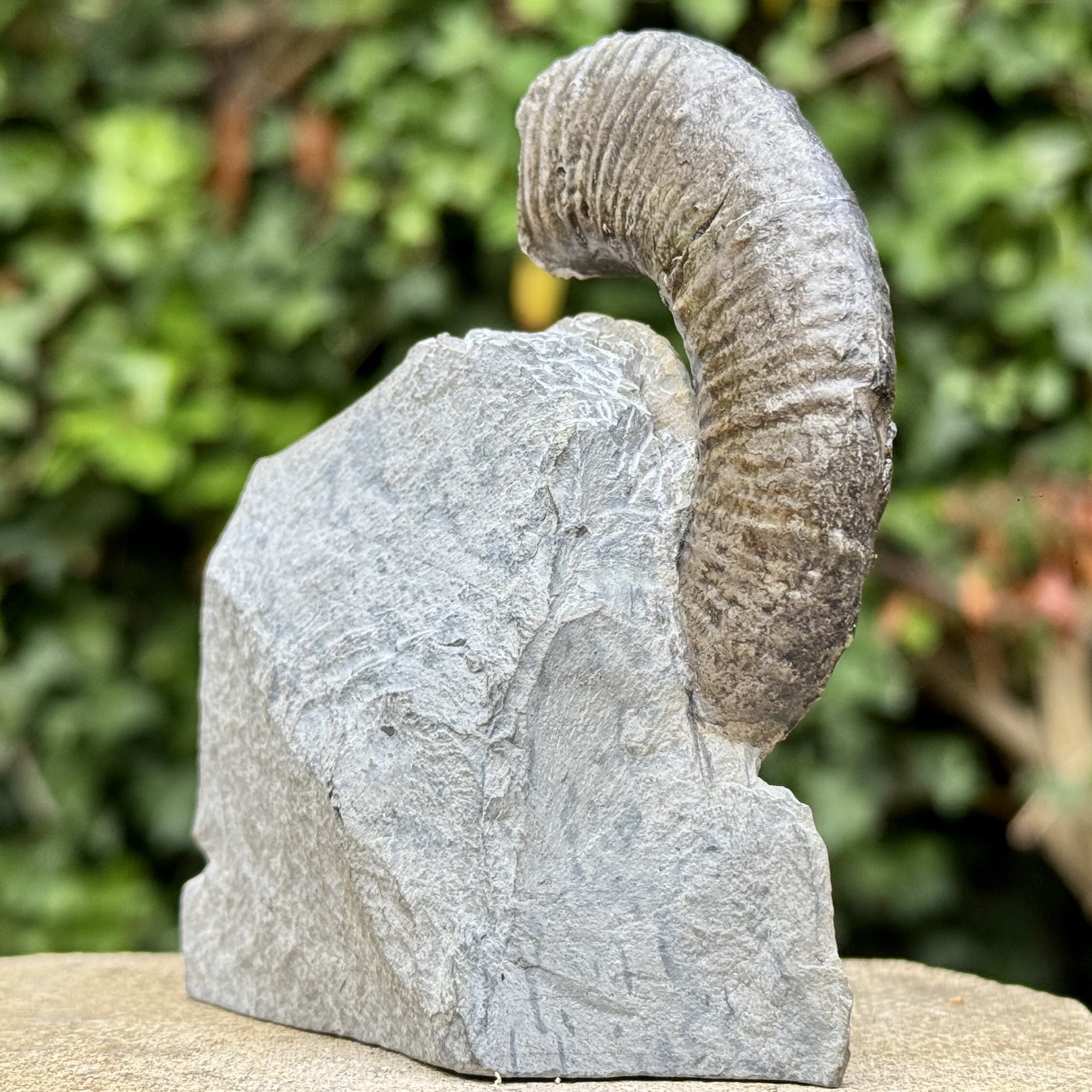
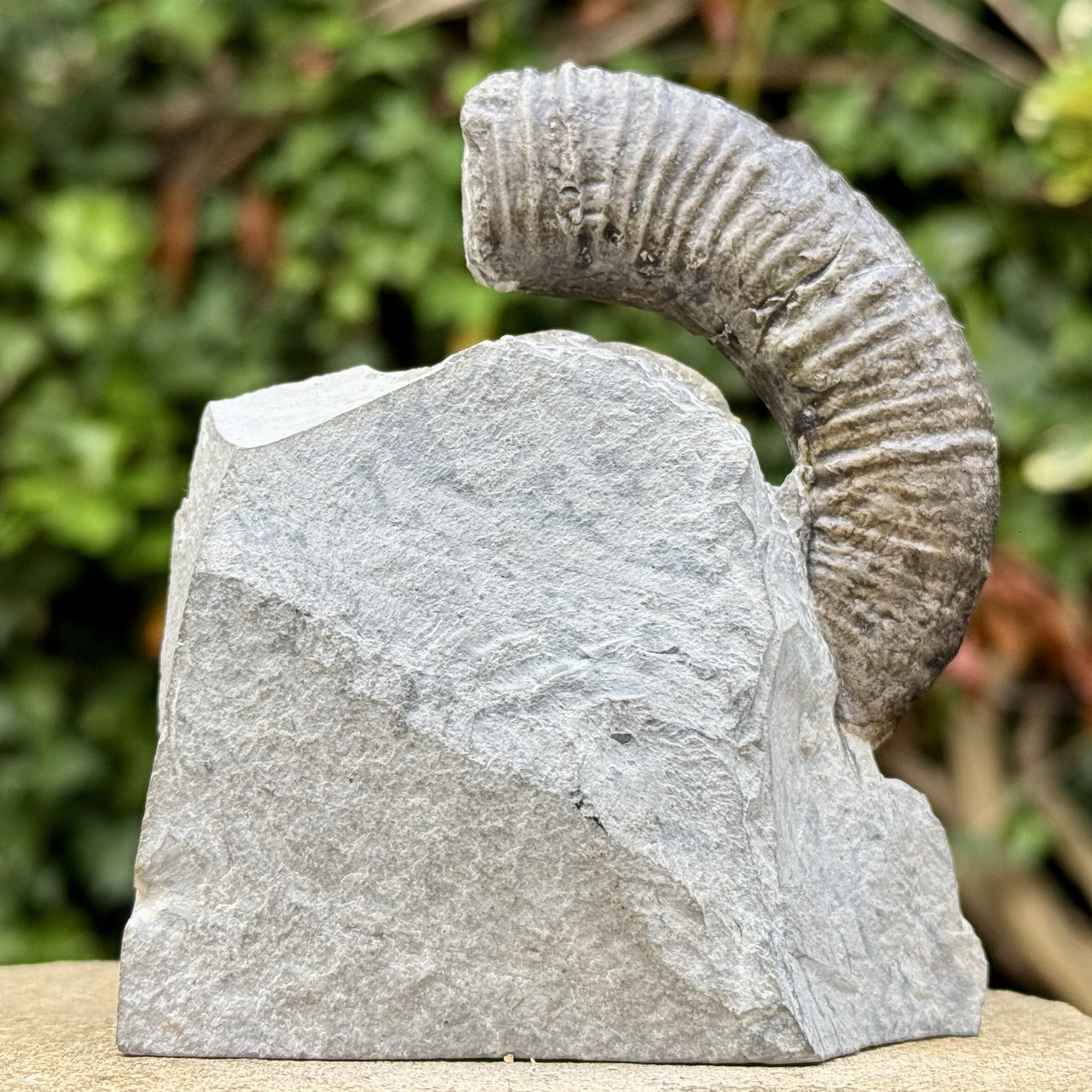
ammonite from the Upper Hauterivian Stage of the Lower Cretaceous, originating from the well-documented fossil-bearing strata of Drôme, France.This genus, known for its open-coiled and ornamental shell structure, offers a remarkable insight into ammonite diversity and adaptation during the Early Cretaceous. The spiral architecture and preserved ornamentation of this specimen make it a highly desirable addition for collectors, educators, and palaeontology enthusiasts alike.Specimen Information:
• Species: Crioceratites nolani
• Geological Formation: Drôme localities (likely part of the Vocontian Basin sequences)
• Geological Age: Cretaceous – Upper Hauterivian Stage (~131 to 129 million years ago)
• Stratigraphic Zone: Possibly associated with the Crioceratites nolani or Balearites balearis ammonite zones (regionally known biozones in Drôme)
• Location: Drôme, southeastern France
• Depositional Environment: Open marine, moderately deep shelf setting with rich nektonic fauna
• Discovery & Preparation: Carefully chosen fossil, with actual specimen pictured
• Scale: Each square or cube in scale = 1cm (see photos for precise sizing)
• Authenticity: Supplied with a Certificate of Authenticity
• Notable Features: Rare coiling structure, defined ribbing and potential tuberclesScientific Classification:
• Kingdom: Animalia
• Phylum: Mollusca
• Class: Cephalopoda
• Order: Ammonitida
• Superfamily: Ancyloceratoidea
• Family: Crioceratitidae
• Genus: Crioceratites
• Species: C. nolani
• Identified by: Described and named by A. Thomel (1964), as part of detailed studies on French Lower Cretaceous ammonite faunasMorphology & Notable Features:
• Heteromorph structure: Uncoiled, open-planispiral shell — unlike typical tightly coiled ammonites
• Pronounced ornamentation: Strong ribbing with occasional nodes or tubercles
• Functional adaptation: Likely had a unique mode of swimming or floating in the water column due to irregular shape
• Visual impact: The aesthetic spiral geometry makes this a visually striking fossil for any displayPalaeoenvironmental Context:This ammonite thrived in the Vocontian Basin, a Cretaceous marine basin in what is now southeastern France. The basin accumulated fine-grained sediments that provided excellent fossil preservation. This region is globally recognised for yielding key biostratigraphic ammonite assemblages used in dating the Early Cretaceous.The Hauterivian Stage marks a time of diversification in ammonites following the Valanginian-Hauterivian boundary extinction event. Heteromorphs like Crioceratites emerged and rapidly diversified in marine environments with complex ecologies.Why Add This Specimen to Your Collection?
• Rare and visually unique heteromorph ammonite
• Scientifically important: C. nolani is a recognised biostratigraphic marker in parts of Europe
• From a classic Cretaceous fossil site in France
• Perfect for advanced collectors, students, or academic display
• Comes with Certificate of Authenticity
• Photographed specimen is the exact one you’ll receiveSummary:
• Genuine Crioceratites nolani fossil
• From the Upper Hauterivian, Lower Cretaceous of Drôme, France
• Rare heteromorph ammonite with open-coiled structure
• Exceptional preservation and scientific significance
• Professionally prepped and documented
• Includes Certificate of Authenticity
• Scale rule or cube = 1cm – see listing photo for full dimensions
ammonite from the Upper Hauterivian Stage of the Lower Cretaceous, originating from the well-documented fossil-bearing strata of Drôme, France.This genus, known for its open-coiled and ornamental shell structure, offers a remarkable insight into ammonite diversity and adaptation during the Early Cretaceous. The spiral architecture and preserved ornamentation of this specimen make it a highly desirable addition for collectors, educators, and palaeontology enthusiasts alike.Specimen Information:
• Species: Crioceratites nolani
• Geological Formation: Drôme localities (likely part of the Vocontian Basin sequences)
• Geological Age: Cretaceous – Upper Hauterivian Stage (~131 to 129 million years ago)
• Stratigraphic Zone: Possibly associated with the Crioceratites nolani or Balearites balearis ammonite zones (regionally known biozones in Drôme)
• Location: Drôme, southeastern France
• Depositional Environment: Open marine, moderately deep shelf setting with rich nektonic fauna
• Discovery & Preparation: Carefully chosen fossil, with actual specimen pictured
• Scale: Each square or cube in scale = 1cm (see photos for precise sizing)
• Authenticity: Supplied with a Certificate of Authenticity
• Notable Features: Rare coiling structure, defined ribbing and potential tuberclesScientific Classification:
• Kingdom: Animalia
• Phylum: Mollusca
• Class: Cephalopoda
• Order: Ammonitida
• Superfamily: Ancyloceratoidea
• Family: Crioceratitidae
• Genus: Crioceratites
• Species: C. nolani
• Identified by: Described and named by A. Thomel (1964), as part of detailed studies on French Lower Cretaceous ammonite faunasMorphology & Notable Features:
• Heteromorph structure: Uncoiled, open-planispiral shell — unlike typical tightly coiled ammonites
• Pronounced ornamentation: Strong ribbing with occasional nodes or tubercles
• Functional adaptation: Likely had a unique mode of swimming or floating in the water column due to irregular shape
• Visual impact: The aesthetic spiral geometry makes this a visually striking fossil for any displayPalaeoenvironmental Context:This ammonite thrived in the Vocontian Basin, a Cretaceous marine basin in what is now southeastern France. The basin accumulated fine-grained sediments that provided excellent fossil preservation. This region is globally recognised for yielding key biostratigraphic ammonite assemblages used in dating the Early Cretaceous.The Hauterivian Stage marks a time of diversification in ammonites following the Valanginian-Hauterivian boundary extinction event. Heteromorphs like Crioceratites emerged and rapidly diversified in marine environments with complex ecologies.Why Add This Specimen to Your Collection?
• Rare and visually unique heteromorph ammonite
• Scientifically important: C. nolani is a recognised biostratigraphic marker in parts of Europe
• From a classic Cretaceous fossil site in France
• Perfect for advanced collectors, students, or academic display
• Comes with Certificate of Authenticity
• Photographed specimen is the exact one you’ll receiveSummary:
• Genuine Crioceratites nolani fossil
• From the Upper Hauterivian, Lower Cretaceous of Drôme, France
• Rare heteromorph ammonite with open-coiled structure
• Exceptional preservation and scientific significance
• Professionally prepped and documented
• Includes Certificate of Authenticity
• Scale rule or cube = 1cm – see listing photo for full dimensions
Other Products