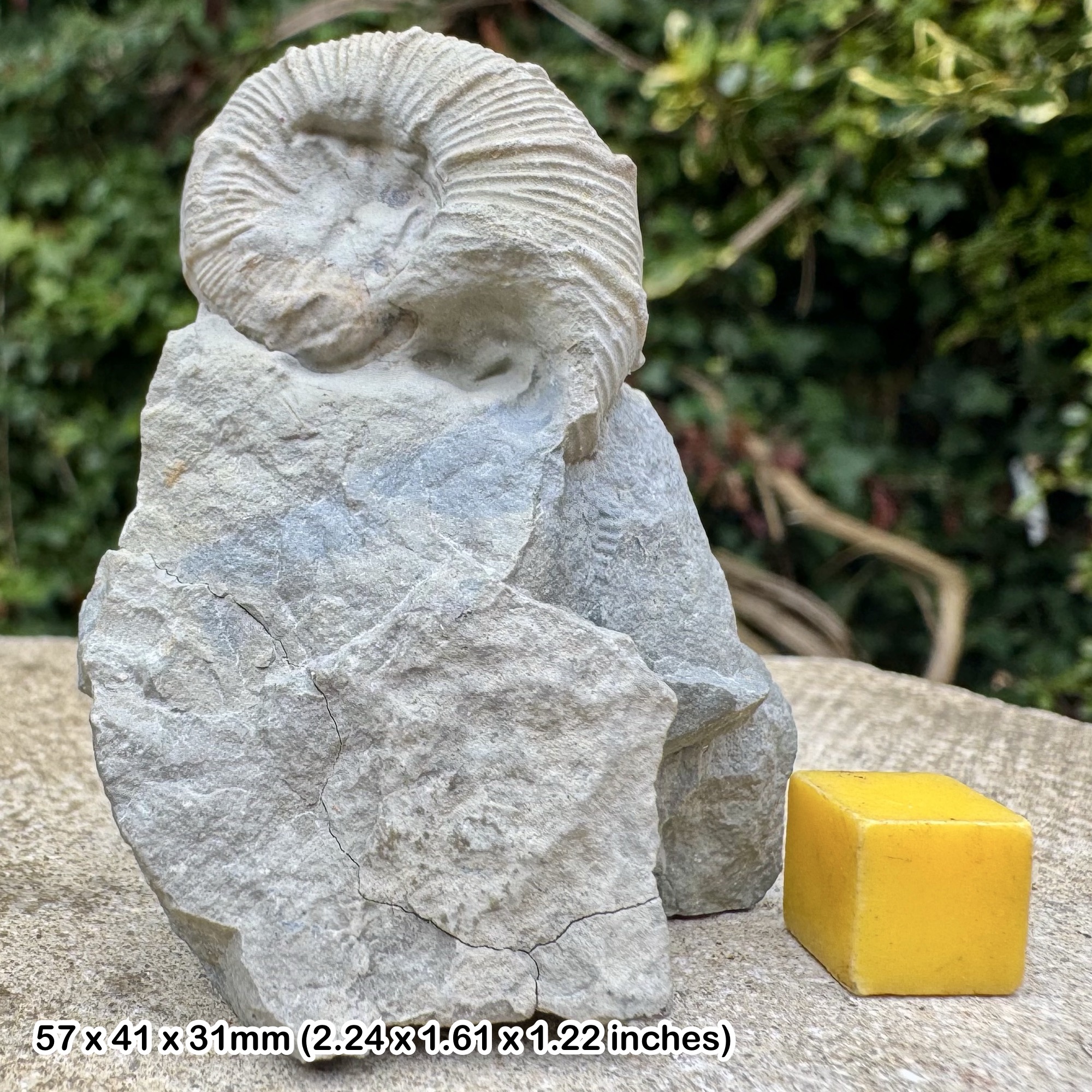
Rare Holcodiscus fallax Ammonite Fossil from Barremian Cretaceous Lure Mountains France Authentic Specimen
£ 24.00
GEOLOGICAL CONTEXT AND PROVENANCEThis specimen is a genuine Holcodiscus fallax fossil ammonite from the Barremian
Stage of the Early Cretaceous Period, dating to approximately 129 – 125 million years ago. It originates from the Lure Mountains in southeastern France, a locality well known for its beautifully preserved Lower Cretaceous ammonites. These fossil-rich deposits formed along the margins of the ancient Tethys Ocean, where shallow marine environments provided ideal conditions for ammonite evolution and preservation.The Barremian is a particularly significant stage in the geological timescale, not only lending its name to the global Barremian interval but also marking an era of high ammonite diversity. Fossils from the Lure Mountains continue to be studied extensively for their contribution to stratigraphy and their role in reconstructing Early Cretaceous ecosystems. FOSSIL TYPE AND SPECIES INFORMATIONHolcodiscus fallax belongs to the Order Ammonitida, Superfamily Desmoceratoidea, and Family Holcodiscidae. Ammonites in this family are easily recognised by their ornate ribbing, discoidal shells, and distinctive coiling. The genus Holcodiscus is particularly important for biostratigraphy, as it helps define certain zones within the Barremian and is used to correlate layers across Europe and beyond.The species fallax is notable for its elegant ribbing pattern, which extends across the flanks and onto the venter, producing a sculptural shell form. Its presence in Barremian strata has been instrumental in refining our understanding of the ammonite succession in the Early Cretaceous. MORPHOLOGICAL FEATURES AND IDENTIFICATIONThis specimen displays the diagnostic features of Holcodiscus fallax. The shell is planispiral with moderately involute coiling, giving it a flat yet robust appearance. The ribbing is strong, straight to slightly sinuous, and continues uninterrupted across the venter. In some examples, the ribs bifurcate, enhancing the ornate quality of the fossil.The morphology of Holcodiscus reflects adaptations to a nektonic lifestyle, allowing it to move actively through open marine waters. The shell’s chambered construction enabled buoyancy control, while the ribbing added both structural strength and hydrodynamic efficiency. These traits made it a successful predator within the Barremian seas. DEPOSITIONAL ENVIRONMENTDuring the Barremian, the Lure Mountains region was submerged beneath shallow tropical seas connected to the Tethys Ocean. The marine environment was characterised by alternating marls and limestones, which provided excellent conditions for fossilisation. Ammonites, belemnites, bivalves, and gastropods flourished in these waters, alongside larger marine reptiles.Holcodiscus fallax occupied a central role in this ecosystem, preying on small invertebrates while serving as prey for larger predators. Its abundance and wide distribution make it a key fossil for understanding both the ecology and stratigraphy of the Early Cretaceous. COLLECTOR APPEAL AND AUTHENTICITYThis Holcodiscus fallax ammonite fossil is both scientifically significant and visually striking, combining elegant ribbing with a finely preserved shell. Its provenance from the Lure Mountains, a classic Lower Cretaceous locality, enhances its rarity and appeal.
• 100% Genuine Specimen – All of our fossils are authentic and supplied with a Certificate of Authenticity.
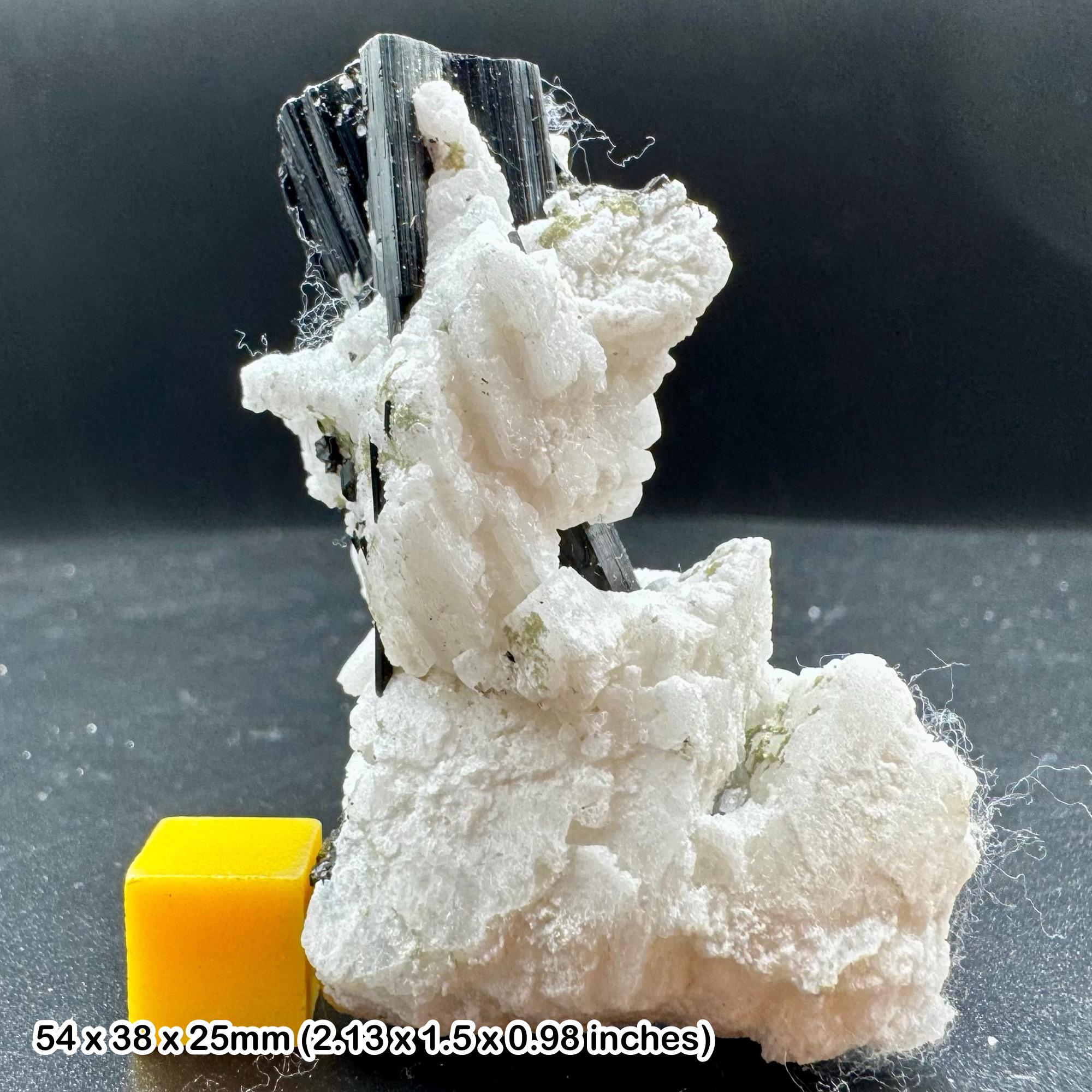
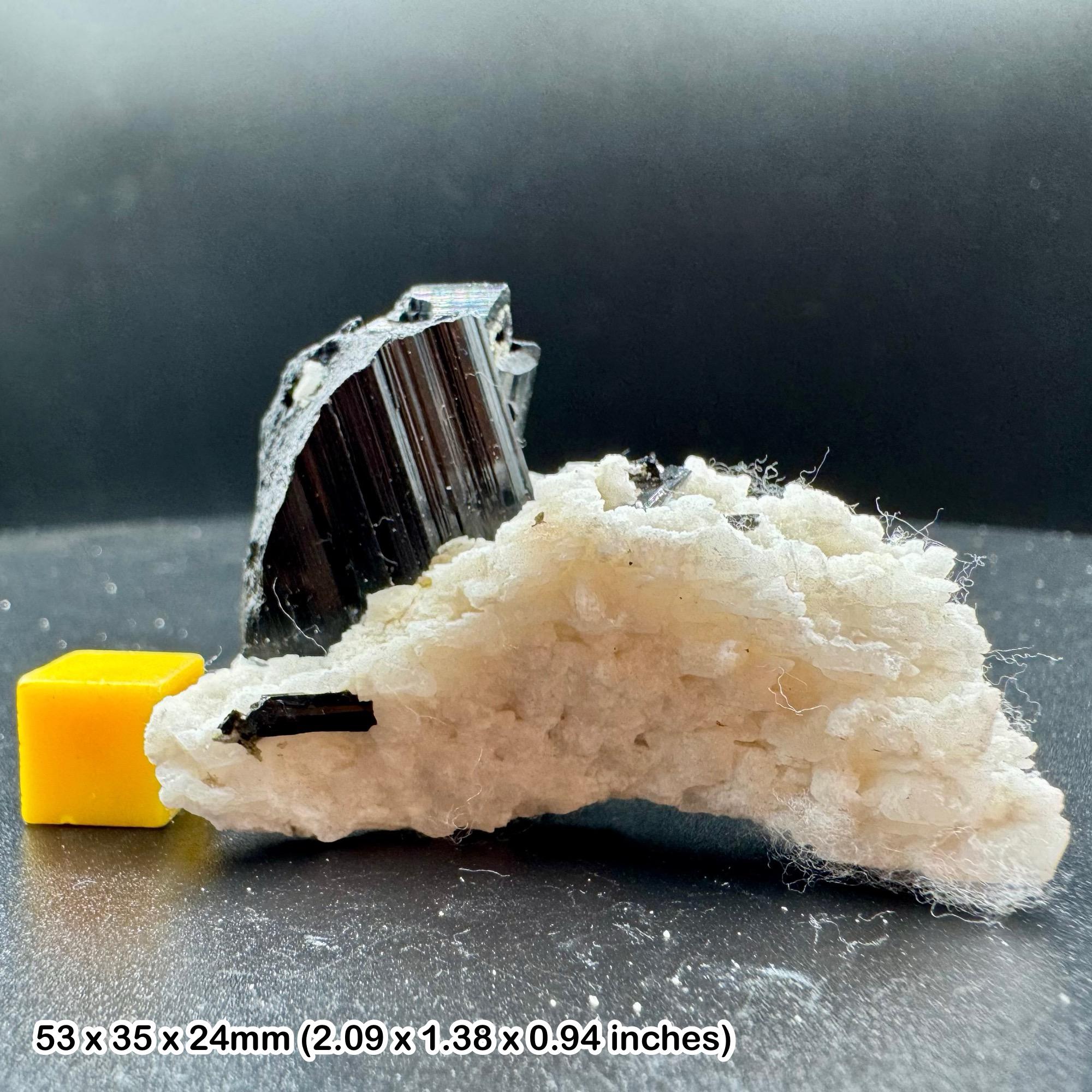
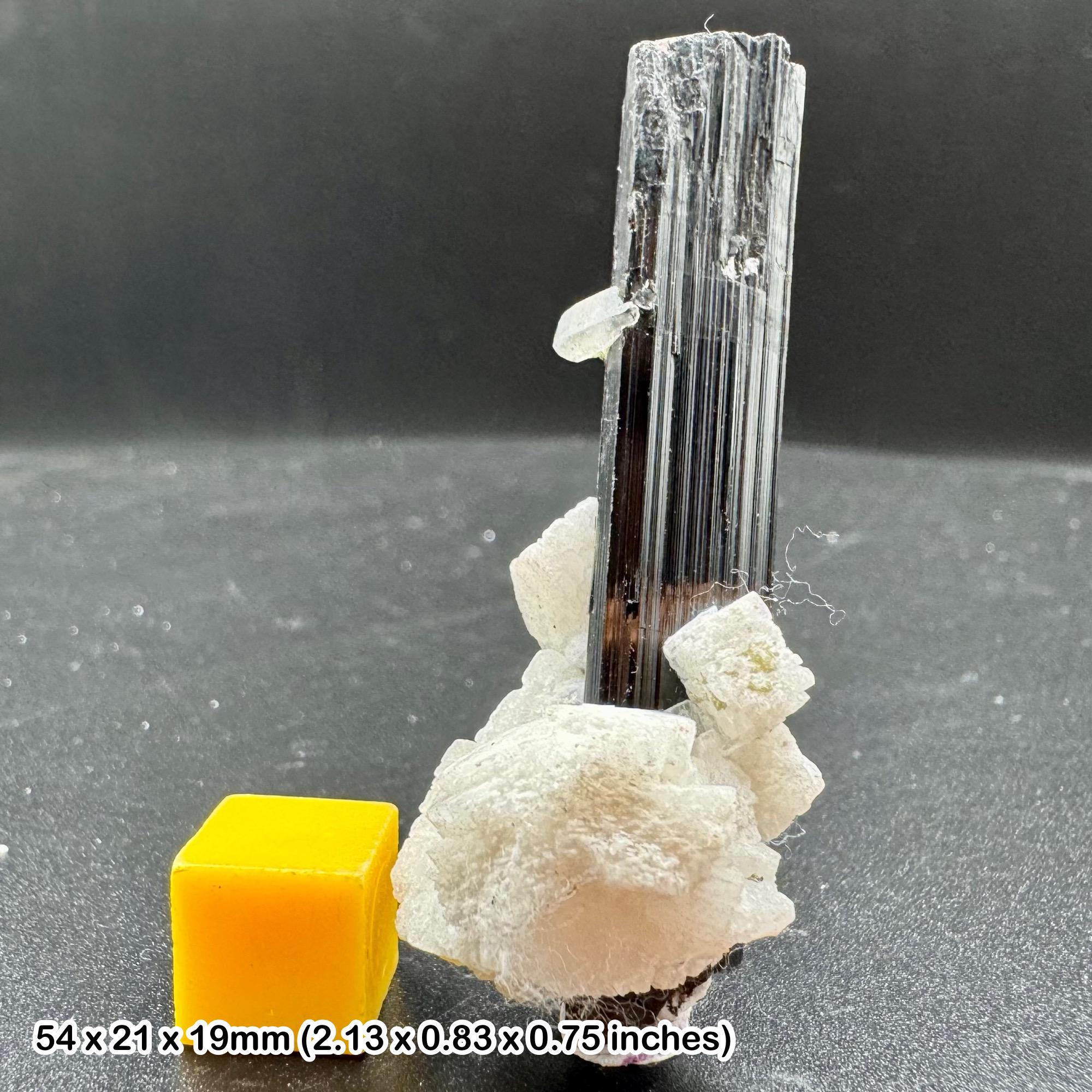
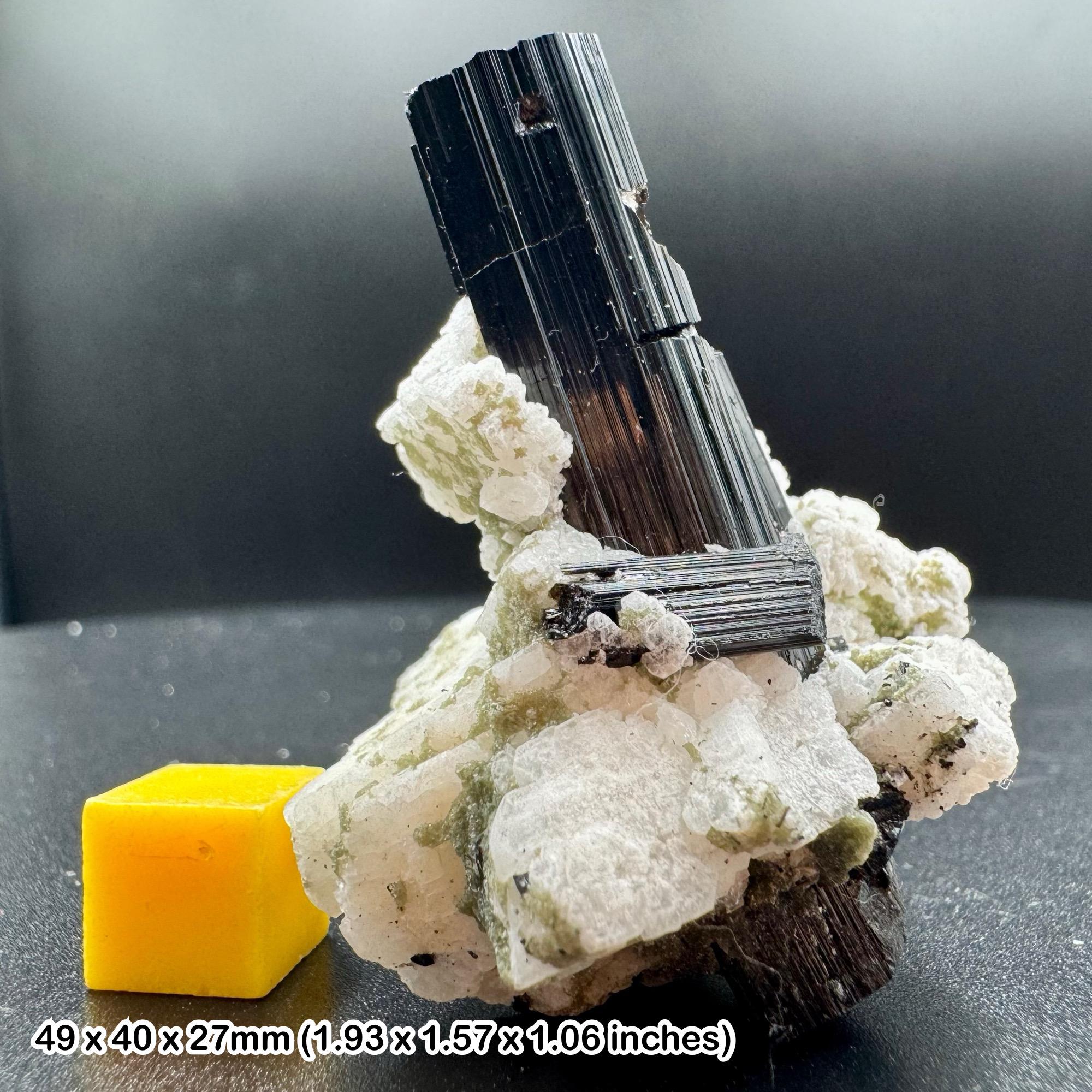
• Exact Fossil Shown – The photographs depict the actual specimen you will receive.
• Scale Reference – Scale rule squares / cube = 1 cm. Please check the photos for accurate sizing.This carefully chosen Holcodiscus fallax ammonite offers a direct connection to the Barremian seas of southern France. With its combination of rarity, scientific importance, and aesthetic appeal, it is an exceptional addition to any fossil collection or natural history display.
Stage of the Early Cretaceous Period, dating to approximately 129 – 125 million years ago. It originates from the Lure Mountains in southeastern France, a locality well known for its beautifully preserved Lower Cretaceous ammonites. These fossil-rich deposits formed along the margins of the ancient Tethys Ocean, where shallow marine environments provided ideal conditions for ammonite evolution and preservation.The Barremian is a particularly significant stage in the geological timescale, not only lending its name to the global Barremian interval but also marking an era of high ammonite diversity. Fossils from the Lure Mountains continue to be studied extensively for their contribution to stratigraphy and their role in reconstructing Early Cretaceous ecosystems. FOSSIL TYPE AND SPECIES INFORMATIONHolcodiscus fallax belongs to the Order Ammonitida, Superfamily Desmoceratoidea, and Family Holcodiscidae. Ammonites in this family are easily recognised by their ornate ribbing, discoidal shells, and distinctive coiling. The genus Holcodiscus is particularly important for biostratigraphy, as it helps define certain zones within the Barremian and is used to correlate layers across Europe and beyond.The species fallax is notable for its elegant ribbing pattern, which extends across the flanks and onto the venter, producing a sculptural shell form. Its presence in Barremian strata has been instrumental in refining our understanding of the ammonite succession in the Early Cretaceous. MORPHOLOGICAL FEATURES AND IDENTIFICATIONThis specimen displays the diagnostic features of Holcodiscus fallax. The shell is planispiral with moderately involute coiling, giving it a flat yet robust appearance. The ribbing is strong, straight to slightly sinuous, and continues uninterrupted across the venter. In some examples, the ribs bifurcate, enhancing the ornate quality of the fossil.The morphology of Holcodiscus reflects adaptations to a nektonic lifestyle, allowing it to move actively through open marine waters. The shell’s chambered construction enabled buoyancy control, while the ribbing added both structural strength and hydrodynamic efficiency. These traits made it a successful predator within the Barremian seas. DEPOSITIONAL ENVIRONMENTDuring the Barremian, the Lure Mountains region was submerged beneath shallow tropical seas connected to the Tethys Ocean. The marine environment was characterised by alternating marls and limestones, which provided excellent conditions for fossilisation. Ammonites, belemnites, bivalves, and gastropods flourished in these waters, alongside larger marine reptiles.Holcodiscus fallax occupied a central role in this ecosystem, preying on small invertebrates while serving as prey for larger predators. Its abundance and wide distribution make it a key fossil for understanding both the ecology and stratigraphy of the Early Cretaceous. COLLECTOR APPEAL AND AUTHENTICITYThis Holcodiscus fallax ammonite fossil is both scientifically significant and visually striking, combining elegant ribbing with a finely preserved shell. Its provenance from the Lure Mountains, a classic Lower Cretaceous locality, enhances its rarity and appeal.
• 100% Genuine Specimen – All of our fossils are authentic and supplied with a Certificate of Authenticity.
• Exact Fossil Shown – The photographs depict the actual specimen you will receive.
• Scale Reference – Scale rule squares / cube = 1 cm. Please check the photos for accurate sizing.This carefully chosen Holcodiscus fallax ammonite offers a direct connection to the Barremian seas of southern France. With its combination of rarity, scientific importance, and aesthetic appeal, it is an exceptional addition to any fossil collection or natural history display.