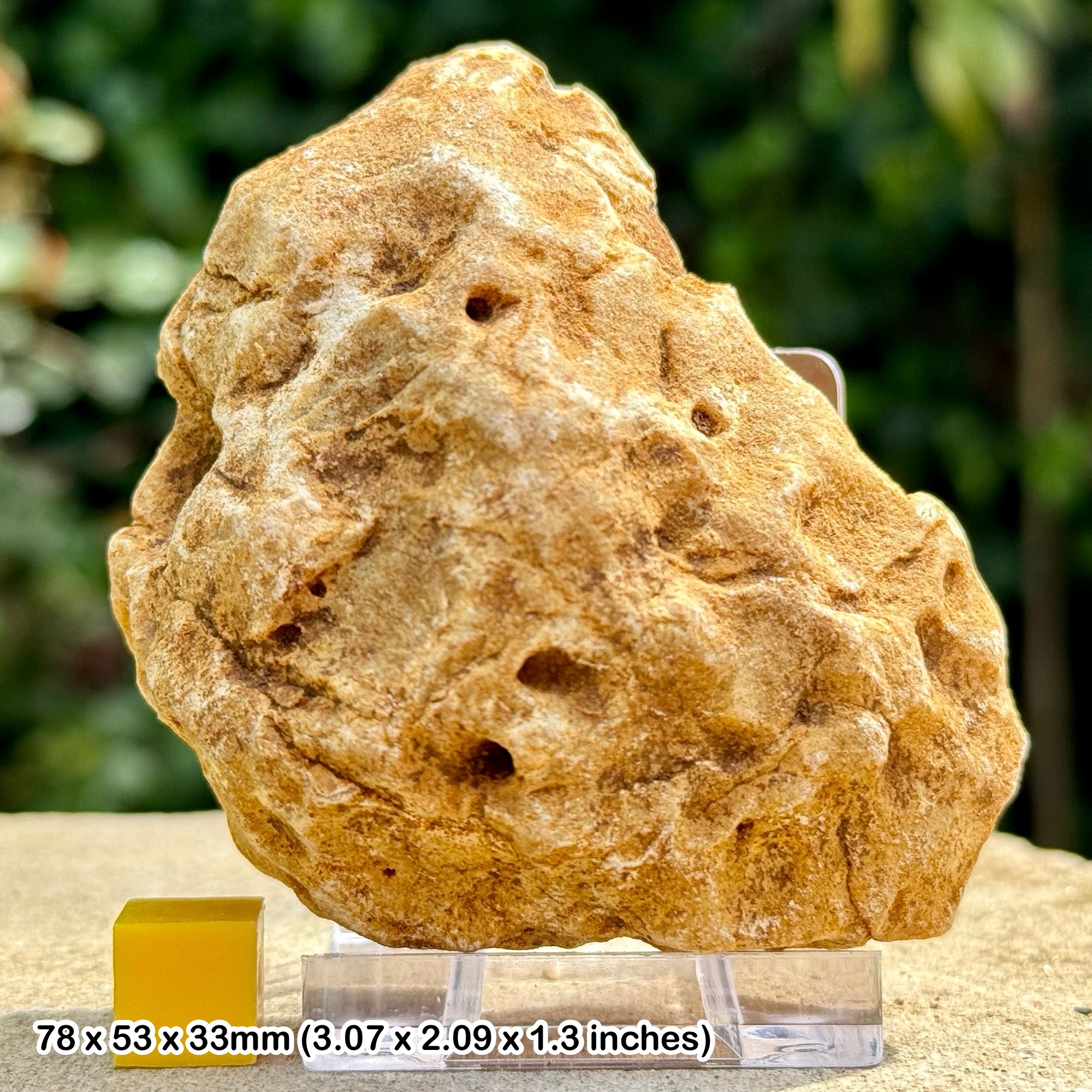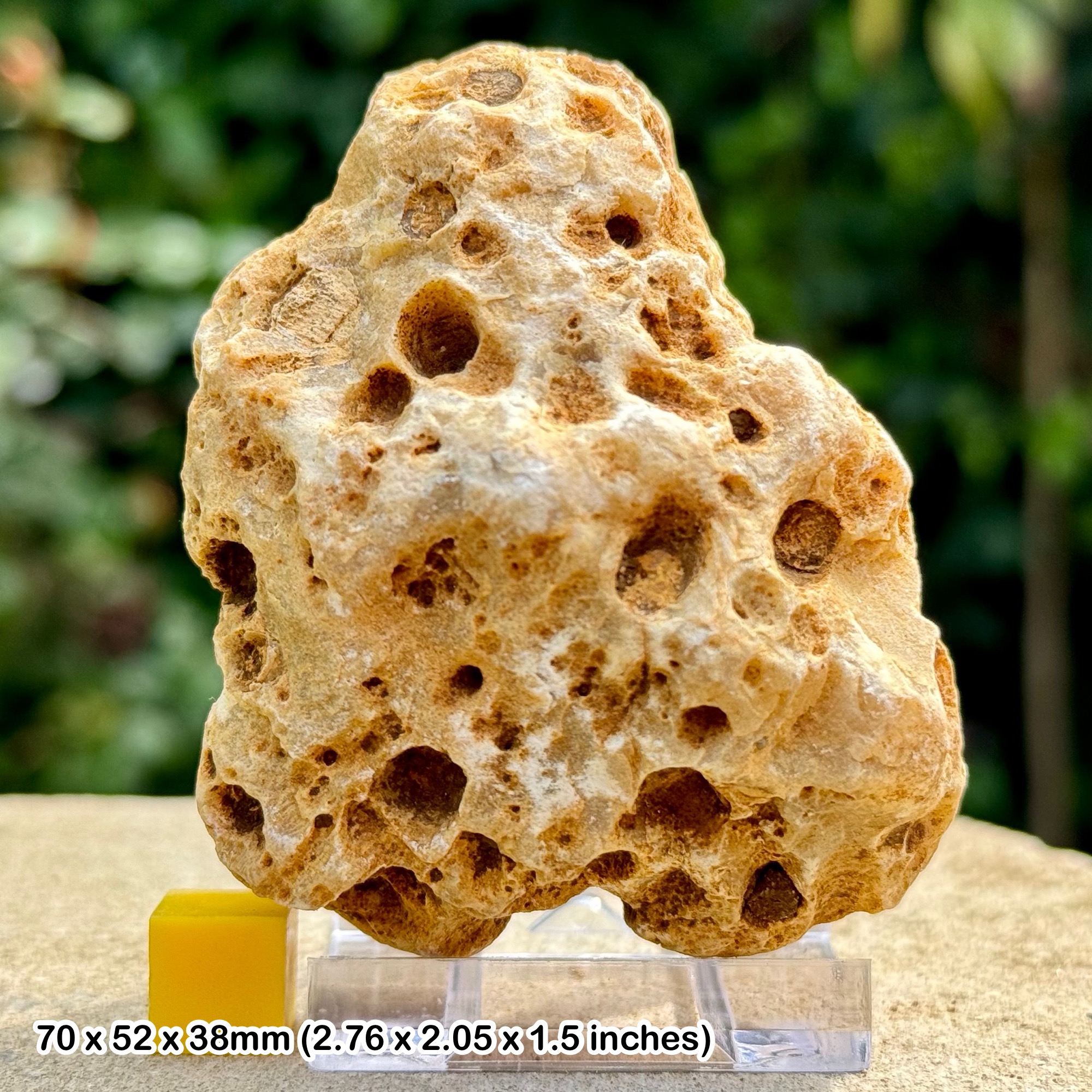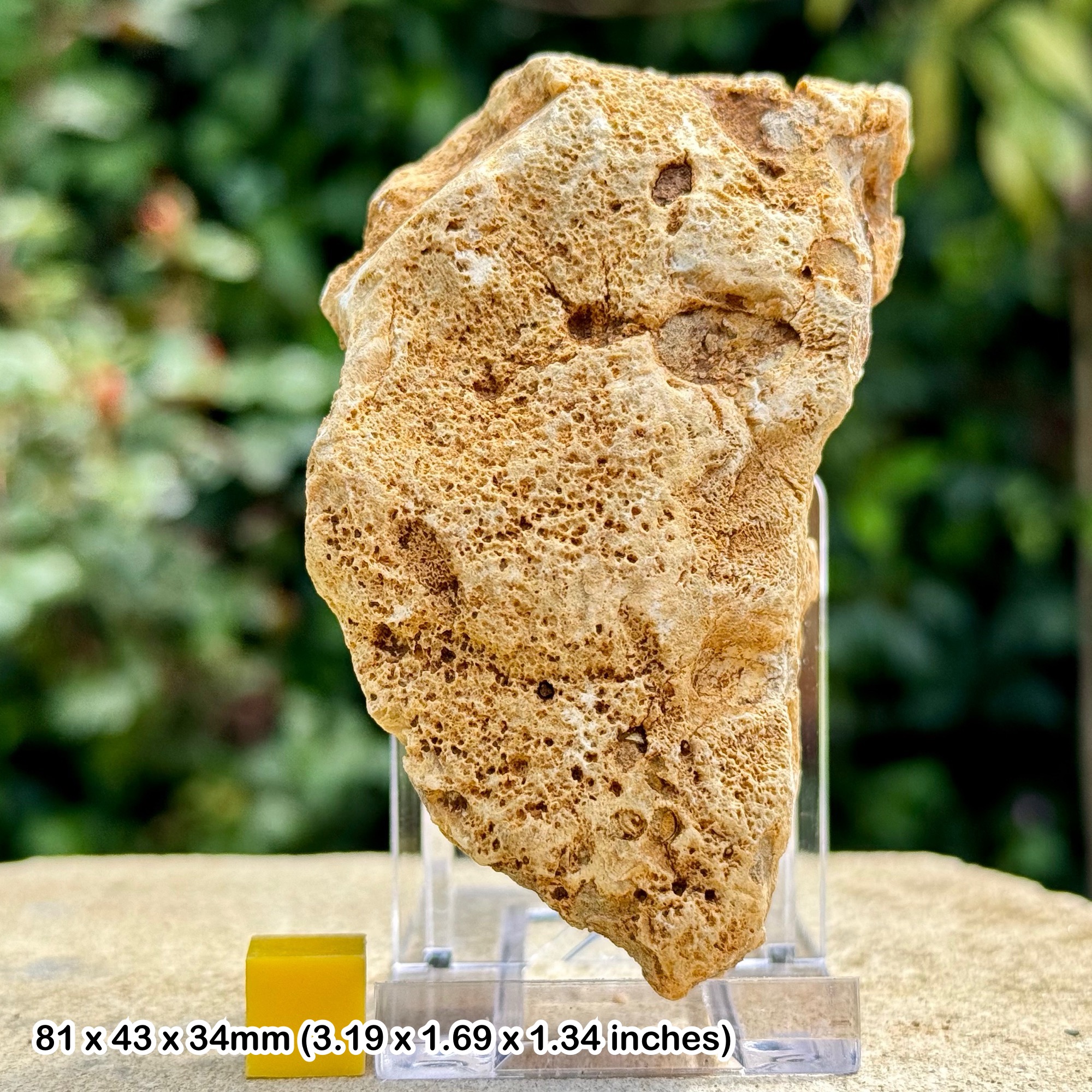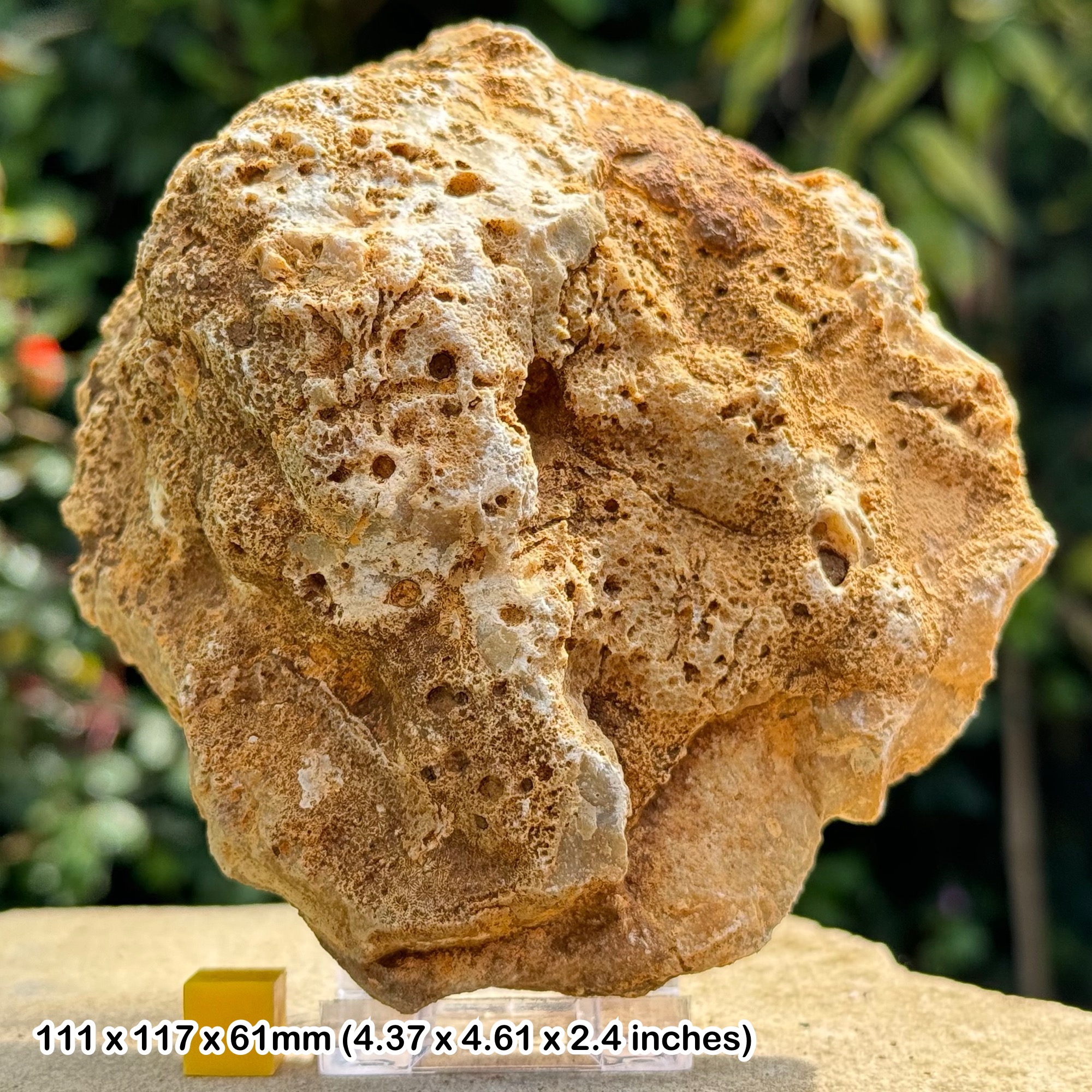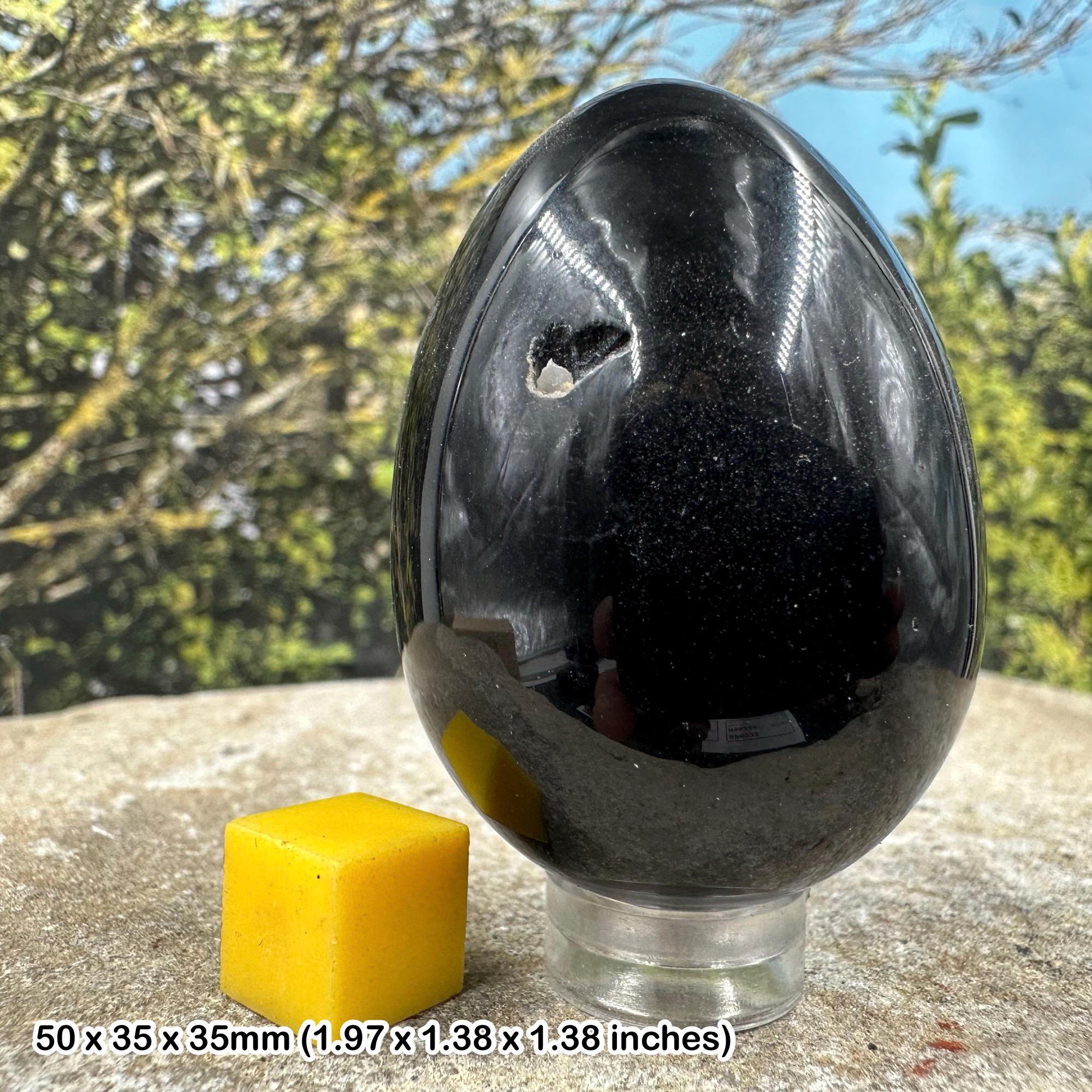
Obsidian Mineral Egg Natural Volcanic Glass Polished Crystal Egg Collector Display Stone Genuine with Certificate of Authenticity
£ 19.20
NATURAL OBSIDIAN MINERAL EGGThis genuine Obsidian mineral egg carved from natural volcanic glass features
the deep black colour and highly polished surface characteristic of high-quality obsidian. Carefully shaped into a smooth egg form and polished to a glossy finish, this specimen highlights the reflective vitreous lustre and uniform colour typical of this naturally occurring volcanic material.The photographs in this listing clearly show the exact specimen you will receive, allowing buyers and collectors to examine the polish, colour depth, and surface characteristics before purchase. Each obsidian carving is unique due to subtle natural variations within the volcanic glass.This crystal includes a Certificate of Authenticity lifetime guarantee generic card, confirming the natural origin of the specimen. MINERAL IDENTIFICATION AND GEOLOGICAL CLASSIFICATIONObsidian is a naturally occurring volcanic glass, formed when molten lava rich in silica cools extremely rapidly after a volcanic eruption. Because the cooling process is so rapid, crystals do not have time to develop, resulting in an amorphous glass-like material rather than a crystalline mineral structure.Key geological properties include:
• Material Type: Volcanic glass
• Primary Composition: Silicon dioxide (SiO₂)
• Rock Classification: Extrusive igneous rock
• Crystal Structure: Amorphous (non-crystalline)
• Mohs Hardness: Approximately 5–5.5
• Lustre: Vitreous or glass-like
• Transparency: Opaque to slightly translucent on thin edgesThe glassy texture of obsidian allows it to fracture with smooth curved surfaces known as conchoidal fractures, a defining feature of volcanic glass. GEOLOGICAL FORMATION OF OBSIDIANObsidian forms when silica-rich lava erupts and cools quickly on the Earth’s surface. The rapid cooling prevents mineral crystals from forming, trapping the molten material in a glassy state.This volcanic process typically occurs in regions associated with rhyolitic lava flows or other silica-rich volcanic systems. As lava spreads and cools rapidly, volcanic glass forms along the edges and surfaces of the flow.The deep black colour commonly seen in obsidian is caused by microscopic inclusions of iron and magnesium oxides dispersed throughout the glassy material. These tiny inclusions absorb light and give obsidian its characteristic dark appearance. PHYSICAL CHARACTERISTICS AND APPEARANCEObsidian is known for its smooth glass-like texture and reflective finish when polished. When shaped and polished into decorative forms, the stone reveals its uniform colour and lustrous surface.Typical characteristics include:
• Deep jet-black colour
• Smooth glass-like surface
• High reflective polish
• Subtle internal reflections under strong lightingSome specimens may show faint internal variations or slightly translucent edges depending on the thickness of the glass. POLISHED MINERAL EGG SHAPEThis specimen has been carved into a mineral egg shape, a classic form used for polished stone carvings. The symmetrical curved form allows the natural stone to be displayed from all angles while showcasing the smooth reflective surface of the volcanic glass.Stone eggs are widely appreciated as:
• Decorative mineral display pieces
• Collector stone carvings
• Geological specimen displays
• Natural stone gift itemsThe egg shape emphasises the continuous polished surface and allows the natural properties of the obsidian to be clearly visible. MINERAL COLLECTING AND GEOLOGICAL INTERESTObsidian is highly valued among collectors for its unique geological origin as volcanic glass and its distinctive appearance compared with crystalline minerals. Because it forms directly from molten lava, obsidian represents a snapshot of volcanic activity preserved in solid form.Collectors often include obsidian specimens in:
• Volcanic rock collections
• Igneous rock displays
• Educational geological collections
• Decorative mineral cabinetsPolished carvings such as mineral eggs present the natural material in a display-ready form while maintaining its geological identity. CULTURAL AND HISTORICAL SIGNIFICANCEObsidian has been used by human cultures for thousands of years due to its ability to fracture into extremely sharp edges. Ancient civilizations used obsidian to produce cutting tools, arrowheads, and ceremonial objects.Polished obsidian has also appeared historically in decorative carvings, mirrors, and ornamental stone objects. In some traditions, dark volcanic glass has been traditionally associated with symbolic interpretations relating to reflection or grounding, interpretations based on cultural history rather than scientific mineral properties. AUTHENTICITY AND EXACT SPECIMENThis Obsidian mineral egg is carved from genuine natural volcanic glass. Each piece is carefully selected and polished to highlight the natural characteristics of the material.The photographs in the listing show the exact specimen you will receive, ensuring transparency for collectors and buyers.Each purchase includes a Certificate of Authenticity lifetime guarantee generic card, confirming the authenticity of the mineral. SIZE AND SPECIMEN DETAILSPlease refer to the listing photographs for full sizing and scale of the mineral egg. Images clearly show the polished surface, shape, and colour so buyers can accurately evaluate the specimen before purchase.This natural Obsidian mineral egg carved from volcanic glass represents a classic example of rapidly cooled lava and offers a striking addition to any mineral collection, geological display, or decorative stone cabinet.
the deep black colour and highly polished surface characteristic of high-quality obsidian. Carefully shaped into a smooth egg form and polished to a glossy finish, this specimen highlights the reflective vitreous lustre and uniform colour typical of this naturally occurring volcanic material.The photographs in this listing clearly show the exact specimen you will receive, allowing buyers and collectors to examine the polish, colour depth, and surface characteristics before purchase. Each obsidian carving is unique due to subtle natural variations within the volcanic glass.This crystal includes a Certificate of Authenticity lifetime guarantee generic card, confirming the natural origin of the specimen. MINERAL IDENTIFICATION AND GEOLOGICAL CLASSIFICATIONObsidian is a naturally occurring volcanic glass, formed when molten lava rich in silica cools extremely rapidly after a volcanic eruption. Because the cooling process is so rapid, crystals do not have time to develop, resulting in an amorphous glass-like material rather than a crystalline mineral structure.Key geological properties include:
• Material Type: Volcanic glass
• Primary Composition: Silicon dioxide (SiO₂)
• Rock Classification: Extrusive igneous rock
• Crystal Structure: Amorphous (non-crystalline)
• Mohs Hardness: Approximately 5–5.5
• Lustre: Vitreous or glass-like
• Transparency: Opaque to slightly translucent on thin edgesThe glassy texture of obsidian allows it to fracture with smooth curved surfaces known as conchoidal fractures, a defining feature of volcanic glass. GEOLOGICAL FORMATION OF OBSIDIANObsidian forms when silica-rich lava erupts and cools quickly on the Earth’s surface. The rapid cooling prevents mineral crystals from forming, trapping the molten material in a glassy state.This volcanic process typically occurs in regions associated with rhyolitic lava flows or other silica-rich volcanic systems. As lava spreads and cools rapidly, volcanic glass forms along the edges and surfaces of the flow.The deep black colour commonly seen in obsidian is caused by microscopic inclusions of iron and magnesium oxides dispersed throughout the glassy material. These tiny inclusions absorb light and give obsidian its characteristic dark appearance. PHYSICAL CHARACTERISTICS AND APPEARANCEObsidian is known for its smooth glass-like texture and reflective finish when polished. When shaped and polished into decorative forms, the stone reveals its uniform colour and lustrous surface.Typical characteristics include:
• Deep jet-black colour
• Smooth glass-like surface
• High reflective polish
• Subtle internal reflections under strong lightingSome specimens may show faint internal variations or slightly translucent edges depending on the thickness of the glass. POLISHED MINERAL EGG SHAPEThis specimen has been carved into a mineral egg shape, a classic form used for polished stone carvings. The symmetrical curved form allows the natural stone to be displayed from all angles while showcasing the smooth reflective surface of the volcanic glass.Stone eggs are widely appreciated as:
• Decorative mineral display pieces
• Collector stone carvings
• Geological specimen displays
• Natural stone gift itemsThe egg shape emphasises the continuous polished surface and allows the natural properties of the obsidian to be clearly visible. MINERAL COLLECTING AND GEOLOGICAL INTERESTObsidian is highly valued among collectors for its unique geological origin as volcanic glass and its distinctive appearance compared with crystalline minerals. Because it forms directly from molten lava, obsidian represents a snapshot of volcanic activity preserved in solid form.Collectors often include obsidian specimens in:
• Volcanic rock collections
• Igneous rock displays
• Educational geological collections
• Decorative mineral cabinetsPolished carvings such as mineral eggs present the natural material in a display-ready form while maintaining its geological identity. CULTURAL AND HISTORICAL SIGNIFICANCEObsidian has been used by human cultures for thousands of years due to its ability to fracture into extremely sharp edges. Ancient civilizations used obsidian to produce cutting tools, arrowheads, and ceremonial objects.Polished obsidian has also appeared historically in decorative carvings, mirrors, and ornamental stone objects. In some traditions, dark volcanic glass has been traditionally associated with symbolic interpretations relating to reflection or grounding, interpretations based on cultural history rather than scientific mineral properties. AUTHENTICITY AND EXACT SPECIMENThis Obsidian mineral egg is carved from genuine natural volcanic glass. Each piece is carefully selected and polished to highlight the natural characteristics of the material.The photographs in the listing show the exact specimen you will receive, ensuring transparency for collectors and buyers.Each purchase includes a Certificate of Authenticity lifetime guarantee generic card, confirming the authenticity of the mineral. SIZE AND SPECIMEN DETAILSPlease refer to the listing photographs for full sizing and scale of the mineral egg. Images clearly show the polished surface, shape, and colour so buyers can accurately evaluate the specimen before purchase.This natural Obsidian mineral egg carved from volcanic glass represents a classic example of rapidly cooled lava and offers a striking addition to any mineral collection, geological display, or decorative stone cabinet.