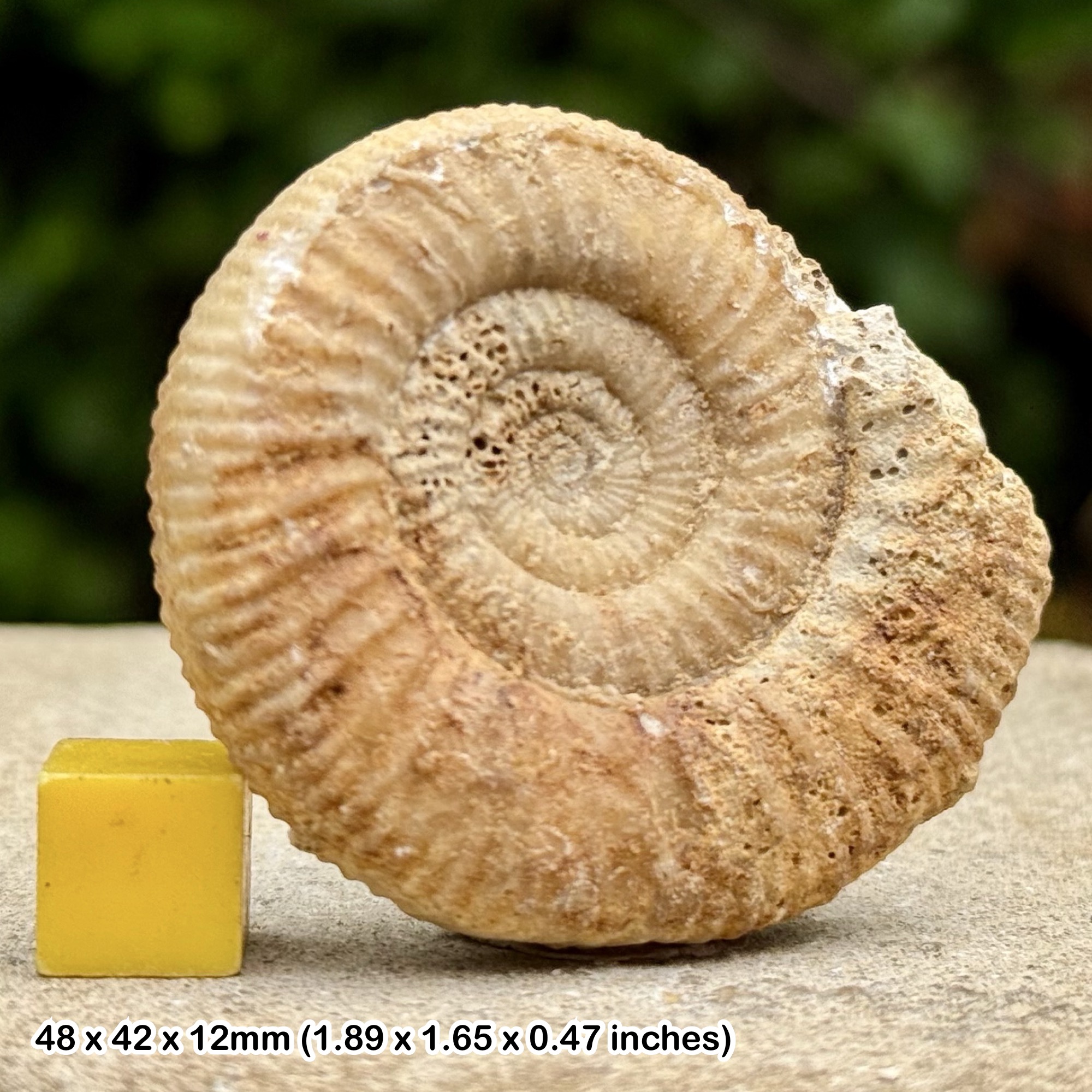
Binatisphinctes binatus Fossil Ammonite - Upper Oxfordian Jurassic - Switzerland - Genuine with Certificate
£ 18.00
This listing is for a genuine Binatisphinctes binatus fossil ammonite from the
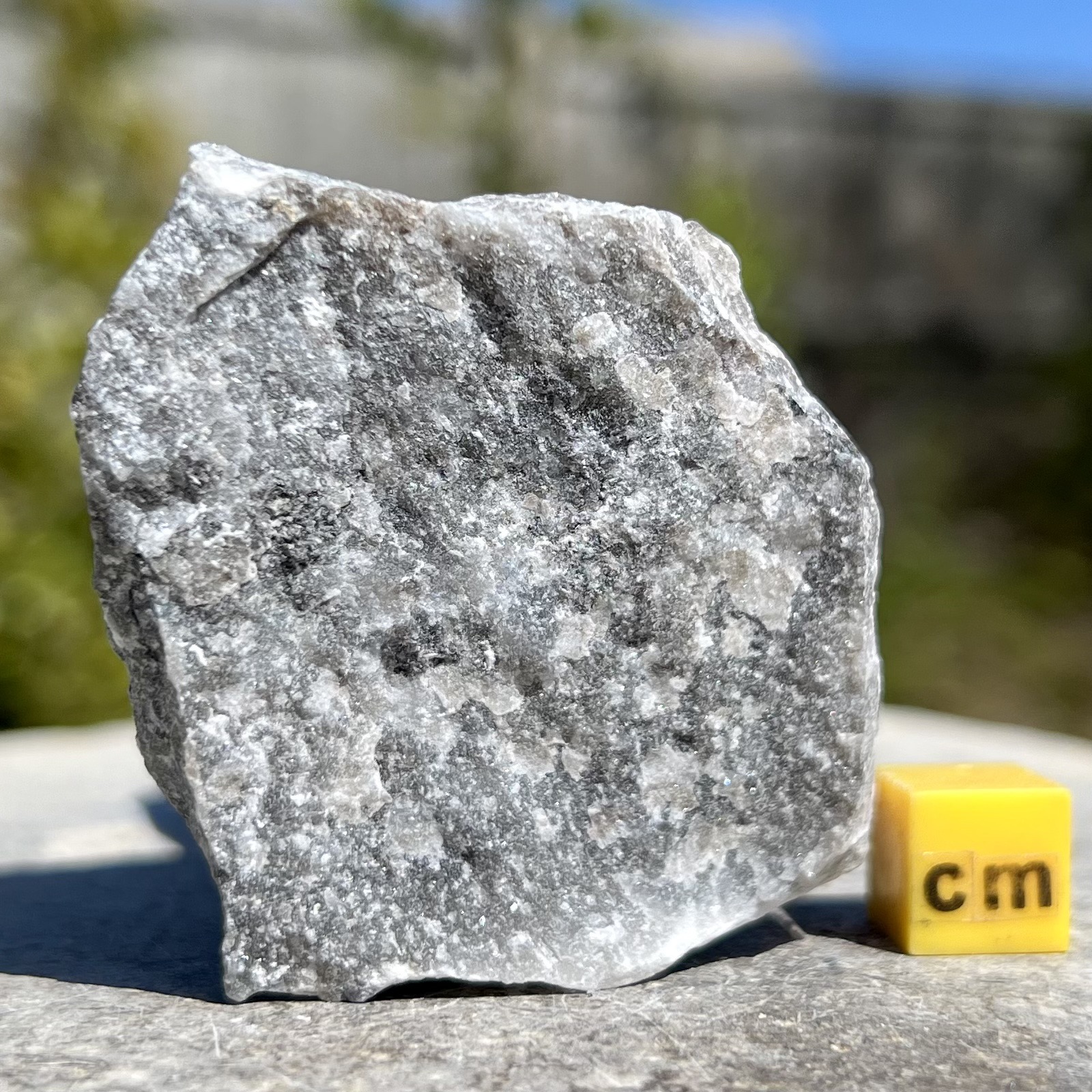
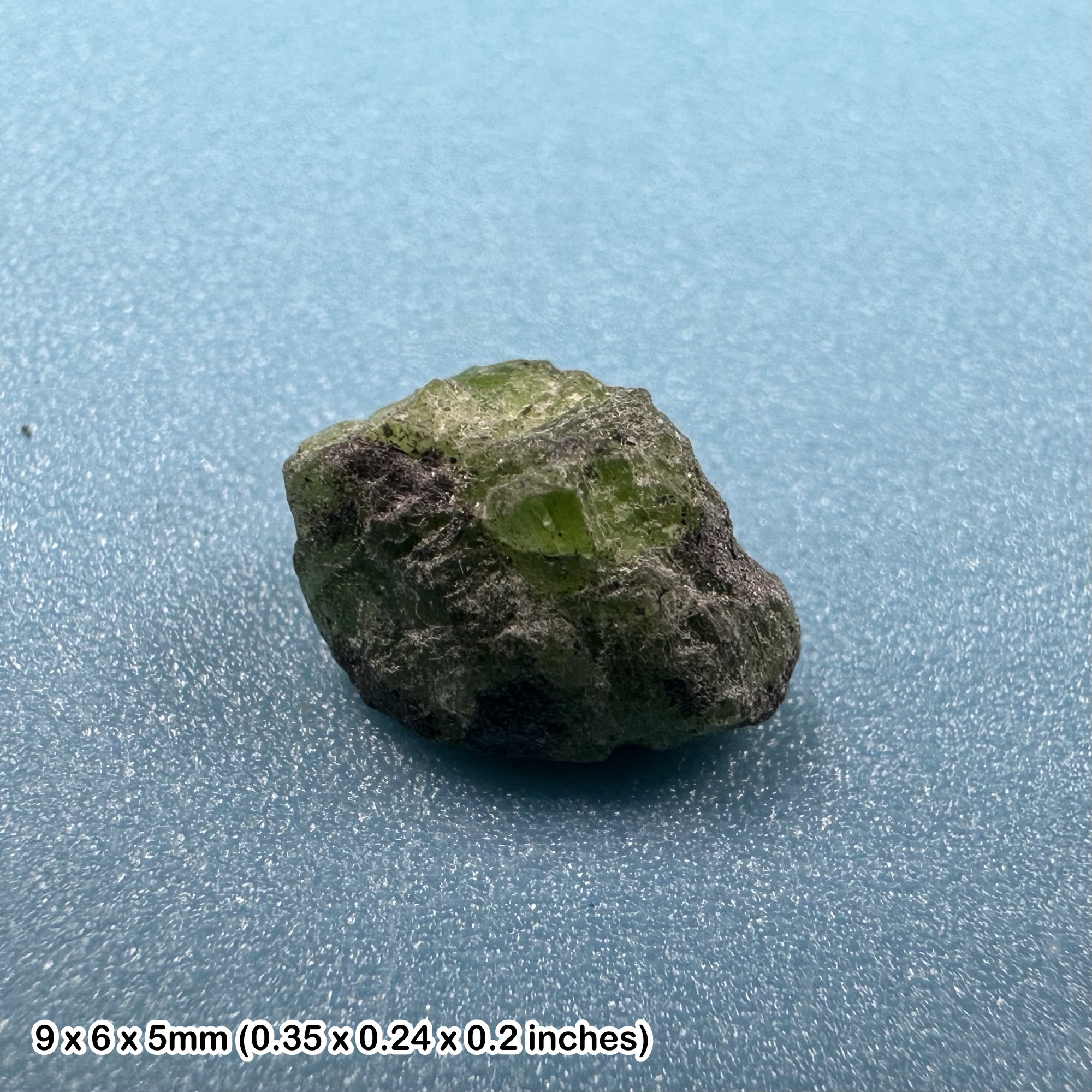
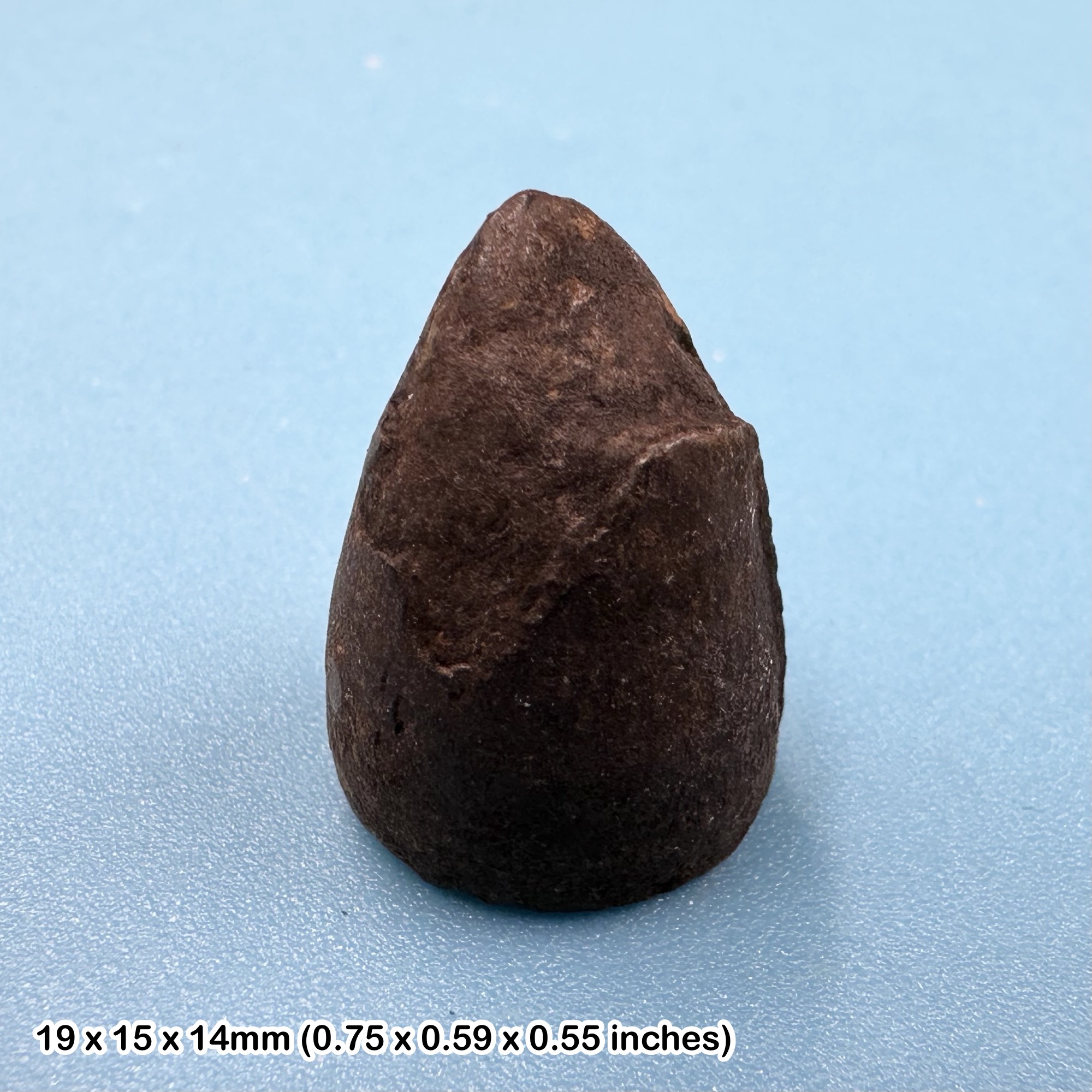
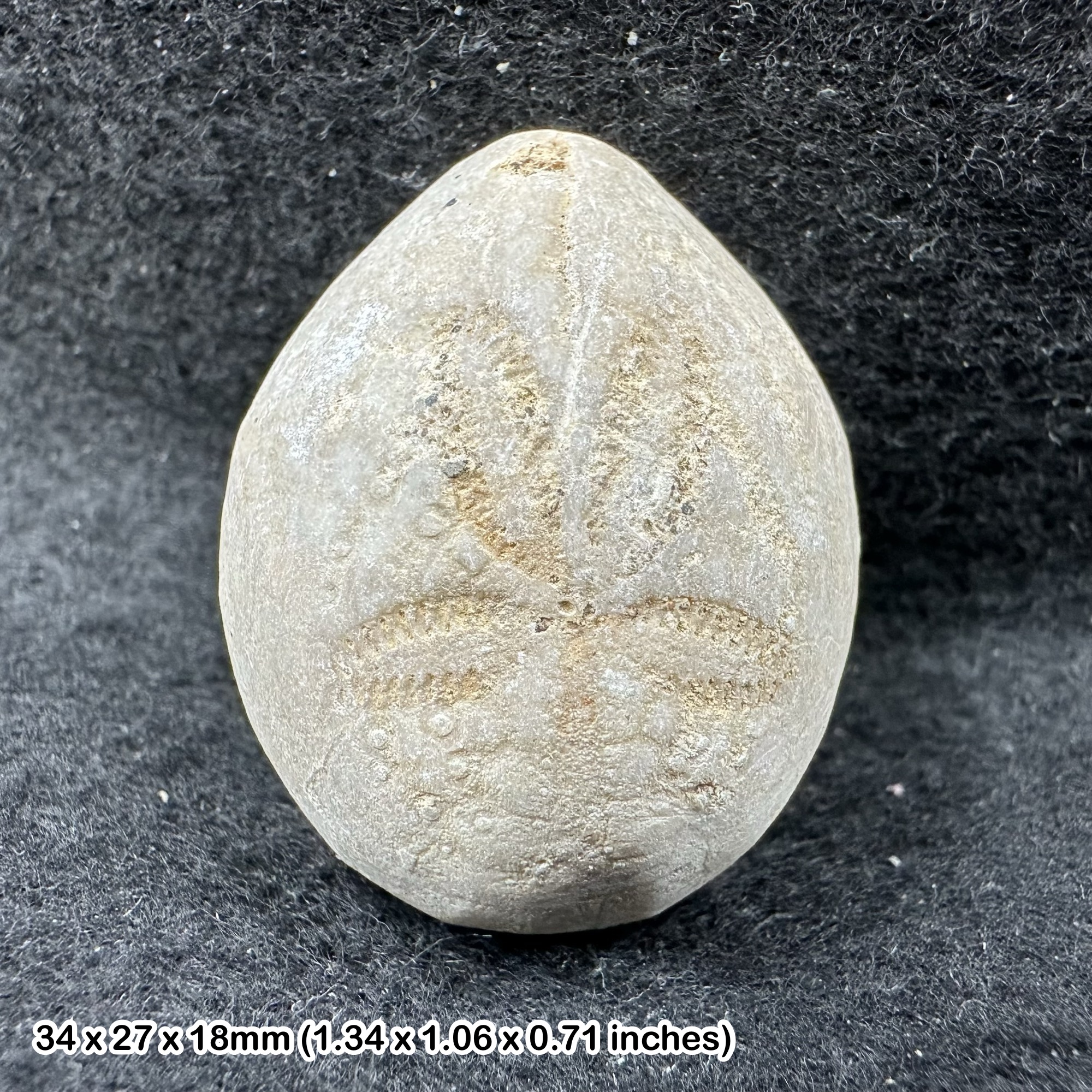
Upper Oxfordian Stage of the Late Jurassic, discovered in Switzerland. The specimen shown in the photograph is the exact fossil you will receive, with a 1cm scale cube included for accurate sizing. Please refer to the photo gallery for complete measurements. Each fossil includes a Certificate of Authenticity for your assurance.Species Overview:
• Scientific Name: Binatisphinctes binatus
• Type: Fossil ammonite (extinct marine cephalopod)
• Geological Age: Upper Oxfordian Stage, Late Jurassic (approx. 157–163 million years ago)
• Locality: Switzerland
• Formation: Likely marine sedimentary limestone or marl units typical of Upper Jurassic Swiss sequencesGeological & Paleontological Context:
• Order: Ammonitida
• Superfamily: Perisphinctoidea
• Family: Perisphinctidae
• Genus: Binatisphinctes
• Zone/Biozone: Possibly Gregoryceras transversarium Zone (Oxfordian), depending on exact locality
• Depositional Environment: Shallow marine shelf environment with fine-grained calcareous sedimentation
• Morphology Features: Evolute shell with ribbed ornamentation; typical of Perisphinctid ammonites with pronounced whorls and suture lines
• Notable Features: Excellent preservation, showing fine ribbing and coiling, ideal for collectors and educational display
• Formally Identified By: Genus originally described in the 19th century under the broader classification of Perisphinctids; refined in later systematic revisionsWhy Choose This Fossil?
• Carefully selected for quality and authenticity
• Comes with a Certificate of Authenticity
• A unique glimpse into Jurassic marine life
• A fantastic piece for educational use, scientific study, or private collectionCollector’s Note:Binatisphinctes binatus is a classic ammonite from the Upper Jurassic known for its intricate ribbing and well-defined whorls. It serves as a key biostratigraphic marker in European Jurassic formations and provides important insight into ammonoid evolution and paleoecology during the Oxfordian stage.Bring the ancient seas to life with this exceptional ammonite fossil from Switzerland—an enduring treasure of natural history and geological heritage.
Upper Oxfordian Stage of the Late Jurassic, discovered in Switzerland. The specimen shown in the photograph is the exact fossil you will receive, with a 1cm scale cube included for accurate sizing. Please refer to the photo gallery for complete measurements. Each fossil includes a Certificate of Authenticity for your assurance.Species Overview:
• Scientific Name: Binatisphinctes binatus
• Type: Fossil ammonite (extinct marine cephalopod)
• Geological Age: Upper Oxfordian Stage, Late Jurassic (approx. 157–163 million years ago)
• Locality: Switzerland
• Formation: Likely marine sedimentary limestone or marl units typical of Upper Jurassic Swiss sequencesGeological & Paleontological Context:
• Order: Ammonitida
• Superfamily: Perisphinctoidea
• Family: Perisphinctidae
• Genus: Binatisphinctes
• Zone/Biozone: Possibly Gregoryceras transversarium Zone (Oxfordian), depending on exact locality
• Depositional Environment: Shallow marine shelf environment with fine-grained calcareous sedimentation
• Morphology Features: Evolute shell with ribbed ornamentation; typical of Perisphinctid ammonites with pronounced whorls and suture lines
• Notable Features: Excellent preservation, showing fine ribbing and coiling, ideal for collectors and educational display
• Formally Identified By: Genus originally described in the 19th century under the broader classification of Perisphinctids; refined in later systematic revisionsWhy Choose This Fossil?
• Carefully selected for quality and authenticity
• Comes with a Certificate of Authenticity
• A unique glimpse into Jurassic marine life
• A fantastic piece for educational use, scientific study, or private collectionCollector’s Note:Binatisphinctes binatus is a classic ammonite from the Upper Jurassic known for its intricate ribbing and well-defined whorls. It serves as a key biostratigraphic marker in European Jurassic formations and provides important insight into ammonoid evolution and paleoecology during the Oxfordian stage.Bring the ancient seas to life with this exceptional ammonite fossil from Switzerland—an enduring treasure of natural history and geological heritage.
Other Products