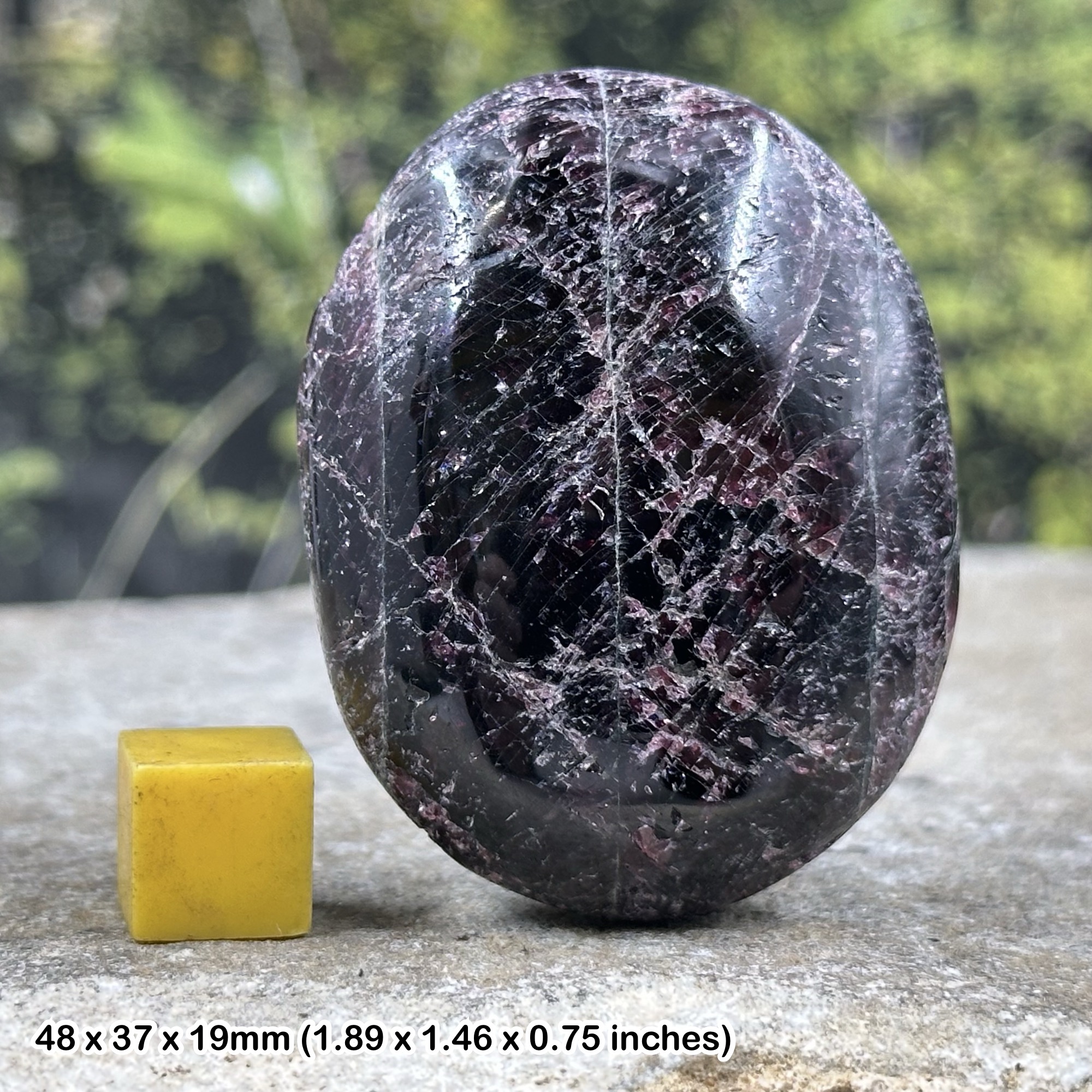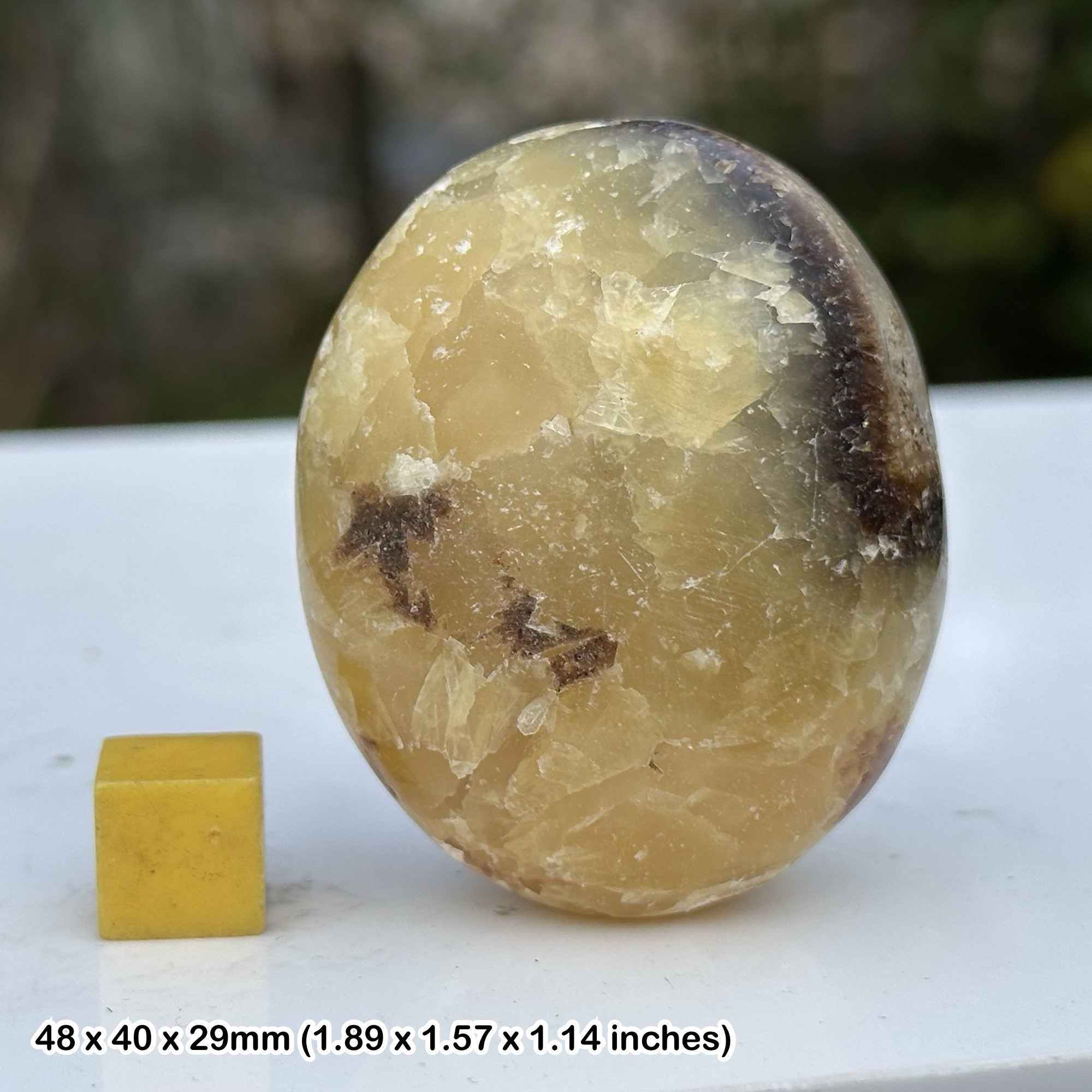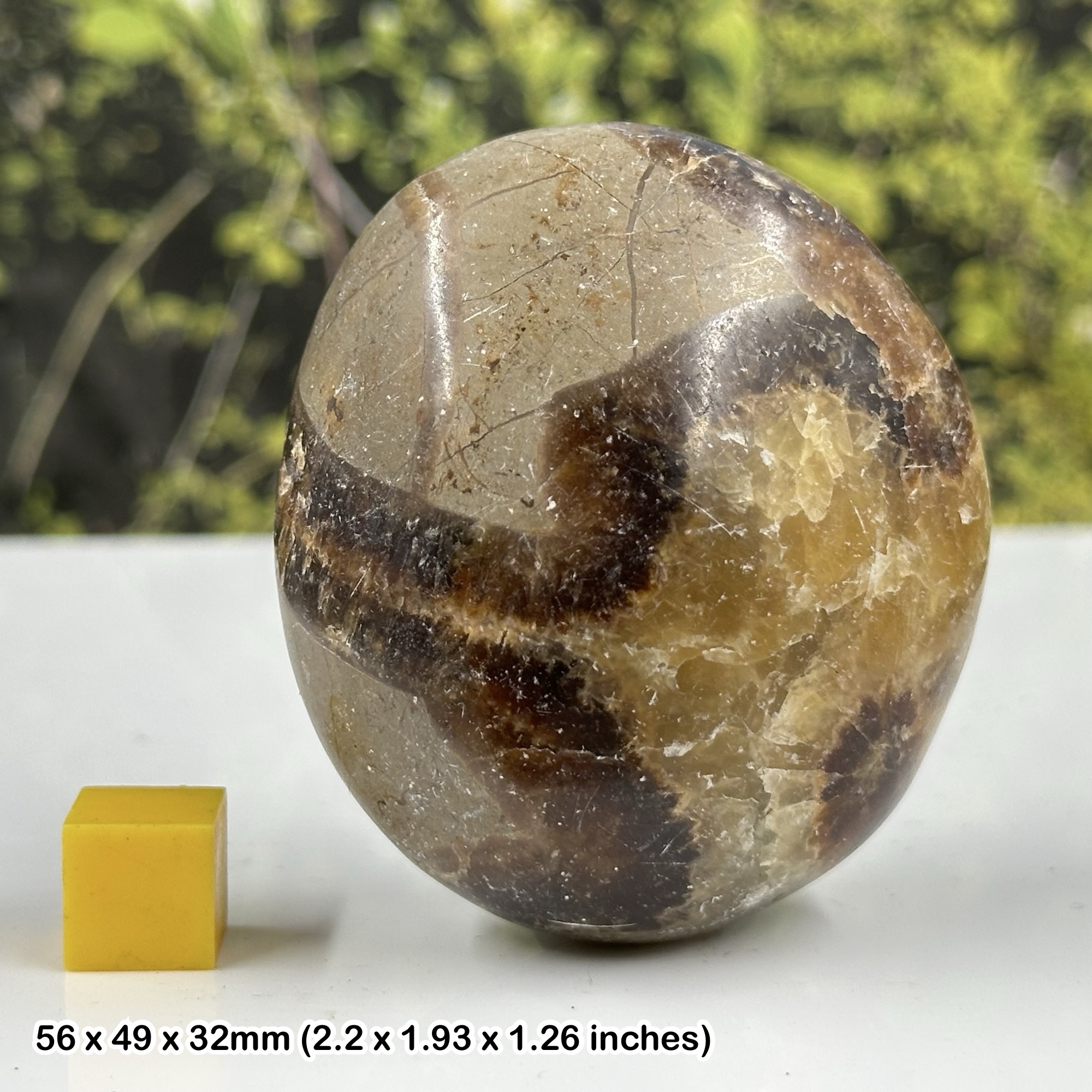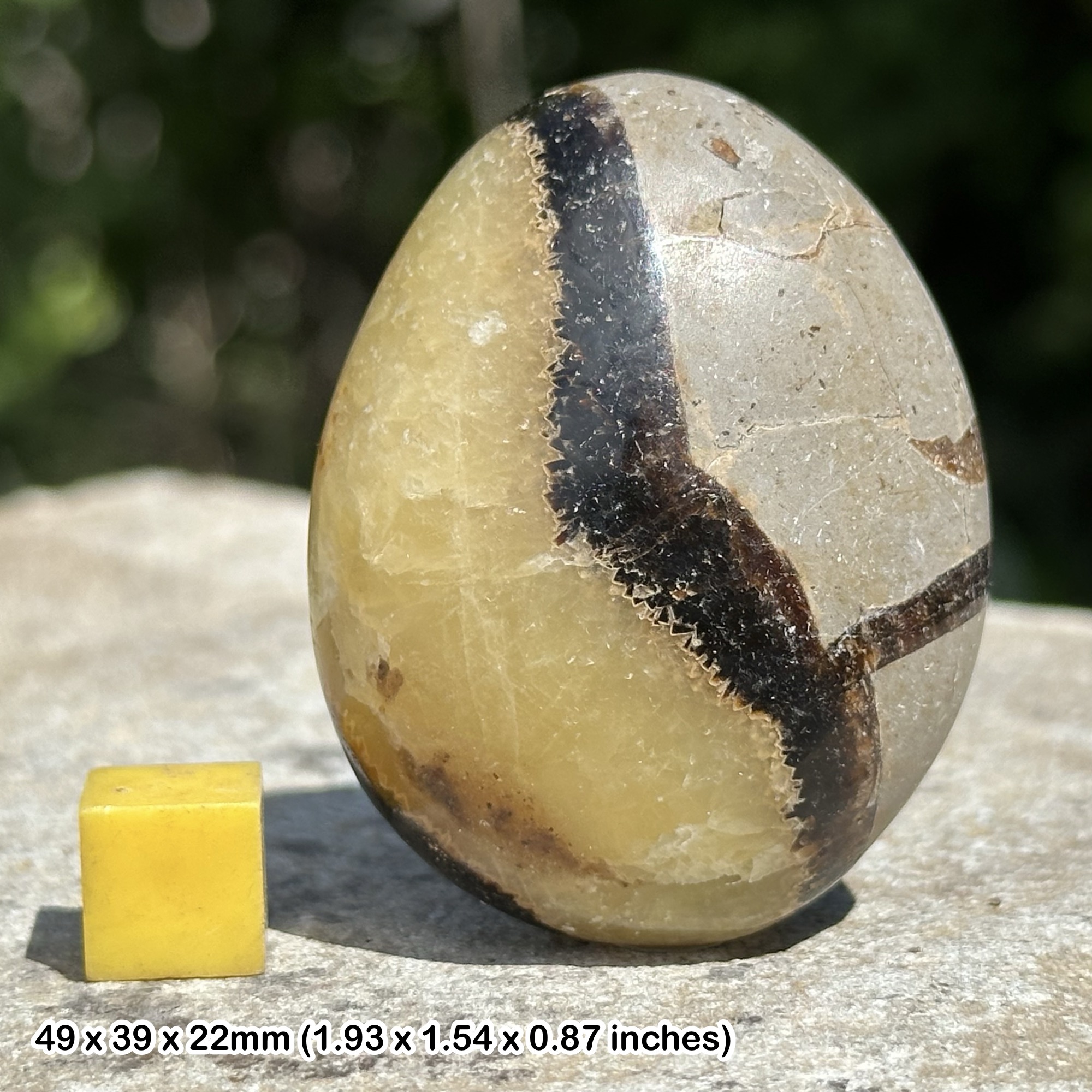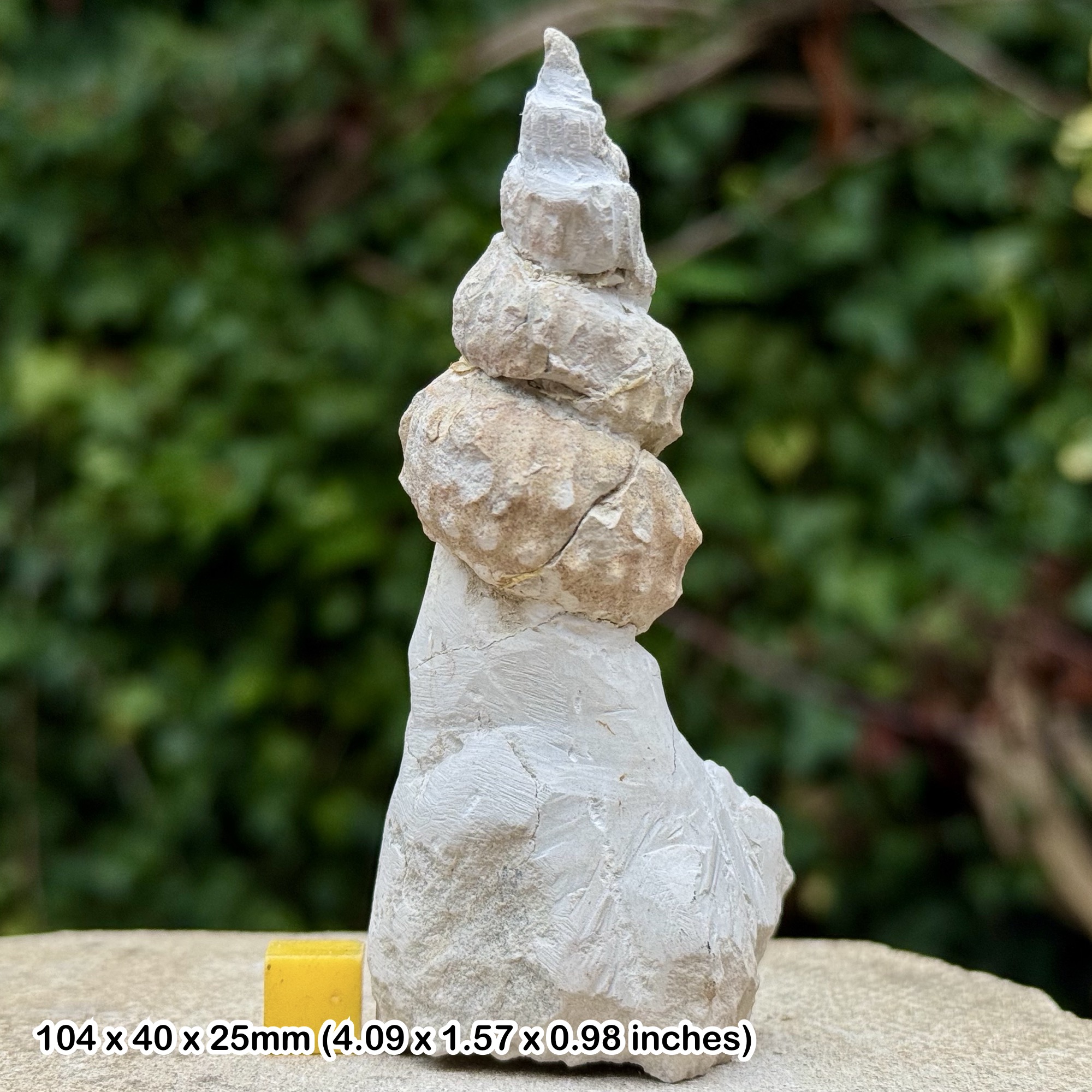
Turrilites acutus Heteromorph Fossil Ammonite Cenomanian Cretaceous Sussex United Kingdom with COA
£ 32.40
TURRILITES ACUTUS HETEROMORPH AMMONITE FROM SUSSEXThis listing offers a Turrilites acutus heteromorph fossil ammonite, originating
from Cenomanian-aged chalk deposits in Sussex, United Kingdom. Dating to the Late Cretaceous Period, around 100–94 million years ago, this ammonite is part of the extraordinary heteromorph group, known for their unusual tower-like shell coiling that contrasts sharply with the flat spiral forms of more common ammonites. Specimens such as this are highly prized both for their rarity and for their role in stratigraphy, where they serve as important index fossils.All of our fossils are 100% genuine specimens and come with a Certificate of Authenticity. The fossil pictured is the exact specimen you will receive, with a 1cm scale cube and rule squares included for accurate sizing. GEOLOGICAL AGE AND PROVENANCEThis ammonite was recovered from Cenomanian chalk deposits, which form part of the world-famous White Chalk of southern England. The Cenomanian marks the beginning of the Late Cretaceous and was a time of exceptionally high global sea levels. Shallow, warm epicontinental seas covered much of Europe, providing ideal habitats for diverse ammonite populations, including heteromorph groups like Turrilites.The chalk formations of Sussex have been studied for centuries and remain internationally important for palaeontology. Fossils from these deposits not only provide insight into Cretaceous marine life but also play a crucial role in the development of geological timescales. FOSSIL TYPE AND SCIENTIFIC CLASSIFICATION
• Genus: Turrilites
• Species: Turrilites acutus
• Order: Ammonitida
• Superfamily: Turrilitoidea
• Family: TurrilitidaeTurrilites acutus is a significant index fossil for the Cenomanian Stage, widely used by geologists for precise biostratigraphic correlation. Its distinctive features and restricted stratigraphic range make it an invaluable species for defining and dating Cenomanian rock layers. MORPHOLOGICAL FEATURESThe species name acutus reflects the sharp and clearly defined features of this ammonite’s shell. Key traits include:
• Helicoidal Shell Coiling: Unlike planispiral ammonites, Turrilites acutus develops a turret-like, vertical spiral.
• Prominent Ribbing: Strong, narrow ribs run along the shell, creating a sharply sculpted surface.
• Tubercles: Small nodes or tubercles often appear along rib crests, adding to its diagnostic character.
• Keel Development: A keel is usually present along the venter, enhancing hydrodynamic stability and aiding in identification.These features not only make the species easy to recognise but also create a fossil of striking visual appeal. SCIENTIFIC AND COLLECTOR IMPORTANCEAs a defining species for the acutus Zone of the Lower Cenomanian, Turrilites acutus plays an essential role in stratigraphy. Its presence allows geologists to accurately identify and correlate Cenomanian-aged deposits across Europe, making it one of the most important ammonites for this time period.For collectors, Turrilites acutus offers both rarity and scientific significance. Its tower-like form and ribbed ornamentation make it an eye-catching fossil, while its provenance from Sussex adds historical and geological importance. Well-preserved specimens are increasingly sought after due to limited collecting opportunities and the scarcity of complete examples. DISPLAY AND EDUCATIONAL VALUEThis fossil has been carefully chosen for its preservation, strong rib detail, and overall quality, making it ideal for display in a private collection, educational setting, or museum exhibit. The unusual heteromorph coiling ensures it stands out immediately, offering both aesthetic value and a direct connection to the evolutionary experimentation of Cretaceous ammonites.Owning a Turrilites acutus ammonite from the Cenomanian chalk of Sussex provides not only a striking display specimen but also a scientifically valuable piece of natural history that highlights the diversity and adaptability of ammonites during the Late Cretaceous seas.
from Cenomanian-aged chalk deposits in Sussex, United Kingdom. Dating to the Late Cretaceous Period, around 100–94 million years ago, this ammonite is part of the extraordinary heteromorph group, known for their unusual tower-like shell coiling that contrasts sharply with the flat spiral forms of more common ammonites. Specimens such as this are highly prized both for their rarity and for their role in stratigraphy, where they serve as important index fossils.All of our fossils are 100% genuine specimens and come with a Certificate of Authenticity. The fossil pictured is the exact specimen you will receive, with a 1cm scale cube and rule squares included for accurate sizing. GEOLOGICAL AGE AND PROVENANCEThis ammonite was recovered from Cenomanian chalk deposits, which form part of the world-famous White Chalk of southern England. The Cenomanian marks the beginning of the Late Cretaceous and was a time of exceptionally high global sea levels. Shallow, warm epicontinental seas covered much of Europe, providing ideal habitats for diverse ammonite populations, including heteromorph groups like Turrilites.The chalk formations of Sussex have been studied for centuries and remain internationally important for palaeontology. Fossils from these deposits not only provide insight into Cretaceous marine life but also play a crucial role in the development of geological timescales. FOSSIL TYPE AND SCIENTIFIC CLASSIFICATION
• Genus: Turrilites
• Species: Turrilites acutus
• Order: Ammonitida
• Superfamily: Turrilitoidea
• Family: TurrilitidaeTurrilites acutus is a significant index fossil for the Cenomanian Stage, widely used by geologists for precise biostratigraphic correlation. Its distinctive features and restricted stratigraphic range make it an invaluable species for defining and dating Cenomanian rock layers. MORPHOLOGICAL FEATURESThe species name acutus reflects the sharp and clearly defined features of this ammonite’s shell. Key traits include:
• Helicoidal Shell Coiling: Unlike planispiral ammonites, Turrilites acutus develops a turret-like, vertical spiral.
• Prominent Ribbing: Strong, narrow ribs run along the shell, creating a sharply sculpted surface.
• Tubercles: Small nodes or tubercles often appear along rib crests, adding to its diagnostic character.
• Keel Development: A keel is usually present along the venter, enhancing hydrodynamic stability and aiding in identification.These features not only make the species easy to recognise but also create a fossil of striking visual appeal. SCIENTIFIC AND COLLECTOR IMPORTANCEAs a defining species for the acutus Zone of the Lower Cenomanian, Turrilites acutus plays an essential role in stratigraphy. Its presence allows geologists to accurately identify and correlate Cenomanian-aged deposits across Europe, making it one of the most important ammonites for this time period.For collectors, Turrilites acutus offers both rarity and scientific significance. Its tower-like form and ribbed ornamentation make it an eye-catching fossil, while its provenance from Sussex adds historical and geological importance. Well-preserved specimens are increasingly sought after due to limited collecting opportunities and the scarcity of complete examples. DISPLAY AND EDUCATIONAL VALUEThis fossil has been carefully chosen for its preservation, strong rib detail, and overall quality, making it ideal for display in a private collection, educational setting, or museum exhibit. The unusual heteromorph coiling ensures it stands out immediately, offering both aesthetic value and a direct connection to the evolutionary experimentation of Cretaceous ammonites.Owning a Turrilites acutus ammonite from the Cenomanian chalk of Sussex provides not only a striking display specimen but also a scientifically valuable piece of natural history that highlights the diversity and adaptability of ammonites during the Late Cretaceous seas.
Other Products