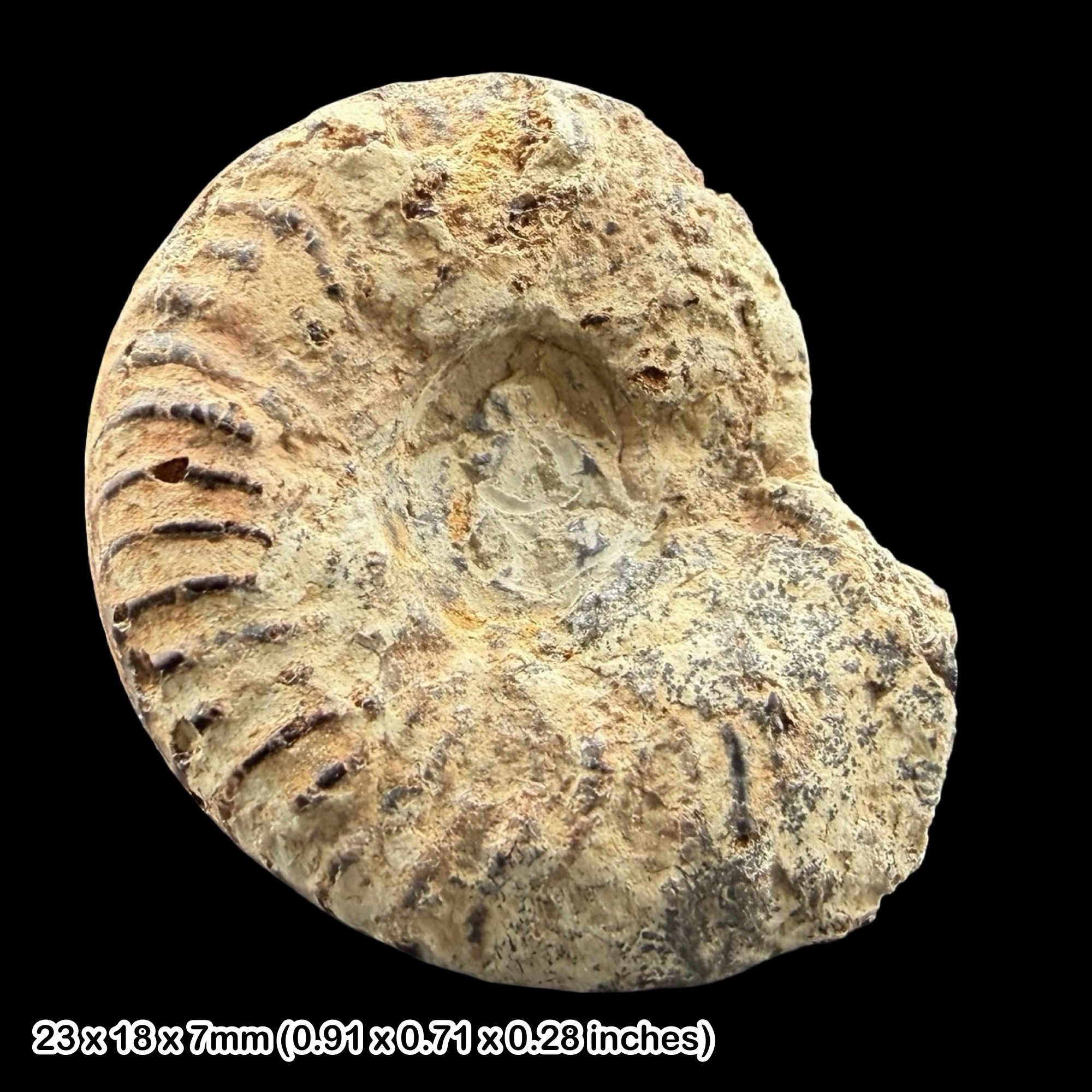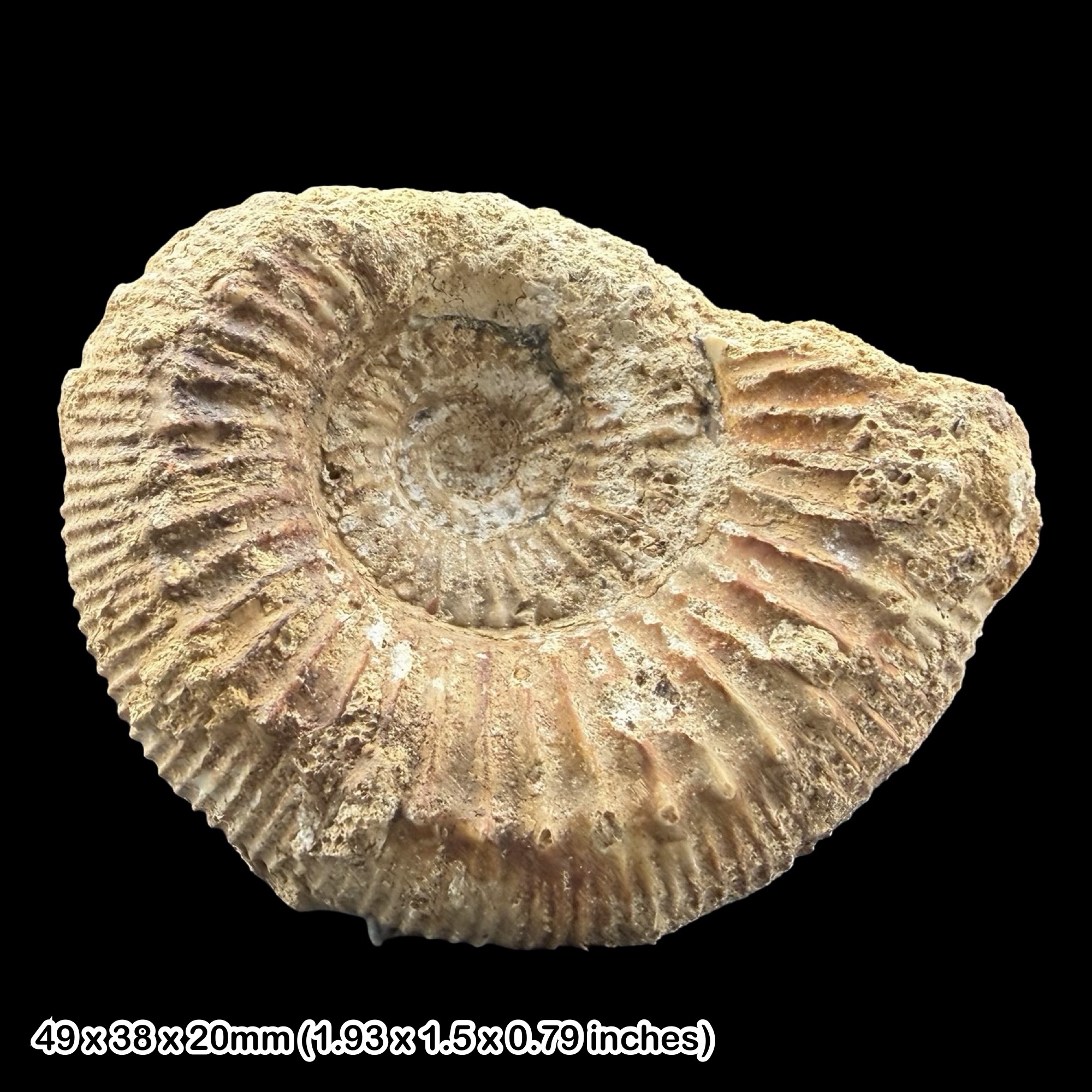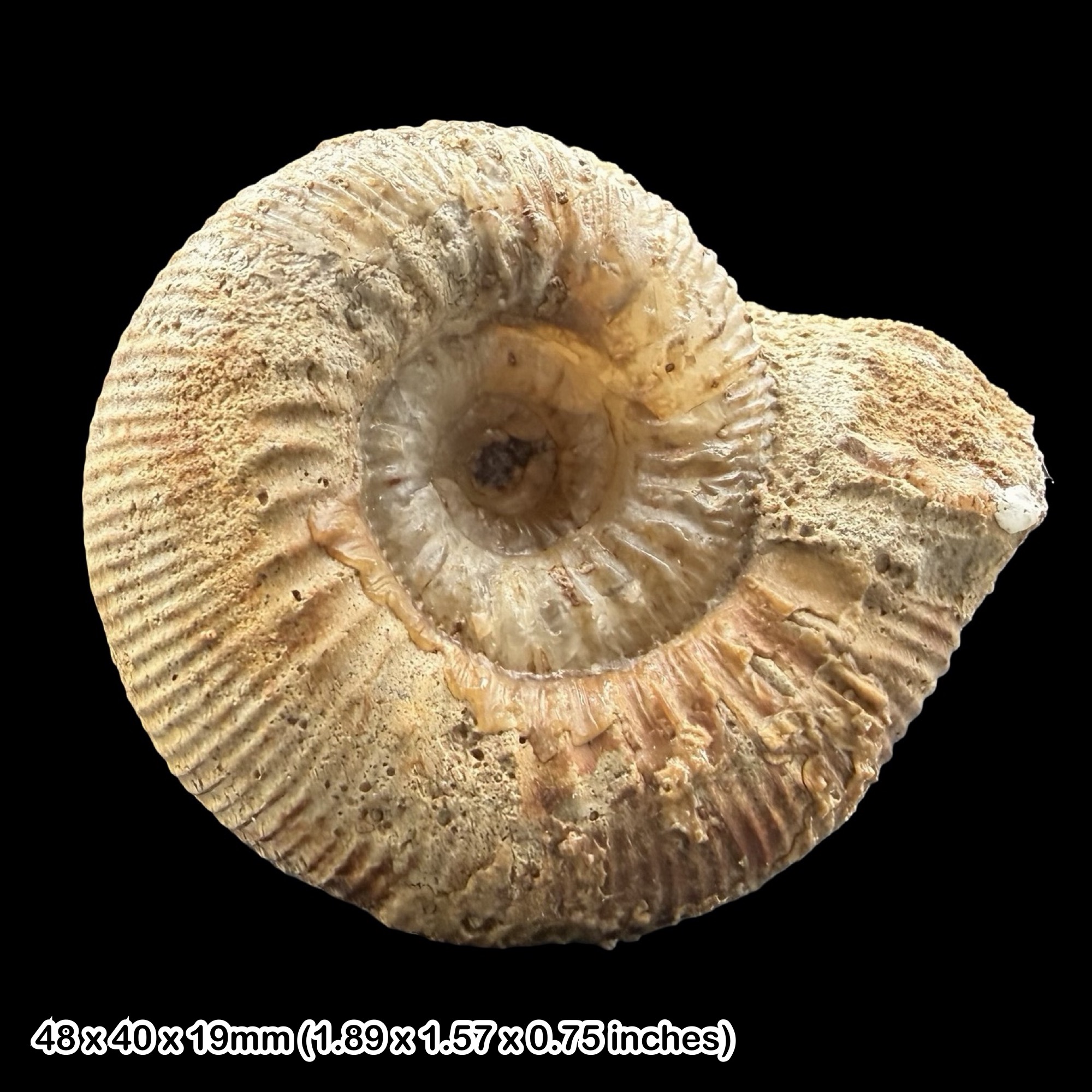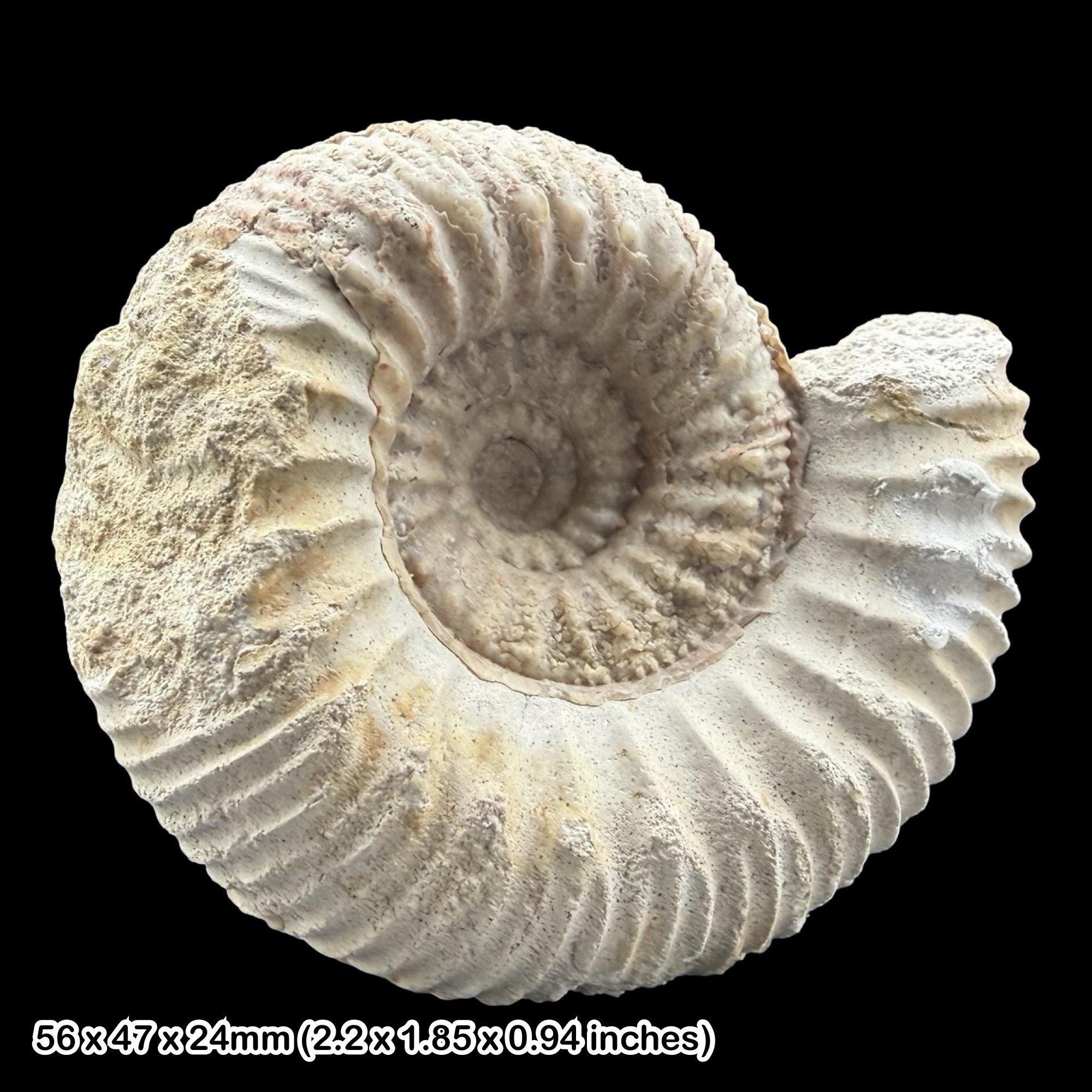
Petrified Wood Fossil Cretaceous Isle of Wight Shanklin UK Ferruginous Sands Authentic Specimen Certified Rare
£ 24.00
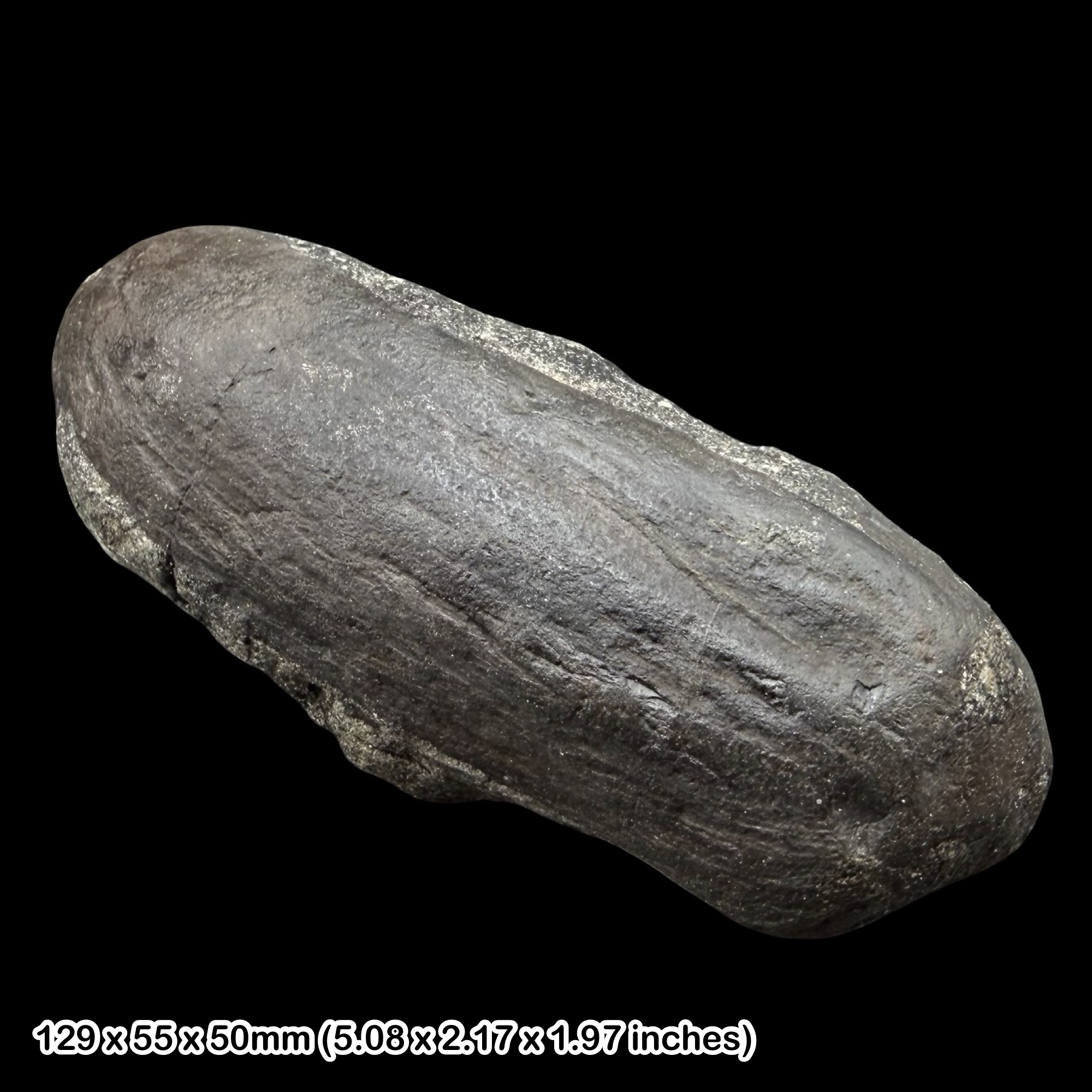
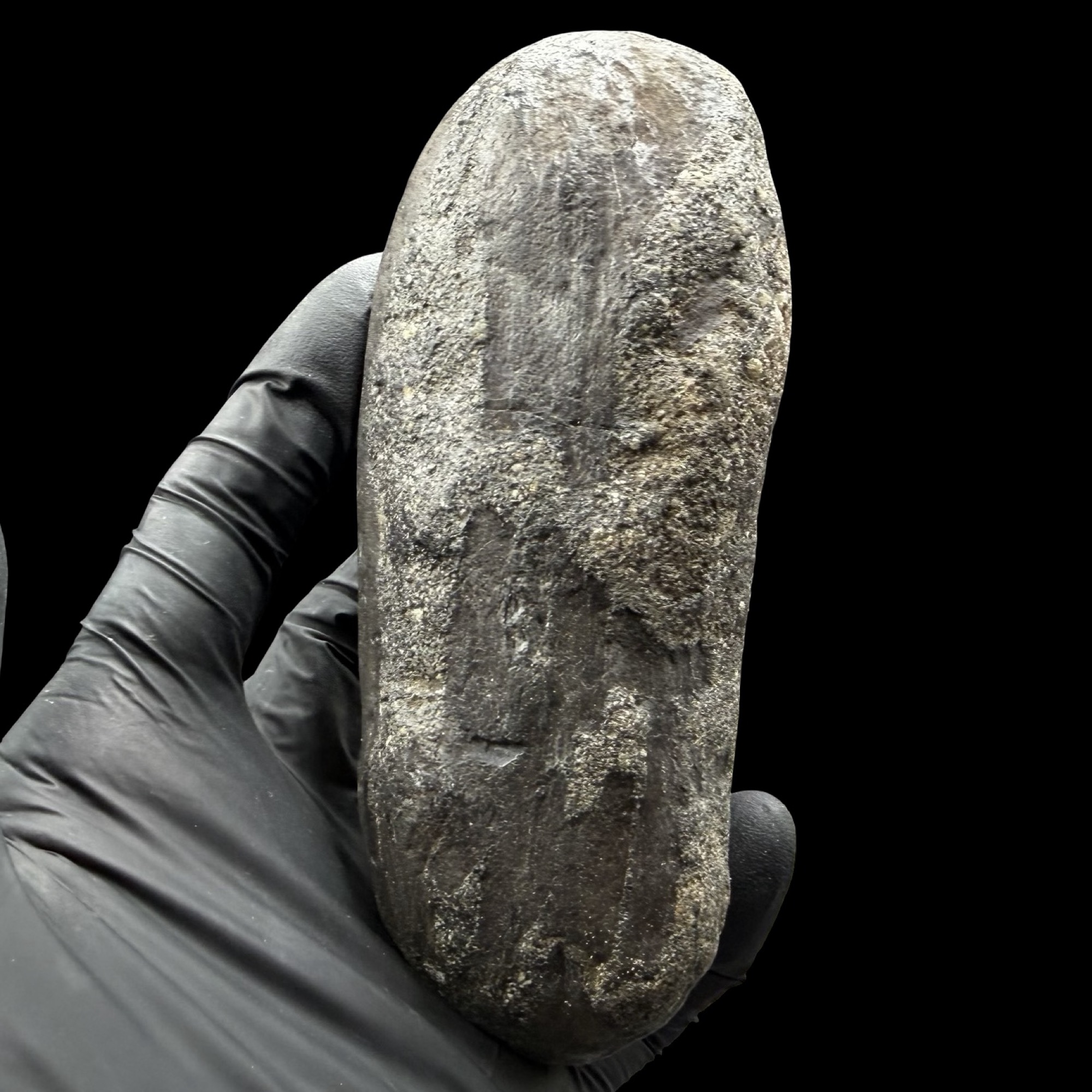
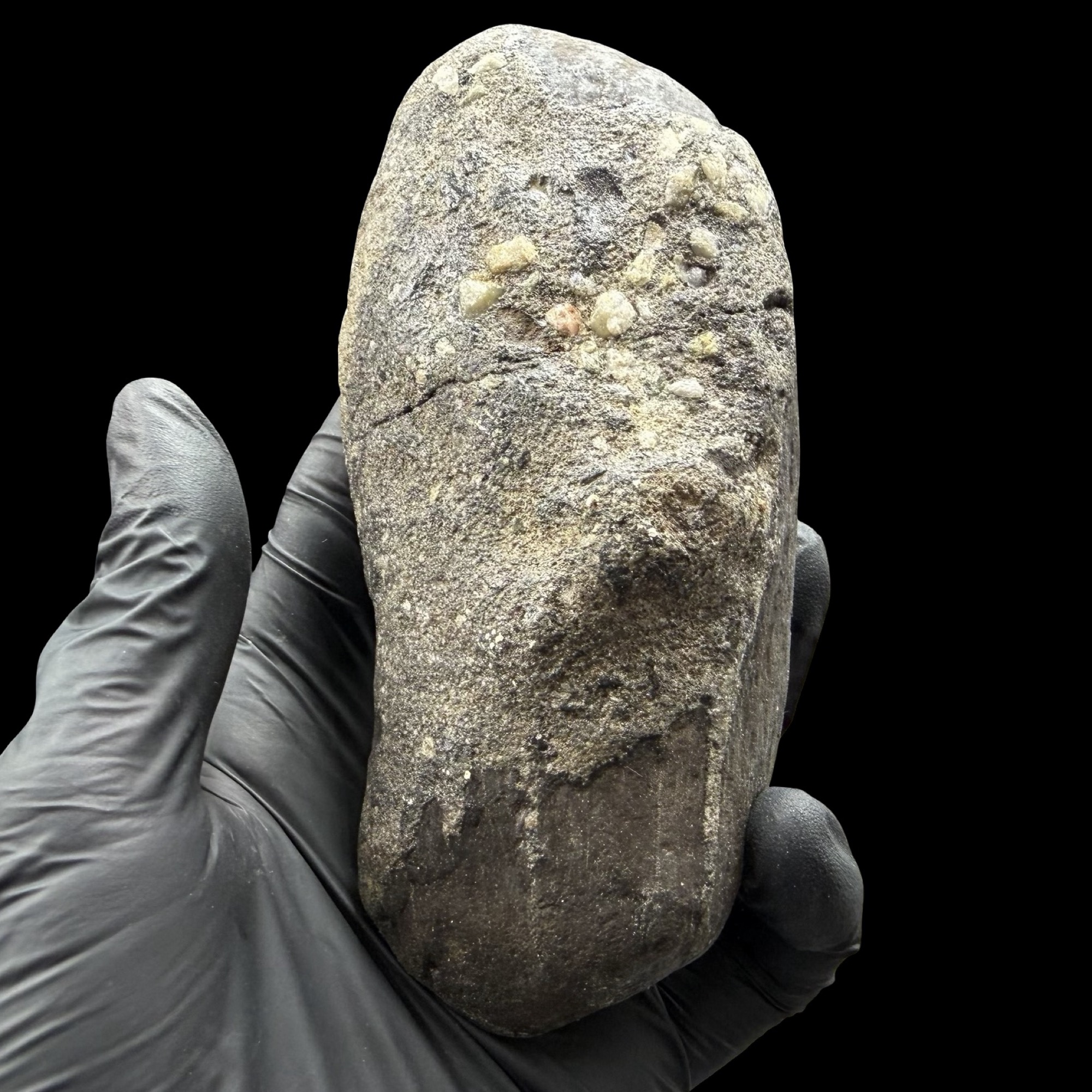
Cretaceous Petrified Wood Fossil – Genuine Isle of Wight SpecimenThis authentic petrified wood fossil originates from the Ferruginous Sands
Formation within the Lower Greensand Group at Shanklin on the Isle of Wight, a classic Cretaceous fossil locality in the UK. The specimen shown in the photographs is the exact piece you will receive, carefully selected for its natural structure, preservation, and visual appeal. This is a genuine fossil and includes a Certificate of Authenticity with a lifetime guarantee, ensuring complete confidence in its provenance.Discovery and Professional PreparationYour specimen was discovered by our dedicated team members, Alister and Alison, ensuring full traceability from field discovery through to final presentation. After recovery, the fossil was expertly cleaned, stabilised, and prepared by Alison. This careful process enhances the natural features of the petrified wood while preserving its integrity, allowing fine structural details to be clearly observed.Geological Context – Ferruginous Sands Formation, Lower GreensandThe Ferruginous Sands Formation forms part of the Lower Greensand Group, dating to the Early Cretaceous period, approximately 100 to 125 million years ago. This formation represents a sequence of iron-rich sandstones deposited in shallow marine to coastal environments. The sediments at Shanklin reflect dynamic conditions, including river input, coastal processes, and periodic marine influence. These conditions were ideal for preserving plant material, which became fossilised through mineral replacement over millions of years.About Petrified Wood – Fossilised Ancient ForestsPetrified wood forms when organic plant material is buried and gradually replaced by minerals, often silica or iron compounds, while retaining the original structure of the wood. This process preserves microscopic details such as growth rings, grain patterns, and cellular structure. Fossils from the Lower Greensand represent ancient forests that once grew in warm, humid climates during the Cretaceous, offering insight into prehistoric vegetation and ecosystems.Morphology and Notable FeaturesThis specimen displays characteristic wood grain patterns and natural texturing, reflecting the original biological structure of the tree. The ferruginous nature of the surrounding sediments has contributed to the fossil’s distinctive coloration, often producing rich earthy tones ranging from deep reds and browns to lighter hues. These colours are the result of iron mineralisation during fossilisation, enhancing both the visual appeal and uniqueness of the piece.Palaeoenvironment and Depositional InsightDuring the Early Cretaceous, the Isle of Wight was home to lush vegetation, river systems, and coastal plains. Trees and plant material were periodically transported and buried within sandy sediments, where mineral-rich waters facilitated the petrification process. This fossil represents a fragment of that ancient environment, preserving a direct link to prehistoric forests that existed alongside dinosaurs and other Cretaceous life.Collector Appeal and Display ValuePetrified wood from the Isle of Wight is highly sought after due to its geological significance and attractive appearance. This specimen combines scientific interest with strong decorative appeal, making it suitable for collectors, educators, and enthusiasts of natural history. Its natural textures and colours make it an excellent display piece, whether in a collection, office, or home setting.Authenticity, Provenance and PresentationThis fossil has been carefully chosen for its authenticity, quality, and aesthetic presentation. It is a genuine piece of prehistoric history, professionally prepared and ready for display. Full sizing can be confirmed via the provided photographs, ensuring transparency before purchase. Each specimen is unique, preserving a fragment of an ancient Cretaceous forest from the Isle of Wight.
Formation within the Lower Greensand Group at Shanklin on the Isle of Wight, a classic Cretaceous fossil locality in the UK. The specimen shown in the photographs is the exact piece you will receive, carefully selected for its natural structure, preservation, and visual appeal. This is a genuine fossil and includes a Certificate of Authenticity with a lifetime guarantee, ensuring complete confidence in its provenance.Discovery and Professional PreparationYour specimen was discovered by our dedicated team members, Alister and Alison, ensuring full traceability from field discovery through to final presentation. After recovery, the fossil was expertly cleaned, stabilised, and prepared by Alison. This careful process enhances the natural features of the petrified wood while preserving its integrity, allowing fine structural details to be clearly observed.Geological Context – Ferruginous Sands Formation, Lower GreensandThe Ferruginous Sands Formation forms part of the Lower Greensand Group, dating to the Early Cretaceous period, approximately 100 to 125 million years ago. This formation represents a sequence of iron-rich sandstones deposited in shallow marine to coastal environments. The sediments at Shanklin reflect dynamic conditions, including river input, coastal processes, and periodic marine influence. These conditions were ideal for preserving plant material, which became fossilised through mineral replacement over millions of years.About Petrified Wood – Fossilised Ancient ForestsPetrified wood forms when organic plant material is buried and gradually replaced by minerals, often silica or iron compounds, while retaining the original structure of the wood. This process preserves microscopic details such as growth rings, grain patterns, and cellular structure. Fossils from the Lower Greensand represent ancient forests that once grew in warm, humid climates during the Cretaceous, offering insight into prehistoric vegetation and ecosystems.Morphology and Notable FeaturesThis specimen displays characteristic wood grain patterns and natural texturing, reflecting the original biological structure of the tree. The ferruginous nature of the surrounding sediments has contributed to the fossil’s distinctive coloration, often producing rich earthy tones ranging from deep reds and browns to lighter hues. These colours are the result of iron mineralisation during fossilisation, enhancing both the visual appeal and uniqueness of the piece.Palaeoenvironment and Depositional InsightDuring the Early Cretaceous, the Isle of Wight was home to lush vegetation, river systems, and coastal plains. Trees and plant material were periodically transported and buried within sandy sediments, where mineral-rich waters facilitated the petrification process. This fossil represents a fragment of that ancient environment, preserving a direct link to prehistoric forests that existed alongside dinosaurs and other Cretaceous life.Collector Appeal and Display ValuePetrified wood from the Isle of Wight is highly sought after due to its geological significance and attractive appearance. This specimen combines scientific interest with strong decorative appeal, making it suitable for collectors, educators, and enthusiasts of natural history. Its natural textures and colours make it an excellent display piece, whether in a collection, office, or home setting.Authenticity, Provenance and PresentationThis fossil has been carefully chosen for its authenticity, quality, and aesthetic presentation. It is a genuine piece of prehistoric history, professionally prepared and ready for display. Full sizing can be confirmed via the provided photographs, ensuring transparency before purchase. Each specimen is unique, preserving a fragment of an ancient Cretaceous forest from the Isle of Wight.
Other Products