Palaeoniscus freieslebeni Fossil Fish Kupferschiefer Permian Germany Genuine Mansfeld Specimen with Certificate of Authenticity
£ 84.00
PALAEONISCUS FREIESLEBENI – PERMIAN FOSSIL FISH FROM THE KUPFERSCHIEFER
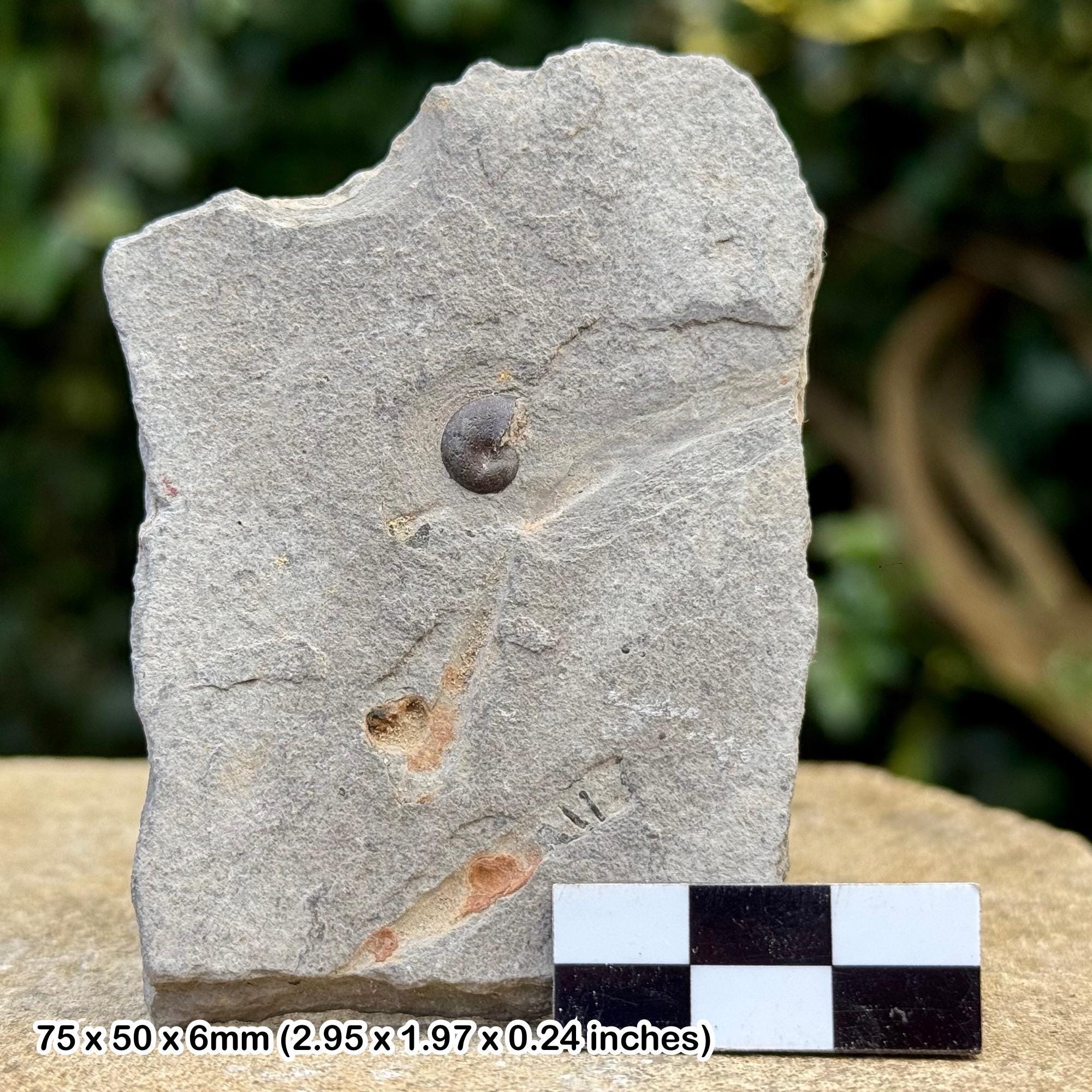
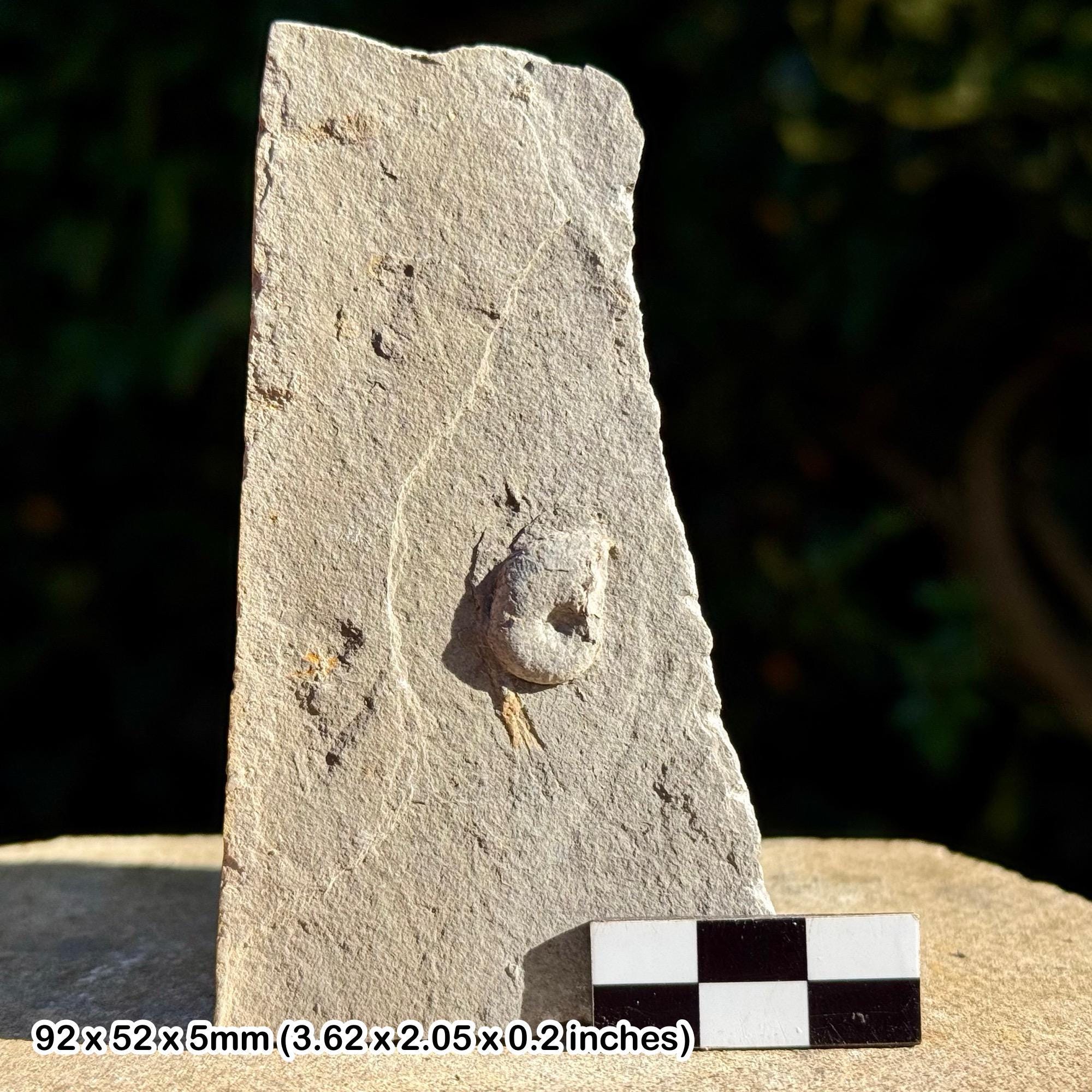
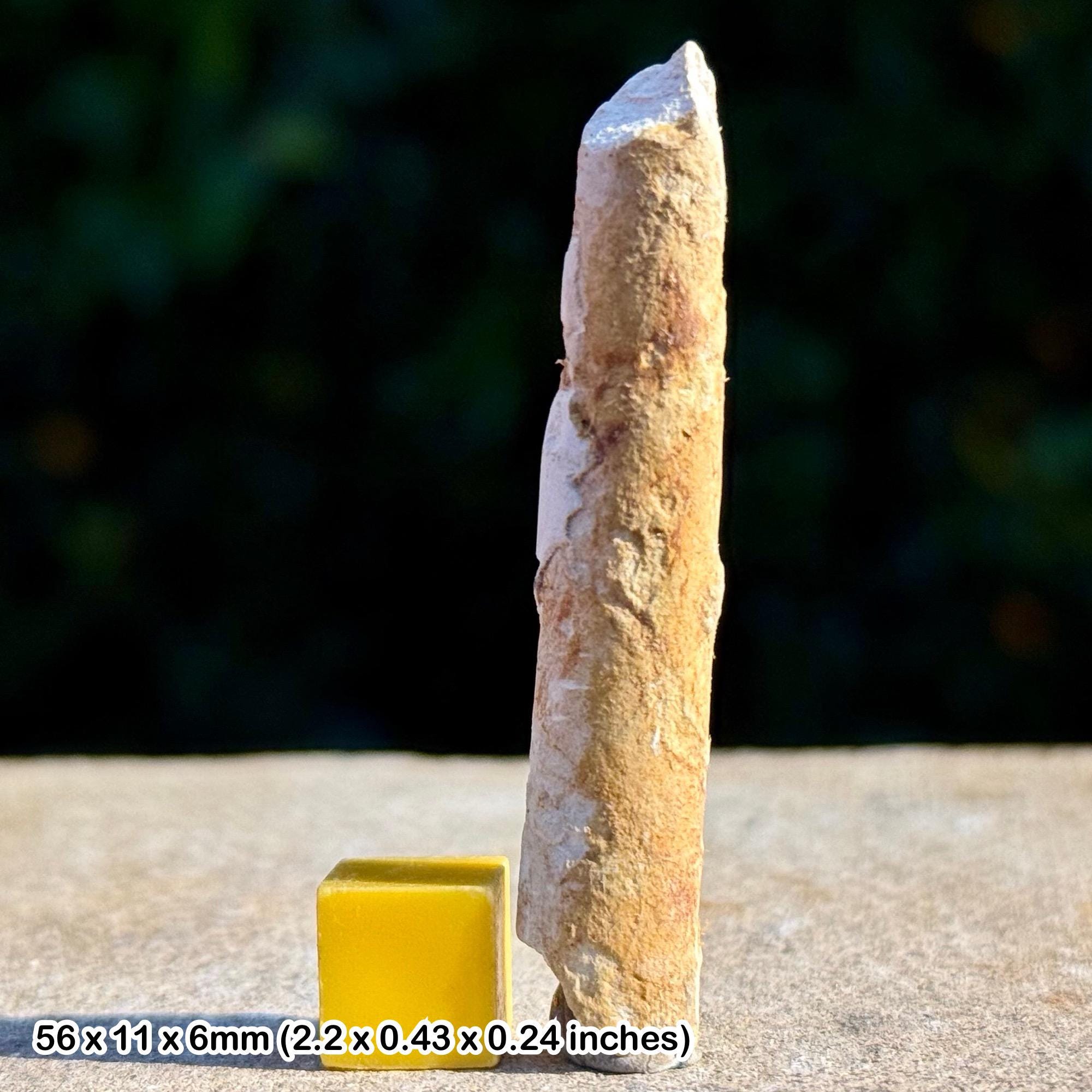
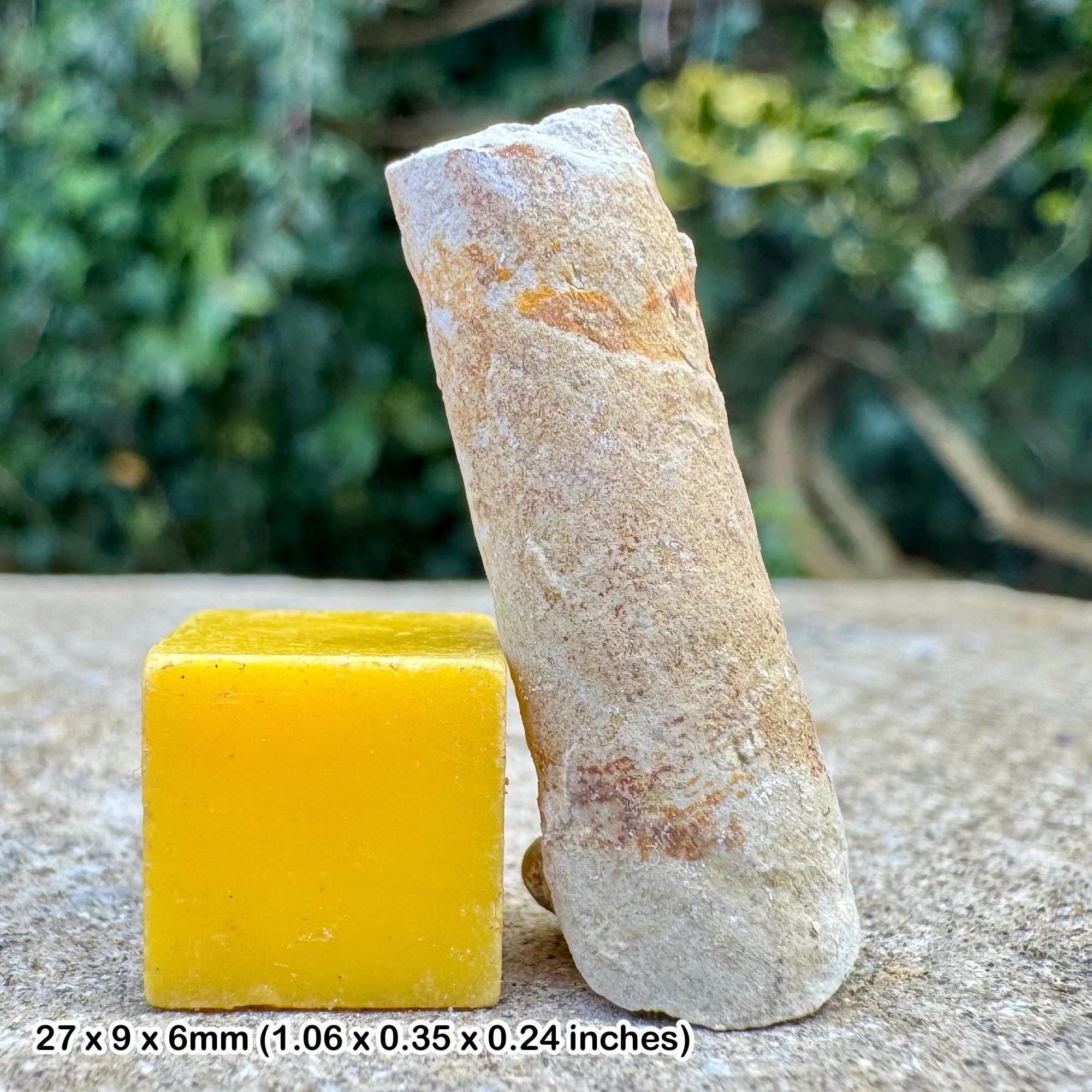
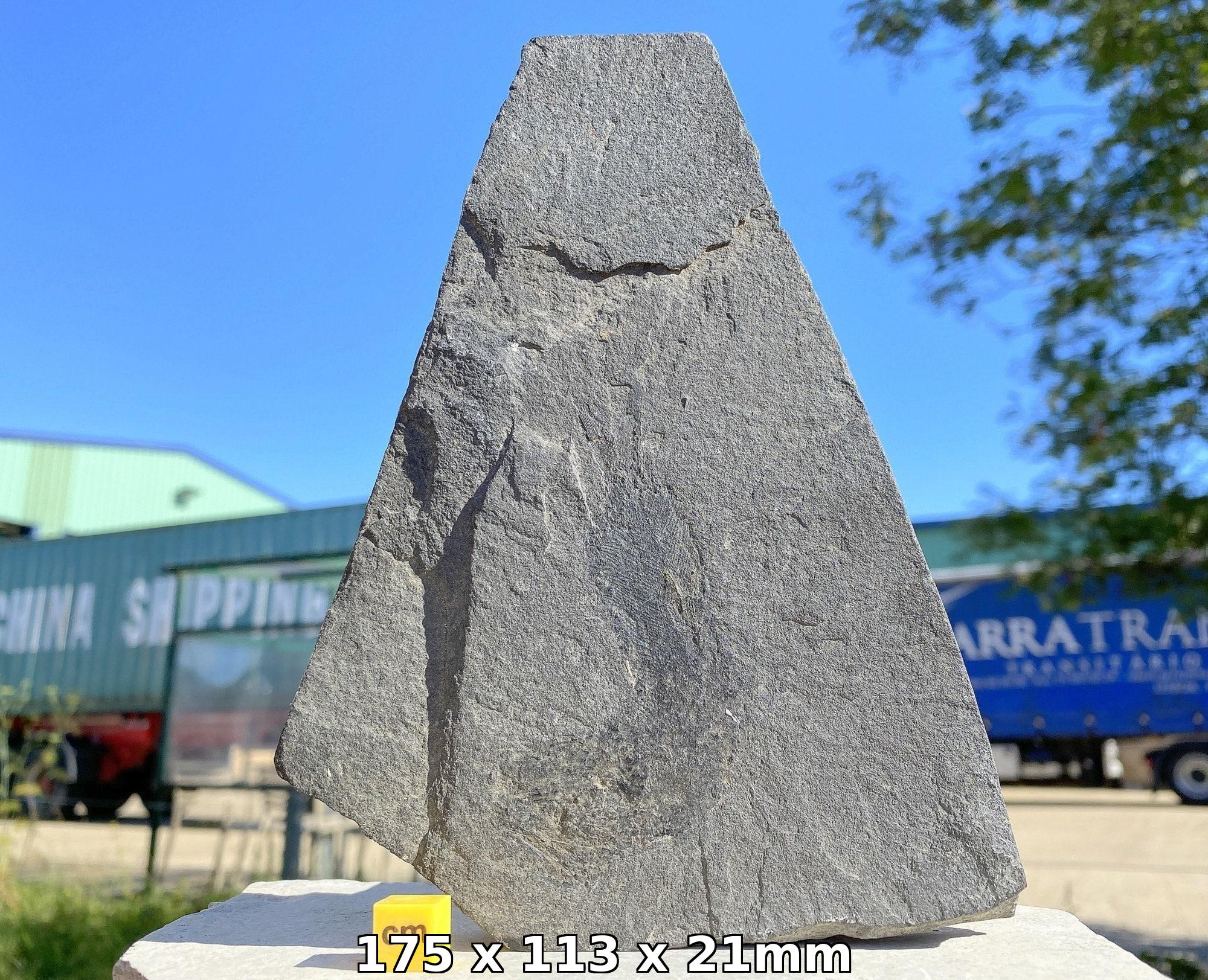
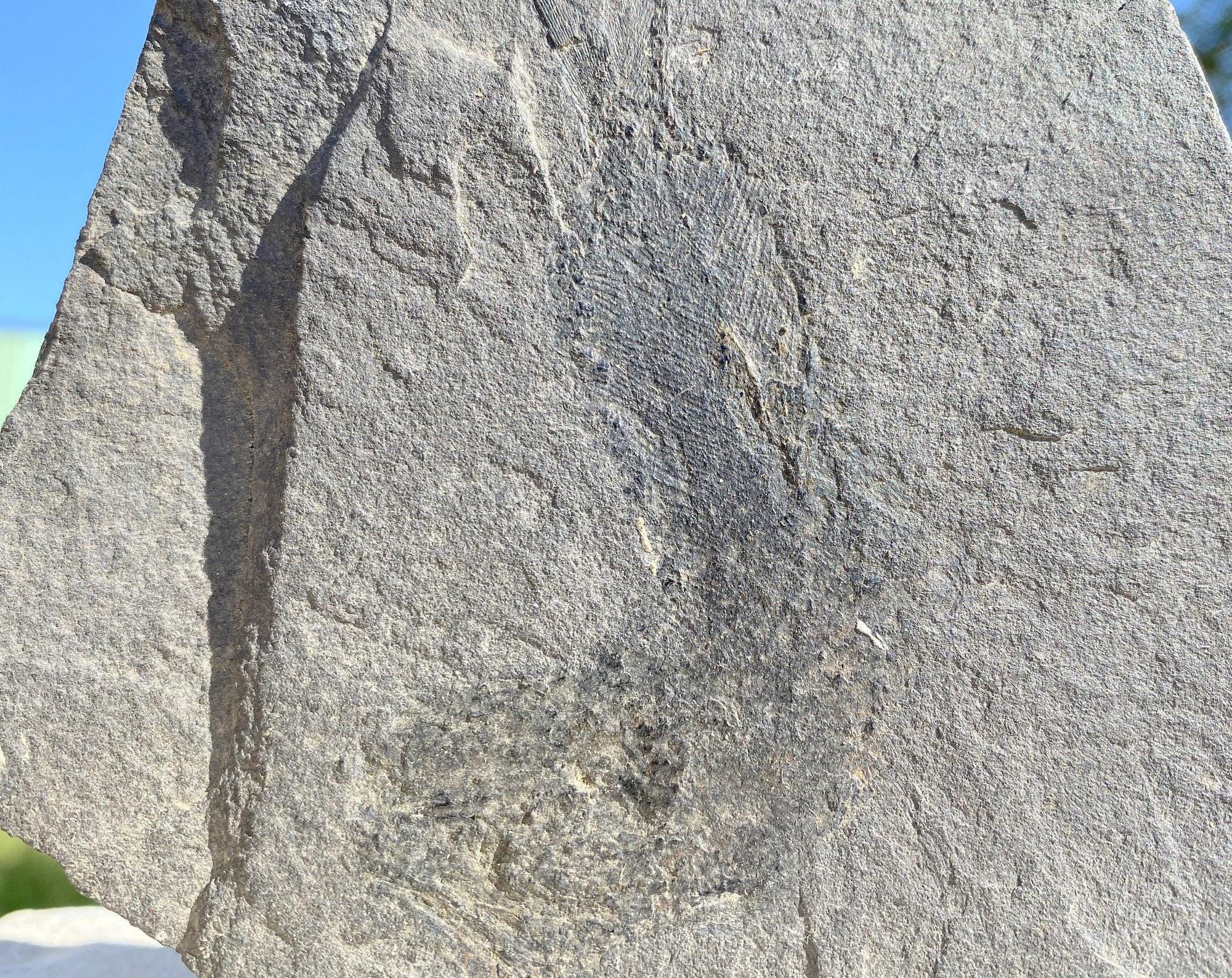
FORMATIONThis genuine fossil of Palaeoniscus freieslebeni originates from the renowned Kupferschiefer Formation of Mansfeld, Germany, one of Europe’s most historically significant Permian fossil localities. Beautifully preserved within fine-grained black shale, this specimen represents an early ray-finned fish from approximately 255–260 million years ago during the Late Permian (Lopingian Epoch).The photograph shows the exact fossil you will receive. Each piece is carefully chosen for its clarity of preservation, anatomical detail, and overall display quality. Please refer to the images for full sizing and scale.This fossil is a genuine specimen and includes a Certificate of Authenticity lifetime guarantee generic card. TAXONOMY & SCIENTIFIC CLASSIFICATION
• Species: Palaeoniscus freieslebeni
• Order: Palaeonisciformes
• Class: Actinopterygii (ray-finned fishes)
• Phylum: ChordataPalaeoniscus is one of the classic genera of early actinopterygians, representing an important stage in the evolutionary history of ray-finned fishes, which today make up the vast majority of modern fish species.The species Palaeoniscus freieslebeni was formally described from Kupferschiefer deposits and is characteristic of the Zechstein Basin assemblages of Central Europe. GEOLOGICAL CONTEXT – KUPFERSCHIEFER FORMATIONThe Kupferschiefer (“copper shale”) Formation is a thin but laterally extensive sedimentary unit deposited across parts of modern-day Germany and Poland during the Late Permian. It represents a restricted marine basin within the Zechstein Sea.Key geological details:
• Age: Late Permian (Lopingian)
• Formation: Kupferschiefer
• Basin: Zechstein Basin
• Depositional Environment: Anoxic, stagnant marine bottom waters
• Lithology: Organic-rich black shale with copper mineralisationThe oxygen-poor seabed conditions limited scavenger activity and slowed decay, allowing delicate skeletal structures of fish and other marine organisms to be preserved with remarkable detail. MORPHOLOGY & NOTABLE FEATURESPalaeoniscus freieslebeni is recognised by its streamlined, fusiform body shape and distinctive ganoid scales—thick, diamond-shaped scales composed of enamel-like ganoine. These scales often appear as a textured pattern across the fossil surface.Visible anatomical features may include:
• Well-defined dorsal and anal fins
• Forked caudal (tail) fin
• Articulated vertebral column impression
• Fin rays and scale alignment
• Cranial structure and jaw outlineThe fine-grained matrix of the Kupferschiefer shale enhances contrast, often allowing skeletal and scale impressions to stand out clearly against the dark background. PALAEOENVIRONMENT & EVOLUTIONARY SIGNIFICANCEDuring the Late Permian, the Zechstein Sea covered much of Central Europe. Periodic restriction of water circulation created stratified conditions with oxygen-rich surface waters and anoxic bottom layers. This environment supported marine fish, crustaceans, and other organisms, while simultaneously creating ideal preservation conditions after death.As an early ray-finned fish, Palaeoniscus represents a significant evolutionary branch that would later diversify dramatically. Fossils from Mansfeld are especially valued due to their historical importance in early palaeontological research and mining heritage. COLLECTING & DISPLAY VALUEKupferschiefer fossils from Mansfeld are highly regarded among collectors due to their:
• Distinct black shale matrix
• Historical mining association
• Classic Permian marine fauna
• Excellent anatomical preservationThis specimen makes an outstanding addition to:
• Fossil fish collections
• Permian period displays
• European locality collections
• Educational geological exhibitsIts combination of age, locality, and preservation makes it both scientifically interesting and visually striking. AUTHENTICITY & PROVENANCEThis is a genuine Palaeoniscus freieslebeni fossil from the Kupferschiefer Formation, Mansfeld, Germany. The photo shows the exact specimen you will receive, carefully selected for quality and display appeal.Your purchase includes a Certificate of Authenticity lifetime guarantee generic card. Please refer to the listing photographs for full sizing details.A classic Permian fossil fish from one of Europe’s most celebrated geological formations, this Mansfeld specimen offers a tangible connection to marine life over 250 million years ago.
FORMATIONThis genuine fossil of Palaeoniscus freieslebeni originates from the renowned Kupferschiefer Formation of Mansfeld, Germany, one of Europe’s most historically significant Permian fossil localities. Beautifully preserved within fine-grained black shale, this specimen represents an early ray-finned fish from approximately 255–260 million years ago during the Late Permian (Lopingian Epoch).The photograph shows the exact fossil you will receive. Each piece is carefully chosen for its clarity of preservation, anatomical detail, and overall display quality. Please refer to the images for full sizing and scale.This fossil is a genuine specimen and includes a Certificate of Authenticity lifetime guarantee generic card. TAXONOMY & SCIENTIFIC CLASSIFICATION
• Species: Palaeoniscus freieslebeni
• Order: Palaeonisciformes
• Class: Actinopterygii (ray-finned fishes)
• Phylum: ChordataPalaeoniscus is one of the classic genera of early actinopterygians, representing an important stage in the evolutionary history of ray-finned fishes, which today make up the vast majority of modern fish species.The species Palaeoniscus freieslebeni was formally described from Kupferschiefer deposits and is characteristic of the Zechstein Basin assemblages of Central Europe. GEOLOGICAL CONTEXT – KUPFERSCHIEFER FORMATIONThe Kupferschiefer (“copper shale”) Formation is a thin but laterally extensive sedimentary unit deposited across parts of modern-day Germany and Poland during the Late Permian. It represents a restricted marine basin within the Zechstein Sea.Key geological details:
• Age: Late Permian (Lopingian)
• Formation: Kupferschiefer
• Basin: Zechstein Basin
• Depositional Environment: Anoxic, stagnant marine bottom waters
• Lithology: Organic-rich black shale with copper mineralisationThe oxygen-poor seabed conditions limited scavenger activity and slowed decay, allowing delicate skeletal structures of fish and other marine organisms to be preserved with remarkable detail. MORPHOLOGY & NOTABLE FEATURESPalaeoniscus freieslebeni is recognised by its streamlined, fusiform body shape and distinctive ganoid scales—thick, diamond-shaped scales composed of enamel-like ganoine. These scales often appear as a textured pattern across the fossil surface.Visible anatomical features may include:
• Well-defined dorsal and anal fins
• Forked caudal (tail) fin
• Articulated vertebral column impression
• Fin rays and scale alignment
• Cranial structure and jaw outlineThe fine-grained matrix of the Kupferschiefer shale enhances contrast, often allowing skeletal and scale impressions to stand out clearly against the dark background. PALAEOENVIRONMENT & EVOLUTIONARY SIGNIFICANCEDuring the Late Permian, the Zechstein Sea covered much of Central Europe. Periodic restriction of water circulation created stratified conditions with oxygen-rich surface waters and anoxic bottom layers. This environment supported marine fish, crustaceans, and other organisms, while simultaneously creating ideal preservation conditions after death.As an early ray-finned fish, Palaeoniscus represents a significant evolutionary branch that would later diversify dramatically. Fossils from Mansfeld are especially valued due to their historical importance in early palaeontological research and mining heritage. COLLECTING & DISPLAY VALUEKupferschiefer fossils from Mansfeld are highly regarded among collectors due to their:
• Distinct black shale matrix
• Historical mining association
• Classic Permian marine fauna
• Excellent anatomical preservationThis specimen makes an outstanding addition to:
• Fossil fish collections
• Permian period displays
• European locality collections
• Educational geological exhibitsIts combination of age, locality, and preservation makes it both scientifically interesting and visually striking. AUTHENTICITY & PROVENANCEThis is a genuine Palaeoniscus freieslebeni fossil from the Kupferschiefer Formation, Mansfeld, Germany. The photo shows the exact specimen you will receive, carefully selected for quality and display appeal.Your purchase includes a Certificate of Authenticity lifetime guarantee generic card. Please refer to the listing photographs for full sizing details.A classic Permian fossil fish from one of Europe’s most celebrated geological formations, this Mansfeld specimen offers a tangible connection to marine life over 250 million years ago.
Other Products