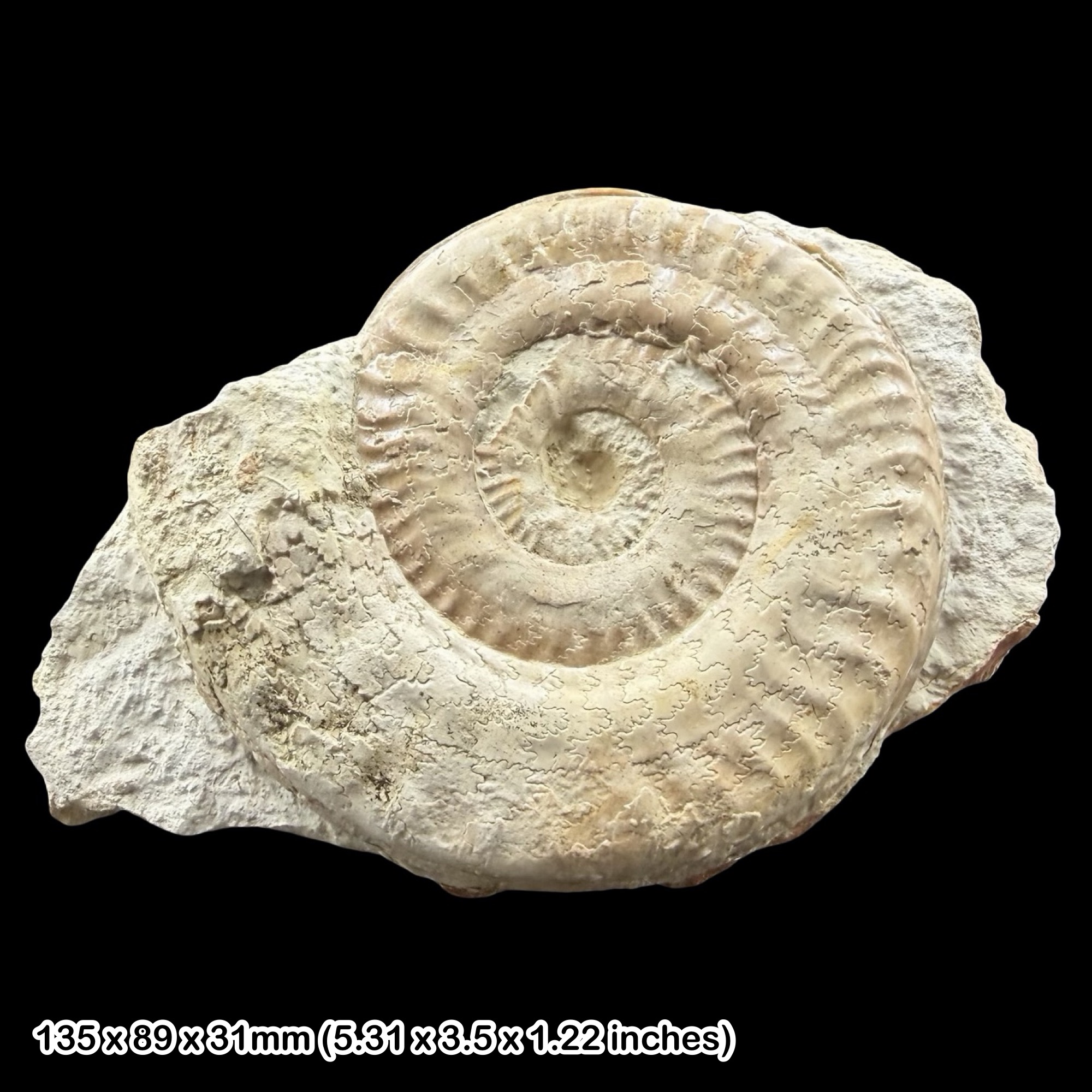
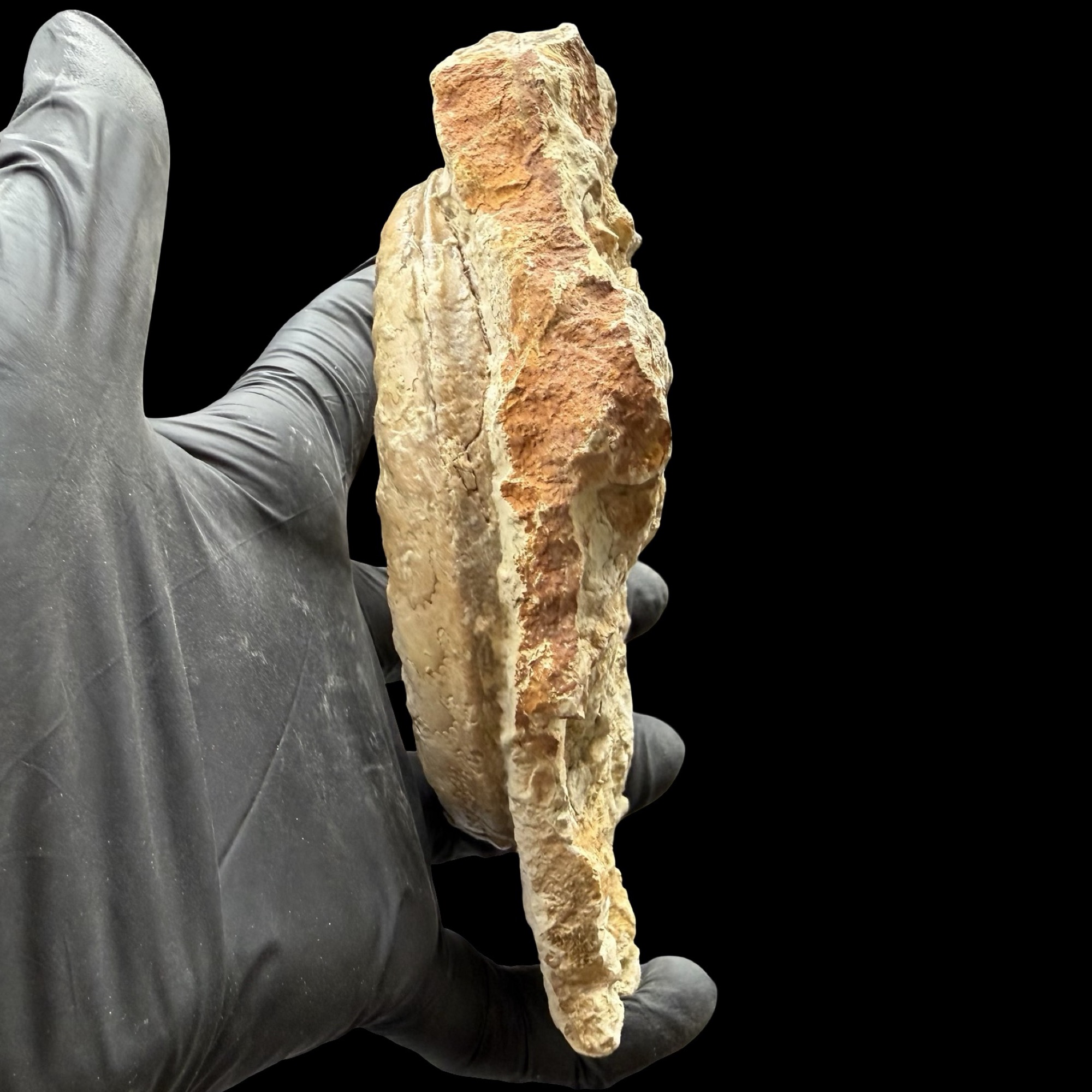
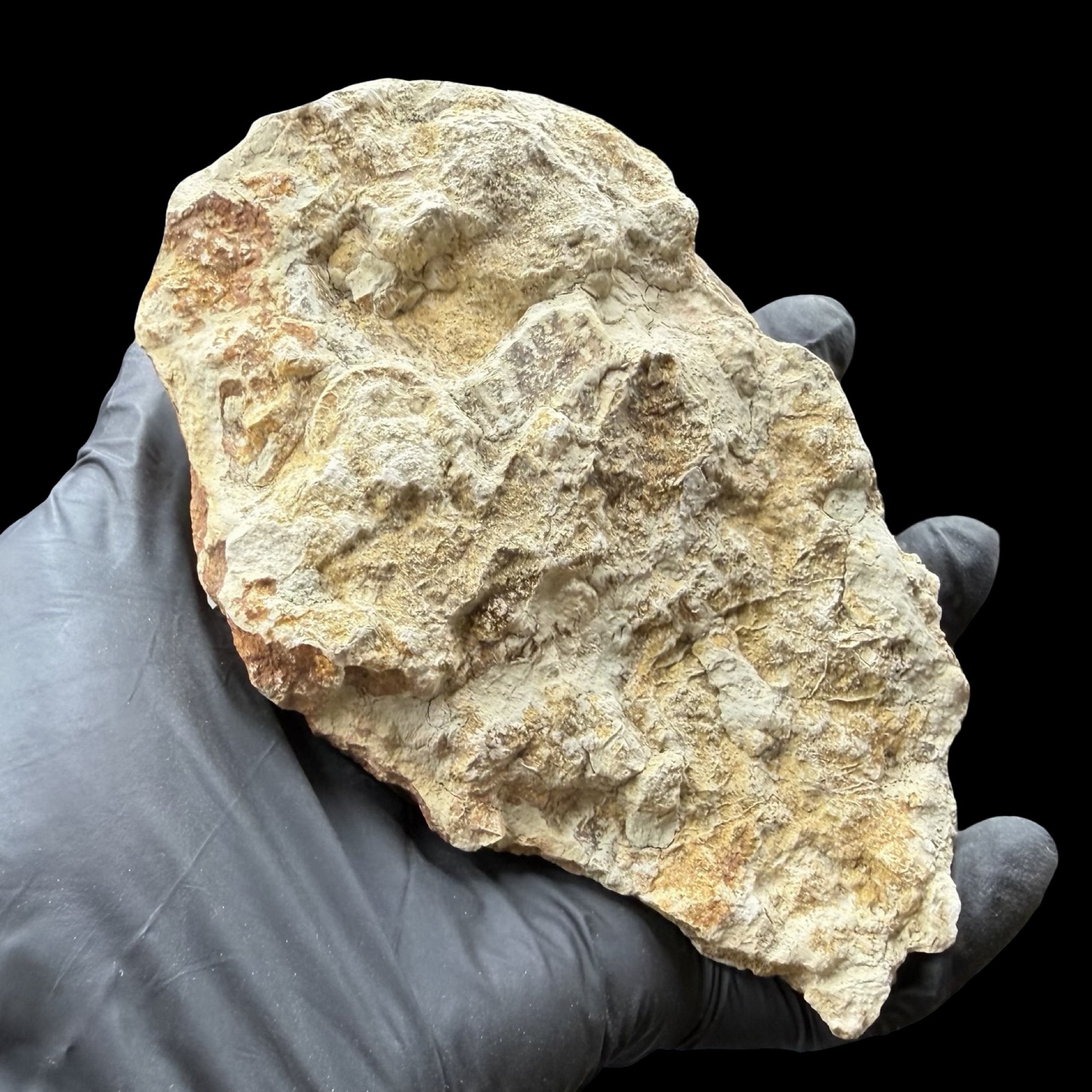
Hildoceras bifrons Ammonite Fossil Jurassic Ilminster Somerset UK COA Beacon Limestone Genuine Display Specimen
£ 24.00
GENUINE HILDOCERAS BIFRONS AMMONITE FOSSILThis listing is for a genuine Hildoceras bifrons fossil ammonite from the Beacon
Limestone, Jurassic, collected from Ilminster, Somerset, UK. This is a carefully chosen fossil specimen, and the photograph shows the actual piece you will receive. Full sizing and scale details can be seen in the photo.Your specimen was discovered by our own team members, Alister and Alison, and has been carefully cleaned, prepped and treated by Alison. It is supplied with a Certificate of Authenticity lifetime guarantee generic card, confirming that this is a genuine fossil specimen and making it an excellent choice for fossil collectors, educational displays, natural history cabinets and Jurassic fossil enthusiasts. ABOUT HILDOCERAS BIFRONSHildoceras bifrons is a classic and highly collectable ammonite species from the Early Jurassic. Ammonites were extinct marine cephalopods, related to modern squid, octopus and nautilus, but they lived inside a coiled, chambered shell. The animal occupied the final outer chamber, while the earlier internal chambers helped regulate buoyancy as it moved through ancient seas.Hildoceras bifrons was formally described as Ammonites bifrons by Bruguière in 1789 and is now placed within the genus Hildoceras. It belongs to the family Hildoceratidae, within the superfamily Hildoceratoidea and the order Ammonitida. This species is one of the best-known ammonites of the Toarcian Stage and is especially valued because of its strong scientific use in Jurassic biostratigraphy. MORPHOLOGY AND IDENTIFYING FEATURESHildoceras bifrons is admired for its distinctive shell form and attractive ribbing. Typical specimens show a planispiral coiled shell with clear whorls, a defined outer edge and strong rib ornament across the flanks. One of the notable features of Hildoceras is the presence of a groove or sulcus along the side of the whorl, which can separate the ribbing into different sections and gives the shell a very recognisable appearance.The species name bifrons, meaning “two-fronted” or “double-faced”, reflects the distinctive appearance of the shell and its ornamentation. Hildoceras ammonites are often used by collectors and students as excellent examples of Jurassic ammonite morphology, showing the coiling, ribbing and chambered shell structure that make ammonites such important fossils. GEOLOGICAL AGE AND BEACON LIMESTONE FORMATIONThis specimen comes from the Beacon Limestone, a fossiliferous Jurassic limestone unit known from parts of Somerset and the surrounding region. The fossil is associated with the Lower Jurassic, particularly the Toarcian Stage, a time when shallow epicontinental seas covered much of what is now southern Britain.Hildoceras bifrons is closely associated with the Bifrons Zone, an important ammonite biozone of the Toarcian. Ammonites such as Hildoceras are especially useful to geologists because they evolved rapidly and were widely distributed in ancient seas, allowing rock layers to be dated and correlated across different regions. The presence of Hildoceras bifrons gives this fossil both display appeal and genuine scientific interest. ILMINSTER, SOMERSET FOSSIL LOCALITYIlminster, Somerset is a classic British Jurassic fossil locality known for ammonites and other marine fossils preserved in limestone deposits. During the Early Jurassic, this area formed part of a warm marine environment, with carbonate-rich sediments accumulating on the seabed. These ancient seas supported ammonites, belemnites, bivalves, brachiopods, fish and marine reptiles.The Beacon Limestone represents a marine depositional setting where hard limestones and fossil-rich beds preserved the remains of sea life from the Jurassic Period. Fossils from this locality are valued for their British provenance and their connection to the historic fossil-bearing strata of Somerset. COLLECTABLE BRITISH JURASSIC DISPLAY FOSSILThis Hildoceras bifrons ammonite fossil is a desirable specimen for collectors of British fossils, Jurassic ammonites, Somerset fossils, natural history items and educational geological material. Its recognised species, classic Jurassic age and locality from Ilminster, Somerset make it a strong addition to a fossil collection.As the photograph shows the actual fossil supplied, you can buy with confidence knowing exactly which specimen will be received. Whether displayed in a fossil cabinet, used as a teaching specimen, added to a Jurassic collection or given as a thoughtful natural history gift, this genuine Hildoceras bifrons ammonite offers a direct connection to the ancient seas of Jurassic Britain.
Limestone, Jurassic, collected from Ilminster, Somerset, UK. This is a carefully chosen fossil specimen, and the photograph shows the actual piece you will receive. Full sizing and scale details can be seen in the photo.Your specimen was discovered by our own team members, Alister and Alison, and has been carefully cleaned, prepped and treated by Alison. It is supplied with a Certificate of Authenticity lifetime guarantee generic card, confirming that this is a genuine fossil specimen and making it an excellent choice for fossil collectors, educational displays, natural history cabinets and Jurassic fossil enthusiasts. ABOUT HILDOCERAS BIFRONSHildoceras bifrons is a classic and highly collectable ammonite species from the Early Jurassic. Ammonites were extinct marine cephalopods, related to modern squid, octopus and nautilus, but they lived inside a coiled, chambered shell. The animal occupied the final outer chamber, while the earlier internal chambers helped regulate buoyancy as it moved through ancient seas.Hildoceras bifrons was formally described as Ammonites bifrons by Bruguière in 1789 and is now placed within the genus Hildoceras. It belongs to the family Hildoceratidae, within the superfamily Hildoceratoidea and the order Ammonitida. This species is one of the best-known ammonites of the Toarcian Stage and is especially valued because of its strong scientific use in Jurassic biostratigraphy. MORPHOLOGY AND IDENTIFYING FEATURESHildoceras bifrons is admired for its distinctive shell form and attractive ribbing. Typical specimens show a planispiral coiled shell with clear whorls, a defined outer edge and strong rib ornament across the flanks. One of the notable features of Hildoceras is the presence of a groove or sulcus along the side of the whorl, which can separate the ribbing into different sections and gives the shell a very recognisable appearance.The species name bifrons, meaning “two-fronted” or “double-faced”, reflects the distinctive appearance of the shell and its ornamentation. Hildoceras ammonites are often used by collectors and students as excellent examples of Jurassic ammonite morphology, showing the coiling, ribbing and chambered shell structure that make ammonites such important fossils. GEOLOGICAL AGE AND BEACON LIMESTONE FORMATIONThis specimen comes from the Beacon Limestone, a fossiliferous Jurassic limestone unit known from parts of Somerset and the surrounding region. The fossil is associated with the Lower Jurassic, particularly the Toarcian Stage, a time when shallow epicontinental seas covered much of what is now southern Britain.Hildoceras bifrons is closely associated with the Bifrons Zone, an important ammonite biozone of the Toarcian. Ammonites such as Hildoceras are especially useful to geologists because they evolved rapidly and were widely distributed in ancient seas, allowing rock layers to be dated and correlated across different regions. The presence of Hildoceras bifrons gives this fossil both display appeal and genuine scientific interest. ILMINSTER, SOMERSET FOSSIL LOCALITYIlminster, Somerset is a classic British Jurassic fossil locality known for ammonites and other marine fossils preserved in limestone deposits. During the Early Jurassic, this area formed part of a warm marine environment, with carbonate-rich sediments accumulating on the seabed. These ancient seas supported ammonites, belemnites, bivalves, brachiopods, fish and marine reptiles.The Beacon Limestone represents a marine depositional setting where hard limestones and fossil-rich beds preserved the remains of sea life from the Jurassic Period. Fossils from this locality are valued for their British provenance and their connection to the historic fossil-bearing strata of Somerset. COLLECTABLE BRITISH JURASSIC DISPLAY FOSSILThis Hildoceras bifrons ammonite fossil is a desirable specimen for collectors of British fossils, Jurassic ammonites, Somerset fossils, natural history items and educational geological material. Its recognised species, classic Jurassic age and locality from Ilminster, Somerset make it a strong addition to a fossil collection.As the photograph shows the actual fossil supplied, you can buy with confidence knowing exactly which specimen will be received. Whether displayed in a fossil cabinet, used as a teaching specimen, added to a Jurassic collection or given as a thoughtful natural history gift, this genuine Hildoceras bifrons ammonite offers a direct connection to the ancient seas of Jurassic Britain.
Other Products